Humidity: High → Very High
Carnivore Bog
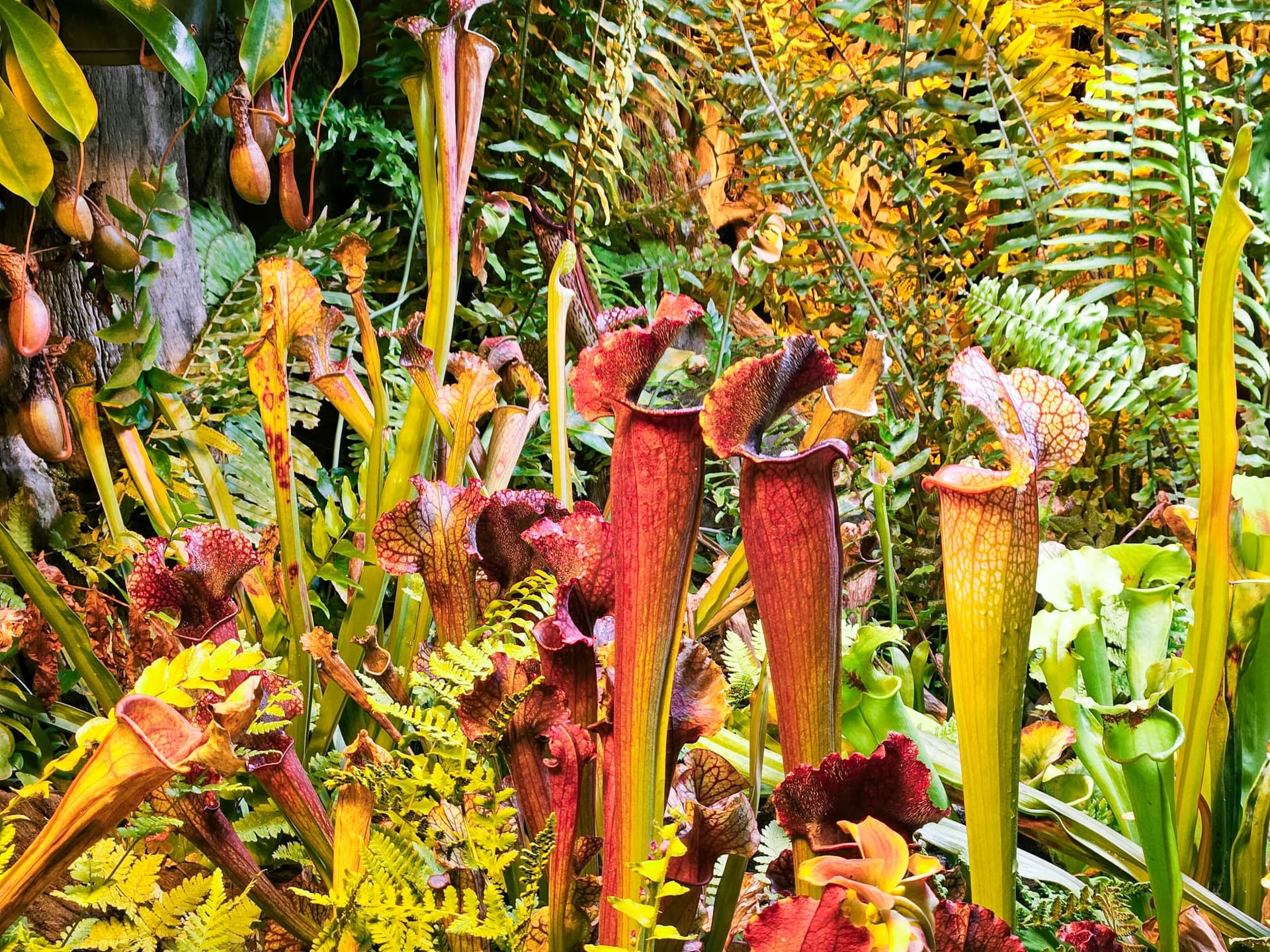
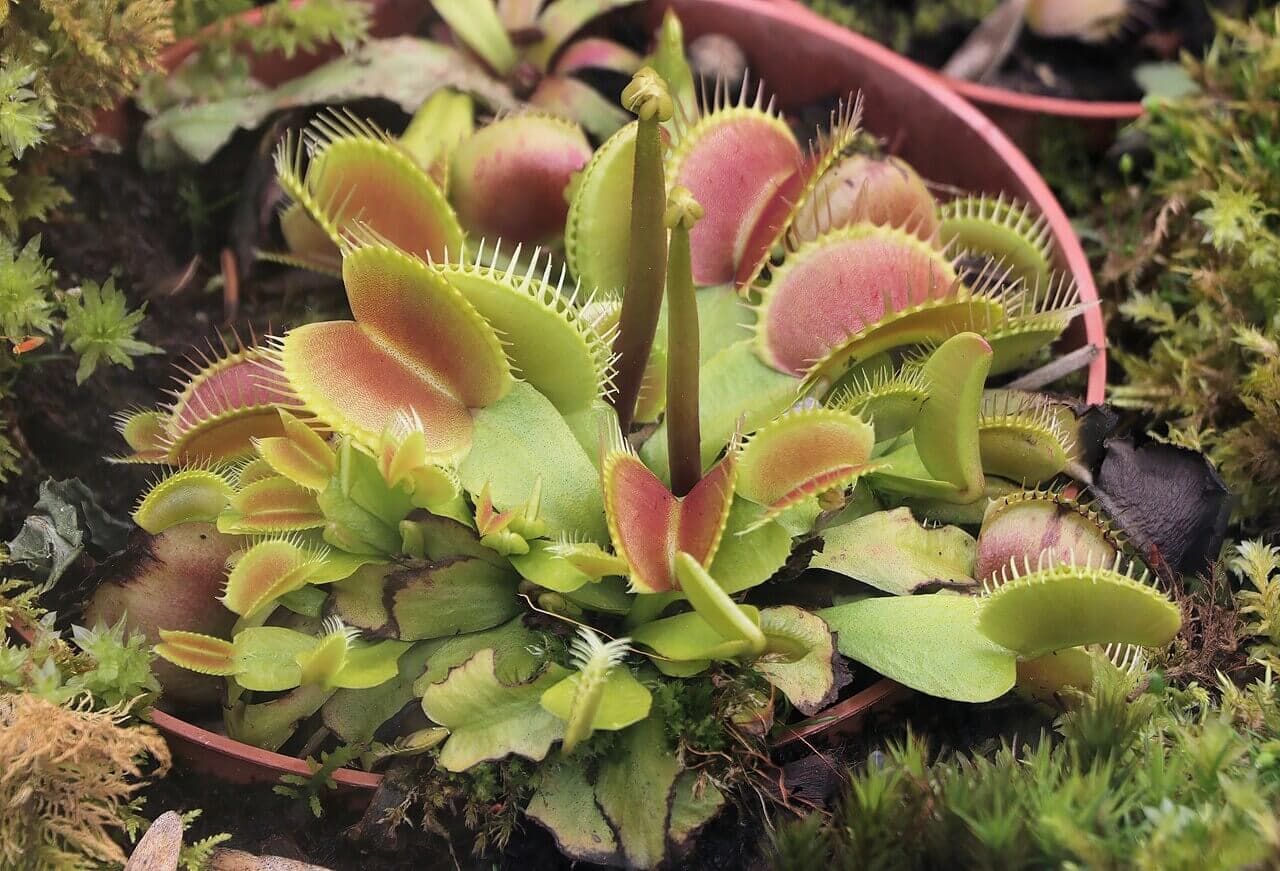
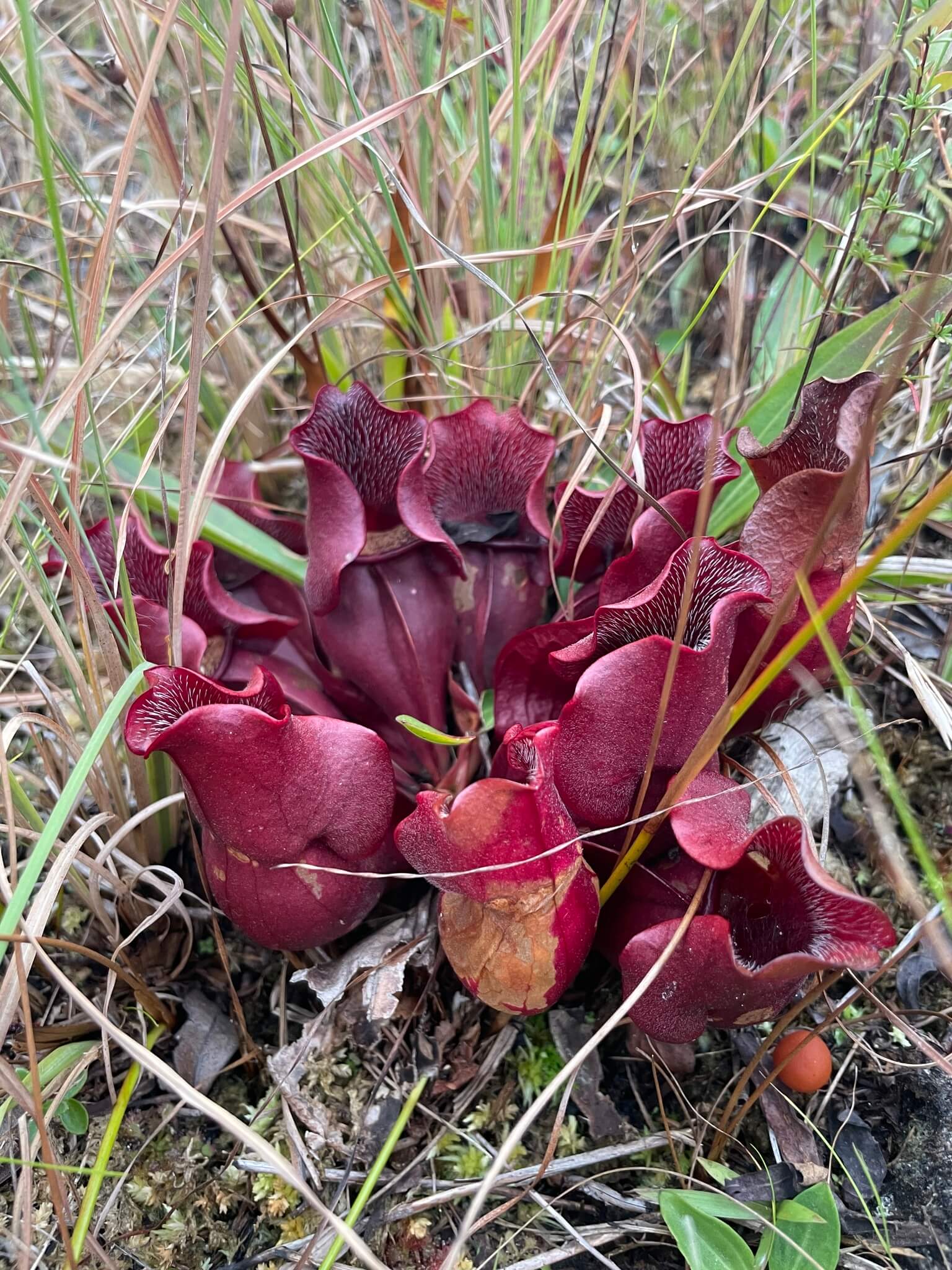
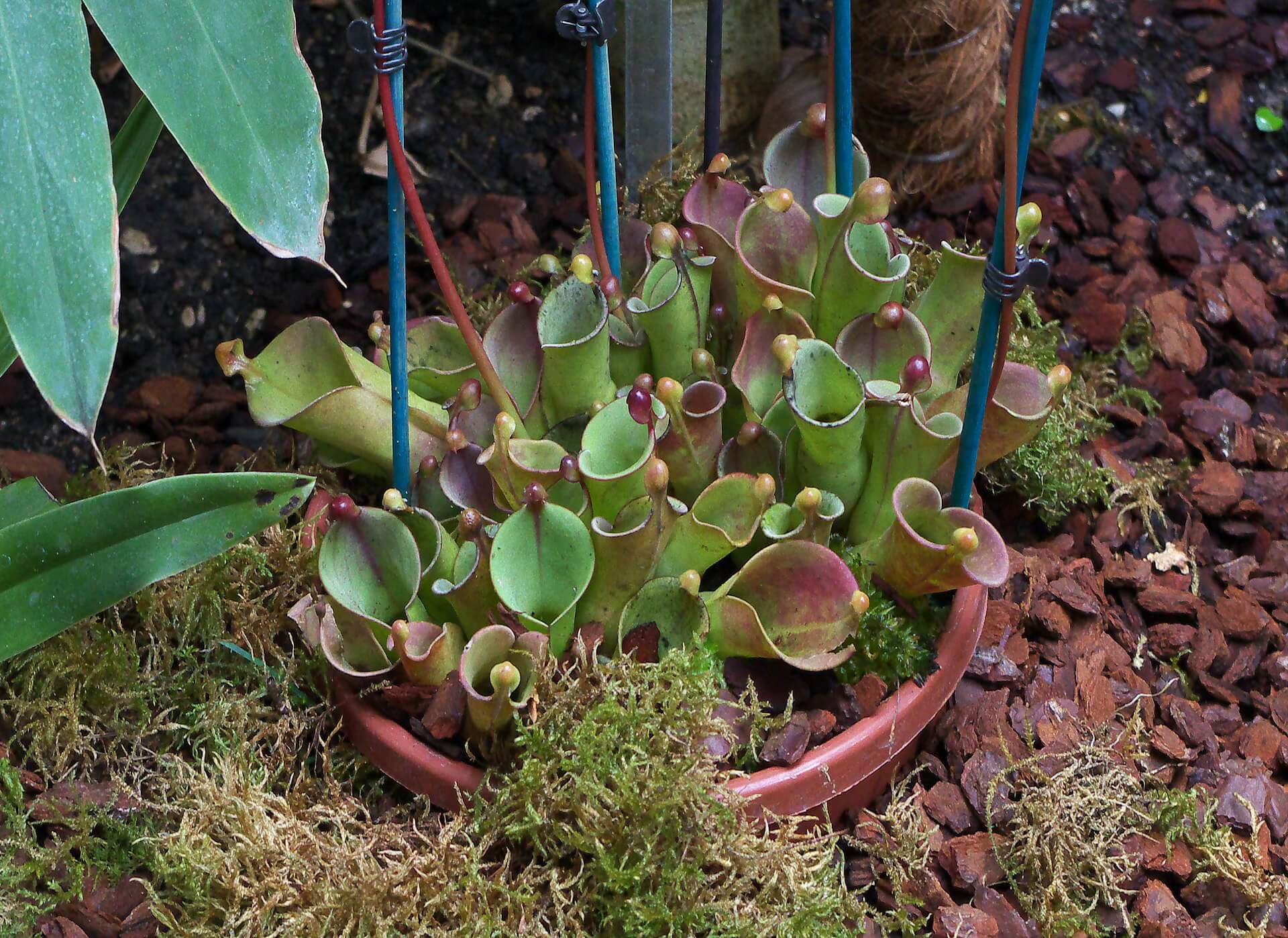
Carnivore Bog gathers the pitcher plants, sundews, and Venus flytraps of temperate North American peatlands into one high-light, foreground-dominant planting. The look is open and wet — a peat-and-sphagnum floor under strong light, with red and yellow trap colour standing against green moss rather than flowers or variegated foliage.
Carnivore Bog draws from the open peatlands and longleaf-pine seepage bogs where carnivorous plants evolved — habitats so poor in nitrogen and phosphorus that the plants take their nutrients from trapped insects instead of the soil. Two North American regions anchor the theme. The Southeastern coastal plain (longleaf pine savannas of the Carolinas, Georgia, and the Gulf states) holds most of the world's Sarracenia species, the Carolina endemic Dionaea muscipula, and several native sundews. The Sphagnum bogs of the Great Lakes and the Northeast carry the cold-tolerant Sarracenia purpurea and Drosera rotundifolia further north into Canada.
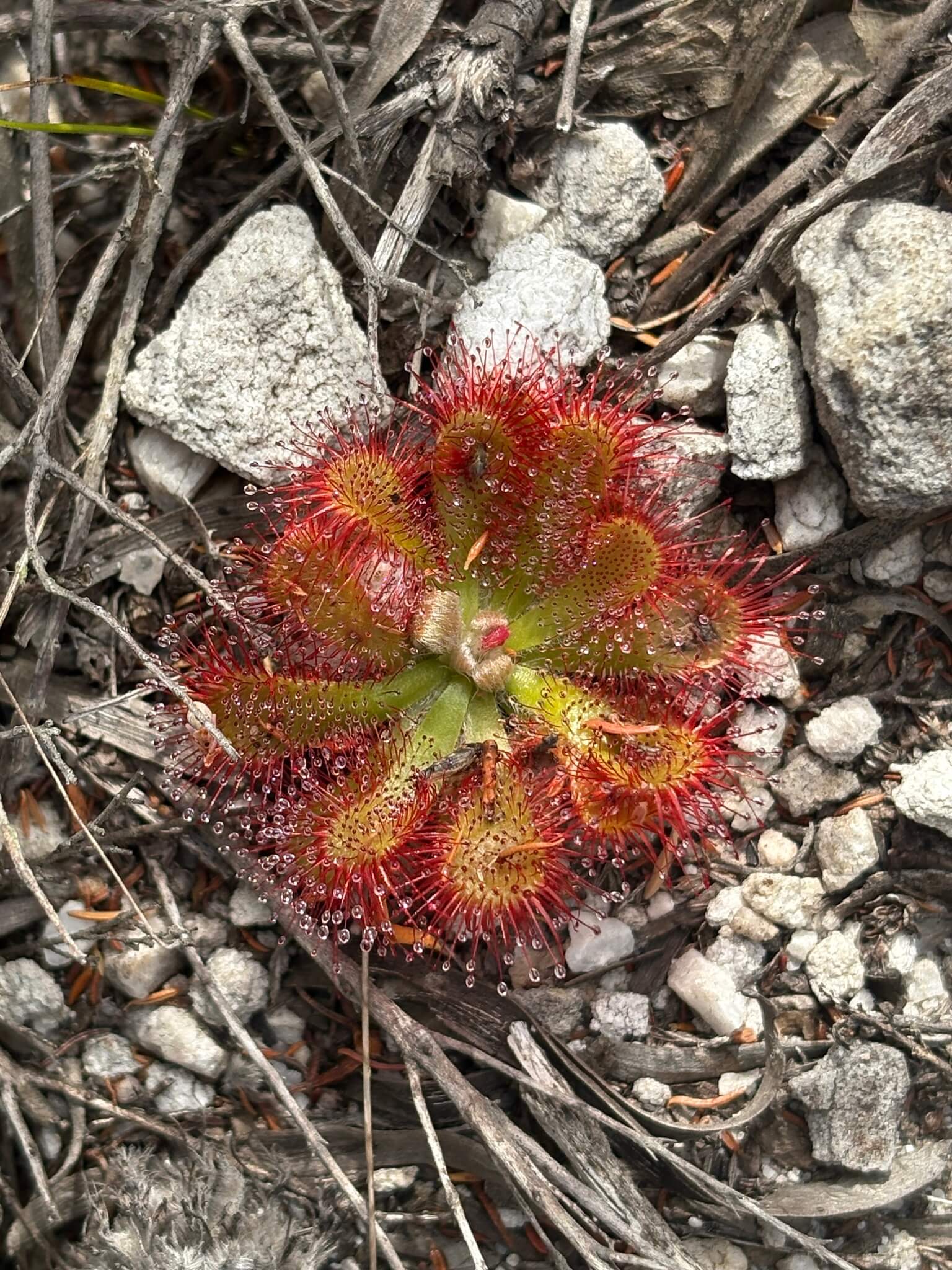
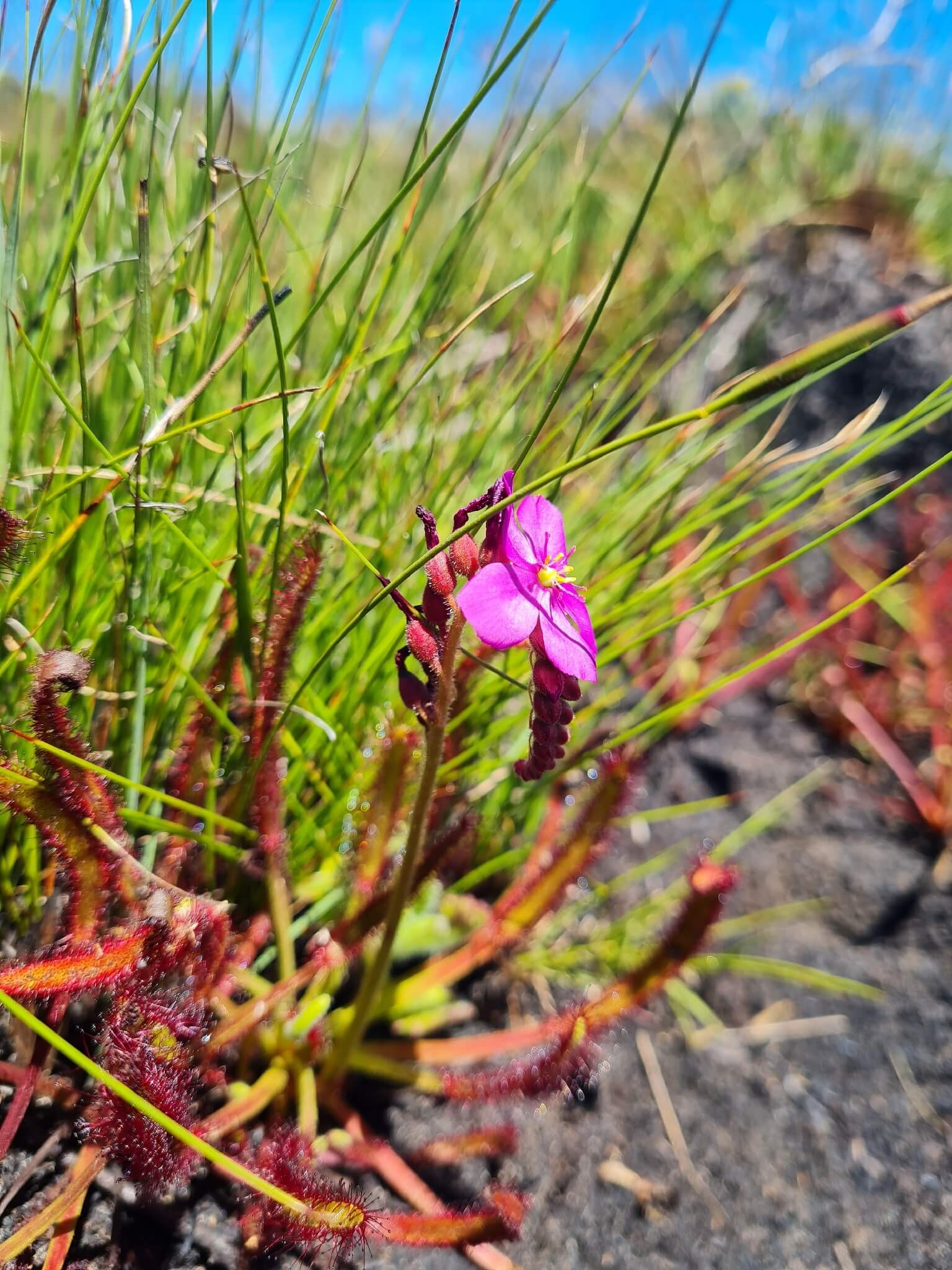
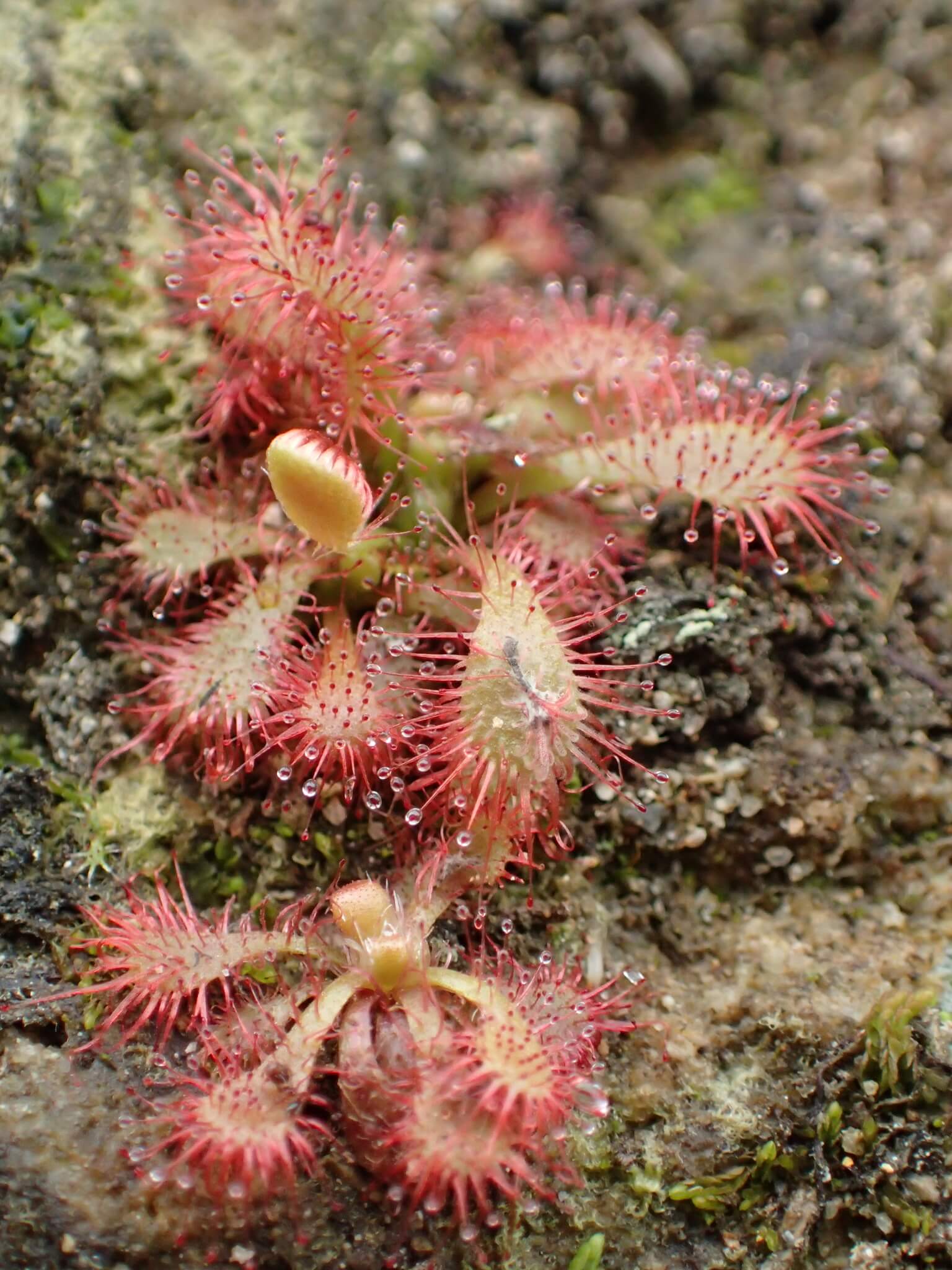
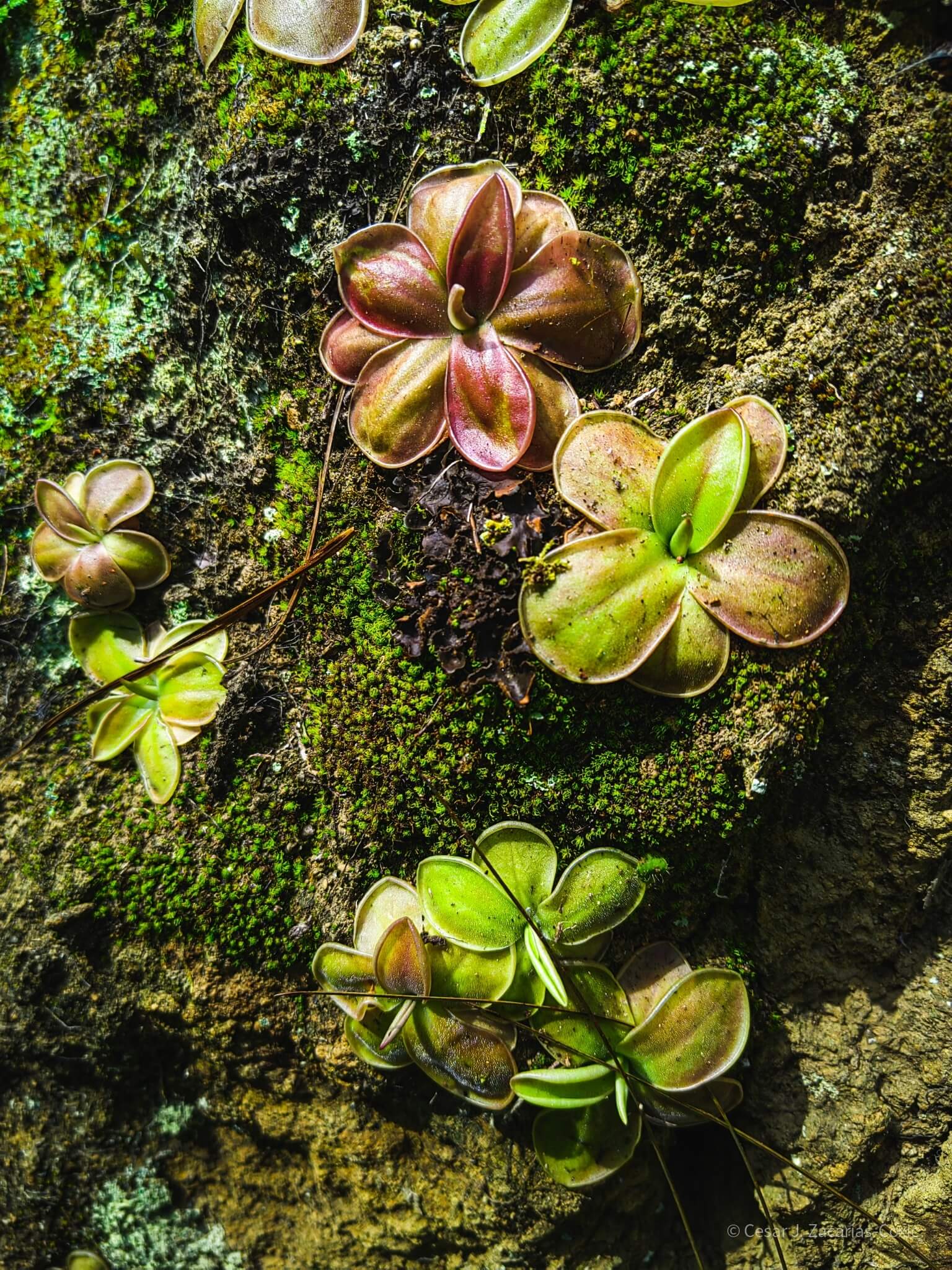
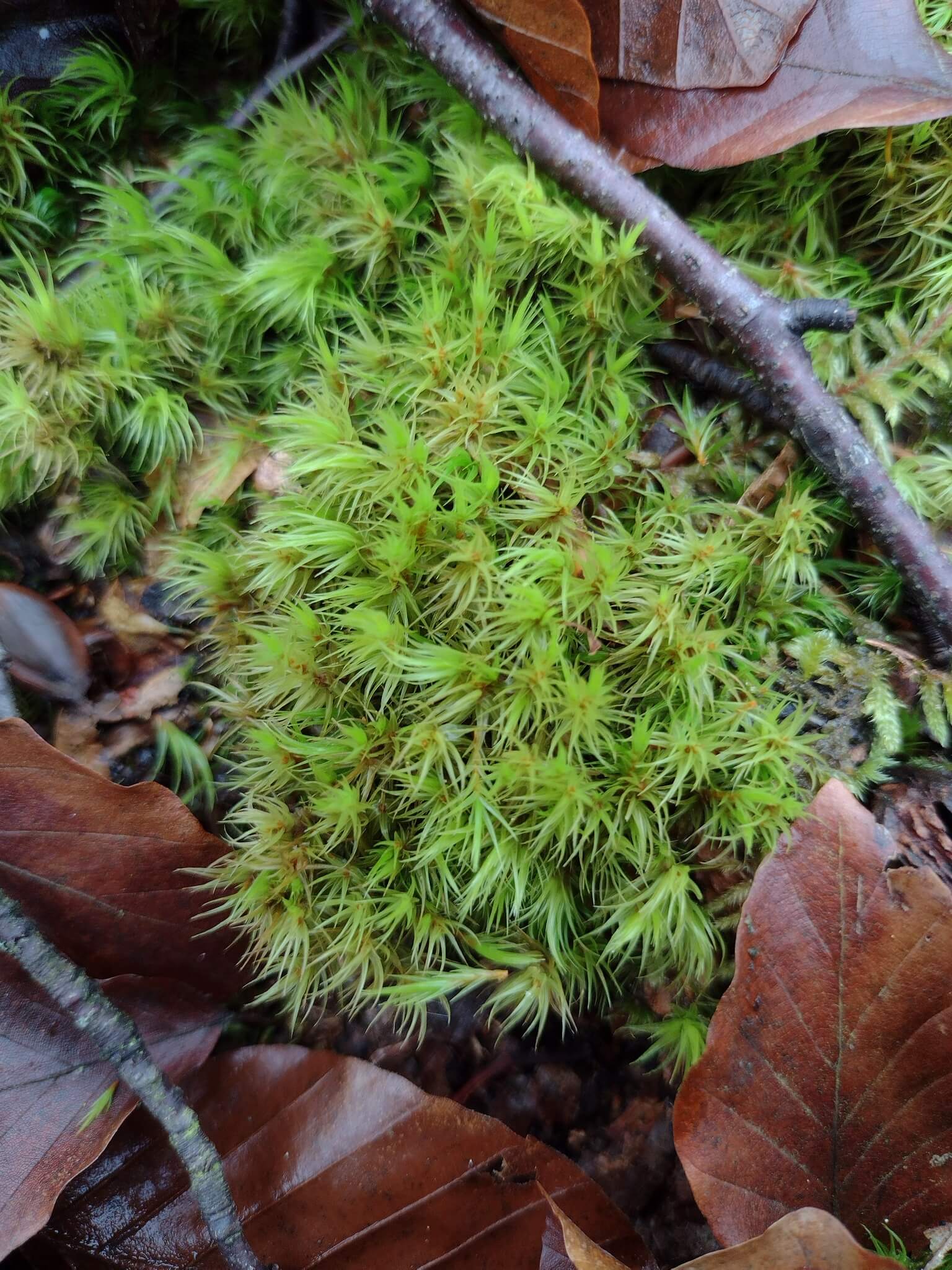
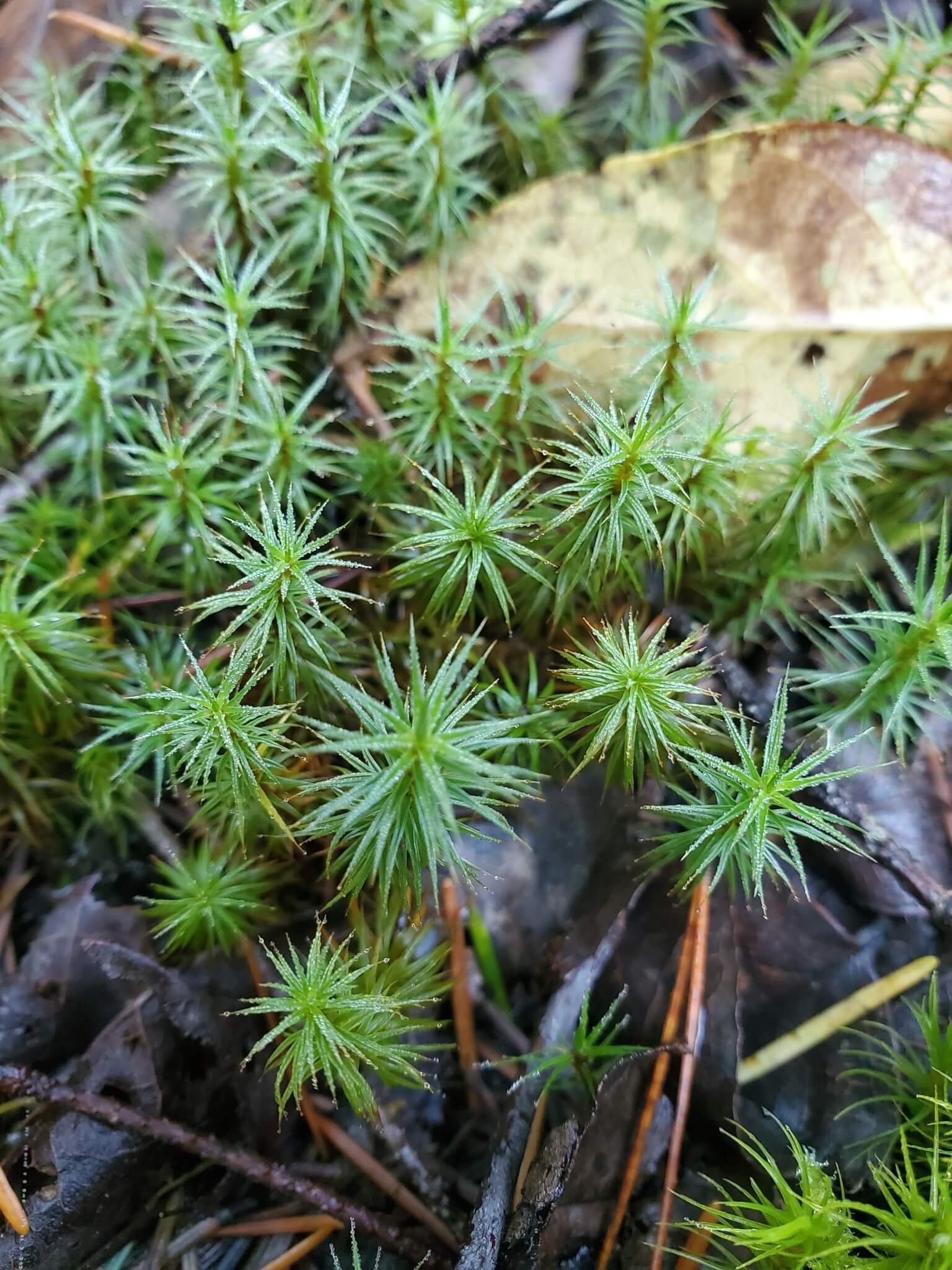
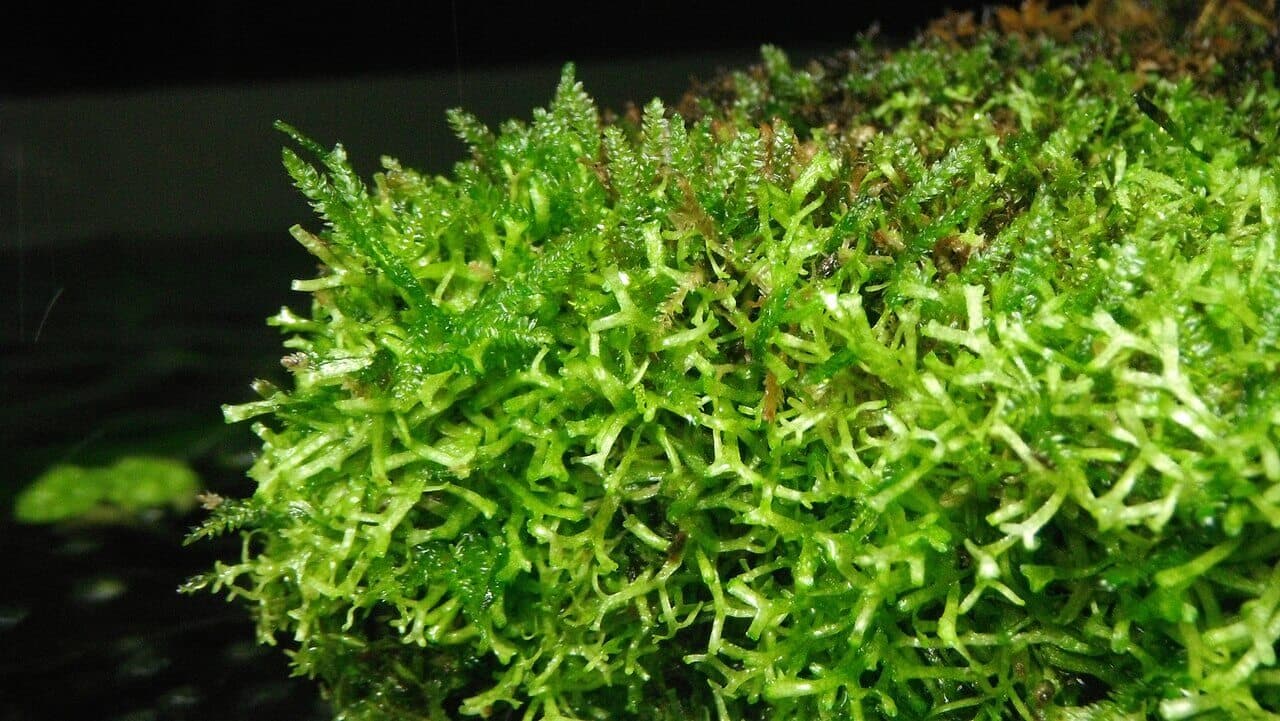
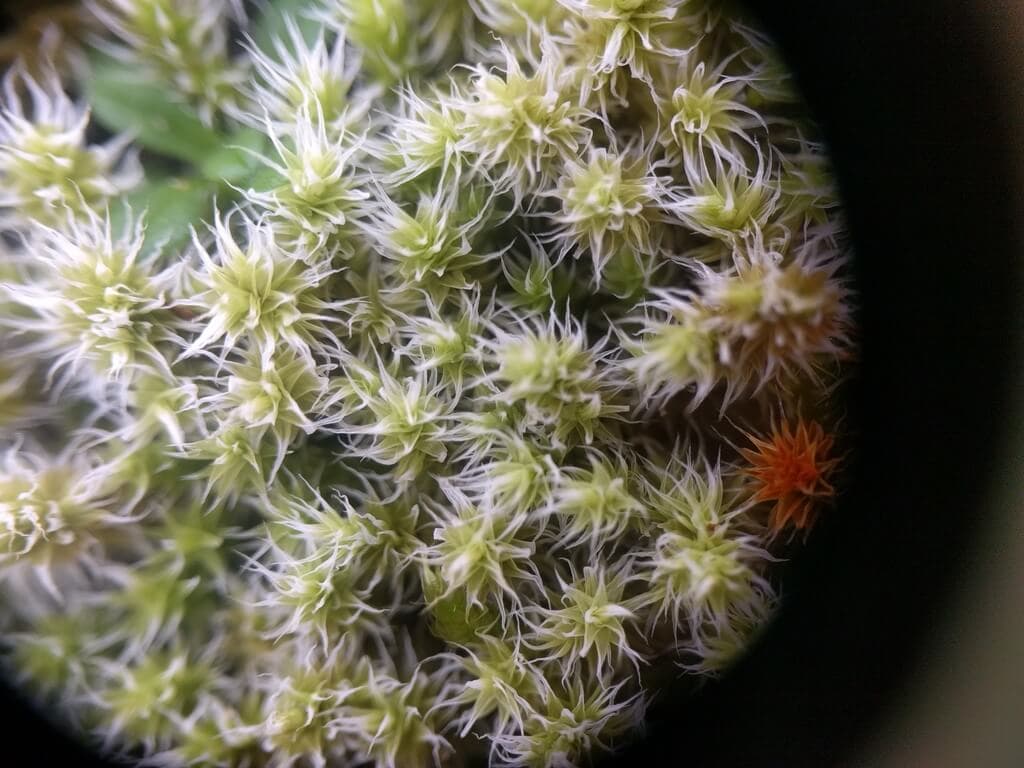
The terrarium look is open and wet. A peat-and-sphagnum substrate sits over an inert drainage layer (lava rock or aquarium gravel), with no canopy and almost no taller planting — most carnivores stay under 30 cm. Visual interest comes from trap colour and texture rather than flowers: pitcher hoods veined in red and yellow, sundew tentacles tipped with mucilage that catches the light, and the slow-flexing snap traps of the flytrap. Live Sphagnum mounds across the floor as the working substrate; Dicranum, Polytrichum, and Vesicularia fill in where Sphagnum is harder to keep.
Two things make this theme harder than it looks inside a closed terrarium. Water chemistry comes first — Sarracenia, Drosera, and Dionaea cannot tolerate the dissolved minerals in tap water and need rain, distilled, or reverse-osmosis water at every watering. Light is the second. Most temperate carnivores are full-sun plants in their native bogs; bright indirect light alone lets them stretch, lose trap colour, and decline. LED grow panels on a long photoperiod (12 hours or more) replace the missing sun.
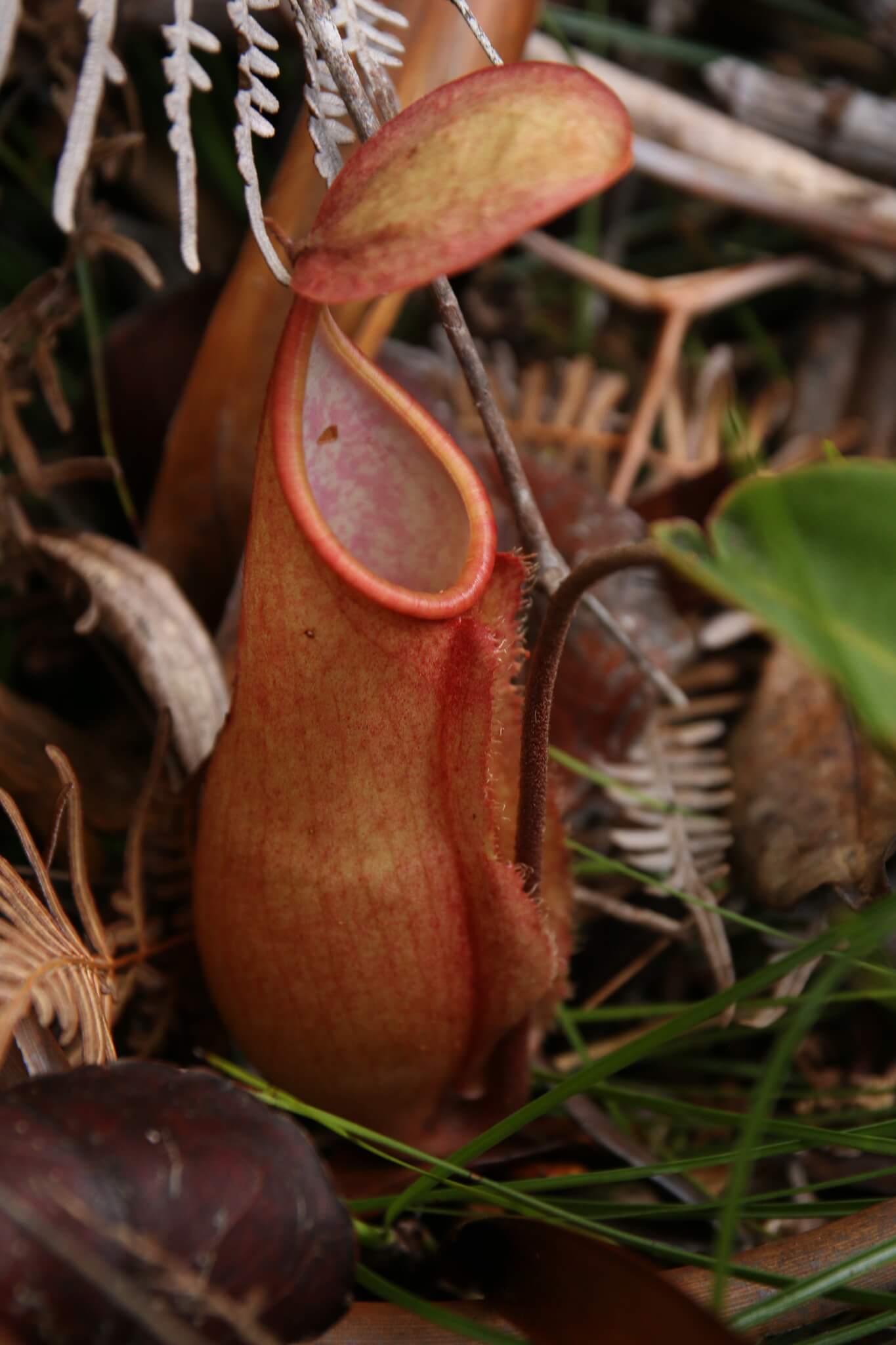
The closed-vessel format itself sets the species shortlist. Venus flytraps and Sarracenia actually do better in open or partly open containers — they don't tolerate saturated air well, and they need a winter dormancy below 10 °C each year that closed terrariums rarely deliver. The dependable closed-terrarium carnivores are the subtropical sundews — Drosera capensis, D. spatulata, D. aliciae — which grow year-round, tolerate moist enclosed air, and stay small enough for a medium vessel. Nepenthes hybrids add vertical pitchers in larger warm-tropical builds. Run airflow with a partial lid or daily venting; stagnant saturated air rots pitcher fluid and breeds fungus on sundew leaves.
Featured plants
Hand-picked combinations from the catalogue
References
- Terrarium TribePlant selection for closed vs open carnivore terrariums — sundews, butterworts, and Nepenthes work in closed vessels; Venus flytraps and Sarracenia prefer open containers. Substrate (peat, washed coco coir, commercial CP mix with perlite and sand), RO/distilled/rain water only, and 12-hour LED photoperiod.
- Terrarium TribeVenus flytrap-specific guidance — open dish-style container preferred over closed terrarium, 4-month winter dormancy at 0–10 °C, and the difficulty of keeping the substrate moist but not waterlogged without drainage.
- International Carnivorous Plant SocietyAuthoritative CP cultivation reference — the standard peat-sand-perlite mix, sphagnum moss as alternative substrate, and LED panels as the working light source for indoor carnivores.
- WikipediaSarracenia habitat (fens, herb bogs, fire-maintained pine savannas, seepage bogs), range (Southeastern coastal plain plus S. purpurea extending into Canada and the Great Lakes), dormancy requirement, and tap-water intolerance.
- WikipediaVenus flytrap native range (~56 miles around Wilmington, North Carolina), habitat (nitrogen- and phosphorus-poor wet sandy/peaty soils, fire-maintained), dormancy requirement, and full-sun light needs.
- WikipediaDrosera diversity (~194 species), bog and sphagnum-acidified habitat, the temperate-vs-subtropical growth split (hibernacula vs year-round growth), and the three hardy commercial species (capensis, aliciae, spatulata) referenced in the description.
- WikipediaSphagnum bog ecology — acidic, precipitation-fed, nutrient-poor peatland with carnivorous plants and orchids as characteristic flora — context for the theme's habitat framing.