Humidity: High → Very High
Moss Garden
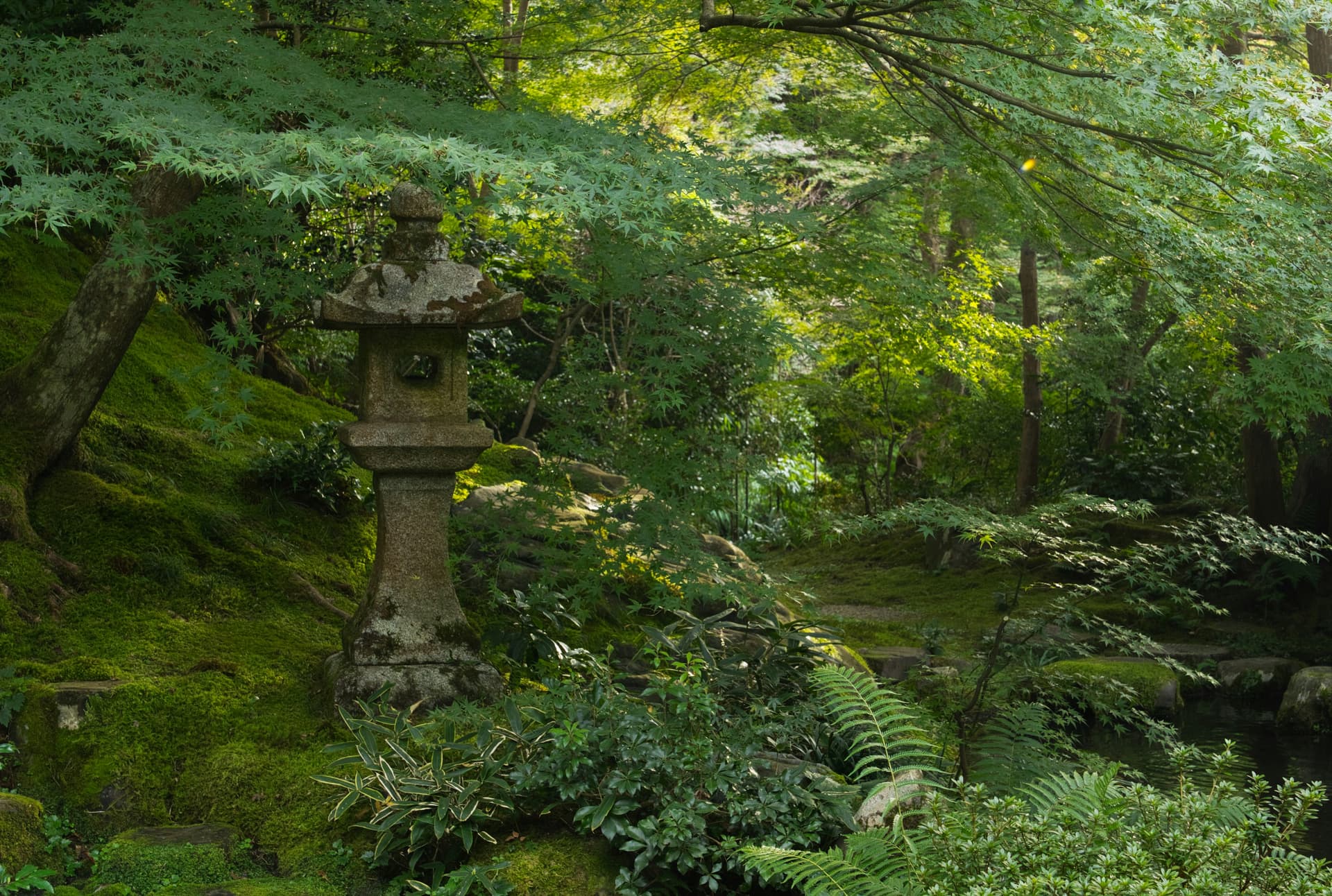
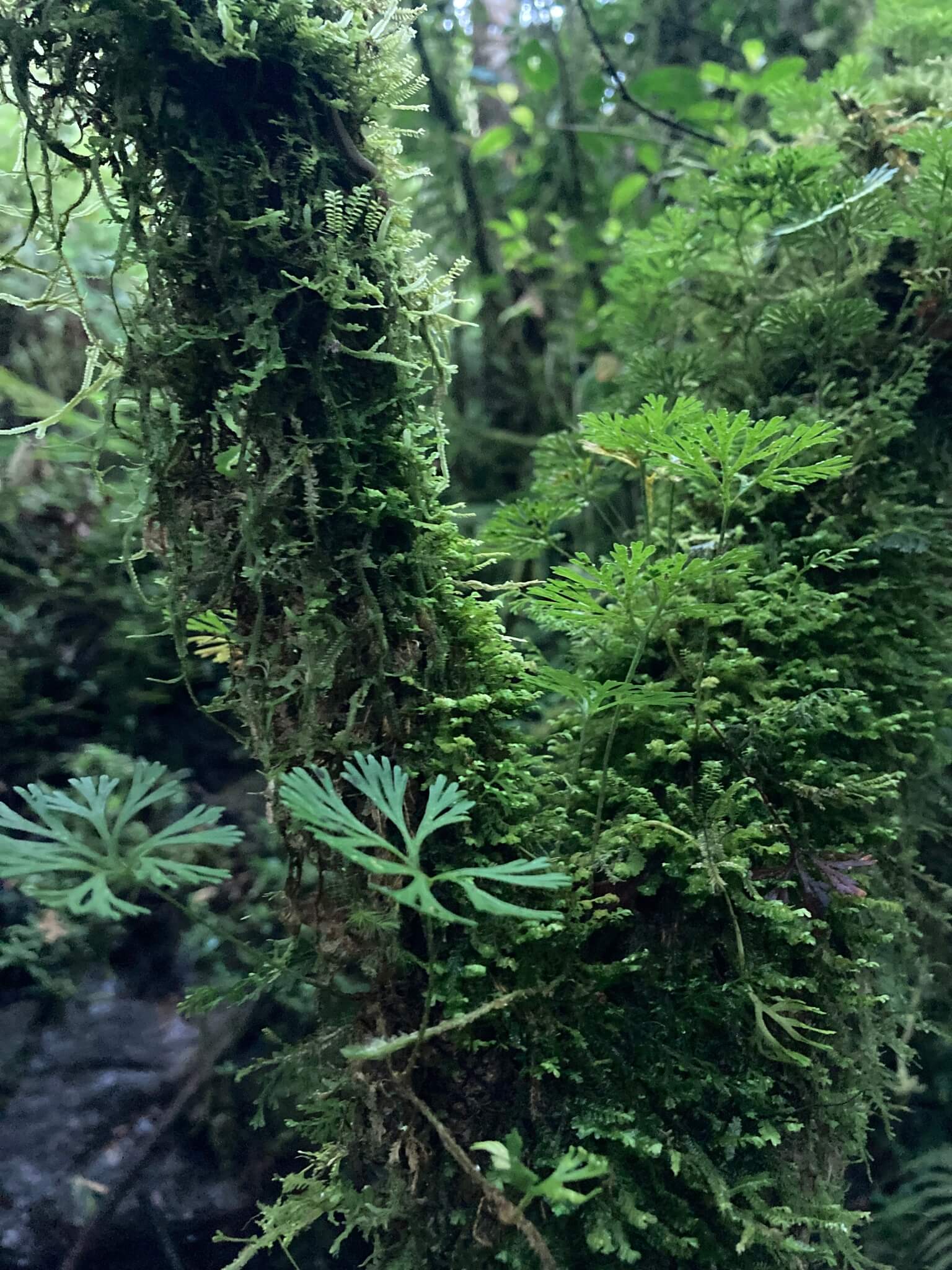
Moss Garden takes its cue from the quiet floor of a damp temperate forest — the moss carpets of a Japanese kokedera, a Scottish glen, a north-facing ravine after rain — and turns it into a foreground-dominant landscape with almost nothing rising above ankle height. The palette is monochrome green, the planting low and tactile, and small ferns serve as occasional accents rather than the centre of attention.
Moss Garden is the calmest of the Verdarium themes — a foreground-dominant landscape where moss carpets the substrate from edge to edge and the eye stays close to the ground. The reference points are quiet places: the moss-covered floor of Saihō-ji in Kyoto (known as Japan's kokedera, or 'moss temple'), the moss-floored ravines of the Atlantic seaboard from Galicia to western Scotland, and the damp north-facing banks of a temperate beech wood after rain. The look reads as ground, not garden.
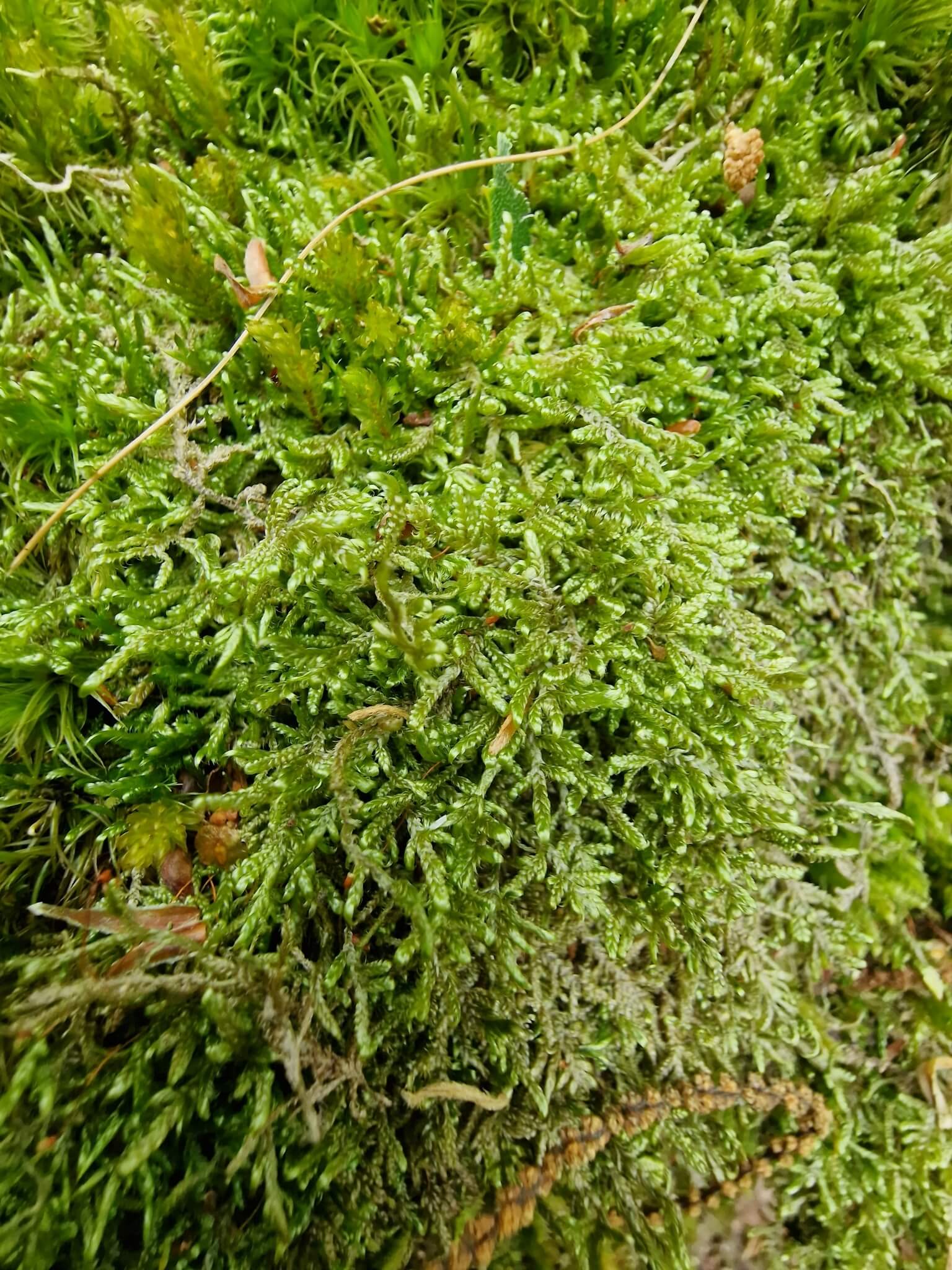
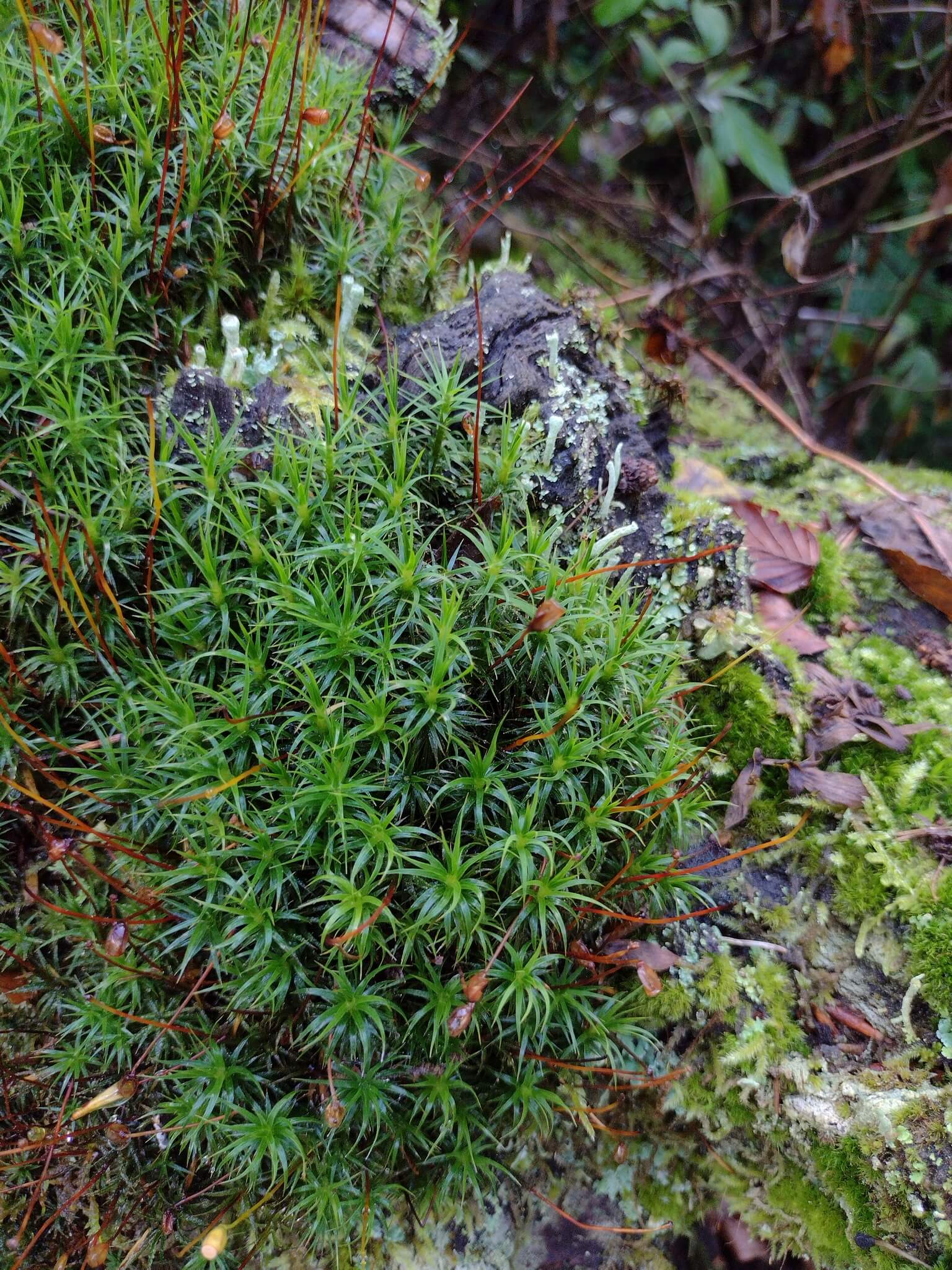
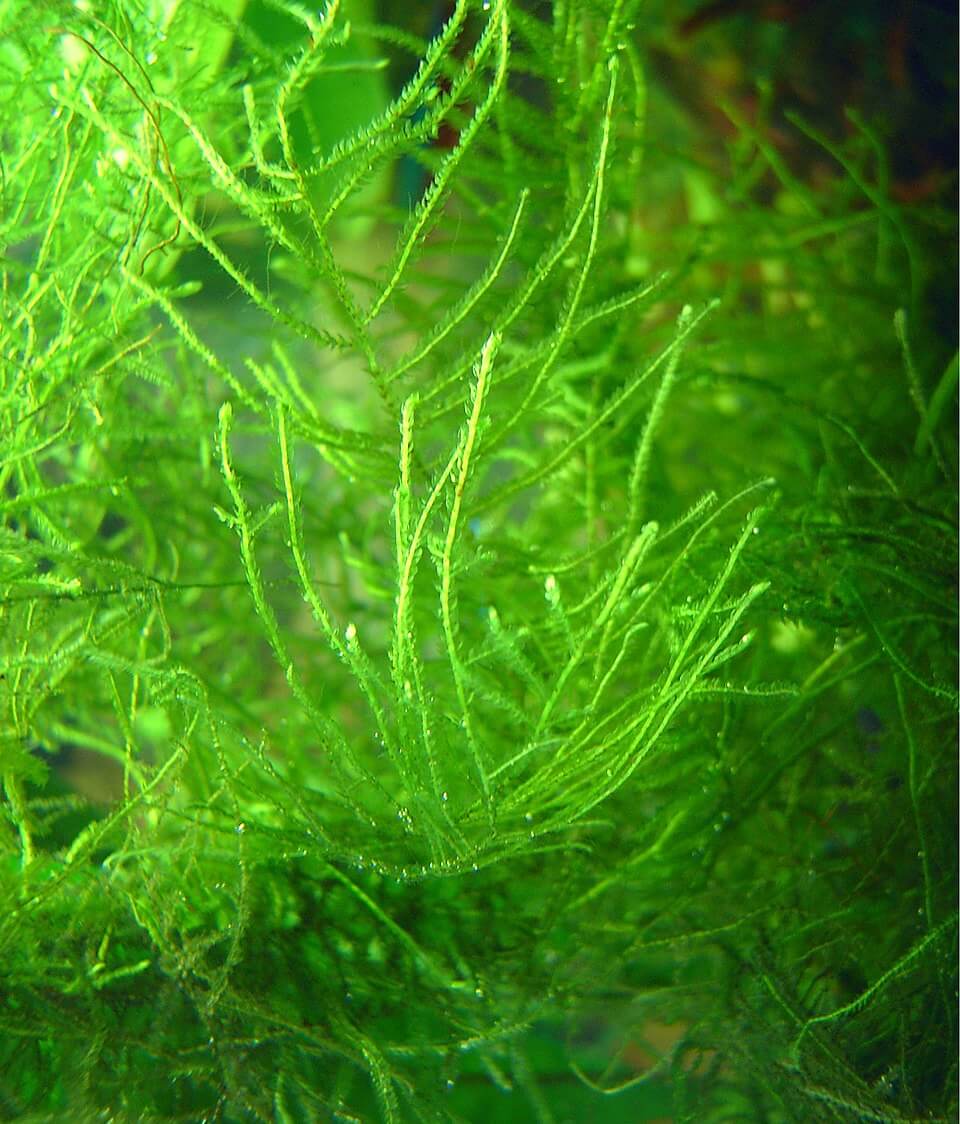
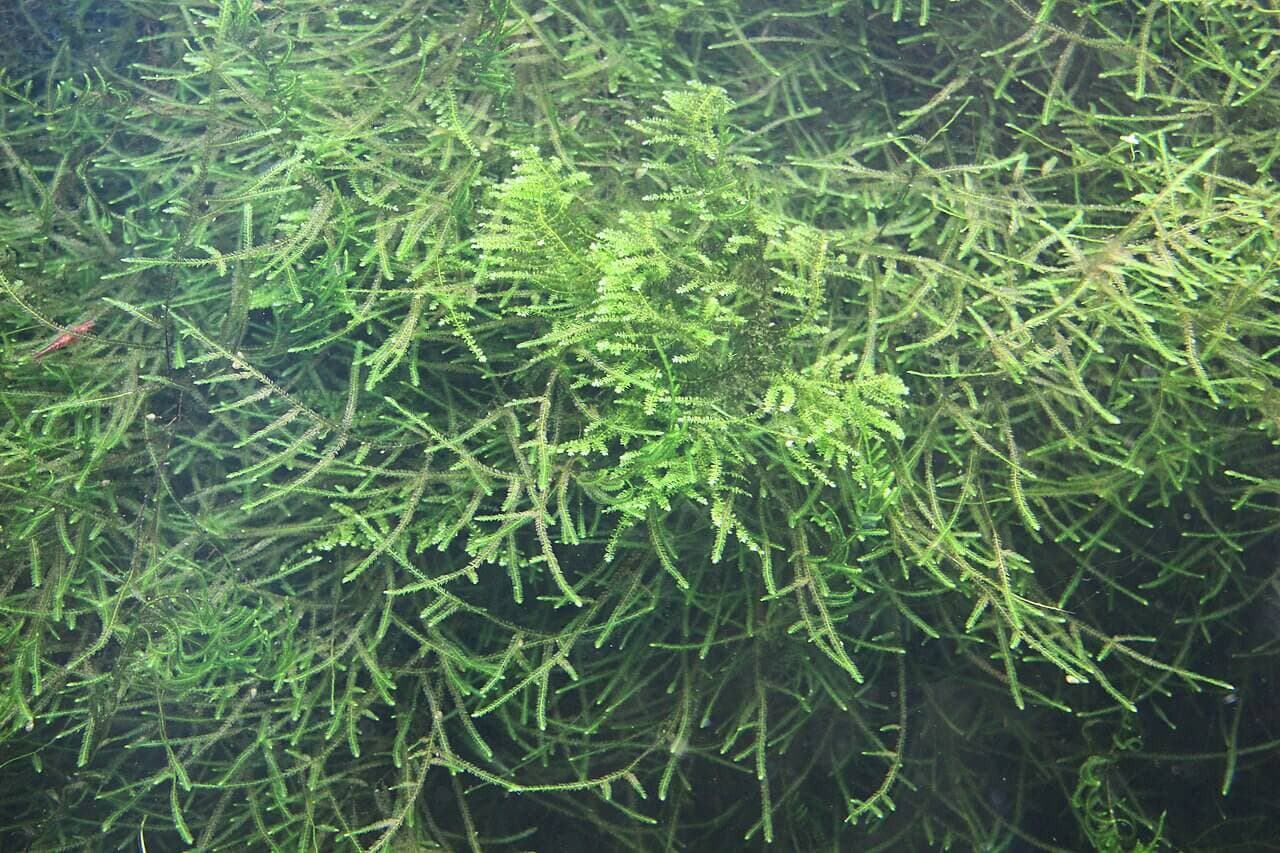
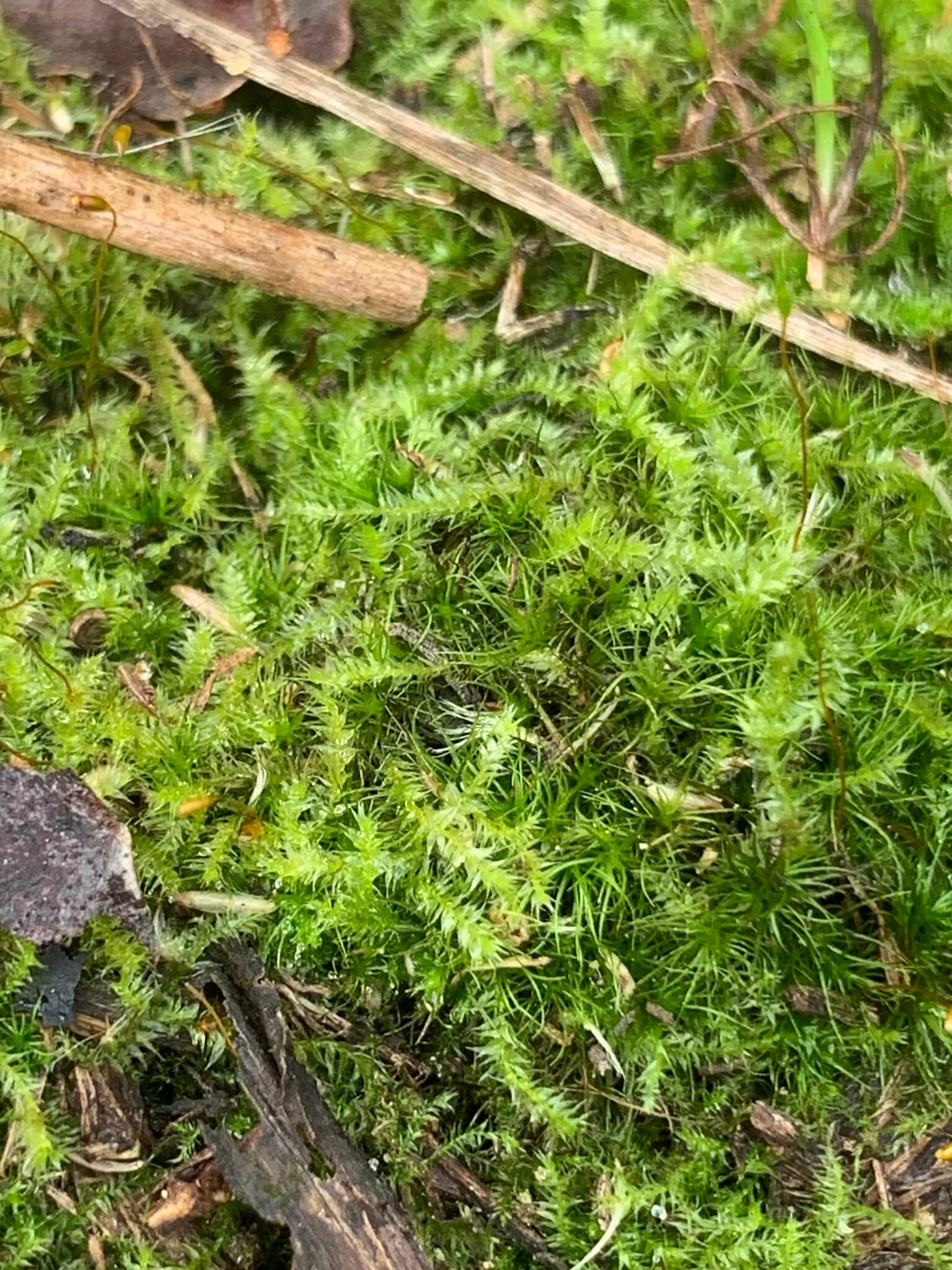
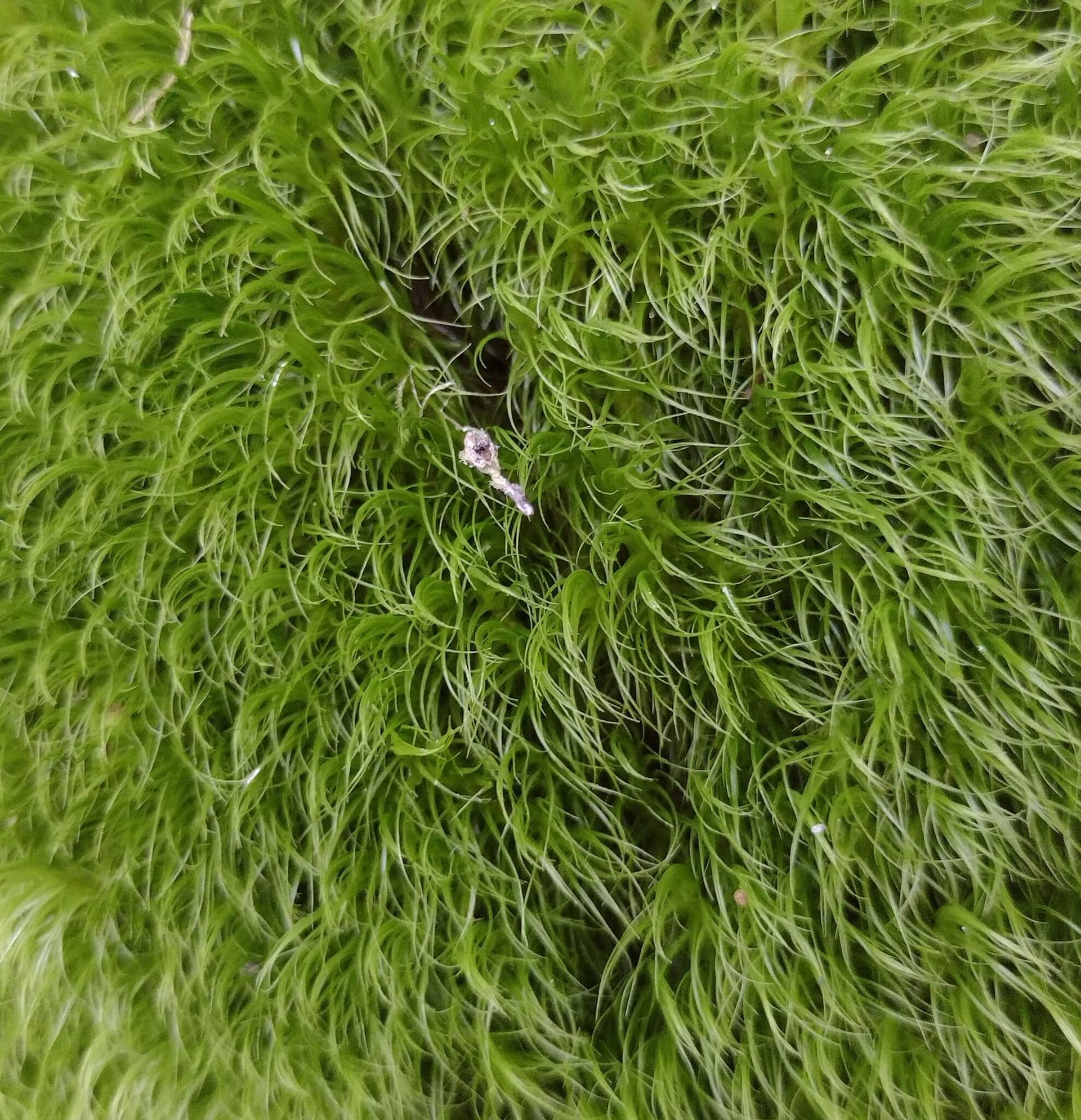
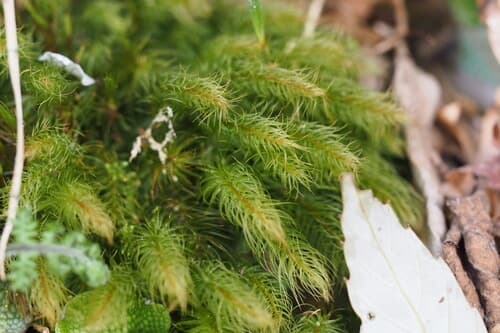
Three working principles hold the composition together. First, the palette stays narrow on purpose — green, dark green, and the lighter green of new growth — and pattern or flower colour is treated as a distraction rather than a feature; visual interest comes from texture and form. Second, the moss layer is intentionally varied: cushion-forming acrocarpous mosses (mood moss, cushion moss, haircap moss) grow upright in tight tufts and read as miniature hills, while creeping pleurocarpous mosses (Christmas moss, Java moss, fern moss) spread flat as carpet between them. Third, the substrate is contoured before planting — flat substrate reads as a doormat, hills and hollows read as landscape.
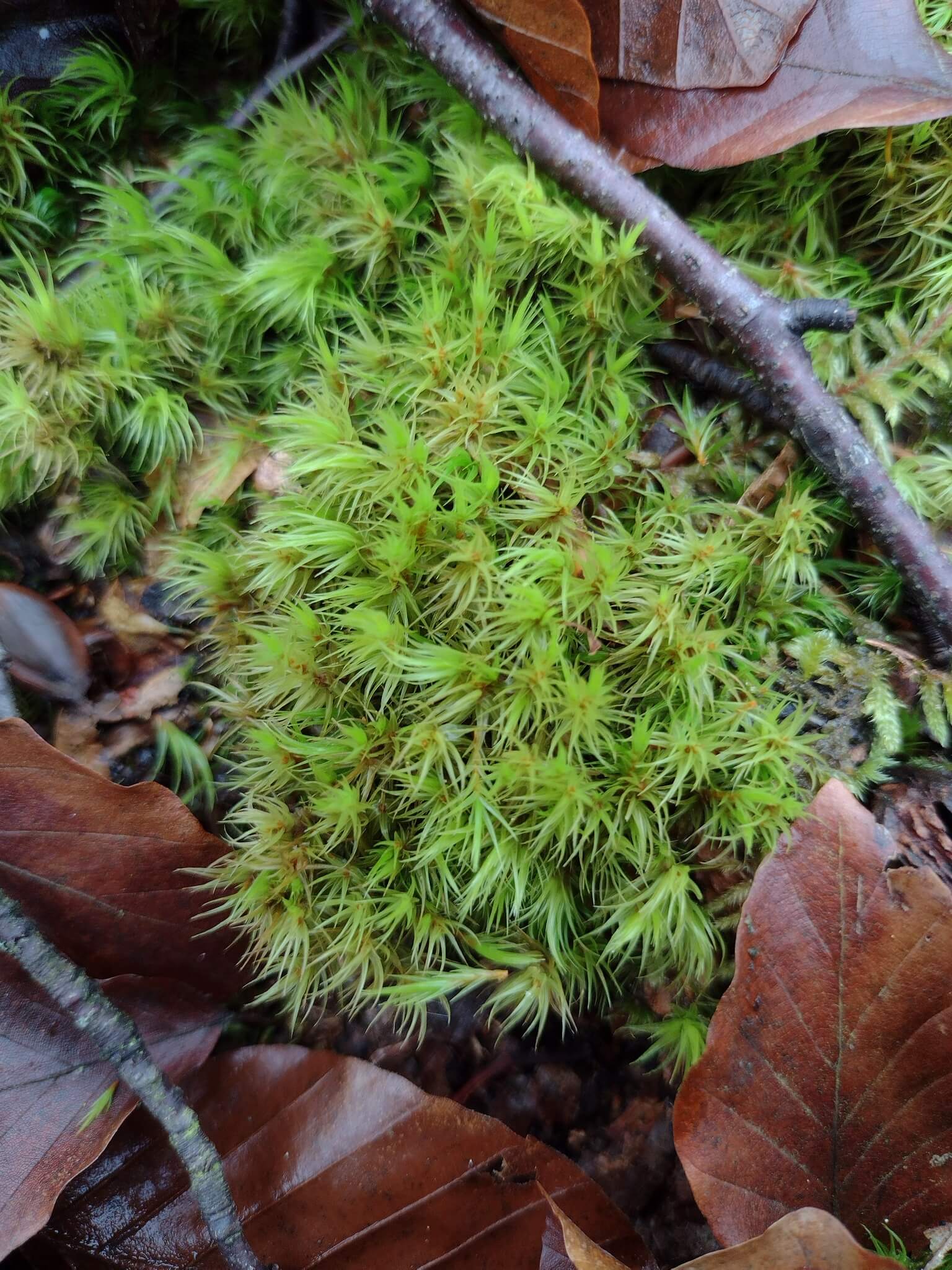
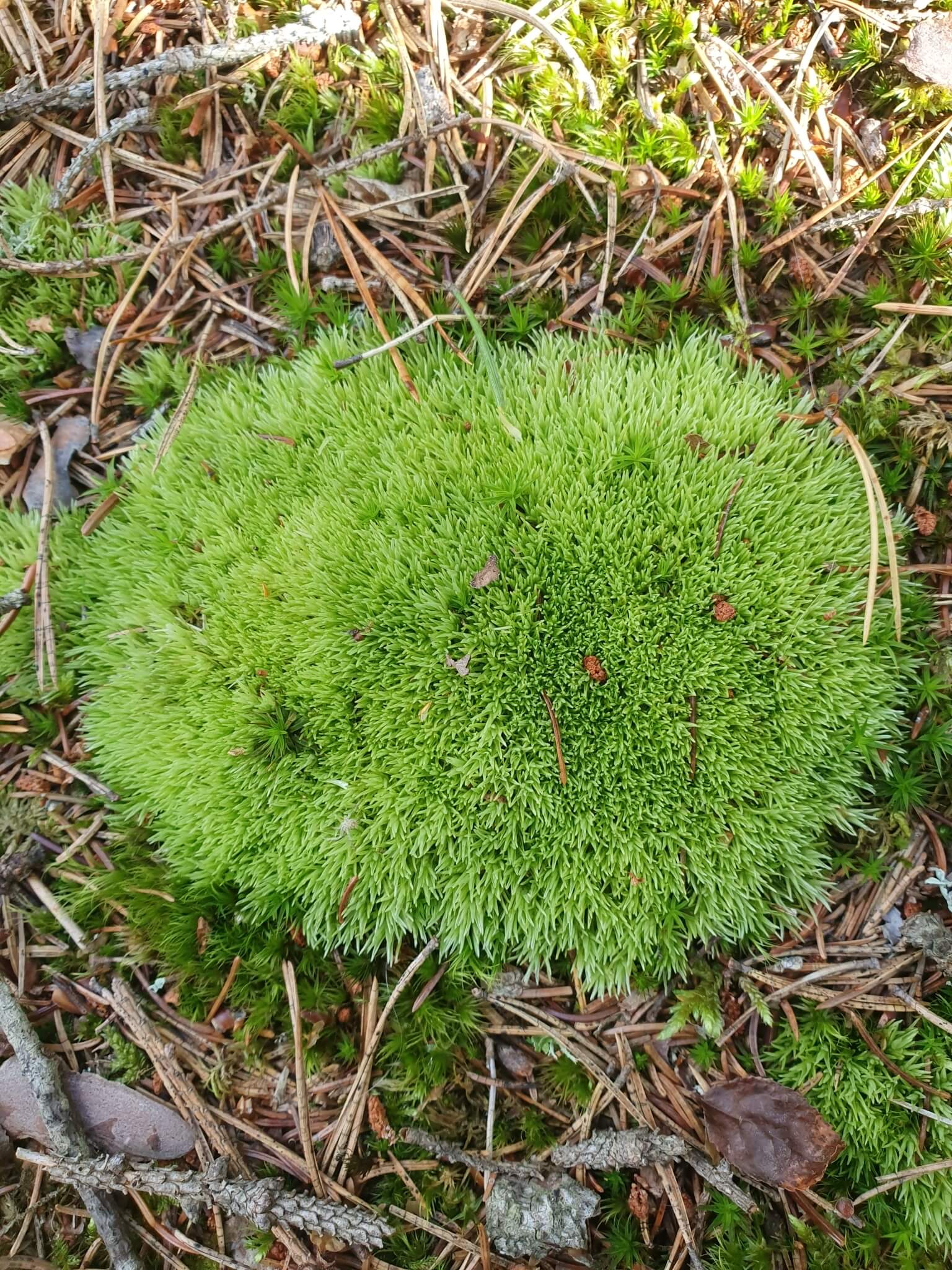
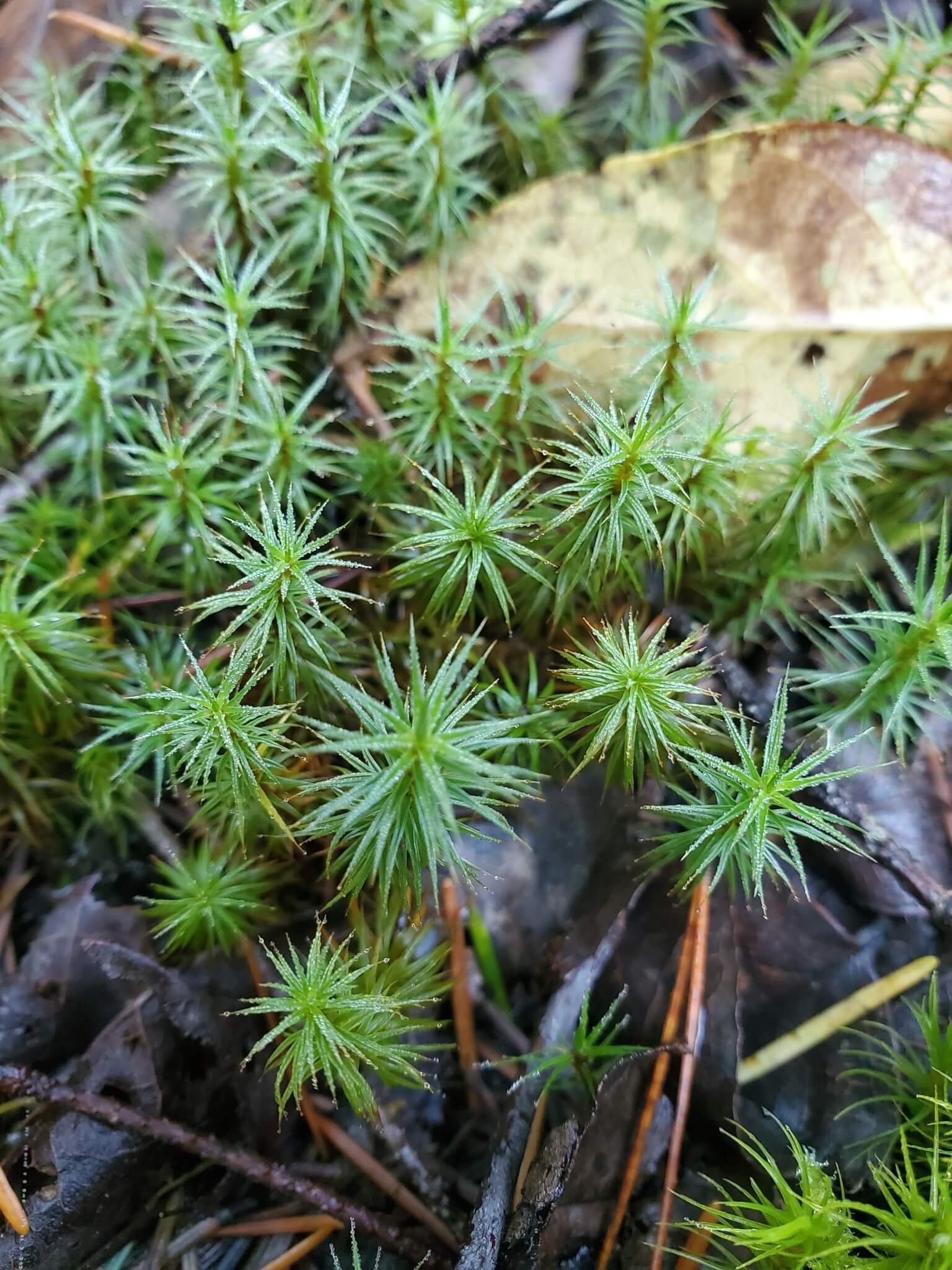
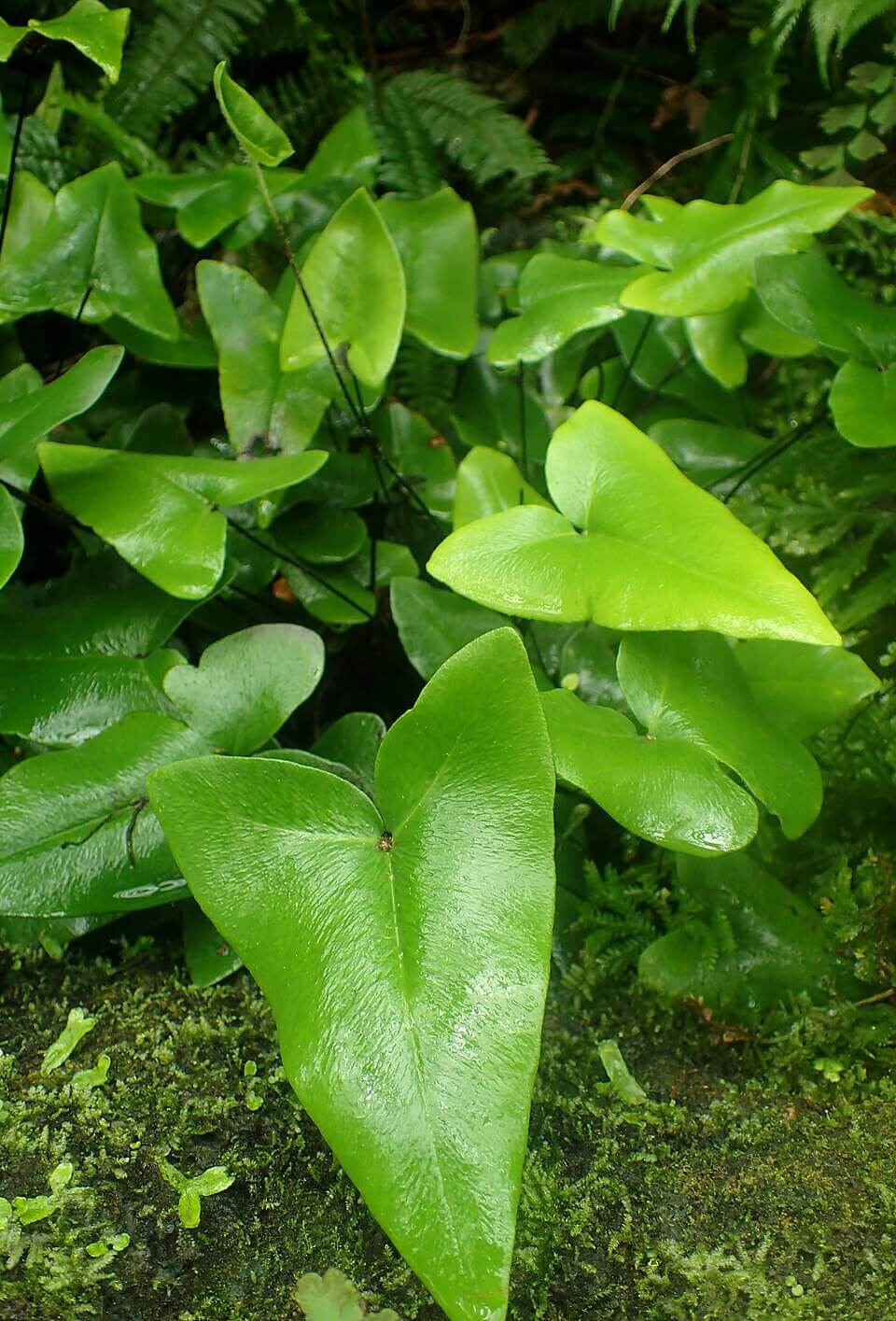
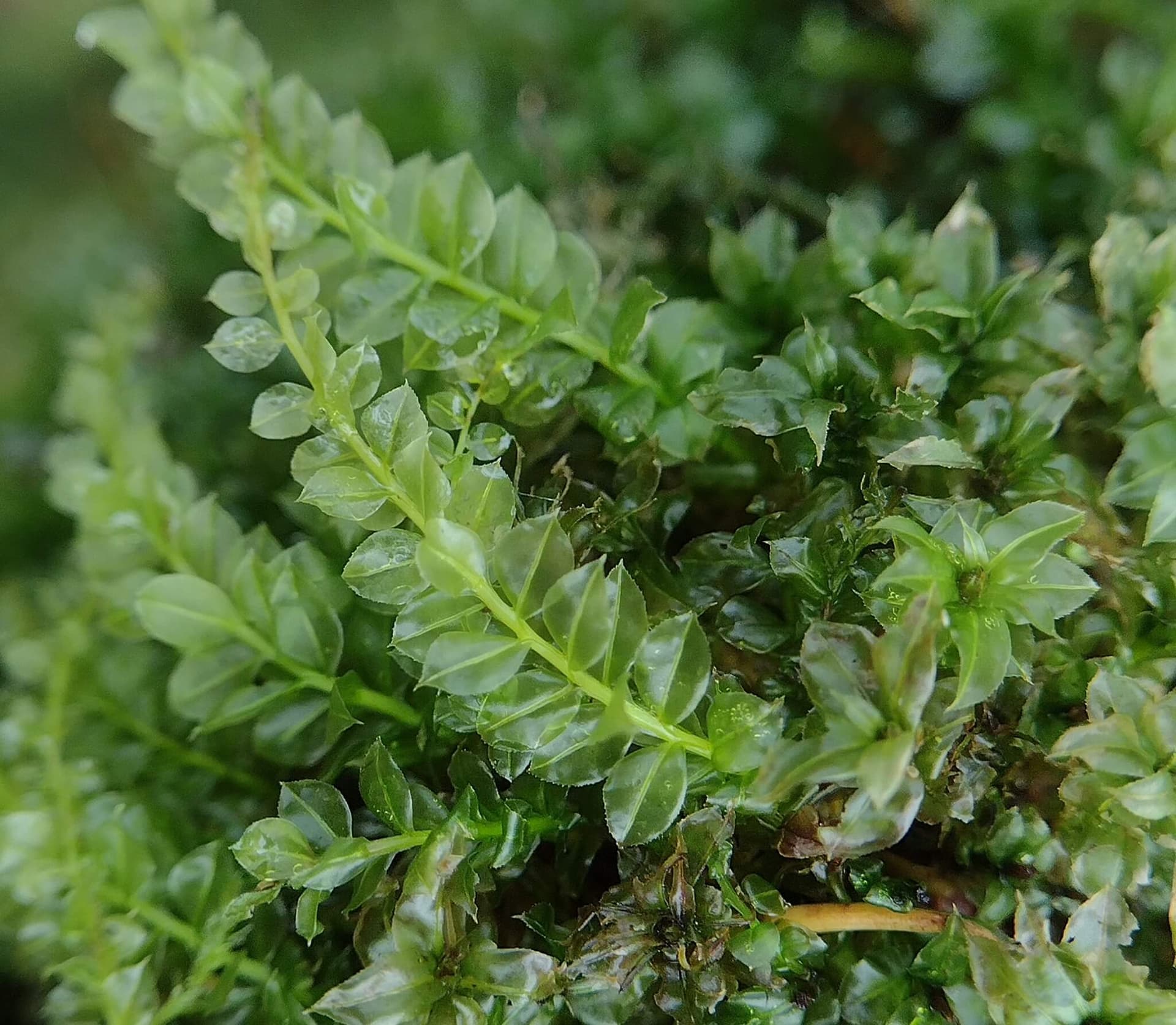
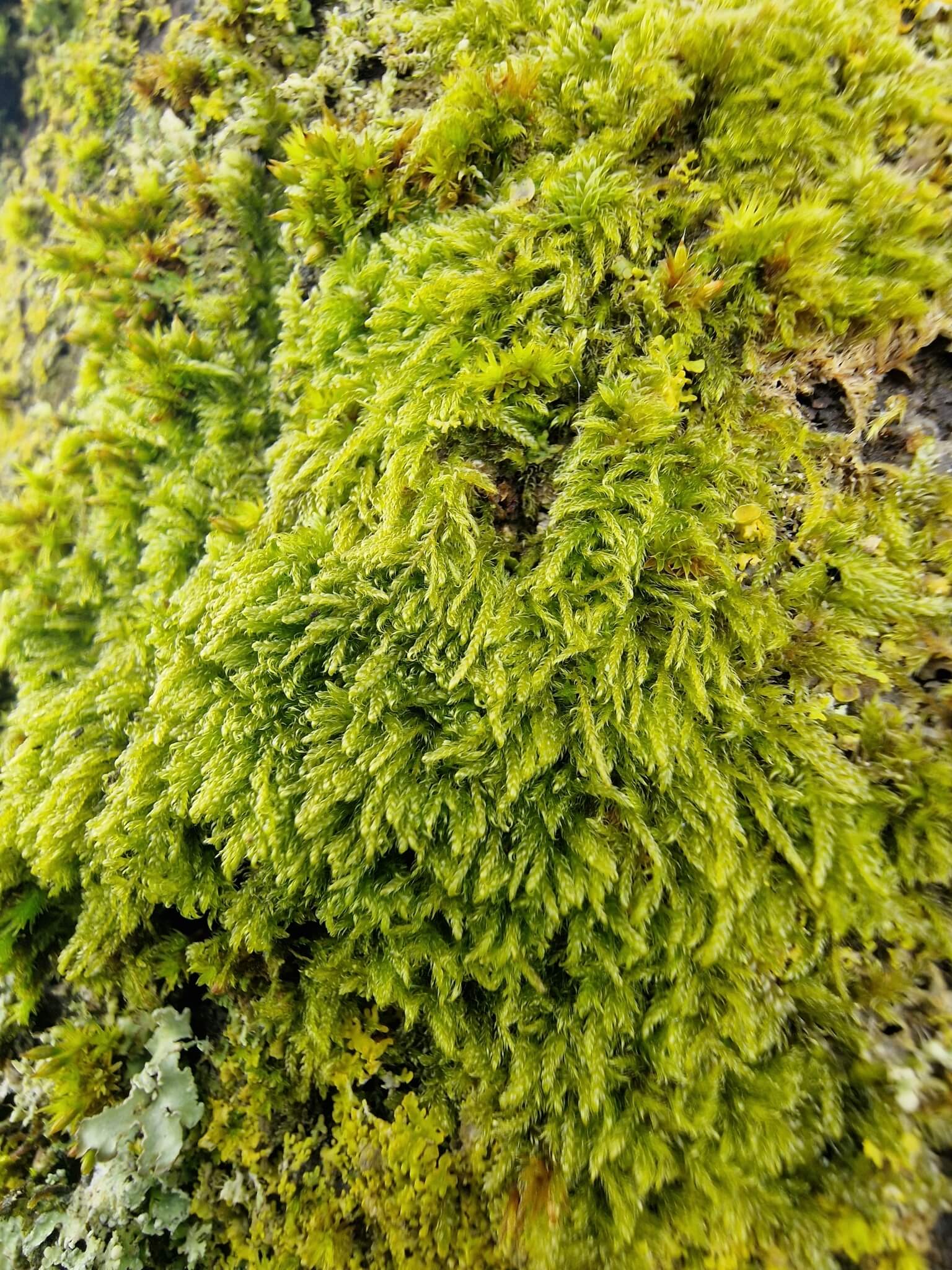
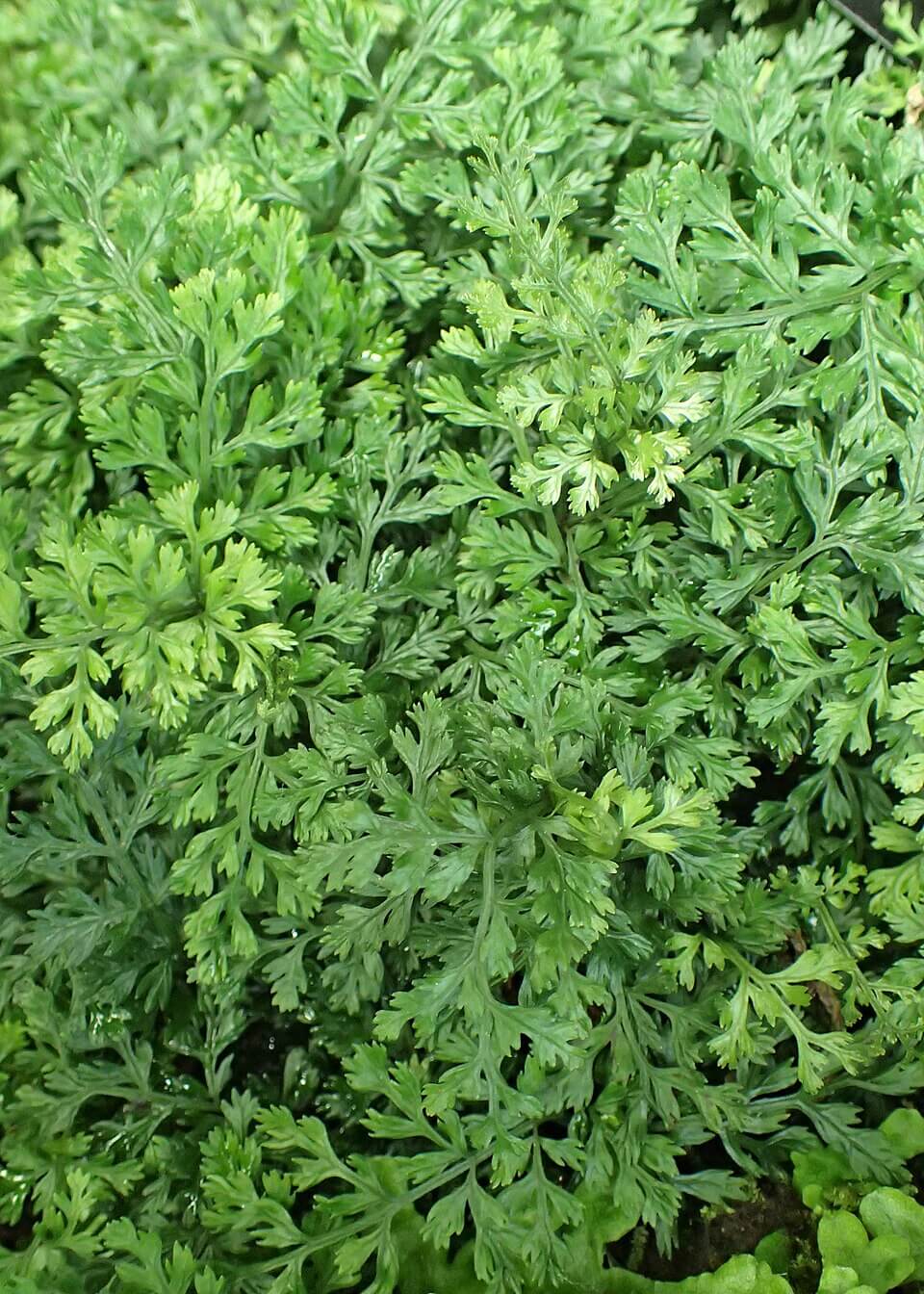
A few species do most of the work. Cushion-forming mosses include Leucobryum glaucum (cushion moss), Dicranum scoparium (mood moss), and Campylopus japonicus, all of which form rounded mounds that hold their shape for years. Upright haircap mosses such as Polytrichum and Pogonatum push vertical bristles through the carpet and give the build its only real height. The flat foreground carpet is supplied by pleurocarps — Vesicularia montagnei (Christmas moss), Taxiphyllum barbieri (Java moss), Plagiomnium, and Hypnum cupressiforme. A small heart fern or mini-bolbitis can sit at the back for vertical relief, but the brief is moss-first: any fern is an accent, not a focal point.
Closed terrariums suit the look almost perfectly. Mosses are bryophytes — non-vascular plants that take water from the air and surfaces around them — and a sealed vessel holds the constant high humidity they need without any of the active misting an open mossarium would demand. The main failure modes are predictable: direct sun or close LEDs turn the glass into a lens and scorch moss within an afternoon, dead patches in a dense build rot quickly under saturated air, and hard tap water leaves mineral crusts on the cushion surface. A clean-up crew of springtails and dwarf isopods, bright but indirect light, and rainwater or filtered water for misting are the small habits that keep the build green for years.
Featured plants
Hand-picked combinations from the catalogue
References
- Bantam EarthMossarium build guide — species selection, acrocarpous vs pleurocarpous layering, substrate contouring, and direct-sun risk in a sealed vessel.
- Terrarium TribeThuidium delicatulum (fern moss) — a representative pleurocarpous carpet species for closed terrariums.
- Terrarium TribeClosed-terrarium build mechanics — substrate contouring, microfauna clean-up crews, and avoiding direct light on glass.
- The BiodudeCushion moss (Leucobryum glaucum) care sheet — indirect light, dechlorinated water, and rot risk in waterlogged substrate.
- WikipediaBryophytes — the non-vascular plant group (mosses, liverworts, hornworts) that takes up water from surfaces rather than from a root system.
- WikipediaSaihō-ji — the Kyoto temple known as the kokedera or 'moss temple', cited as the canonical reference for the moss-garden aesthetic.