Humidity: High → Very High
Southeast Asian Tropics
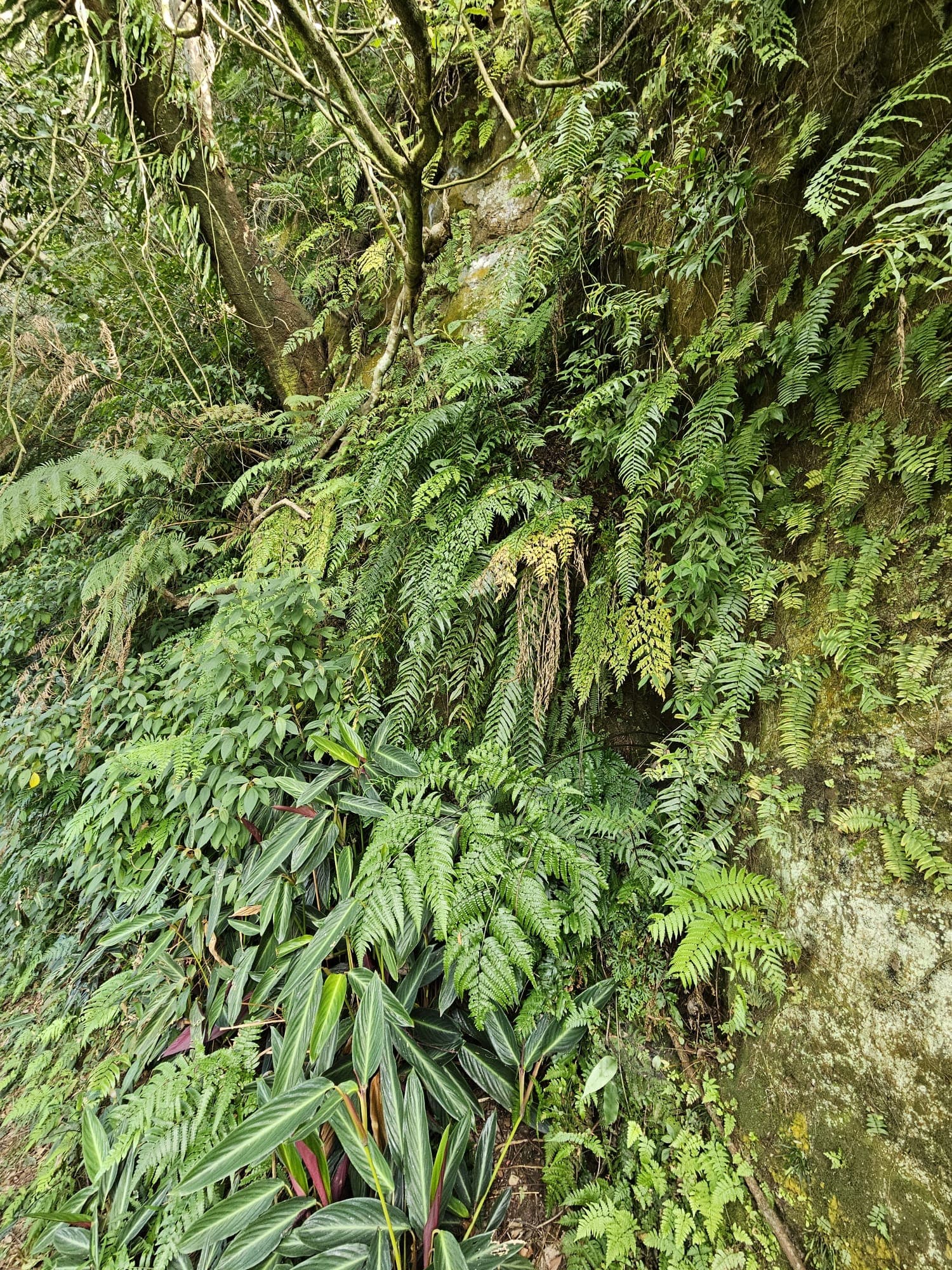
Southeast Asian Tropics draws on the equatorial rainforests of mainland and island Asia — from the limestone karst of Vietnam through Bornean dipterocarp forest to the cloud forests of New Guinea. The look is dense, layered, and green-on-green, built around begonias, jewel orchids, aroids, and the broad fern flora of the Indo-Malayan understory.
Southeast Asian Tropics looks to the rainforests that run from the Himalayan foothills through Vietnam and the Malay Peninsula to Borneo, the Philippines, and New Guinea. At forest-floor level the light is dim and the air is constantly wet — the conditions a closed terrarium reproduces almost by accident. Foliage carries the story: broad aroid leaves, the iridescent veins of jewel orchids, the textured surfaces of begonia leaves, and the soft mosses that fill every gap.
The geographic source spans four TDWG regions — the Indian Subcontinent, Indo-China, Malesia, and Papuasia — across a tropical climate softened by monsoon rhythm in the north and a constant year-round wetness on the equator. Lowland forest is dominated by Dipterocarpaceae giants (Dipterocarpus, Shorea, Hopea), but the terrarium-relevant flora sits well below them. Three habitats matter most: limestone karst pockets full of Paphiopedilum slipper orchids and the river-rock genus Bucephalandra; mossy cloud forest above about 1,500 metres where every branch is layered in epiphytes; and the shaded floor of lowland peat-swamp and rainforest, where aroids and begonias dominate.
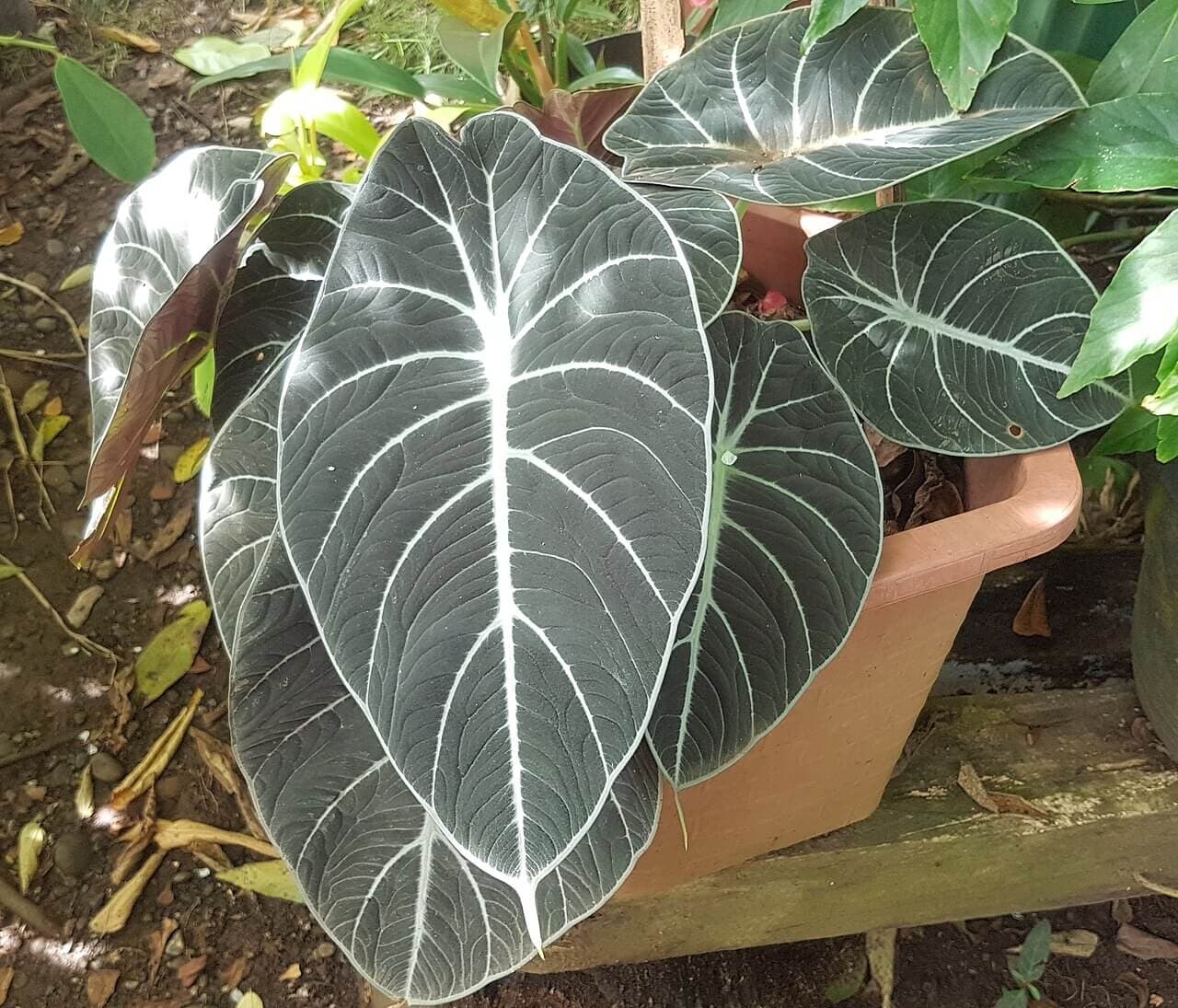
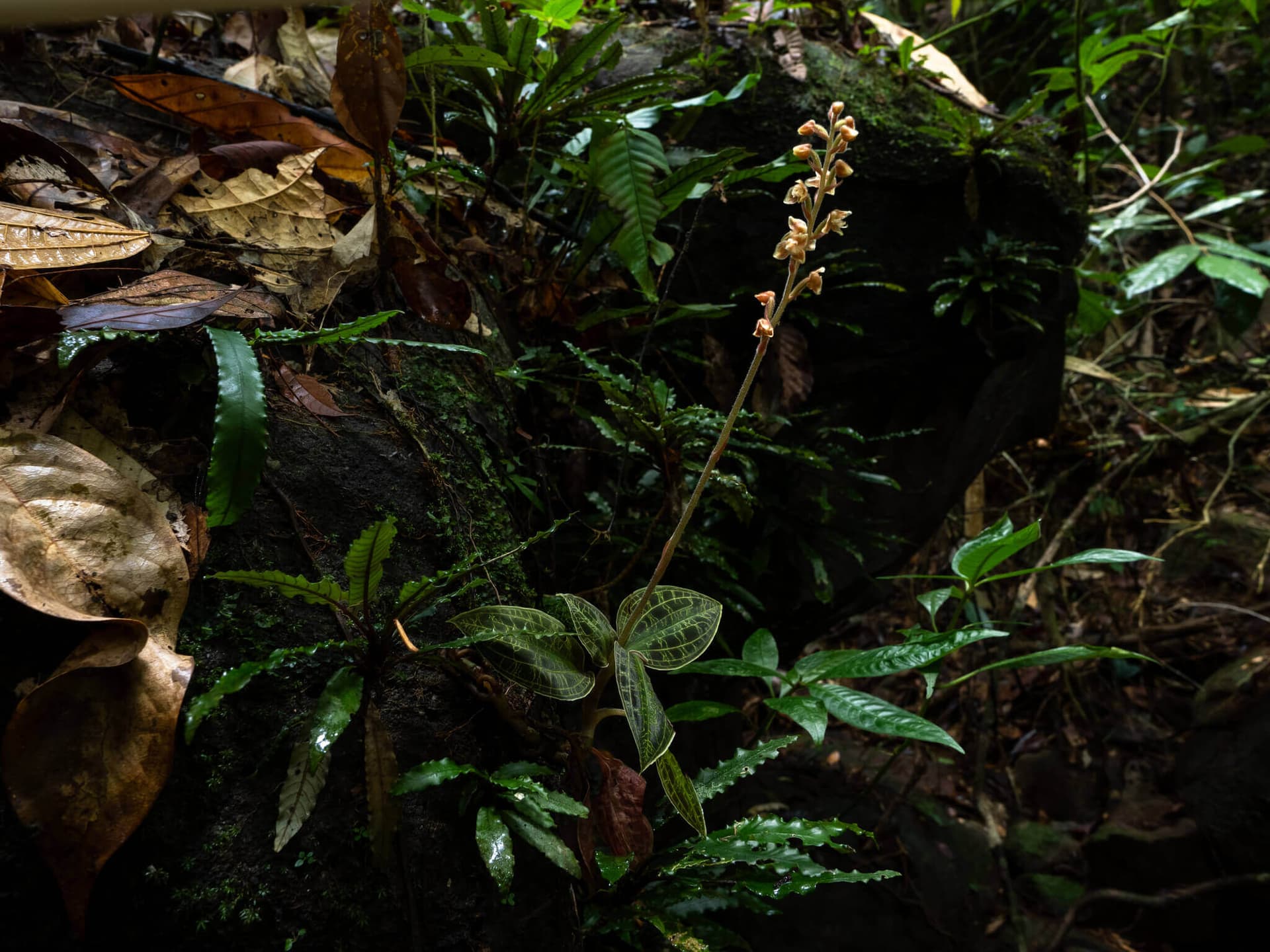
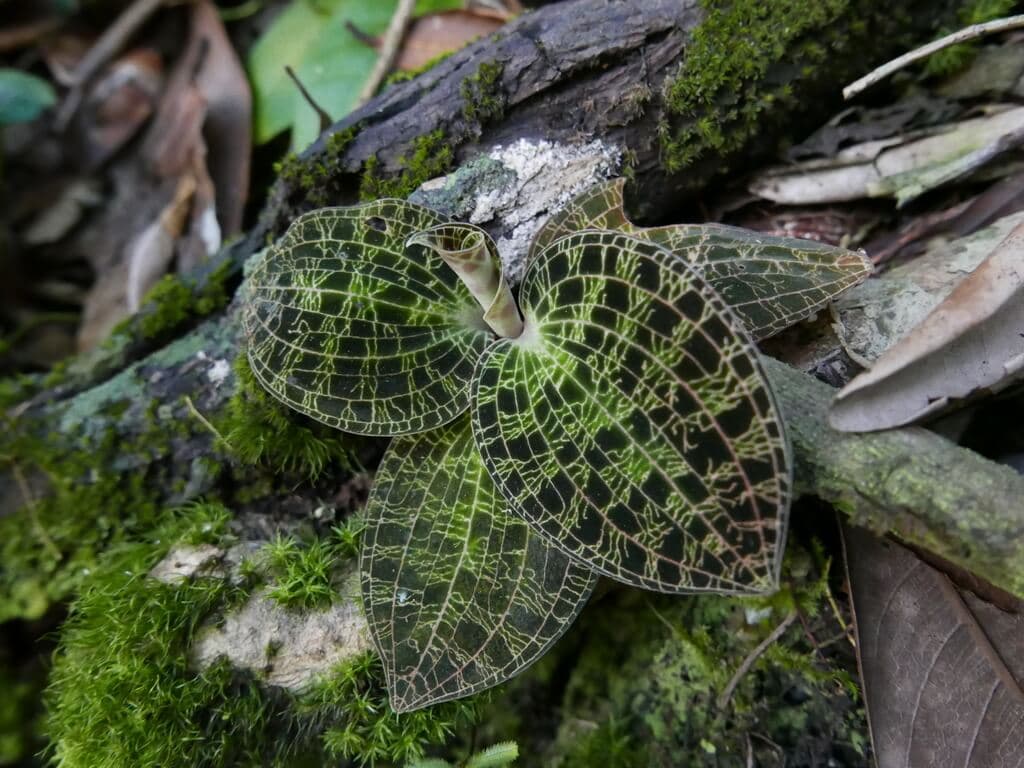
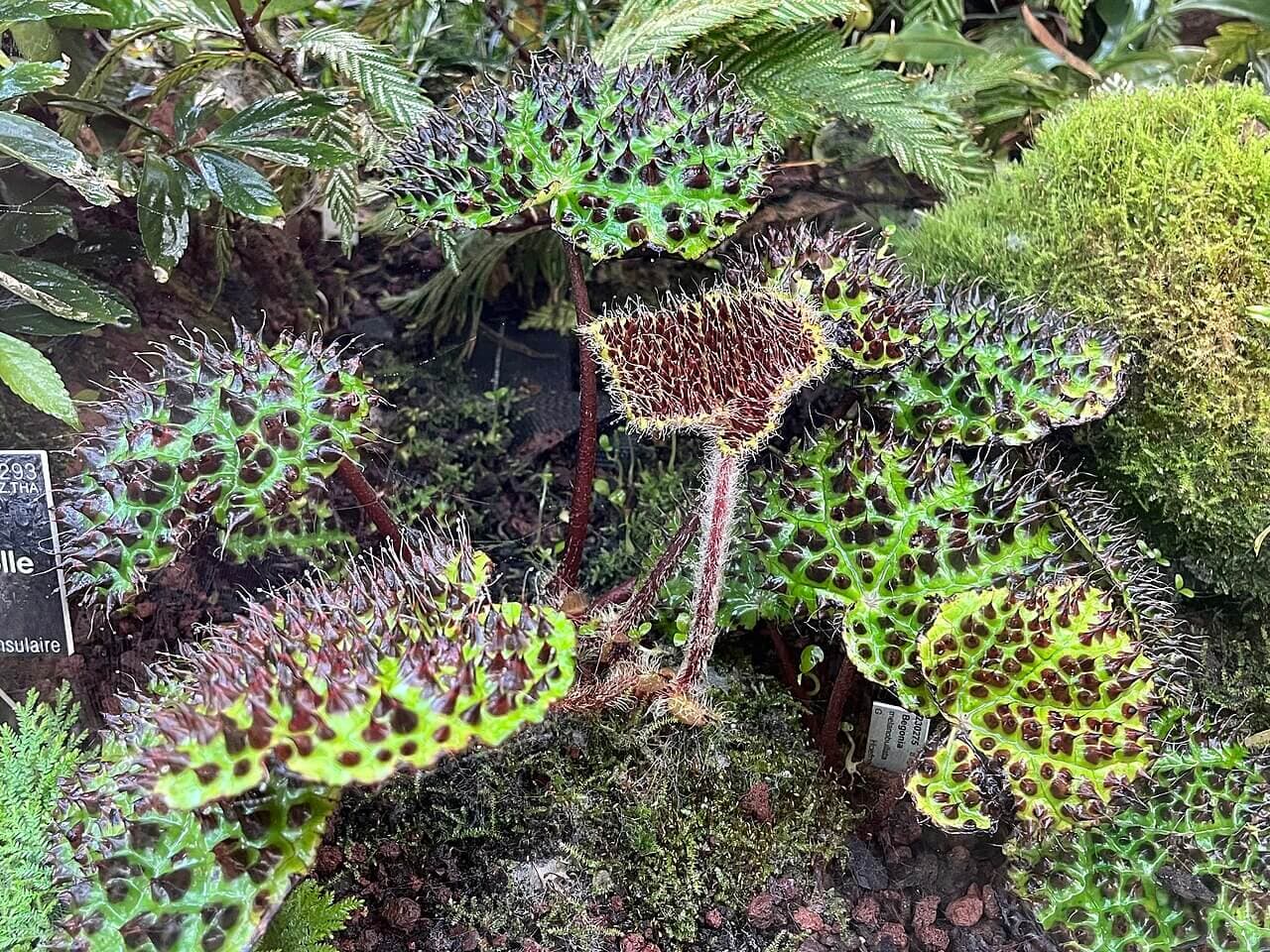
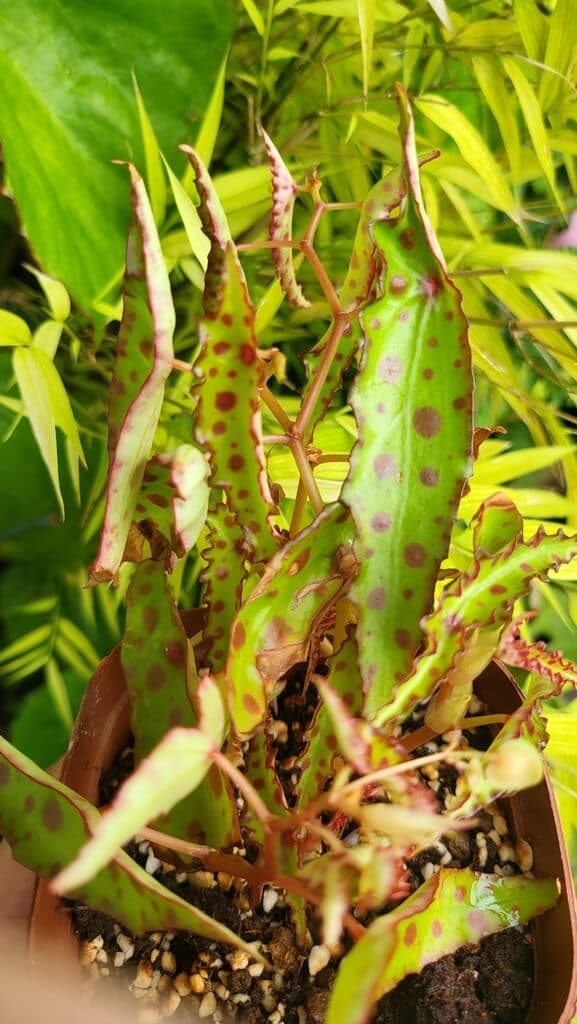
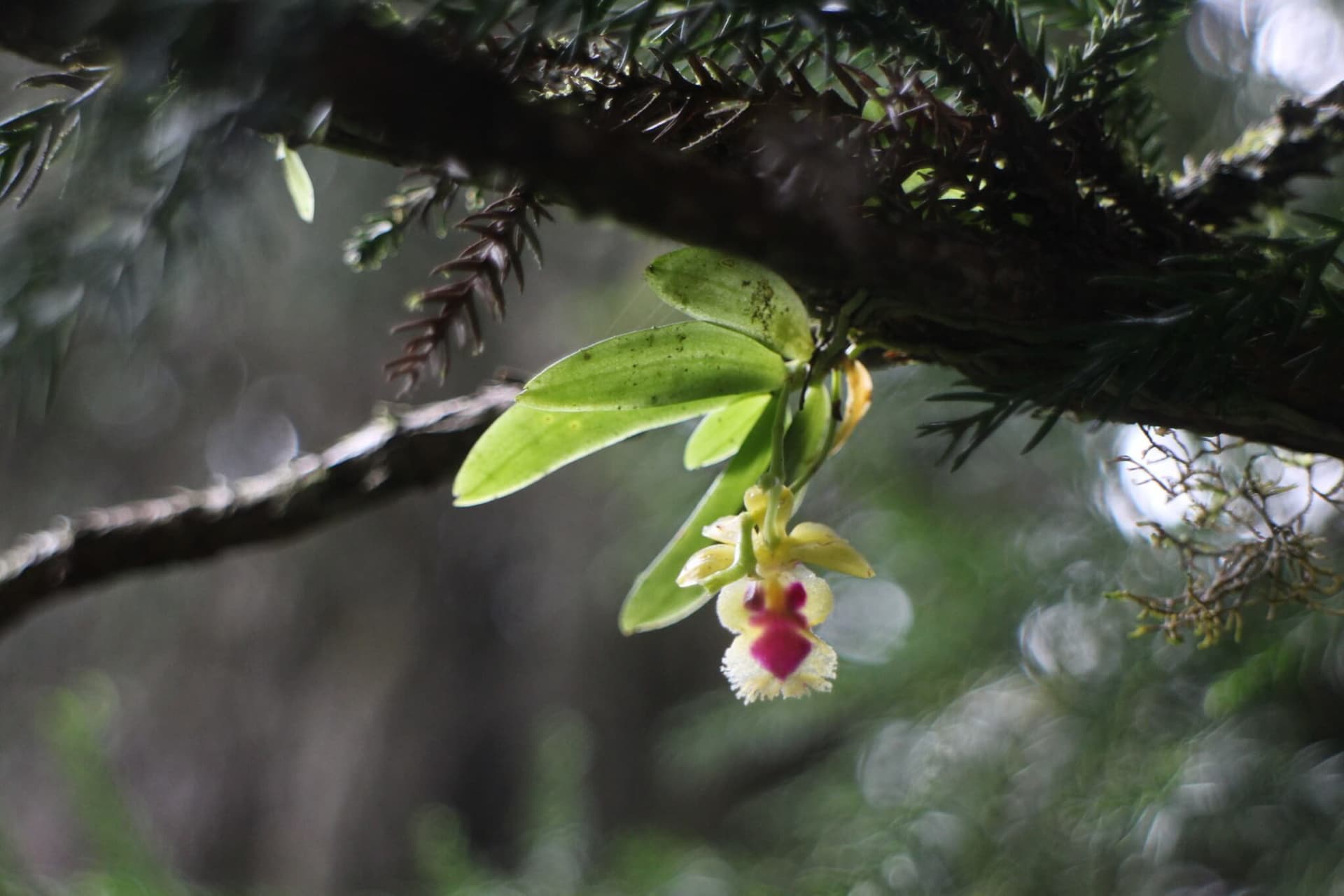
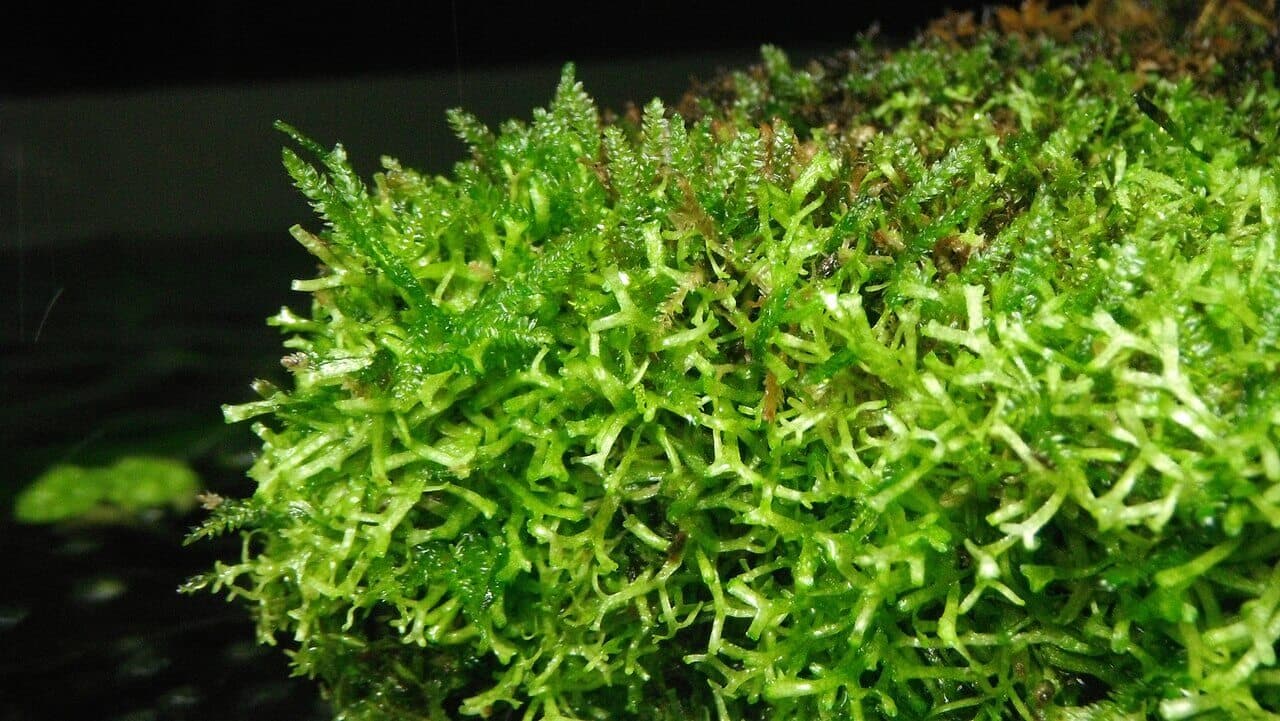
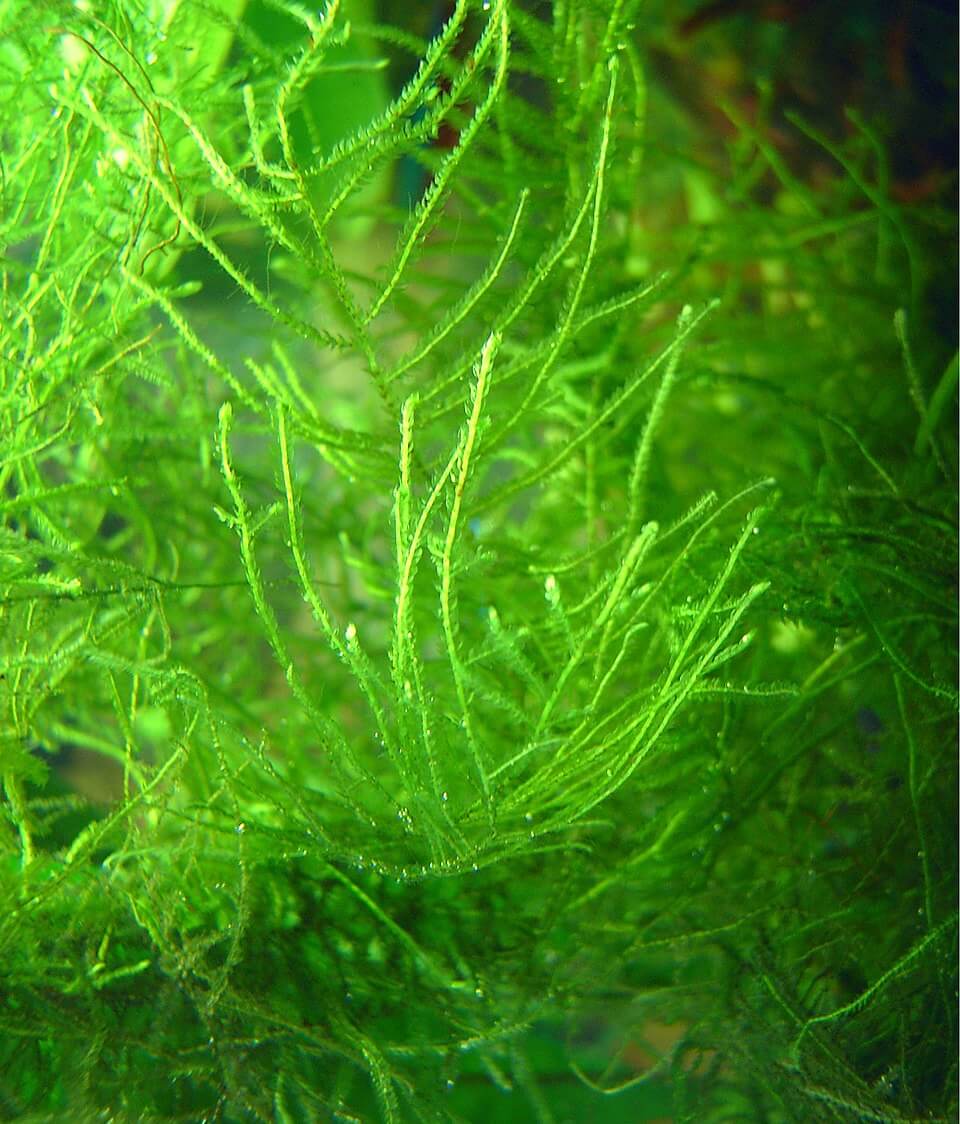
A few plant families do most of the visual work. Araceae — the aroid family — supplies Alocasia, Aglaonema, Schismatoglottis, Homalomena, and the limestone-bound Bucephalandra. Orchidaceae provides terrestrial jewel orchids (Macodes petola, Ludisia discolor, Dossinia marmorata) with their patterned, light-catching leaves, plus miniature epiphytic Bulbophyllum and Dendrobium. Begoniaceae micro-radiates across the same karst and forest floor, with Begonia amphioxus, B. blancii, B. melanobullata, and many small understory species. Pleurocarpous mosses such as Vesicularia montagnei (Christmas moss) and Taxiphyllum barbieri (Java moss), and finely-divided Fissidens species, form the foreground ground cover.
Closed terrariums suit the look almost perfectly. The flora evolved under constant high humidity and indirect light at the forest floor, and an enclosed glass vessel reproduces both with little effort. The main risks are over-misting — begonia leaves rot if water sits on them for long — heat buildup under grow-lights or direct sun, and mould from decaying foliage; most builders add springtails and isopods as a clean-up crew. Layer for depth: tall ferns and broad-leaved aroids at the back, jewel orchids and textured begonias in the midground, and a foreground of mosses and tiny ferns rather than open substrate.
Featured plants
Hand-picked combinations from the catalogue
References
- Terrarium TribeBuild guide for tropical rainforest terrariums — four-layer composition, vines connecting forest floor and understory, and microfauna for mould control.
- Terrarium TribePlant selection for tropical terrariums — Begonia, Alocasia, Calathea, Maranta, Pilea, and orchids as focal foliage.
- Terrarium TribeJewel orchid taxonomy and SE Asian range — Macodes petola, Ludisia discolor, Dossinia marmorata.
- Terrarium TribeMacodes petola — terrestrial SE Asian jewel orchid; growth habit and care under closed-terrarium conditions.
- WikipediaMalesia phytogeographical region — boundaries, climate, and dipterocarp-dominated lowland forest cited in the description.
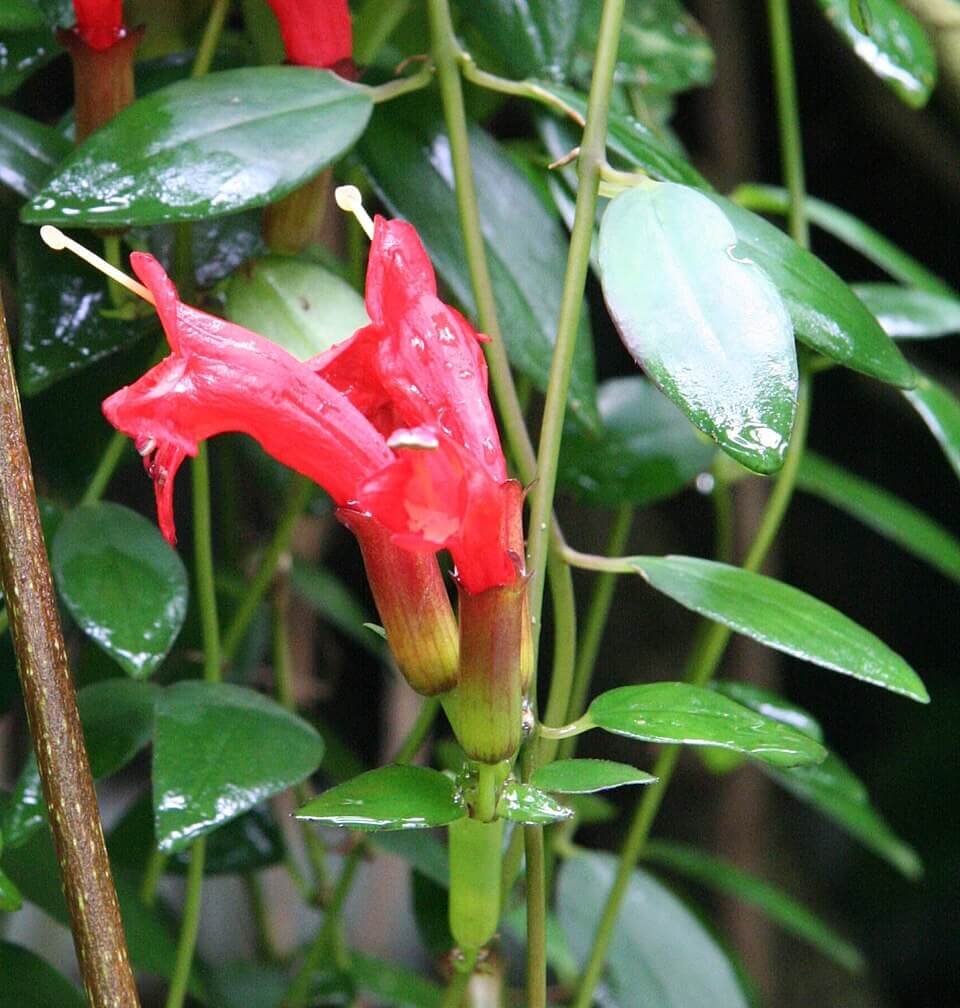
- WikipediaIndo-Burma biodiversity hotspot — karst-driven endemism of Paphiopedilum, Begonia, and Aeschynanthus across mainland SE Asia.
- Kew POWODistribution data for Indo-Malayan flora — Araceae (Alocasia, Bucephalandra, Schismatoglottis), Begoniaceae, and Orchidaceae radiations.