Humidity: High → Very High
Miniature Landscape
Miniature Landscape uses small mosses and dwarf ferns to suggest a much larger scene — distant hills, a forest grove, a meadow at the foot of a cliff — compressed into a single vessel. The build leans on forced perspective: cushion mosses standing in for tree canopies, haircap mosses for stands of conifers, and clubmoss carpeting the foreground like turf.
Miniature Landscape uses small mosses and dwarf ferns to suggest a much larger scene — distant hills, a forest grove, a meadow at the foot of a cliff — all compressed into a single small vessel. The build leans on forced perspective: cushion mosses standing in for tree canopies, haircap mosses for stands of conifers, and clubmoss carpeting the foreground like turf.
The aesthetic descends from Japanese saikei, a tray-landscape tradition where dwarf plants, stones, and contoured soil evoke a real landscape at a fraction of its scale. The terrarium version inherits the same logic: a few well-chosen species do the work of an entire ecosystem, and every plant earns its place by how it reads against the others rather than by how it looks on its own.
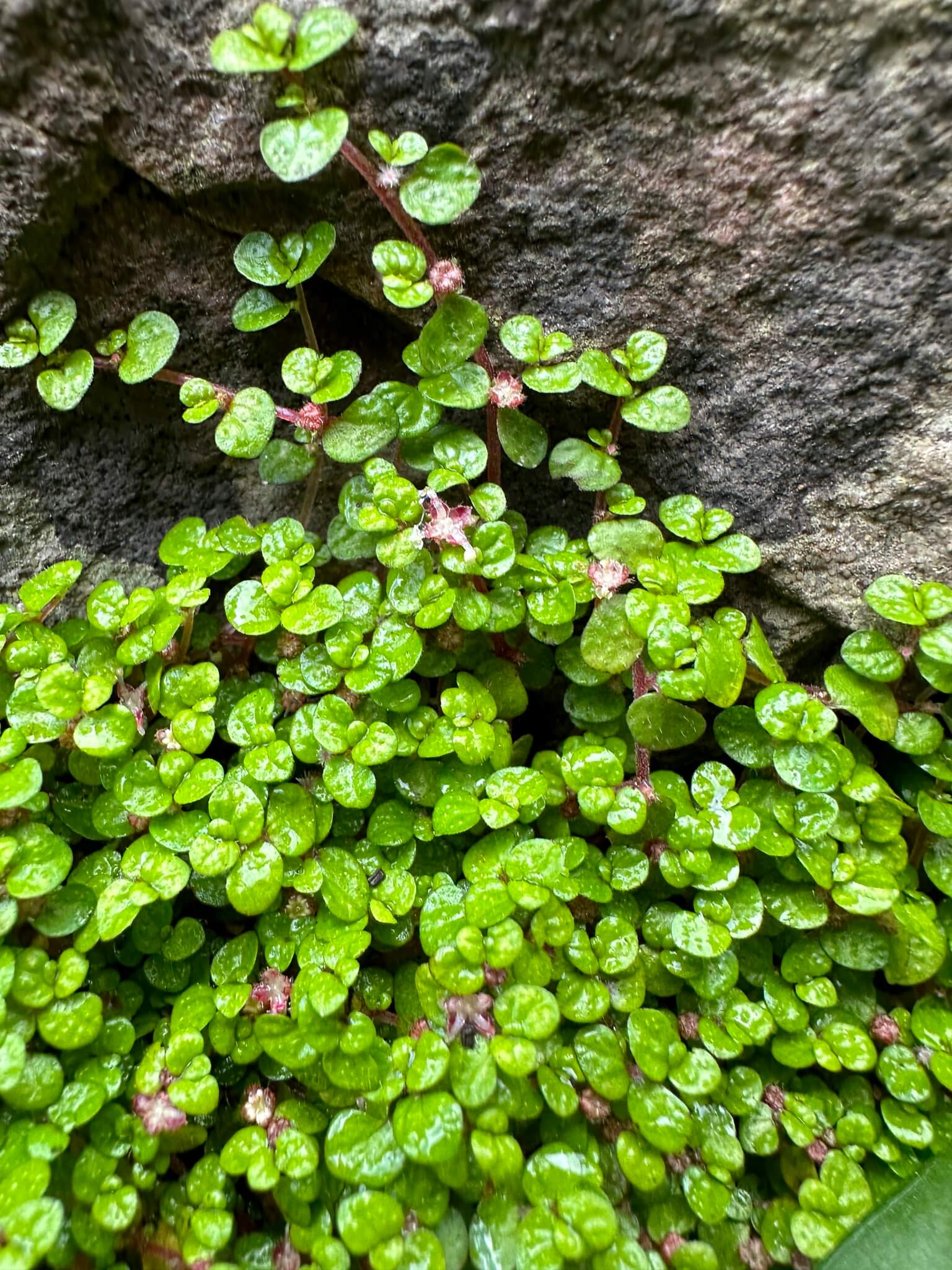
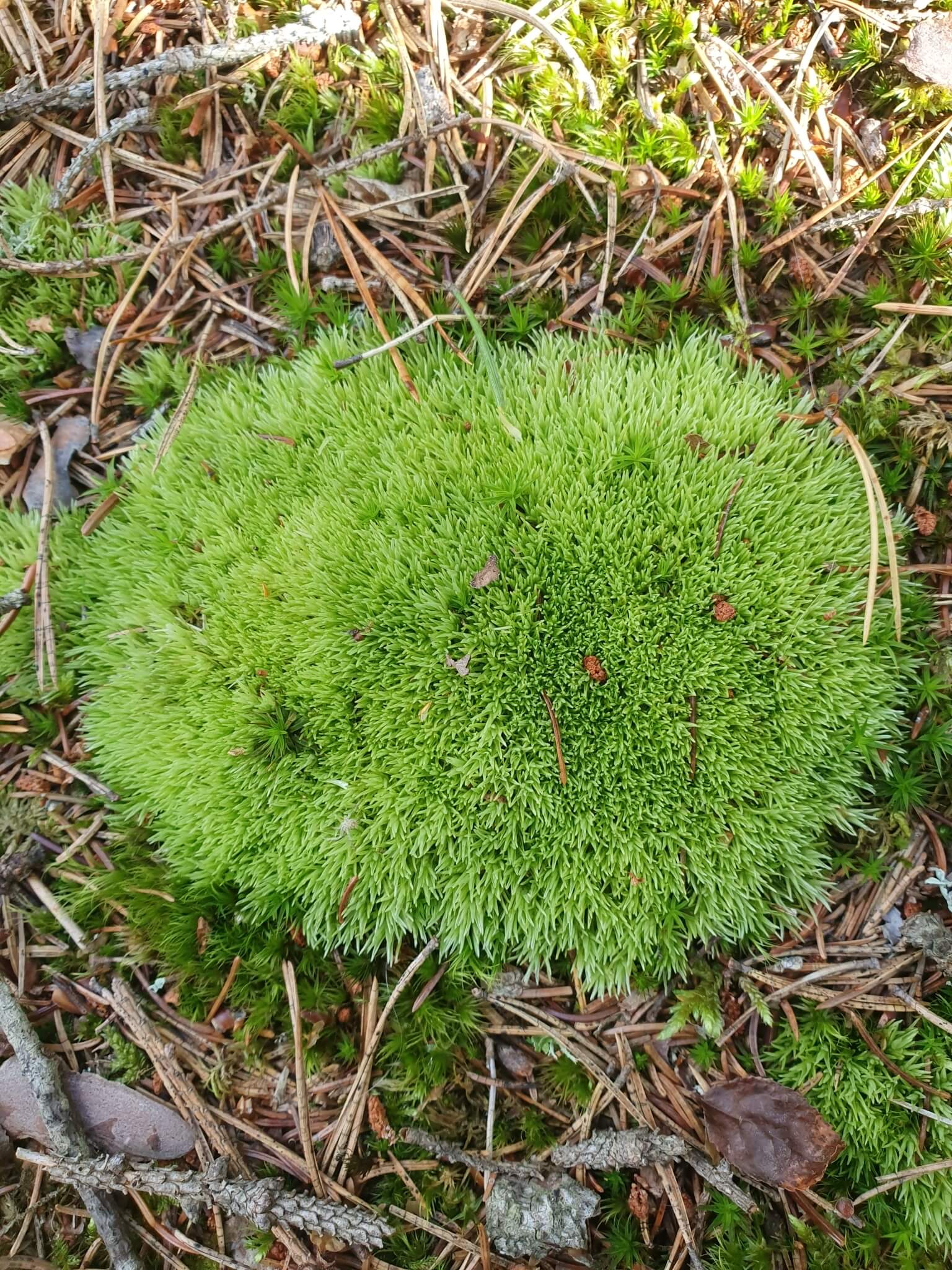
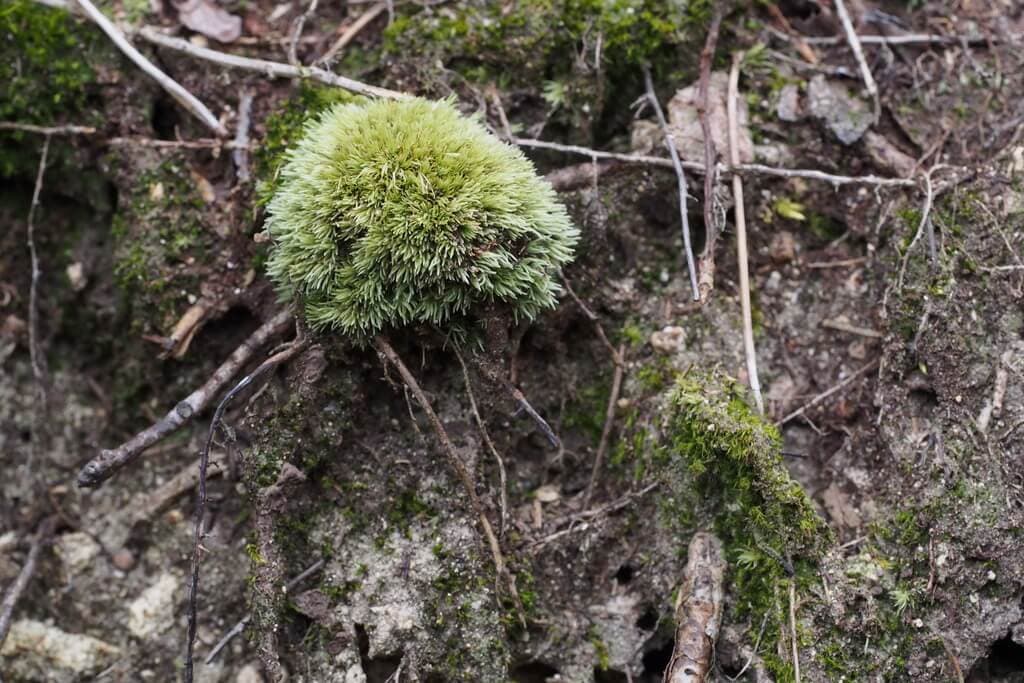
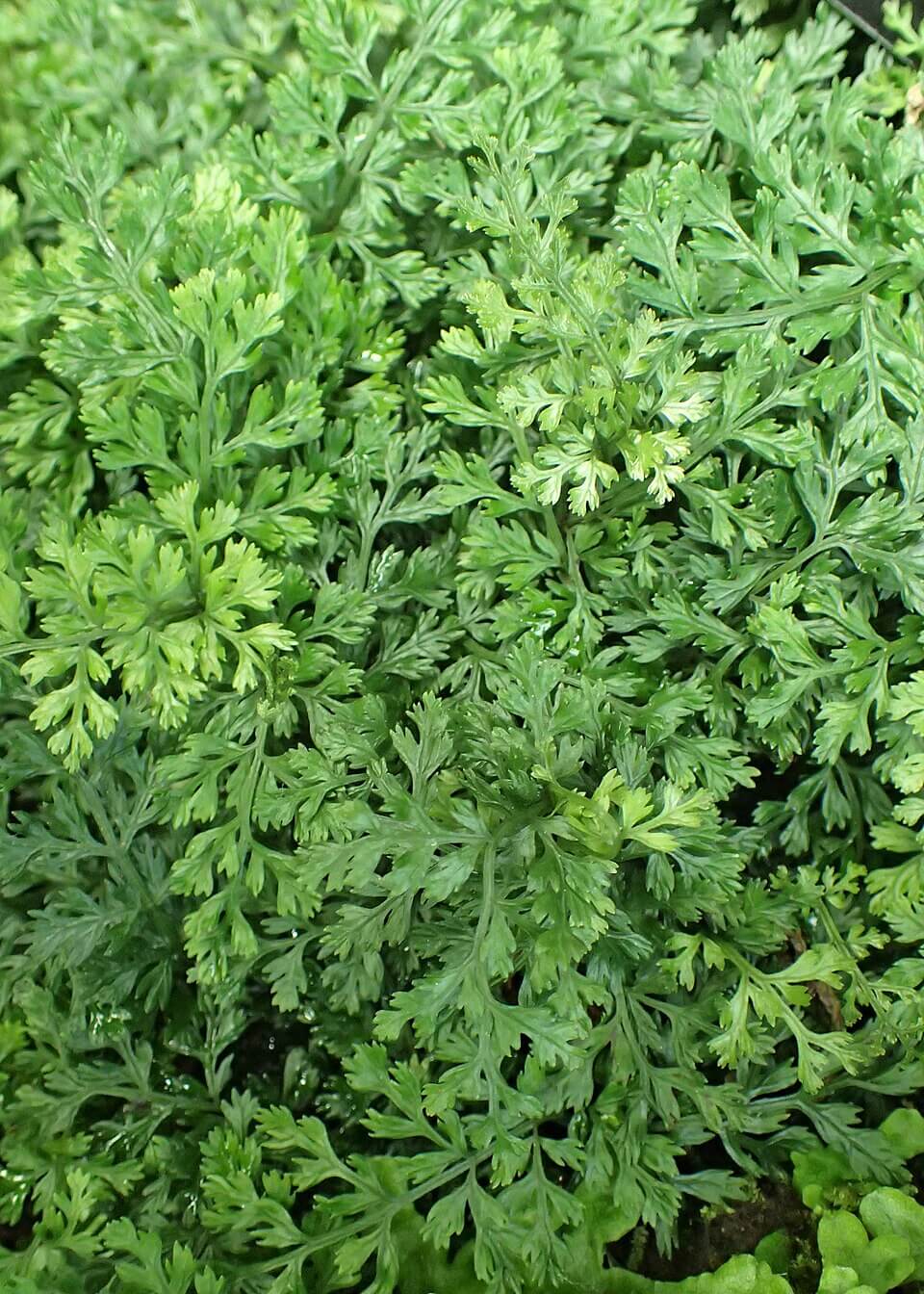
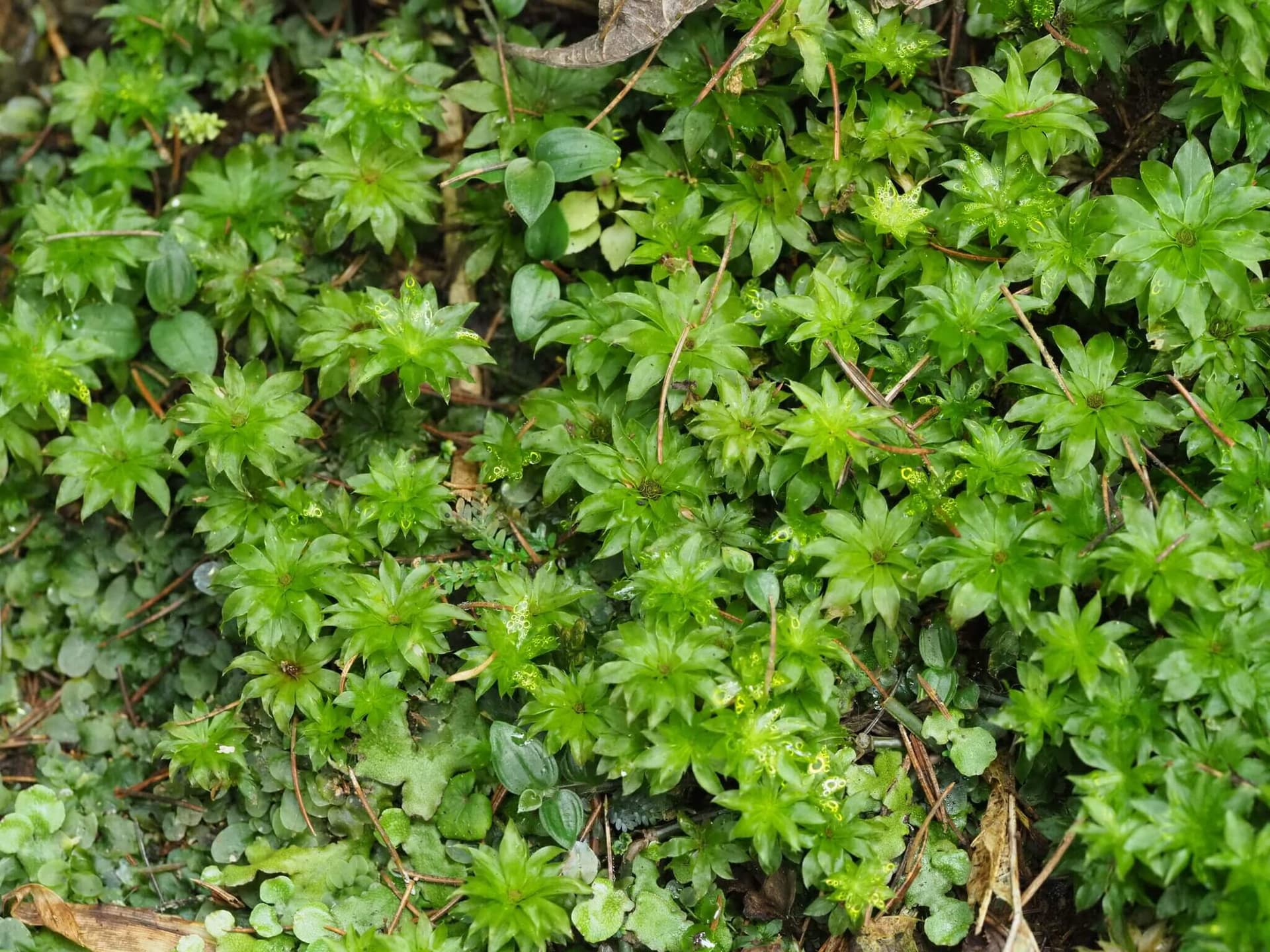
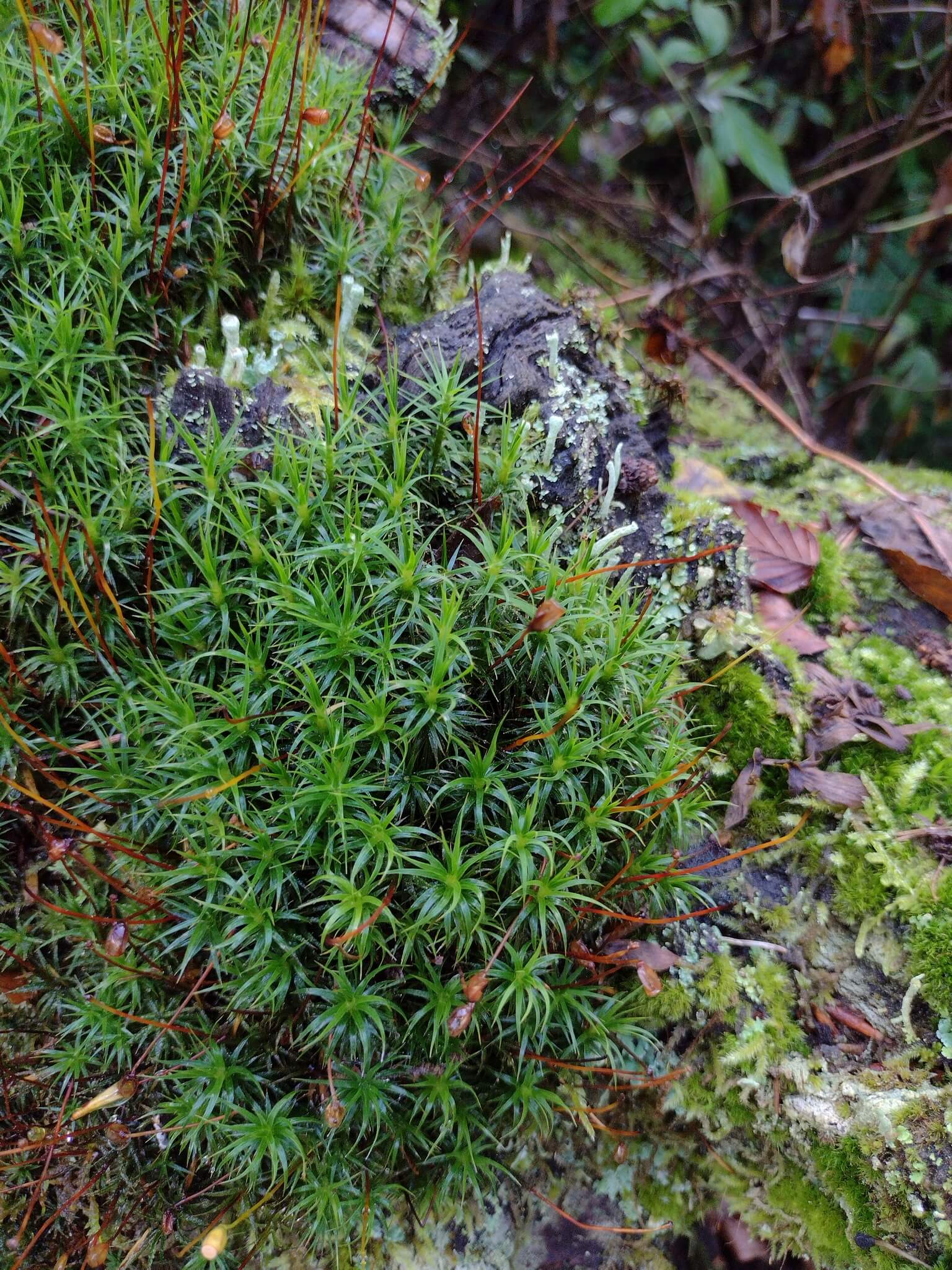
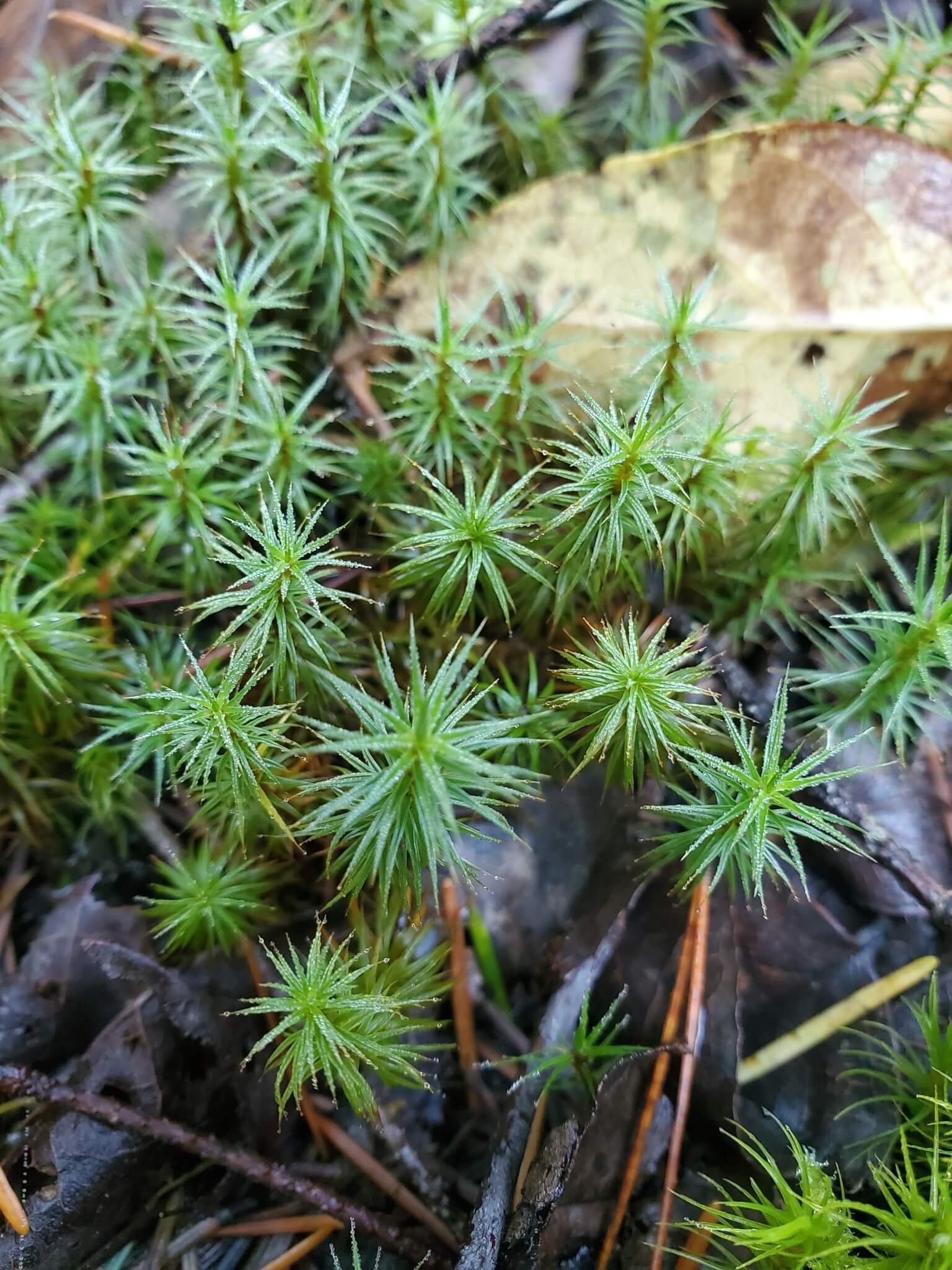
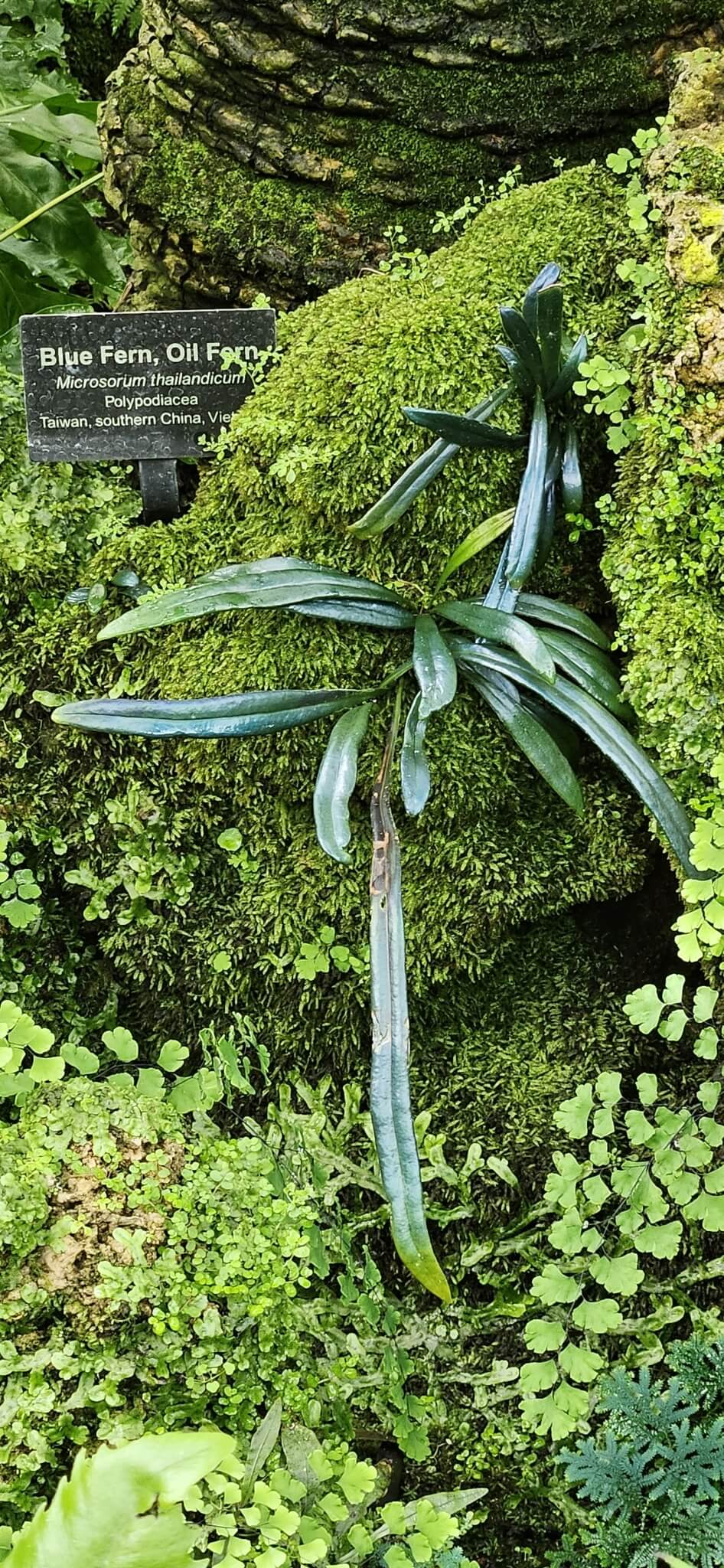
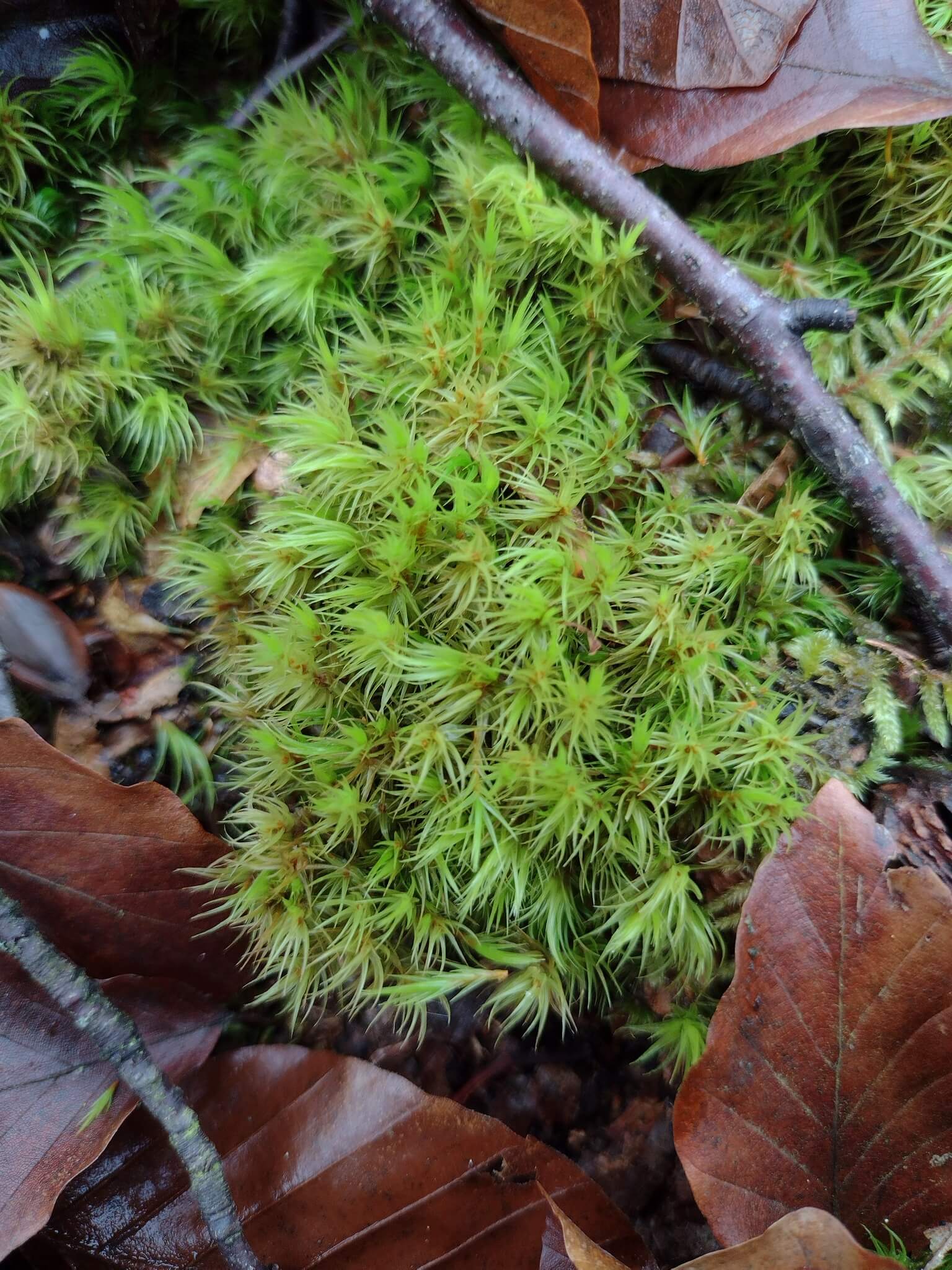
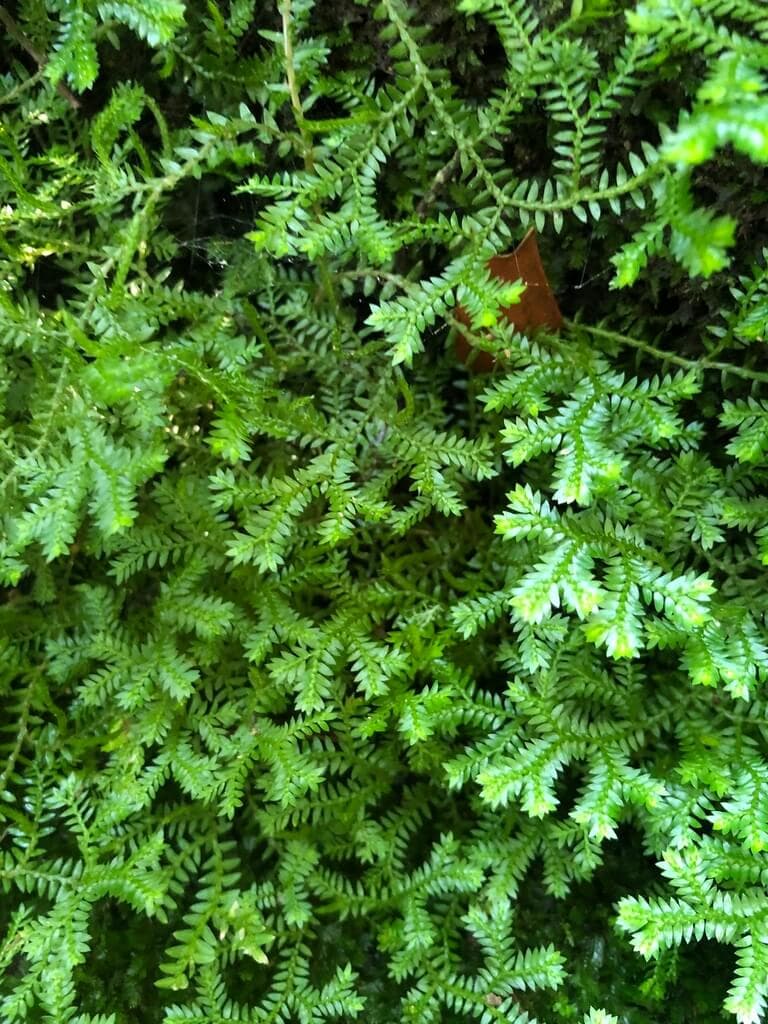
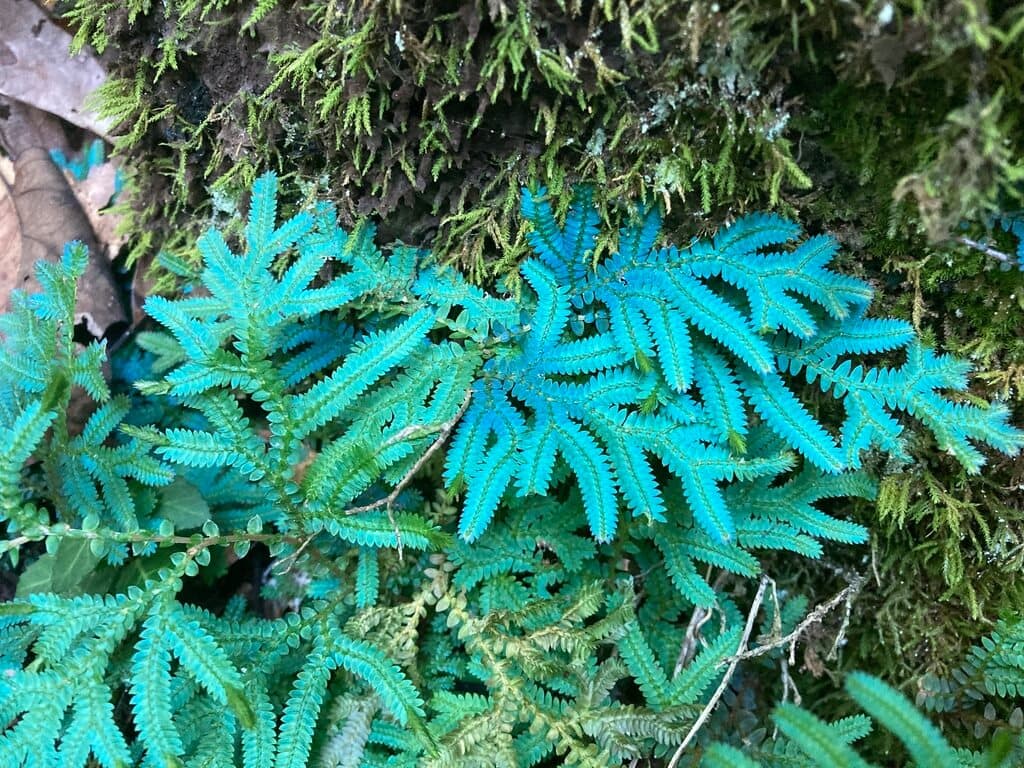
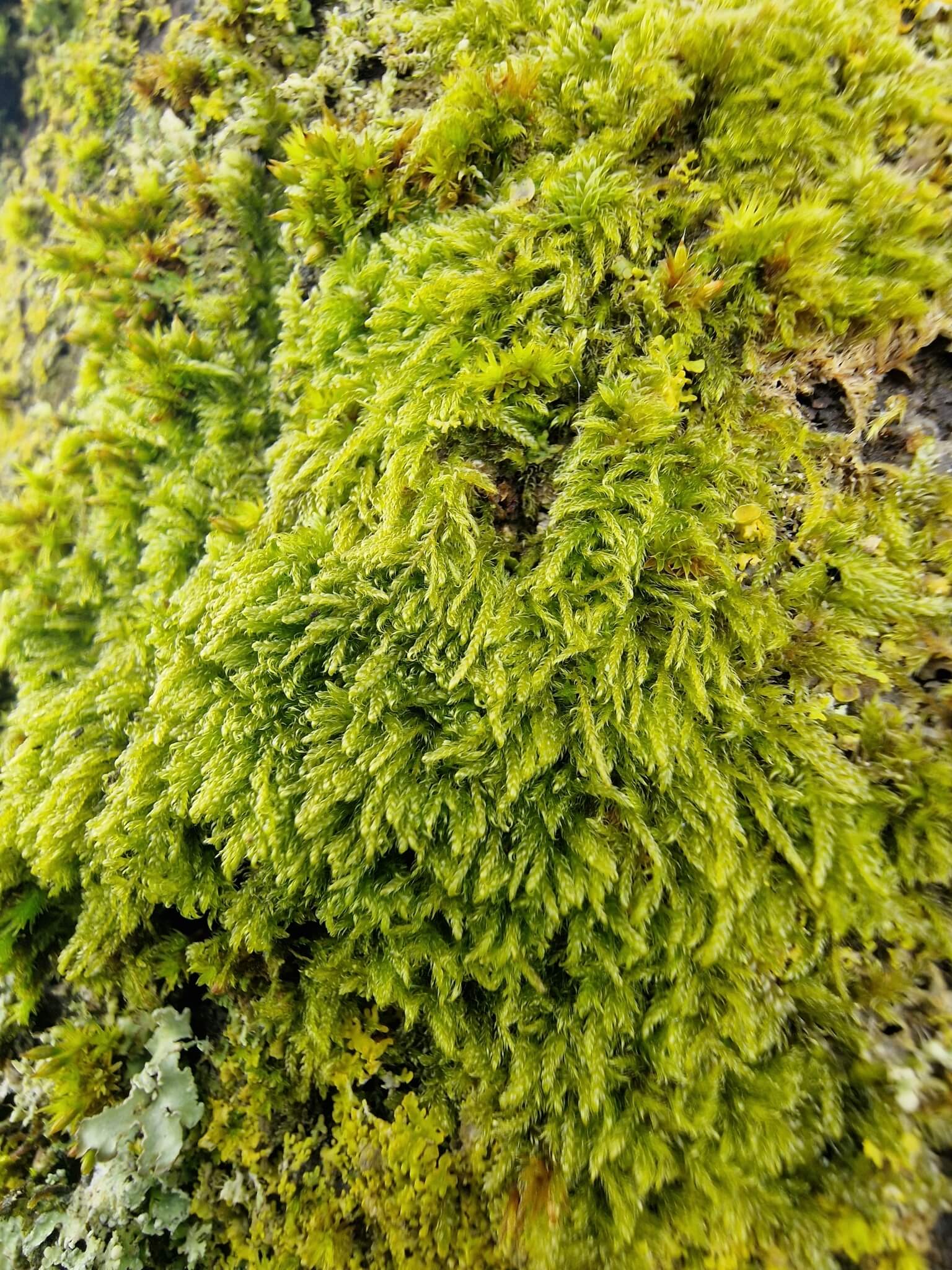
Scale comes from the plants more than from any figurines hobbyists sometimes add. Leucobryum cushion moss reads as a tree canopy because its rounded dome mimics a deciduous crown. Rhodobryum giganteum — umbrella moss — looks like a stand of tiny palms when grown upright. Polytrichum and Pogonatum haircap mosses have the upright, branchless stems and dark green tone of distant conifer forests. Selaginella kraussiana, a low clubmoss (a non-flowering, fern-relative ground cover), carpets the foreground in a way that reads as turf or meadow. Small ferns like Hemionitis arifolia or the dwarf cultivar Bolbitis 'Difformis' serve as larger trees at the back, holding the eye and giving the composition depth.
Hardscape does the second half of the work. Small stones, slate fragments, or a single piece of weathered driftwood become cliffs, boulders, or fallen logs — but only when scaled to the plants around them rather than to the vessel itself. A pebble that looks small in your hand reads as a boulder once it sits among 2 cm haircap mosses.
A closed terrarium is well suited to this theme. Mosses and clubmosses thrive in the still, high-humidity air of a sealed vessel; their natural environment — shaded, damp, stable — is what a closed terrarium already provides. The constraint that miniature landscapes ask for, that everything stay small and slow-growing, is the same constraint a closed terrarium imposes anyway. The two reinforce each other: the scene stays legible, and the maintenance stays light.
Featured plants
Hand-picked combinations from the catalogue
References
- Bantam EarthMossarium build mechanics — acrocarpous vs pleurocarpous moss selection, substrate contouring, and species pairings that read as miniature landscapes.
- The BiodudeCushion moss (Leucobryum glaucum) care — the rounded-dome form that reads as a miniature tree canopy in forced-perspective builds.
- WikipediaSaikei — the Japanese tray-landscape tradition that established the dwarf-plant + hardscape + contoured-substrate vocabulary this theme adapts.
- WikipediaPenjing — the older Chinese precedent for miniaturised landscape composition; cited as a parallel tradition to saikei.
- WikipediaBryophyte biology — the non-vascular plant group (mosses, liverworts, hornworts) that absorbs water from surfaces rather than via roots, which is why most species in this theme tolerate sealed-vessel conditions.