Humidity: Medium → High
Temperate Woodland
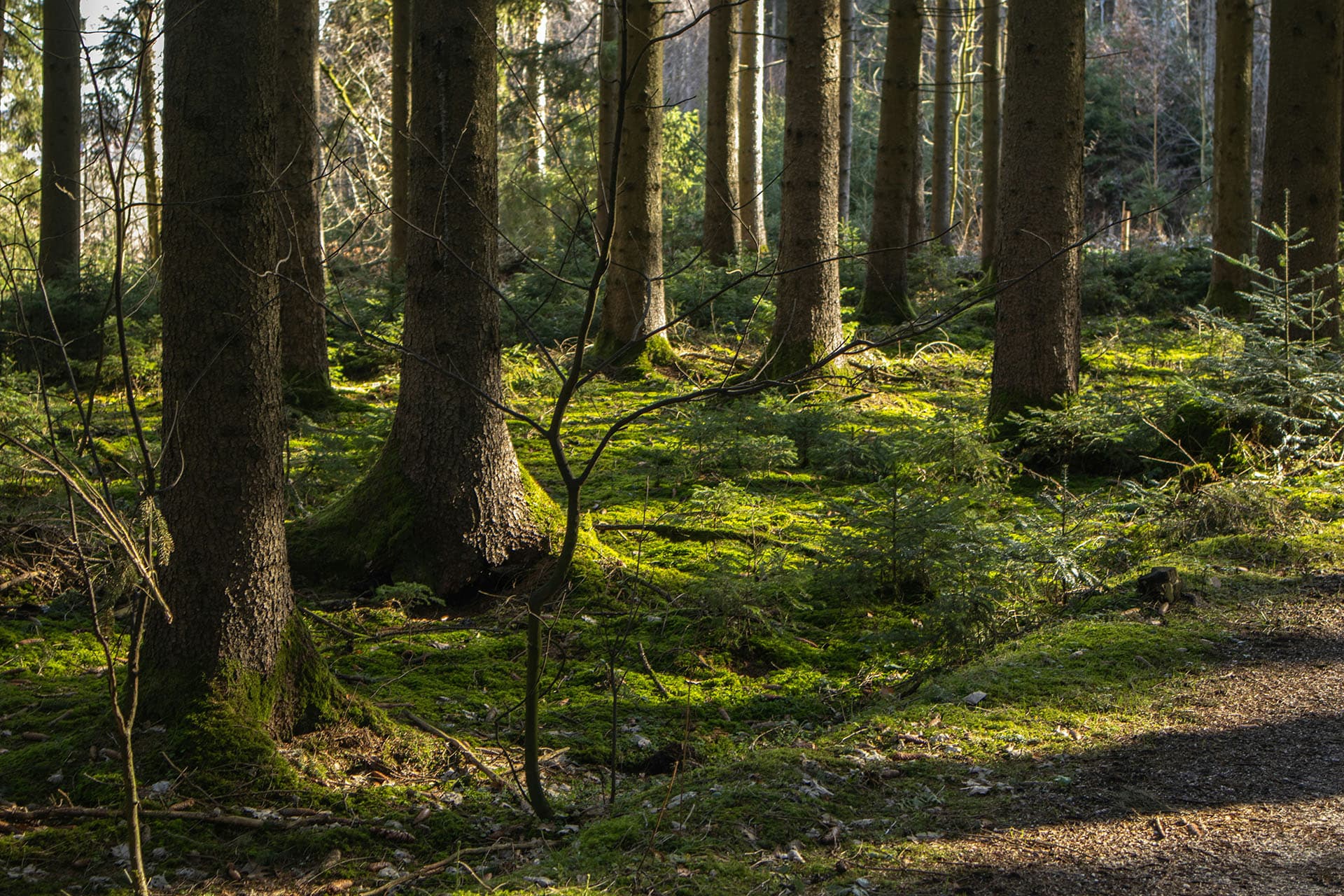
Temperate Woodland draws on the cool, shaded forests of Europe — beech and oak woods, mossy stream banks, and the fern flora that grows beneath them. The palette is green-on-green with bronze accents from leaf litter, and the foreground leans on mosses rather than broad tropical foliage.
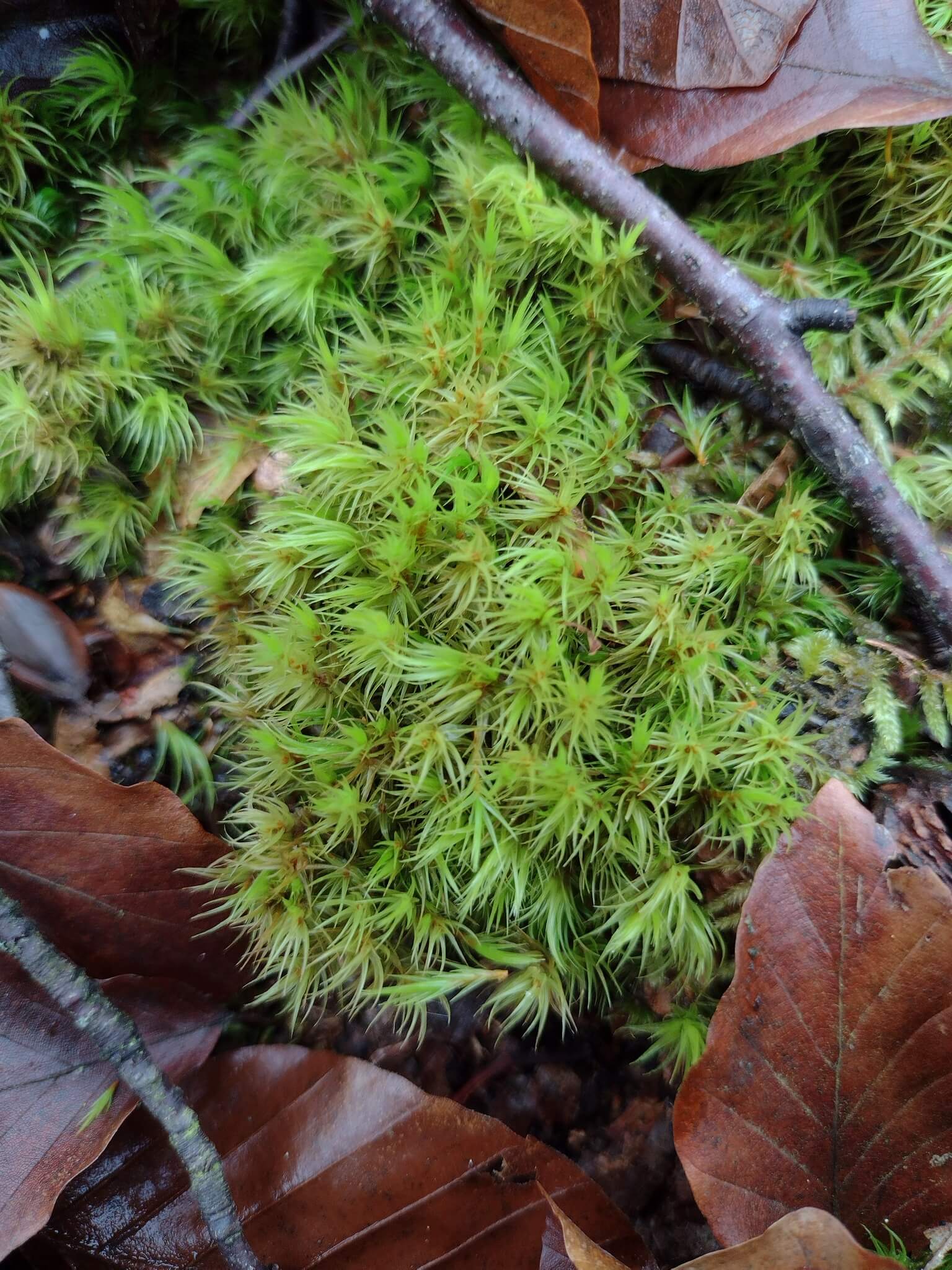
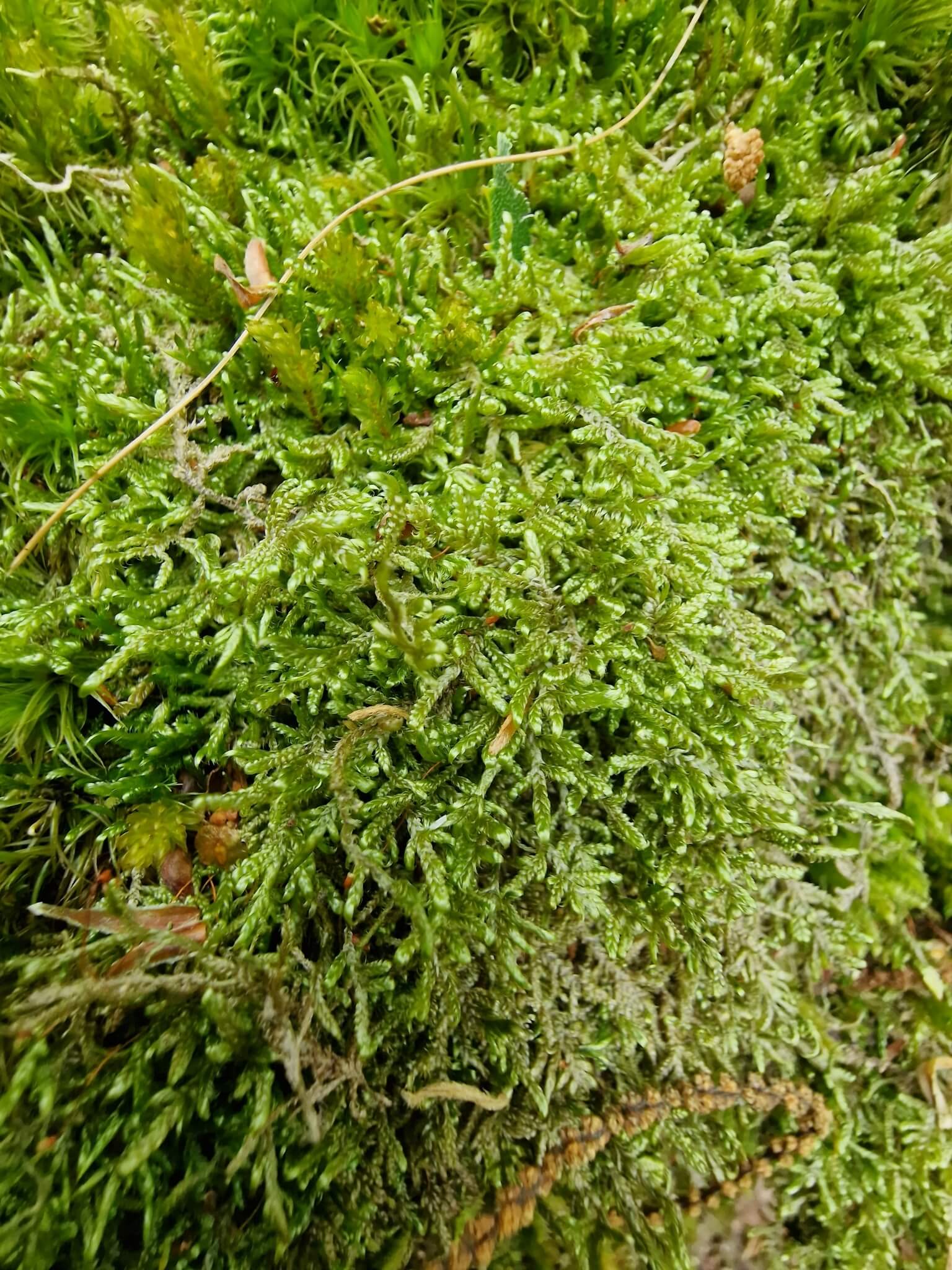
Temperate Woodland looks to the cool, shaded forests of Europe — the floor of a beech wood in summer, a Scottish glen after rain, a Carpathian ravine carpeted with moss. The palette is green-on-green with bronze and rust accents from fallen leaves and tannin-stained wood. Where tropical themes lean on broad, glossy foliage, this one leans on texture: feathered fern fronds, the cushioned pile of mood moss, and the fine vertical bristles of haircap moss.
The geographic source runs across temperate Europe — from the Atlantic broadleaf forest of the British Isles, through the great beech forests of Germany and the Carpathians, down to the cooler montane stretches of the Pyrenees and the Italian Alps. Climates are mostly oceanic (Cfb) in the west and humid continental (Dfb) inland, with reliable rainfall and an even, cool temperature year-round. The dominant biome is temperate broadleaf and mixed forest, with European beech (Fagus sylvatica) and pedunculate oak (Quercus robur) as the keystone trees, but the terrarium-relevant flora sits well below them on the forest floor.
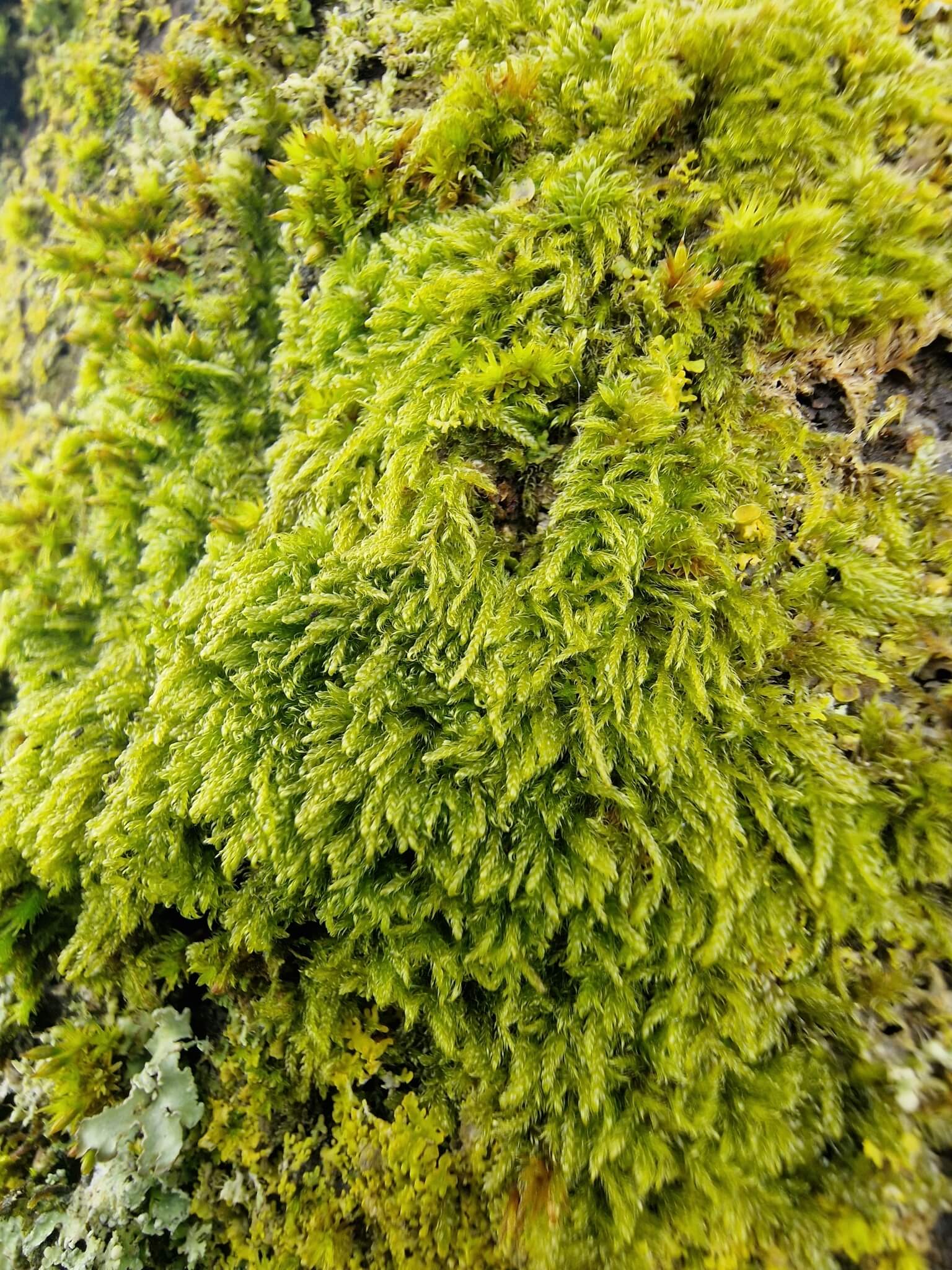
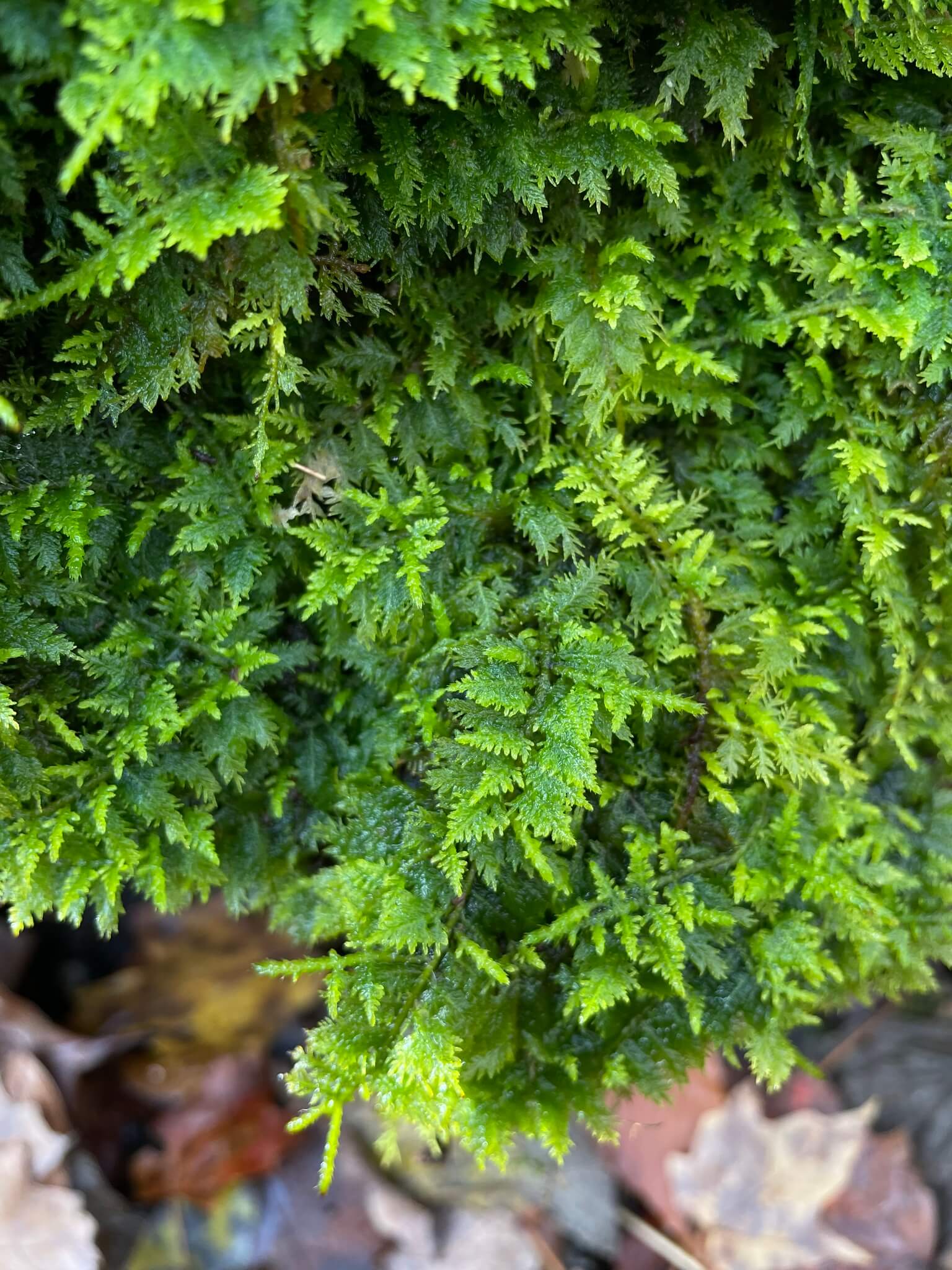
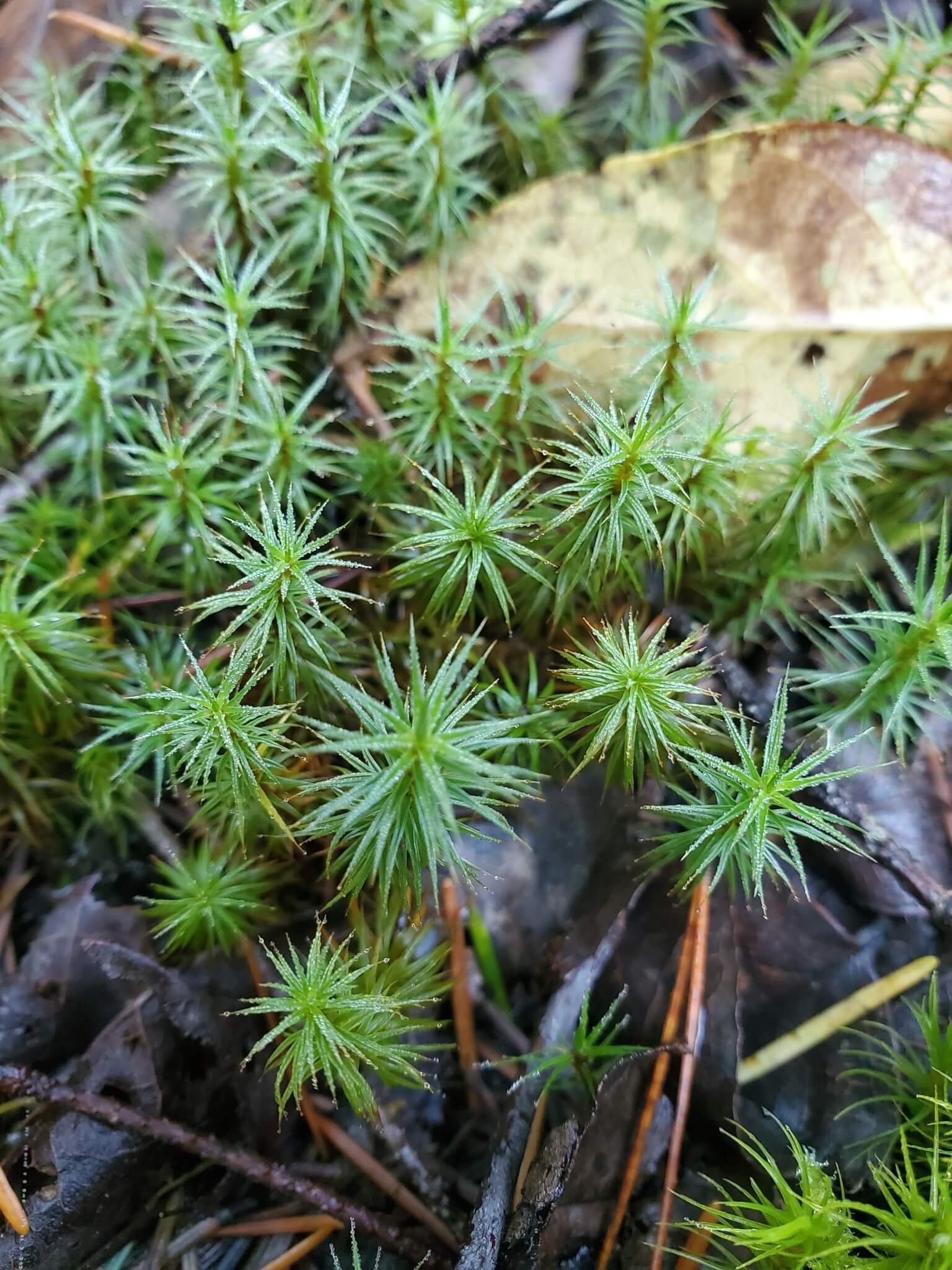
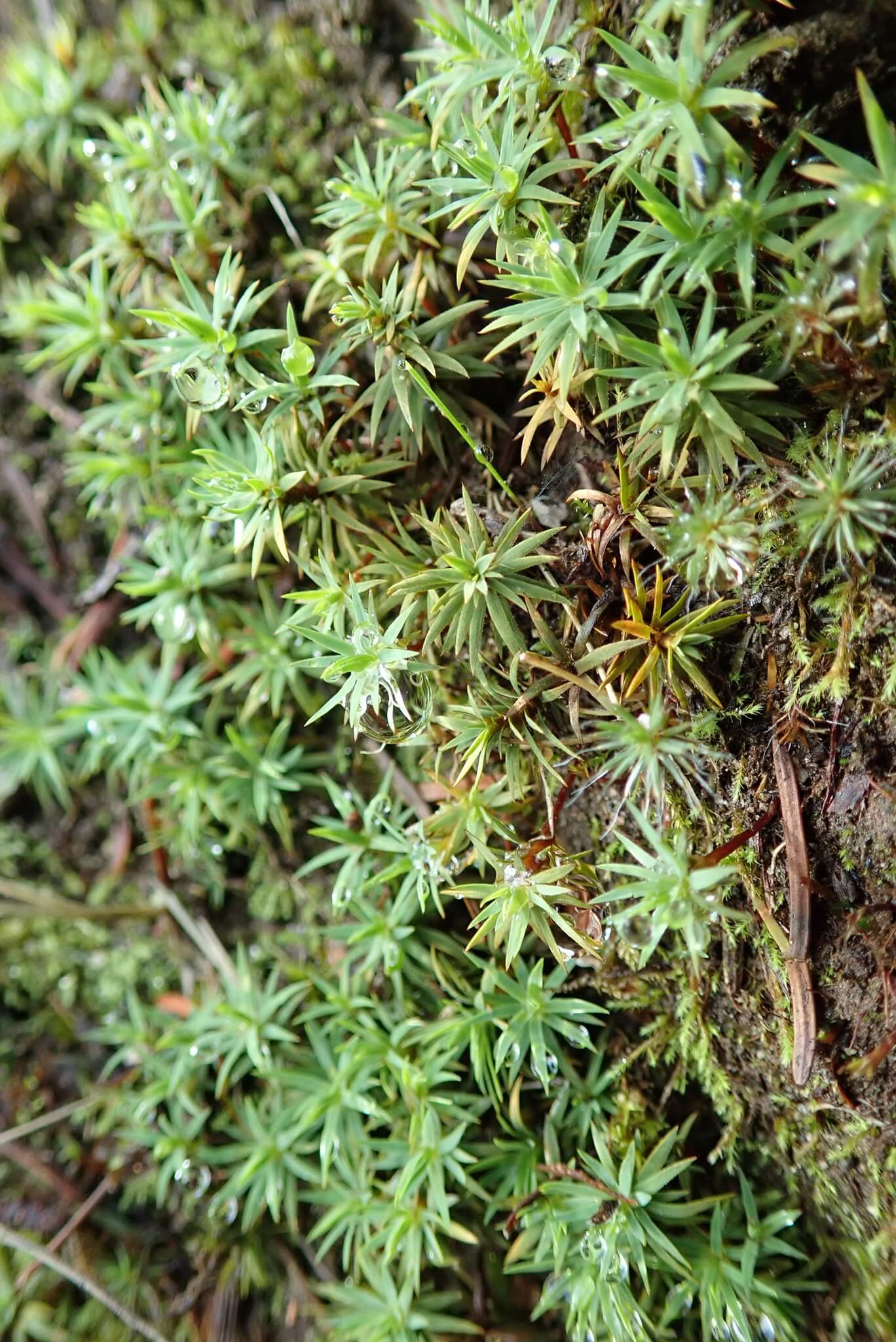
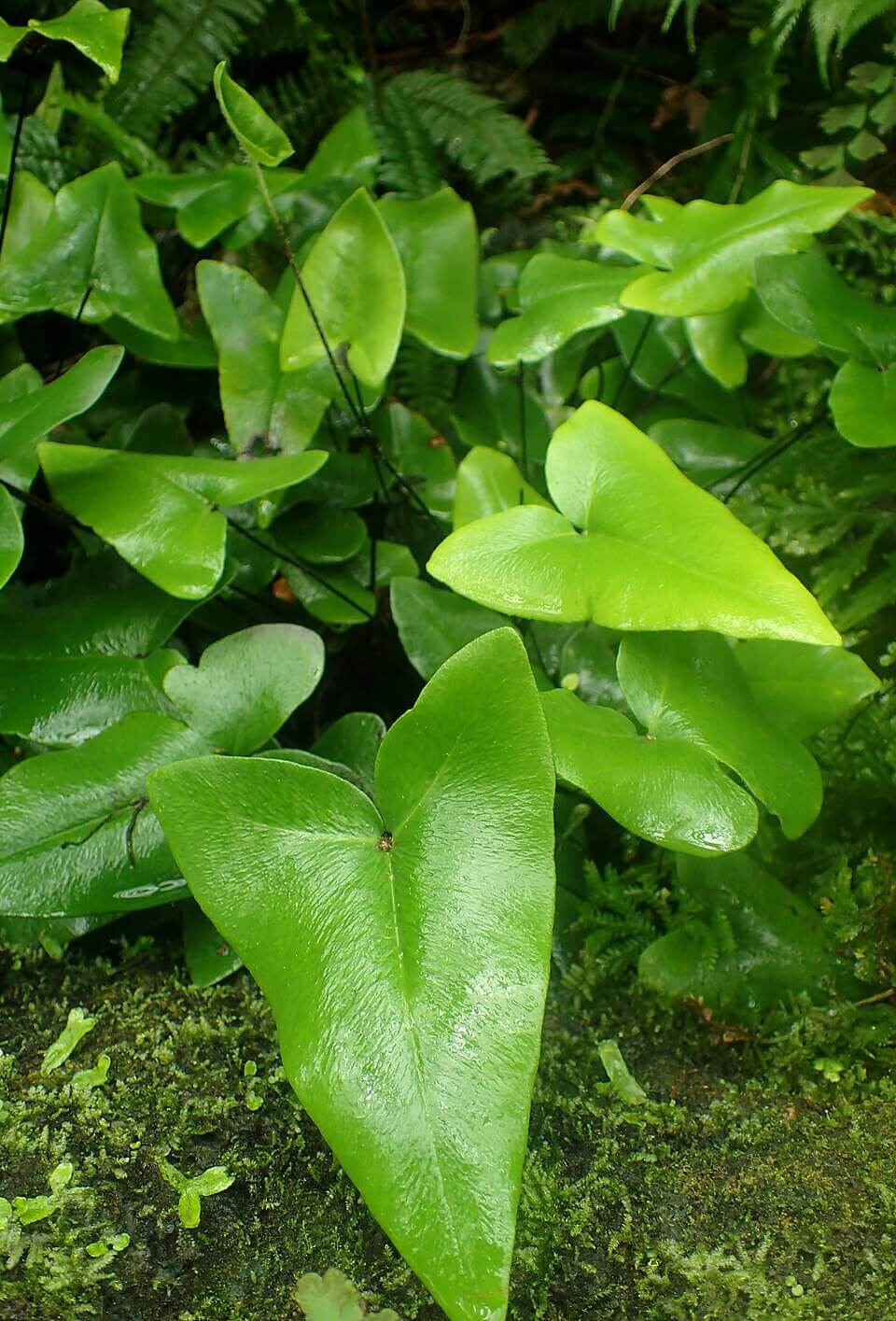
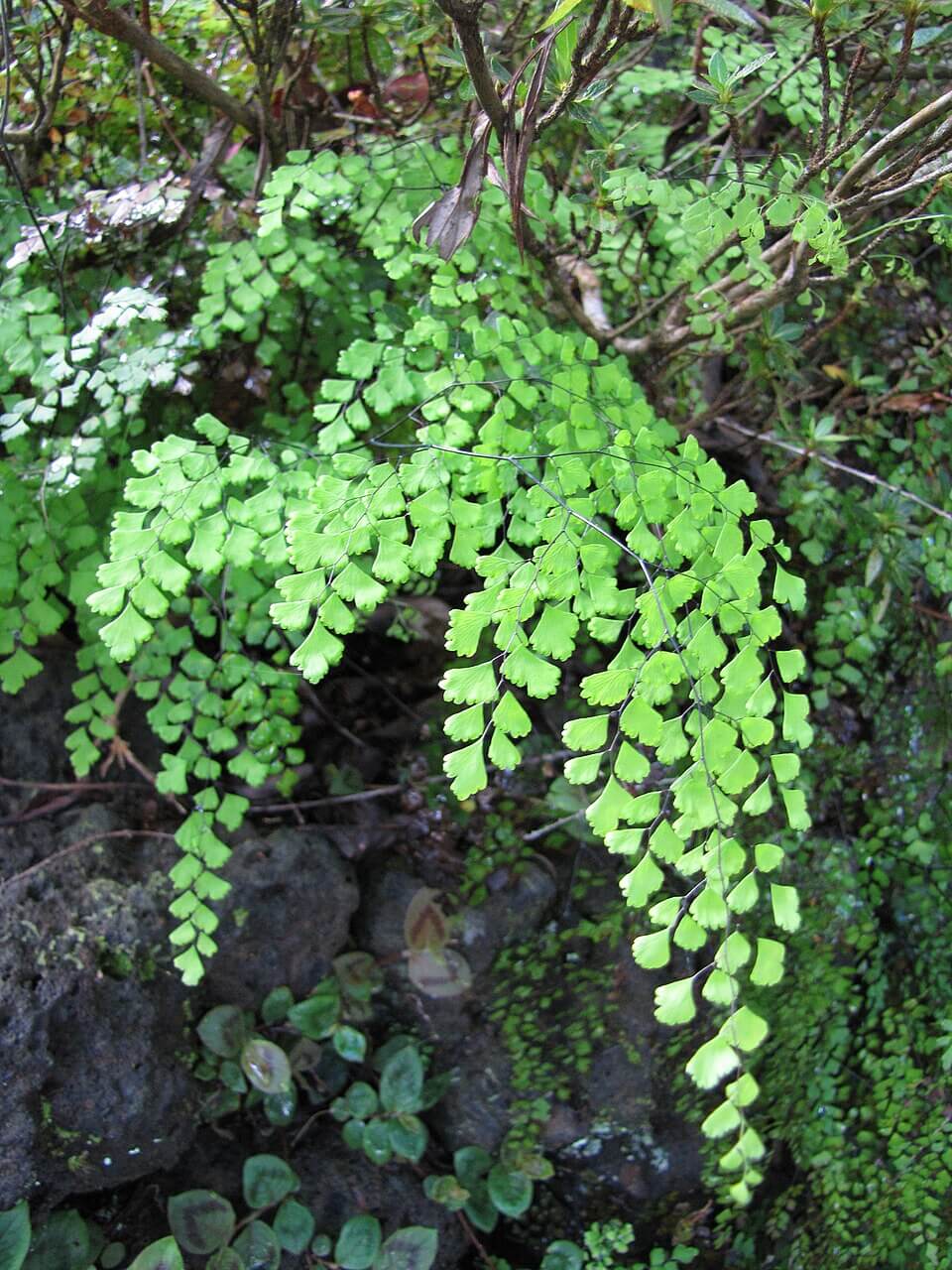
A few plant families do most of the work. Pleurocarpous mosses — the creeping, branching kind — form the ground story: cypress-leaved plait-moss (Hypnum cupressiforme), fern moss (Thuidium delicatulum), and the cushion-forming mood moss (Dicranum scoparium). Acrocarpous mosses such as Polytrichum and Pogonatum grow upright in tufts and add vertical structure, reading like miniature conifer stands. Shade-tolerant ferns — hart's-tongue, maidenhair, and lady fern — fill the midground. Small woodland flowering plants are sparse on the catalogue side, with wood sorrel and a handful of lily relatives at the edges of the available flora.
Closed terrariums suit the look but reward some honesty about what they can and can't reproduce. Genuine cool-temperate species expect a winter chill — a dormancy trigger that a heated room rarely provides — so an enclosed setup at indoor temperatures will favour cosmopolitan mosses (Funaria, Polytrichum, Pogonatum) and warm-tolerant ferns over true cold-temperate natives. Light should stay bright but indirect; direct sun heats the vessel quickly and pushes evergreen woodland species past their comfort range. When conditions hold, the result is a quiet landscape — layered green, soft texture, and the feel of forest floor compressed into glass.
Featured plants
Hand-picked combinations from the catalogue
References
- Terrarium TribeBuild guide for a woodland-themed closed terrarium — plant selection (Mood Moss, Fluffy Ruffles Fern, Maidenhair) and design rationale around texture and contrast.
- Terrarium TribeCatalogue of fern species suitable for closed terrariums, including temperate-look options.
- Terrarium TribeThuidium delicatulum (fern moss) — temperate species widely used as woodland ground cover.
- The Fern and MosseryTemperature and dormancy notes for temperate species kept in closed terrariums.
- WikipediaFagus sylvatica — keystone tree of the temperate broadleaf forest biome cited in the description.