Humidity: High → Very High
Amazon Rainforest
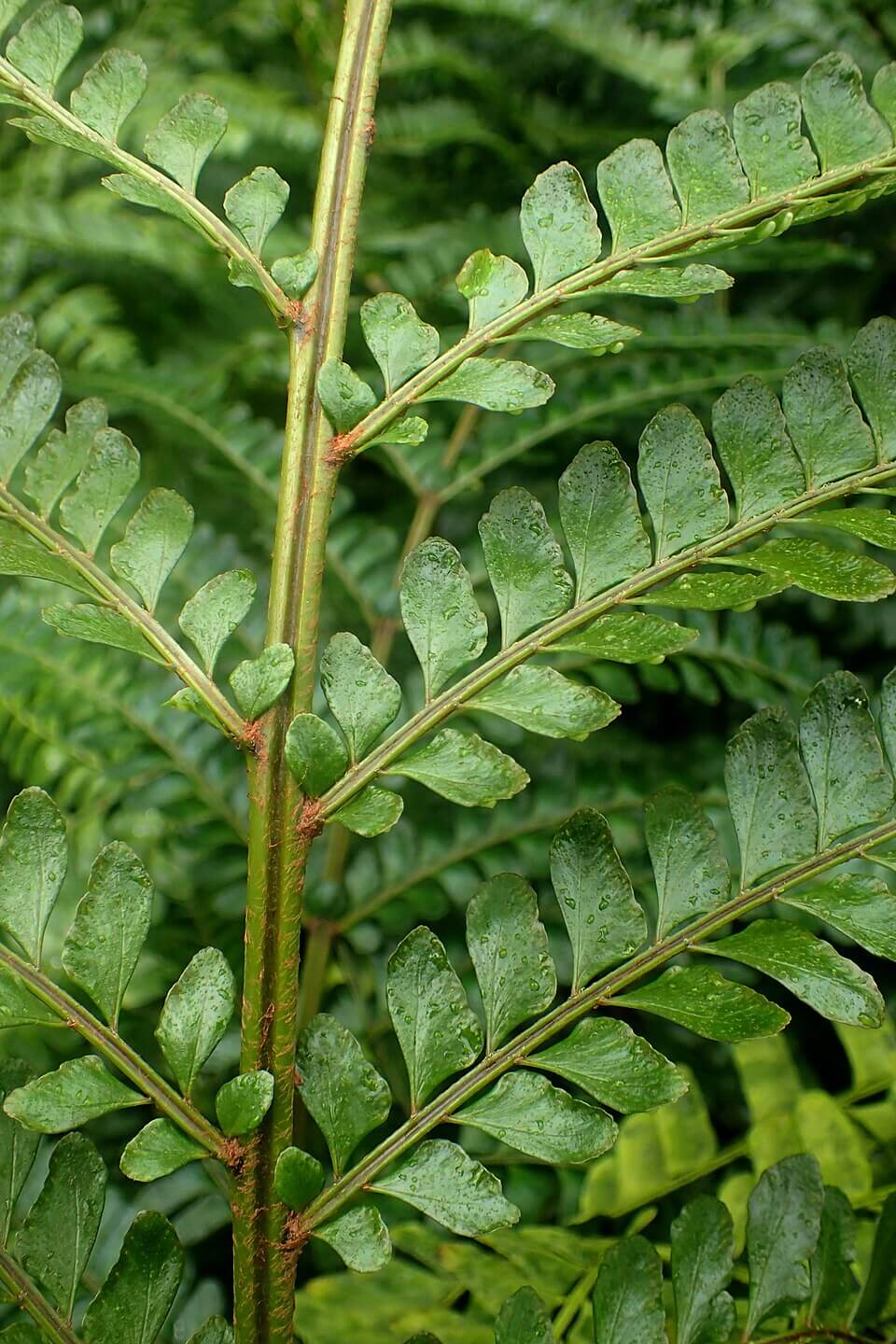
Amazon Rainforest looks to the warm, wet, equatorial lowlands of tropical America — the Amazon basin proper, the rainforests that drape the Guiana Shield, the Andean foothills of Colombia, Ecuador, Peru, and Bolivia, and the Caribbean slope of Central America. The terrarium look is broad-leaved and green-on-green, built around aroids, prayer plants, calatheas, peperomias, and the small ferns and miniature orchids of the forest floor.
Amazon Rainforest looks to the warm, wet, equatorial lowlands of tropical America — the Amazon basin proper, the rainforests that drape the Guiana Shield, the Andean foothills that feed the western Amazon, and the Caribbean slope of Central America. The look is broad-leaved and green-on-green, built around the aroids, prayer plants, calatheas, peperomias, and small ferns that make up the rainforest understory. At forest-floor level the light is dim and the air is constantly humid — conditions a closed terrarium reproduces almost by accident.
The geographic source spans four TDWG regions: Brazil, Northern South America (Venezuela and the three Guianas), Western South America (Colombia, Ecuador, Peru, Bolivia), and Central America. Climate across the lowland flora is fully tropical and equatorial — mean annual temperatures sit close to 26 °C, with rainfall above 2,000 millimetres a year and very little seasonal variation. The Amazon basin itself is the largest single rainforest on Earth and holds around 16,000 tree species; the Guiana Shield adds tepui-summit endemics and vast lowland forest; the eastern Andes contribute the cloud-forest belt that produced an extraordinary radiation of Pleurothallidinae orchids and Gesneriaceae; and the Mesoamerican isthmus contributes premontane rainforest along the volcanic spine.
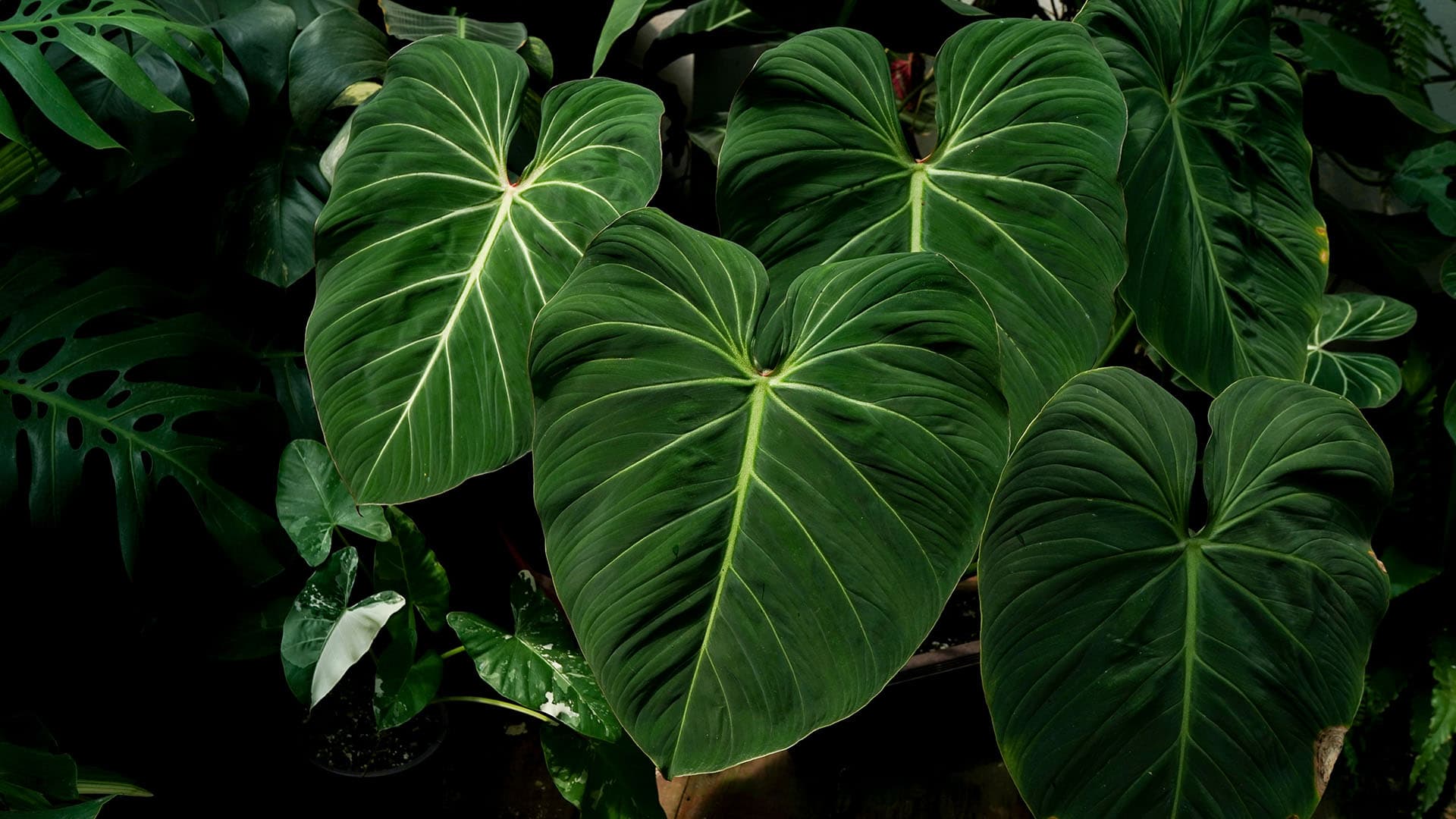
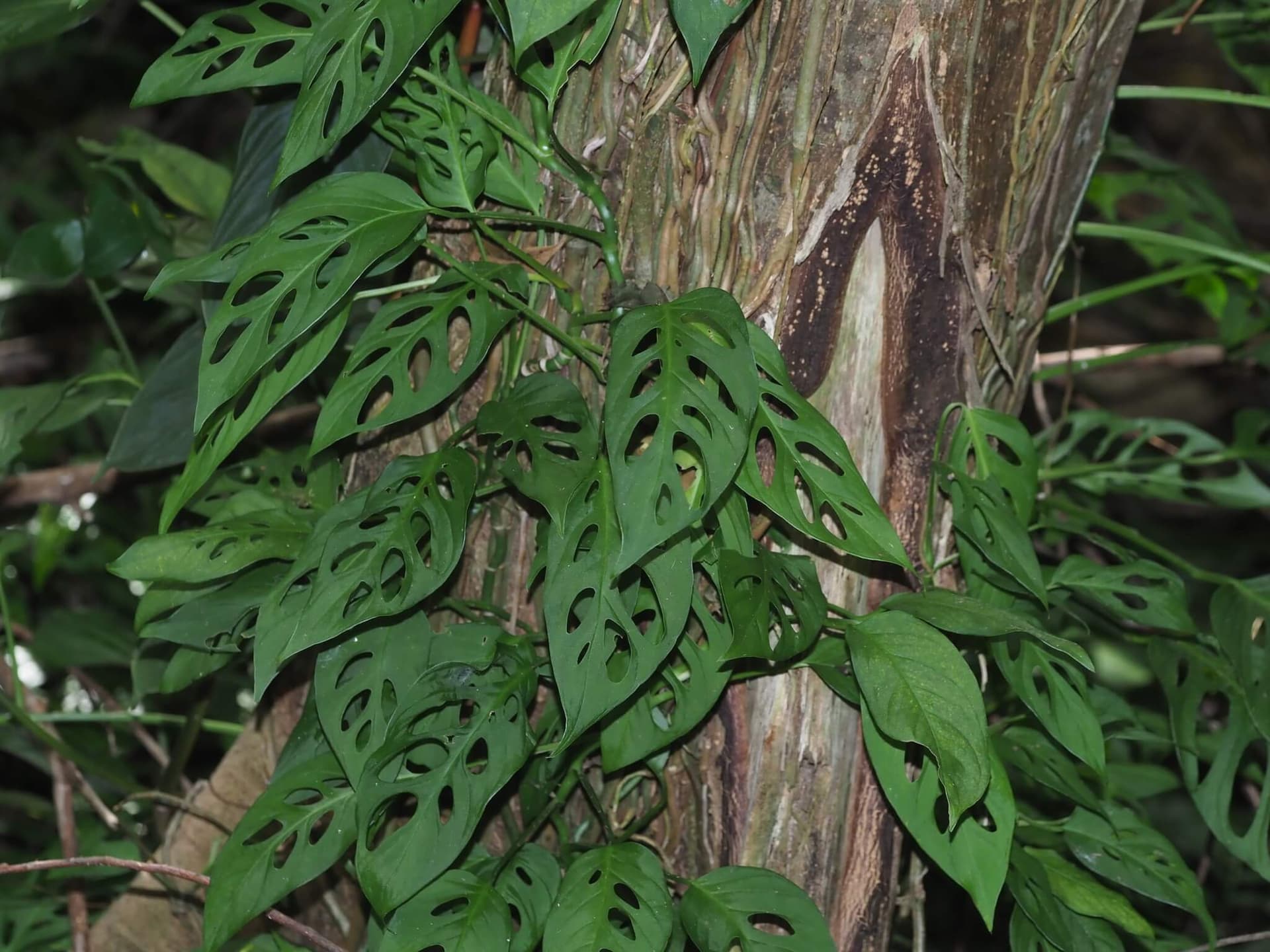
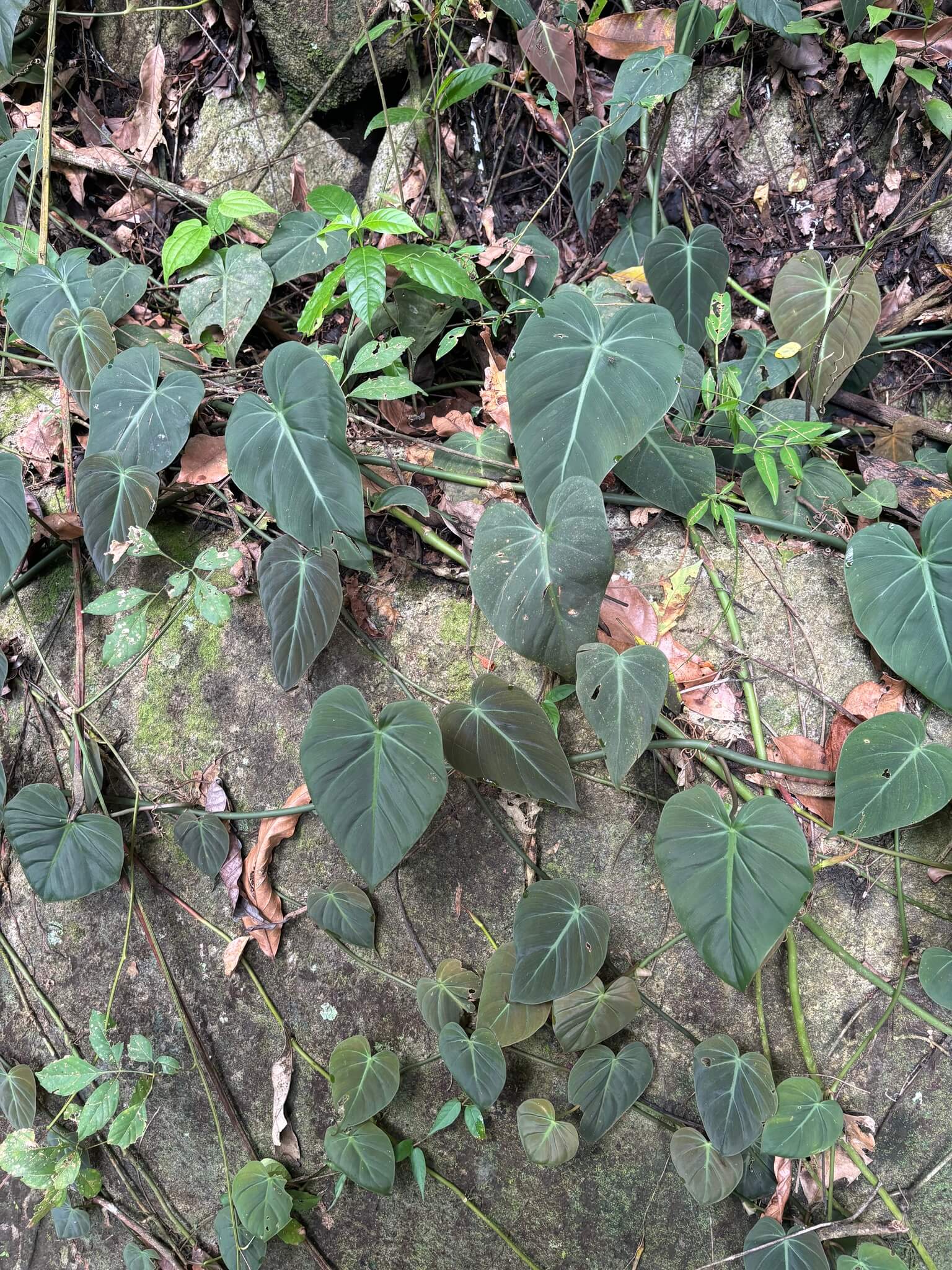
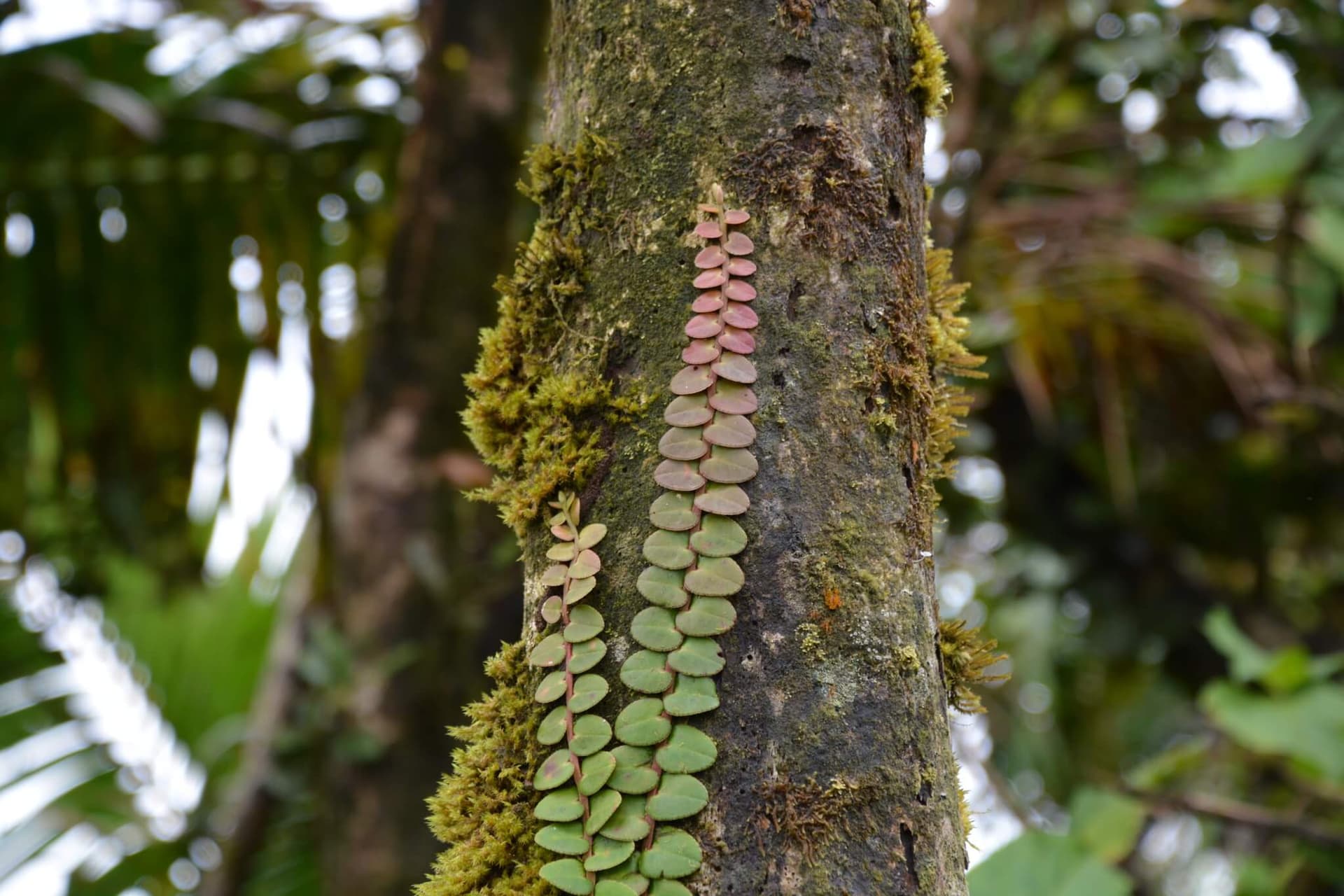
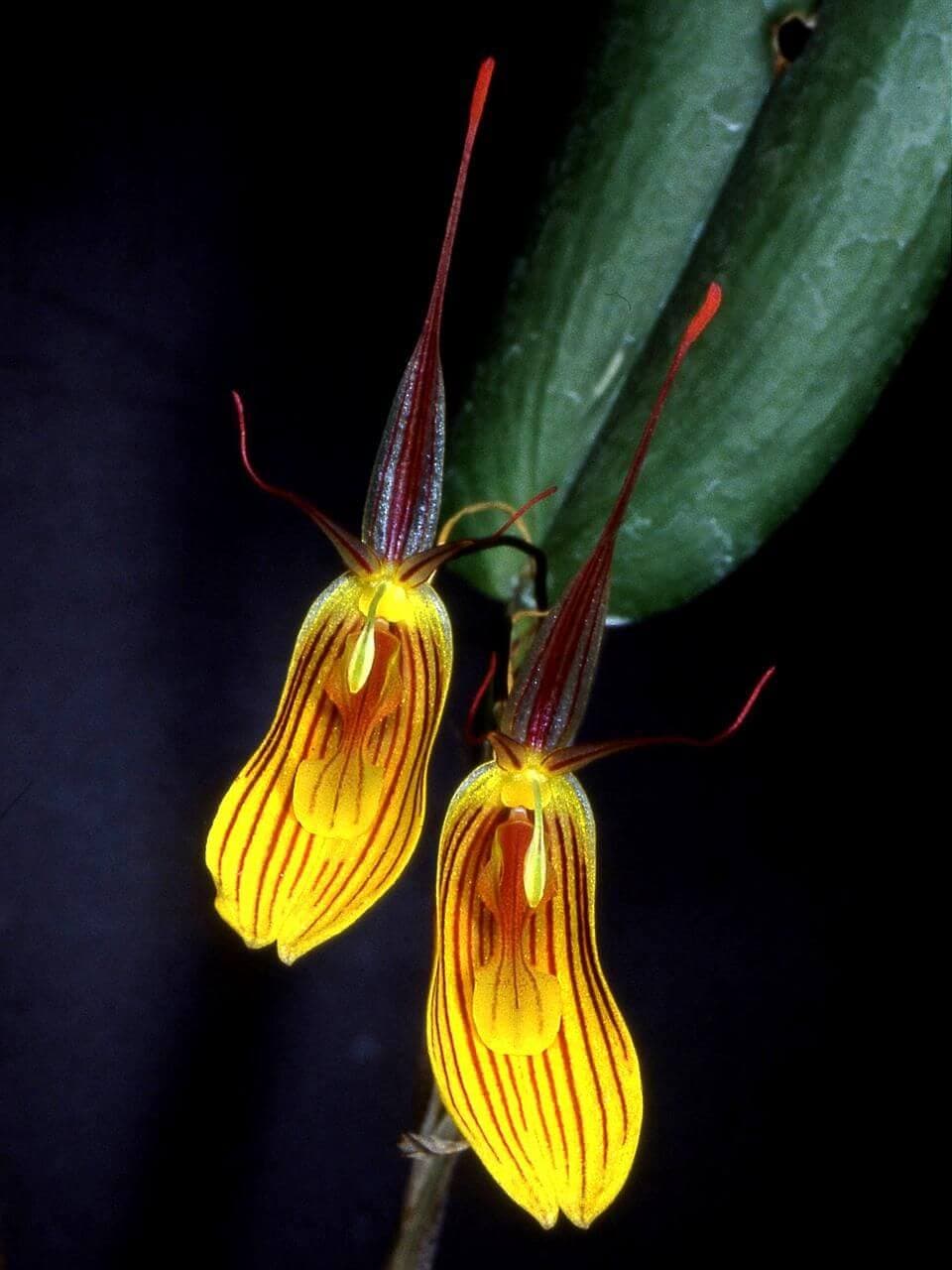
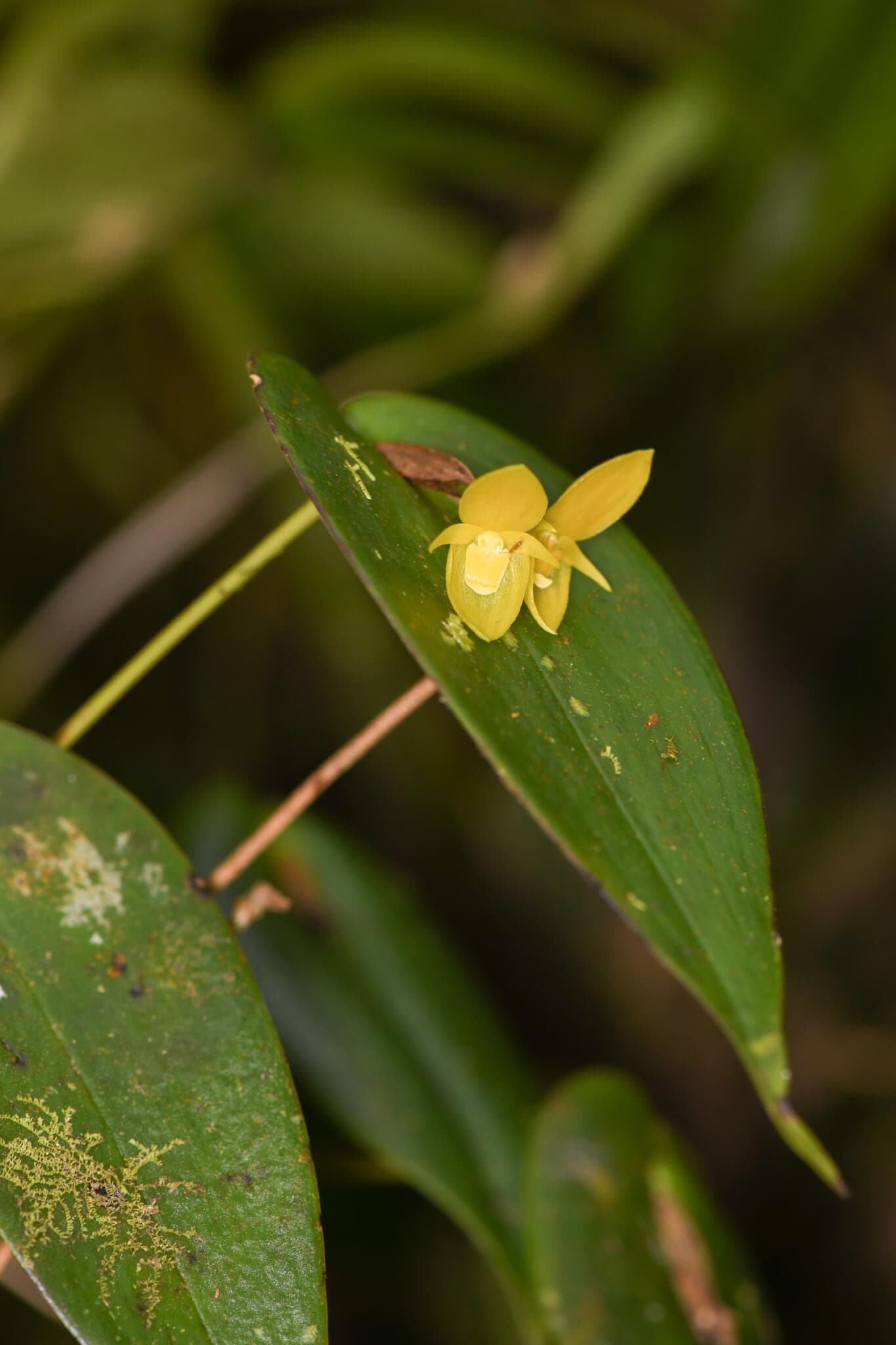
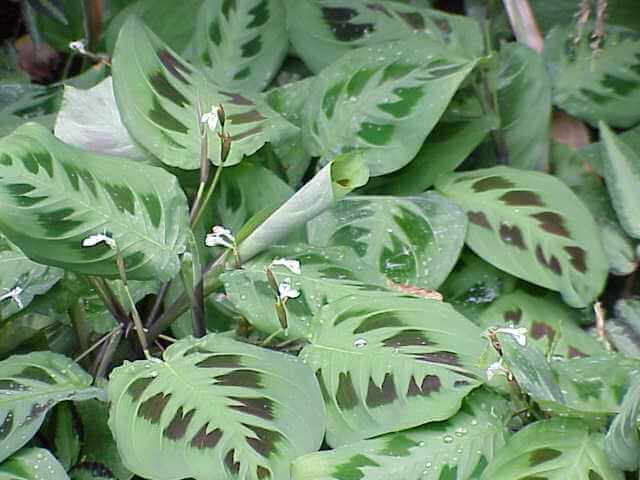
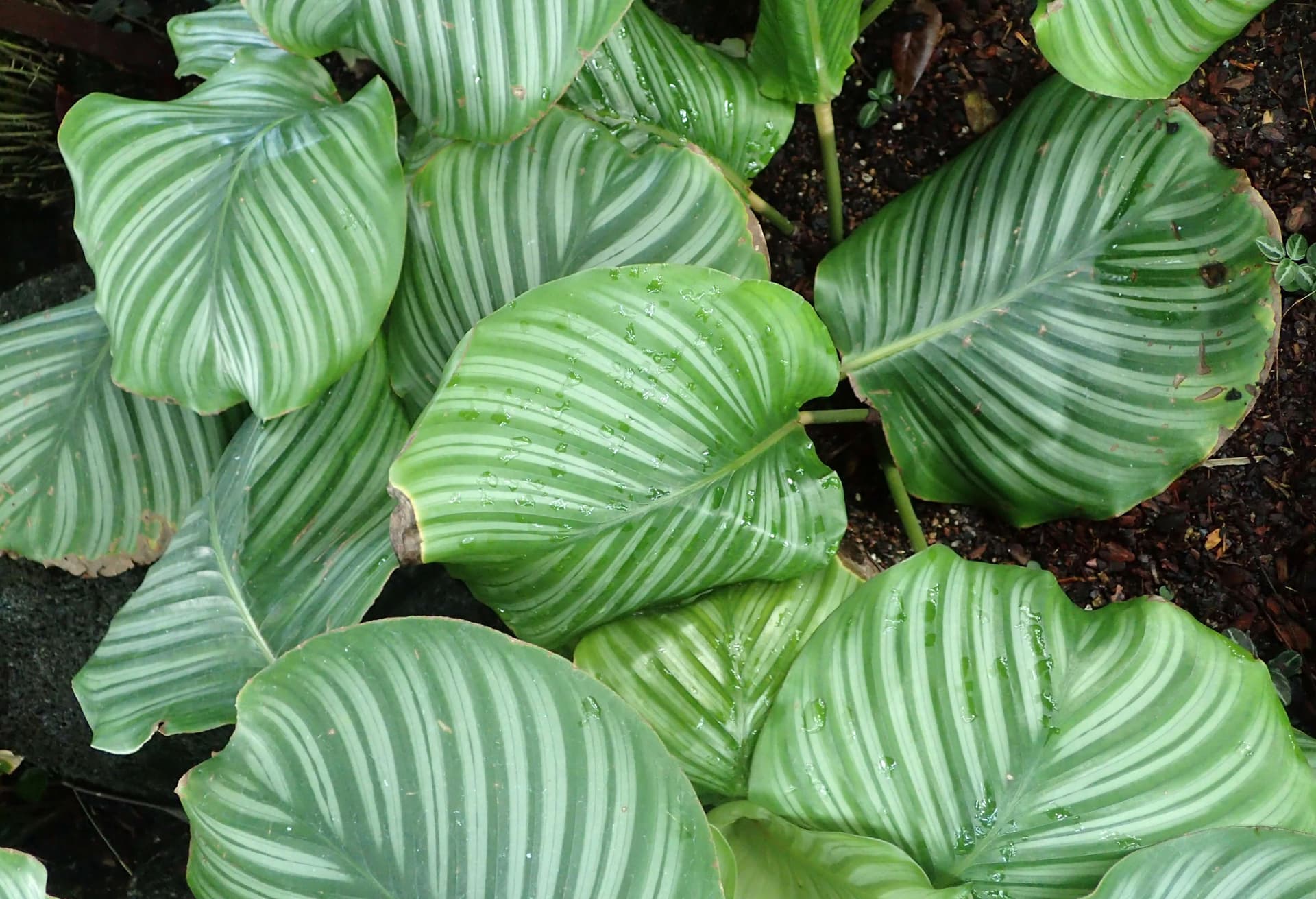
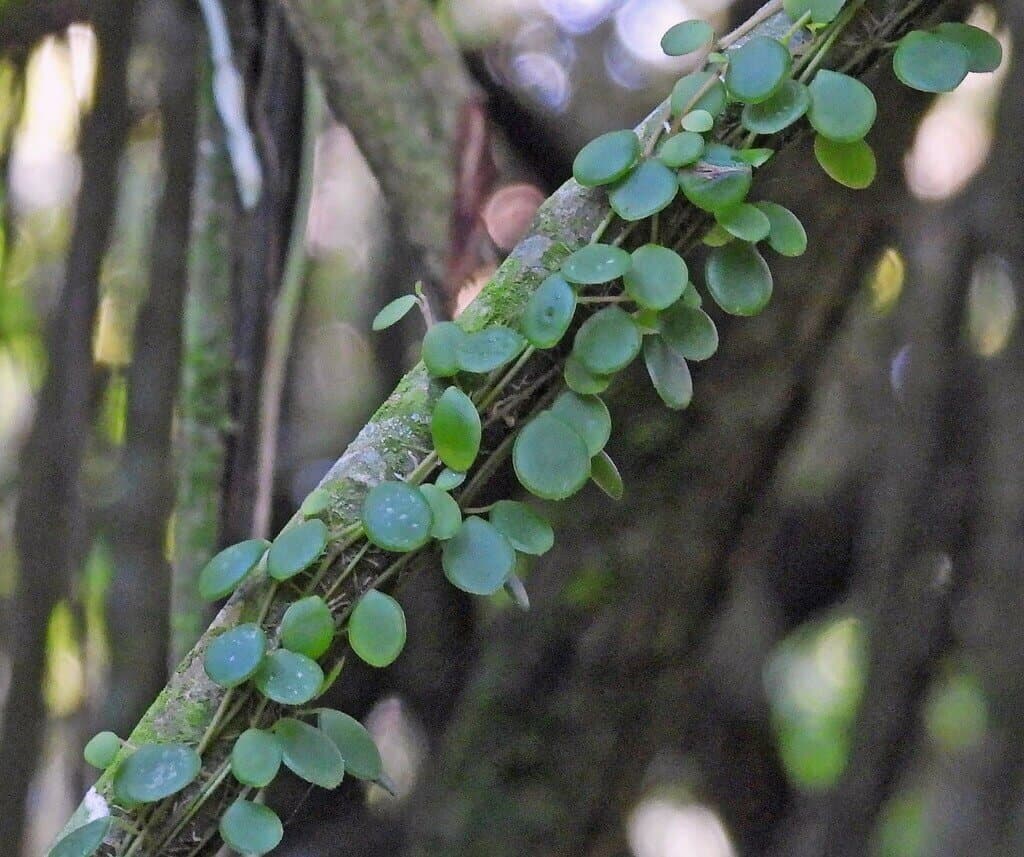
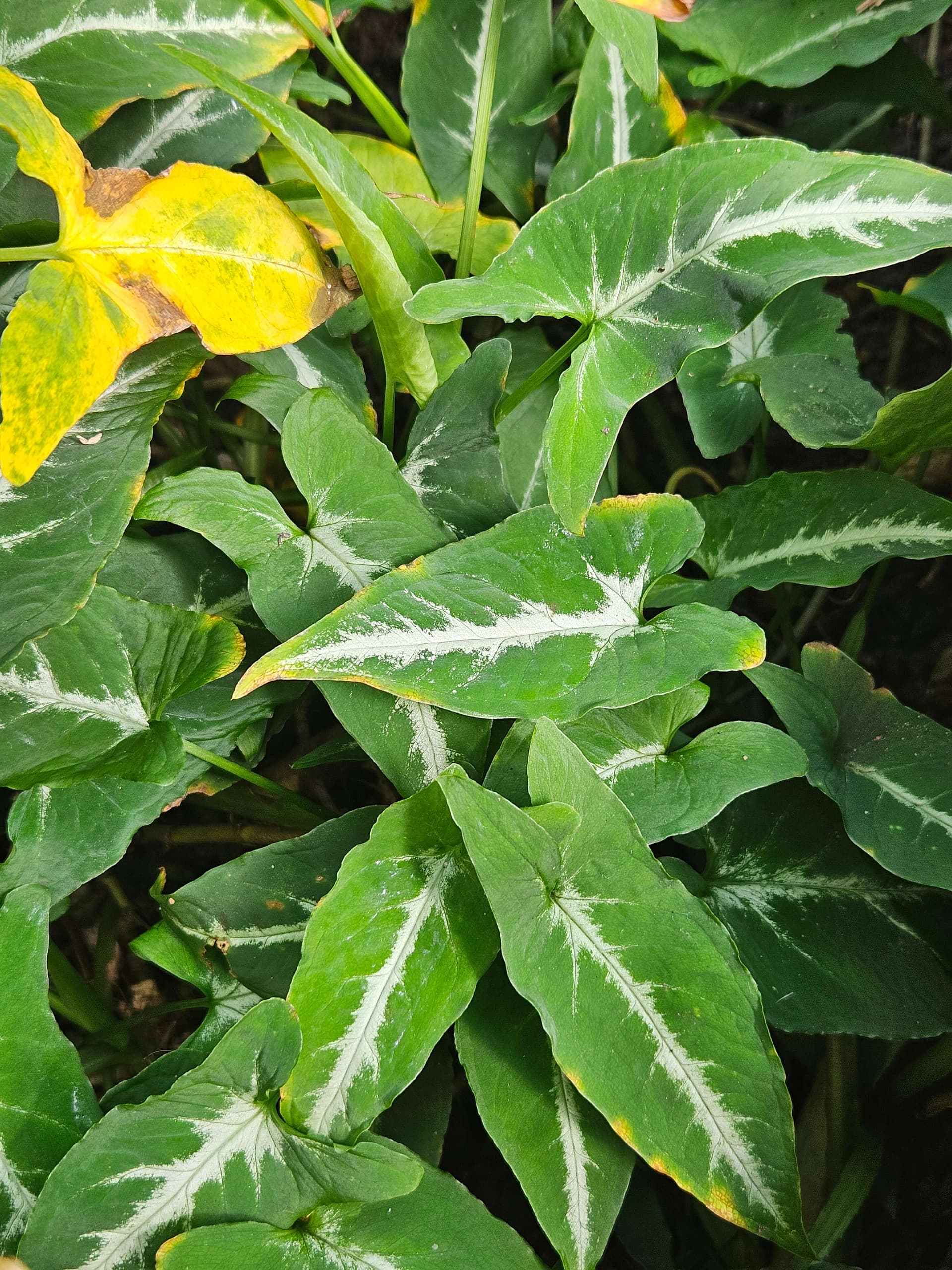
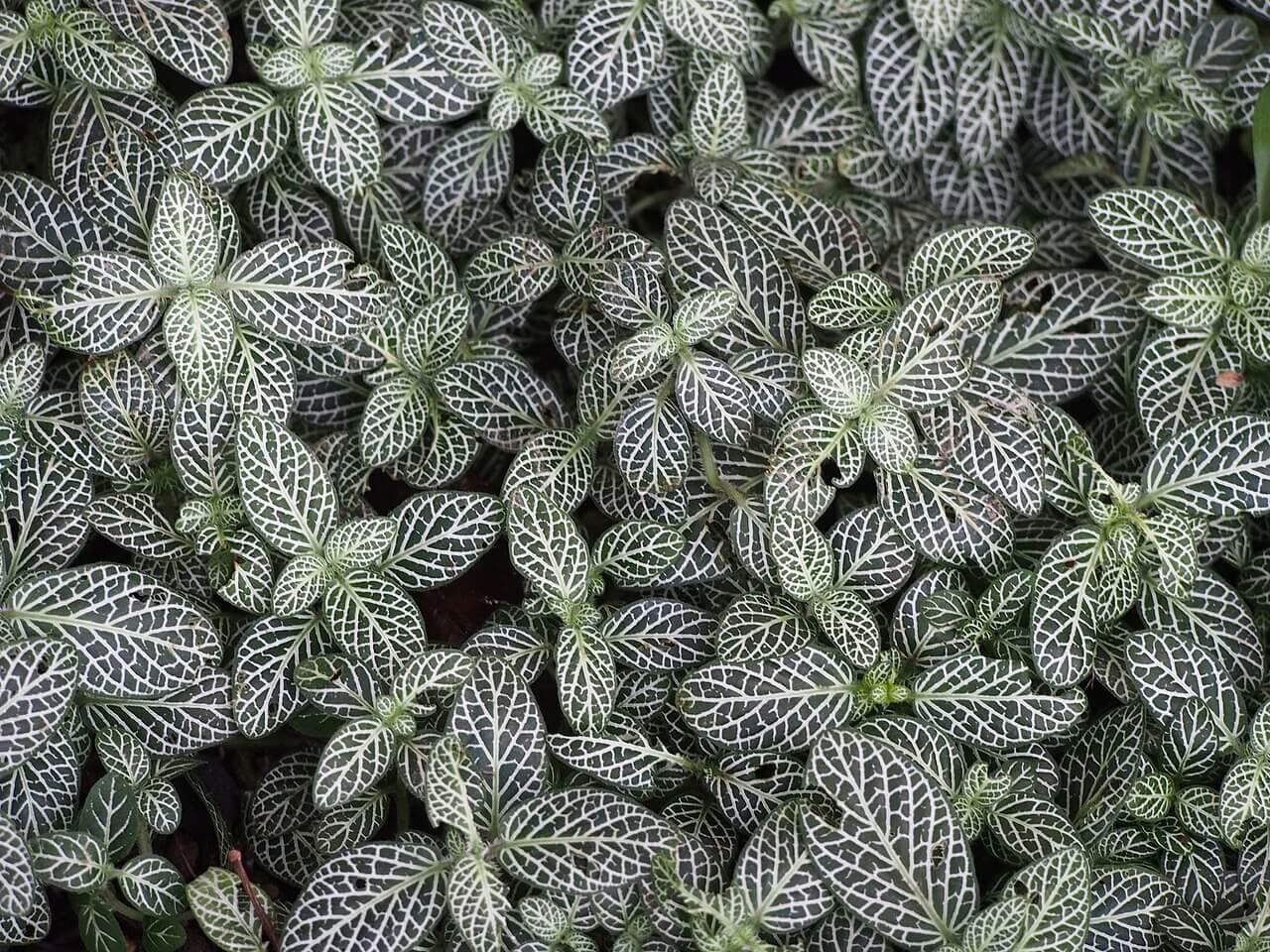
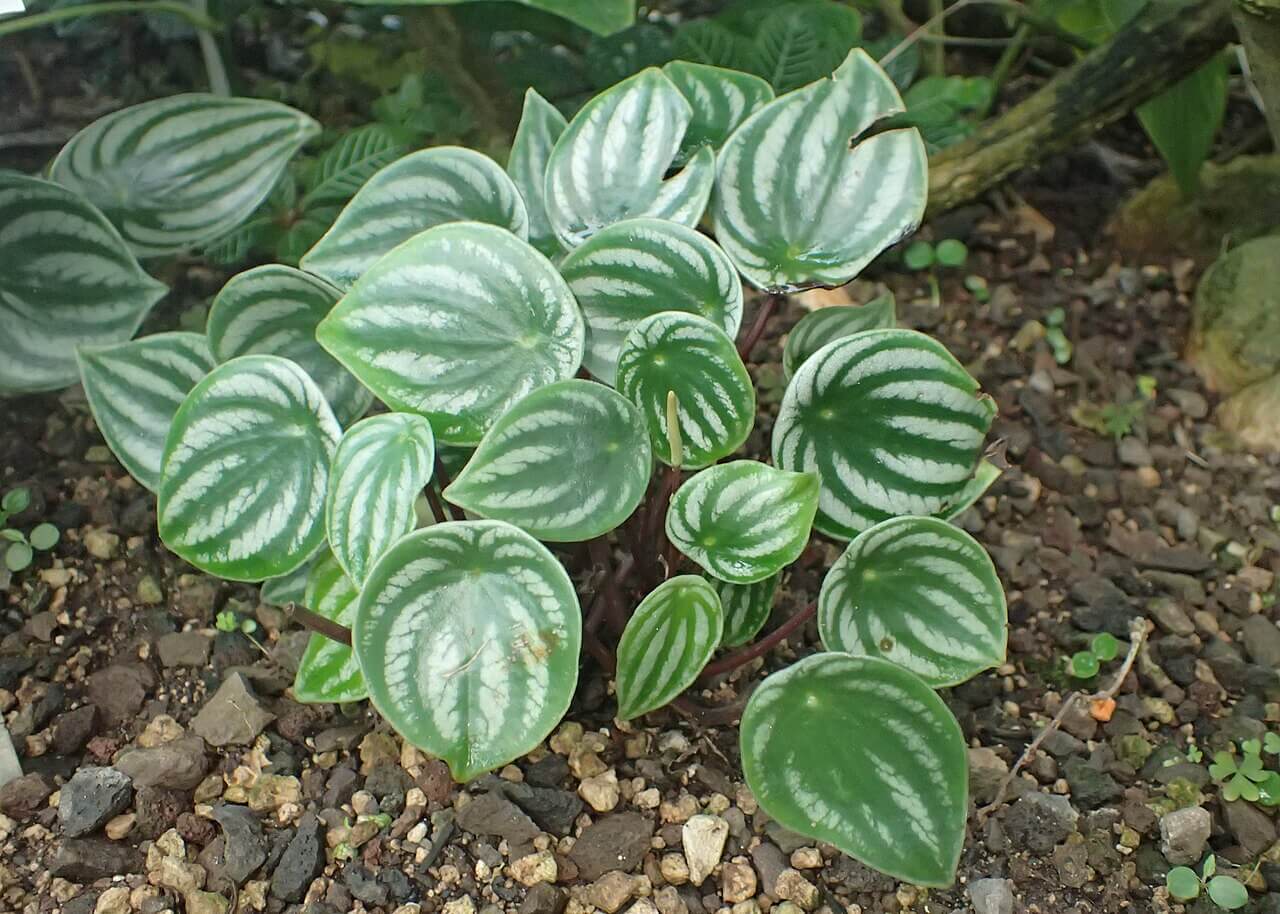
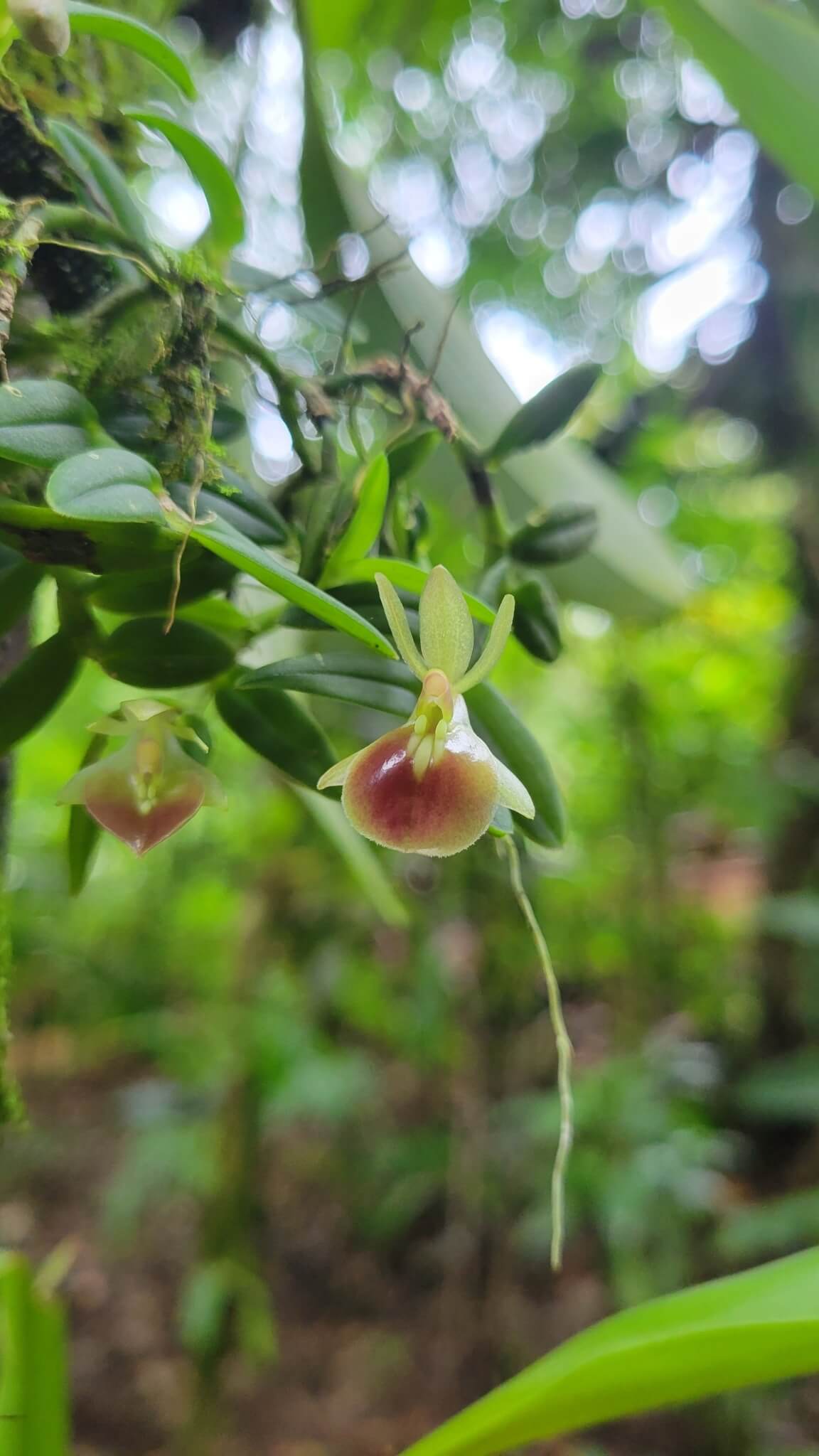
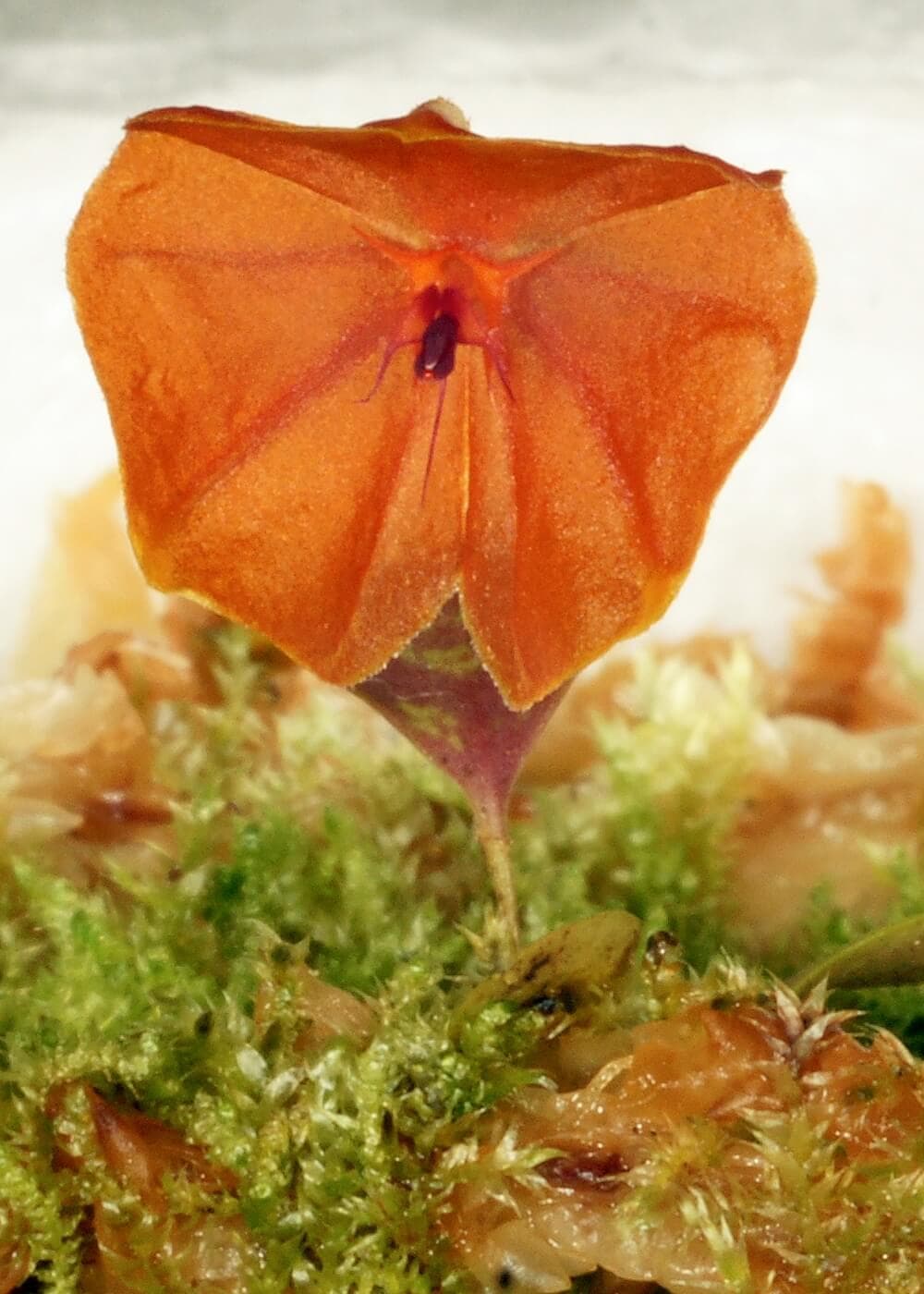
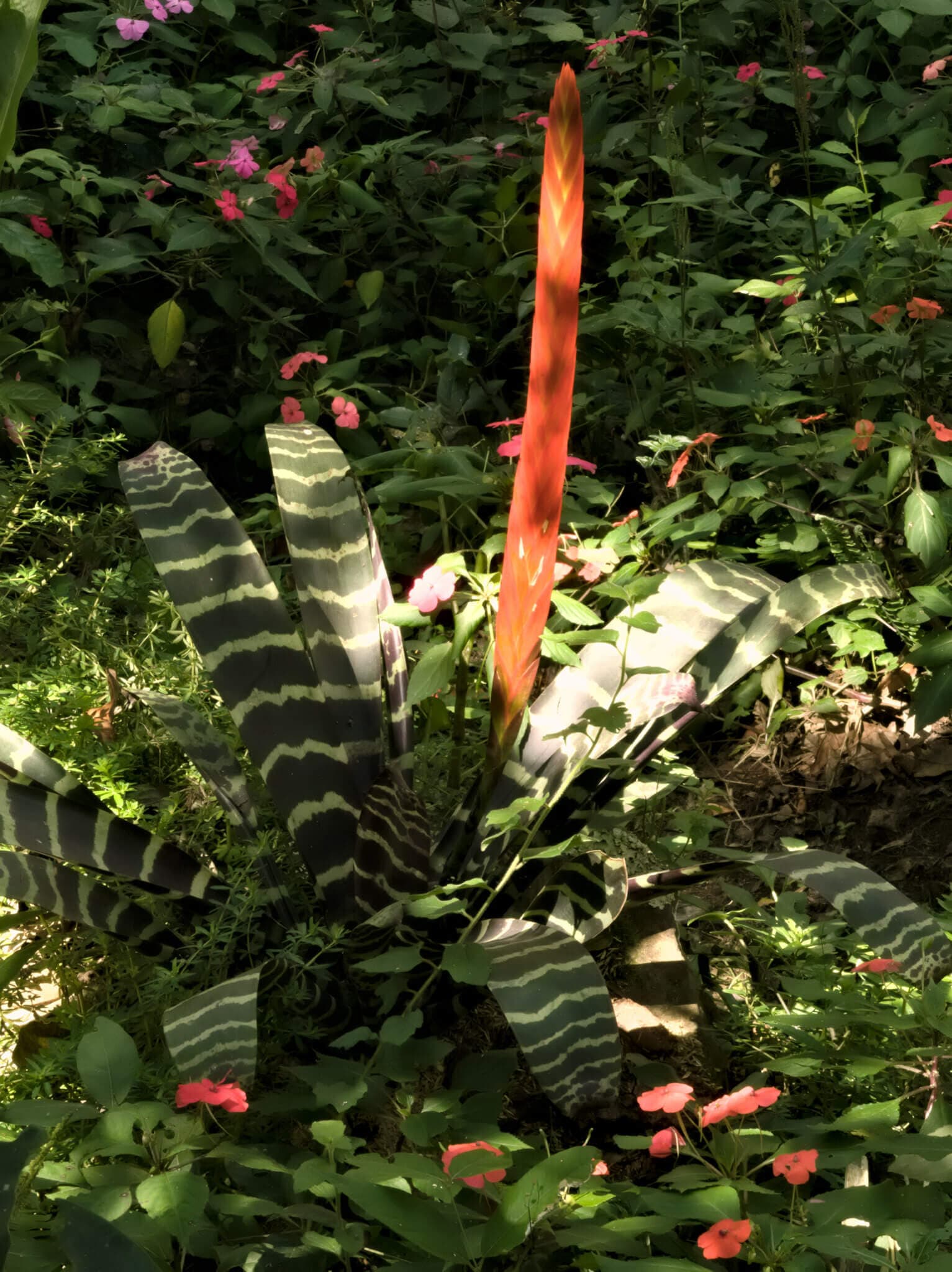
A few plant families do most of the visual work. Araceae — the aroid family — gives the look its broad, glossy leaves: Monstera with its perforated foliage, the velvety Philodendron hederaceum, the silver-veined Syngonium and Anthurium. Marantaceae brings the prayer plants and the painted leaves of Goeppertia (formerly Calathea) and Maranta — species that fold their leaves up at night. Piperaceae contributes the small Peperomia of the forest floor, and Acanthaceae the patterned Fittonia. Miniature epiphytic orchids — Pleurothallis, Masdevallia, Restrepia, Lepanthes, Epidendrum porpax — sit on bark and branch tips across the Andean and Mesoamerican cloud belts, and Bromeliaceae adds Vriesea, Guzmania, and Cryptanthus to the canopy and forest-floor layers.
Closed terrariums suit the look almost perfectly. The flora evolved under constant high humidity and indirect light at the forest floor, and an enclosed glass vessel reproduces both with little effort. The main risks are heat buildup under direct sun or close grow-lights, mould blooms on decaying leaf litter, and rapid overgrowth from aroids like Monstera and Philodendron, which will fill a small vessel in a season. Layer for depth: tall ferns and broad-leaved aroids at the back, calatheas and prayer plants in the midground, and a foreground of small peperomias and mosses rather than open substrate.
Featured plants
Hand-picked combinations from the catalogue
References
- Terrarium TribeBuild guide for tropical rainforest terrariums — four-layer composition, vines connecting forest floor and understory, and microfauna for mould control.
- Terrarium TribePlant selection for tropical terrariums — Begonia, Alocasia, Calathea, Maranta, Pilea, and orchids as focal foliage.
- Kew POWODistribution data for Neotropical Araceae (Monstera, Philodendron, Syngonium), Marantaceae (Goeppertia, Maranta), Piperaceae, Gesneriaceae, and Pleurothallidinae orchids.
- WikipediaAmazon rainforest extent (~5.5 million km²), tree-species richness (~16,000), and the várzea/igapó/terra firme habitat split cited in the description.
- WikipediaGuiana Shield geography, tepui endemism, and lowland rainforest baseline for the Northern South America component of the theme.
- WikipediaNeotropical biogeographic realm — the broader frame for the theme's Central America, Guiana, and Brazilian source regions.