Humidity: Very High
Cloud Forest
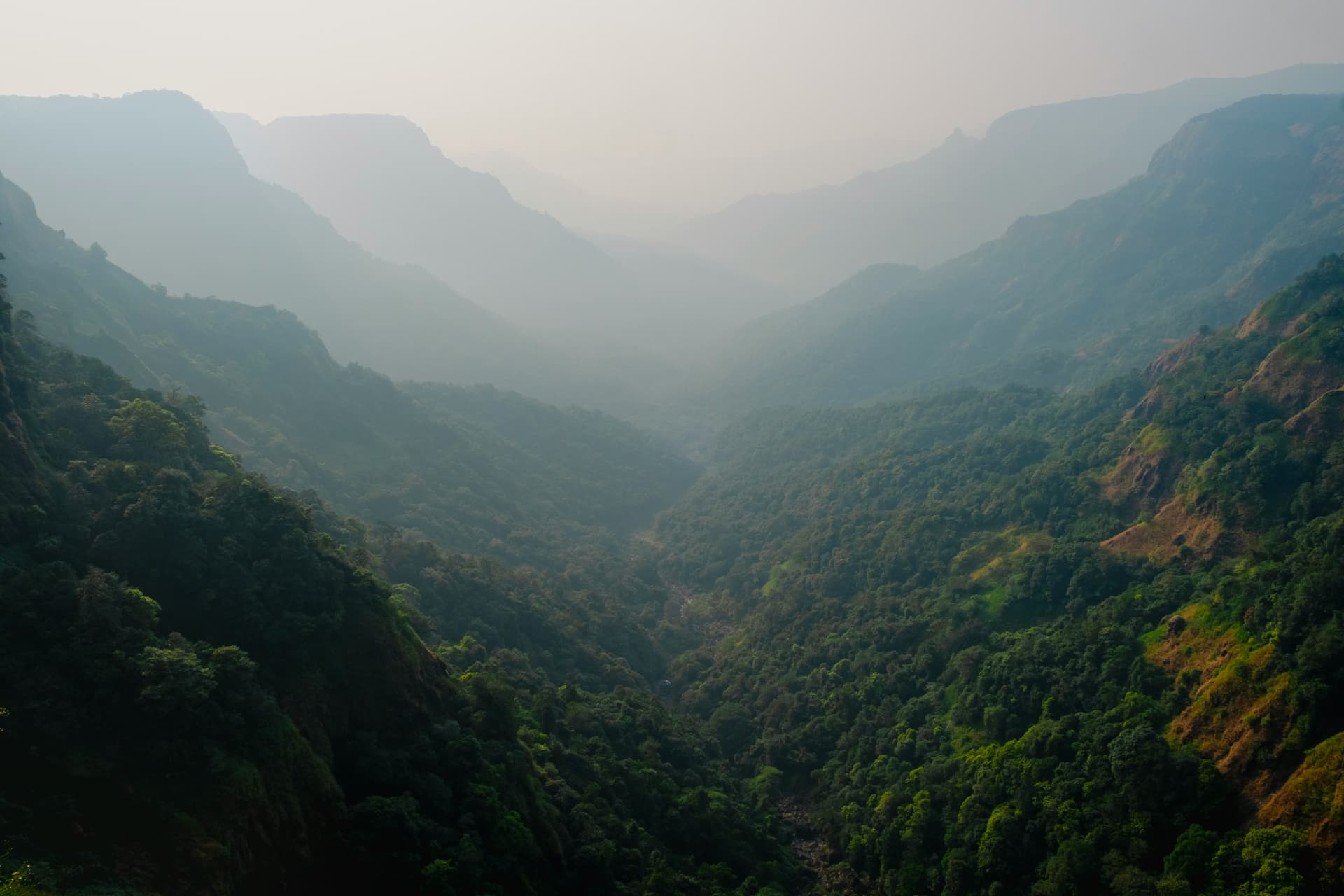
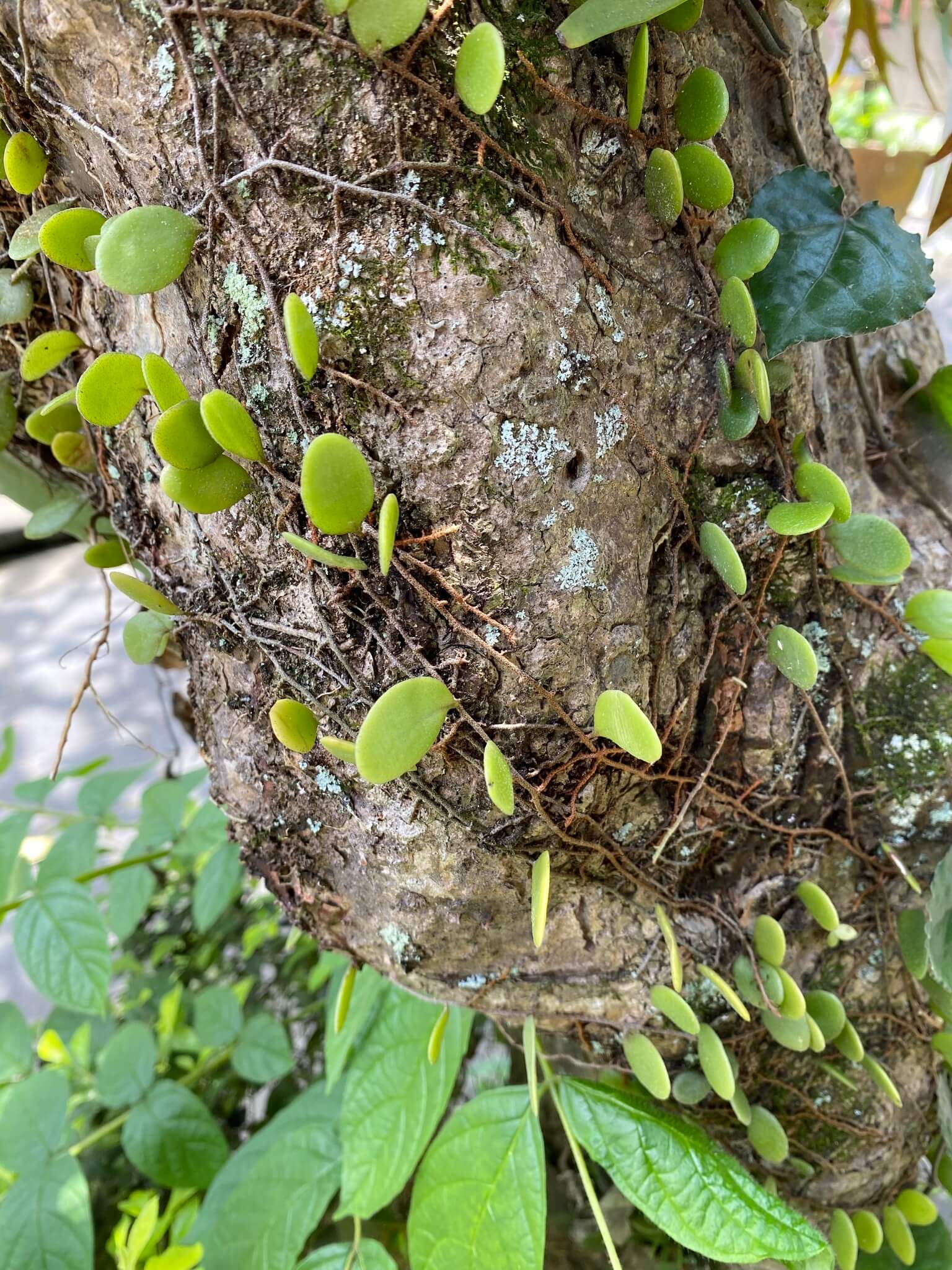
Cloud Forest draws on the perpetually misty montane rainforests of the tropics — biomes where cloud sits in the canopy most of the day and mosses, liverworts, and small ferns cover every available surface. The terrarium look is dense, foreground-heavy, and almost monochrome green.
Cloud Forest looks to the high-altitude tropical forests of Monteverde in Costa Rica, the Andean cordilleras of Peru and Ecuador, the Eastern Himalaya, and the mountain ridges of Borneo and New Guinea — biomes where cloud sits in the canopy for most of the day and the surfaces beneath stay constantly wet. The aesthetic is mossy, dense, and almost monochrome: every branch, rock, and substrate surface covered in bryophytes and small ferns, with very little open ground.
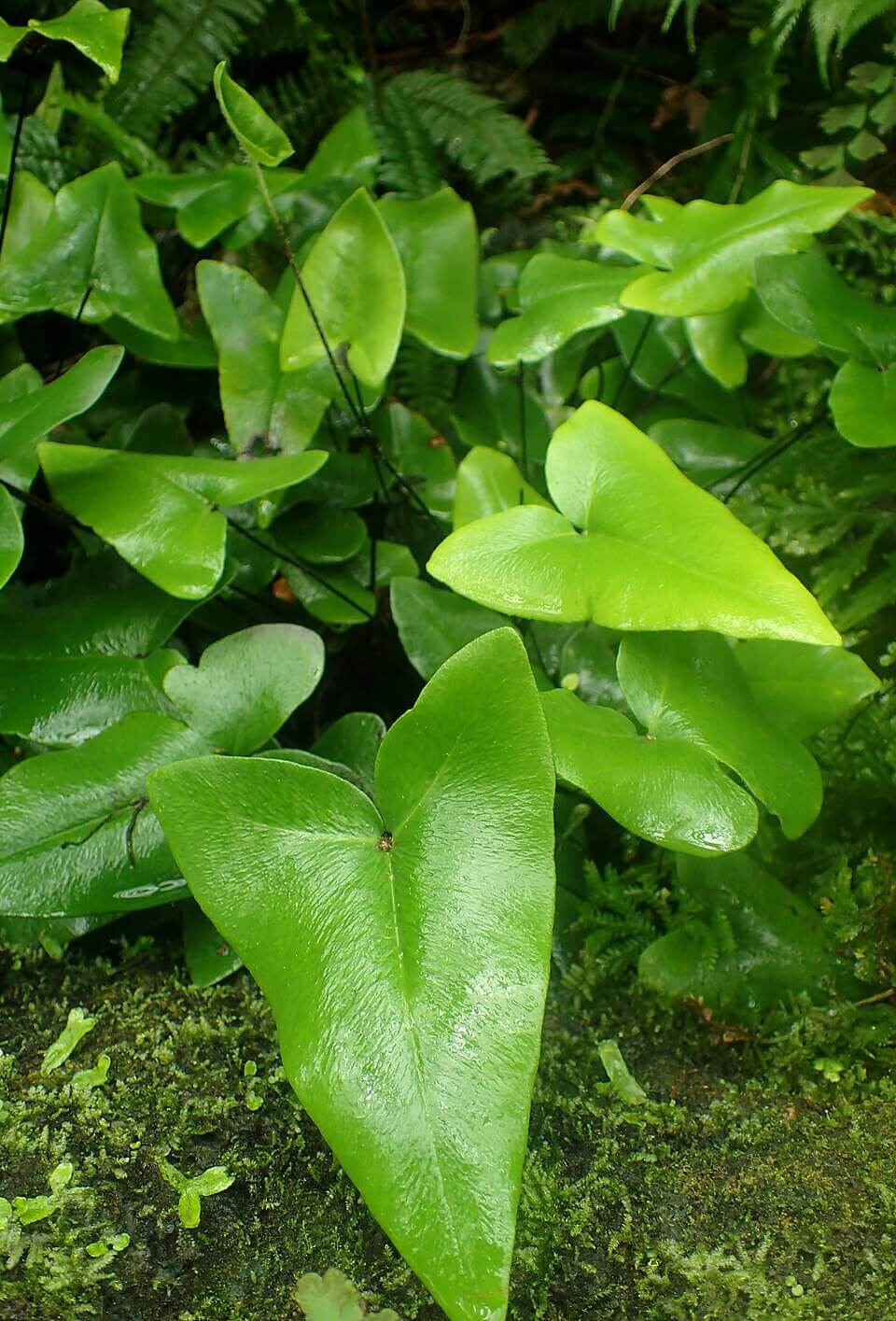
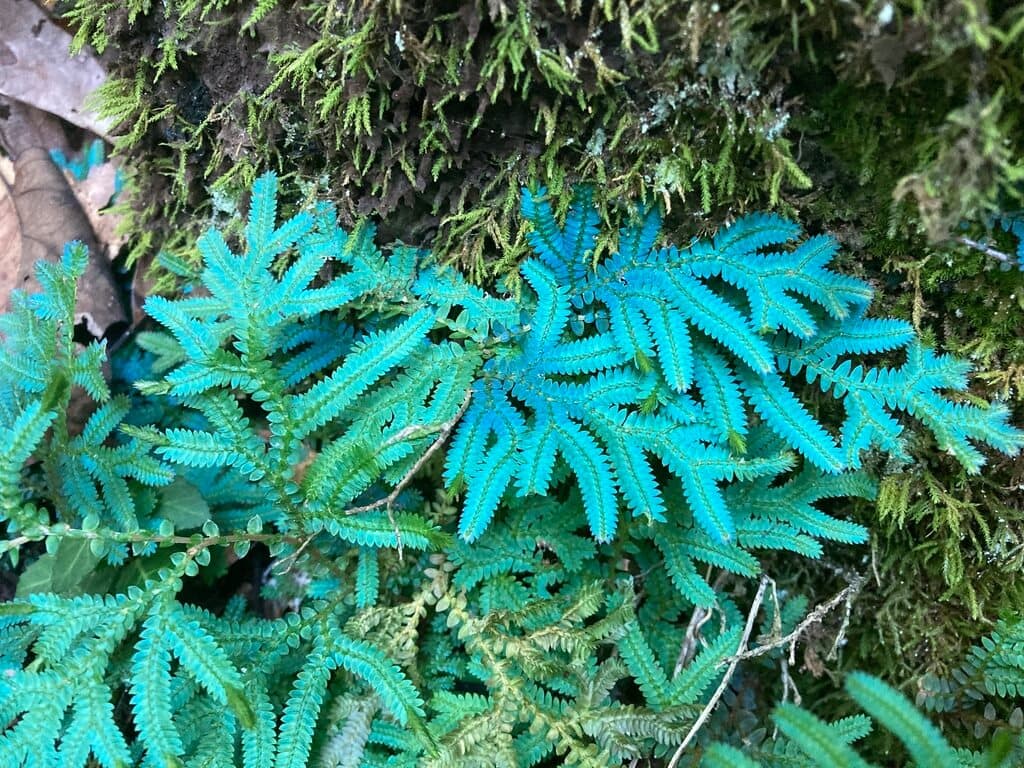
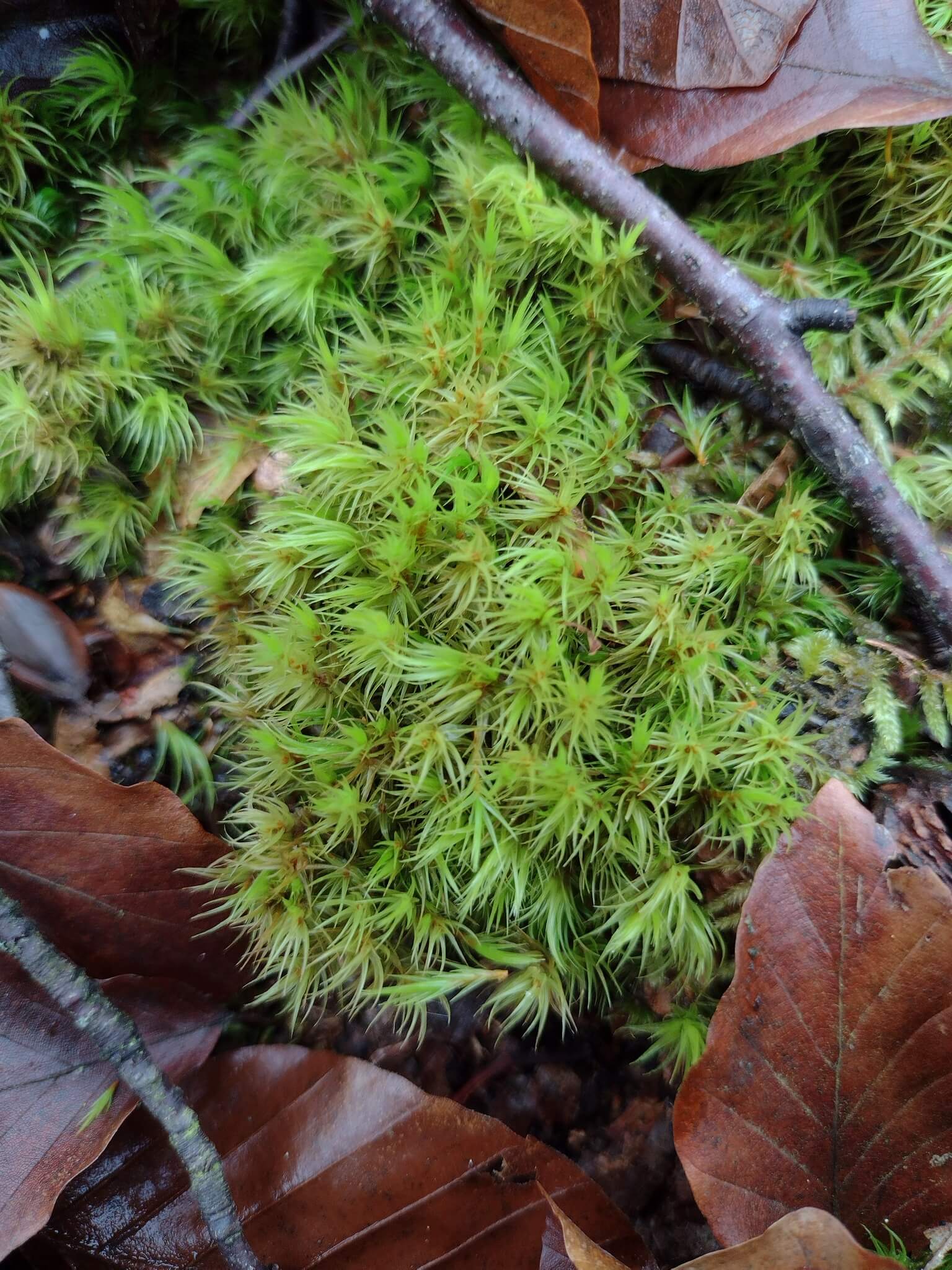
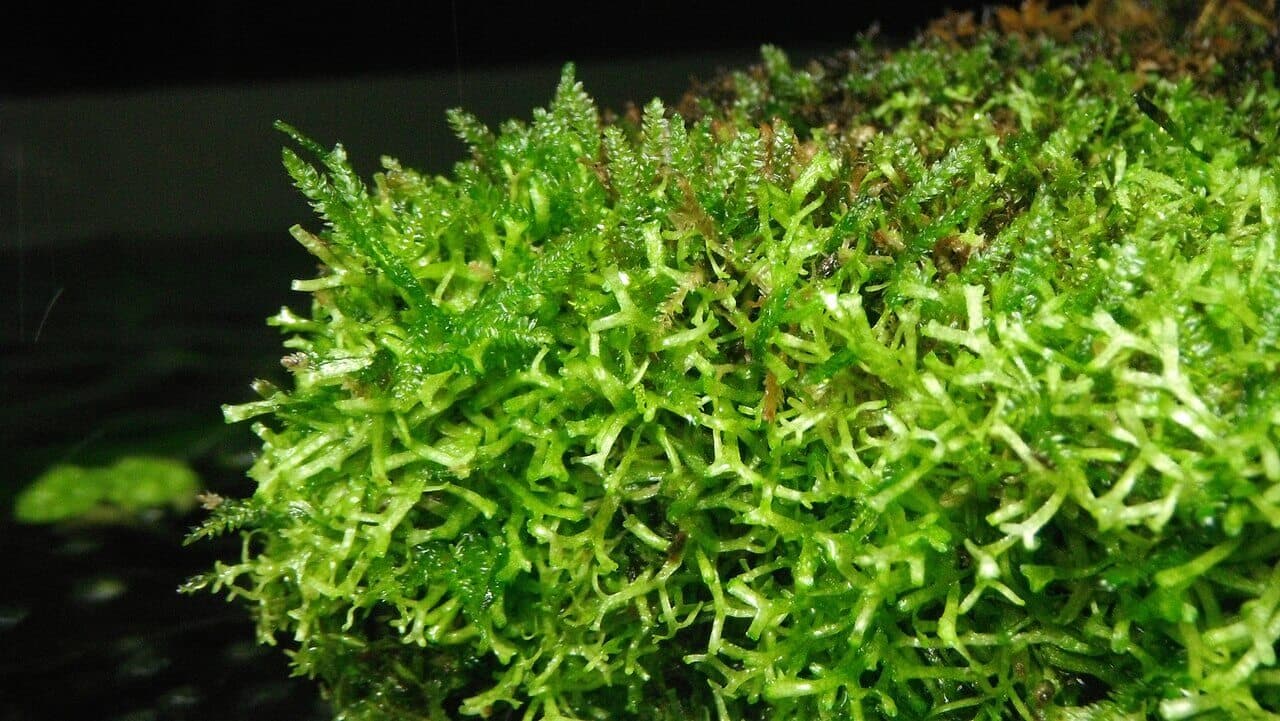
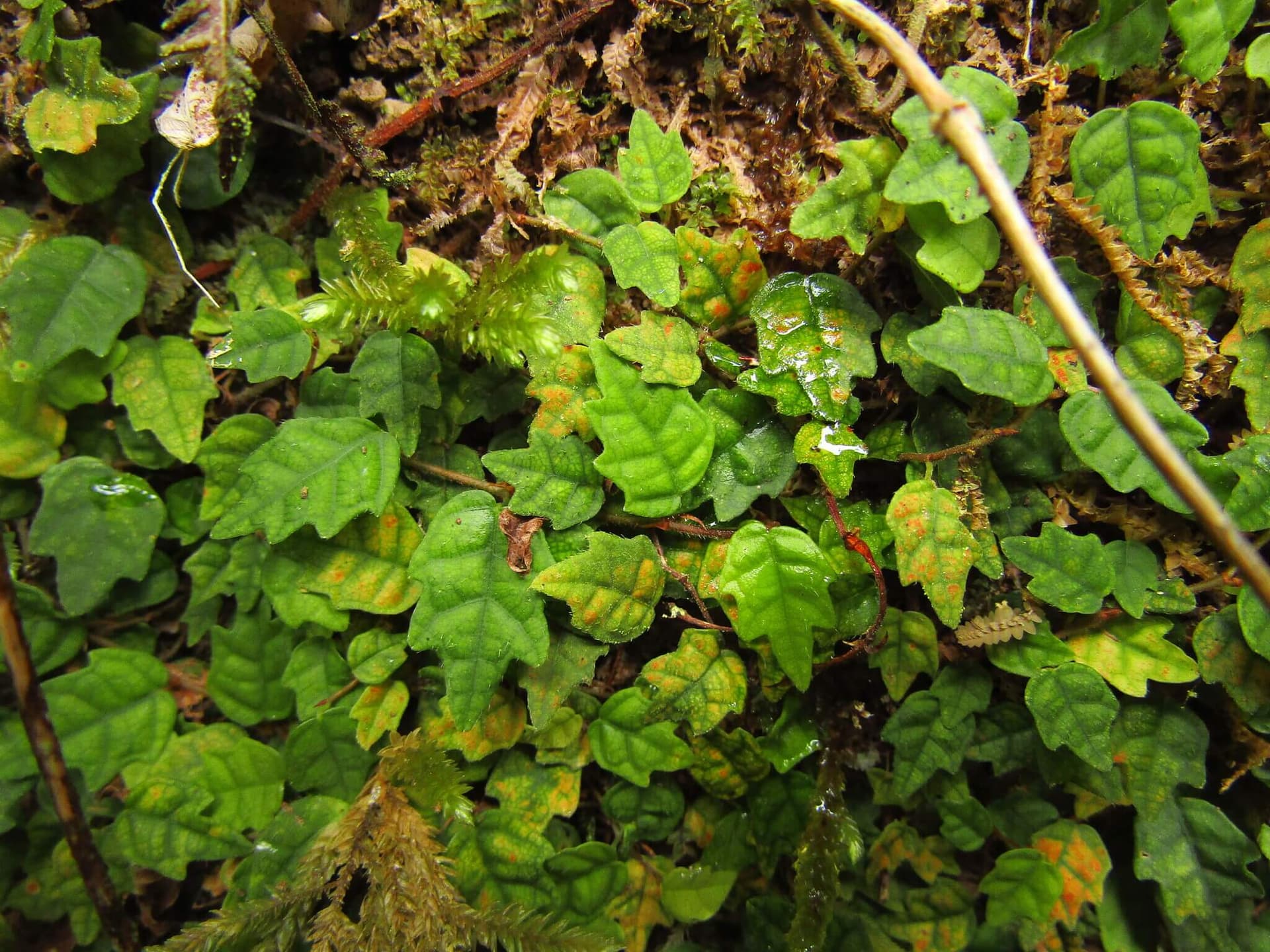
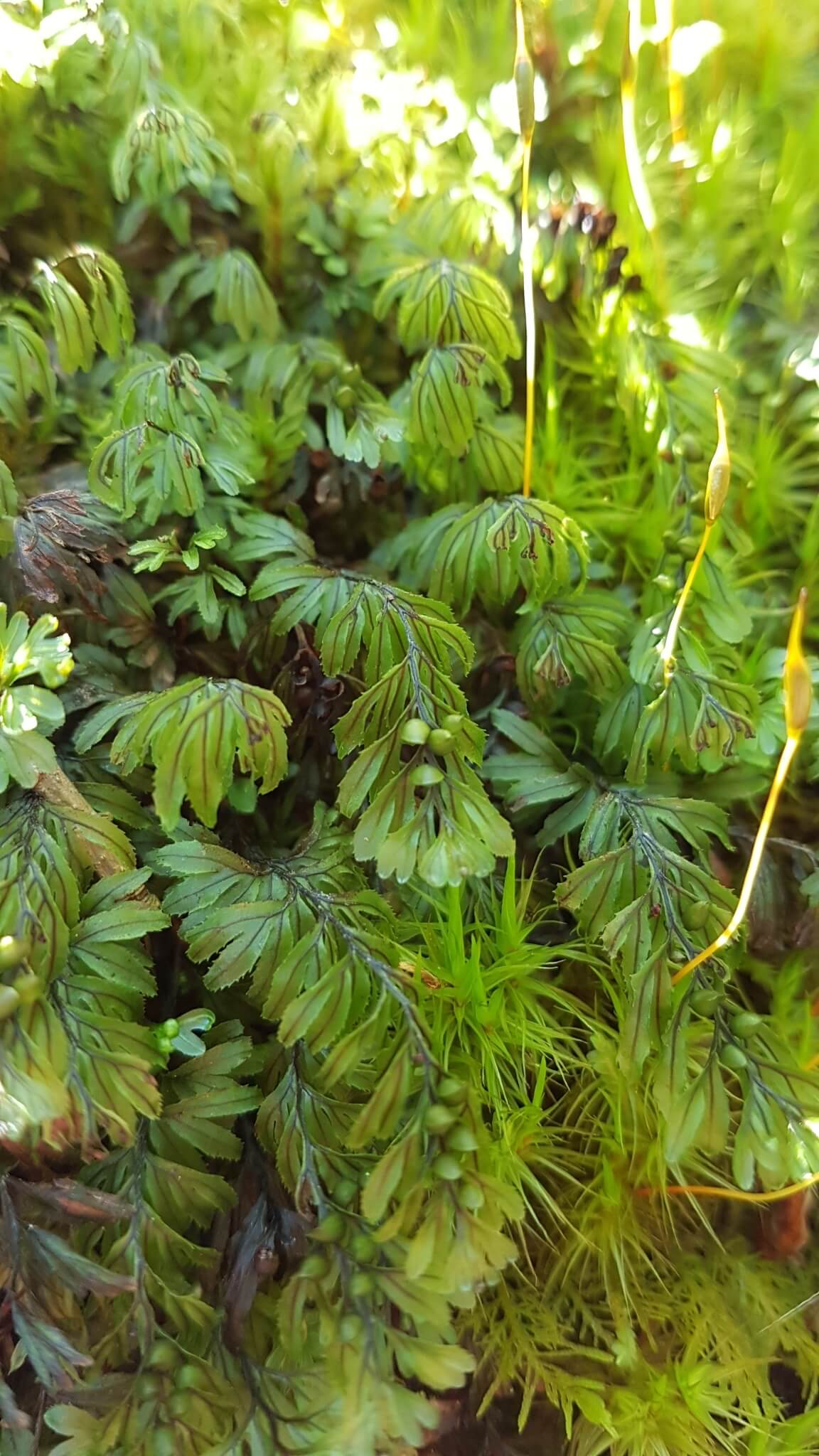
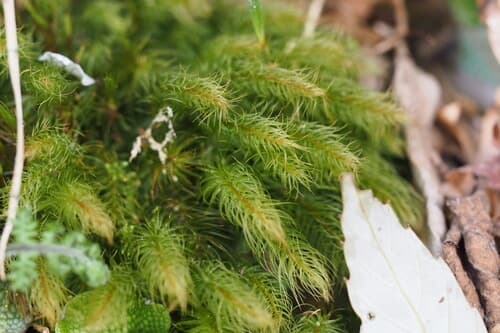
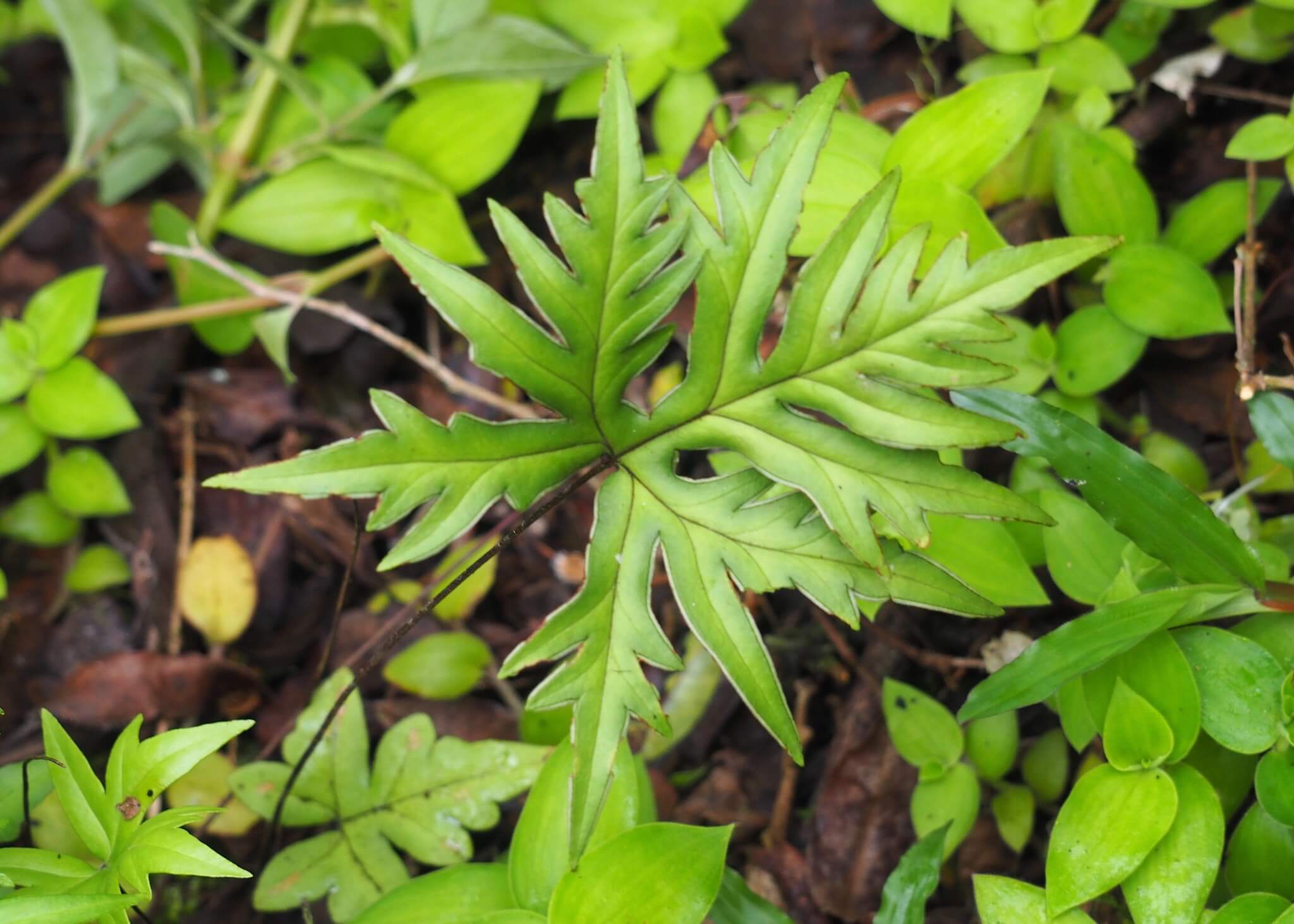
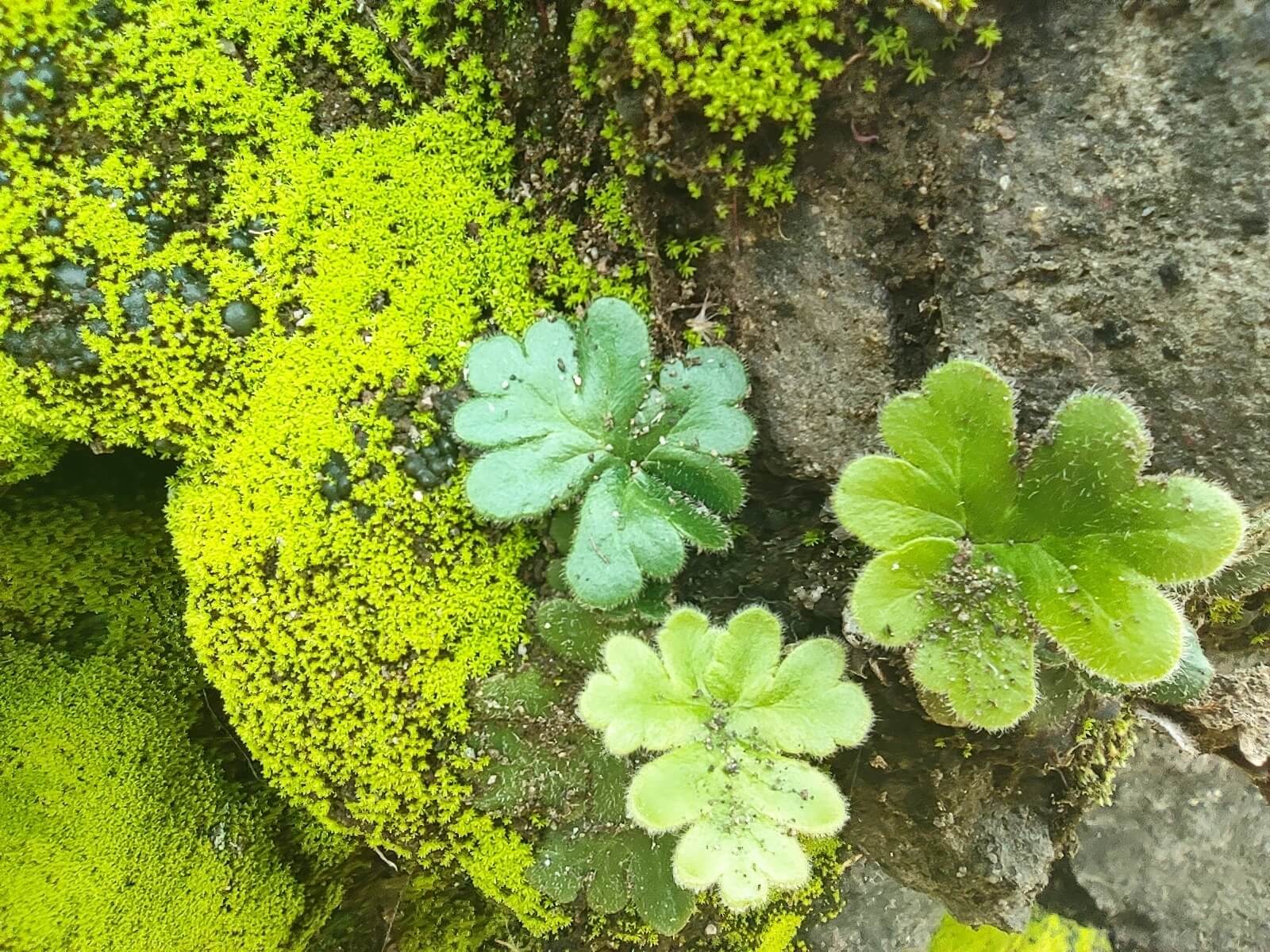
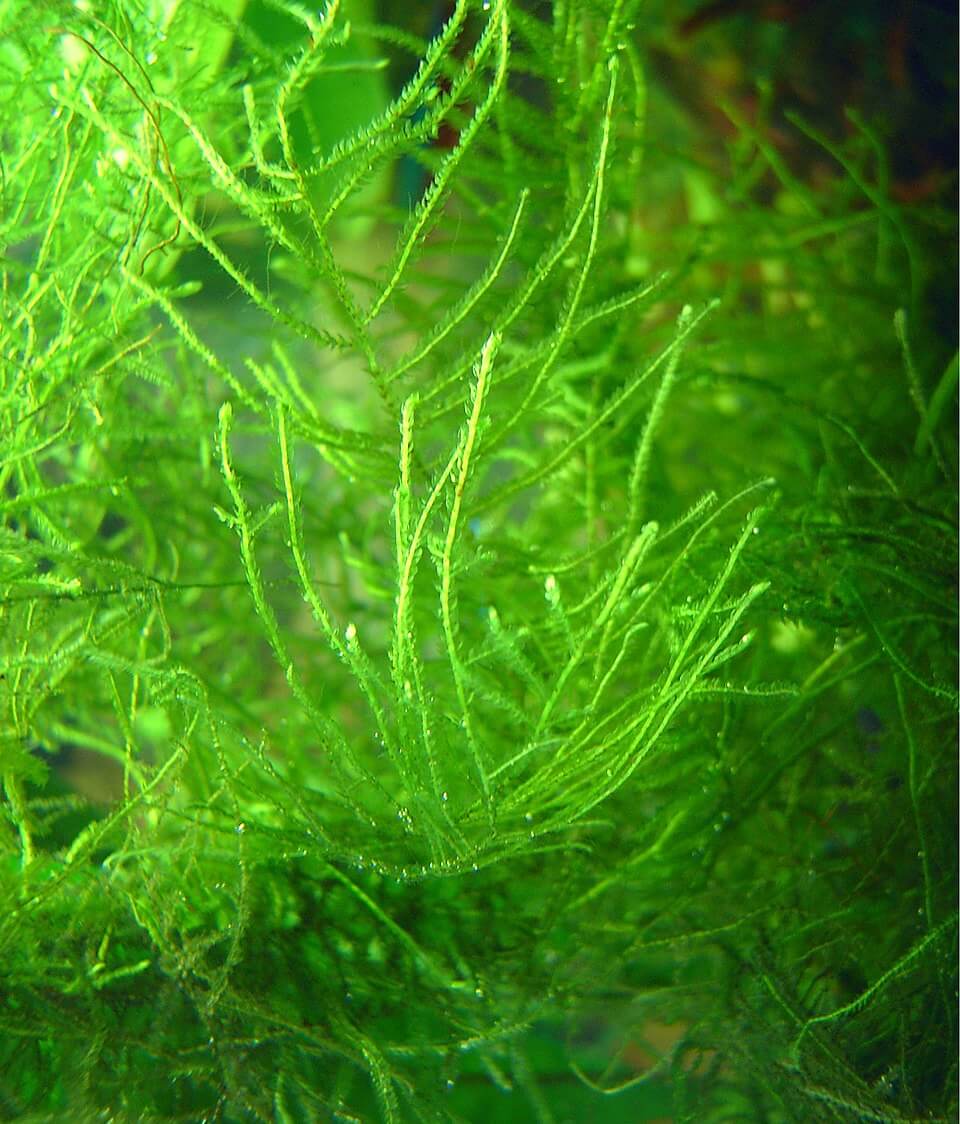
The palette is narrow on purpose. Green and light green dominate — the colour of moss in shade and freshly unfurled fern fronds — and visual interest comes from texture and form rather than flower colour. The cushion of upright-tufting (acrocarpous) mosses sits against the flat carpet of creeping (pleurocarpous) ones, while small ferns push rosettes through the moss layer. Signature plants include mood moss (Dicranum scoparium), Christmas moss (Vesicularia montagnei), Java moss (Taxiphyllum barbieri), large pocket moss (Fissidens nobilis), peacock spikemoss (Selaginella uncinata), and miniature ferns and filmy ferns at the limits of the catalogue's terrarium-scale flora.
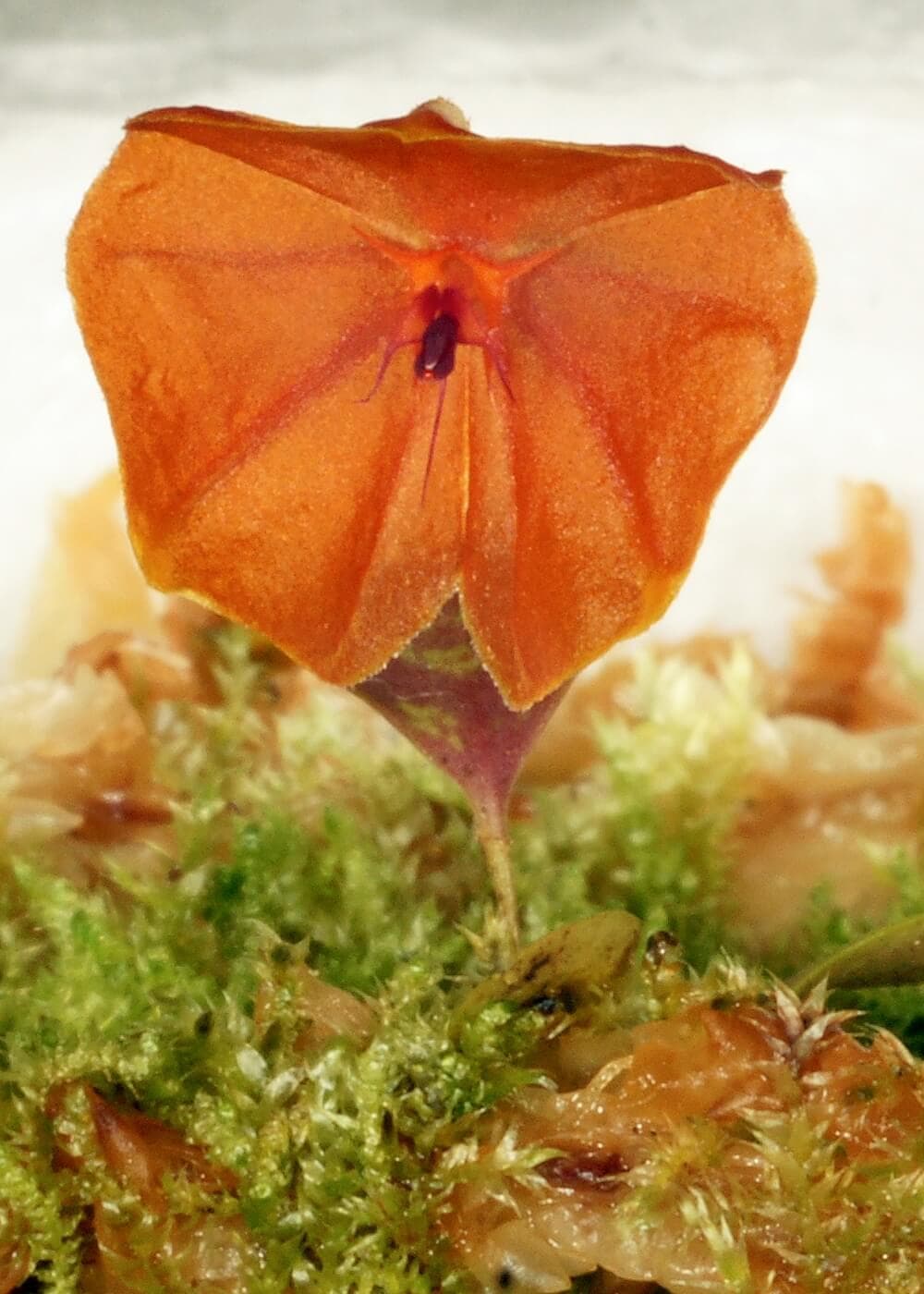
Real cloud forests above about 1,500 metres carry a flora that's almost impossible to source in cultivation but worth naming as the visual reference: filmy ferns (Hymenophyllum, Trichomanes) with fronds one cell thick, miniature epiphytic orchids in the genera Lepanthes, Pleurothallis, and Bulbophyllum, Vireya rhododendrons in Papuasia, and the bromeliads and Anthurium of the Neotropical cloud belt. Temperatures stay cool and steady — typically 12–22 °C — with little seasonal variation, and humidity rarely drops below 90 per cent. That stability is what the closed terrarium reproduces best.
Closed terrariums match the biome's humidity envelope almost exactly: saturated air, indirect light filtered through cloud or canopy, and a gentle, even temperature. The main risks are overheating under grow-lights or direct sun — the glass acts like a lens and scorches moss quickly — mould blooms in dead patches, and light burn on shade-adapted bryophytes. Avoid the brightest LEDs intended for houseplants. Sculpt the substrate into hills and hollows so the moss reads as landscape rather than as carpet, and mount epiphytes on cork bark so verticality and depth carry the composition.
Featured plants
Hand-picked combinations from the catalogue
References
- Terrarium TribeTropical and montane terrarium build guidance — layer composition, microfauna for mould control, and vine connectivity.
- Terrarium TribeSelaginella (spikemoss) varieties — closed-terrarium humidity tolerances and cloud-forest aesthetic role.
- Terrarium TribeSelaginella uncinata (peacock spikemoss) — 70–100% humidity requirement and dense carpet habit.
- Bantam EarthMossarium build guide — species selection, acrocarpous vs pleurocarpous layering, substrate contouring, and direct-sun risks.
- DendroboardHobbyist cloud-forest vivarium build — Monteverde and Andean references, cool nighttime temperature drops, and open-canopy understory aesthetic.
- WikipediaCloud forest biome — global distribution, elevation band, humidity and temperature envelope, and epiphyte load.