Northern America · TDWG Level 2
Subarctic America
Subarctic America covers Alaska, the Yukon, Northwest Territories, Nunavut, and Greenland — a sweep of more than seven million square kilometres reaching from the Aleutian Islands to the Greenland ice cap. The region is one of the coldest in the world, defined by boreal forest in the south and tundra and ice further north.
Subarctic America runs from the Aleutian Islands across northern Alaska and Canada to Greenland, covering roughly seven and a half million square kilometres of land. It groups Alaska, Yukon, Northwest Territories, Nunavut, and Greenland into a single botanical region — by area one of the largest in the TDWG scheme, but among the least diverse floristically.
Climate is polar in the broadest sense. The southern fringe in Alaska and Yukon falls into the subarctic zone, with cold winters, short summers, and enough warmth for boreal forest. Further north and east the climate tips into true Arctic tundra, and the interior of Greenland holds an ice cap roughly 1,700 metres thick. Elevations range from sea level along tens of thousands of kilometres of coastline to 6,190 metres at Denali, the highest peak in North America.
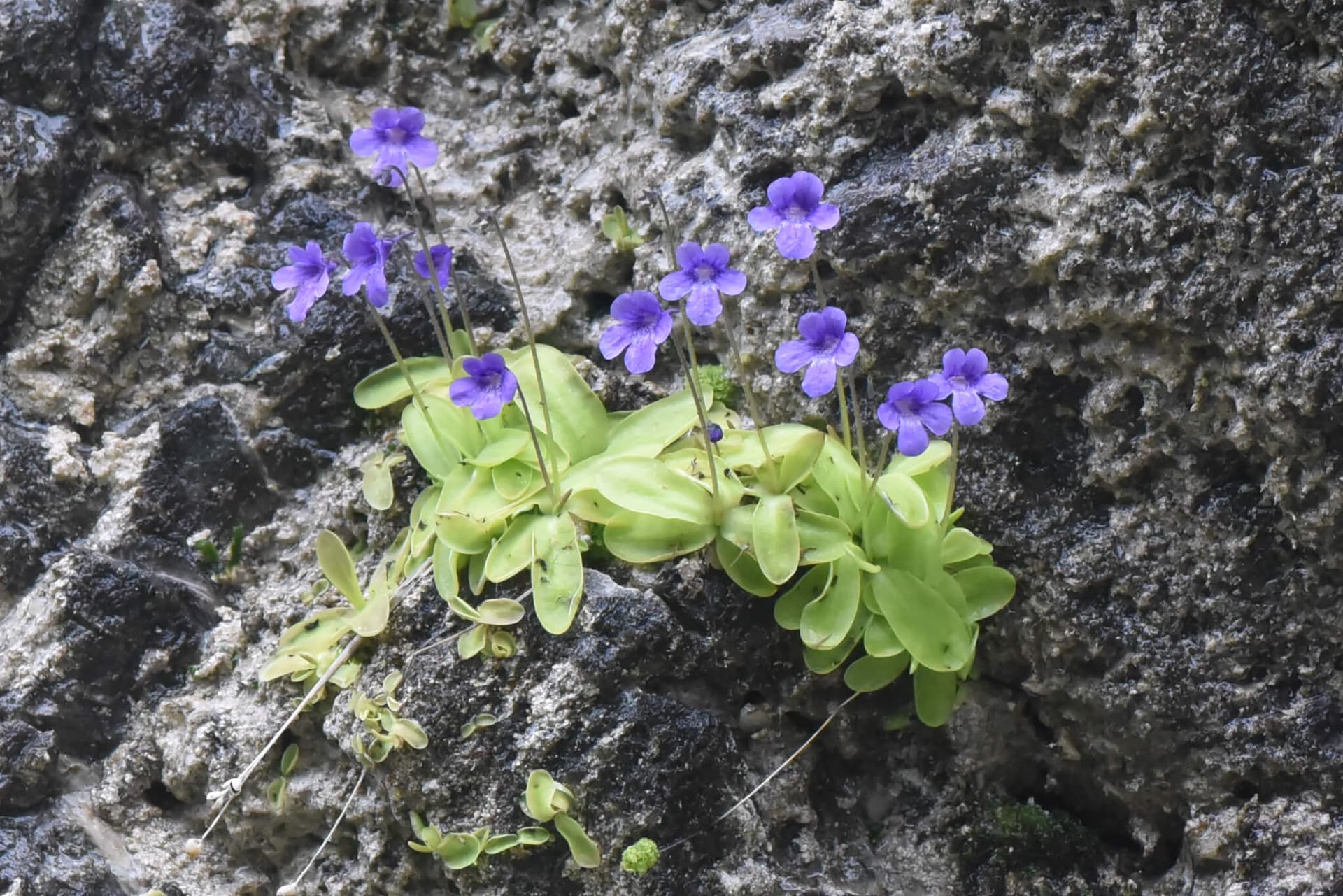
The flora is shaped by short growing seasons and cold soils. Boreal forest in the south is dominated by spruces (Picea glauca and P. mariana), larch (Larix laricina), birch, and aspen, with extensive shrub layers of Vaccinium, Ledum, and Empetrum. North of the treeline, tundra communities take over — low cushion plants like Dryas integrifolia and Silene acaulis, dwarf willows in the genus Salix, sedges, grasses, and an enormous diversity of mosses and lichens that cover ground the larger plants cannot.
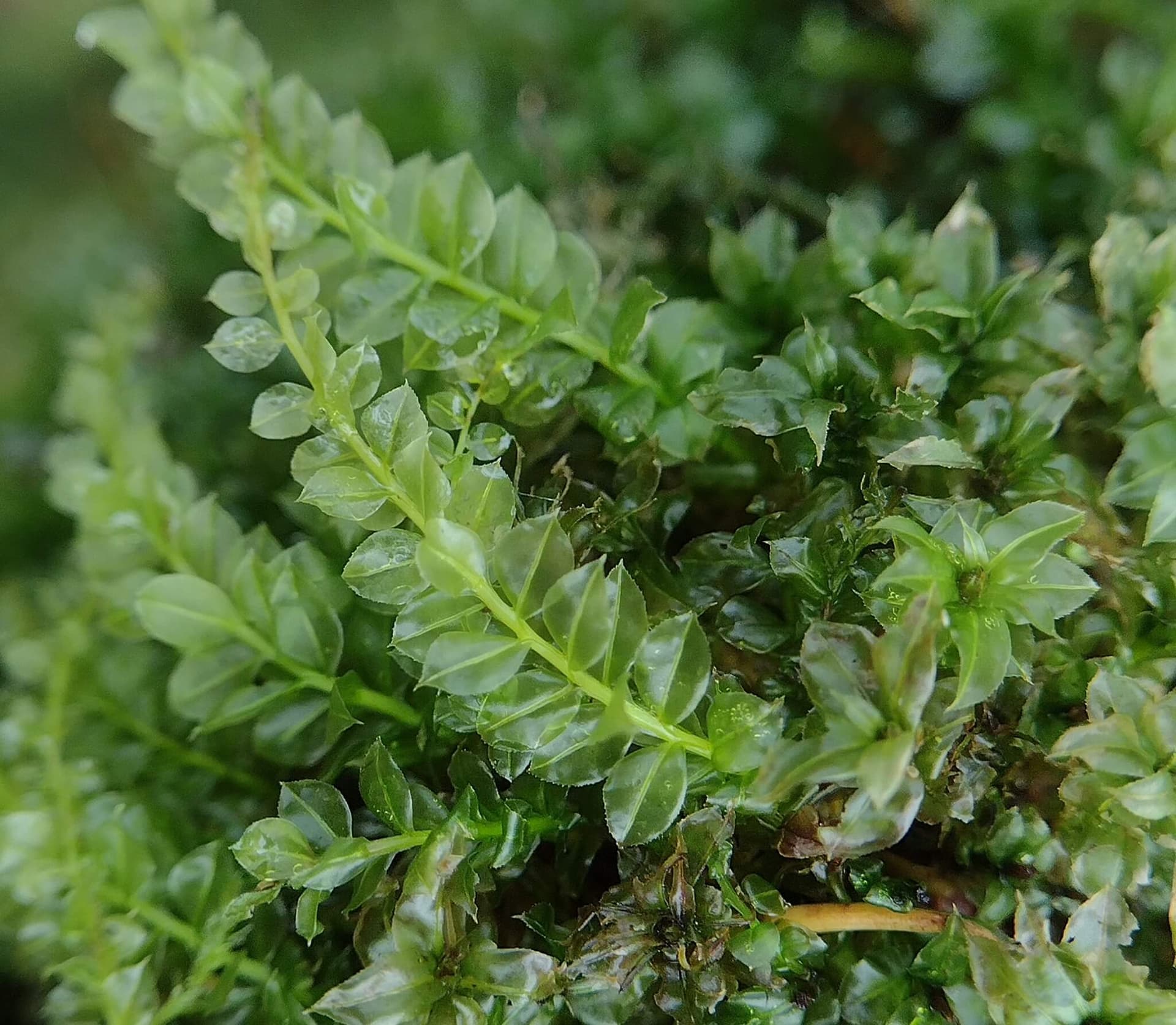
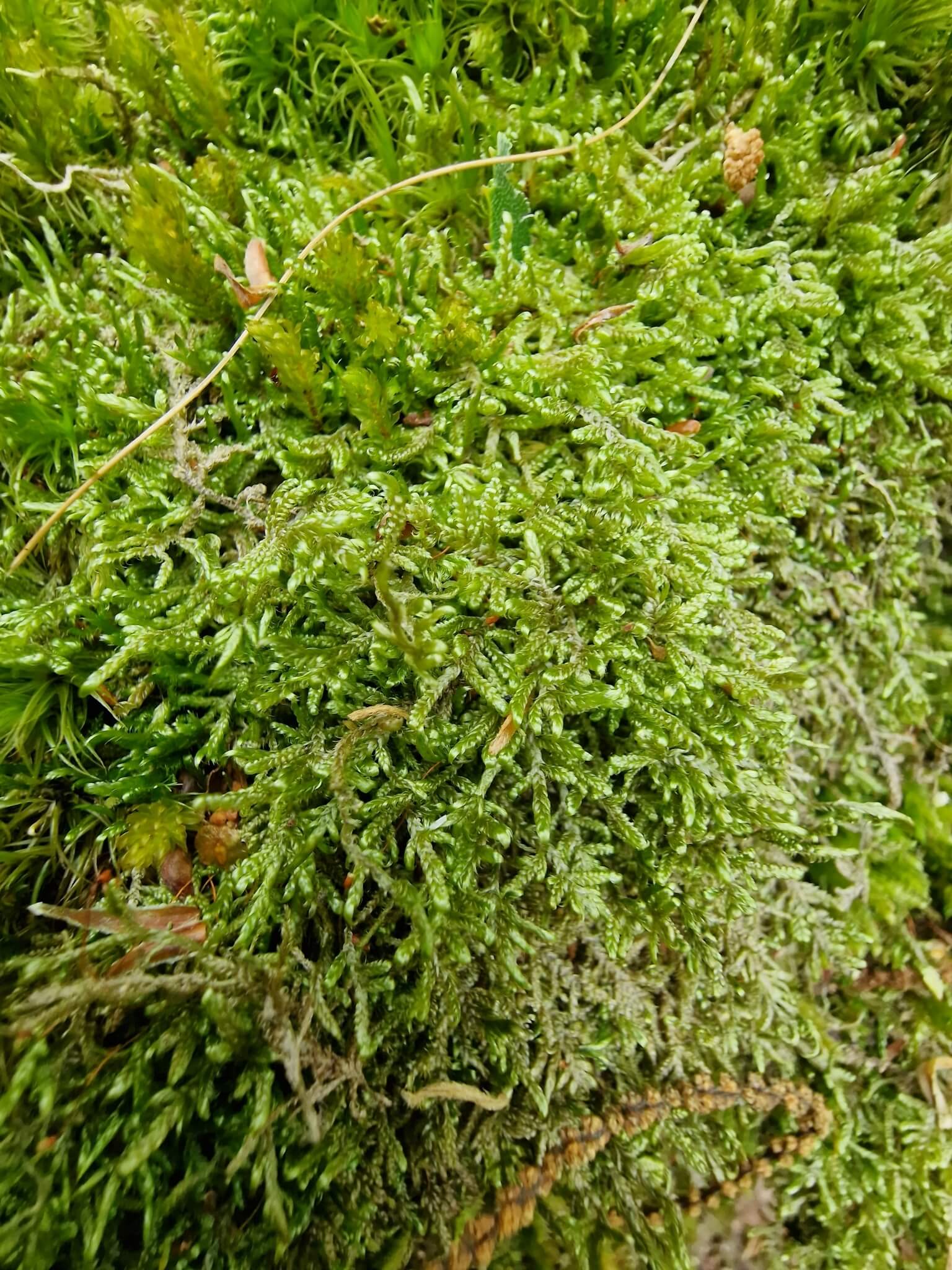
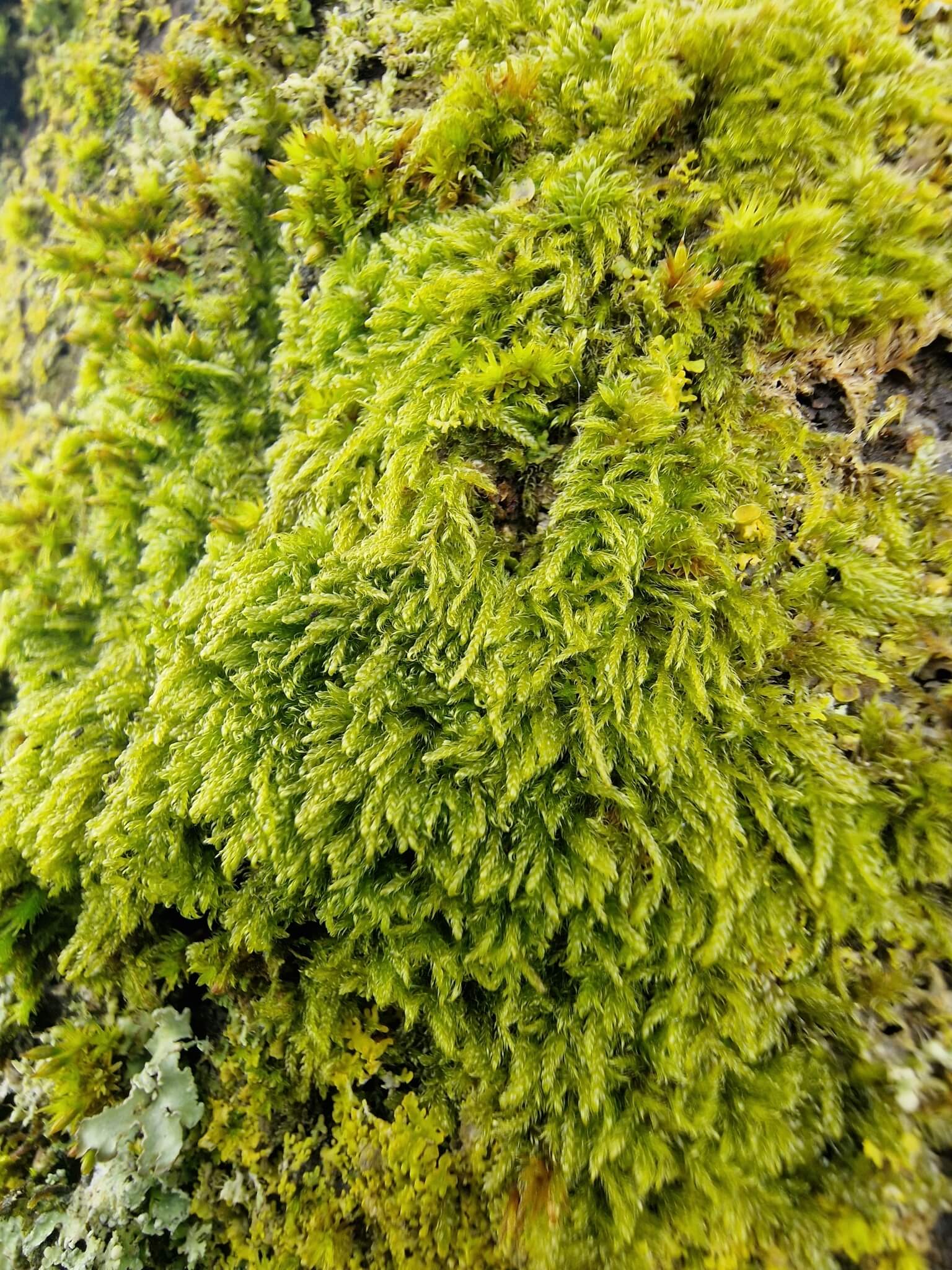
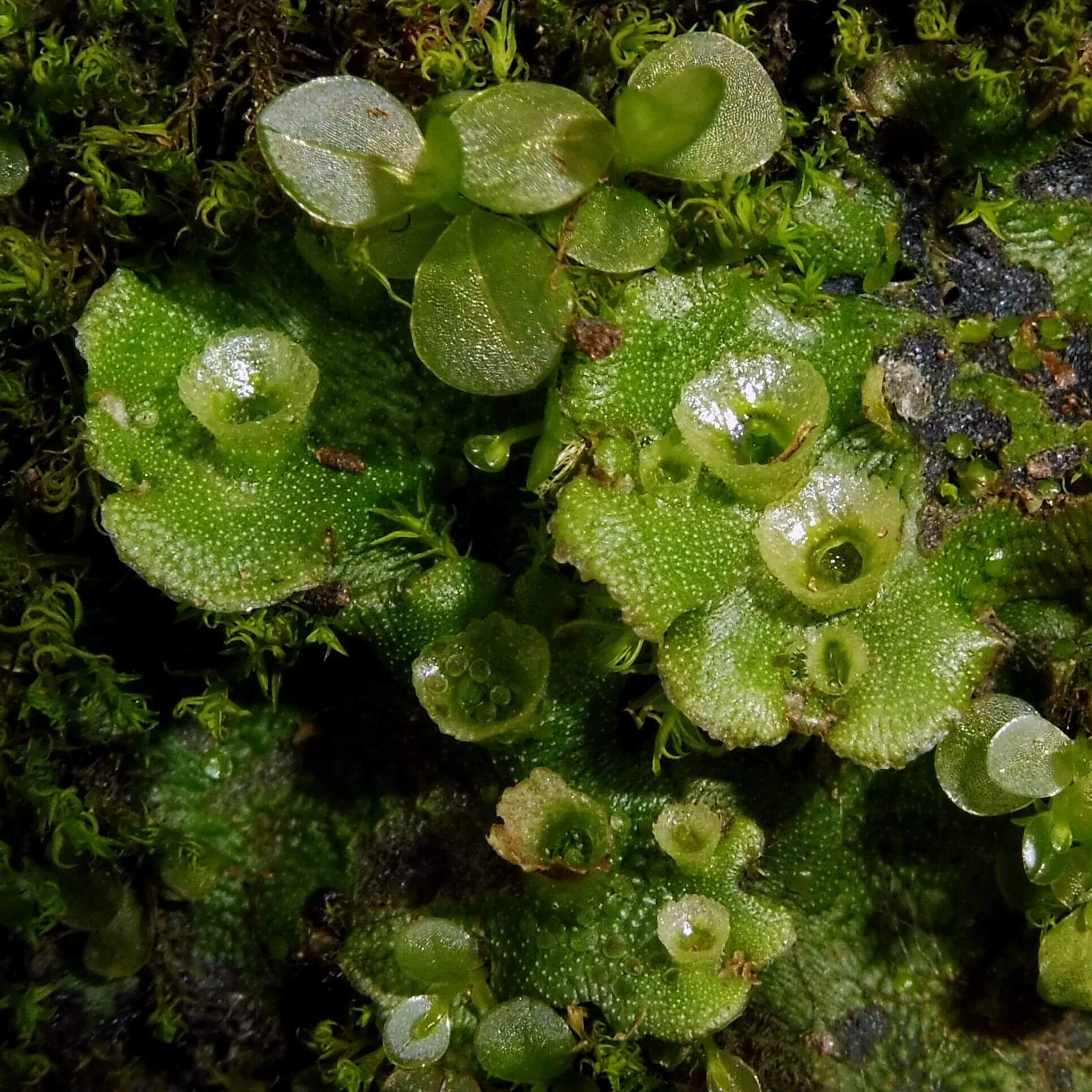
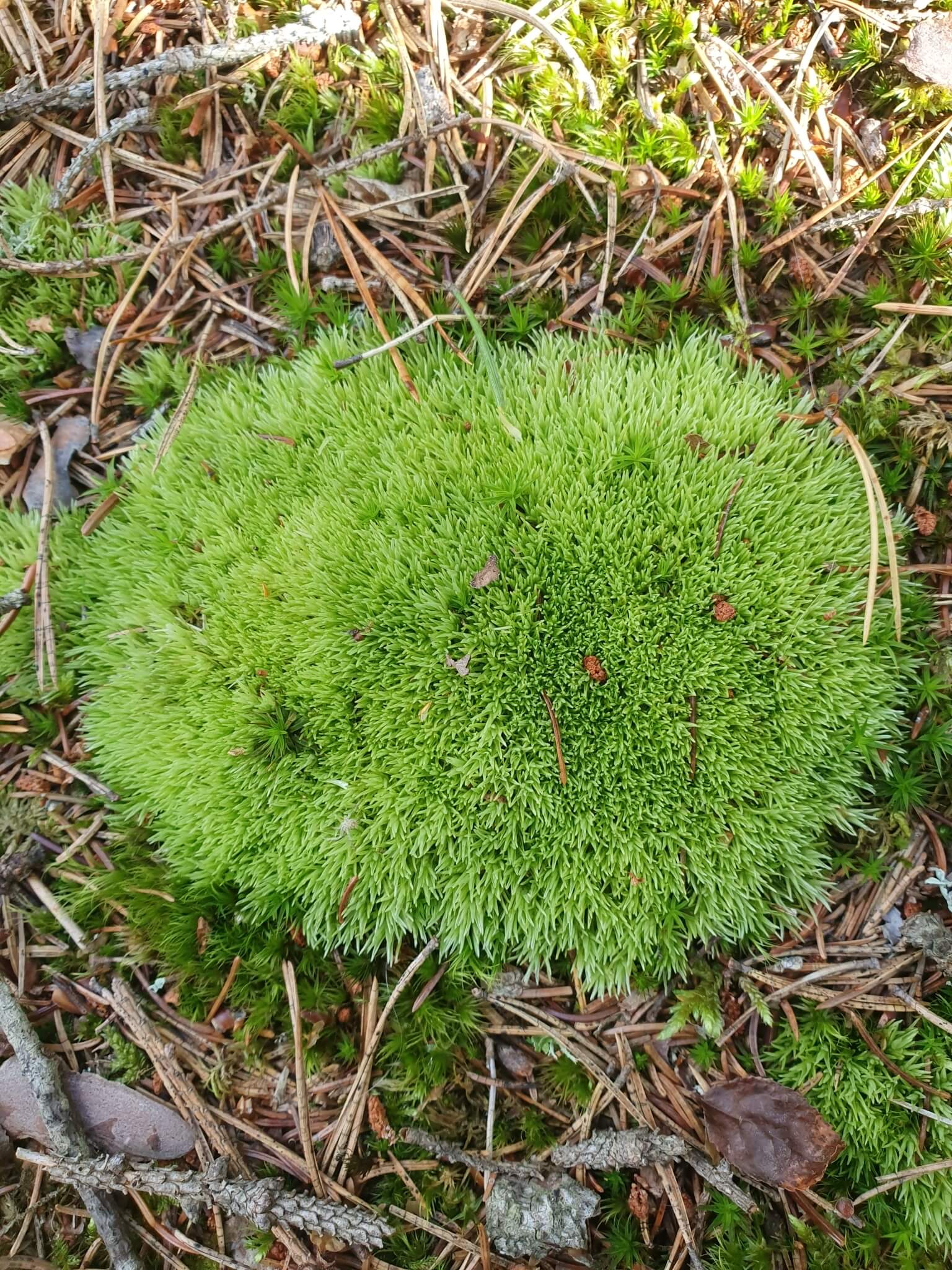
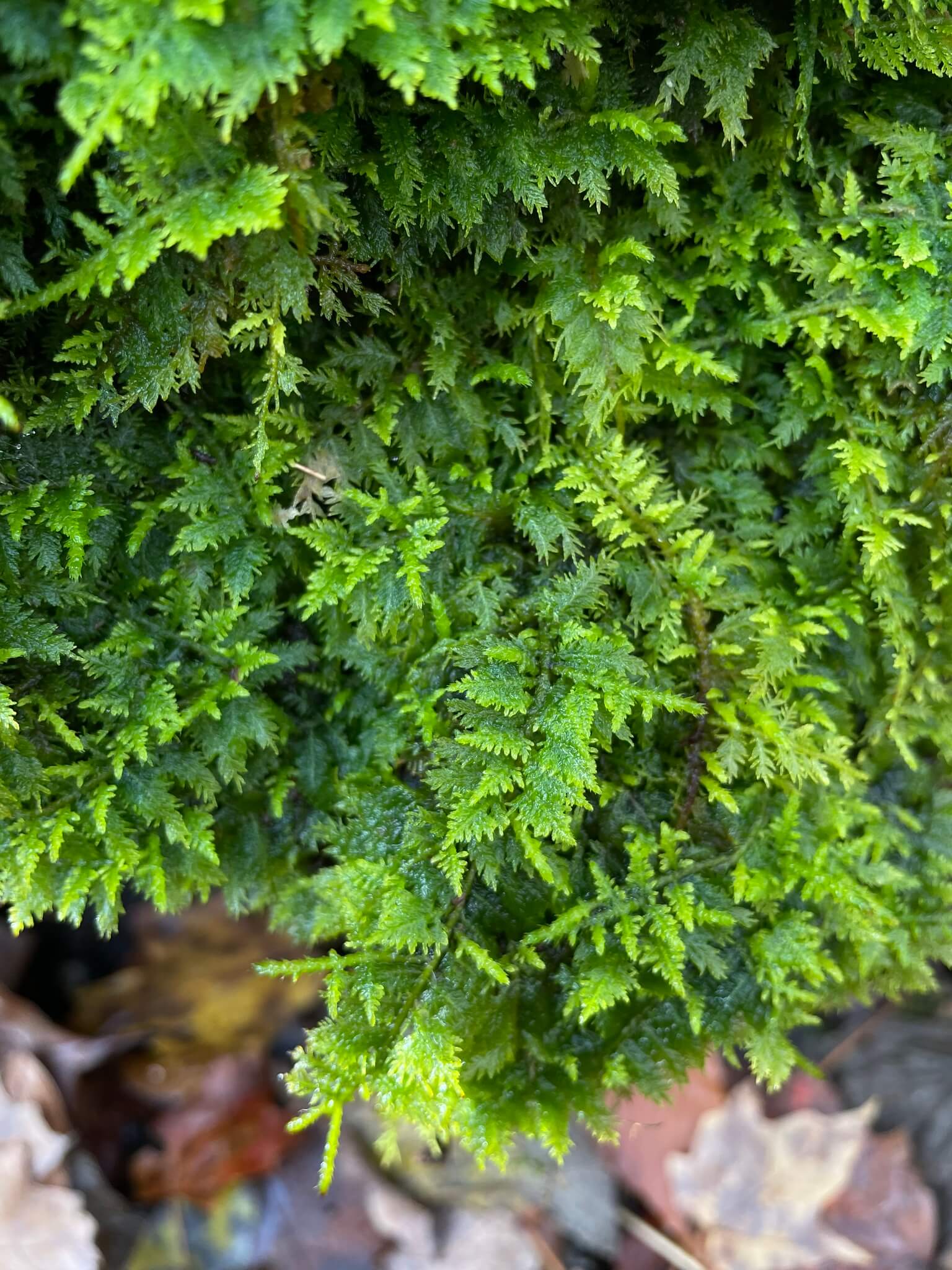
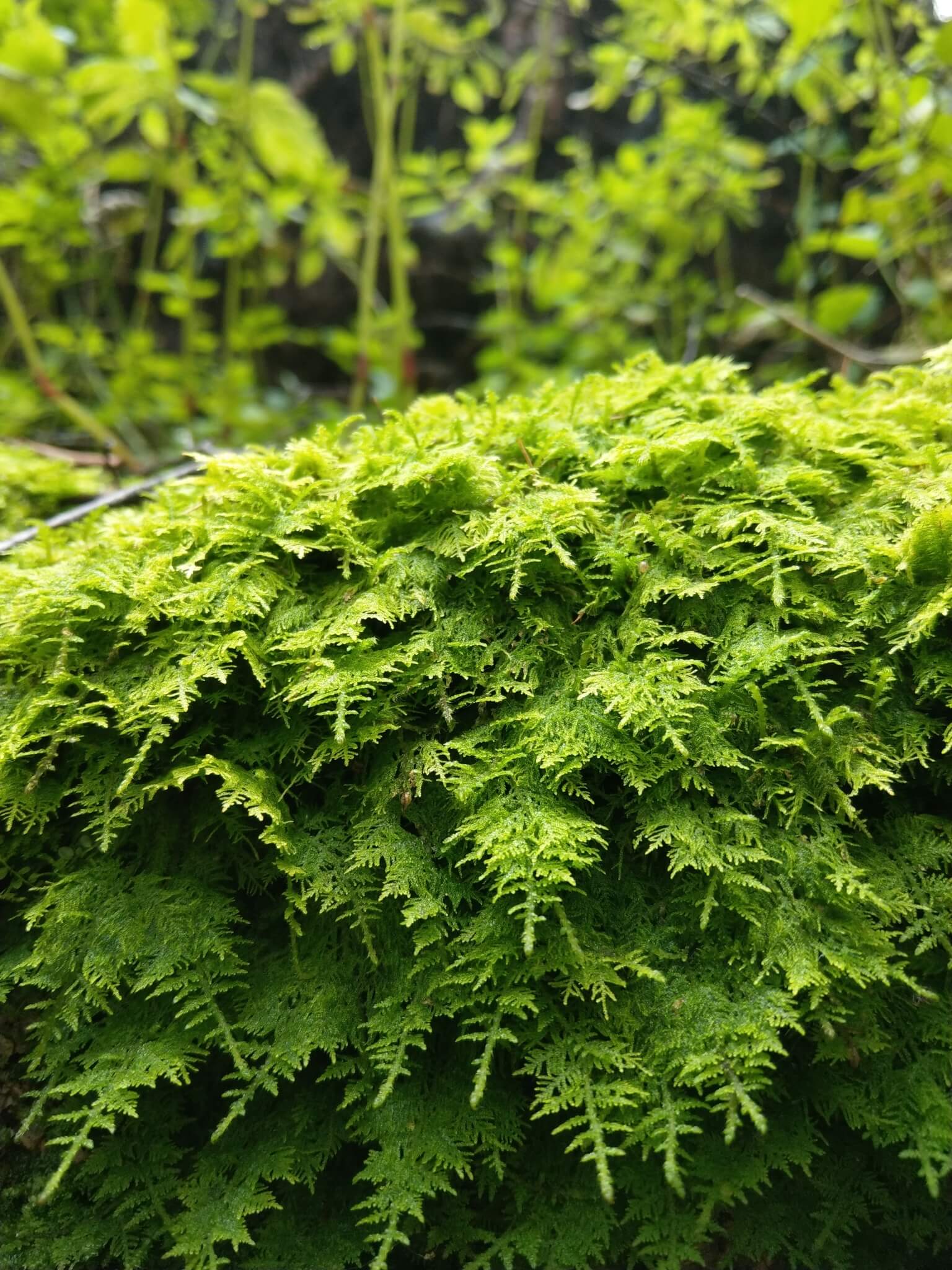
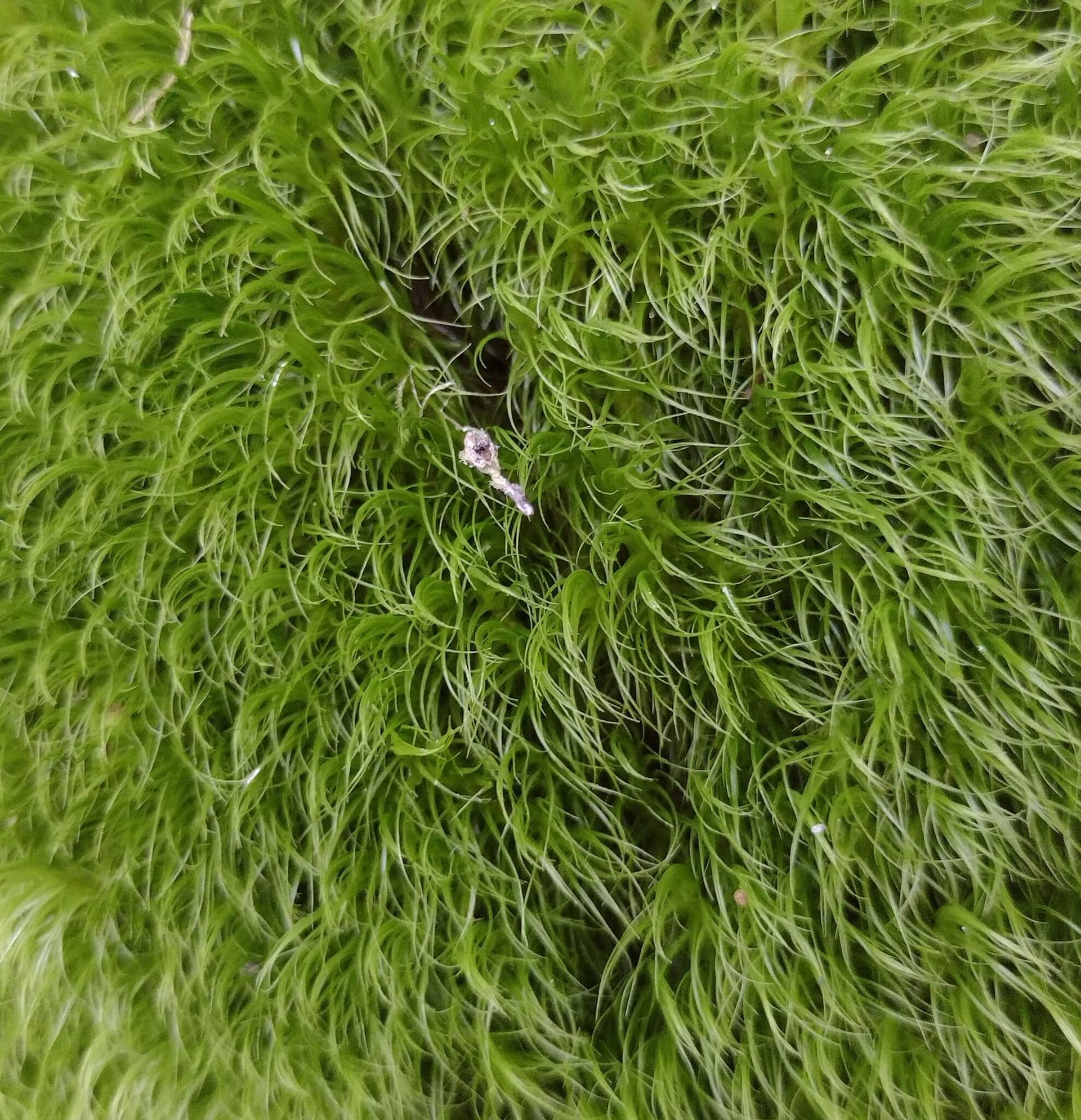
Mosses are particularly important here. They form continuous carpets across boreal forest floors and contribute much of the living biomass in many tundra communities. The Verdarium catalogue reflects this: fifteen mosses are tagged to the region, including Leucobryum glaucum (cushion moss), Hylocomium splendens (stair-step moss), and Dicranum scoparium (mood moss). These are circumboreal species — they grow across the cold north of Eurasia as well — and most are excellent terrarium subjects in their own right.
Indigenous plant knowledge across the region runs deep, with cloudberry (Rubus chamaemorus), bog blueberry, crowberry, and Labrador tea used as food and medicine across Inuit, Dene, and Cree homelands.
Native to Subarctic America
Explore plants from this region
References
- Encyclopedia BritannicaClimate baseline and Arctic geography.
- Encyclopedia BritannicaGreenland ice cap dimensions and coastal flora context.
- Kew POWOUsed to confirm characteristic genera (Salix, Dryas, Vaccinium, Empetrum).
- WikipediaConfirms 6,190 m summit elevation.
- WikipediaTDWG WGSRPD scheme — confirms member botanical countries of region 70 (Alaska, Aleutians, Yukon, NWT, Nunavut, Greenland).