Africa · TDWG Level 2
Southern Africa
Southern Africa covers South Africa, Namibia, Botswana, Lesotho, and Eswatini — a region that runs from the world's oldest desert on the Atlantic coast across the Kalahari to the Drakensberg escarpment and the Indian Ocean. The southwestern tip is the Cape Floristic Region, the smallest of the world's six floral kingdoms and one of the most botanically rich places on Earth.
Southern Africa is made up of five countries — South Africa (including all nine provinces), Namibia, Botswana, Lesotho, and Eswatini, with the Caprivi Strip treated as part of the regional unit — covering roughly 2.67 million square kilometres south of the Zambezi. Elevation runs from sea level on both the Atlantic and Indian coasts to 3,482 metres at Thabana Ntlenyana in the Lesotho Maloti, the highest point in the region. The Orange and Limpopo rivers drain most of the interior, and the Okavango River ends inland in the seasonal Okavango Delta in northern Botswana.
Climate is dominantly arid to semi-arid. The Namib hugs the Atlantic coast as a hyper-arid hot desert (Köppen BWh) and is the oldest continuously arid region on Earth. The Kalahari and Karoo basins sit in hot semi-arid (BSh). The eastern coast carries humid subtropical conditions (Cfa/Cwa), the Drakensberg highlands a temperate to alpine climate, and — most distinctively — the southwestern Cape has a true mediterranean climate (Csb), with wet winters and dry summers.
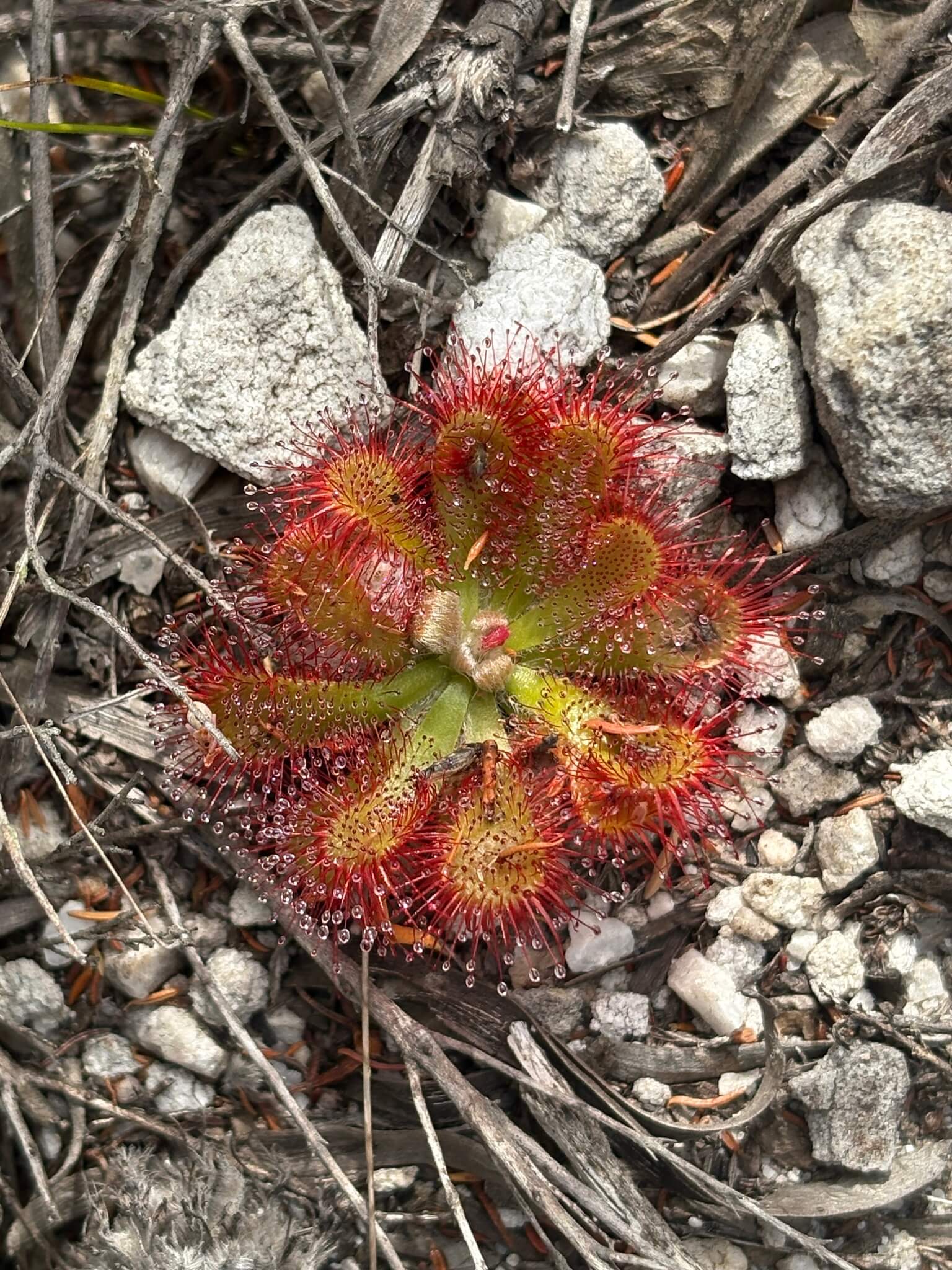
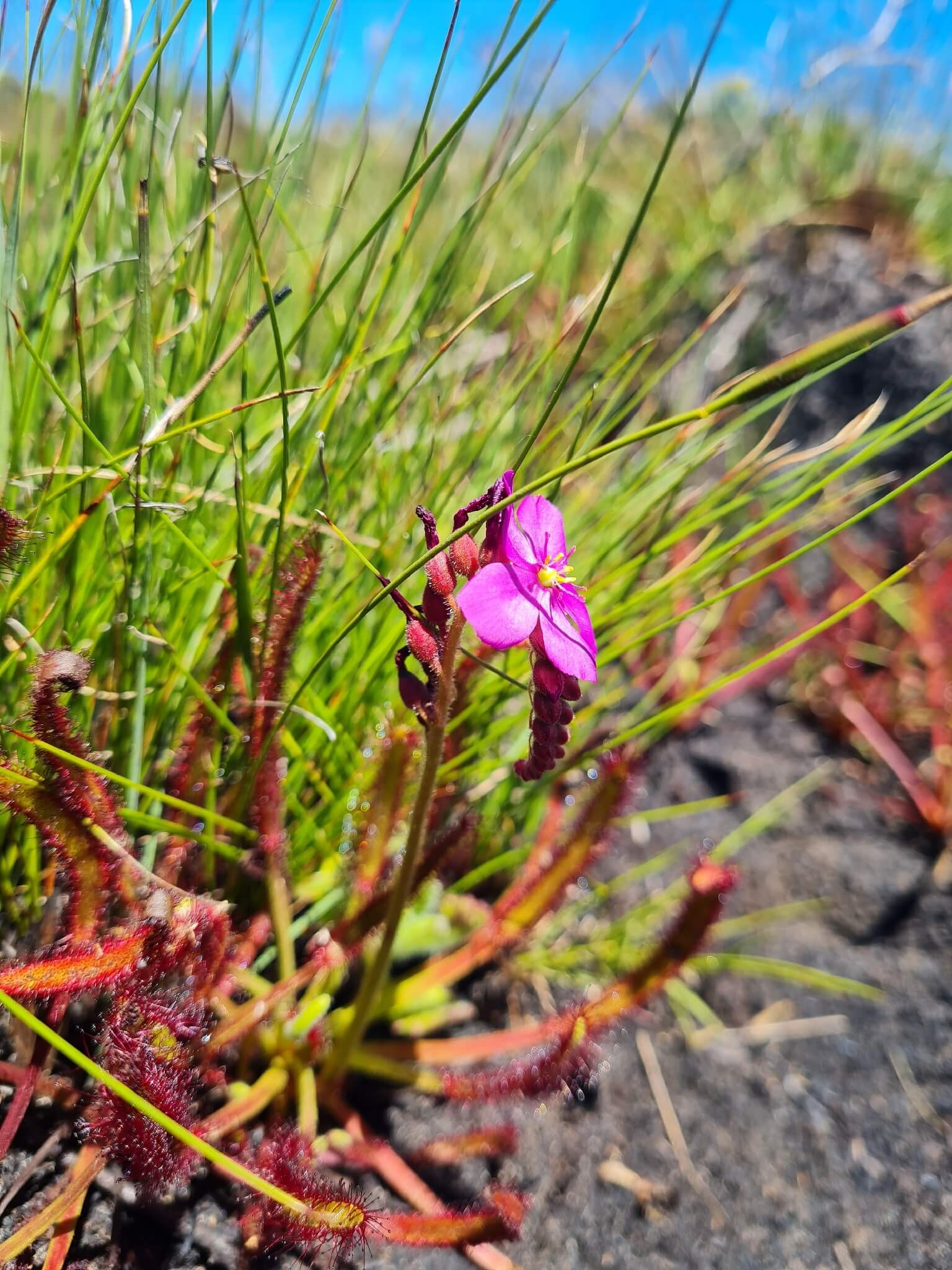
The region holds two global biodiversity hotspots. The Cape Floristic Region, in the southwestern winter-rainfall zone, packs more than 9,000 vascular plant species and roughly 69% endemism into 78,555 square kilometres. Its fynbos shrubland is dominated by Protea, Leucadendron, and Leucospermum (Proteaceae); over 600 Erica species (Ericaceae); the reed-like Restionaceae; and the iris family (Iridaceae), home of Gladiolus, Watsonia, and Moraea. The succulent Karoo, further north and east, is the only arid biodiversity hotspot in the world and the centre of diversity for the stone-plant family Aizoaceae — Lithops, Conophytum, Faucaria — alongside Aloe, Haworthia, and Gasteria. Pelargonium and the carnivorous Cape sundews Drosera capensis and D. aliciae, both in the catalogue, are also Cape natives.
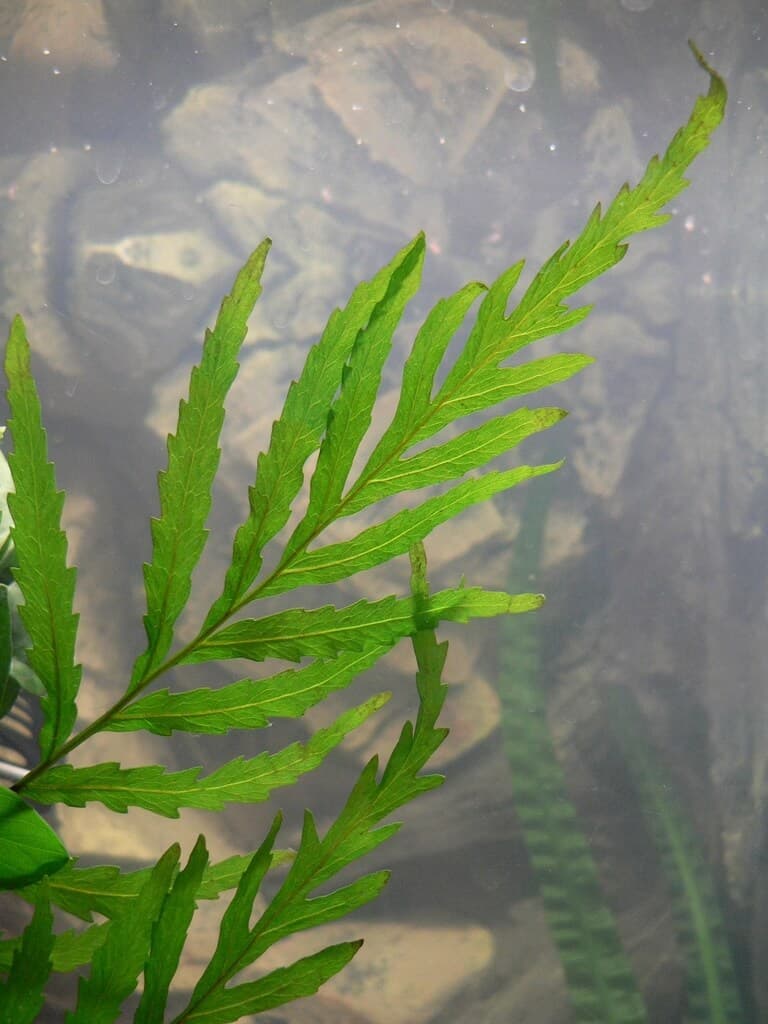
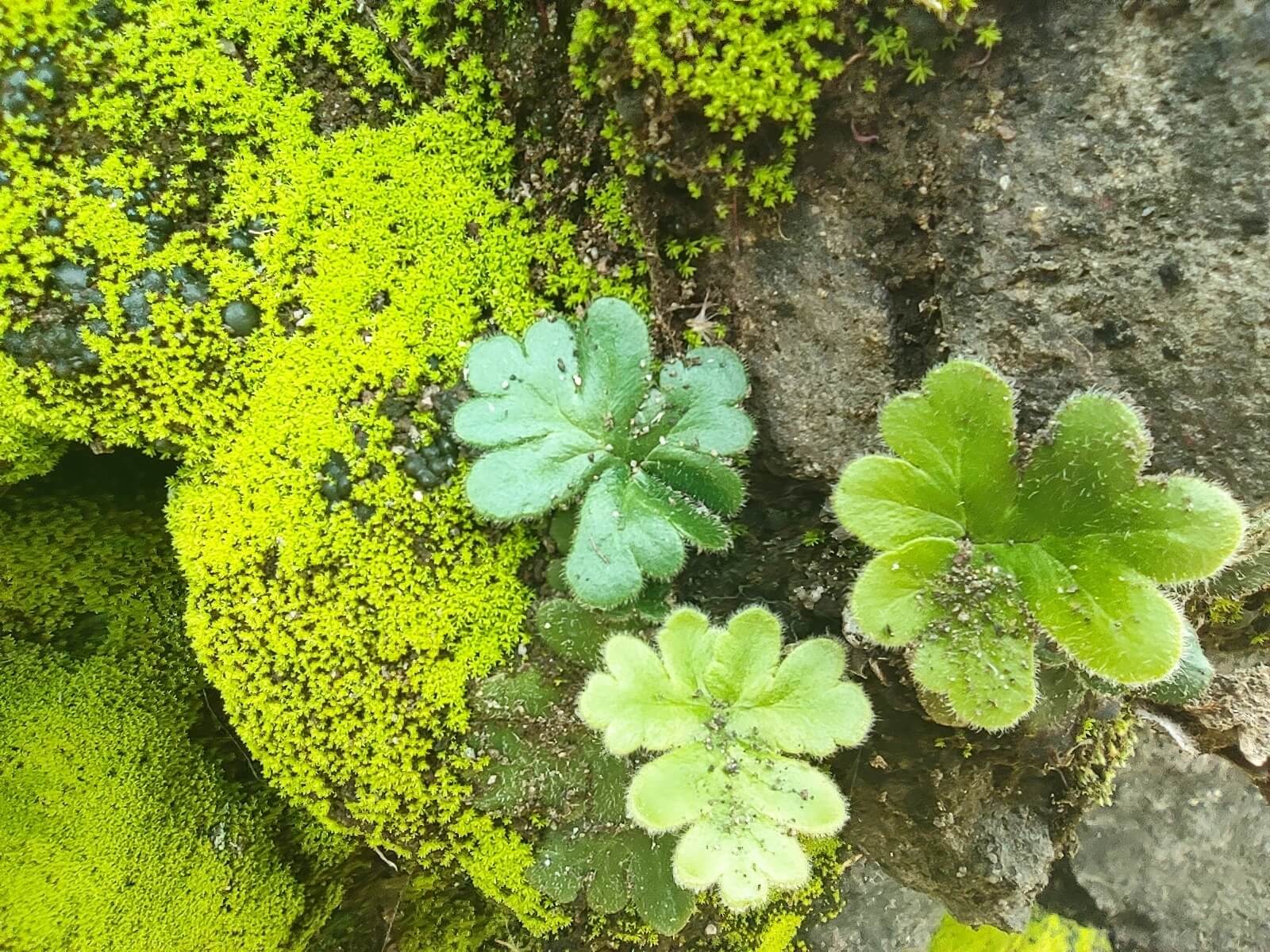
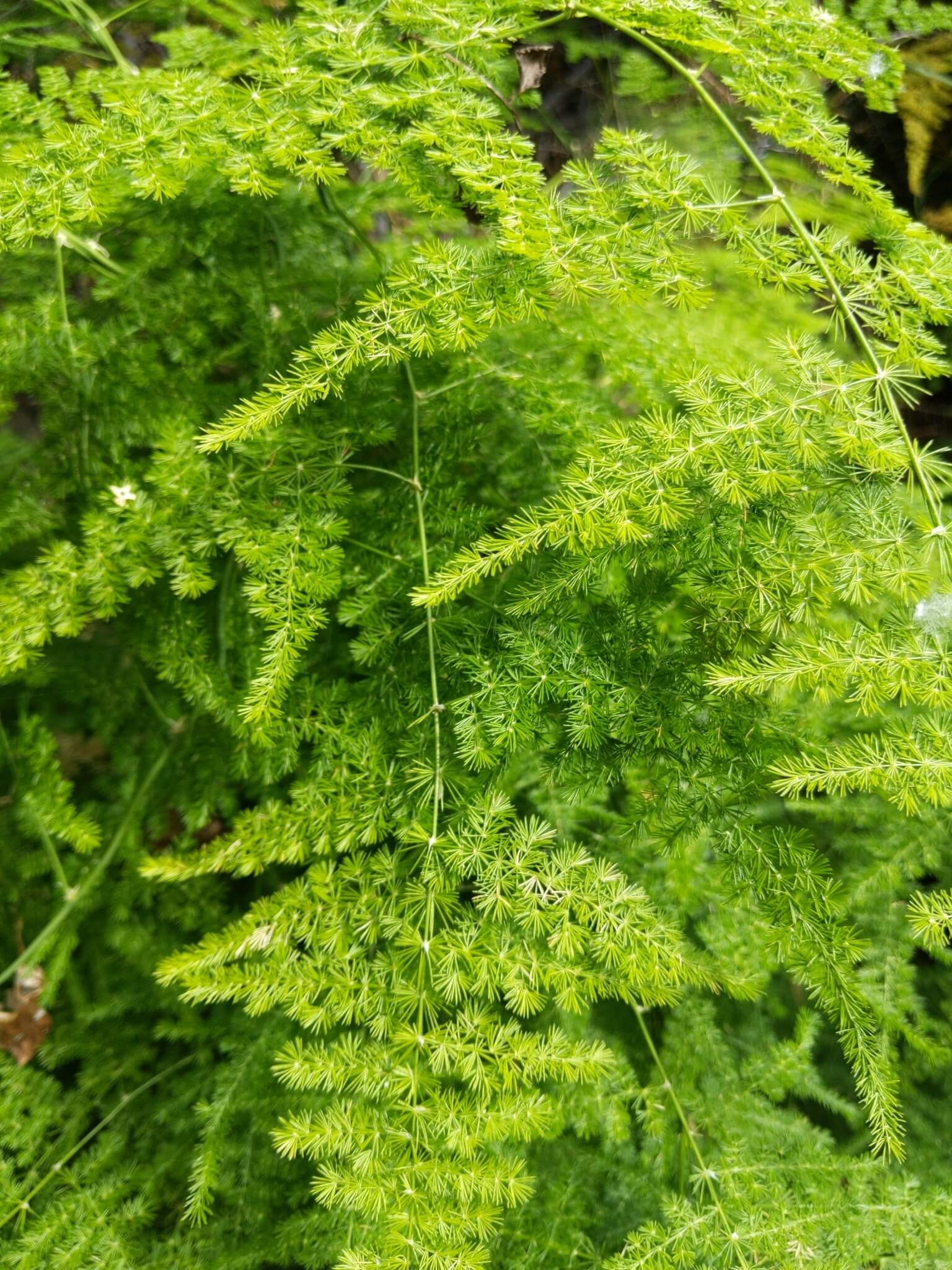
The Drakensberg, Maputaland-Pondoland-Albany hotspot, and Afromontane forest pockets along the eastern escarpment add humid-forest flora to what is otherwise a continent-scale arid province. For terrarium growers, this region contributes asparagus fern Asparagus setaceus, the catalogue's Cape sundews, Doryopteris pilosa var. gemmifera, Polystichum luctuosum, Aerangis mystacidii, and the polka-dot plant Hypoestes phyllostachya from its eastern subtropical end.
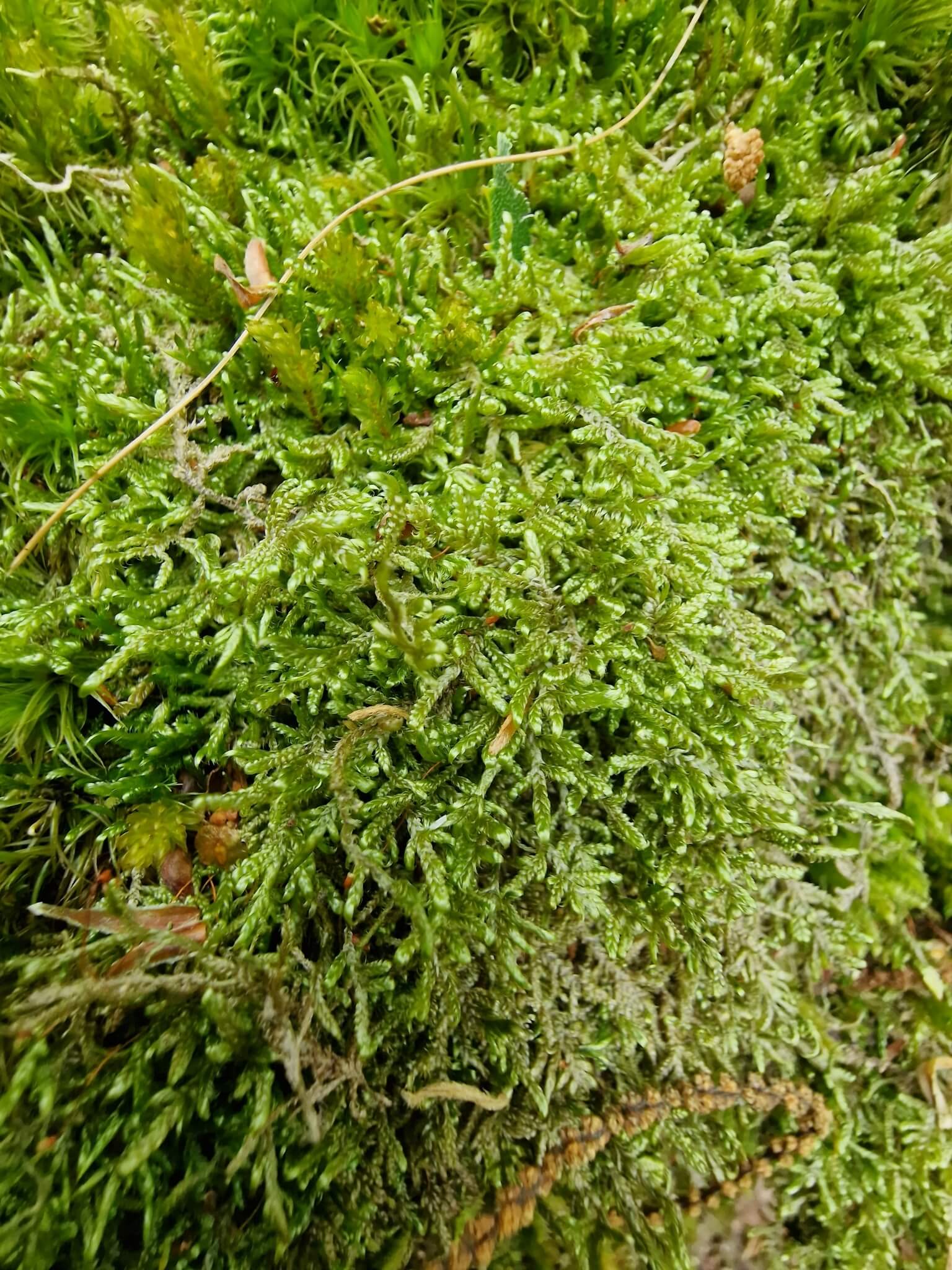
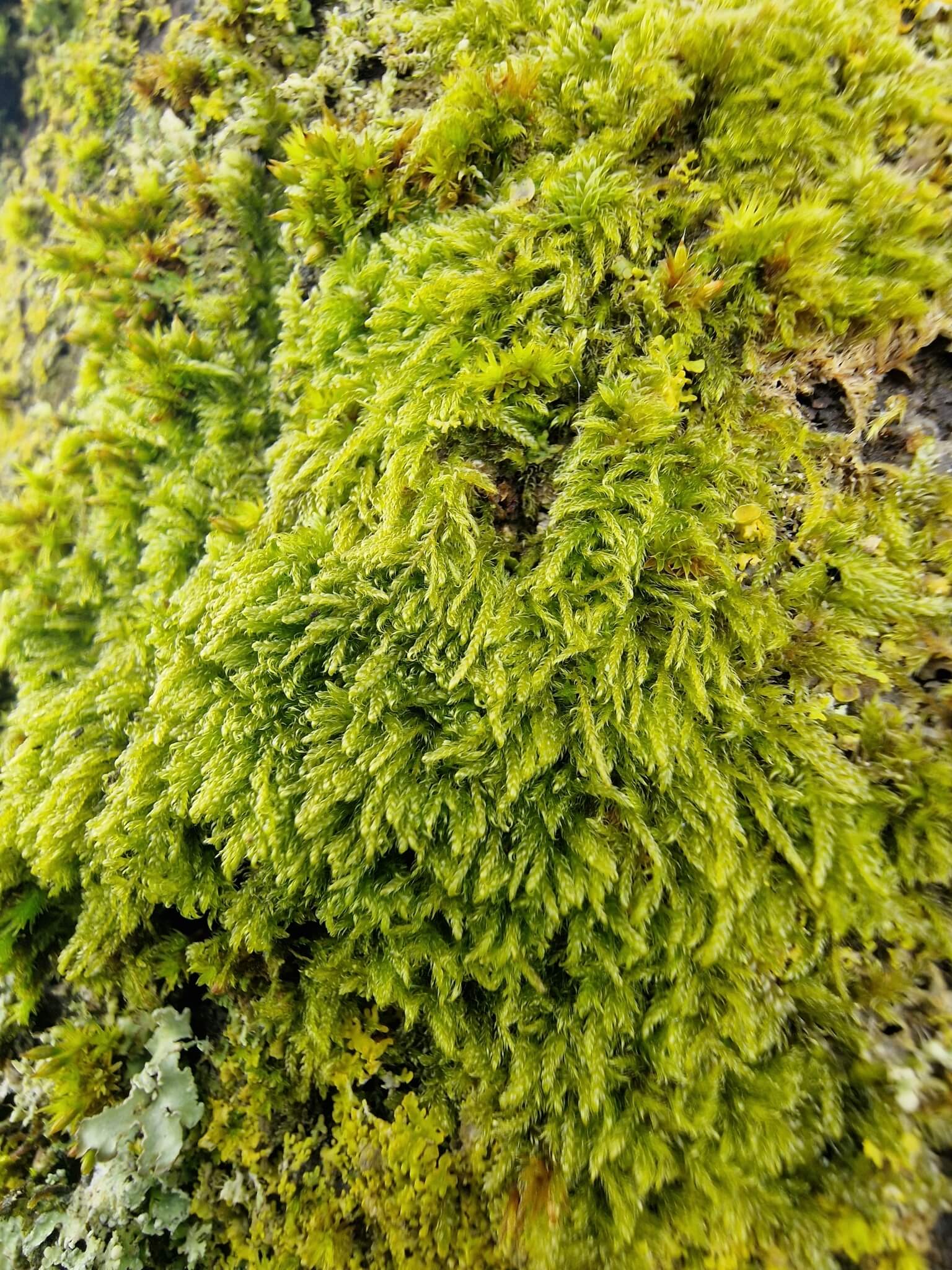
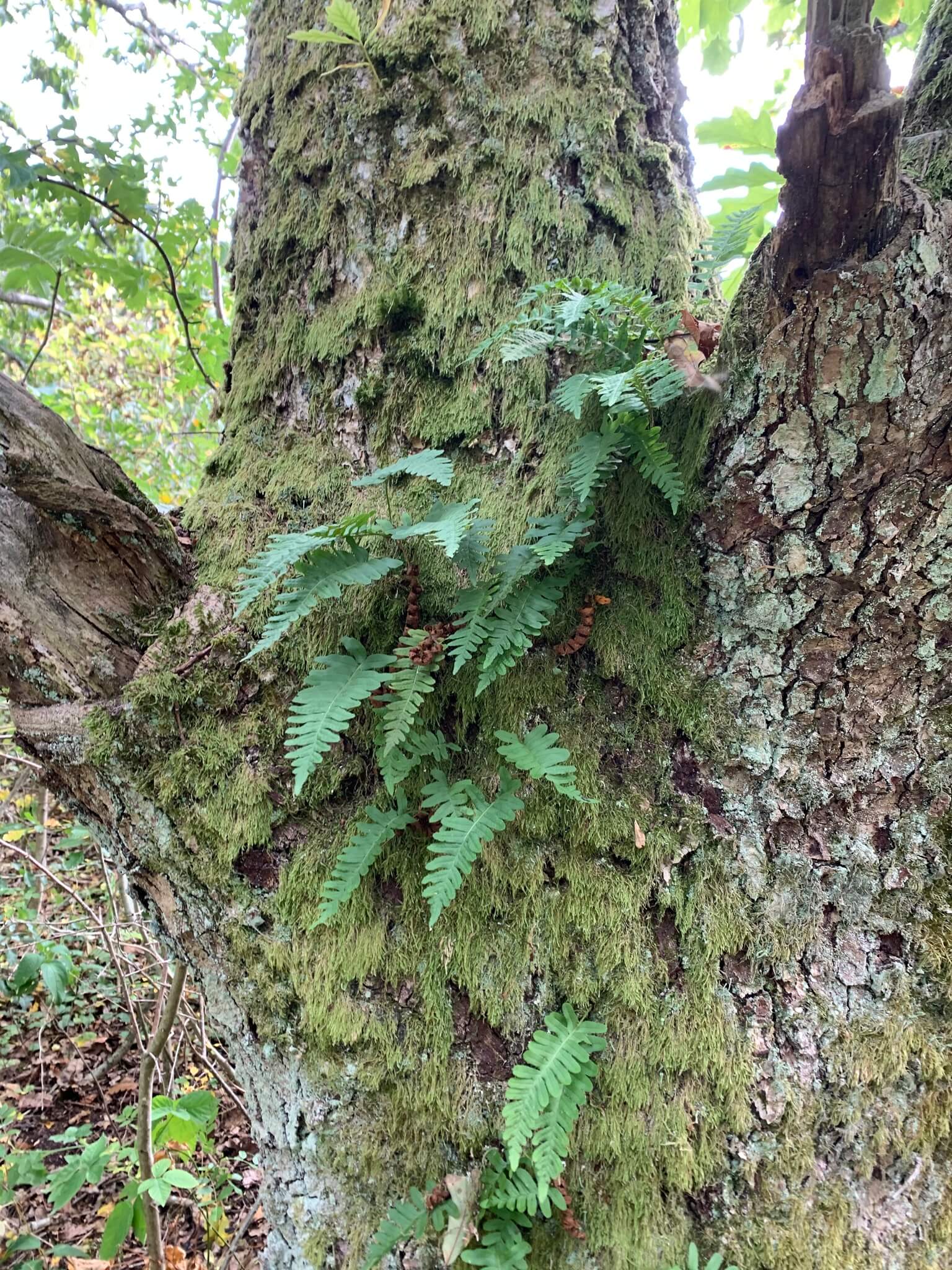
Native to Southern Africa
Explore plants from this region
References
- WikipediaTDWG WGSRPD constituent units for level-2 code 27 Southern Africa (Botswana, Lesotho, Namibia, South Africa with all provinces, Eswatini, Caprivi Strip).
- Wikipedia78,555 km², ~9,000 vascular species, 69% endemism, smallest of the six floral kingdoms, dominant Proteaceae/Ericaceae/Restionaceae/Iridaceae.
- WikipediaHighest peak in southern Africa at 3,482 m, Maloti Mountains, Lesotho.