Europe · TDWG Level 2
Southeastern Europe
Southeastern Europe spans Italy and the Balkan Peninsula — Greece, Romania, Bulgaria, the former Yugoslav republics, Albania, and European Turkey. Mediterranean coastlines, the Italian Alps, the Carpathian and Dinaric mountains, and the rugged Balkan interior combine to make this one of Europe's two great plant-diversity hotspots, alongside Iberia.
Southeastern Europe stretches from the Italian Alps and the Adriatic coast across the Balkan Peninsula to the Carpathians of Romania, the Black Sea, and European Turkey. The terrain is largely mountainous. Six major ranges shape the region: the Italian Alps (with Mont Blanc on the French border at 4,808 metres, the regional high point), the long Apennine spine of Italy, the Dinaric Alps along the Adriatic, the Pindus of Greece and Albania, the Carpathians of Romania, and the Rila–Rhodope system of Bulgaria, where Musala at 2,925 metres is the highest peak fully within the Balkans. Between these ranges sit fertile lowlands — the Po Valley, the Pannonian plain edge, the Danube delta — and a coastline of thousands of islands across the Adriatic, Aegean, and Ionian seas.
Climate is genuinely mixed. The Mediterranean coast and lowlands of Greece, southern Italy, and the Adriatic carry hot dry summers and mild wet winters (Köppen Csa). Northern Italy and the inland Balkans are humid continental (Cfa, Dfb), grading into cooler Carpathian and Alpine conditions, while the Romanian and Bulgarian east edges into Pontic steppe. Karst landscapes — limestone country pocked with caves, dolines, and disappearing rivers — dominate Slovenia, Croatia, and Bosnia.
Biome diversity follows climate. Mediterranean forest, woodland, and scrub holds the southern and coastal zones, with holm oak, kermes oak, and aromatic phrygana shrubland on Greek and Italian slopes. The Balkan and Carpathian interior carries temperate broadleaf forest dominated by beech (Fagus sylvatica) and oriental beech (F. orientalis); the UNESCO-listed primeval beech forests of the Carpathians are among the best-preserved in Europe. Alpine conifer forest of spruce, silver fir, and the endemic Balkan pines (Pinus heldreichii, P. peuce) covers the highest slopes.
The region is a major centre of European plant endemism, alongside Iberia — Greece alone holds roughly 6,000 vascular species with around a thousand endemic. The Italian and Greek botanical traditions run deep: Theophrastus wrote the founding texts of botany from Athens around 300 BCE, and the University of Padua opened the world's first surviving botanic garden in 1545.
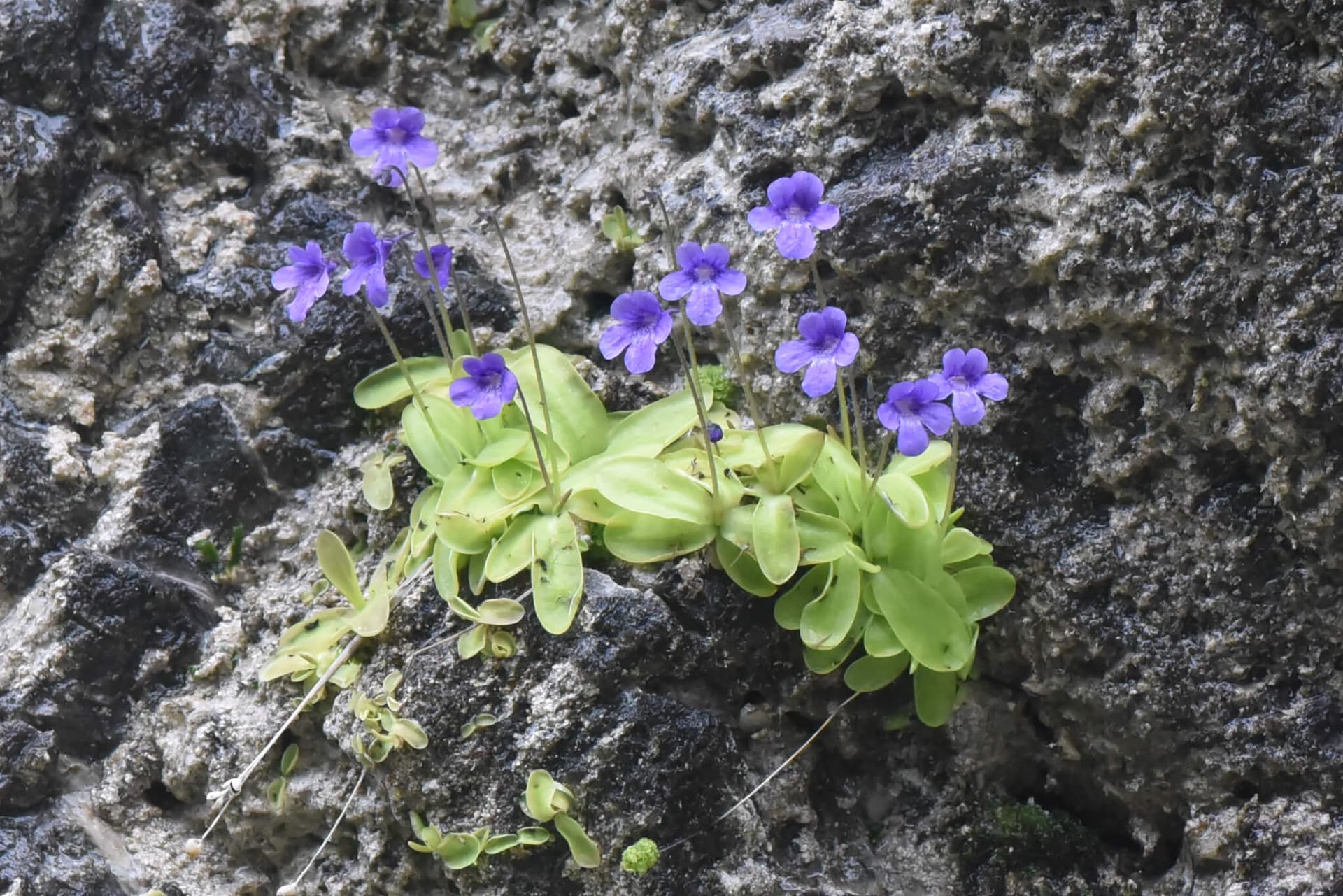
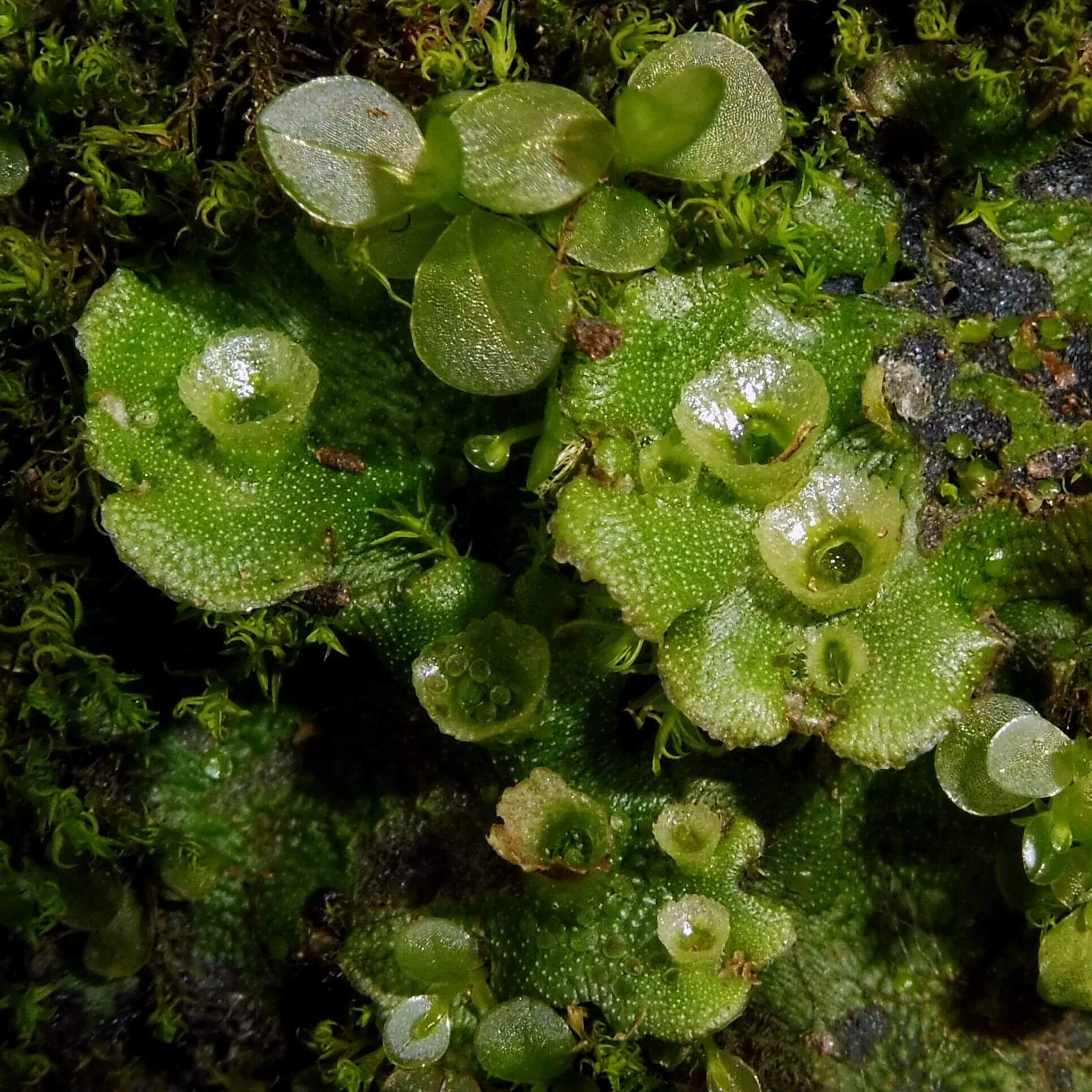
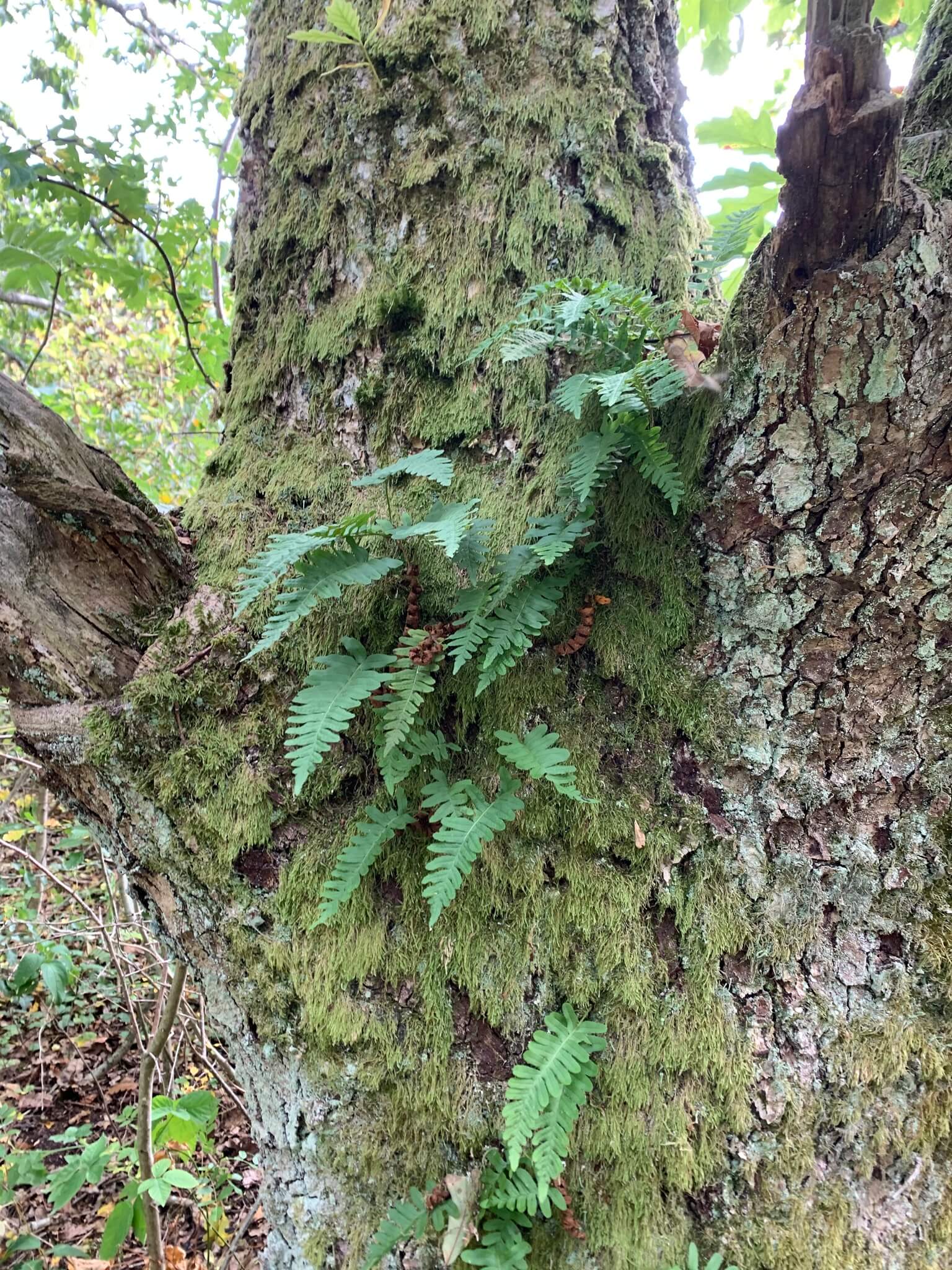
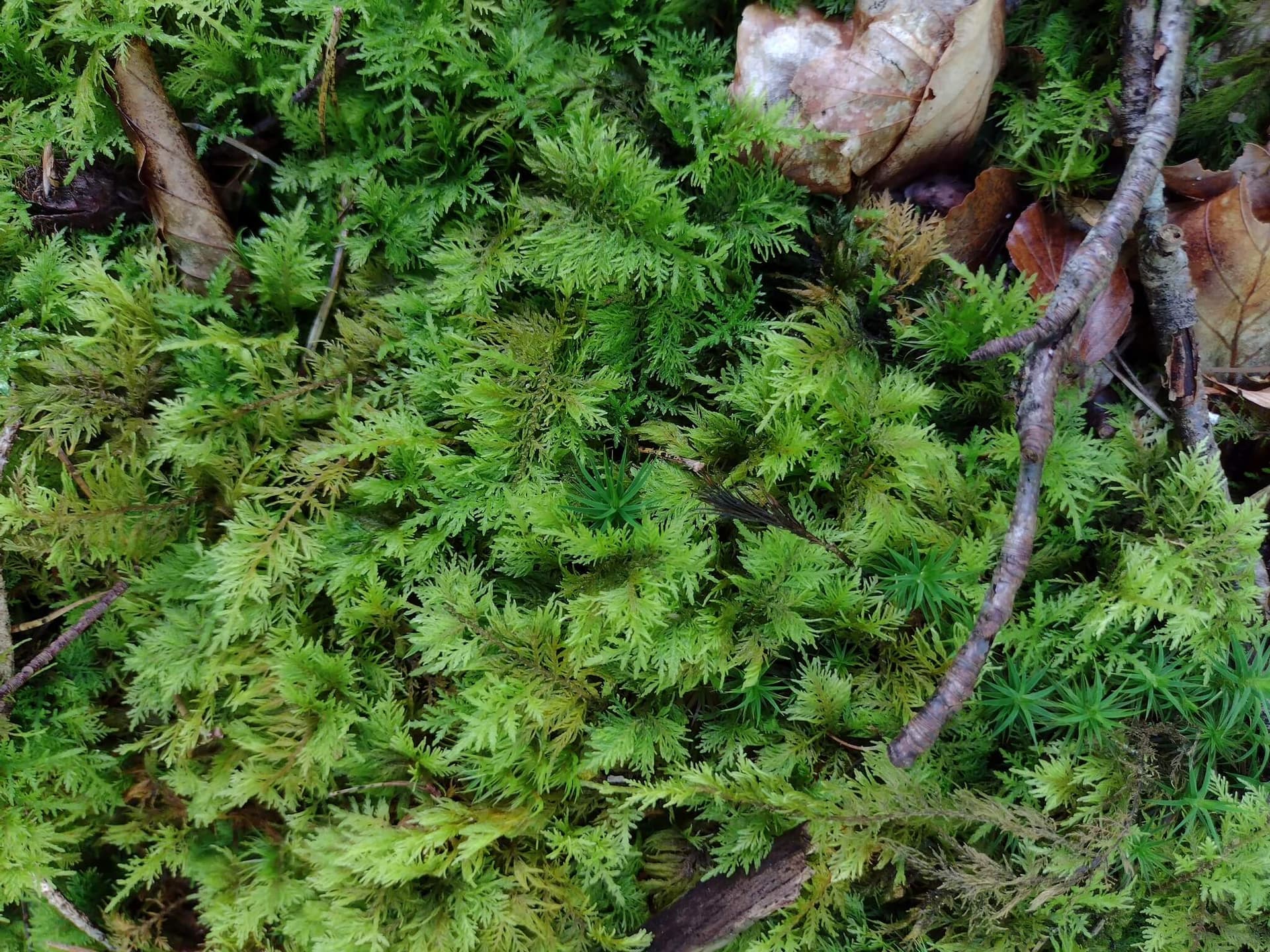
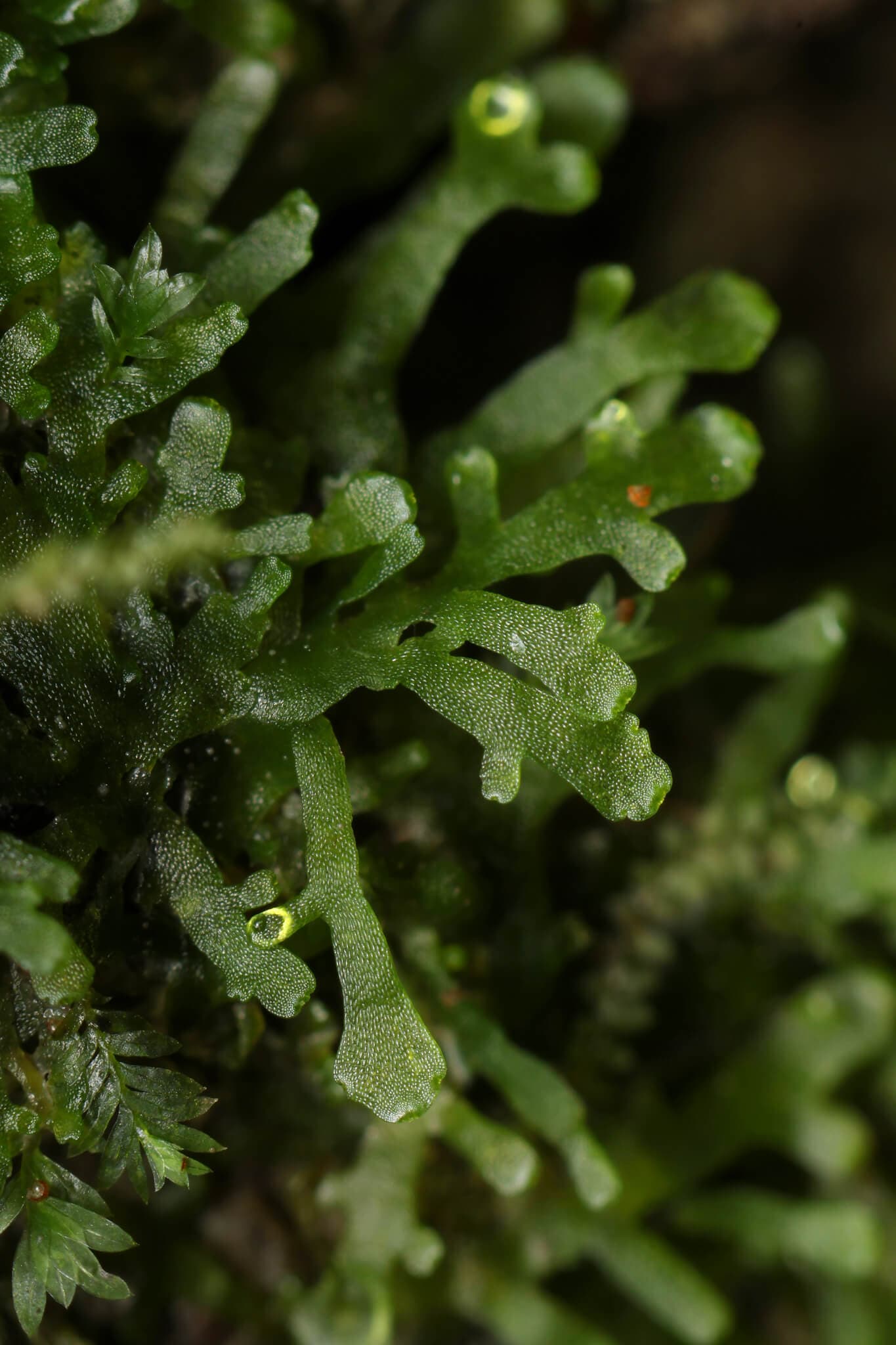
For terrarium builders, the catalogue currently draws on the wider Atlantic-European moss and fern flora that extends into the Carpathians, the Italian Alps, and the Balkan uplands. The Mediterranean and Balkan flora proper — bulbs, terrestrial orchids, and aromatic shrubs — sits outside the typical humid terrarium remit but suits drier or more open setups.
Native to Southeastern Europe
Explore plants from this region
References
- WikipediaTDWG WGSRPD constituent countries for level-2 code 13 Southeastern Europe (Italy, Greece, Romania, Bulgaria, Albania, former Yugoslavia, European Turkey, plus Crete, Sicily, Malta).
- WikipediaBalkan mountain ranges, climate zones, and ecoregions overview.
- WikipediaWWF temperate broadleaf and mixed forest ecoregion classification.
- WikipediaMytikas at 2,917 m, second-highest in the Balkans after Musala.
- WikipediaMont Blanc at 4,808 m, regional high point on the Italian–French border.