Asia-Temperate · TDWG Level 2
Siberia
Siberia is the vast Asian half of Russia — about 13 million square kilometres reaching from the Ural Mountains east to the Pacific watershed and from the Kazakh steppe north to the Arctic Ocean. The region is dominated by taiga (boreal coniferous forest), the largest contiguous forest on Earth, with tundra to the north, steppe and the Altai mountain forests to the south, and the world's deepest lake — Baikal — at its centre.
Siberia covers roughly 13.1 million square kilometres, almost a tenth of the planet's land area, and in TDWG terms is divided into eight subdivisions: West Siberia, the Altay, Krasnoyarsk, Tuva, Khakassia, Irkutsk, Buryatia, Chita (Transbaikal), and Yakutia (Sakha). The Urals form the western boundary; the Yenisei, Ob, and Lena rivers — three of the world's longest — drain the territory northward into the Arctic Ocean. Lake Baikal, on the Buryatia–Irkutsk border, holds about a fifth of the planet's surface fresh water and sits 1,642 metres deep. Elevation runs from sea level on the Arctic and Pacific coasts to 4,506 metres at Belukha in the Katun range of the Russian Altai.
Climate is dominantly subarctic continental — Köppen Dfc and Dfd, with Dwc and Dwd in eastern Siberia and ET tundra in the north. Average annual temperatures sit near −5 °C, and the Sakha basin around Oymyakon and Verkhoyansk records the coldest inhabited temperatures in the Northern Hemisphere, below −60 °C in winter. The far south of the Altai and Tuva carries a continental steppe climate (BSk) and a brief, warm growing season.
The defining biome is the taiga: a near-continuous belt of cold-tolerant conifers dominated by Siberian larch (Larix sibirica) and Dahurian larch (L. gmelinii) in the colder east, Siberian pine (Pinus sibirica), Norway spruce (Picea obovata), and Siberian fir (Abies sibirica), with birch (Betula pendula, B. pubescens) and aspen (Populus tremula) as primary deciduous components. North of the tree line, the tundra is shaped by Dryas, Salix dwarf willows, Vaccinium heaths, and a deep cover of mosses and lichens. The Altai and Sayan mountains hold a mosaic of mountain taiga, alpine meadow, and remnant Pleistocene refugia with high endemism in genera like Saussurea, Rhodiola, and Paeonia.
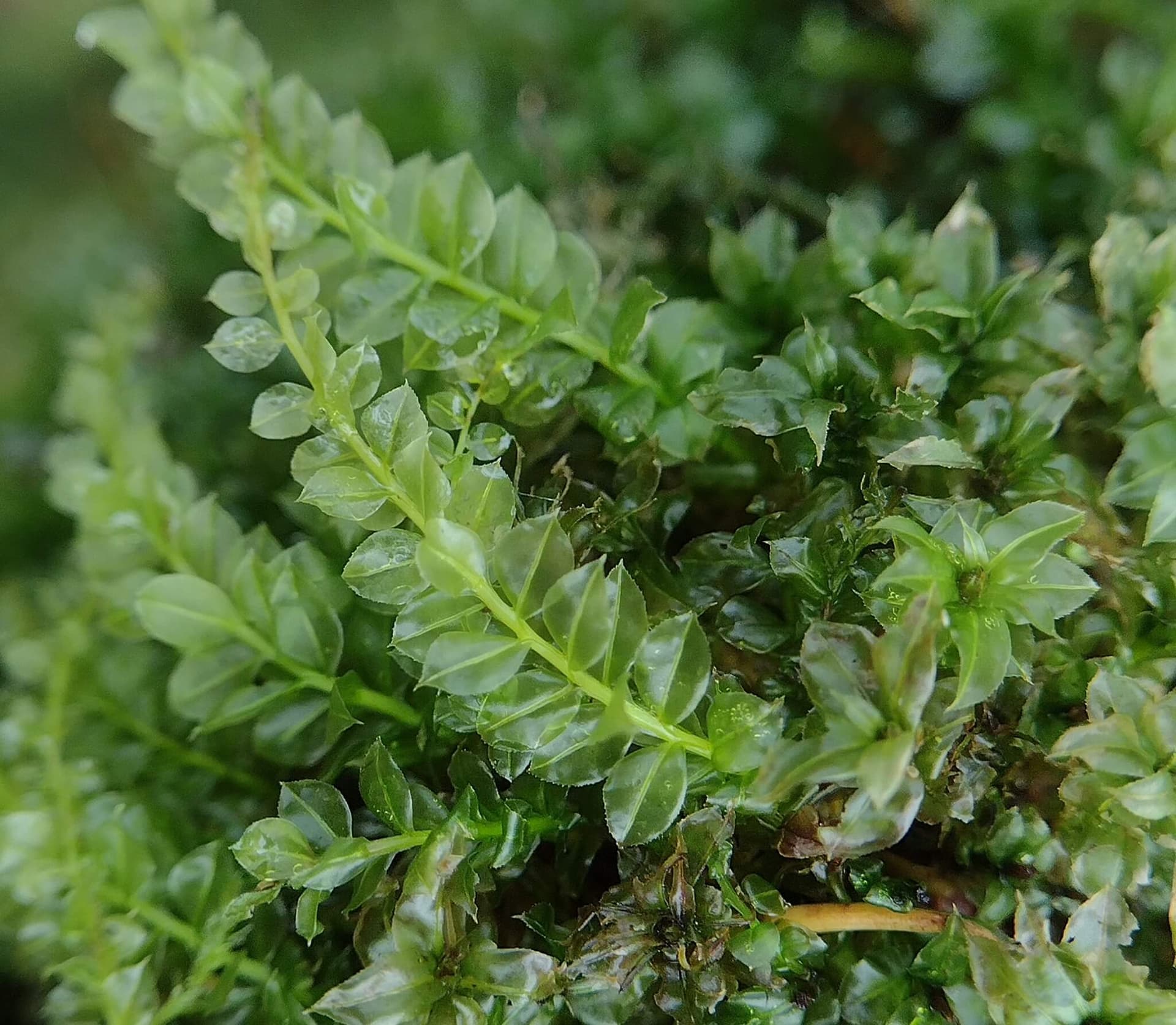
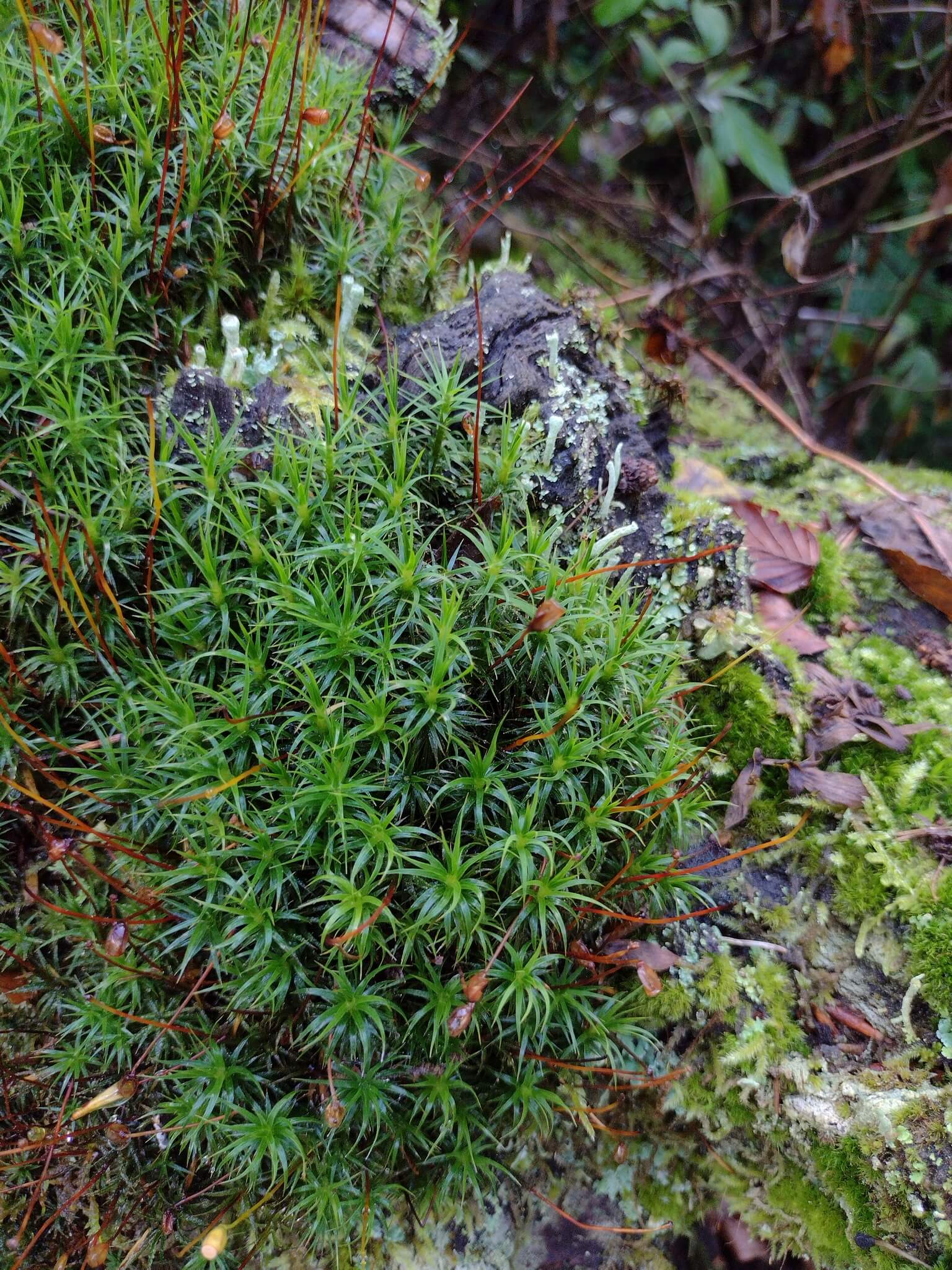
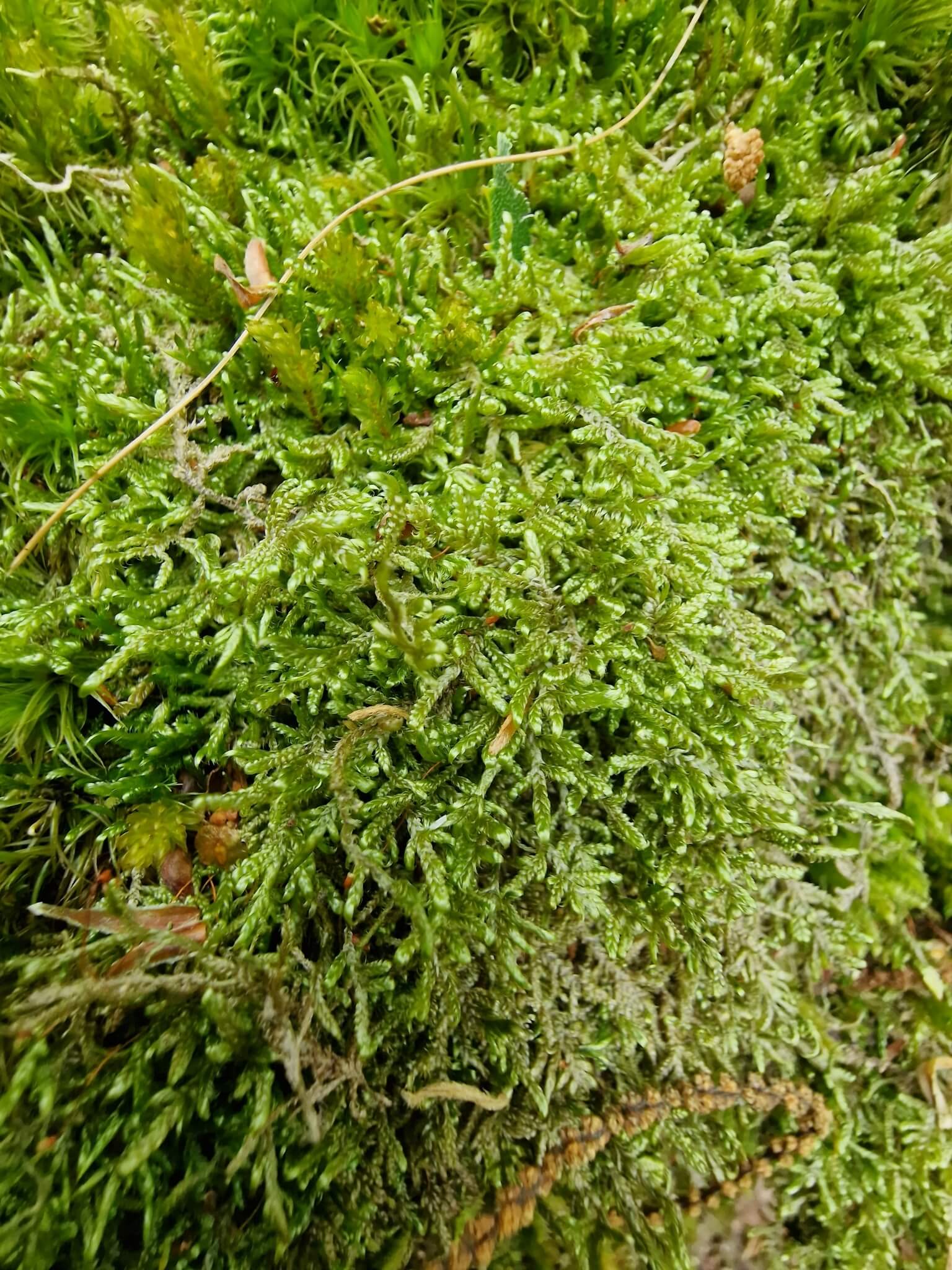
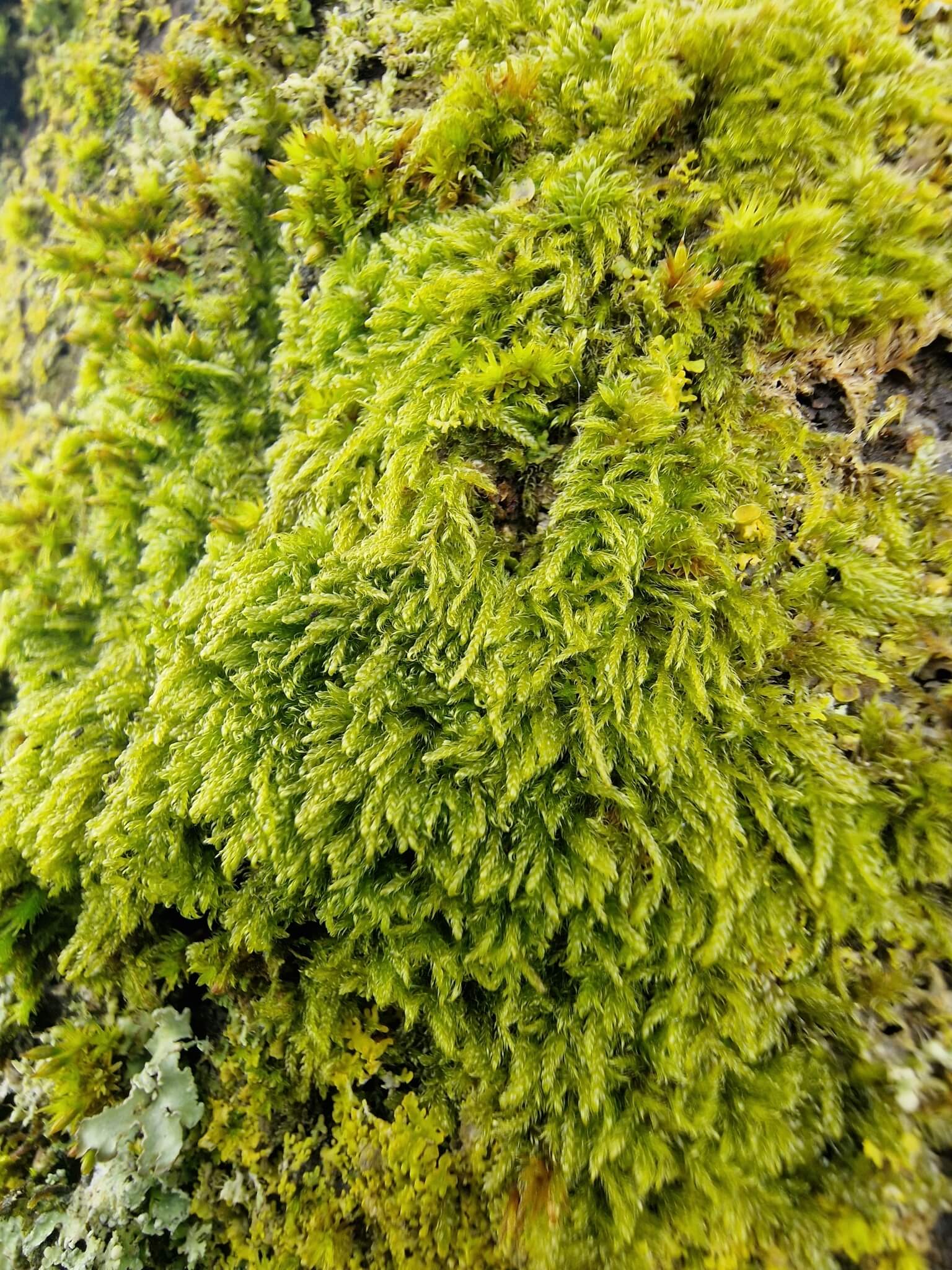
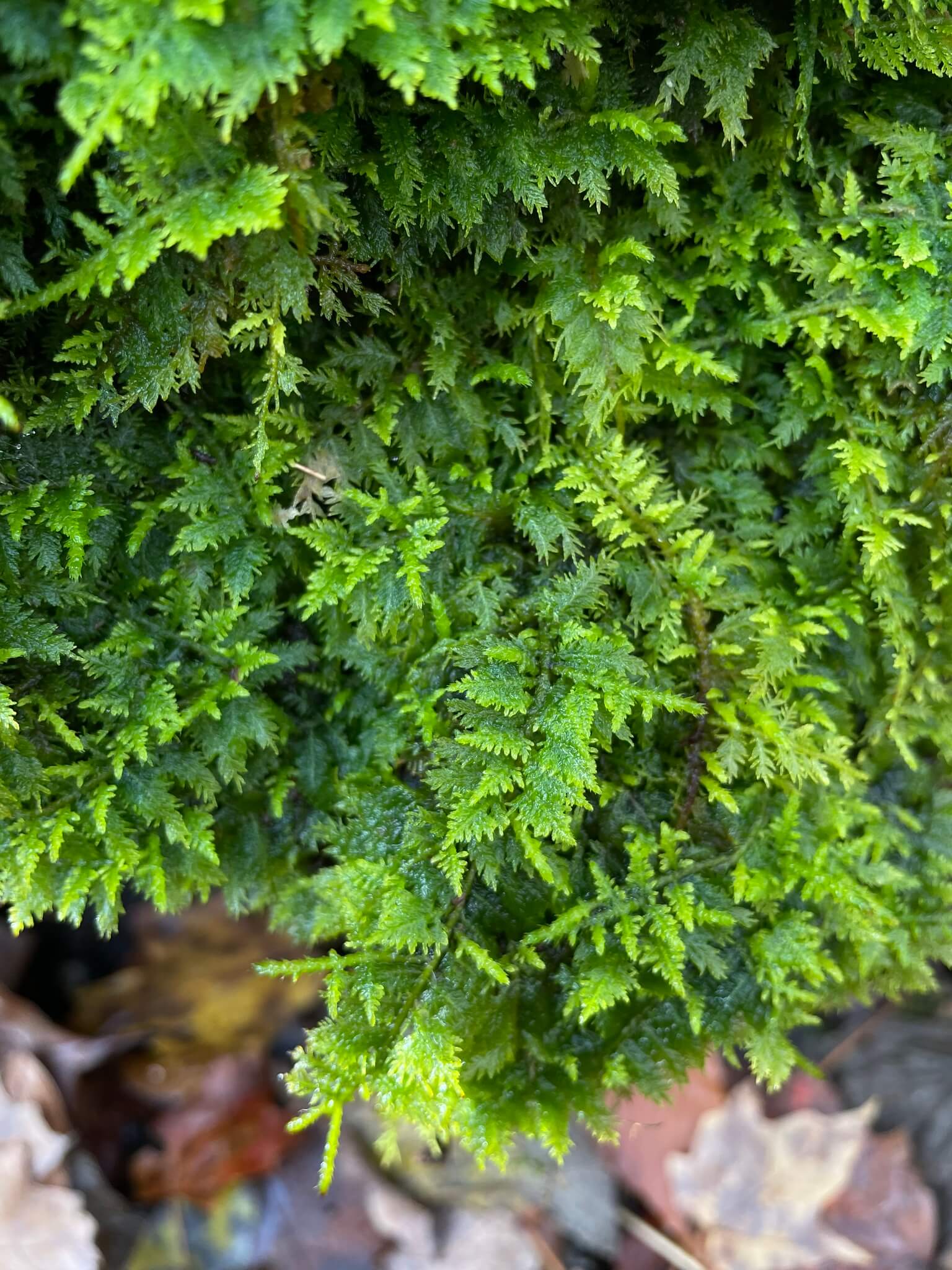
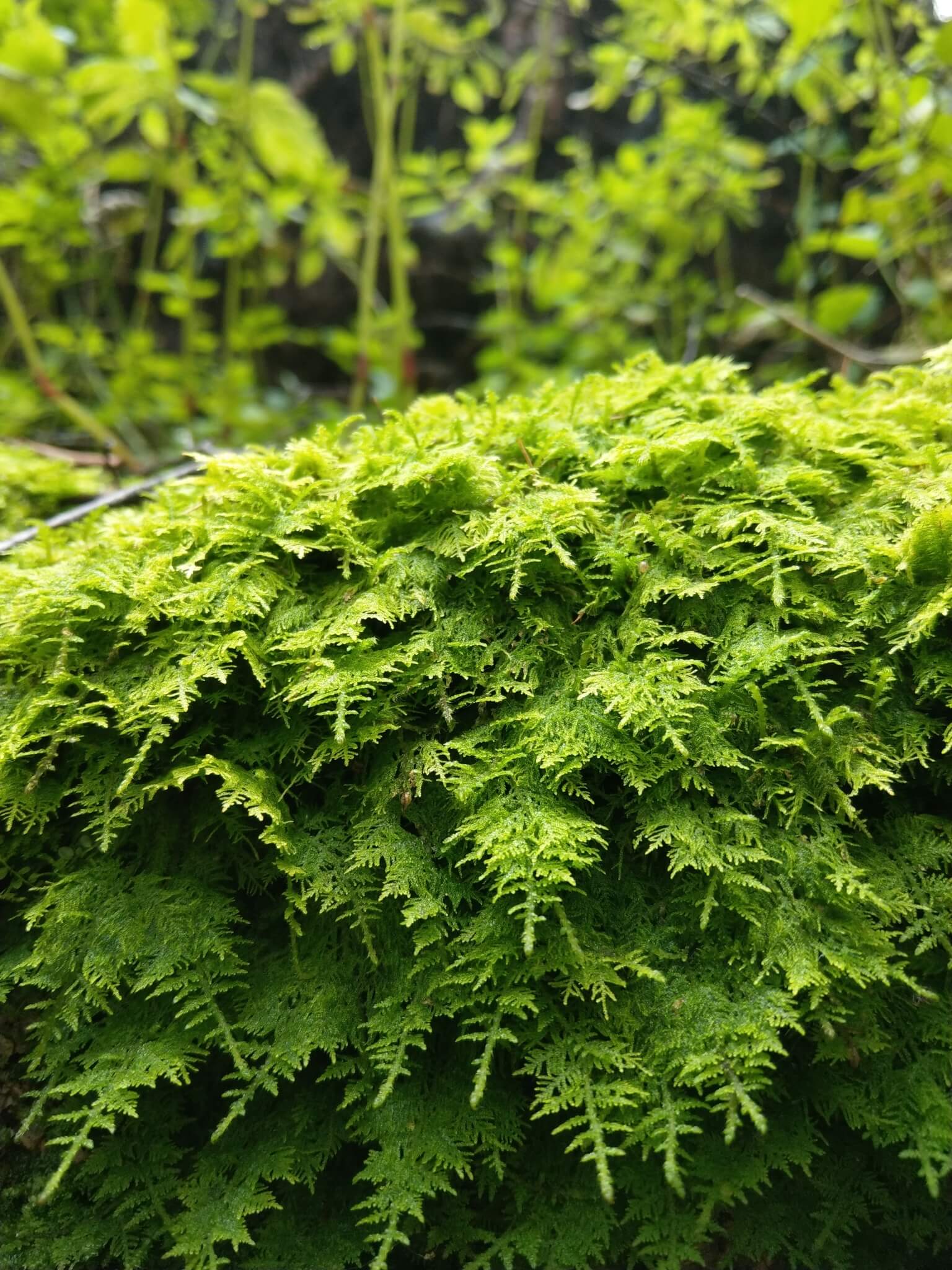
For terrarium and moss growers, Siberia is the home range of much of the cosmopolitan boreal moss flora — Pleurozium schreberi, Hylocomium splendens, Polytrichum formosum, Dicranum scoparium, Racomitrium canescens, and many others already in the catalogue. Most are cool-growers and do best in mossariums kept below 20 °C.
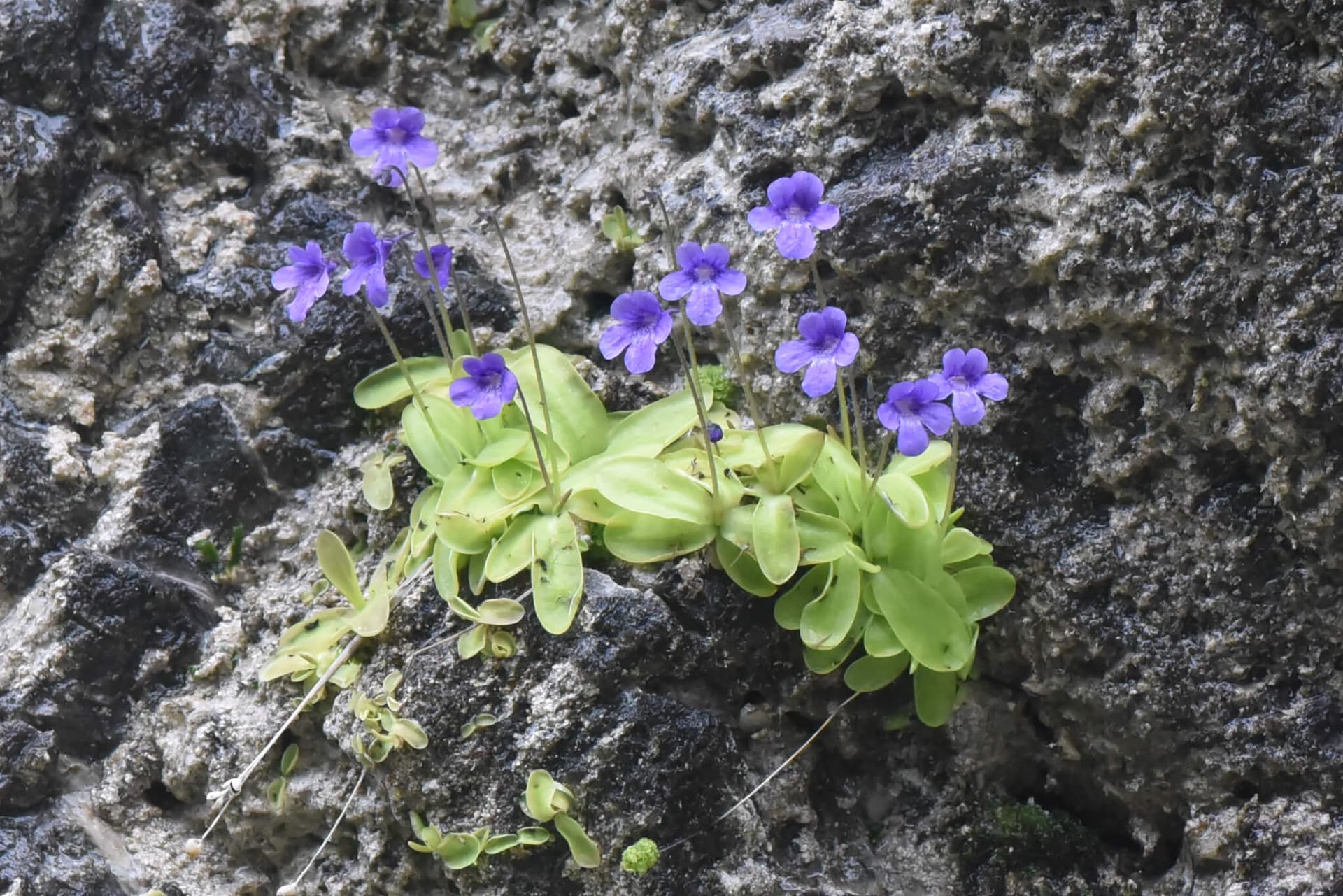
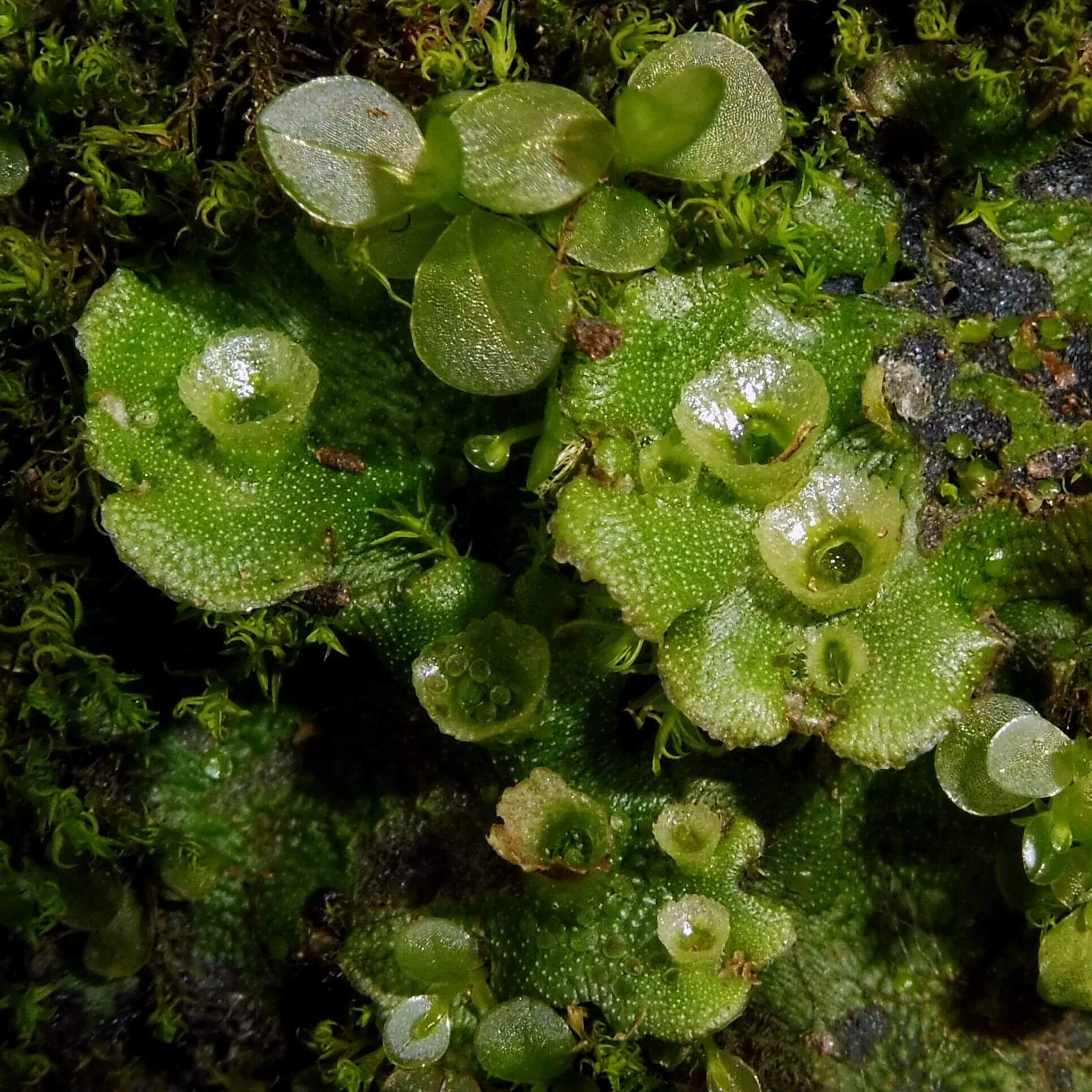
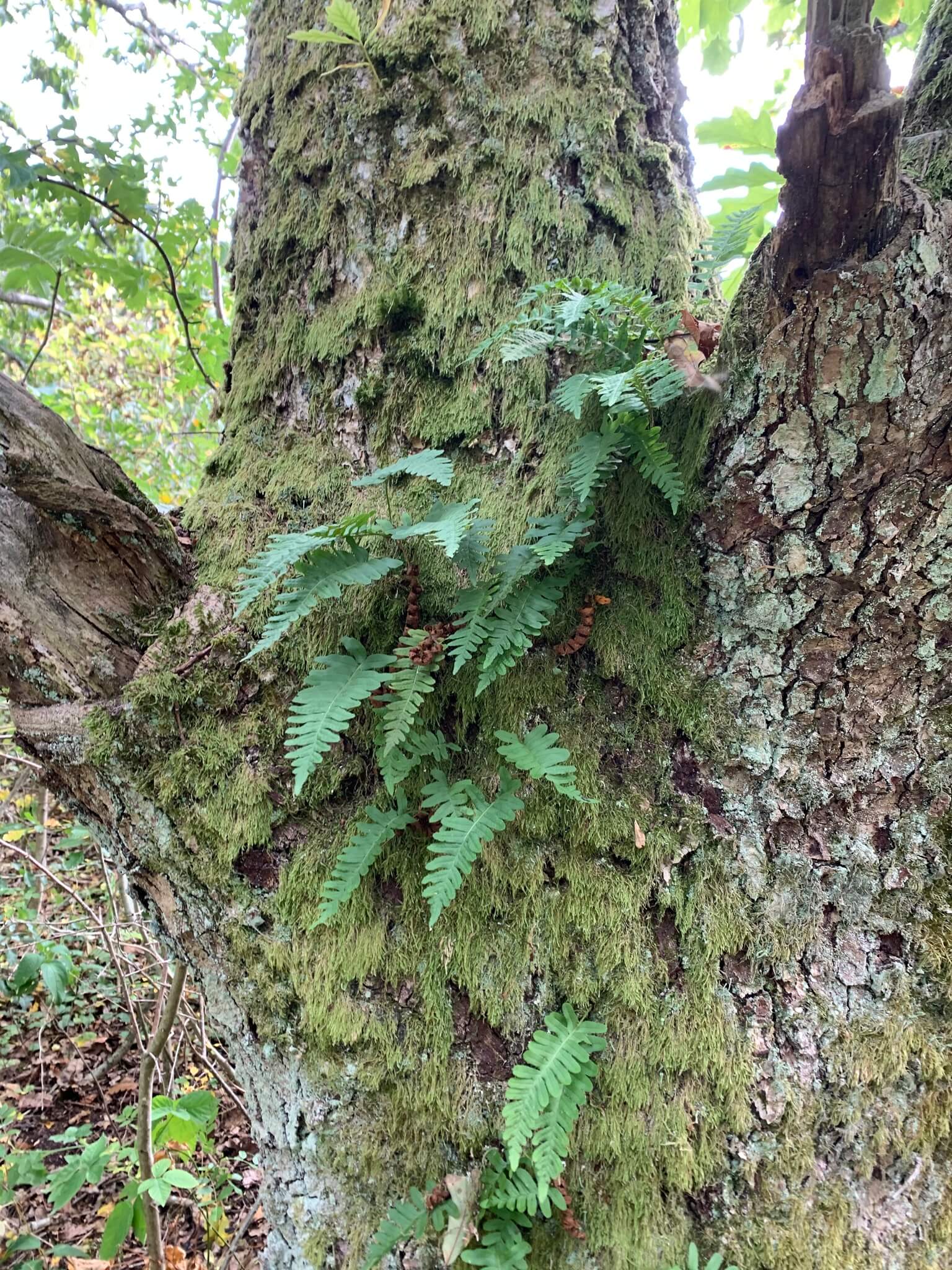
Native to Siberia
Explore plants from this region
References
- WikipediaTDWG WGSRPD identification for level-2 code 30 Siberia under parent Asia-Temperate (3).
- BritannicaSiberia extent (~13.1 million km²), east–west span from Urals to Pacific, vegetation zones (tundra, taiga, forest-steppe, steppe).
- WikipediaBelukha, highest peak of the Altai and of Siberia, 4,506 m.