Europe · TDWG Level 2
Northern Europe
Northern Europe covers Fennoscandia, the British Isles, Iceland, Denmark, and the Arctic outpost of Svalbard — a long latitudinal sweep where temperate forests give way to boreal taiga and finally Arctic tundra. The Gulf Stream keeps the western coasts surprisingly mild for their latitude, supporting some of the richest bryophyte and fern floras in the world.
Northern Europe runs from the rocky coasts of Ireland and Scotland north through Fennoscandia to Svalbard, taking in Denmark, Iceland, and the Faroe Islands along the way. The terrain shifts from low coastal plains and chalk uplands in the south to the worn-down Scandinavian Mountains in the centre, with Galdhøpiggen reaching 2,469 metres in Norway's Jotunheimen as the regional high point. The lowest land sits in Denmark's Lammefjord polder, a little over seven metres below sea level. Long coastlines, deep fjords, and tens of thousands of islands in the Baltic and Atlantic archipelagos define the regional character.
Climate is mostly temperate maritime in the south and west and grades into subarctic and Arctic tundra toward the north. The Gulf Stream pushes warm Atlantic water along the Norwegian coast, which is why oak woodlands persist as far north as Trondheim and why western Scotland remains ice-free in winter. Köppen labels for the region run from Cfb (oceanic) through Dfb (humid continental) into Dfc (subarctic) and ET (tundra) in Lapland, the Icelandic highlands, and Svalbard.
Three biomes dominate. Boreal forest — taiga — covers most of inland Sweden, Finland, and central Norway, built on Norway spruce (Picea abies), Scots pine (Pinus sylvestris), and downy birch (Betula pubescens). Temperate broadleaf and mixed forest holds the British Isles, Denmark, and the far south of Sweden, with oak, beech, and hazel. North of the Arctic Circle and on the higher fells the treeline gives way to tundra and dwarf-shrub heath. Peat bogs are widespread throughout, including the blanket bogs of Atlantic Britain and Ireland and the raised mires of Fennoscandia.
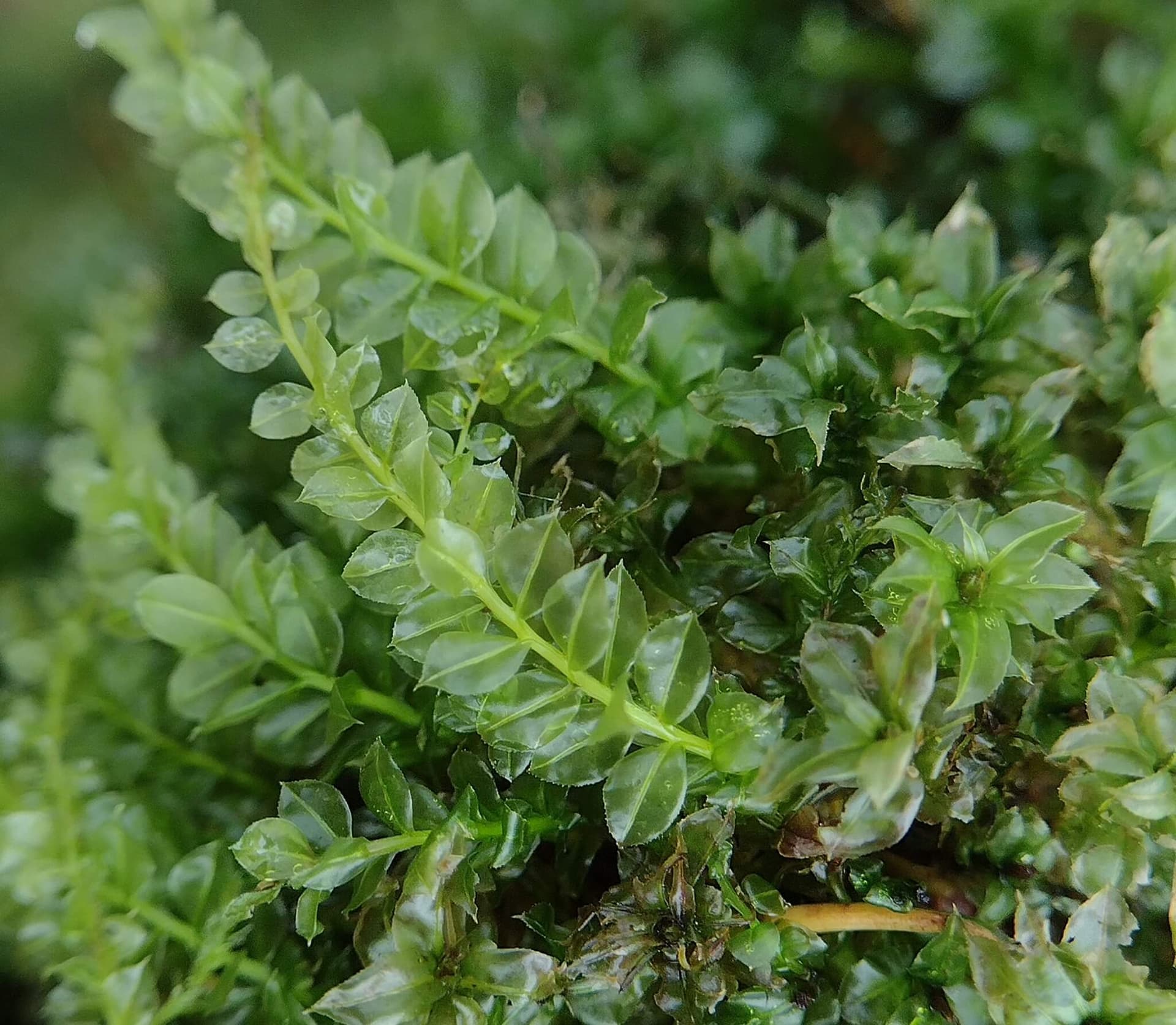
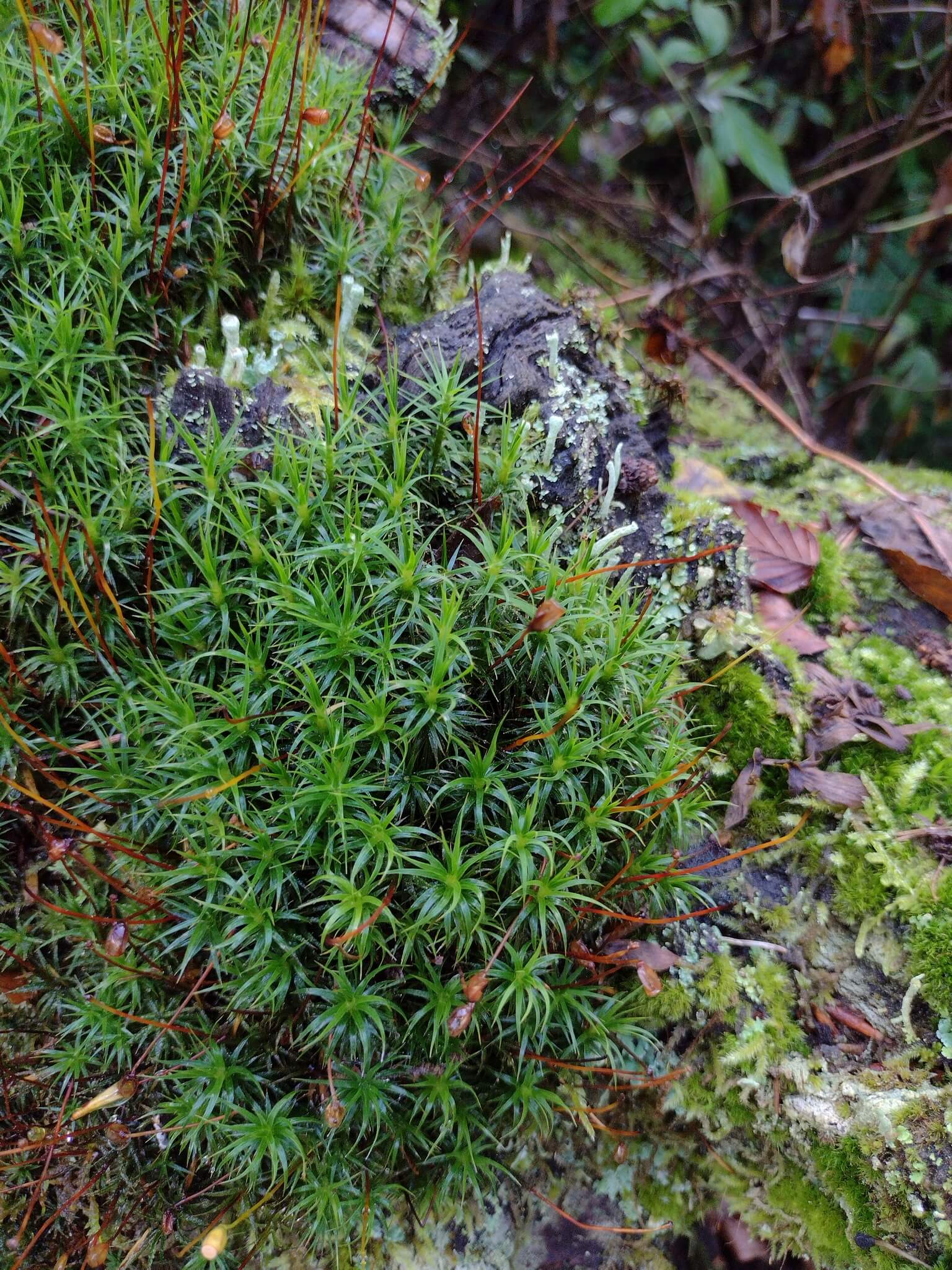
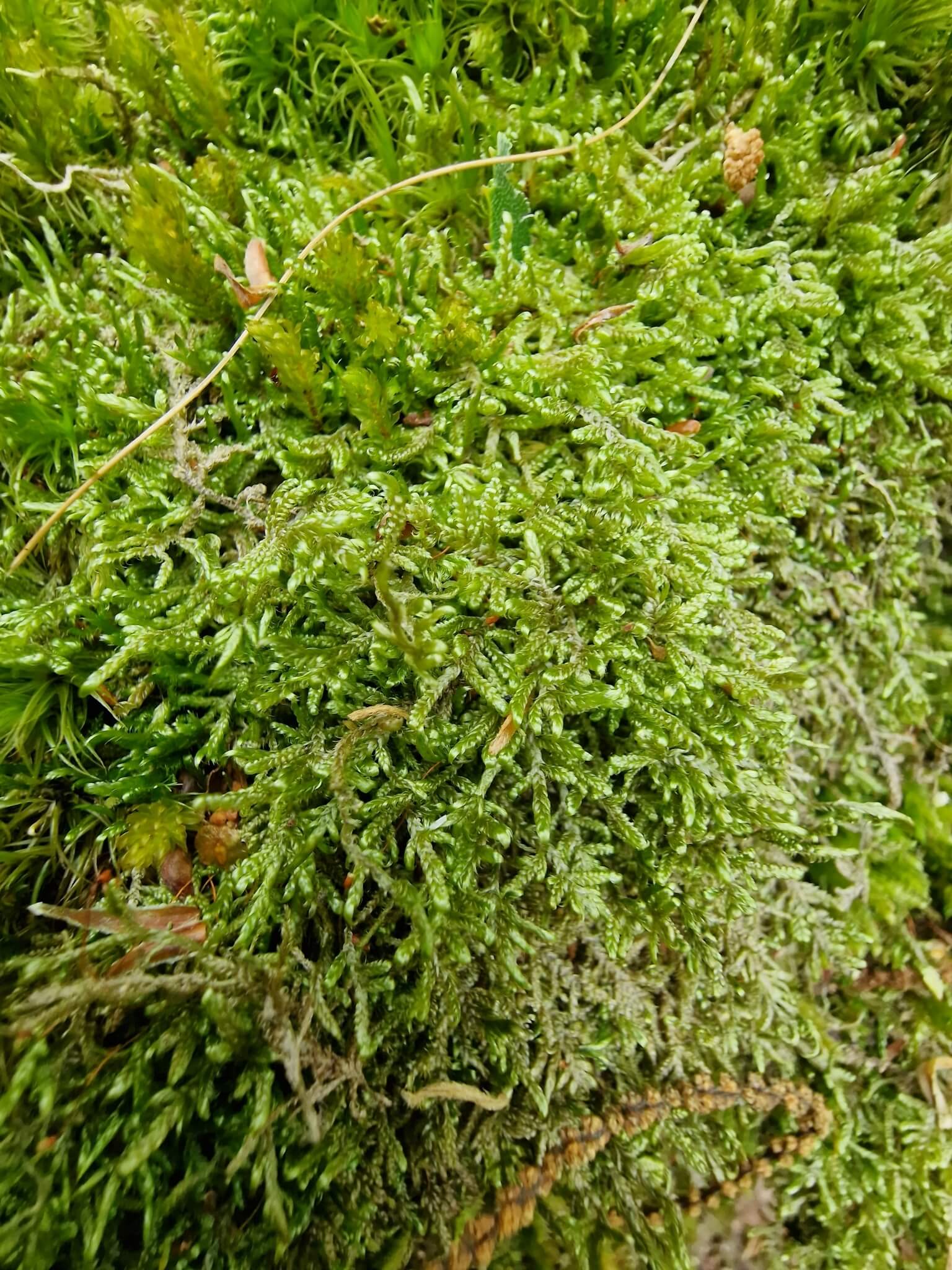
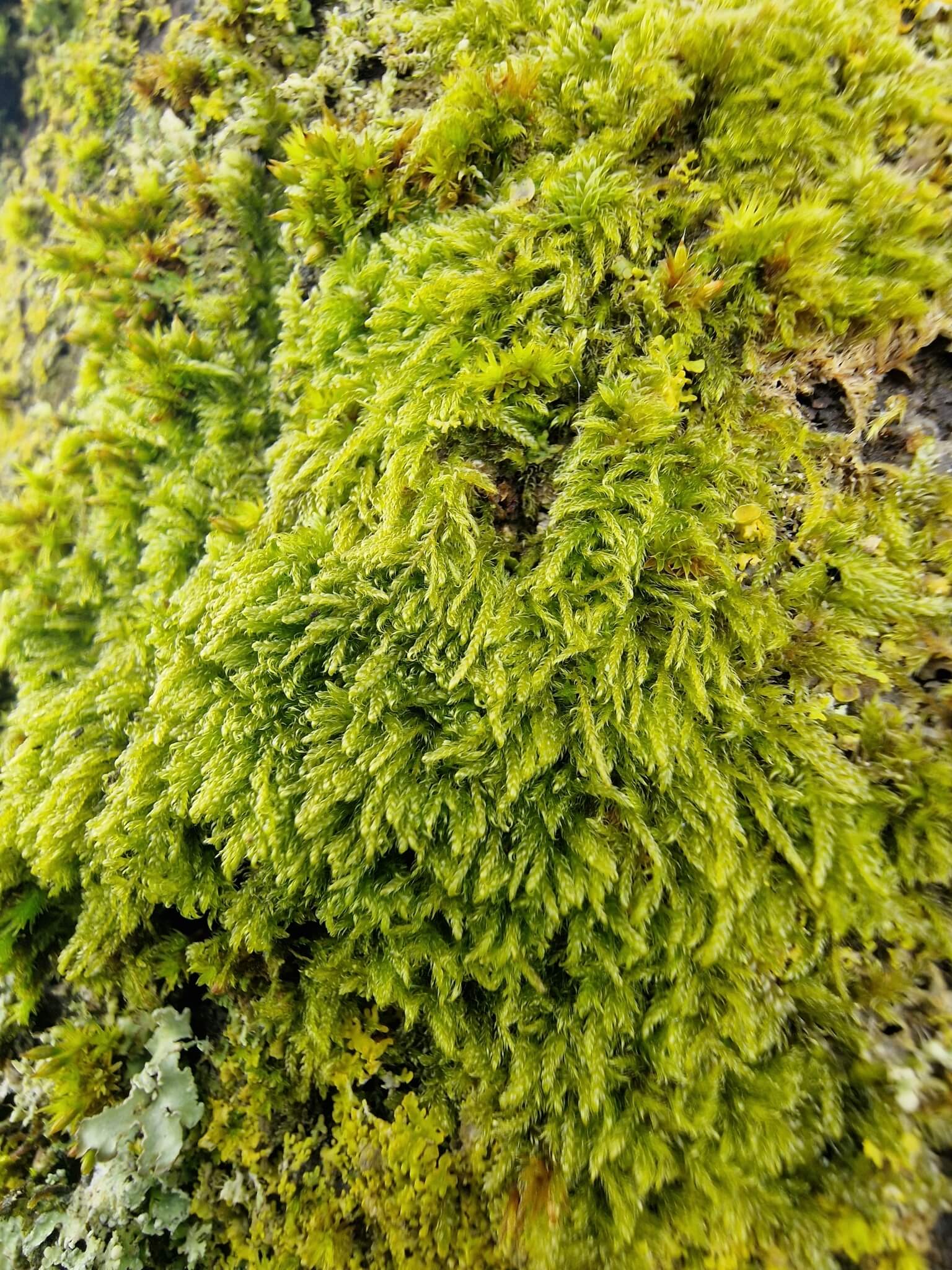
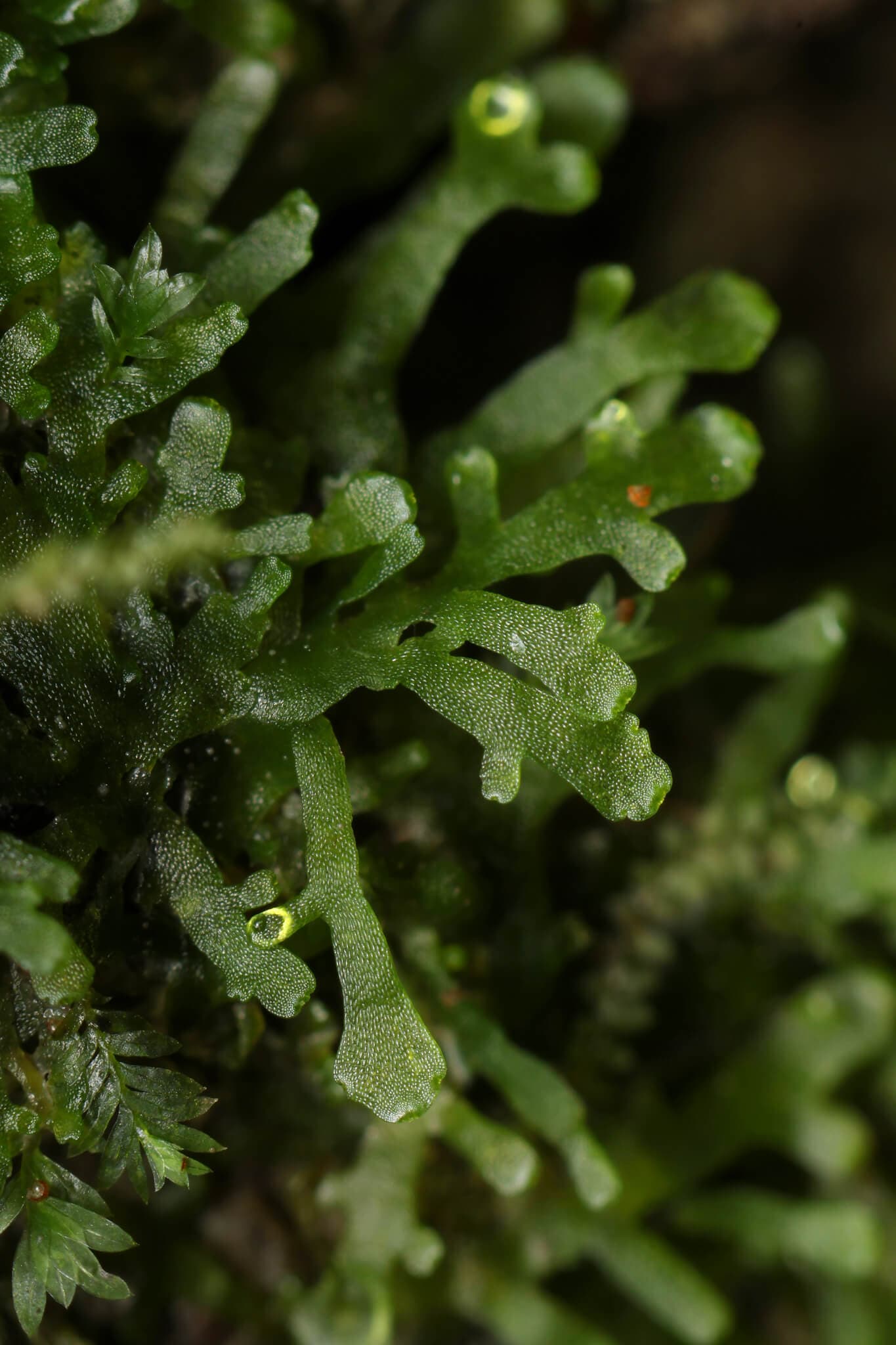
For terrarium builders, Northern Europe's plant offering is unusually strong on the lower groups. Cool, damp, oceanic conditions and a long botanical history — Carl Linnaeus was Swedish, and the Royal Botanic Garden Edinburgh has documented this flora for centuries — have produced exceptionally well-studied bryophyte and fern floras. Specialists like the filmy fern Hymenophyllum wilsonii of Atlantic ravines belong here, and most of the temperate mosses in this catalogue (Hypnum, Dicranum, Polytrichum, and others) draw their core distribution from this region.
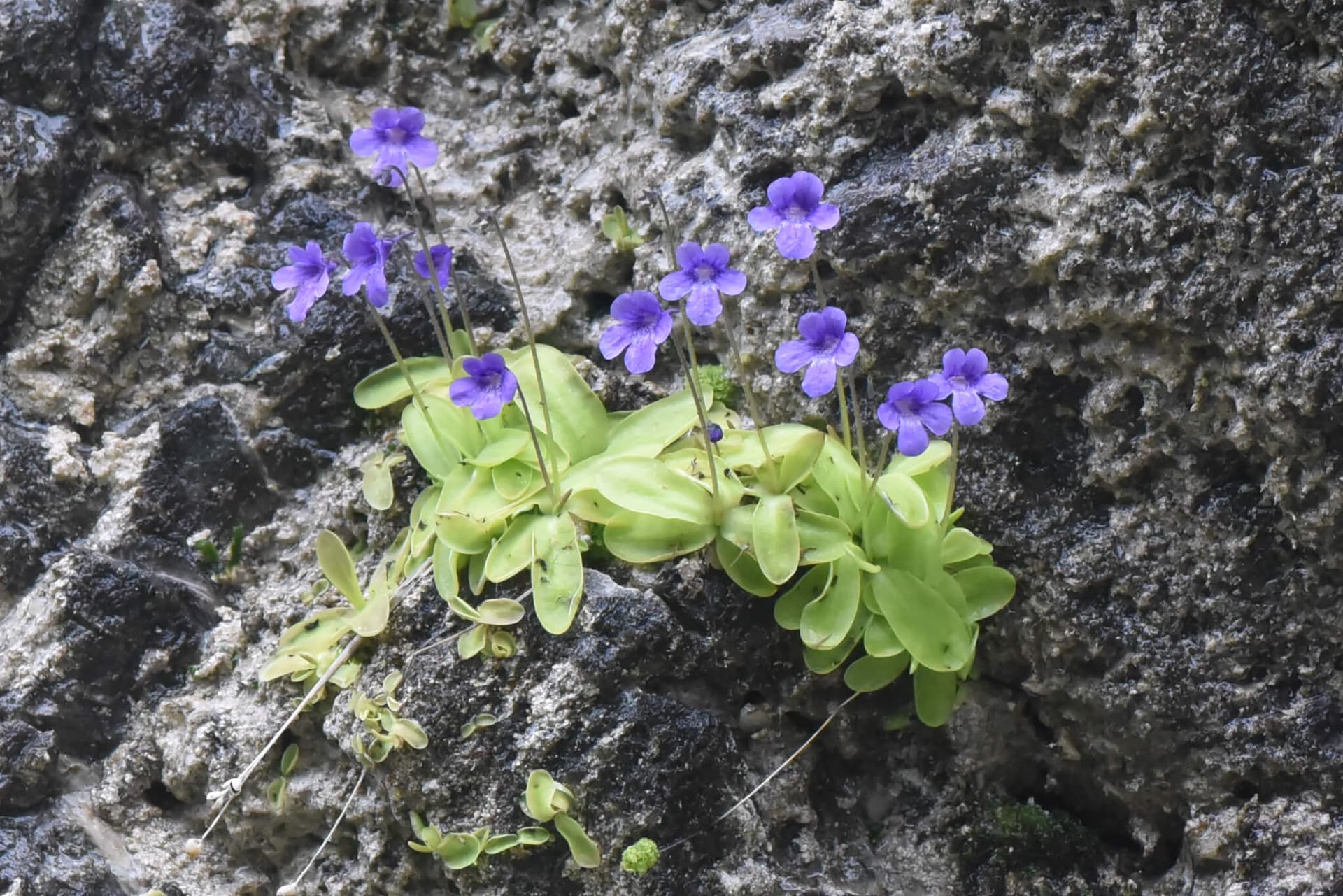
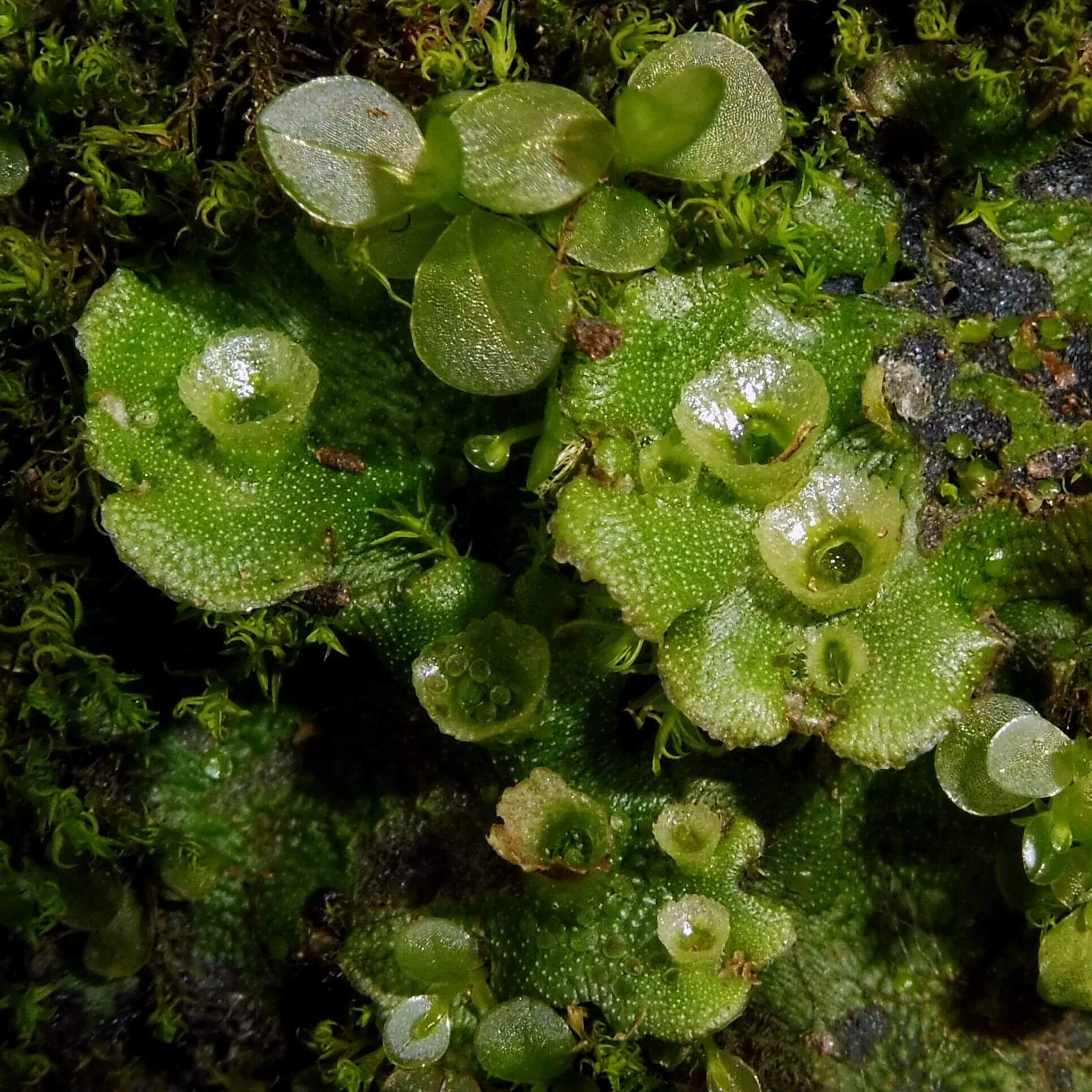
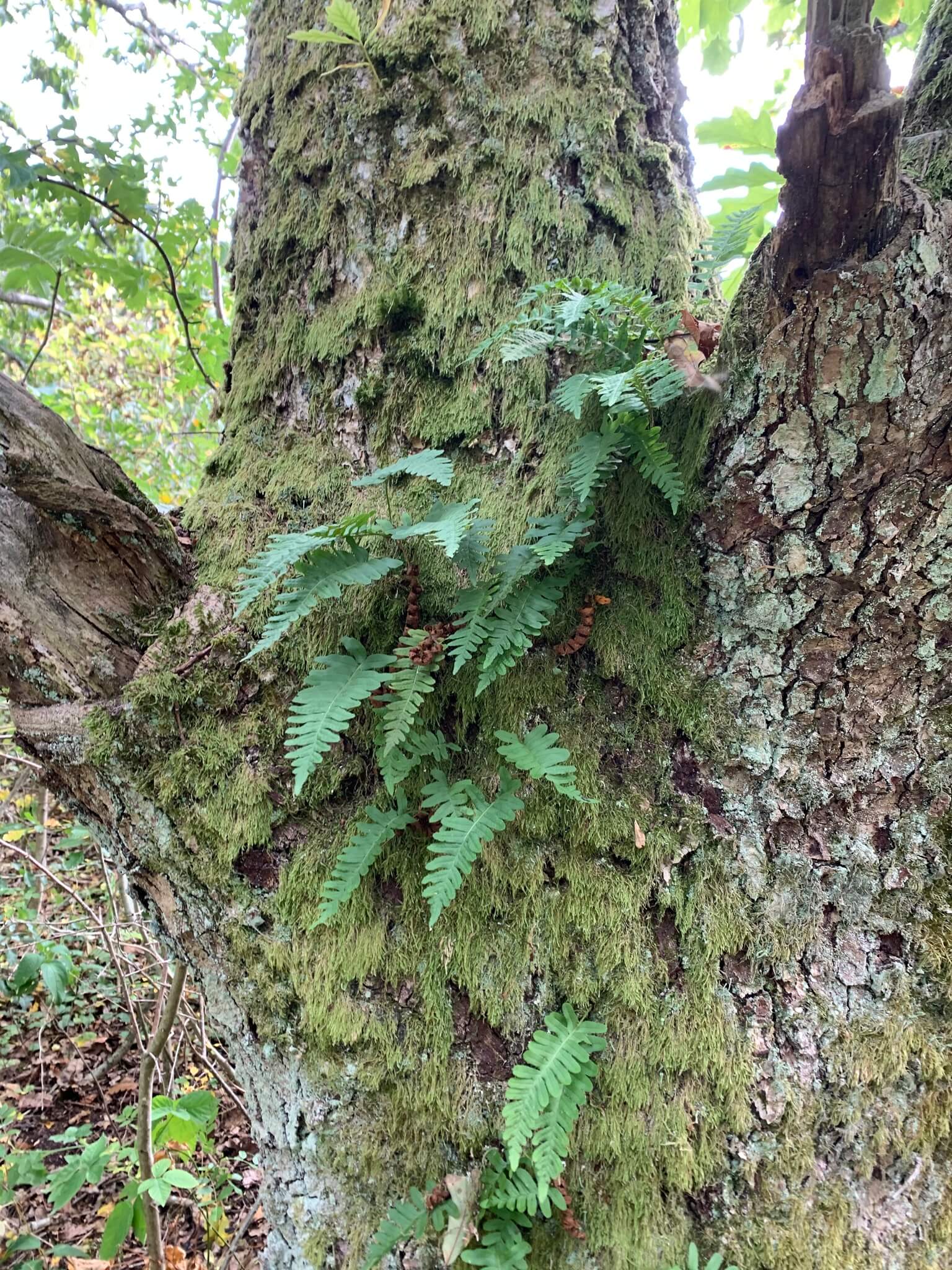
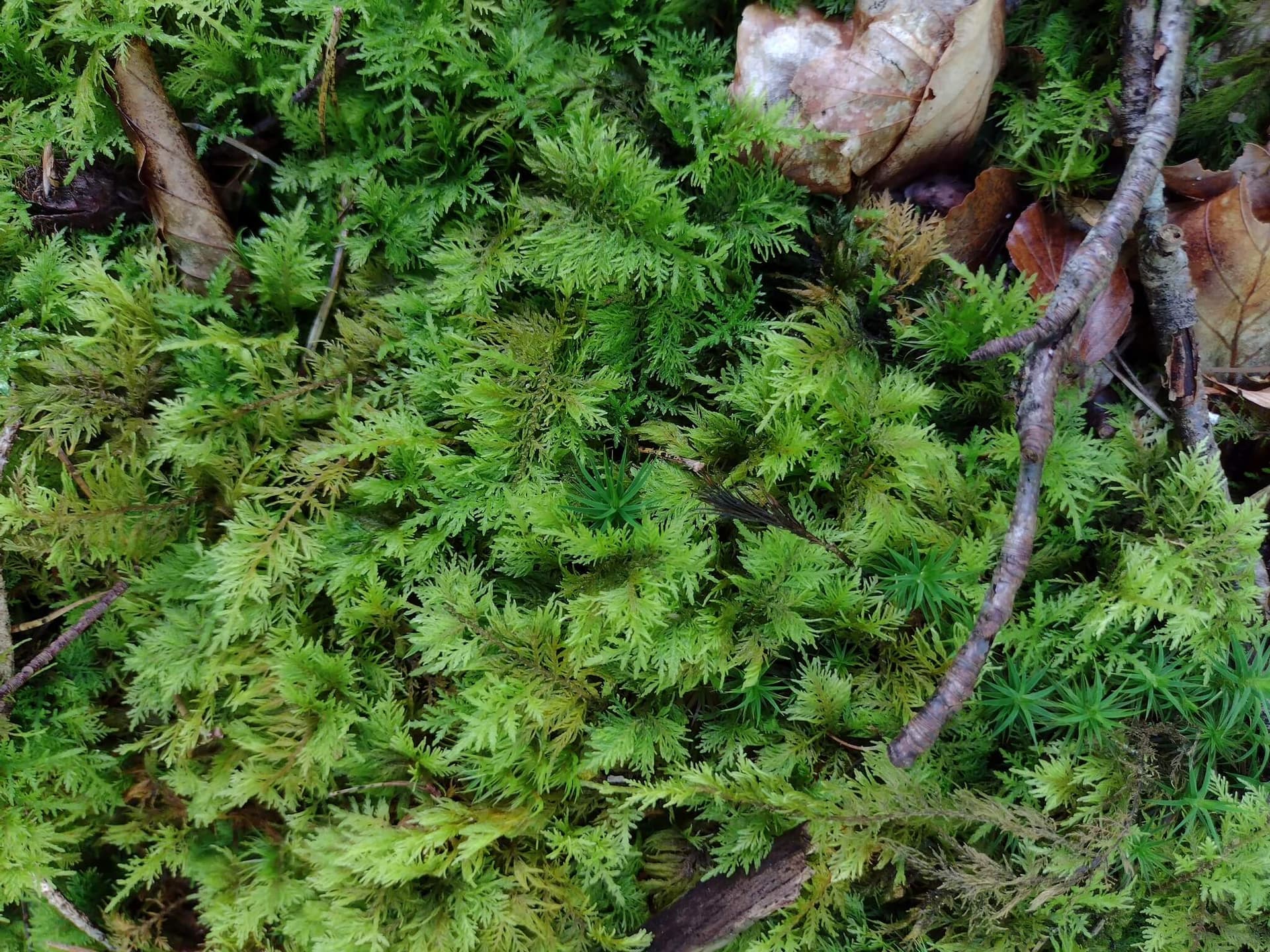
Native to Northern Europe
Explore plants from this region
References
- WikipediaTDWG WGSRPD constituent countries for level-2 code 10 Northern Europe.
- WikipediaGeography, climate zones (Cfb/Dfb/Dfc/ET), Gulf Stream influence, and biome overview.
- WikipediaRegional high point at 2,469 m in Norway's Jotunheimen.
- BritannicaCross-check on Galdhøpiggen as the highest peak in Scandinavia / Northern Europe.
- WikipediaMountain spine of Fennoscandia.