Europe · TDWG Level 2
Middle Europe
Middle Europe stretches from the North Sea coast across the Alps to the Pannonian Plain, covering Germany, Poland, the Czech Republic, Slovakia, Hungary, Austria, Switzerland, the Benelux countries, and Liechtenstein. Its temperate, transitional climate and long botanical history have produced some of the world's best-studied moss, fern, and broadleaf-forest floras.
Middle Europe sits between the maritime Atlantic and the continental interior, in a transitional zone where oceanic and continental air masses meet. The land runs from the flat Dutch and German coastlines, across the broad central plains of Poland and northern Germany, up into the Alps, and east toward the Pannonian Plain of Hungary. Elevation ranges from polders nearly seven metres below sea level in the western Netherlands to the 4,634-metre summit of Dufourspitze in the Swiss Alps. Two of Europe's great rivers — the Rhine and the Danube — define much of the drainage; both rise within the region.
The climate is broadly temperate, mostly Köppen Cfb (oceanic) in the west and Dfb (humid continental) in the east, with cooler alpine zones at altitude and a small humid-subtropical pocket in the Hungarian Plain. Winters are cold but rarely severe in the lowlands, and summers are warm and reliably wet, with a precipitation peak in late summer. This steady moisture is what shapes the region's plant communities.
The dominant biome is temperate broadleaf and mixed forest, with European beech (Fagus sylvatica) as the keystone tree across the lowlands and lower mountain slopes. Higher elevations transition to Norway spruce and silver fir, then to dwarf-pine krummholz and alpine meadow above the treeline. The Pannonian Basin holds the western edge of the Eurasian steppe — open grasslands known locally as puszta. Wetlands run through the system: raised bogs in the Polish and Czech uplands, floodplain forests along the major rivers, and the brackish Wadden Sea along the North Sea coast.
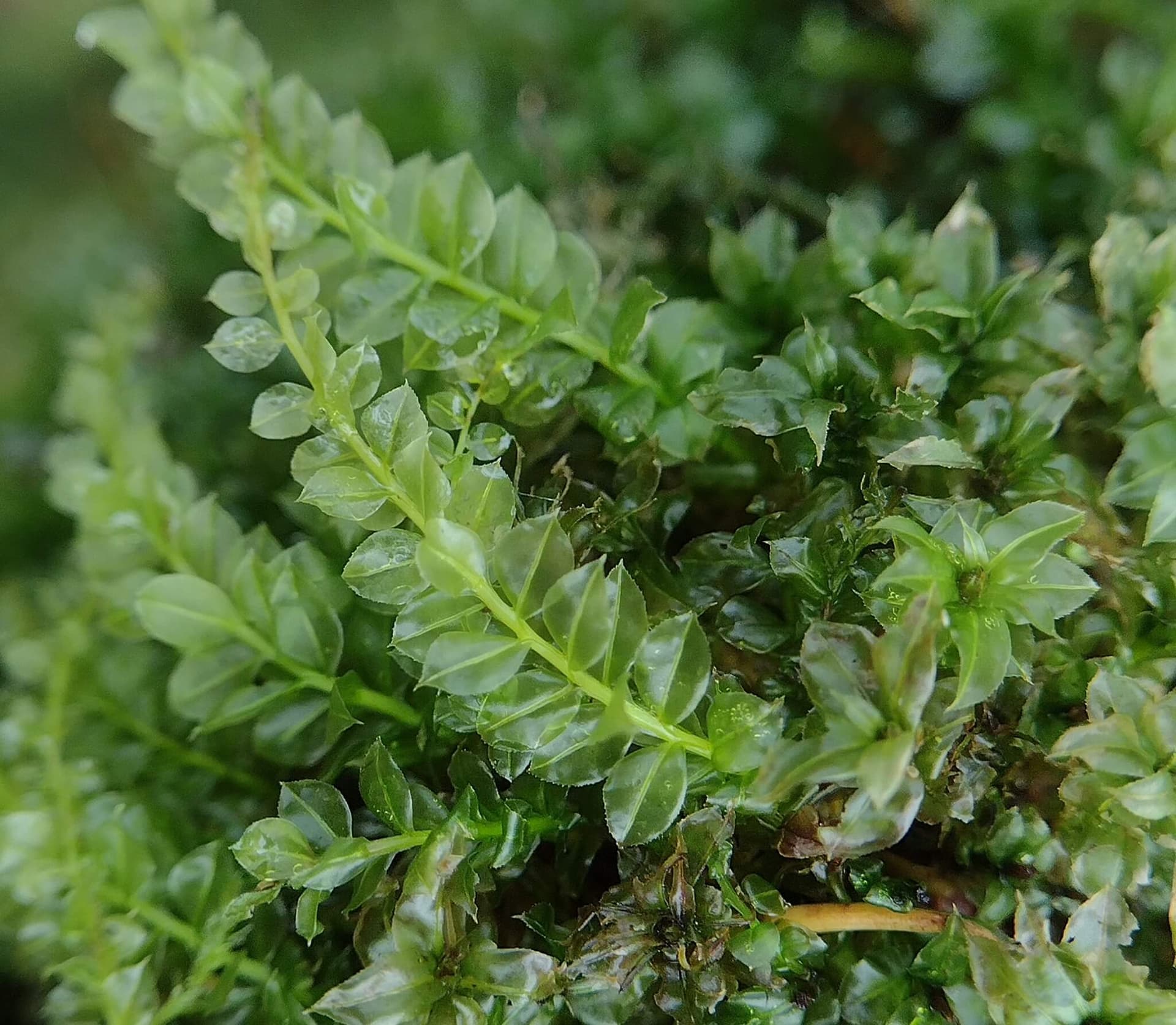
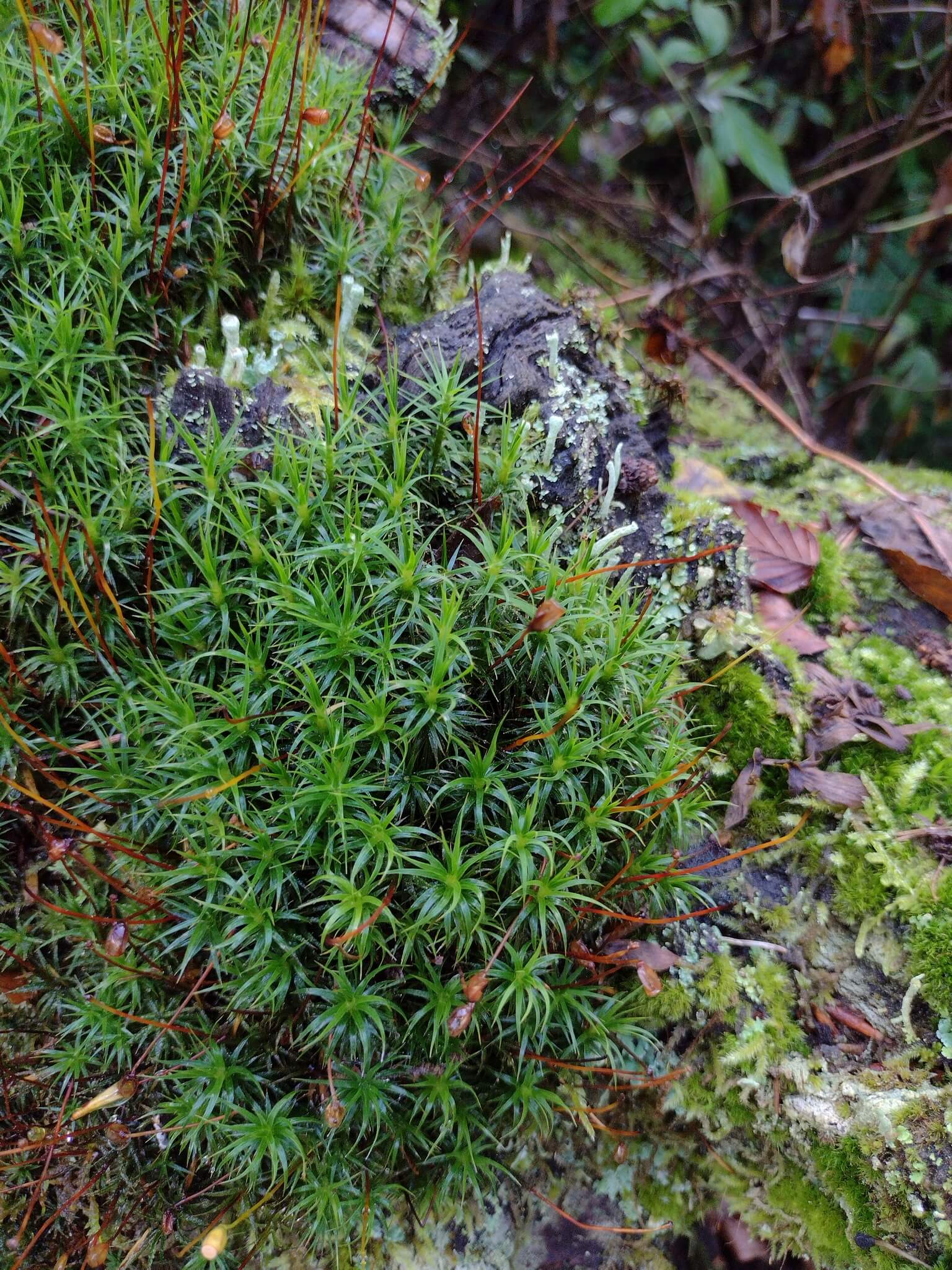
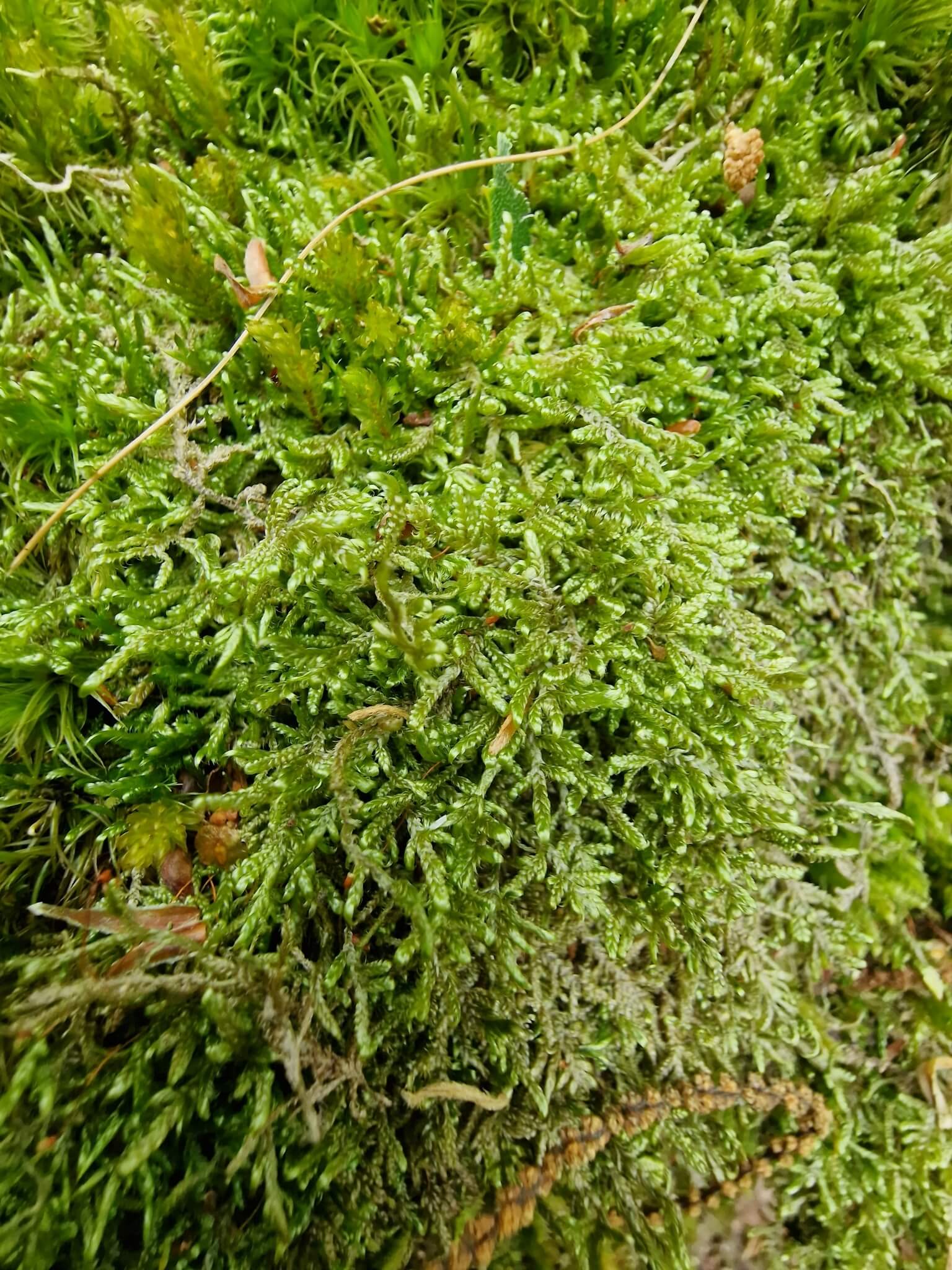
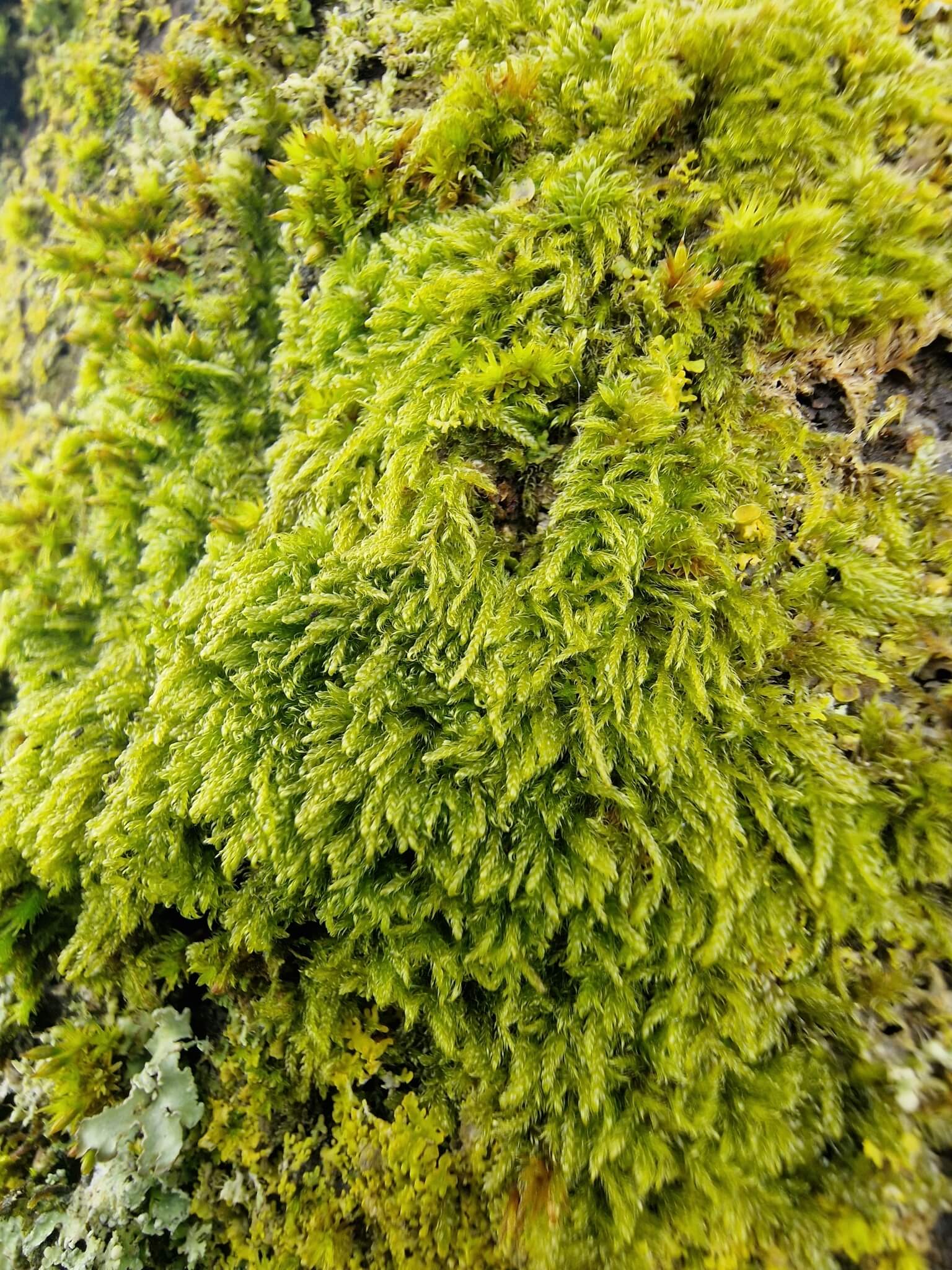
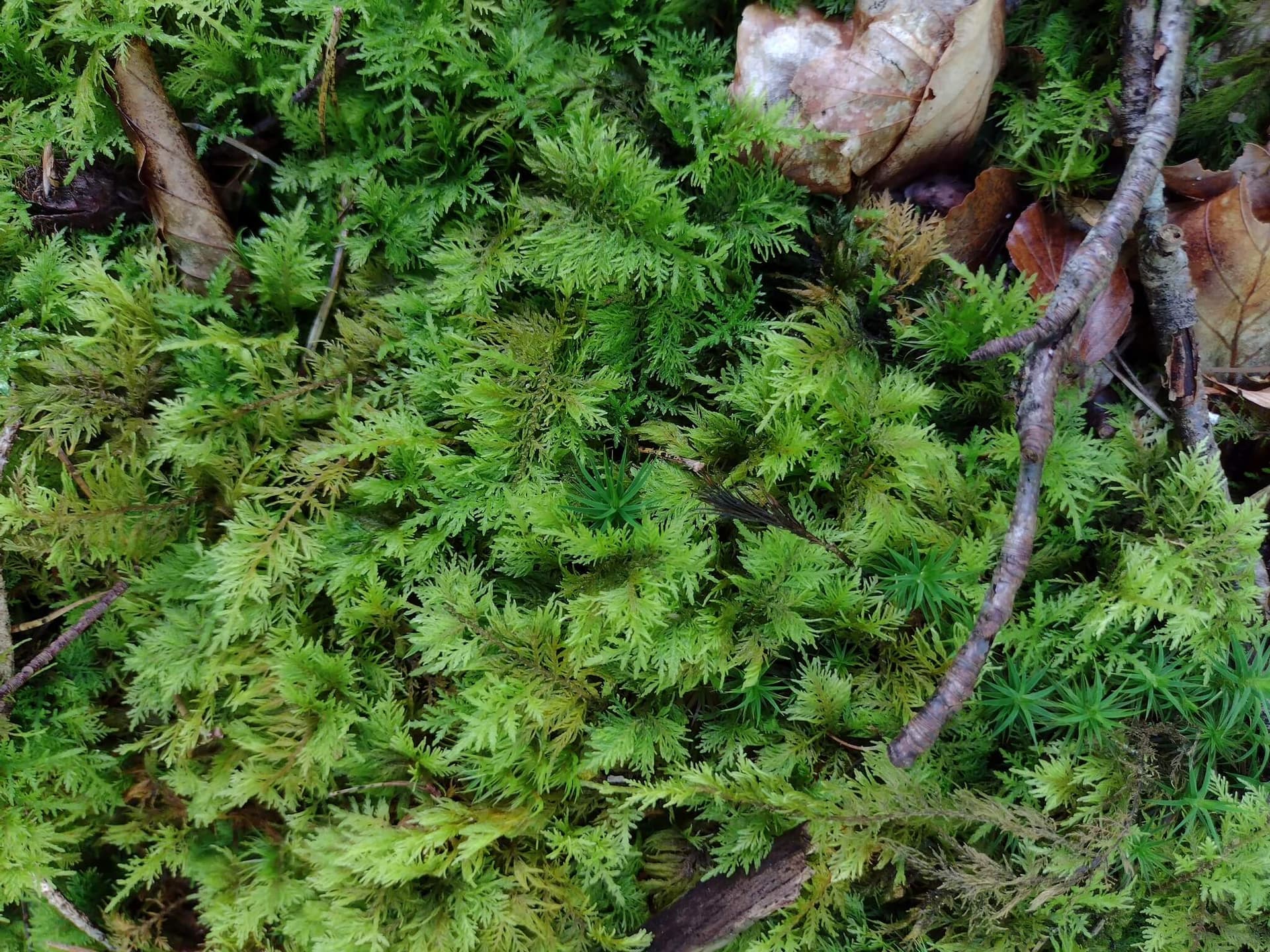
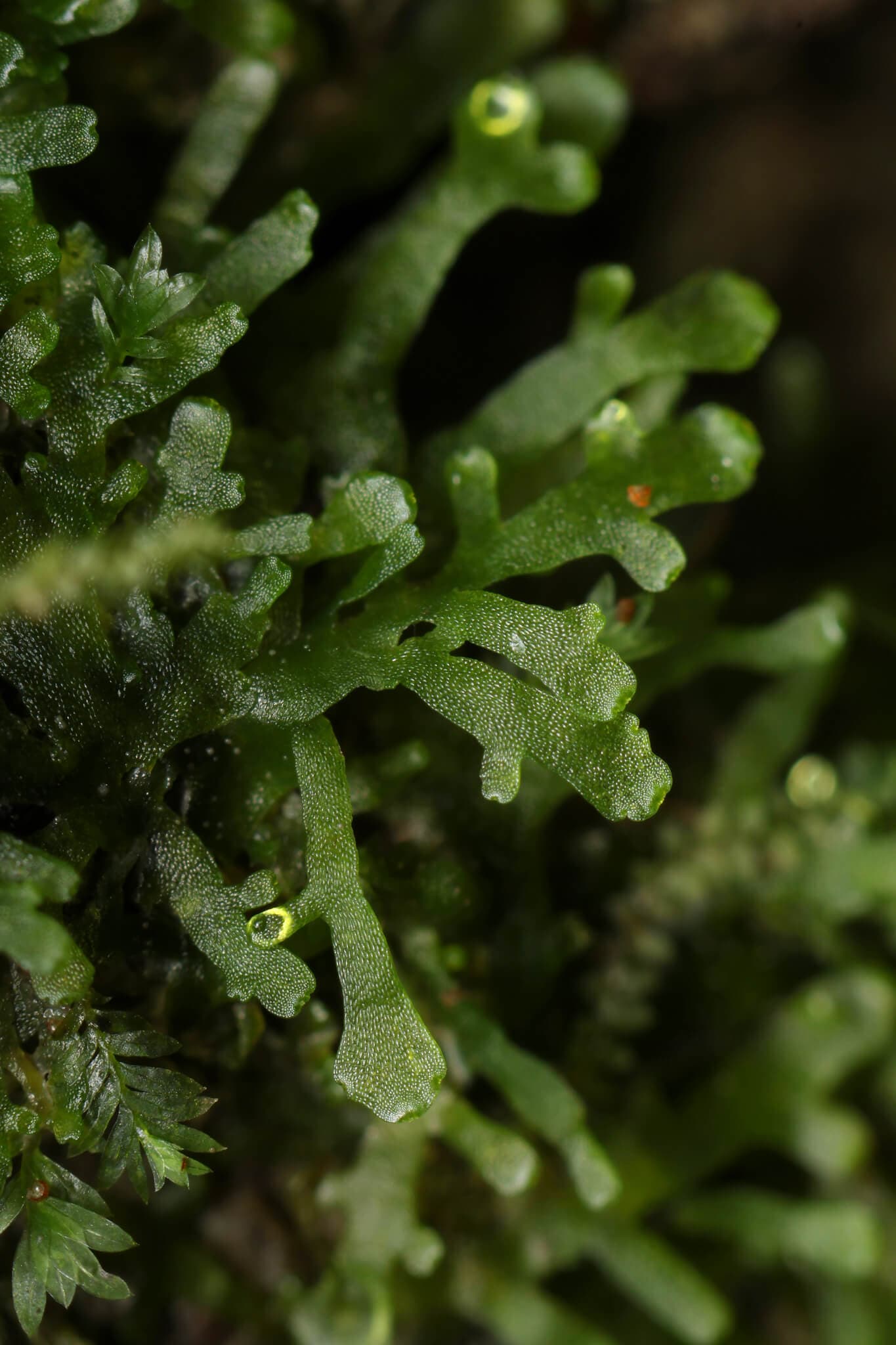
For terrarium builders, Middle Europe's most relevant contribution is its bryophyte and fern flora. The damp, shaded floor of a Central European beech forest is the natural habitat of many of the temperate mosses in this catalogue — Hypnum cupressiforme, several Polytrichum and Dicranum species, Plagiomnium cuspidatum — together with common temperate ferns such as Dryopteris affinis. These plants are adapted to cool, humid, low-light conditions and work well in cooler-running setups.
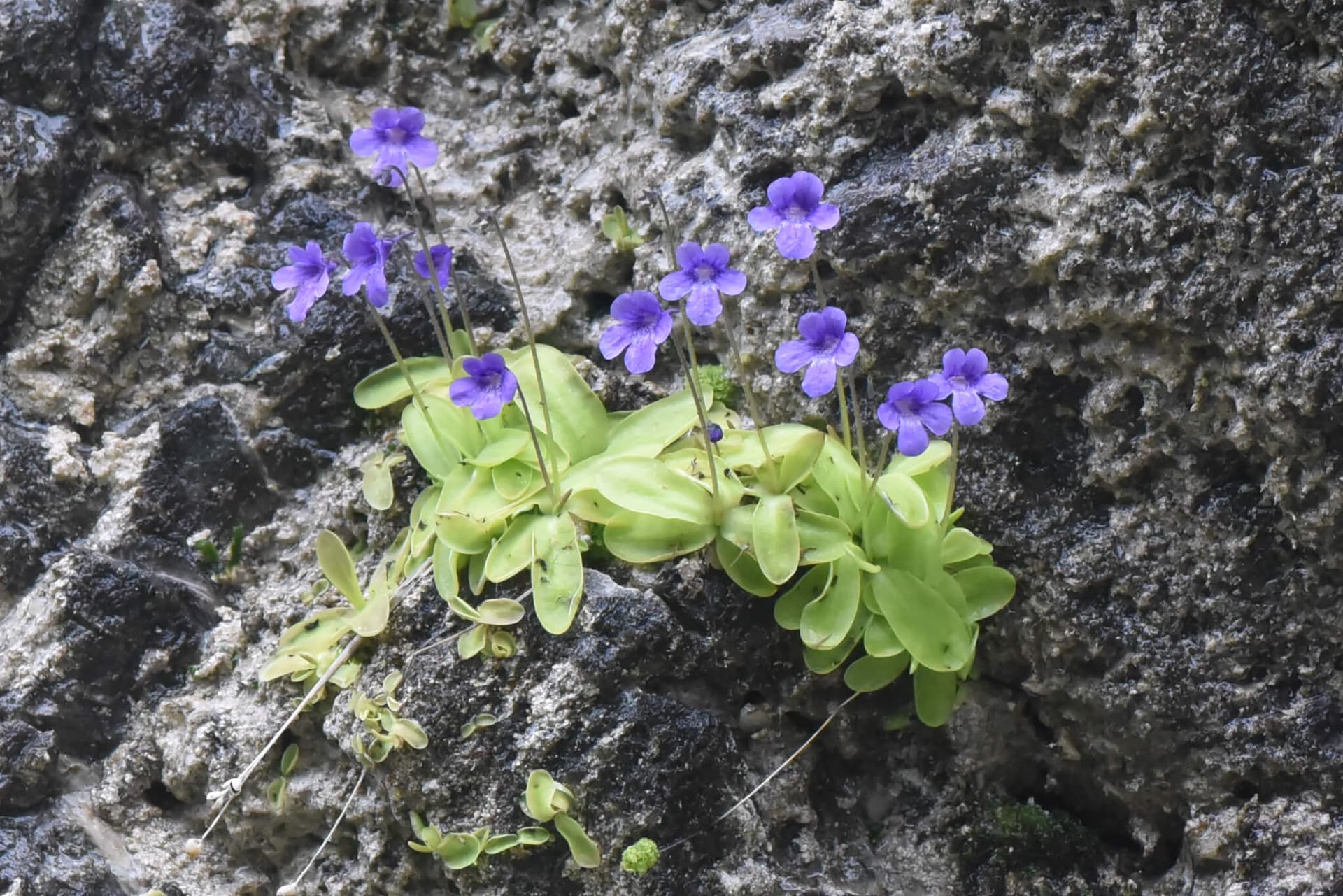
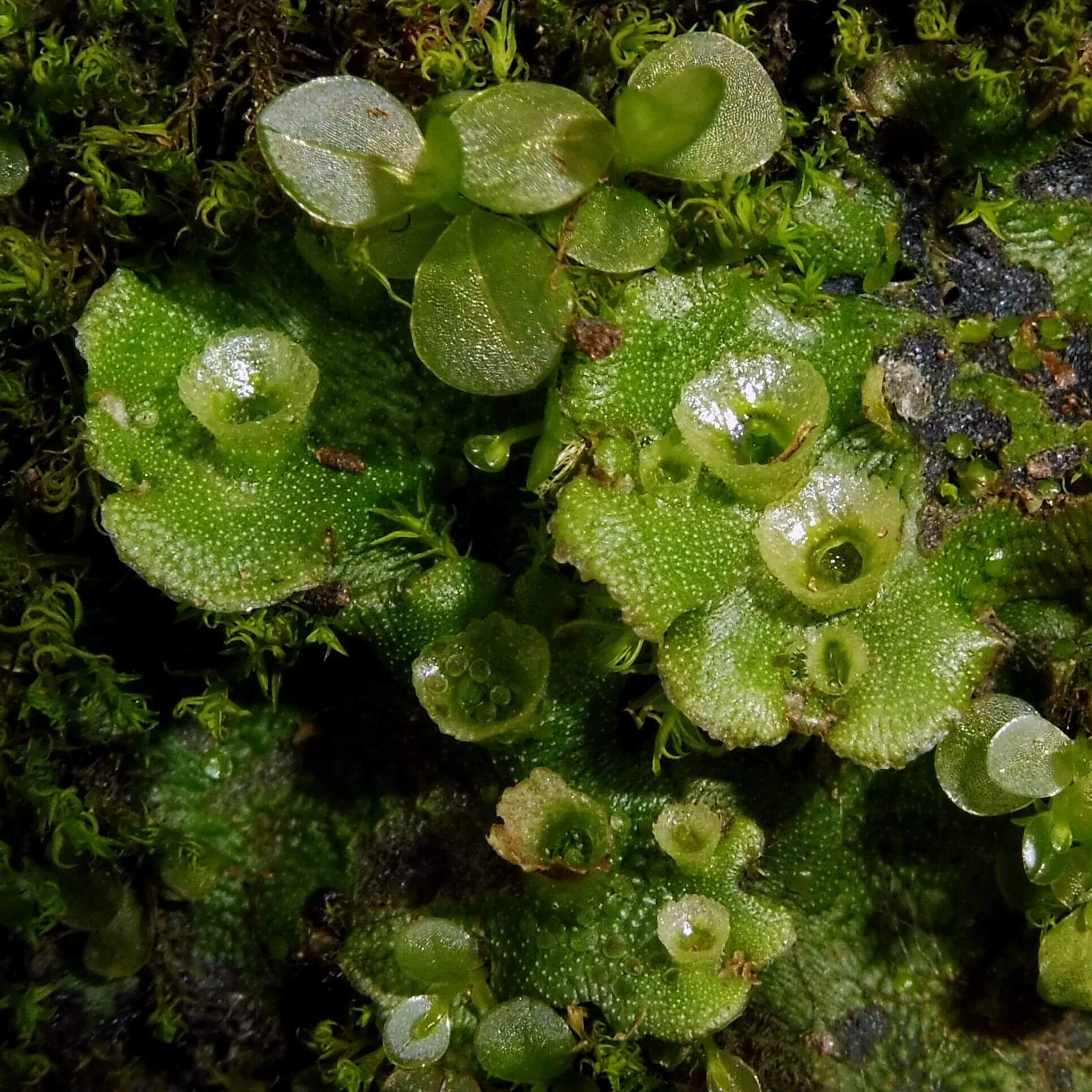
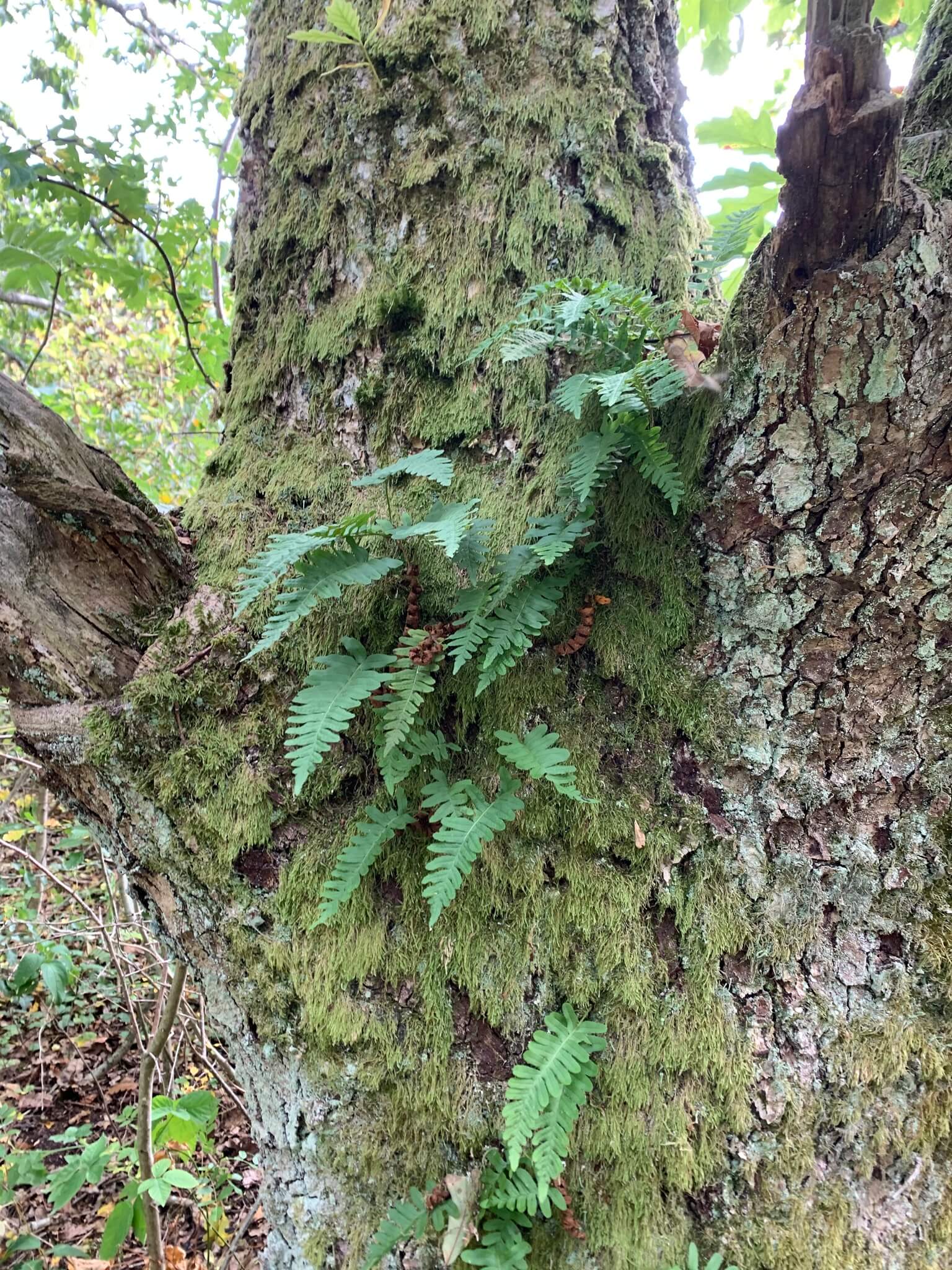
Native to Middle Europe
Explore plants from this region
References
- WikipediaTDWG WGSRPD constituent countries for level-2 code 11 Middle Europe.
- WikipediaMountain ranges, rivers, Pannonian Basin context.
- WikipediaAlpine area and elevation reference.
- WikipediaHighest summit within TDWG Middle Europe (Switzerland), 4,634 m.
- WikipediaLowest land elevation in the region, −6.76 m below sea level.
- Encyclopedia BritannicaCentral European transitional climate description.