Europe · TDWG Level 2
Eastern Europe
Eastern Europe runs from the Baltic States, Belarus, and Ukraine across European Russia to the Ural Mountains — by far the largest of Europe's TDWG regions. Vast lowland plains carry a single continuous sweep of biomes, from Arctic tundra in the far north through taiga, mixed forest, and forest-steppe to true steppe and semi-desert at the Caspian Sea.
Eastern Europe is shaped by space and flatness. The region covers close to five million square kilometres — nearly half the continent — and is dominated by the East European Plain, one of the world's largest unbroken lowlands. Its eastern edge is the Ural Mountains, a long worn-down ridge that marks the conventional border with Asia and reaches its high point at Mount Narodnaya (1,894 metres) in the Komi Republic. The lowest land in Europe sits at the other extreme: the Caspian Depression, around 28 metres below sea level, where the Volga delta meets the sea. The Volga itself is the longest river in Europe, draining roughly 1.38 million square kilometres of the plain.
Climate is continental and follows latitude with textbook clarity. Köppen Dfb (humid continental) covers the central belt — the Baltic States, Belarus, central Russia. Dfc (subarctic) takes over to the north, ET (tundra) at the Arctic coast, and BSk (cold steppe) along the lower Volga and northern Caspian shore. Winters are long and cold across most of the region; summers are short but warm enough for productive grain farming in the south.
The biomes run as parallel belts. Tundra and forest-tundra at the Arctic edge give way to taiga — the world's largest forest zone — built on Norway spruce, Scots pine, Siberian larch, and downy birch. South of the taiga comes a band of temperate broadleaf and mixed forest dominated by pedunculate oak (Quercus robur), lime, and elm. This grades through forest-steppe into the open Pontic–Caspian steppe of southern Ukraine and southern Russia, historically dominated by feather grasses (Stipa) and a rich meadow flora. Wetlands run through the system, most notably the Polesie marshes along the Pripyat — one of Europe's largest mire systems — and the Volga delta on the Caspian.
Botanical study here has deep roots. The Komarov Botanical Institute in St Petersburg, founded in 1714 by Peter the Great, runs one of the world's largest herbaria and was the long-time hub for documenting Northern Eurasian flora.
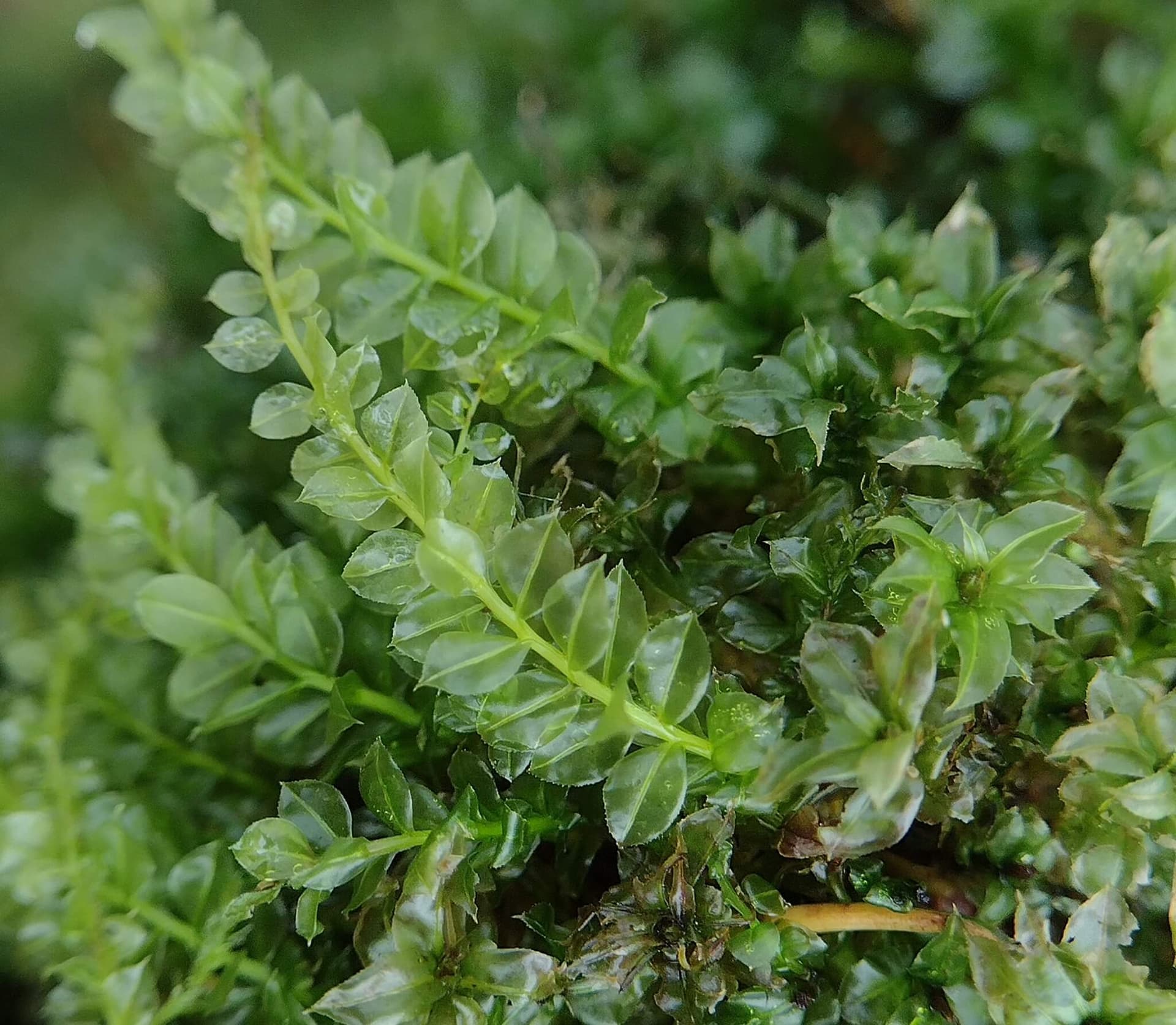
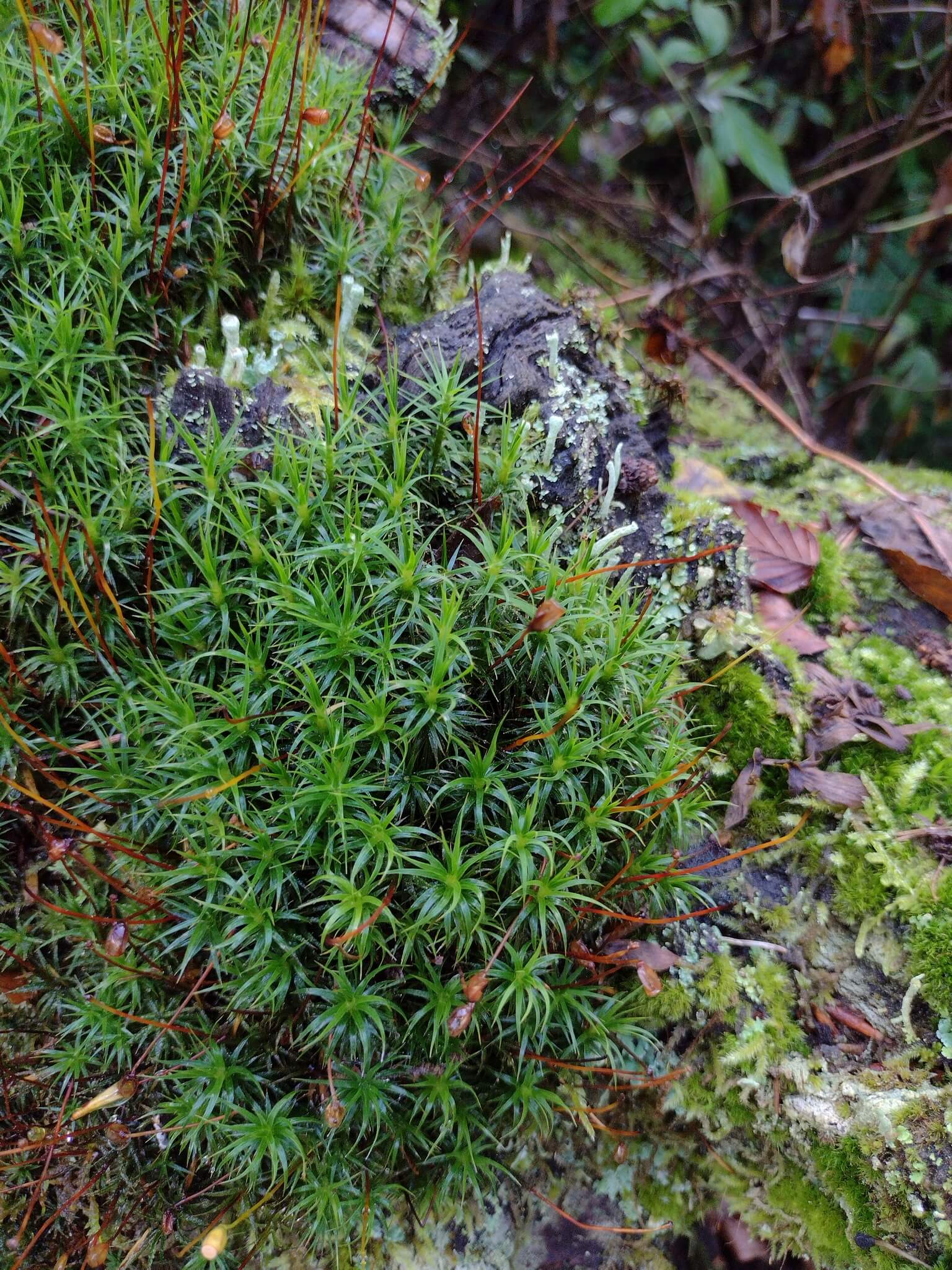
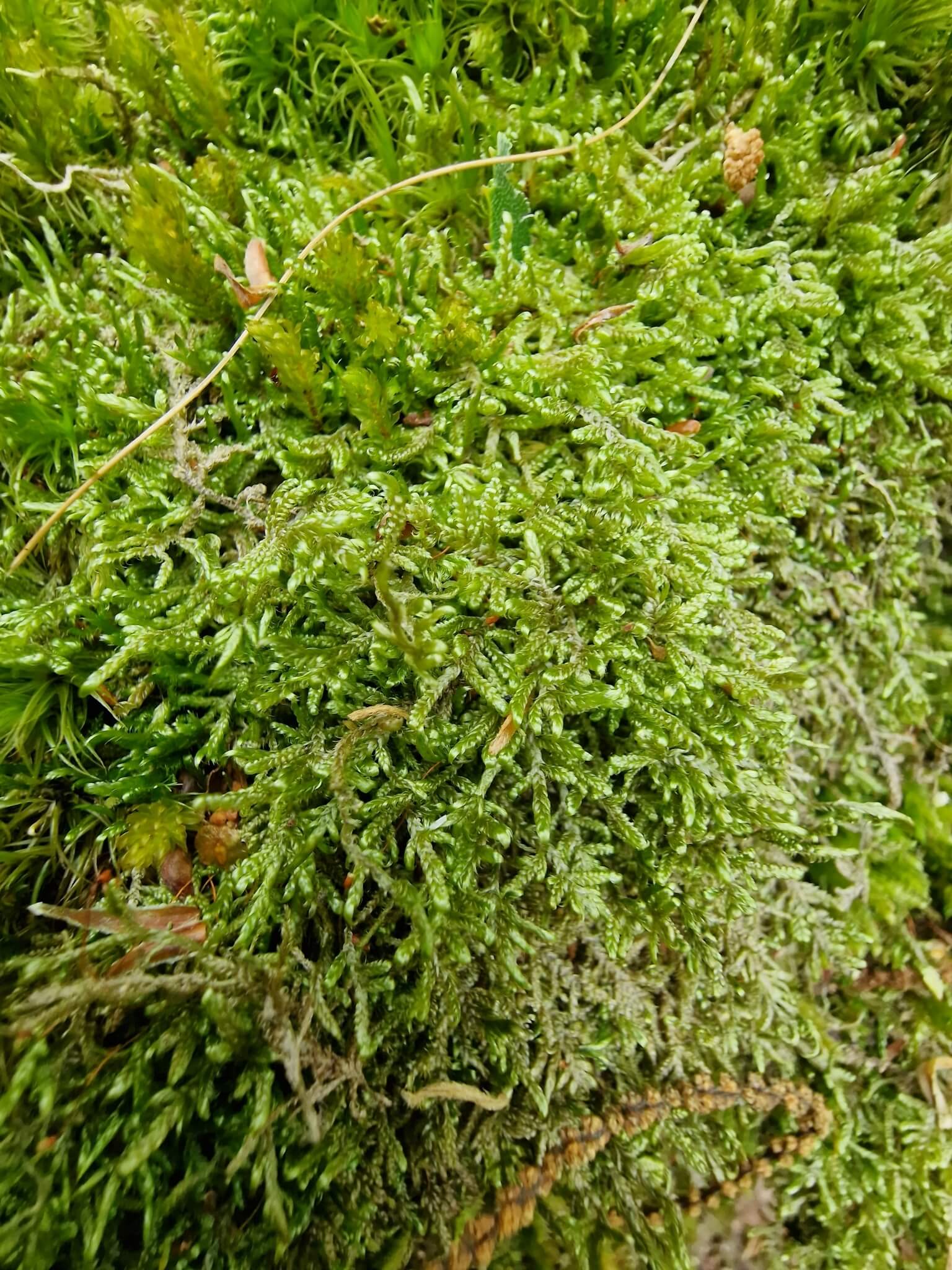
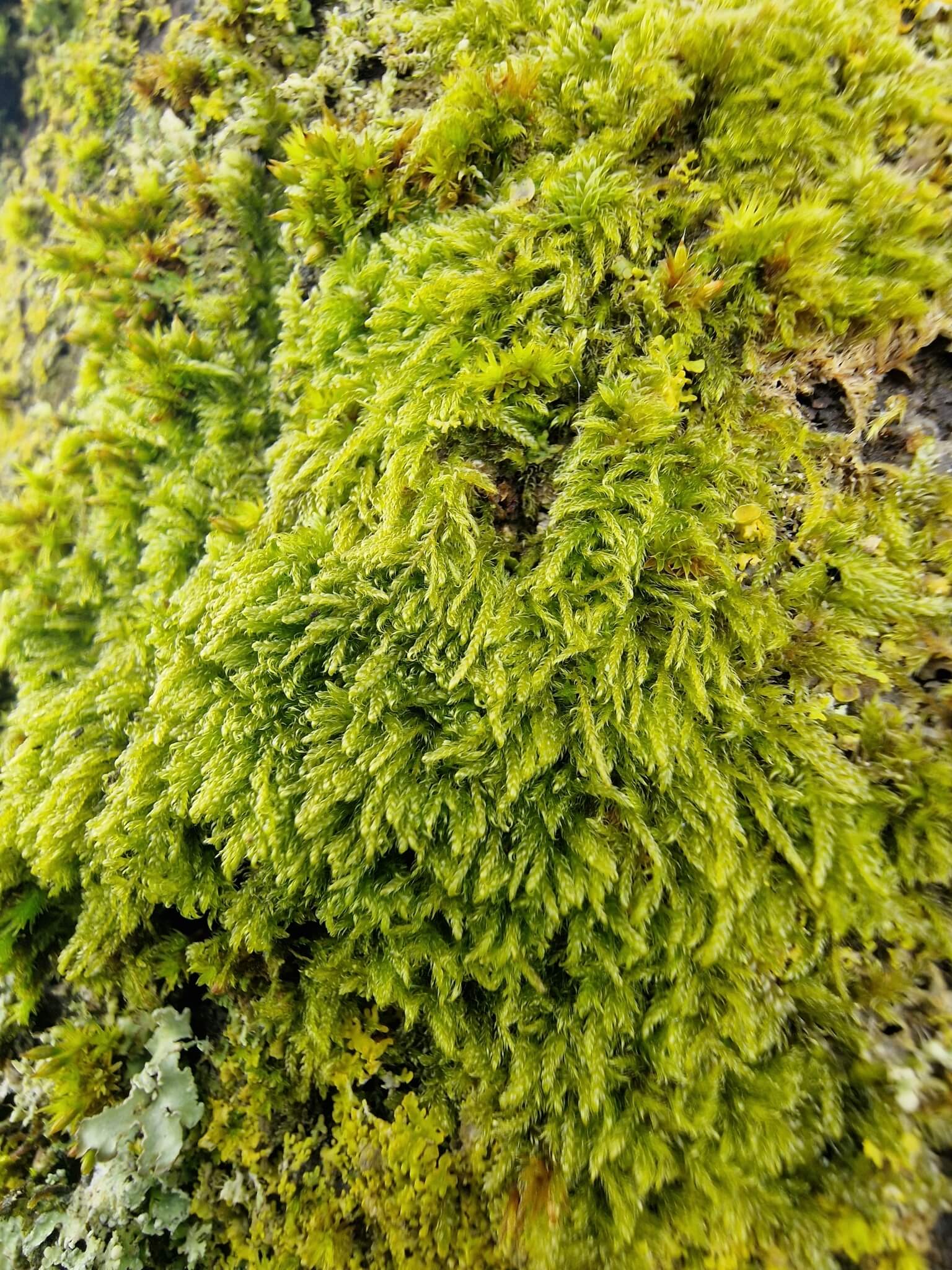
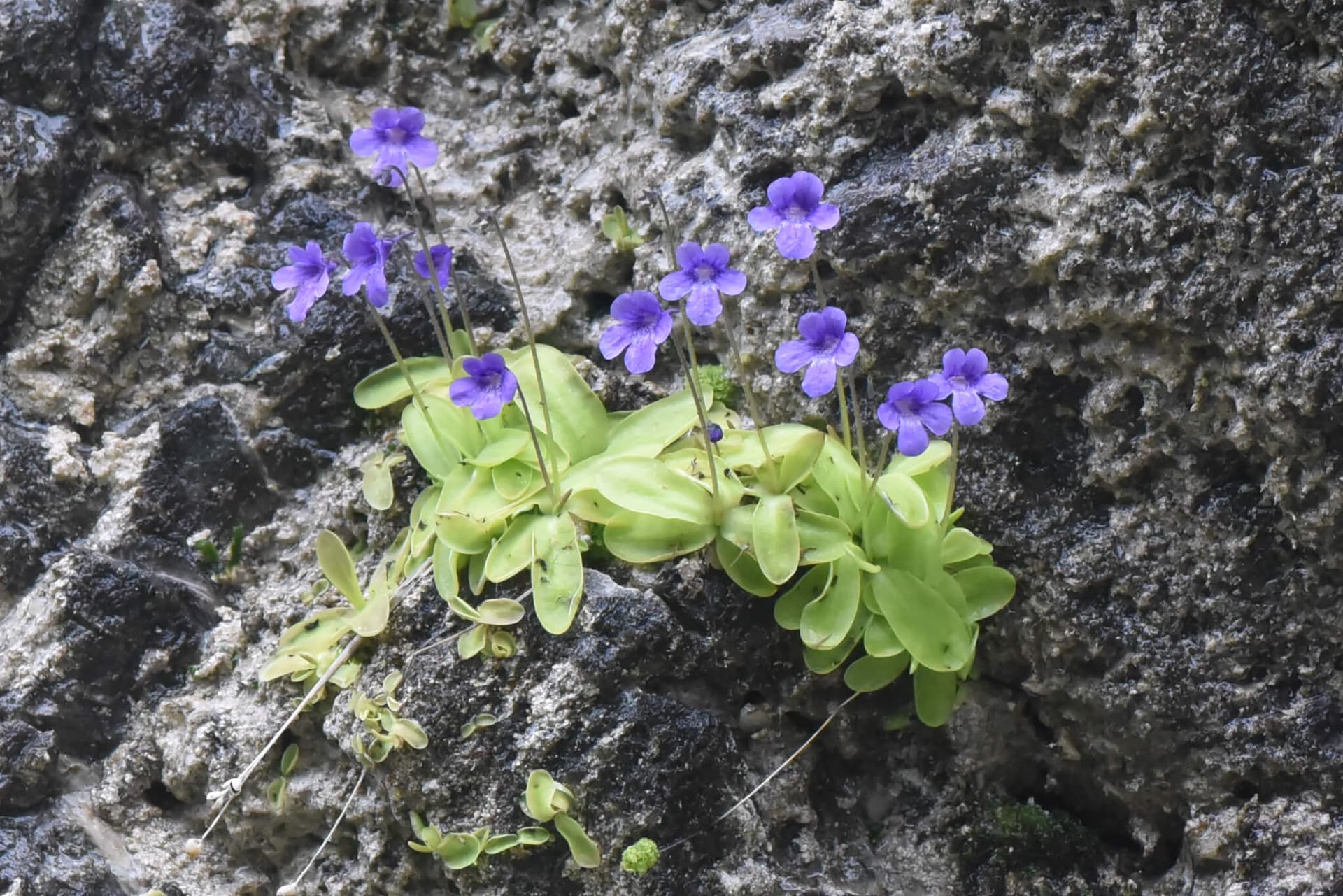
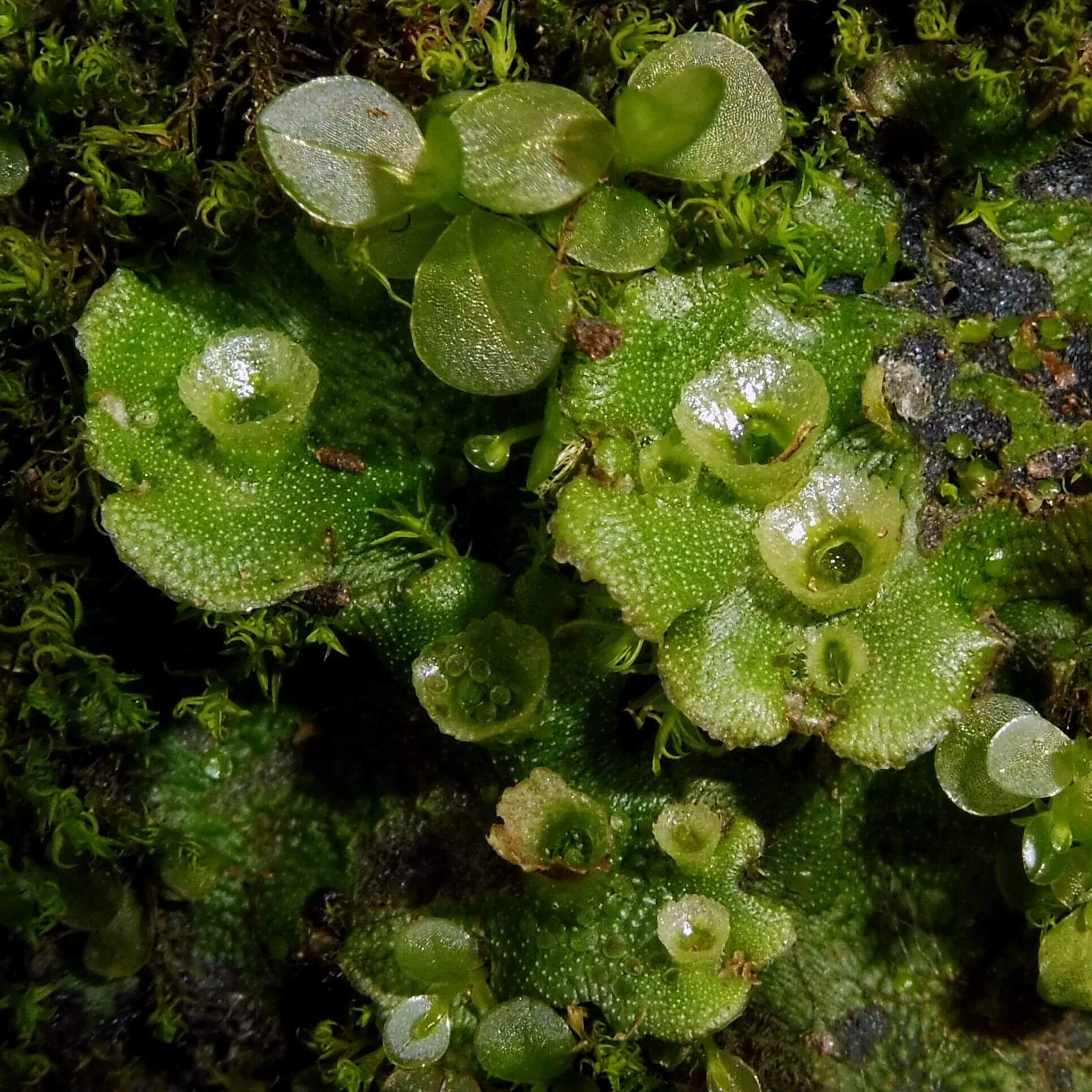
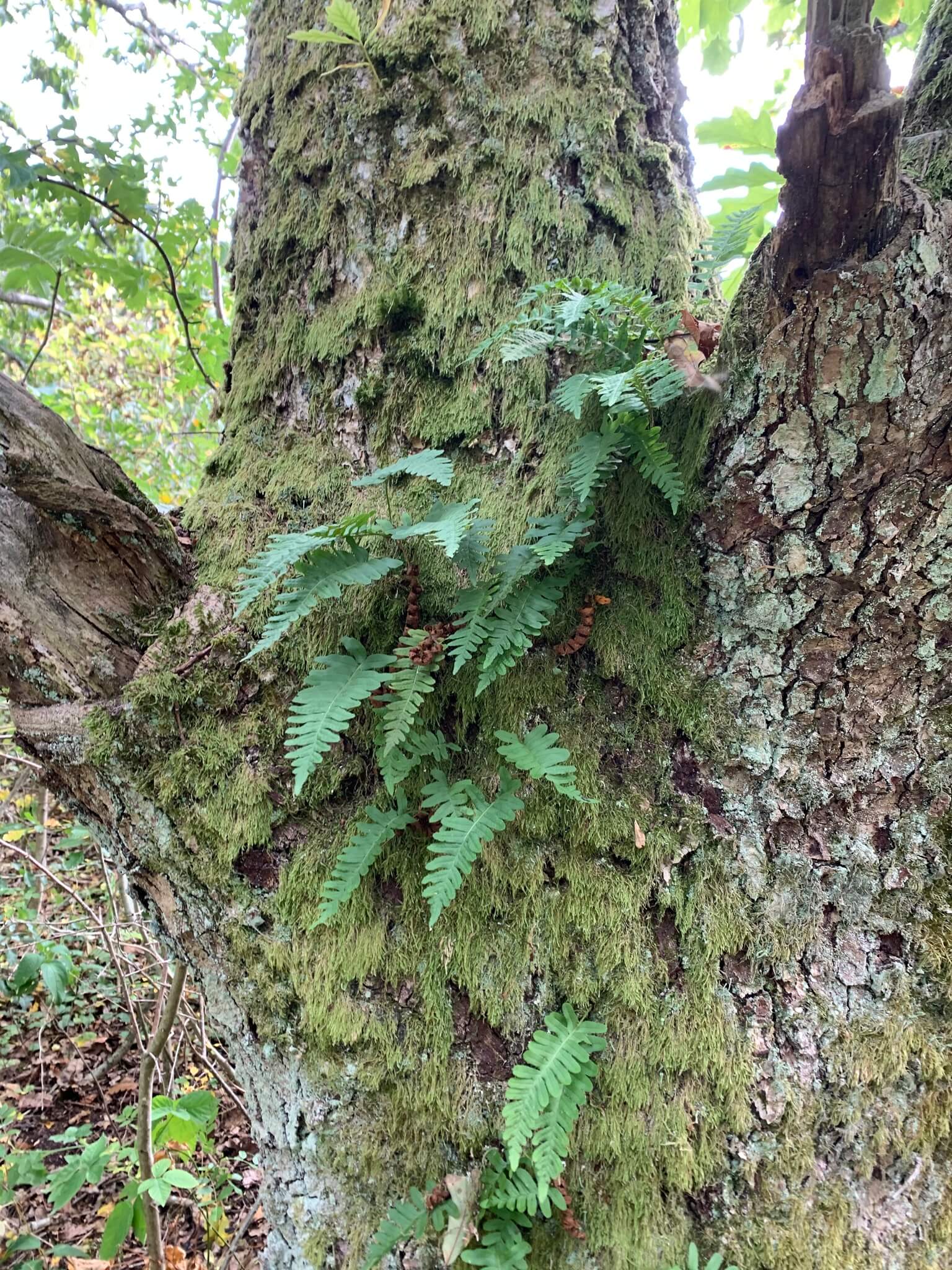
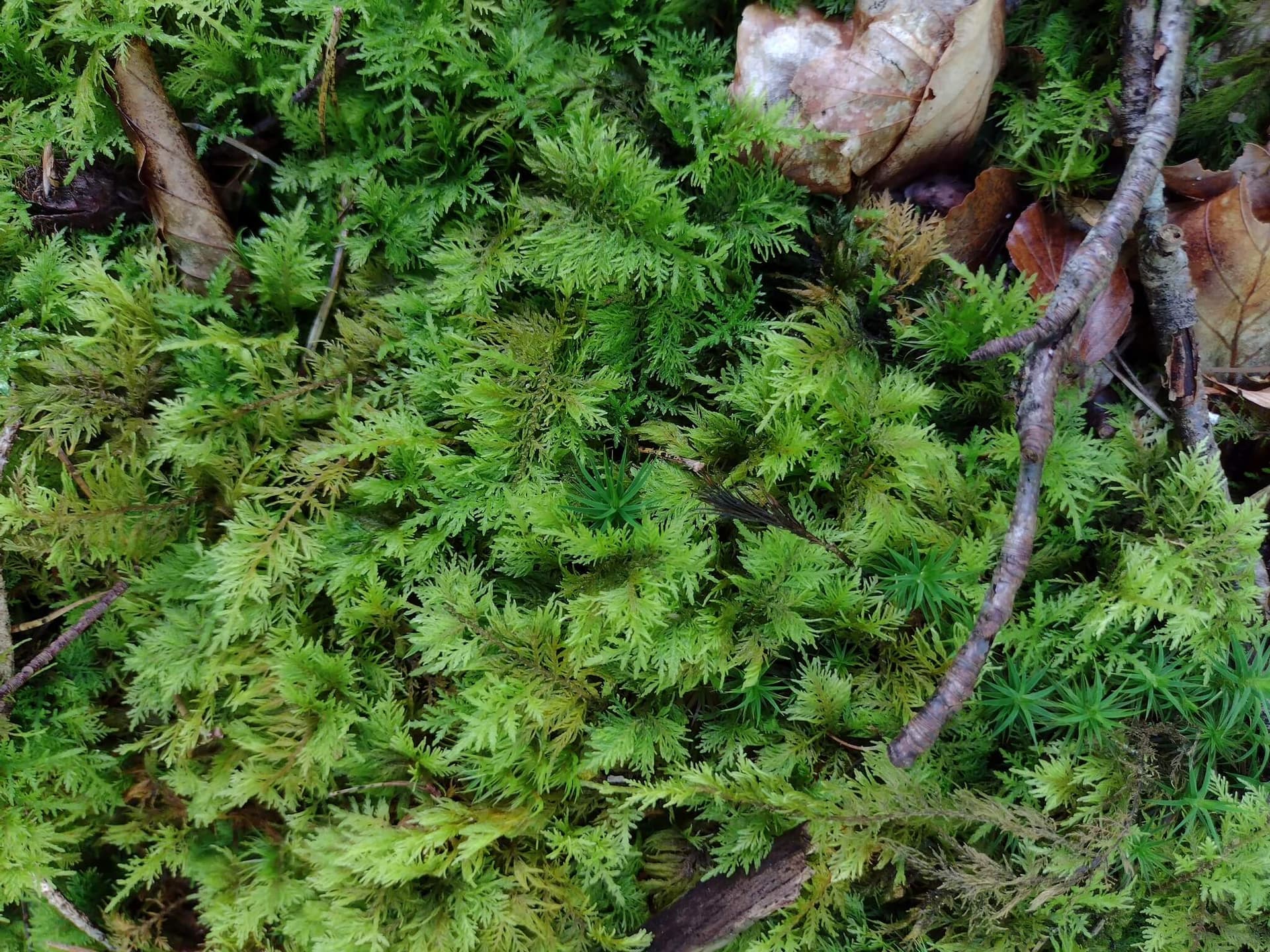
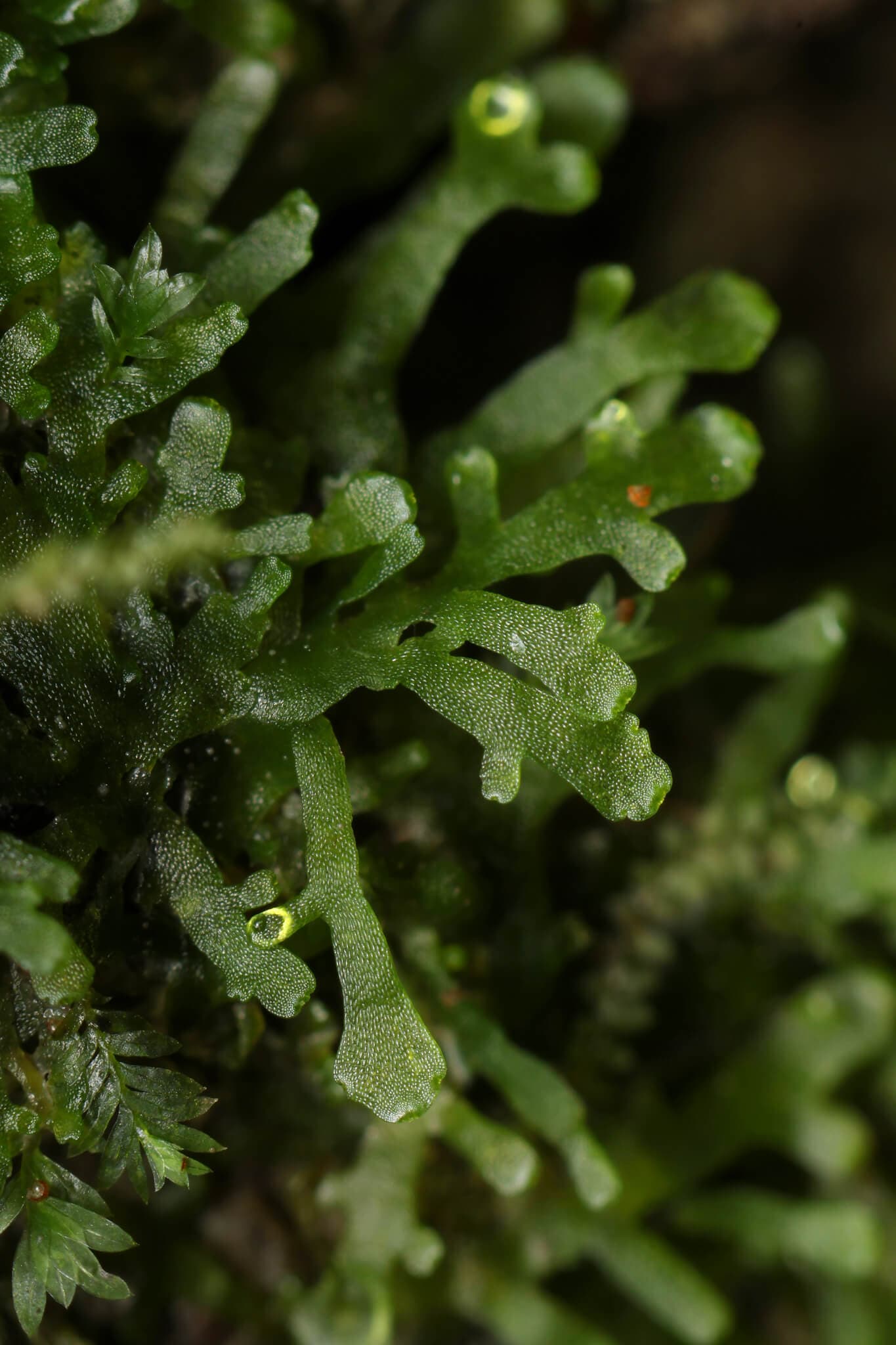
For terrarium builders, Eastern Europe's catalogue contribution lies in the same temperate bryophyte and fern flora that runs across the rest of cool-temperate Europe — wide-ranging species of beech and spruce forest floors and bog edges, well-suited to cool humid setups.
Native to Eastern Europe
Explore plants from this region
References
- WikipediaTDWG WGSRPD constituent units for level-2 code 14 Eastern Europe (Baltic States, Belarus, Ukraine, Crimea, and the five European-Russia subdivisions).
- WikipediaHighest point in European Russia outside the Caucasus, 1,894 m in the Subpolar Urals.
- BritannicaUrals geology, length (~2,100 km) and role as the conventional Europe–Asia boundary.
- BritannicaVolga length (3,530 km) and basin area (~1.38 million km²) — Europe's longest river.
- WikipediaPlain geography, biome zonation from tundra through taiga to steppe.