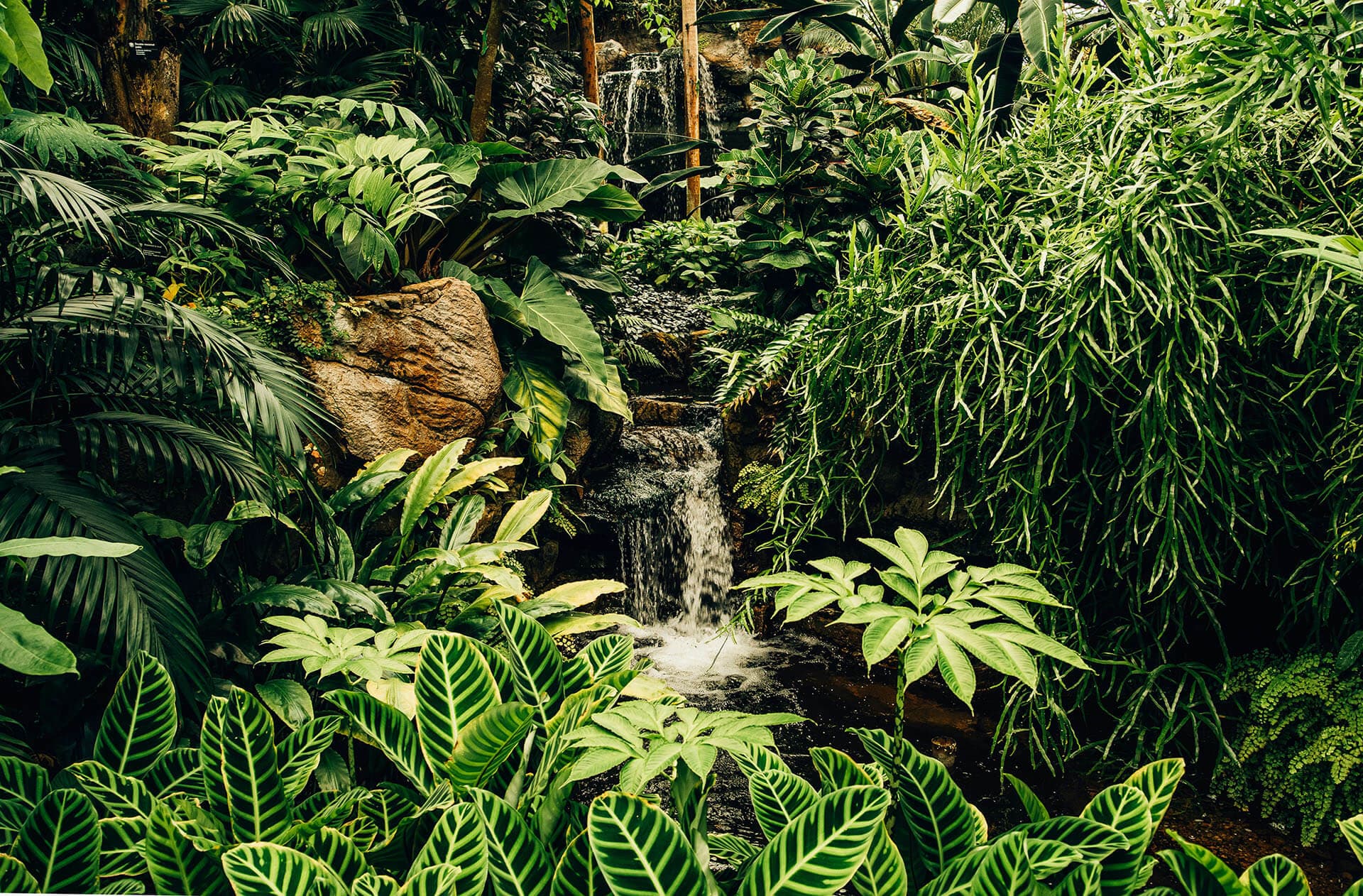
A closed terrarium is a sealed glass vessel that traps moisture and air around the plants inside it, producing a microclimate that is warmer, more humid, and dimmer than the room around it. Every plant has a published range of conditions it can survive — a humidity band, a light band, a temperature band. Inside a sealed jar, the intersection of those bands across every plant in the vessel is what determines whether the planting holds together. That intersection is the care window.
What the care window is
The care window of a closed terrarium is the set of conditions that satisfies every plant in it simultaneously. Most failures in closed terrariums are not caused by individual plants being unhealthy. They are caused by the care windows of the chosen plants failing to overlap. A jewel orchid that wants saturated humidity and a small succulent that wants dry air will both decline inside the same jar, because no single set of conditions satisfies both at once.
The first job before picking any plants is to imagine the conditions the closed jar will hold, then choose species whose tolerance bands all include that point. Reading a plant's published care data — the labels on a nursery tag, the entries on a botanical database — through this lens changes which plants look compatible. A label that says "high humidity" or "indirect light" describes a band, not a point. The terrarium's microclimate is a point. Compatibility comes from checking that the point sits inside every plant's band.
This single operation — intersect bands, find the point, verify every plant tolerates it — is the discipline the rest of this journal builds on, and the operation the compose engine on this site performs automatically.
Humidity under glass
A sealed terrarium runs near water saturation almost continuously. As soon as the lid closes, transpiration from the plants and evaporation from the substrate release moisture into the trapped air, and within hours the relative humidity inside the vessel typically sits between 80 and 100 percent. Visible condensation on the inside of the glass — most often appearing overnight as the temperature drops slightly — is the normal signal of a working closed system.
This is a much narrower humidity regime than most rooms ever reach. A heated home in winter often sits at 30 to 40 percent relative humidity; a tropical-house bedroom in summer may peak in the high 50s. Published plant care that says "high humidity, around 60 percent" is describing a houseplant goal. Inside the jar, that band is exceeded by default. The relevant question for a closed terrarium is not whether a plant tolerates high humidity, but whether it requires the near-saturation the closed environment will deliver.
Two patterns of condensation flag problems worth acting on. Persistent heavy fog that never clears means standing water on the substrate is evaporating faster than the canopy can transpire — usually a sign the vessel is overwatered, the lid was opened too recently, or the ambient temperature is high enough to drive aggressive evaporation. A bone-dry glass interior with no condensation at all usually means a slow seal leak, a substrate that has dried below field capacity, or both. Healthy condensation appears, fades during the brightest part of the day, and returns at night.
Species adapted to dry or seasonally dry habitats — succulents, most cacti, many Mediterranean herbs — cannot live in this regime regardless of how the jar is otherwise set up. Their roots and leaves rot under sustained high humidity. Mixing them with humidity-loving species creates a care window of zero width: no point on the humidity axis satisfies both.
Light through glass
The light that reaches a plant inside a closed terrarium is significantly less than the light hitting the outside of the glass. Clean glass transmits roughly 80 to 90 percent of visible light at a perpendicular angle; condensation, substrate dust, and the angle of incidence on a curved vessel typically drop that further. By the time light reaches a foreground plant under leaf cover, the effective intensity may be a third of what an open-air specimen of the same species would receive in the same spot.
This makes "bright indirect" — the most common label on terrarium-suited species — the operative ceiling, not the floor. Inside a closed jar, "indirect" means a position that receives bright, diffuse daylight but never direct sun: a few feet back from a south- or west-facing window, or directly beside a north-facing one. Direct sun through glass on a closed vessel is almost always a mistake. The greenhouse effect raises internal temperature quickly, fogs the glass into uselessness, and can scorch foliage pressed against the wall in less than an hour.
Plants labelled "low light" deserve closer reading. The label means they tolerate dim conditions in a room — usually understood as the dim end of indoor lighting, well below the brightness of a sunny windowsill. Inside a closed jar a couple of metres from a window, the effective light at leaf height may sit at the lower end of that range. Many "low light" species will survive, but they will grow leggy, drop variegation, or simply stop producing new growth. The plant has not died, but the planting is not thriving either. Supplementing with a small grow light placed twenty to thirty centimetres above the vessel is the safest way to push light upward without introducing heat or direct sun.
Temperature and heat traps
Most plants sold for closed terrariums tolerate the temperature range of an ordinary heated home — roughly 18 to 26 degrees Celsius. Inside the closed vessel itself, ambient temperature usually tracks the room within a degree or two. The risk is not the steady state. It is the heat trap.
A closed terrarium placed in direct sun behaves like a small greenhouse: the glass transmits short-wave visible light, the plants and substrate absorb it and re-emit it as long-wave infrared, and the glass largely blocks that re-emission from escaping. Internal temperature can climb well above ambient in under an hour of direct exposure, easily reaching levels that damage tropical understory species. By the time the leaves look limp, the damage is done.
Cold also bites, less dramatically. A terrarium pressed against a single-glazed window in a temperate winter may sit several degrees below the room average overnight. Many tropical species do not die at 12 degrees Celsius, but they stop growing and become vulnerable to root rot in the still-saturated substrate. The reliable defaults are to keep the vessel away from radiators, away from cold window glass, and never in line with direct sun. Once those three rules are followed, temperature is usually the easiest axis to keep inside every plant's window.
Reading a care label
The way to use the care window in practice is to take each plant's published tolerance ranges, lay them over each other, and look for overlap. A worked example with three commonly recommended species shows how this narrows quickly.
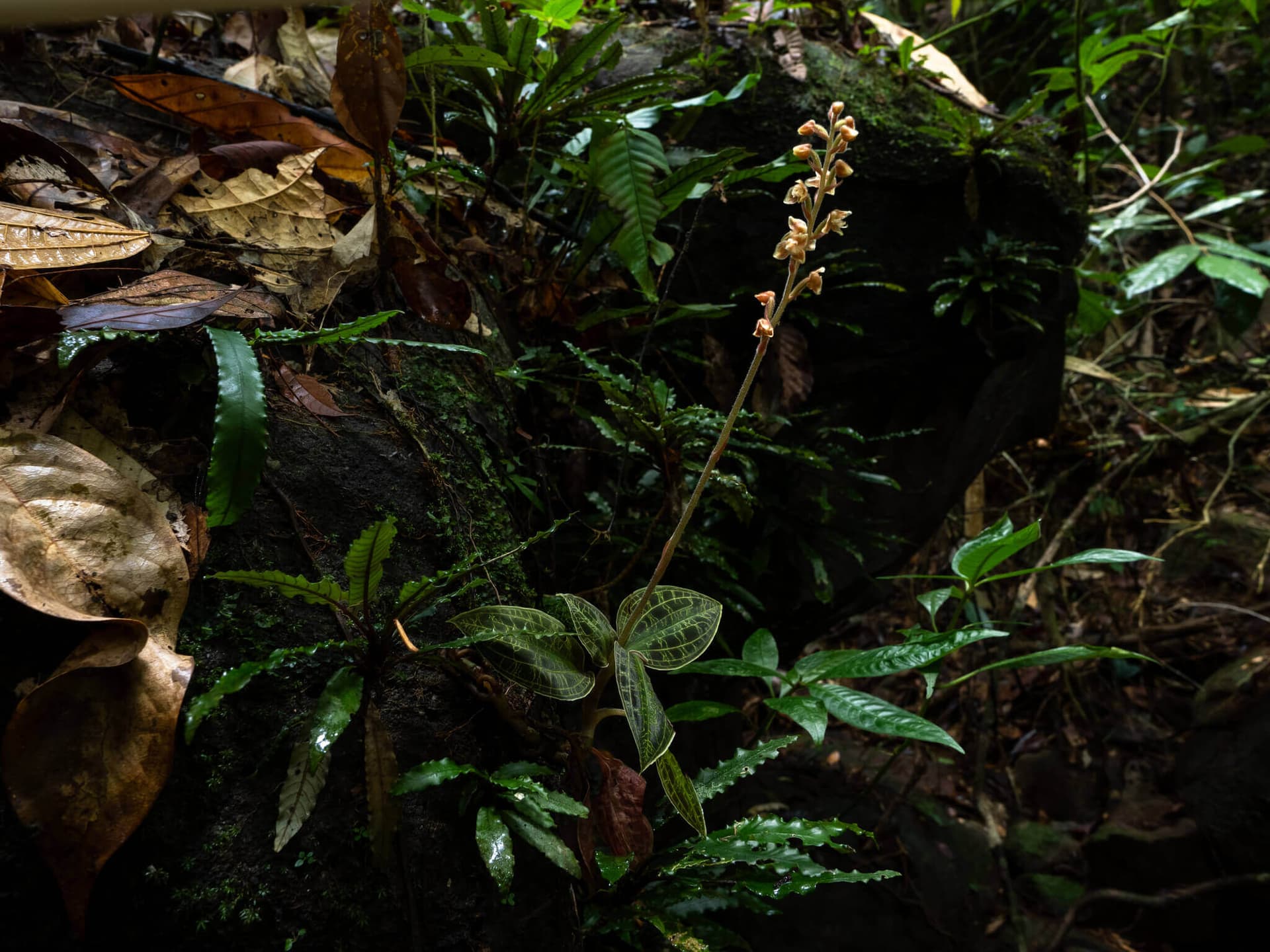
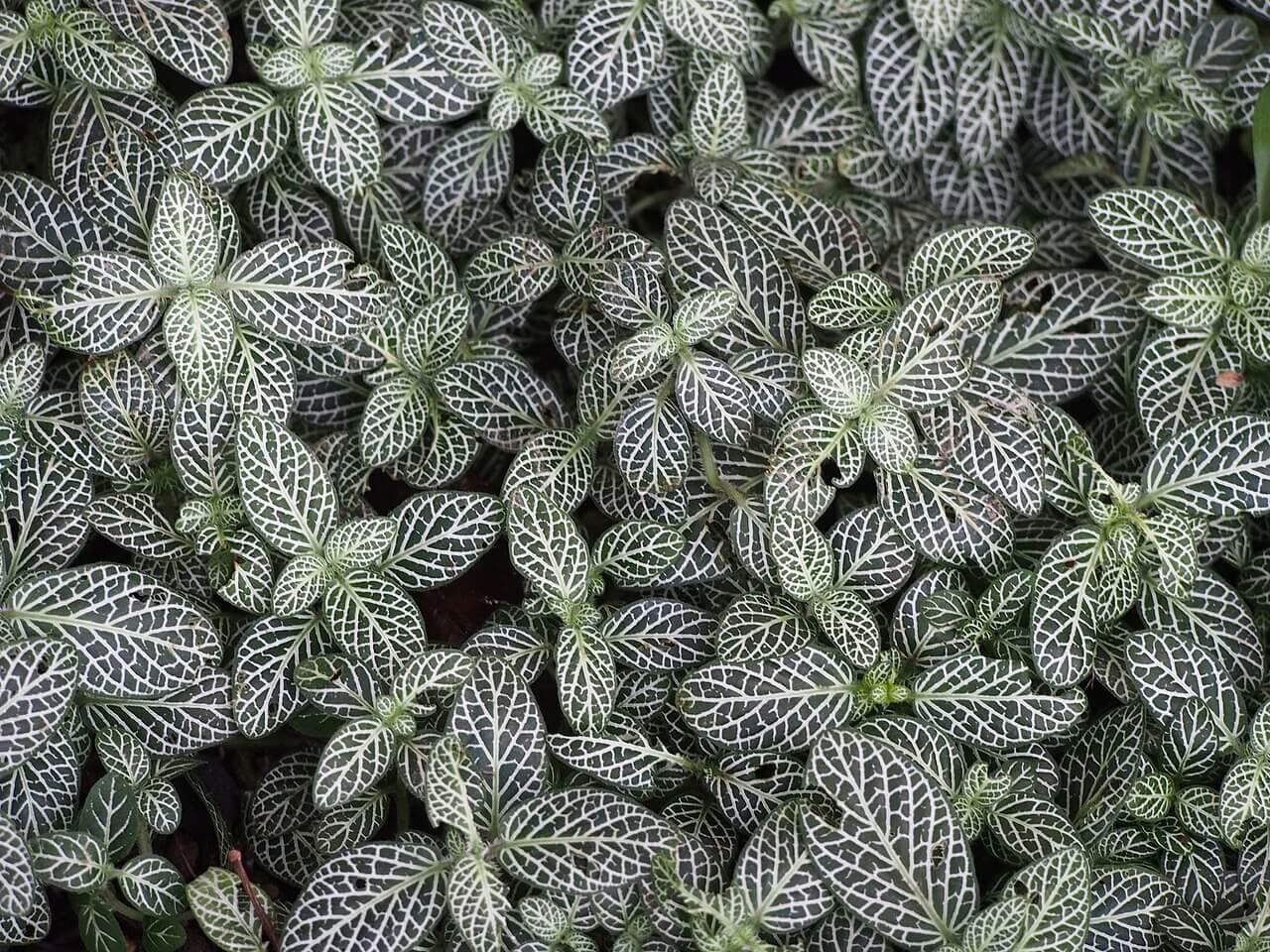
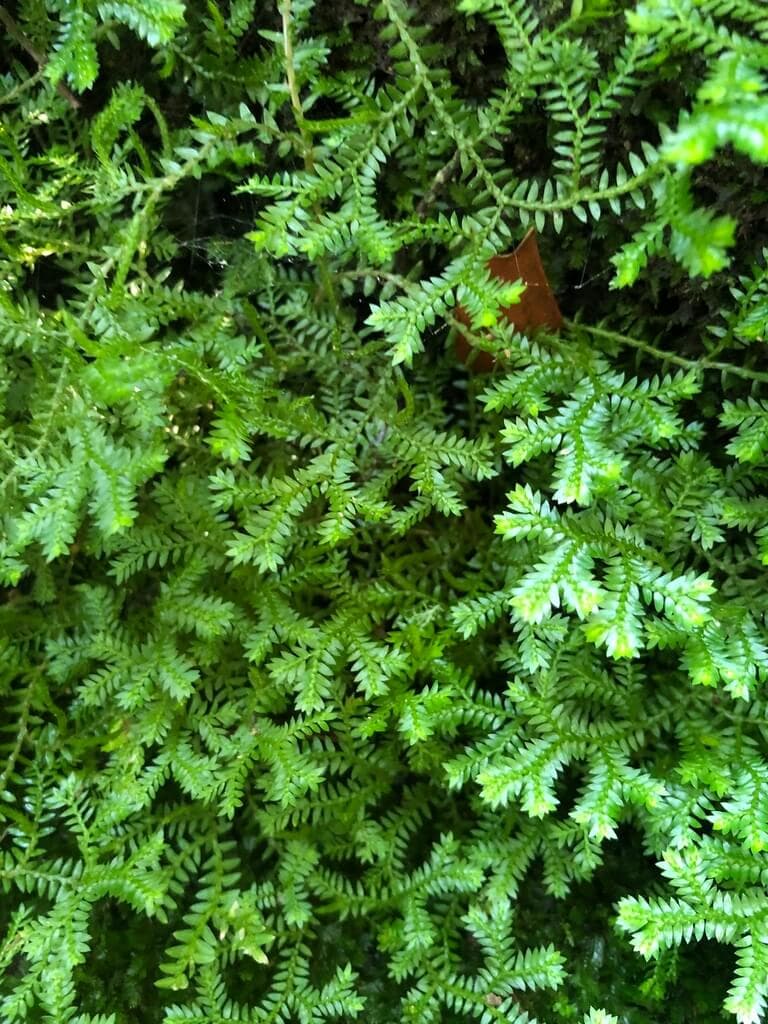
Macodes petola, the jewel orchid, is widely recommended for high-humidity terrariums; it tolerates a broad humidity band well above the threshold a closed jar delivers, low to bright-indirect light, and ordinary room temperature in the high teens to mid-twenties Celsius. Fittonia albivenis, the mosaic plant, asks for sustained high humidity, low to indirect light, and a similar room-temperature range. Selaginella kraussiana, a spikemoss commonly used as a foreground groundcover, requires saturated air close to 100 percent humidity, low to indirect light, and a slightly cooler temperature band — it begins to struggle when the jar runs hot.
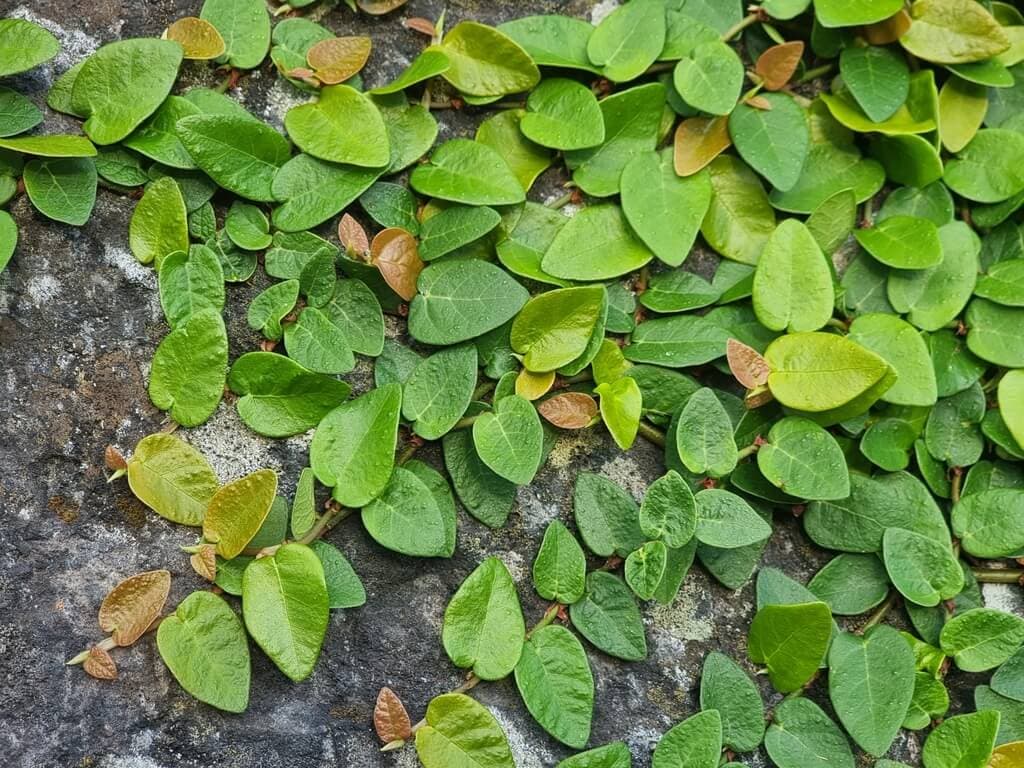
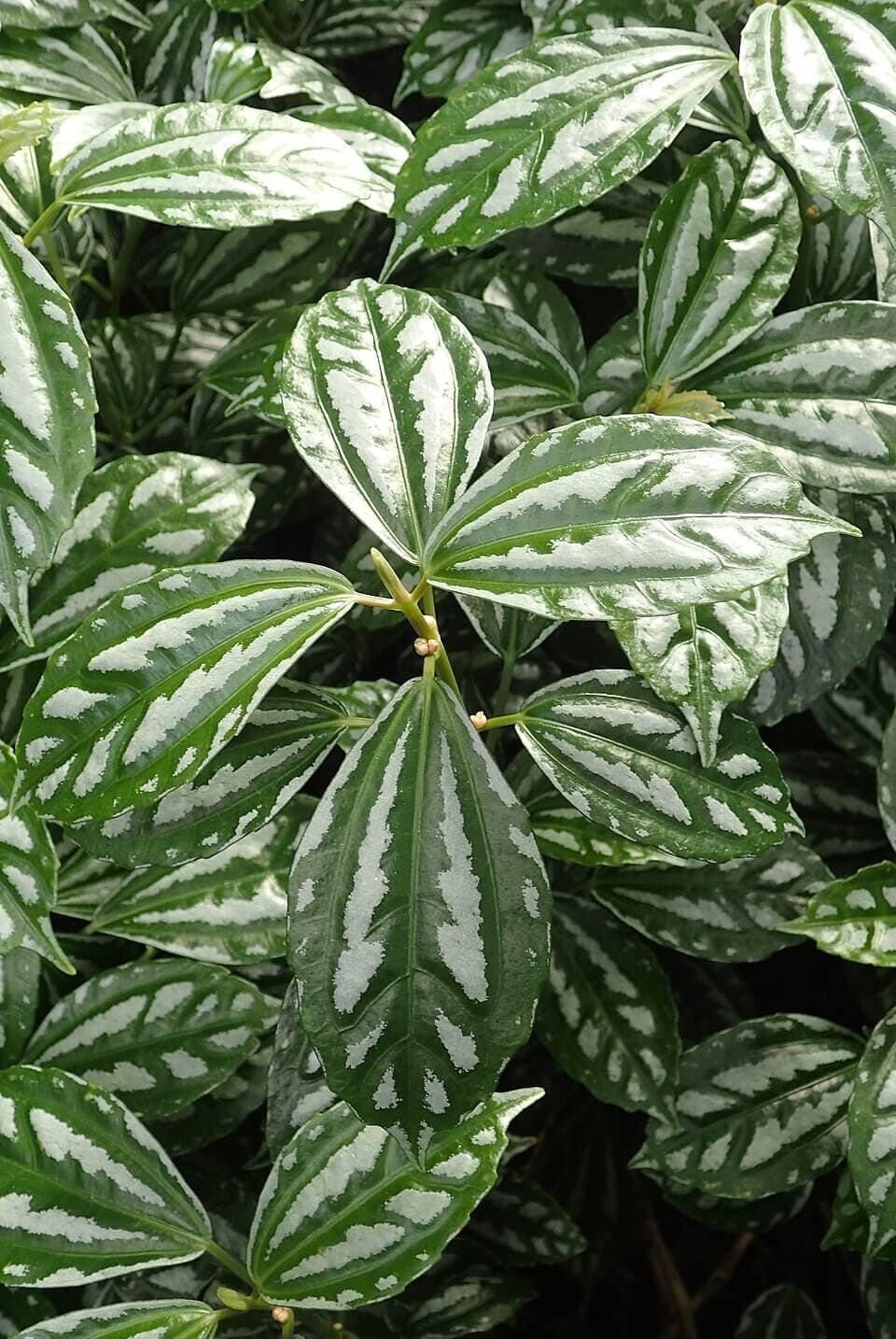
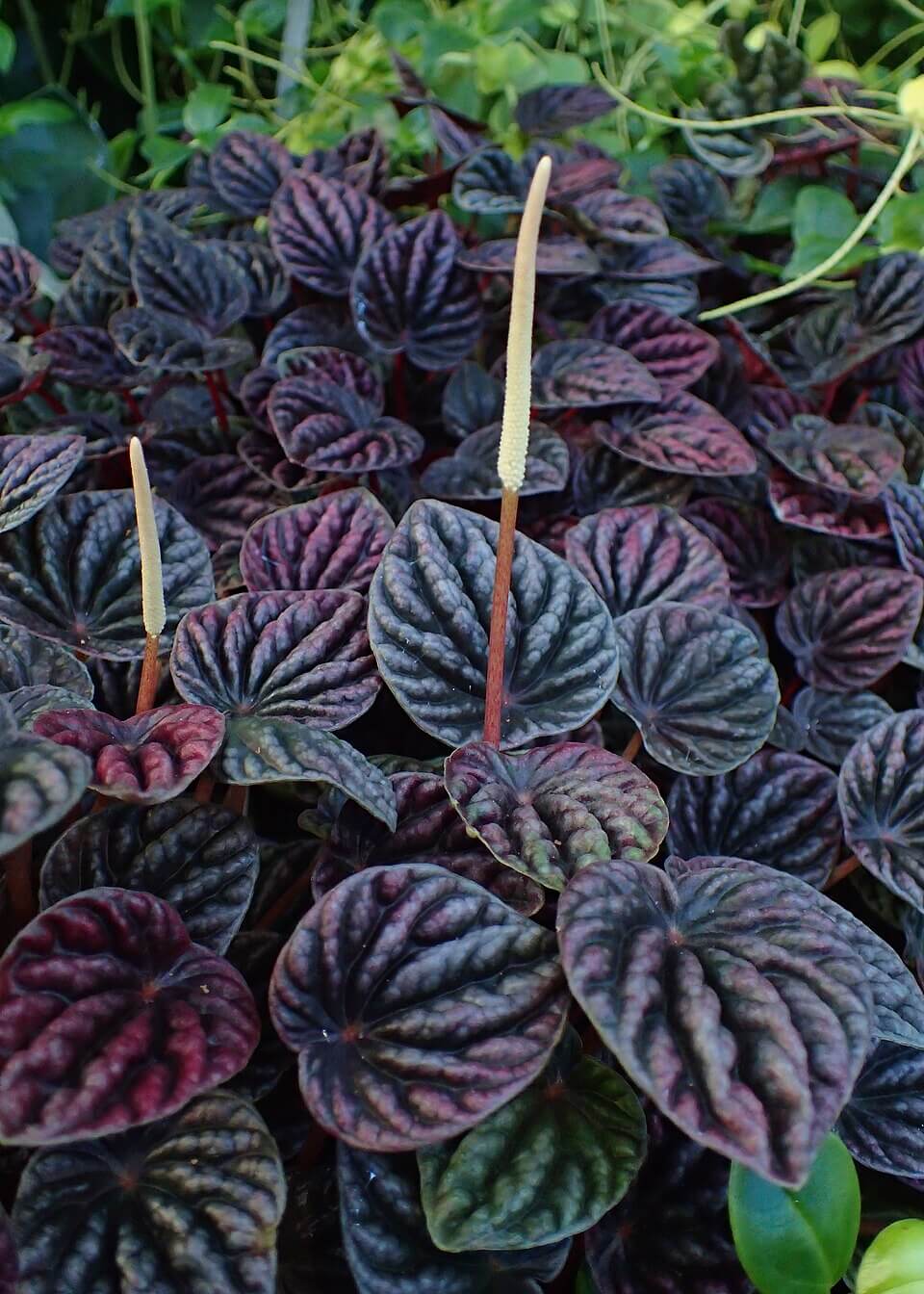
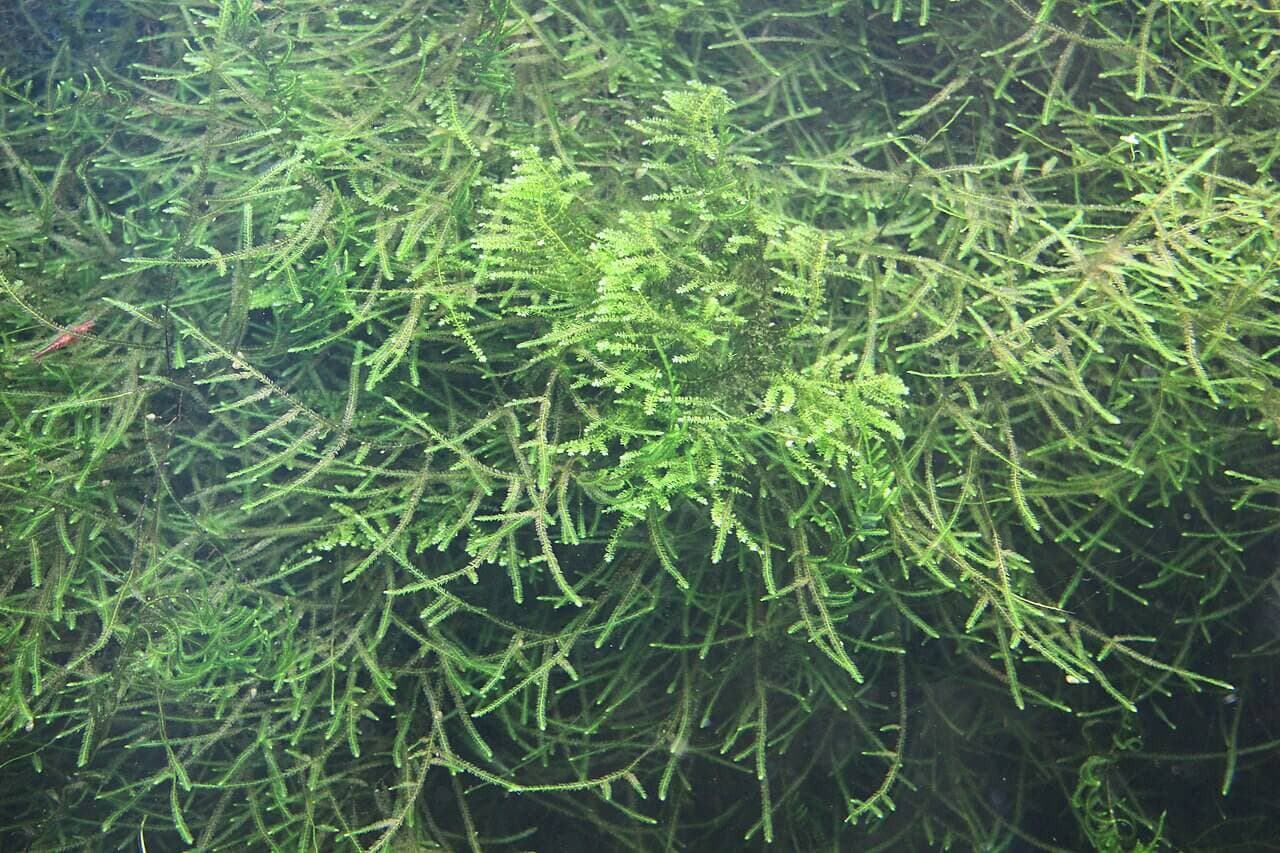
The intersection of those three bands is a humidity range comfortably above 90 percent, a light band that runs from low to indirect (well short of bright), and a temperature band roughly from the high teens to the low-to-mid twenties Celsius. That intersection is the care window for this planting. A jar placed in a moderately lit room, kept off direct sun, with an intact lid and a properly moist substrate, will sit comfortably inside that window. All three species will grow. Several other species sit inside the same window — creeping fig, aluminium plant, ripple peperomia, and Java moss among them. They appear in the related plants alongside this article for anyone extending the planting.
If a fourth plant is added whose humidity band tops out at 80 percent or whose temperature minimum is 22 degrees, the window narrows further — sometimes to nothing. The discipline of the closed terrarium is to do this intersection check before planting, not after. Every theme on this site and every recommendation the compose engine returns is built on the same operation: filter to plants whose tolerance bands overlap into a livable point, then choose for visual coherence within that filtered set.
Where the window breaks
The most common failure pattern is the optimistic mix. A succulent or two added "for variety" to an otherwise tropical jar — the result is a sealed environment whose humidity satisfies one half of the planting and rots the other. A cactus and a moss share no care window. No watering schedule recovers this. The only fix is to remove one group entirely.
The second common failure is the south-facing window. A closed jar receives bright direct sun every afternoon, the glass converts it to internal heat, internal temperature climbs into a range no tropical understory plant tolerates, and the foliage cooks. The plants visibly wilt, then yellow, then collapse. This is often misread as "needs more water" — the saturated substrate makes the diagnosis worse — when the actual cause is location. Closed terrariums belong in bright but indirect light: typically a metre or more back from a south- or west-facing window, or directly beside a north-facing one.
The third pattern is treating "low light" as a floor rather than a baseline. A plant tagged for low light placed in genuinely dim conditions — a windowless interior corner, the back of a dark hallway — will survive for weeks, sometimes months, before slowly etiolating. The plant is not dead, the planting is not thriving, and the gardener concludes the species is difficult. The species is fine; the light was below its actual minimum.
The fourth is the survived-a-week assumption. A new planting that looks healthy for the first week is not yet settled in. The substrate is at its initial moisture, the roots have not yet established into it, and most plants will look fine on stored reserves for that long. The honest assessment window is six to eight weeks. A planting that is still producing new growth and holding its colour at that point is inside its care window. One that has stalled or lost leaves is being asked to live somewhere it cannot.
Compatibility, in this framing, is a window — not a checklist. It is the set of conditions that satisfies every plant simultaneously, and the terrarium either sits inside it or it does not. Most of what follows in this journal — and most of how the compose engine on this site works — reduces to that one operation.
Frequently asked
Can I open my closed terrarium occasionally?
Yes — opening the lid for a few minutes once or twice a week is fine and can help vent persistent heavy condensation. Internal humidity rebounds within hours once the lid is closed again.
Why is my closed terrarium constantly fogged up?
Heavy persistent fog usually means standing water on the substrate is evaporating faster than the canopy can transpire. Open the lid for a few hours to vent excess moisture, and check that the vessel is not in direct sun.
What does 'indirect light' mean for a closed terrarium?
It means bright, diffuse daylight with no direct sun touching the glass — typically a position a metre or more back from a south- or west-facing window, or directly beside a north-facing one.
Can I put succulents in a closed terrarium?
No. Succulents need dry air and a substrate that fully dries between waterings; a sealed jar runs near saturation continuously and will rot them. Succulents belong in open vessels with free airflow.
How do I know if my terrarium has the right humidity?
Light, even condensation that appears overnight and fades during the day is the normal signal of a working closed system. Persistent heavy fog or a bone-dry interior both indicate the system is out of balance.
References
- 1
Wikipedia
https://en.wikipedia.org/wiki/VivariumAccessed 3 Jun 2026
Closed-terrarium concept and microclimate definition
- 2
Wikipedia
https://en.wikipedia.org/wiki/TranspirationAccessed 3 Jun 2026
Plant water cycle and condensation under glass
- 3
Terrarium Tribe
https://terrariumtribe.com/Accessed 3 Jun 2026
Humidity bands and condensation patterns inside closed vessels
- 4
Kew POWO
https://powo.science.kew.org/Accessed 3 Jun 2026
Species tolerance ranges for jewel orchid, mosaic plant, and spikemoss
Jacek Dabkiewicz
Amateur botanist with a soft spot for what grows in low light. Treats patience as a virtue, the kind earned slowly, watching a moss spread or a new leaf unfurl. Writes about the slow ecology inside glass containers.