Plants thrive together in a closed terrarium when their requirements overlap across four axes: the environmental conditions inside the vessel, the structural layers and scale of the planting, the biological growth rates of each species, and the visual coherence of the final composition. Any one of these axes can fail a planting on its own — a perfect-looking set whose species do not share a humidity band will not survive; a perfectly compatible set arranged with no layering will look like a clutter; a set with matched care and good layering but mismatched growth rates will collapse into a monoculture within a few months. The other three notes in this journal cover each axis in detail. This one is the playbook: how to actually pick a set, in what order, and which compromises tend to work versus which do not.
The four axes of compatibility
Compatibility in a closed terrarium is the intersection of four constraints, each capable of failing the set on its own. They are easier to think about when named separately, even though they all live in the same final decision.
The first axis is environmental. Every plant tolerates a range of humidity, light, and temperature; the intersection of those ranges across every species in the vessel is the care window. If the intersection is narrow but real, the planting holds. If it is empty — no single set of conditions satisfies every plant — the planting fails regardless of how well-matched the species look together. This axis is covered in detail in the closed-terrarium care window note.
The second axis is structural. Plants of similar height placed in a single vessel produce a flat planting that reads as a horizontal band rather than a designed composition. Compatibility here means choosing plants whose mature heights fall across the foreground, midground, and background layers in the right proportions for the vessel size. A medium vessel cannot accommodate a metre-tall fern; a large vessel filled only with mosses and small Pileas reads as half-empty. The designing-with-layers note covers the model and the engine's per-vessel quotas.
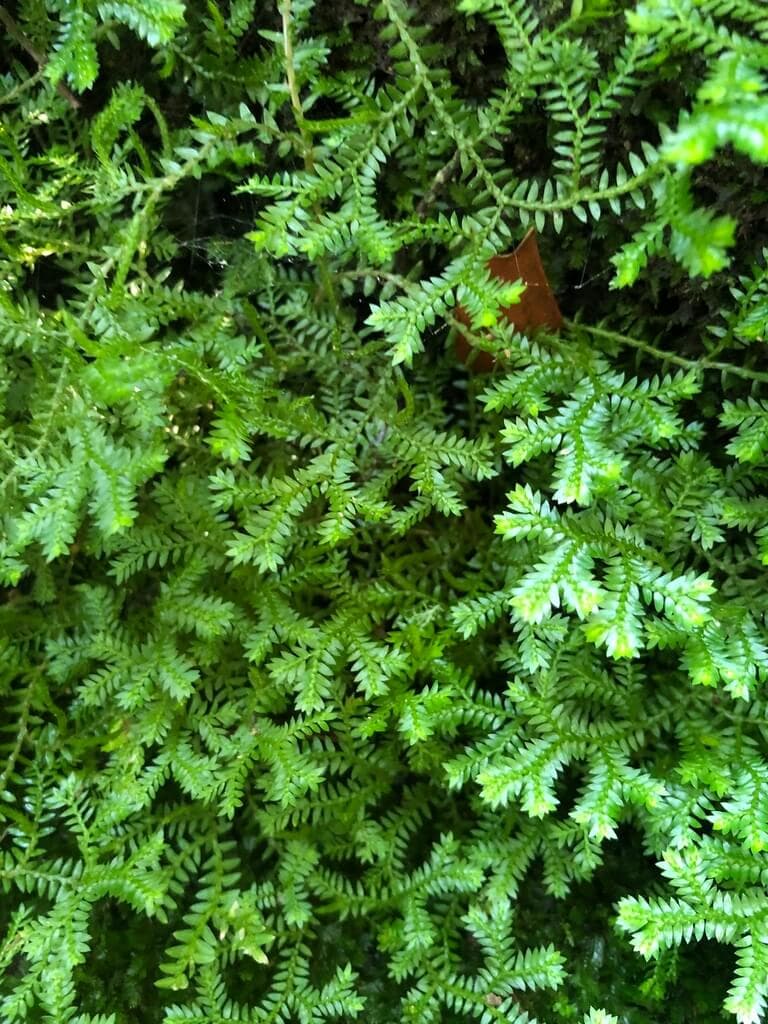
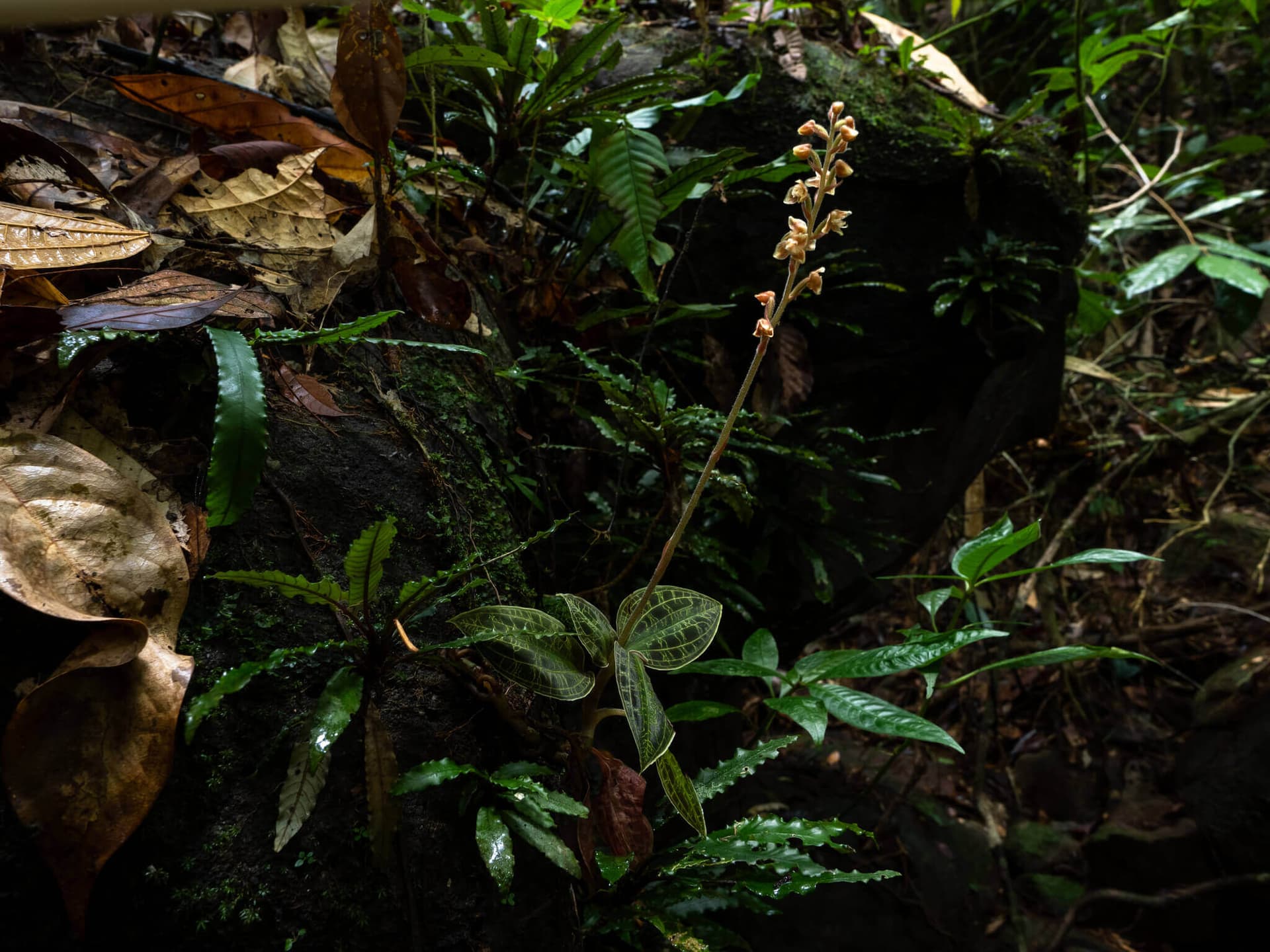
The third axis is biological — growth rate. A fast-spreading species placed alongside slow rosettes will overrun them within months, collapsing what was a balanced planting into a foreground monoculture. Selaginella kraussiana doubles its footprint every few weeks under closed-jar conditions; Macodes petola produces perhaps two new leaves in the same period. Mixing the two is a setup-time error no amount of pruning fully recovers. The why-plants-fail note treats growth aggression as one of the four standard failure modes.
The fourth axis is aesthetic — visual coherence. A planting can pass the first three filters and still read as a clutter if every plant has similar leaf texture, every leaf is broadly rounded, or every species is the same shade of medium green. The aesthetic axis is the only one of the four without a hard threshold — it is the axis where editorial judgement, not arithmetic, decides. It is also the axis the compose engine handles least automatically, and where hand-tuning a recommendation usually does its useful work.
Start with one anchor
The hardest part of choosing a planting from a 200-species catalogue is the blank page. Almost every workflow that produces a coherent set starts not from "I want a terrarium" but from a single constraint that narrows the rest of the decisions.
The constraint can be a plant. A reader who has fallen for a specific species — Macodes petola, an Asplenium nidus that caught their eye at a nursery, a Begonia they have been growing in a pot for a year — has the strongest possible anchor. The plant fixes the humidity band, the light band, the temperature band, the likely vessel size, and the layer the rest of the planting must avoid duplicating. Every subsequent decision flows from it.
Or the constraint can be a theme. A reader who knows they want a cloud-forest mood — cool, misty, moss-heavy, with epiphytes — but does not yet have a hero species has a different but equivalent anchor. The theme fixes humidity (high), light (indirect to low), the colour palette (greens with darker accents), and the categories of plant likely to appear (mosses, ferns, jewel orchids). Both anchors do the same job: they remove most of the catalogue from consideration on the first pass.
A good anchor is specific enough to filter and tractable enough to source. Macodes petola is a strong anchor because the species is widely available, well-documented, and uncompromising about its environmental requirements — which means the filter it produces is narrow but clear. A vague anchor like "tropical" or "low maintenance" does not narrow the catalogue and leaves the reader where they started. The aim of the anchor stage is not yet to design the planting; it is to reduce 200 candidates to thirty.
What starting from no anchor looks like, in practice, is opening the catalogue, finding most species attractive in isolation, and ending three hours later with no coherent set. The anchor is the cure for this. Pick a plant, or pick a theme — either is fine — and the rest of the workflow becomes a sequence of yes/no decisions rather than an open search.
Filtering outward from the anchor
Once an anchor is fixed, the work of choosing the rest is procedural — apply each axis as a filter in turn, in order from most constraining to least.
The order matters because the axes have different filtering power. The environmental axis is hard: a plant either tolerates the planned humidity or it does not. The structural axis is hard at the layer level: a plant either fits the foreground band or it does not. The growth-rate axis is medium — fast and slow are not always documented, and judgement enters. The aesthetic axis is soft — many valid combinations exist for any filtered pool. Working from hard to soft means each filter removes the maximum number of candidates before judgement has to enter.
Take Macodes petola as the anchor for a small closed terrarium. The plant requires humidity comfortably above 90 percent, low to indirect light, and a temperature range from the high teens to the mid-twenties Celsius. That sets the care window. The first filter — environmental — drops every species whose tolerance band does not include those conditions: every succulent, every Mediterranean herb, every full-sun species. What remains is the high-humidity tropical subset of the catalogue, roughly seventy species.
The second filter — structural — applies the layer model. Macodes petola sits in the midground (around 10 centimetres tall, a ratio of 0.5 against a small vessel's 20-centimetre ceiling). The set still needs foreground and background plants. Filter the pool to species in those layers: roughly half the remaining pool sits in the foreground band (mosses, small spreaders, low rosettes) and a quarter in the background band (small ferns, low-to-medium epiphytes).
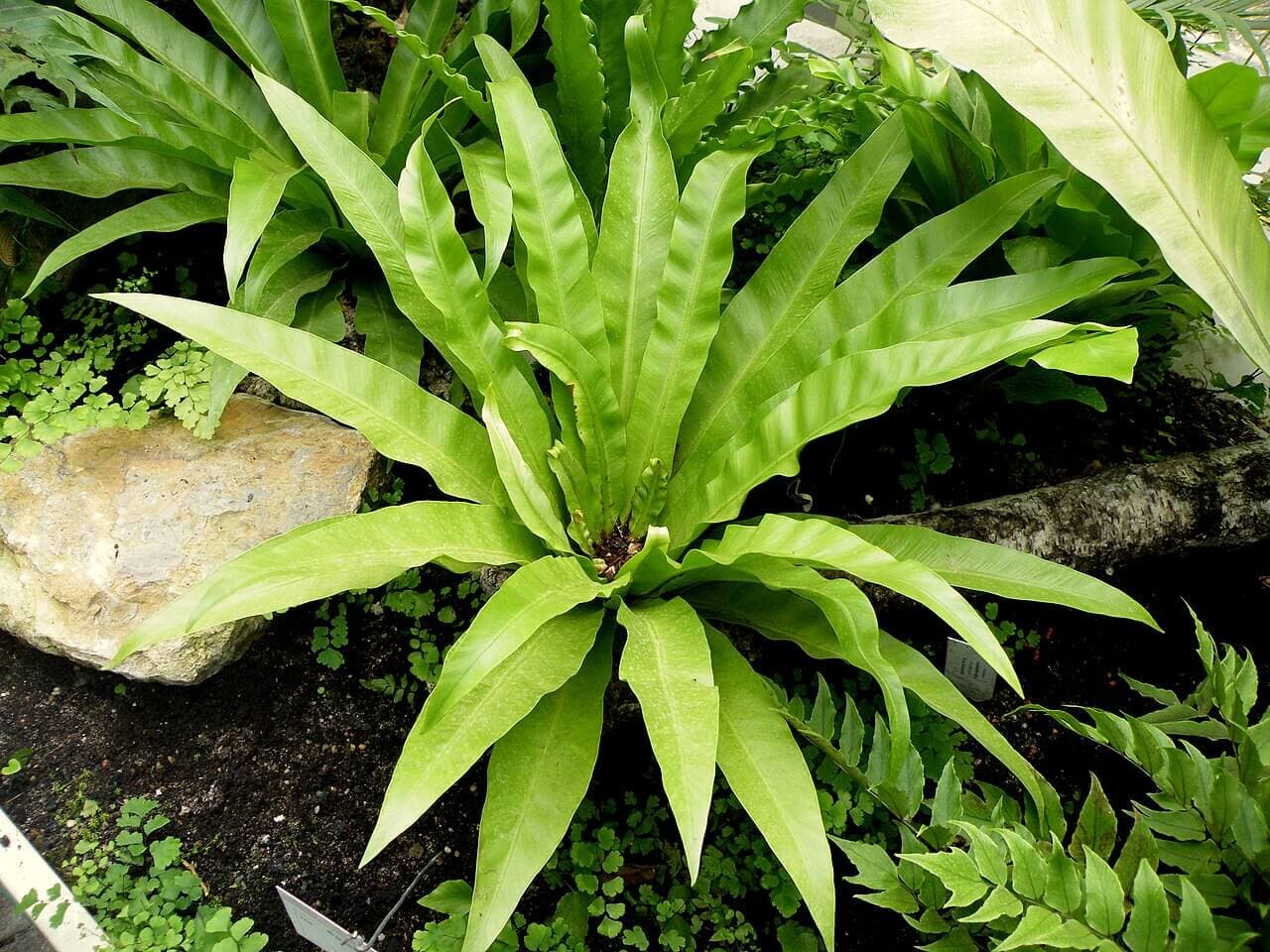
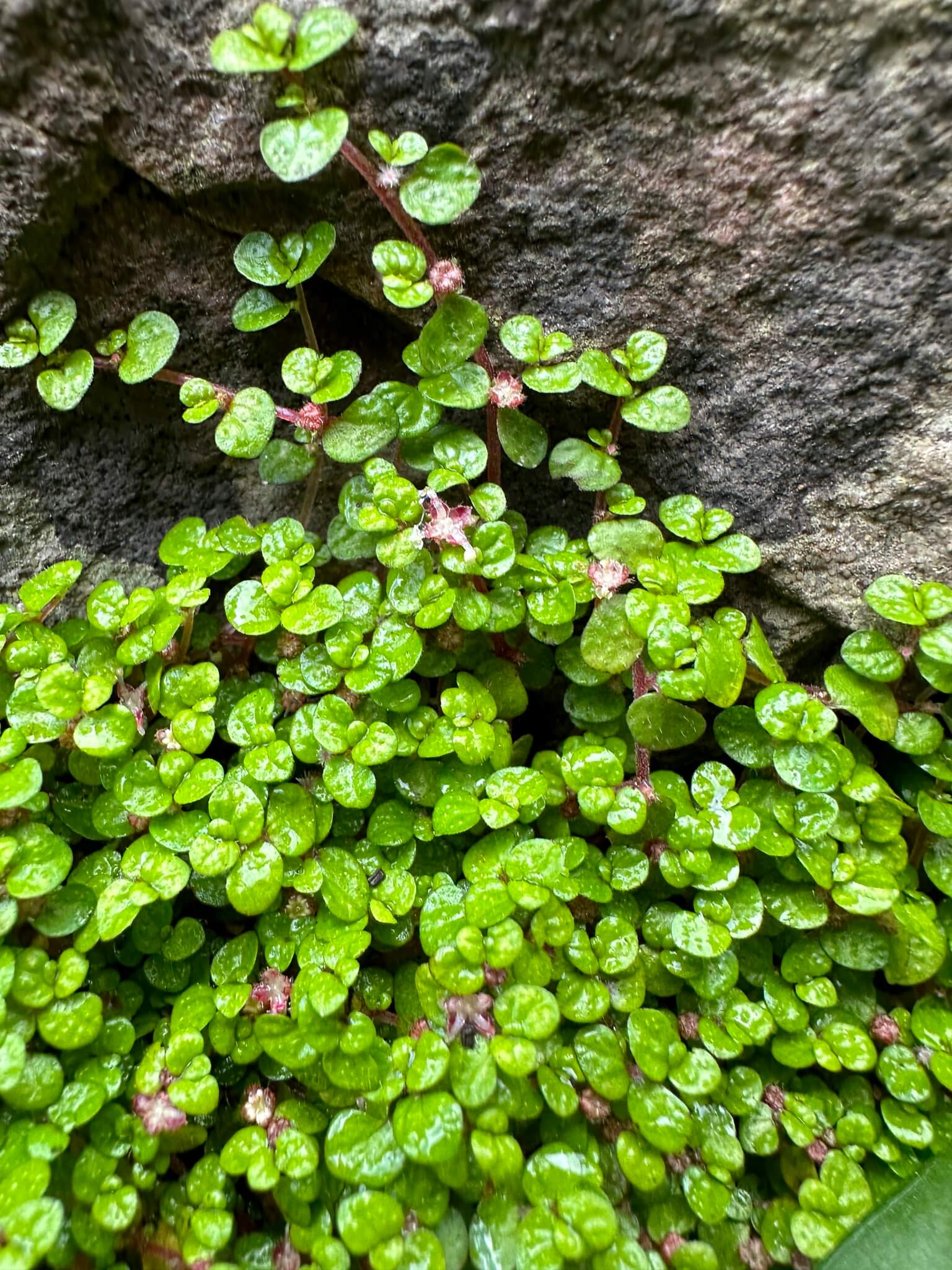
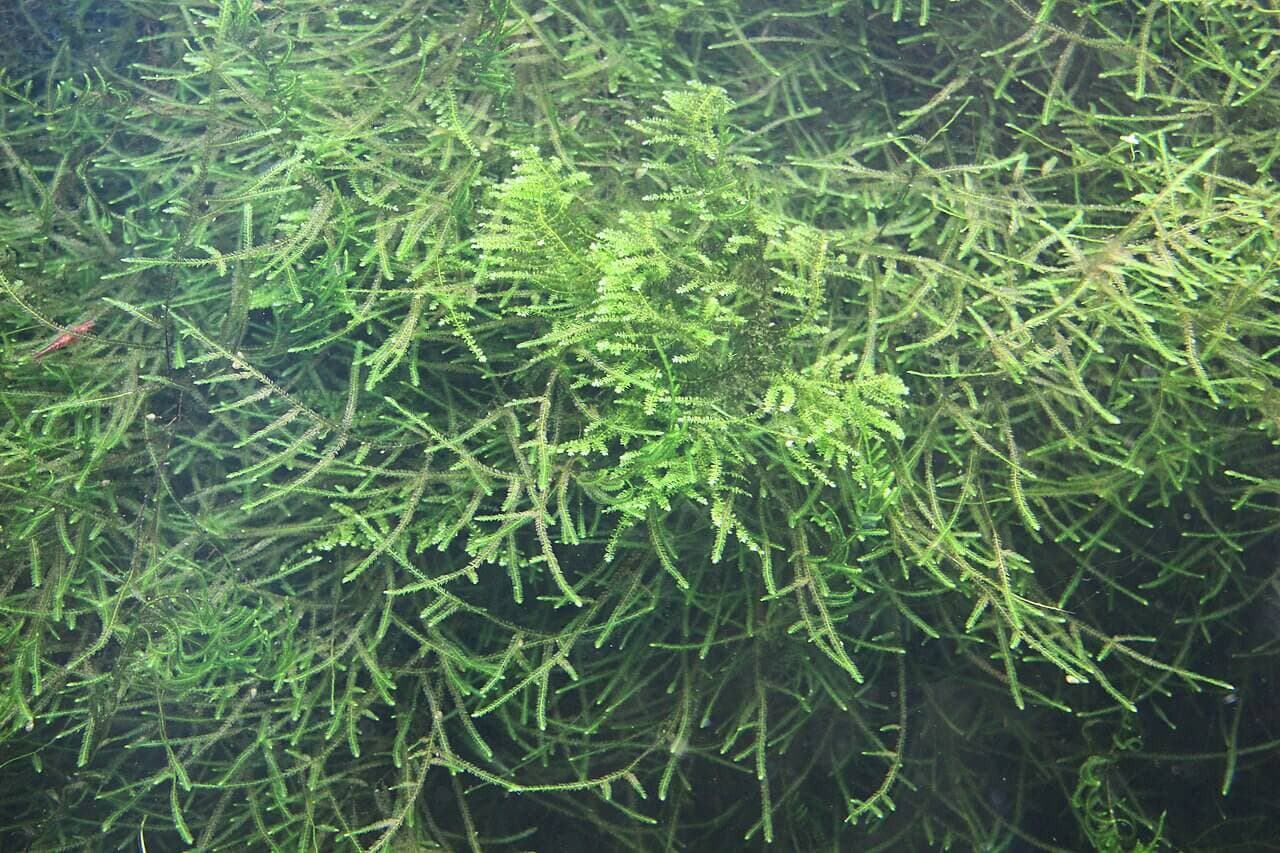
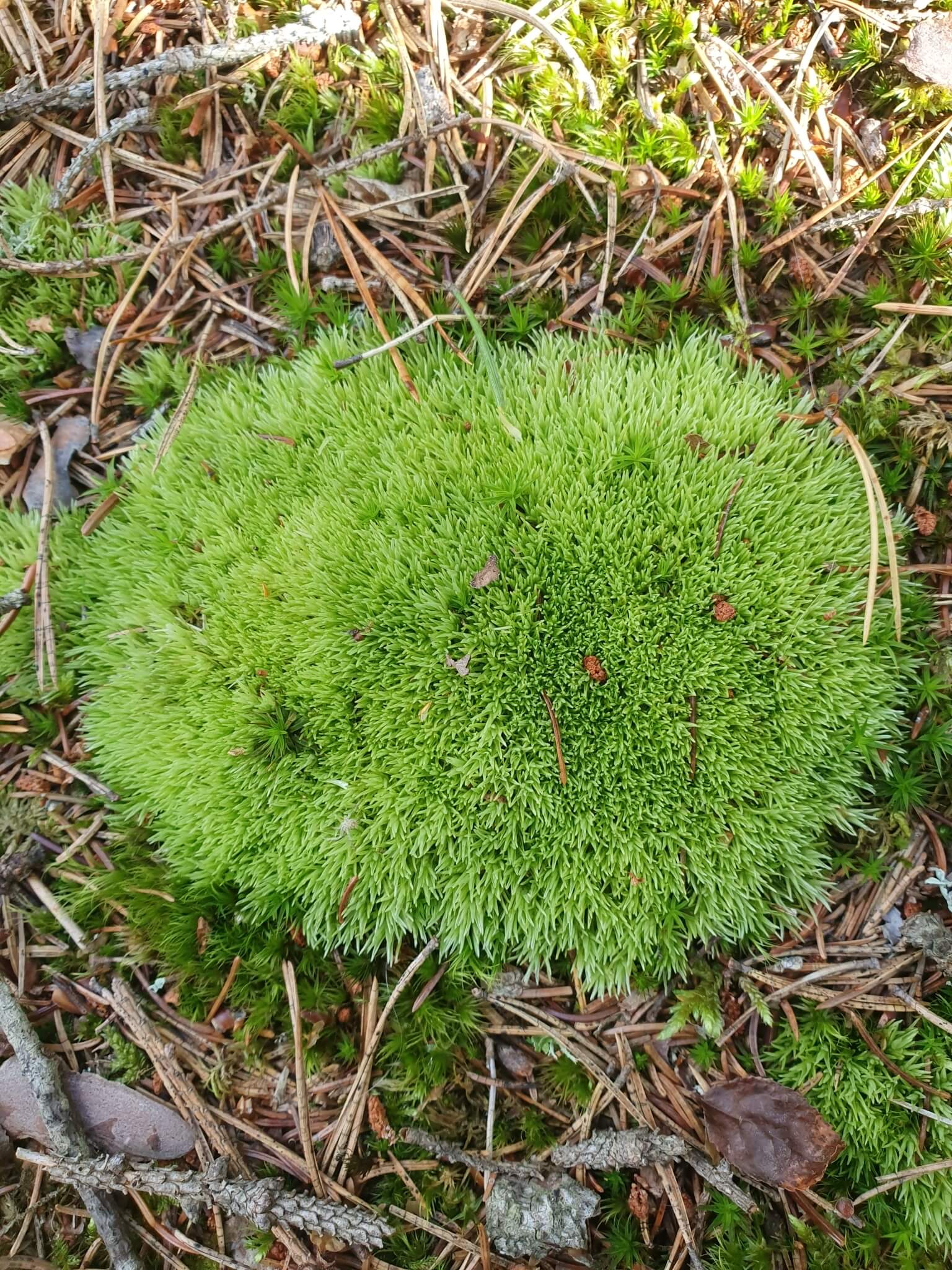
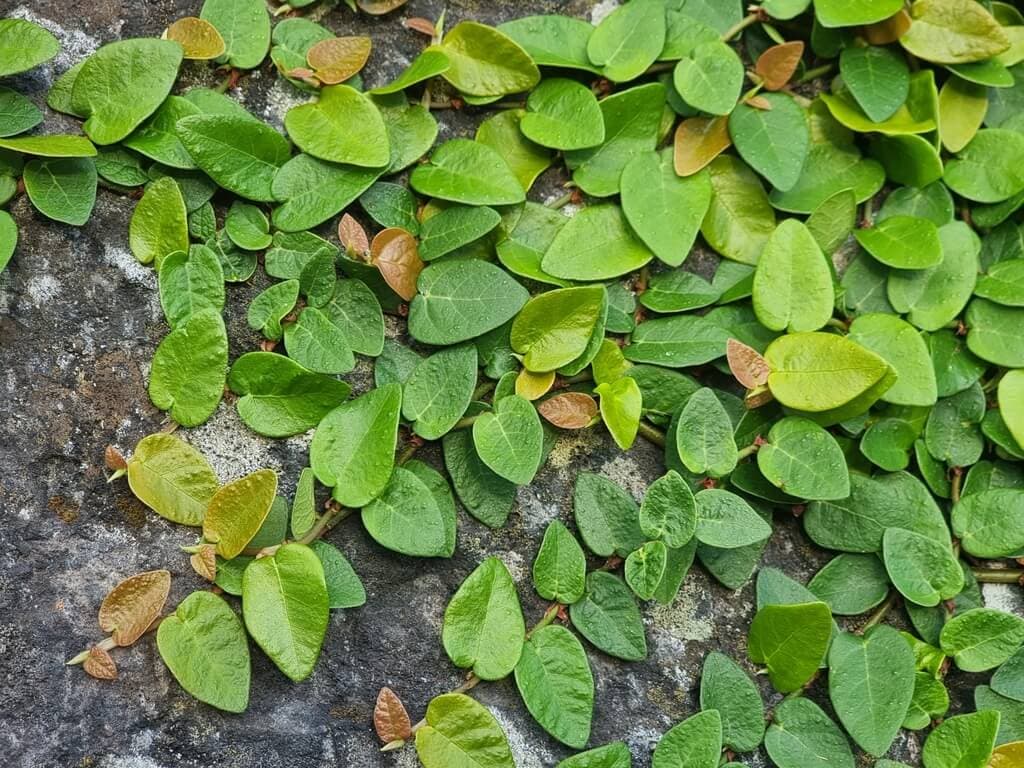
The third filter — growth rate — removes the fast spreaders. Macodes petola is slow; a planting around it needs plants that grow at similar or slower paces. Soleirolia soleirolii and Selaginella kraussiana, both natural foreground candidates, are now off the list — they would overwhelm the anchor within months. What remains in the foreground are the slower mosses: Vesicularia dubyana, Leucobryum glaucum, and similar low-tempo species. In the background, small upright ferns like Asplenium nidus pass; a vigorous climber like Ficus pumila is borderline and either skipped or restricted to a single vessel wall.
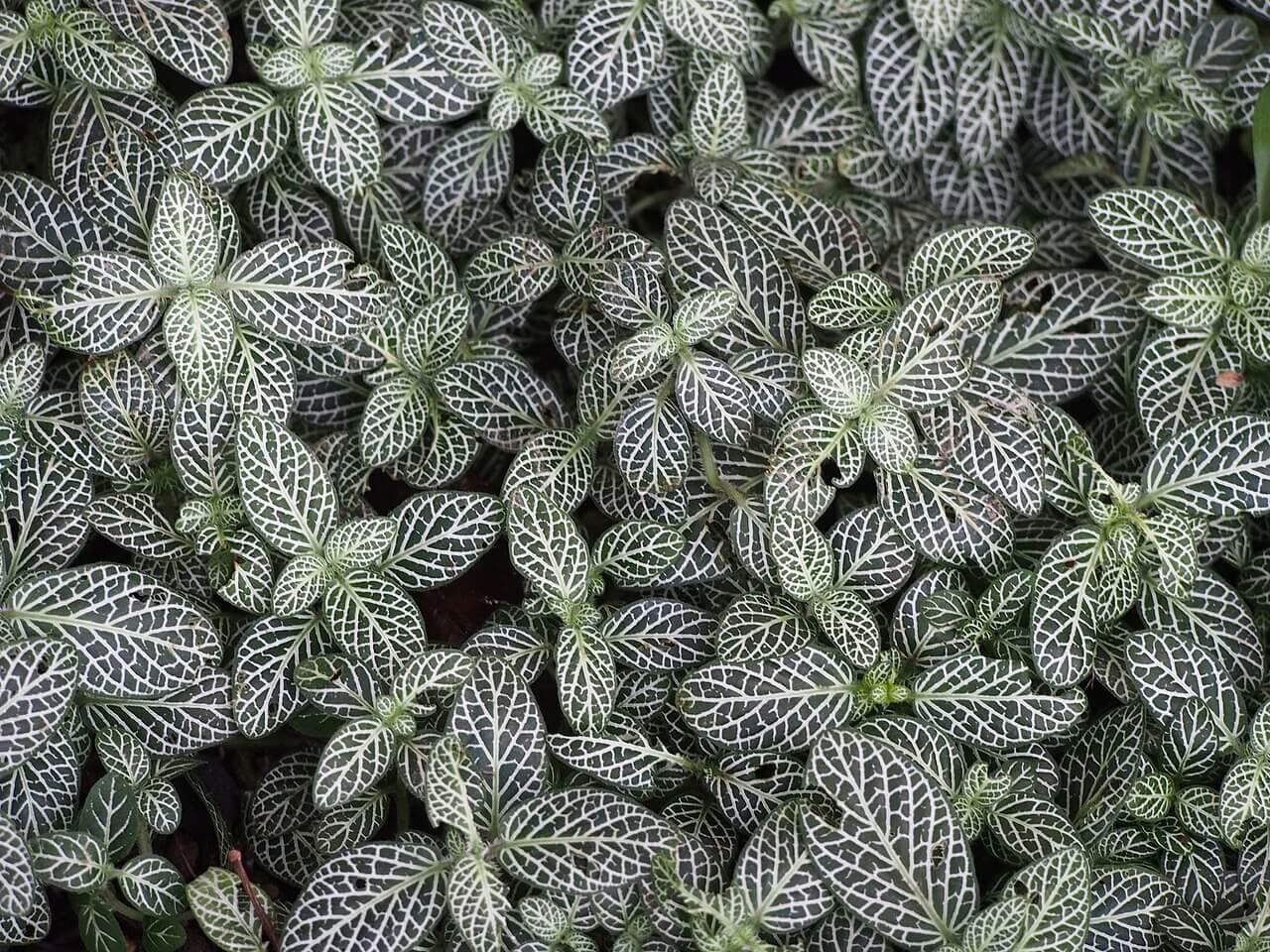
The fourth filter — aesthetic — is now a choice among compatible candidates rather than a search. The anchor is dark and velvety; the foreground wants contrast (light-coloured cushion moss like Leucobryum glaucum against the anchor's deep green); the midground wants one bright complementary plant (Fittonia albivenis, with its pink or white leaf veins, satisfies this); the background wants a quiet vertical element that does not compete (Asplenium nidus' upright glossy fronds fit). The final set: Vesicularia dubyana and Leucobryum glaucum at the foreground, Macodes petola and Fittonia albivenis at the midground, Asplenium nidus at the background. Five plants, four-axis compatible, suitable for a small closed vessel.
Cross-checking visual coherence
The aesthetic axis is the only one of the four that cannot be enforced arithmetically. Once the first three filters have produced a pool of mutually compatible species, the question of whether the final set reads as a designed composition is editorial — and easy to check against a small handful of principles.
Vary across layers; repeat within them. The general rule is to vary leaf texture, colour, or form between the three layers and repeat within each. A fine-textured moss foreground, a broad-leafed midground, and an arching strap-leafed background gives the eye three distinguishable layers. A dark-foliage anchor like Macodes petola against a light-green moss floor produces colour contrast without a single bright accent. Repeating one species at several points within the foreground stabilises the planting visually — variation gives a composition life, repetition gives it structure.
One bright accent per layer, not three. Fittonia albivenis is a strong colour accent because its pink-or-white-veined leaves are the only loud thing in the midground. Two or three bright accents in the same layer compete and read as a busy patchwork. The aesthetic axis rewards restraint — the rest of the planting earns the bright spot.
Texture contrast at the foreground-to-midground transition. The most visible compositional join in a closed vessel is where the ground cover meets the midground rosettes. A planting that pairs a flat moss carpet directly with a flat-leafed Fittonia produces a soft, undifferentiated transition. Choosing a cushion moss (Leucobryum glaucum) or a clearly clumped creeper alongside a rosetted midground species produces a sharper, more readable transition.
A single bridging element. A branch, a piece of driftwood, or a climbing plant that visually crosses from foreground to background ties the layers together. Ficus pumila on a branch is the classic move. This is the optional advanced step — the designing-with-layers note covers it in more detail.
The engine, the hand-pick, and where each fits
The four-axis workflow above is the same operation the compose engine on this site performs automatically, and the two approaches are complementary rather than competing.
The engine handles the first three axes exhaustively. Environmental compatibility is enforced by intersecting the humidity, light, and temperature bands of every candidate species against the vessel's planned conditions. Structural compatibility is enforced by mapping each plant's mature height to the foreground, midground, or background layer and filling the per-vessel quota for each. Growth-rate compatibility is enforced by capping the number of vigorous species per vessel size. Aesthetic compatibility — the fourth axis — is enforced partially, through colour-palette filtering and leaf-form diversity scoring, but the final visual judgement is harder to encode and is where a hand-tuned recommendation often improves on the engine's output.
Hand-picking is the right approach in three cases. The first is when starting from a specific specimen — a plant you already own and want to design a planting around. The engine supports this via the locked-plant flow on the compose page, but hand-tuning the layer mates is often more satisfying when you have a particular vision for the surrounding planting. The second is when working under an unusual constraint — a vessel of unusual proportions, a colour palette outside the standard themes, a planting designed around a single piece of hardscape. The third is when the desired species is not yet in the catalogue, or the catalogue's data is incomplete for the species in question.
The reliable workflow for most people, most of the time, is to start with the engine — let it produce a recommended set under whatever theme or anchor constraints you have — and then refine by hand. Swap one or two species for personal preferences. Adjust the foreground density. Add a piece of hardscape. The engine handles the arithmetic; the gardener handles the aesthetic finish.
Choosing plants that thrive together is, in the end, the same operation in two costumes: filter by what each plant actually tolerates, then by where it fits, then by how fast it grows, and finish by judging what the set looks like together. The four axes, applied in that order, are what makes the workflow tractable.
References
- 1
Terrarium Tribe
https://terrariumtribe.com/Accessed 4 Jun 2026
Plant-pairing patterns and compatibility heuristics for closed terrariums
- 2
Kew POWO
https://powo.science.kew.org/Accessed 4 Jun 2026
Species ecology and tolerance ranges for Macodes petola, Fittonia albivenis, and Asplenium nidus
- 3
RHS
https://www.rhs.org.uk/Accessed 4 Jun 2026
Cultivation requirements and growth-rate notes for terrarium-suitable species
- 4
Wikipedia
https://en.wikipedia.org/wiki/VivariumAccessed 4 Jun 2026
Closed-system planting principles and species selection
Jacek Dabkiewicz
Amateur botanist with a soft spot for what grows in low light. Treats patience as a virtue, the kind earned slowly, watching a moss spread or a new leaf unfurl. Writes about the slow ecology inside glass containers.