Southern America · TDWG Level 2
Western South America
Western South America stretches from the Pacific coast across the Andes into the western Amazon, taking in Colombia, Ecuador, Peru, Bolivia, and the Galápagos Islands. It is one of the most plant-rich regions on Earth, especially for orchids, bromeliads, and the aroids that have shaped modern terrarium planting.
Western South America covers the long Pacific-facing strip of the continent — Colombia, Ecuador, Peru, Bolivia, and Ecuador's Galápagos Islands. The Andes run almost its full length, splitting the region into three very different worlds: a dry Pacific coast, a high mountain spine, and the western edge of the Amazon basin.
That layout produces extraordinary variation over a short horizontal distance. A traveller can move from coastal desert in northern Peru, up through Andean cloud forest at 2,000–3,000 metres, onto the treeless páramo and puna grasslands above, and then drop down the eastern slope into lowland rainforest in a single day. Elevations range from sea level to nearly 6,800 metres at Huascarán in the Peruvian Cordillera Blanca.
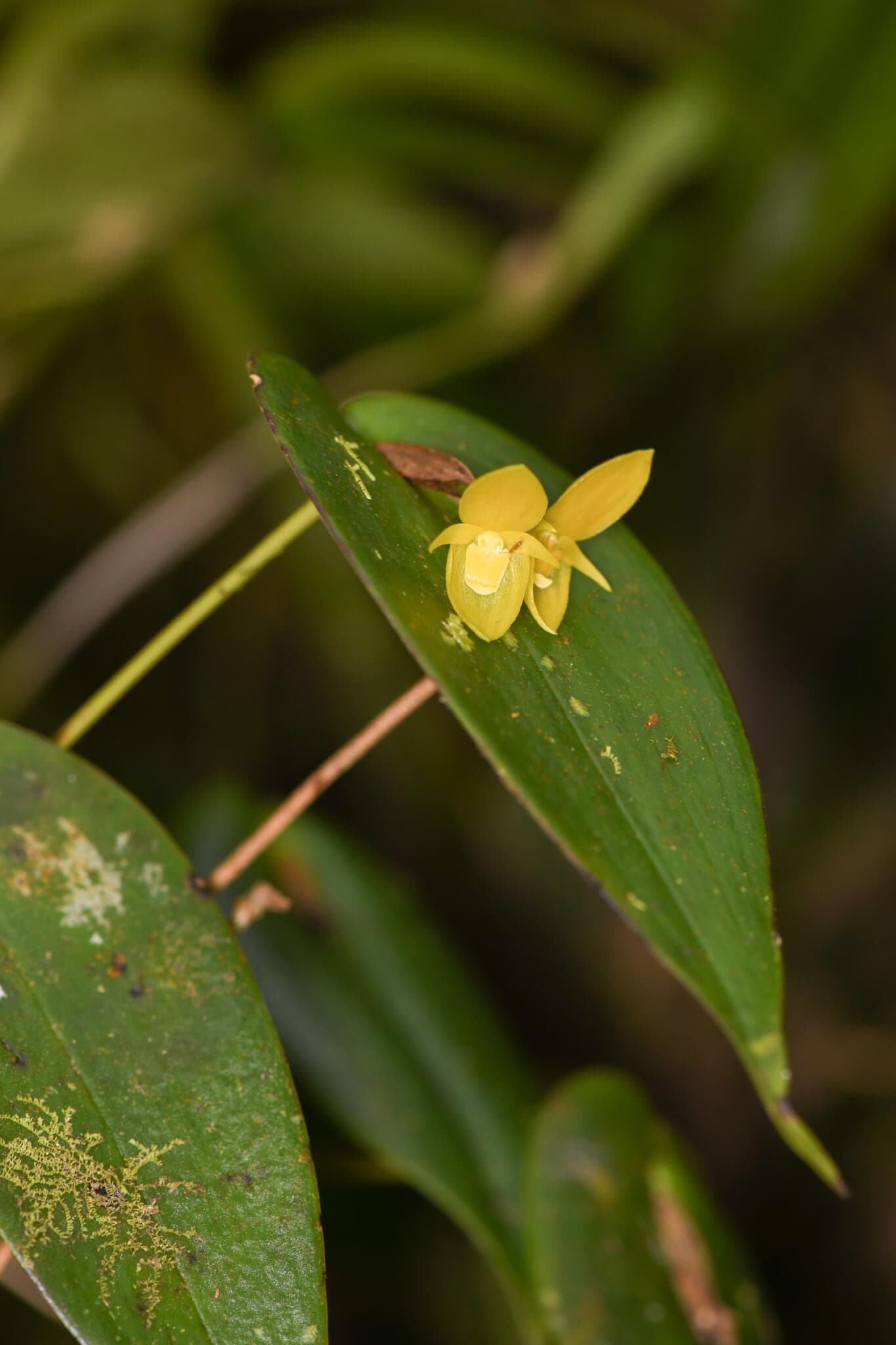
The region's plant life reflects that vertical range. Colombia alone records more orchid species than any other country, and the Andean cloud forests of Ecuador and Peru are global centres for Orchidaceae, Bromeliaceae, and Ericaceae. Cloud forests sit in a near-permanent layer of mist; their branches carry dense communities of epiphytes — plants that grow on other plants, drawing moisture and nutrients from the air rather than from soil. This is where many of the most-loved terrarium genera originate: Anthurium, Philodendron, Monstera, Syngonium, Fittonia, and a long list of Peperomia and miniature Pleurothallis-group orchids.
The lowland Amazon portions add the broad-leaved tropical understory species — aroids, prayer plants, ferns — that thrive in warm, still, humid air. The Galápagos contribute a much drier, more isolated flora, shaped by the cold Humboldt Current.
European botanical exploration of the region began in earnest with Alexander von Humboldt and Aimé Bonpland's expedition of 1799–1804, and continues today through institutions such as Colombia's Instituto Humboldt and Ecuador's Herbario Nacional. Conservation pressure is high — the Tropical Andes, the Chocó, and the western Amazon foothills all rank among the world's most threatened biodiversity hotspots.
Native to Western South America
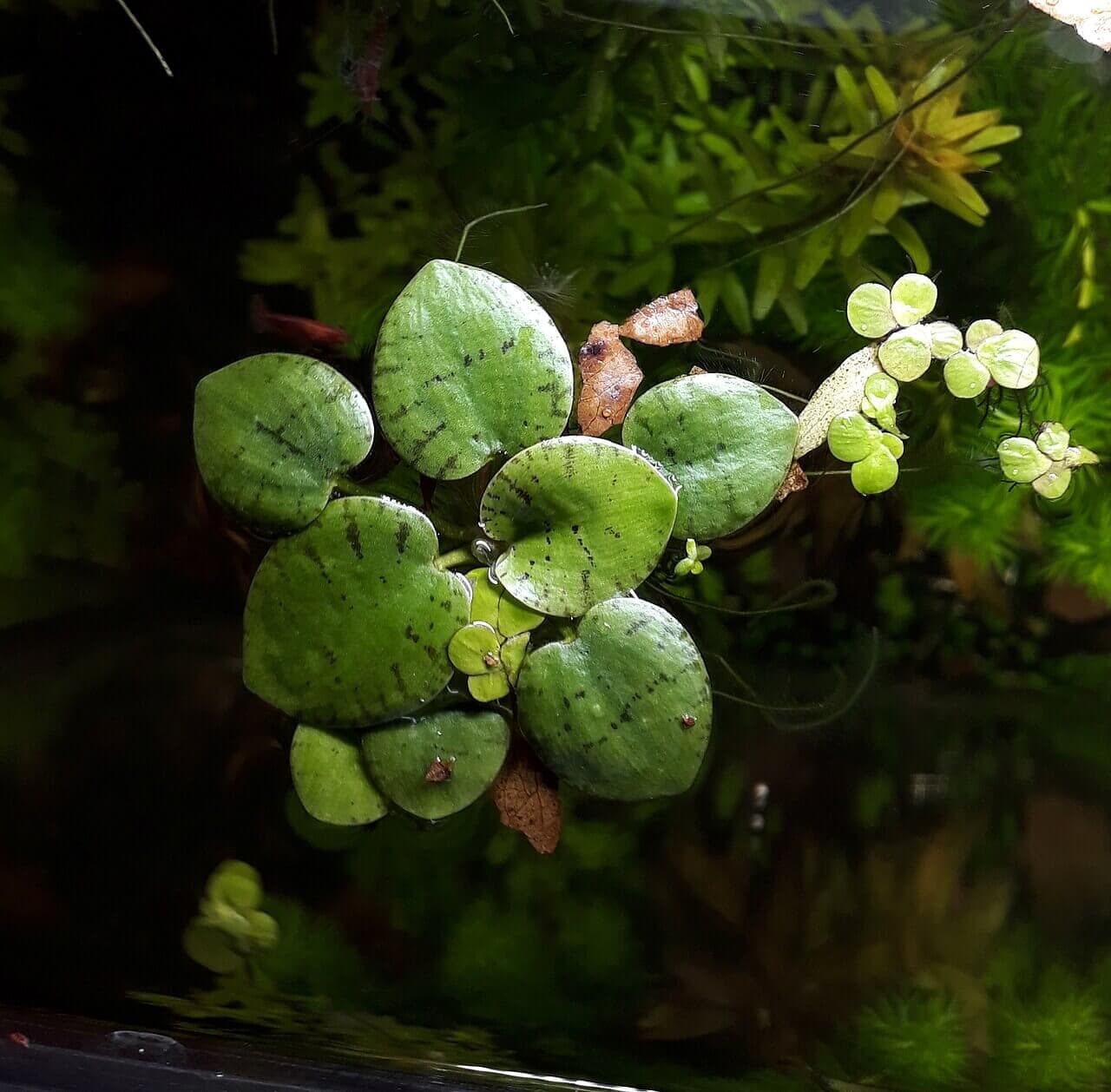
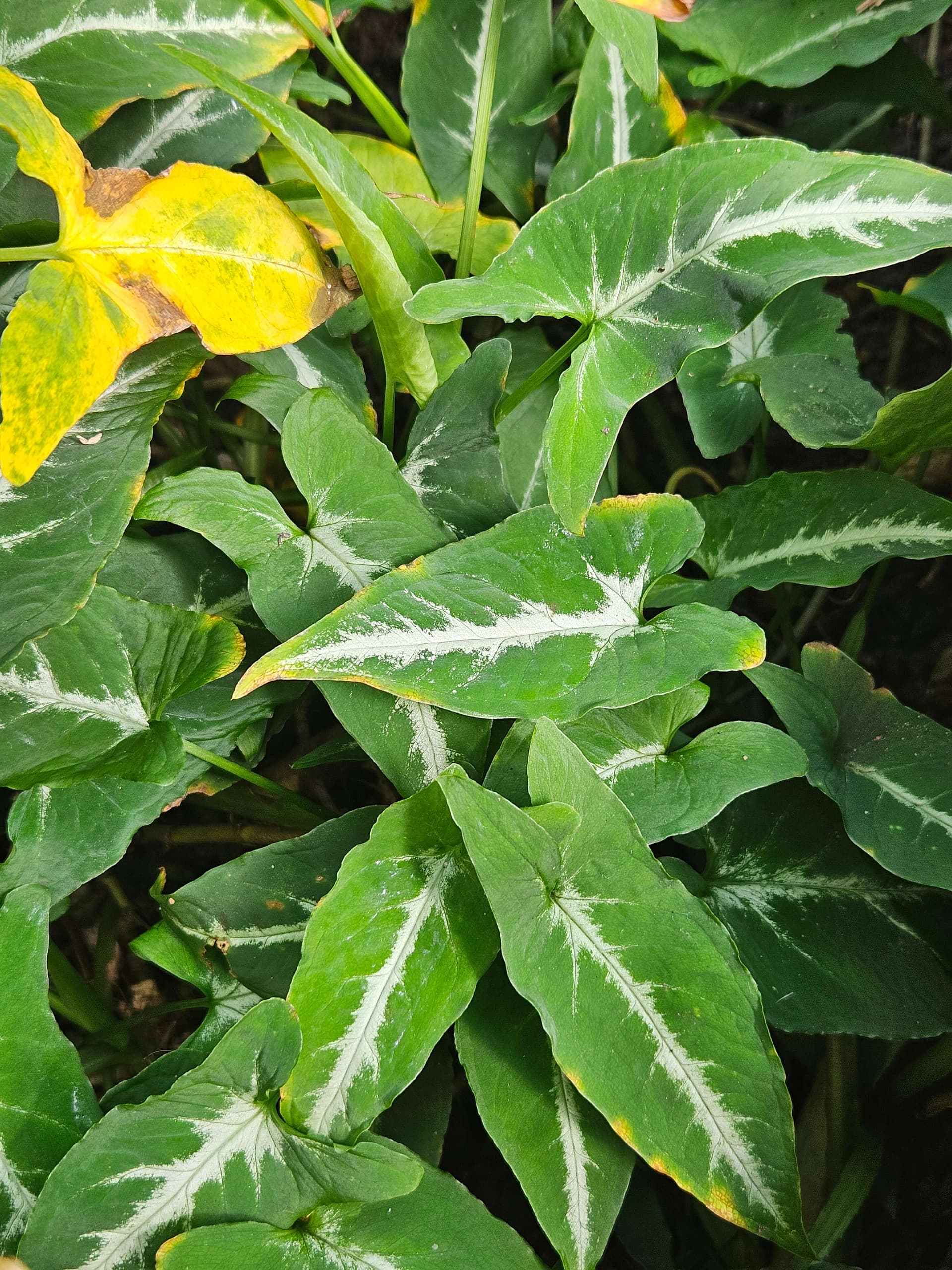
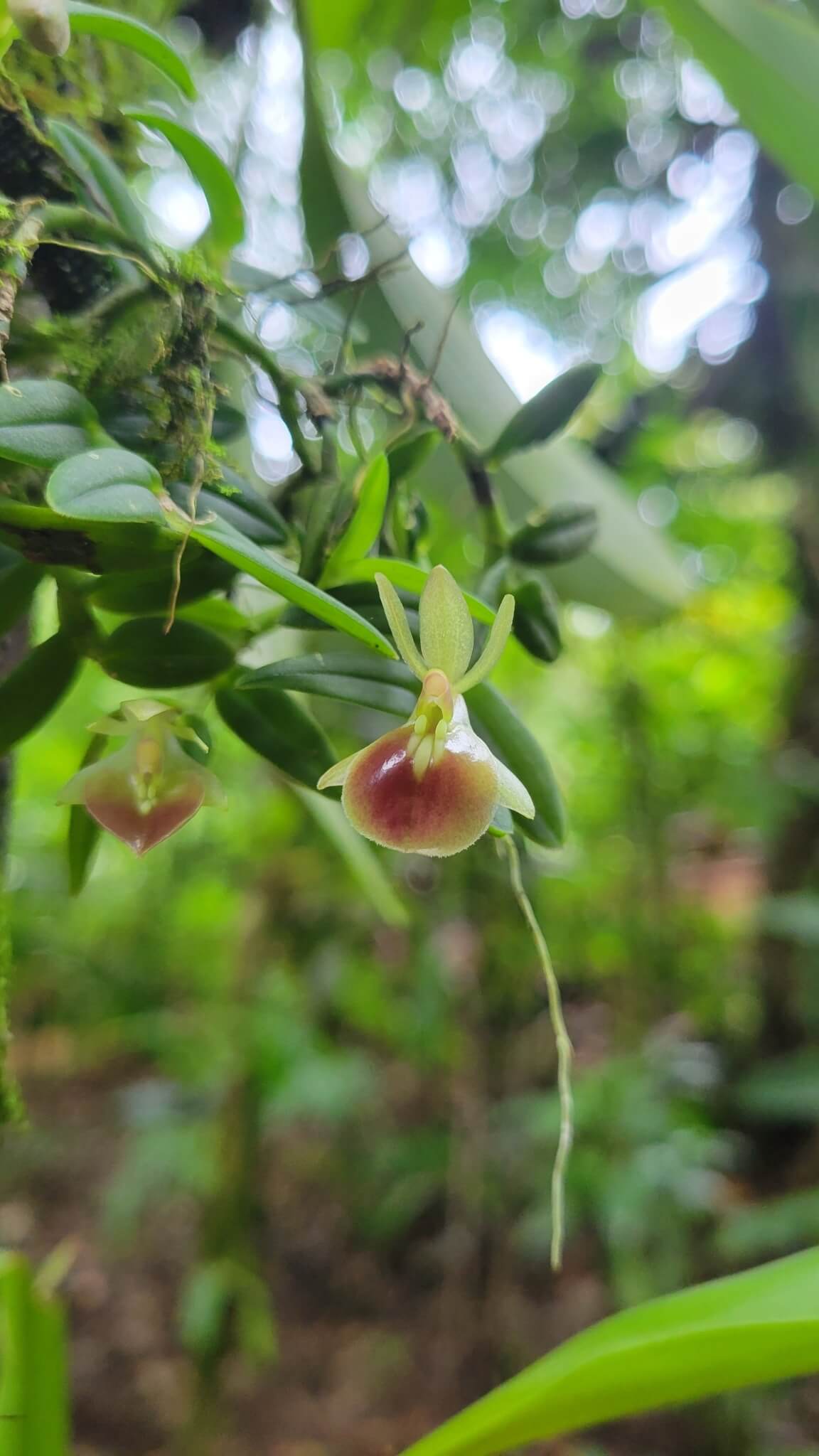
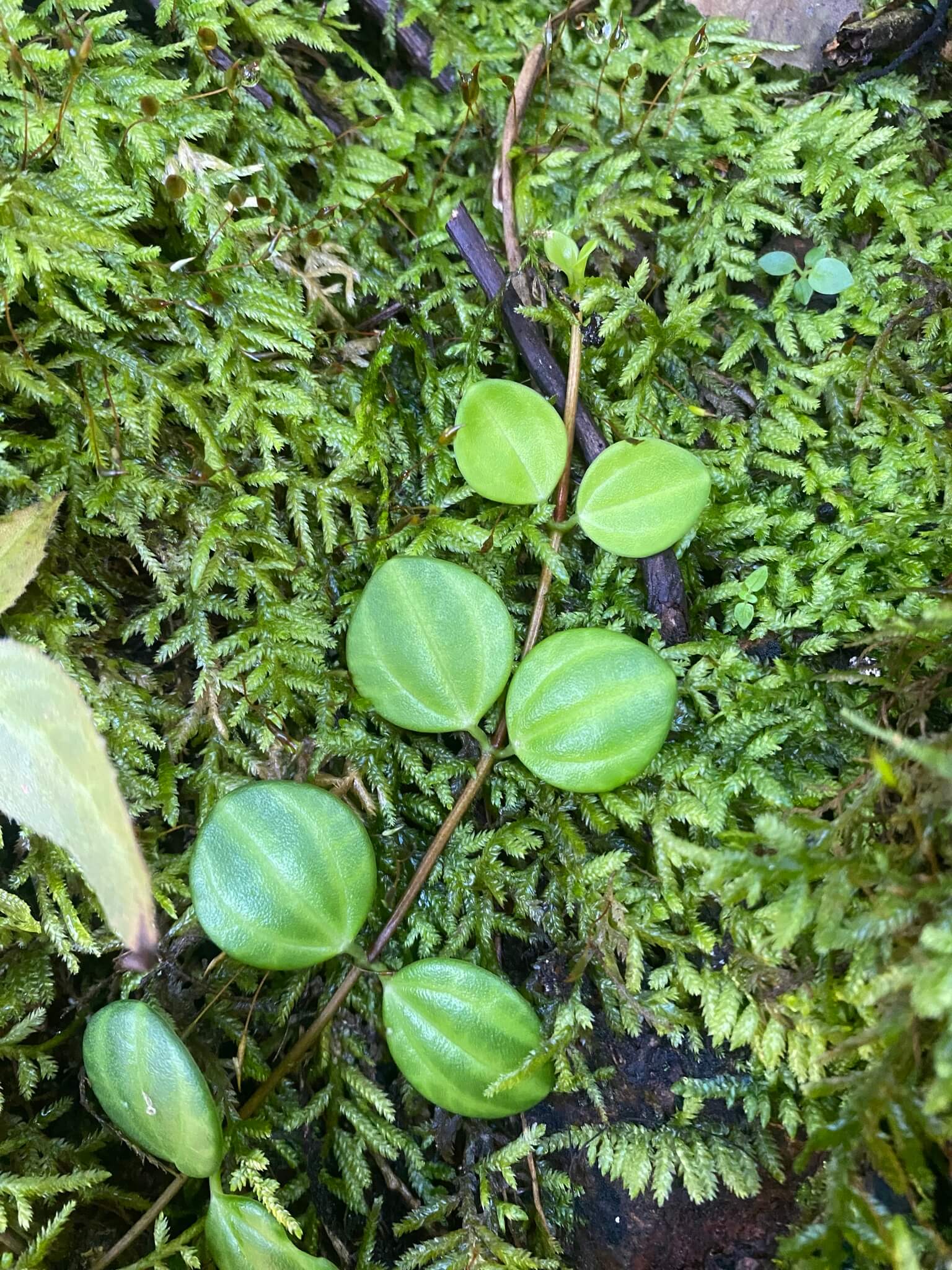
Explore plants from this region
References
- Encyclopedia BritannicaAndes mountains overview — geography, elevation, climate zonation
- WikipediaTropical Andes biodiversity hotspot — endemism, biomes, conservation context
- Kew POWOPlants of the World Online — regional checklists used to cross-check family/genus distributions
- One Earth BioregionsBioregional framing for the Northern Andes, Central Andes, and Western Amazon