Northern America · TDWG Level 2
Western Canada
Western Canada covers British Columbia, Alberta, Saskatchewan, and Manitoba — almost three million square kilometres reaching from the Pacific coast across the Rockies to the prairies and the western edge of the Canadian Shield. The flora shifts dramatically across this span, from coastal temperate rainforest to dry grassland to boreal taiga.
Western Canada is a single botanical region but four very different worlds. It joins British Columbia, Alberta, Saskatchewan, and Manitoba into one TDWG unit covering roughly 2.9 million square kilometres. The climate is broadly temperate, but with sharp gradients — oceanic on the BC coast, dry continental on the prairies, and subarctic in the north.
Topography sets the pattern. The Pacific edge climbs straight from sea level into the Coast Mountains, with Mount Fairweather on the BC–Alaska border reaching 4,663 metres. The Rockies form a second spine running north–south through eastern BC and western Alberta. East of the mountains the land flattens into the Prairie provinces — short-grass and mixed-grass plains in the south, aspen parkland in the middle, and boreal forest across the north.
Vegetation tracks this layout. The BC coast holds the world's largest expanse of temperate rainforest — vast stands of Western redcedar (Thuja plicata), Douglas-fir (Pseudotsuga menziesii), Sitka spruce, and Western hemlock, with an understory of sword fern (Polystichum munitum), salal (Gaultheria shallon), and devil's club. Move inland and the forests shift to drier ponderosa pine and Douglas-fir, then to boreal spruce, jack pine, and aspen across the prairie provinces' northern halves. The southern prairies — particularly south of Calgary and through southern Saskatchewan — are grassland dominated by Bouteloua, Stipa, and Artemisia species, with extensive wetland complexes.
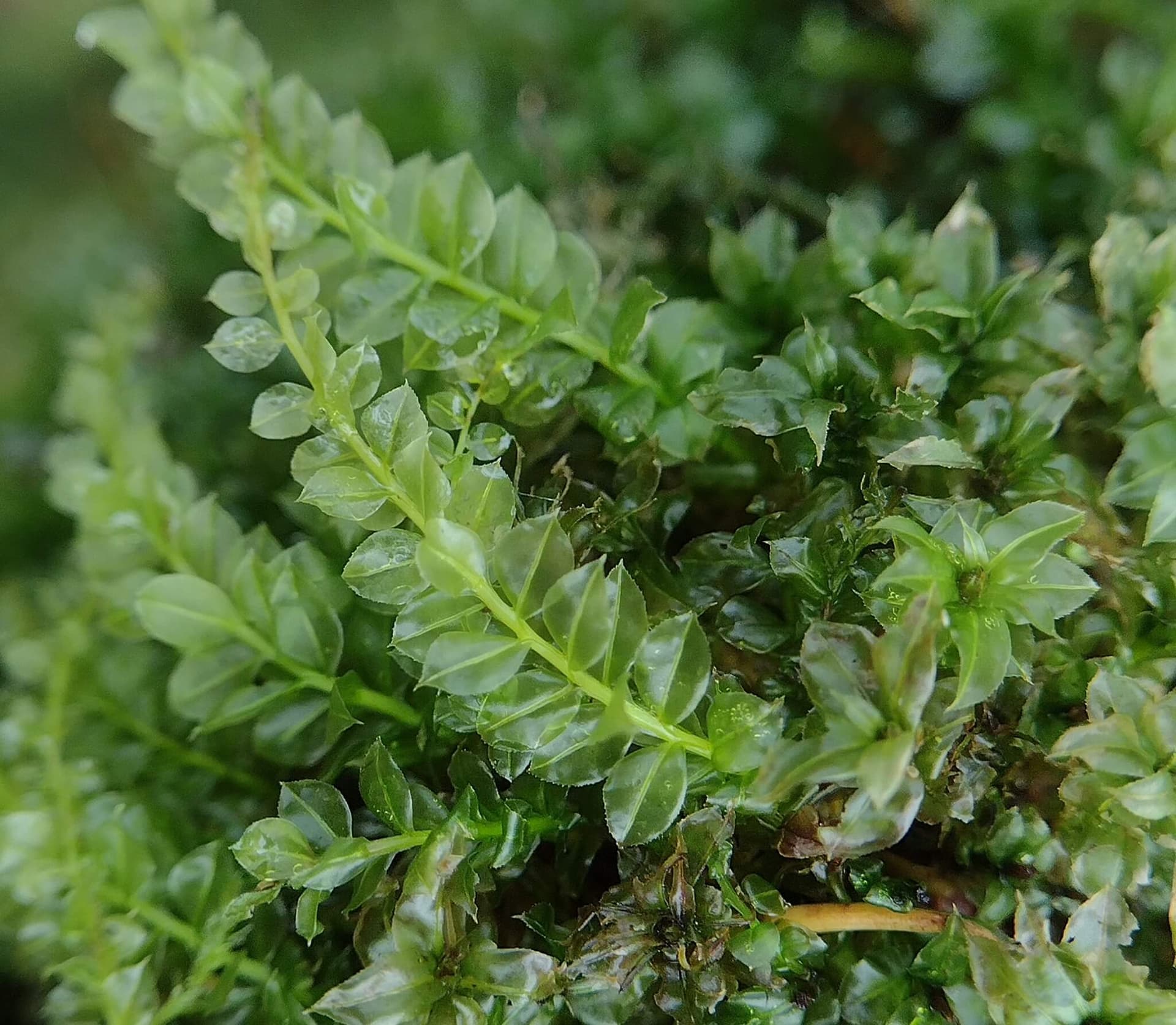
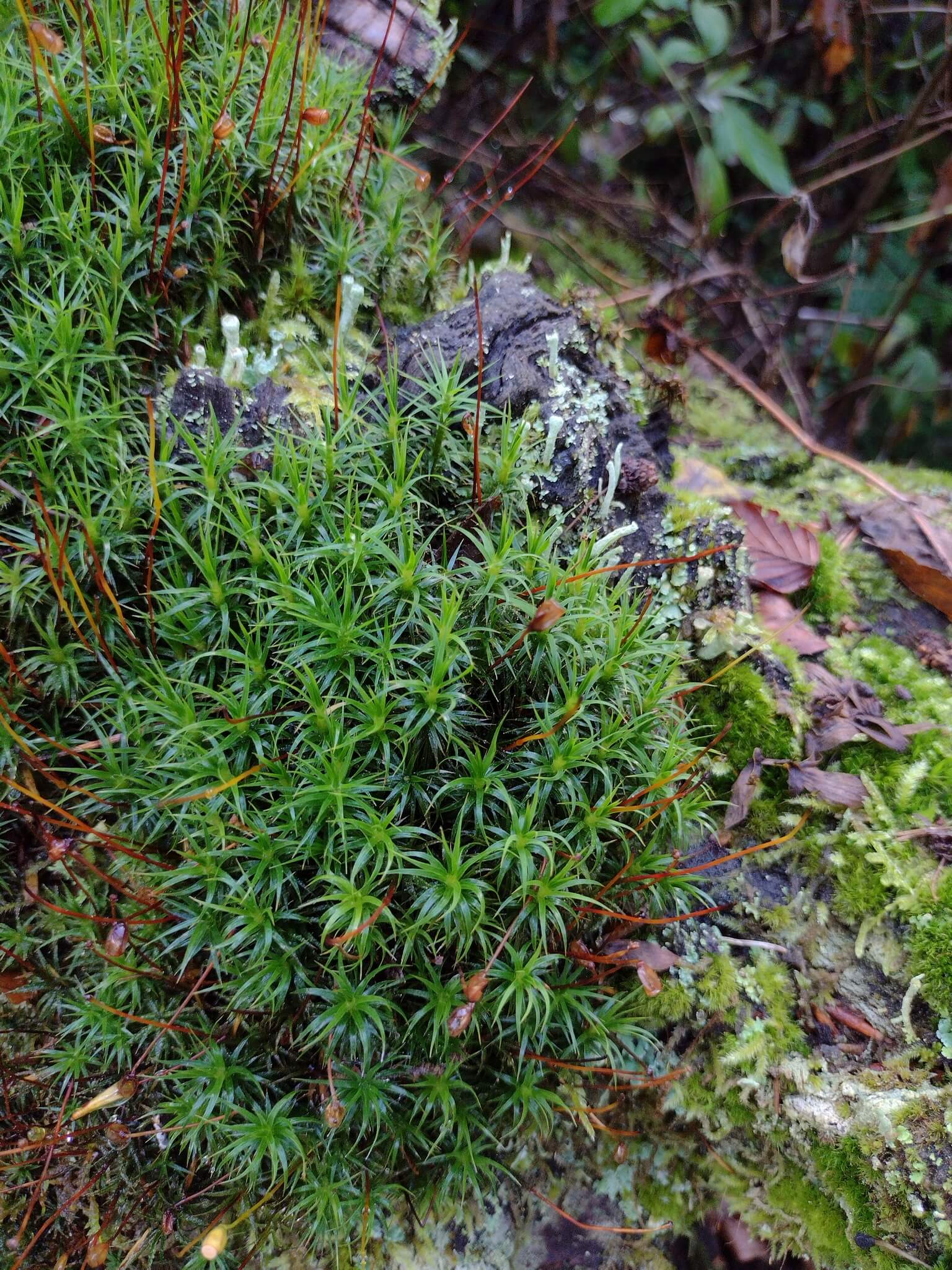
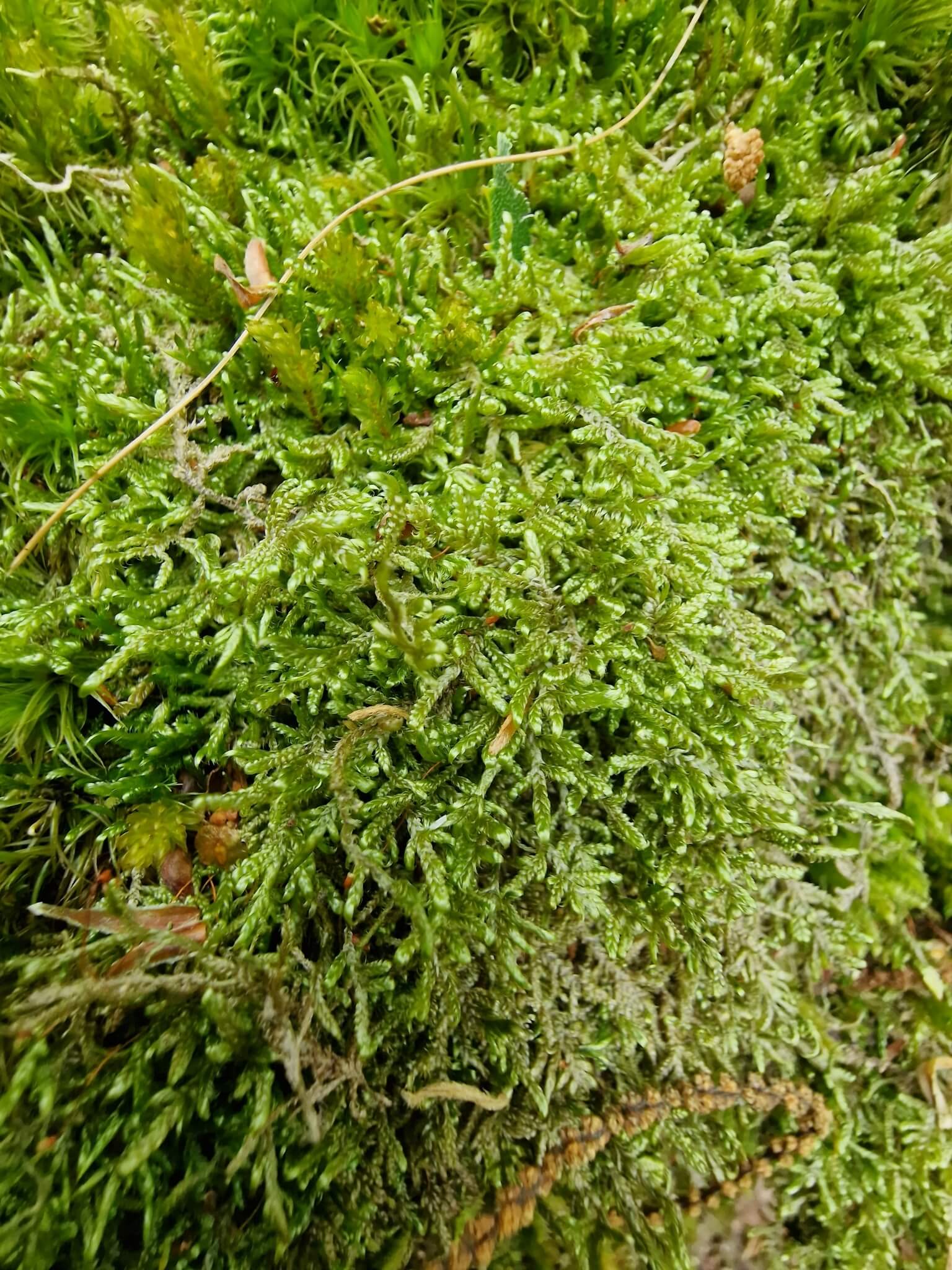
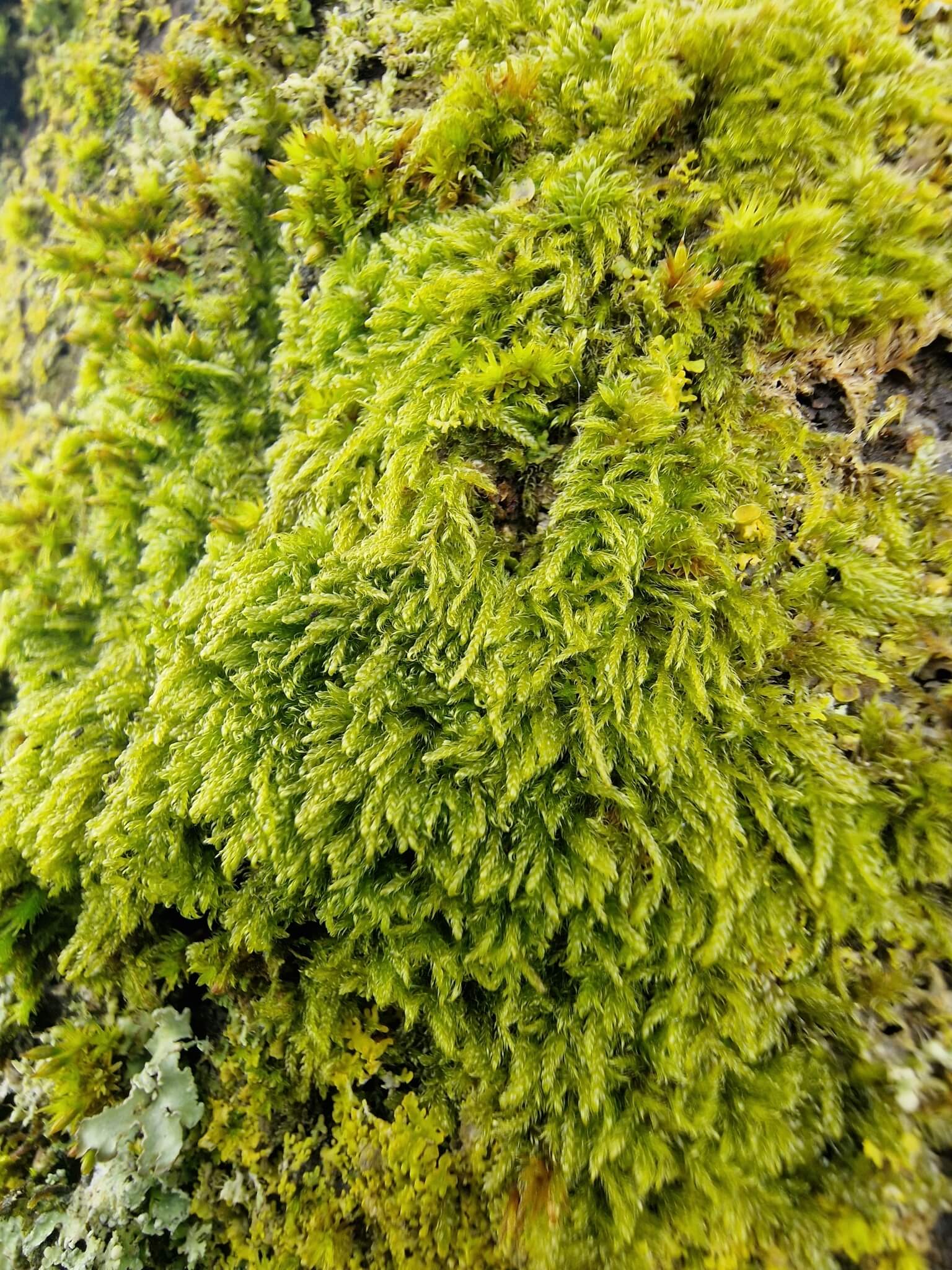
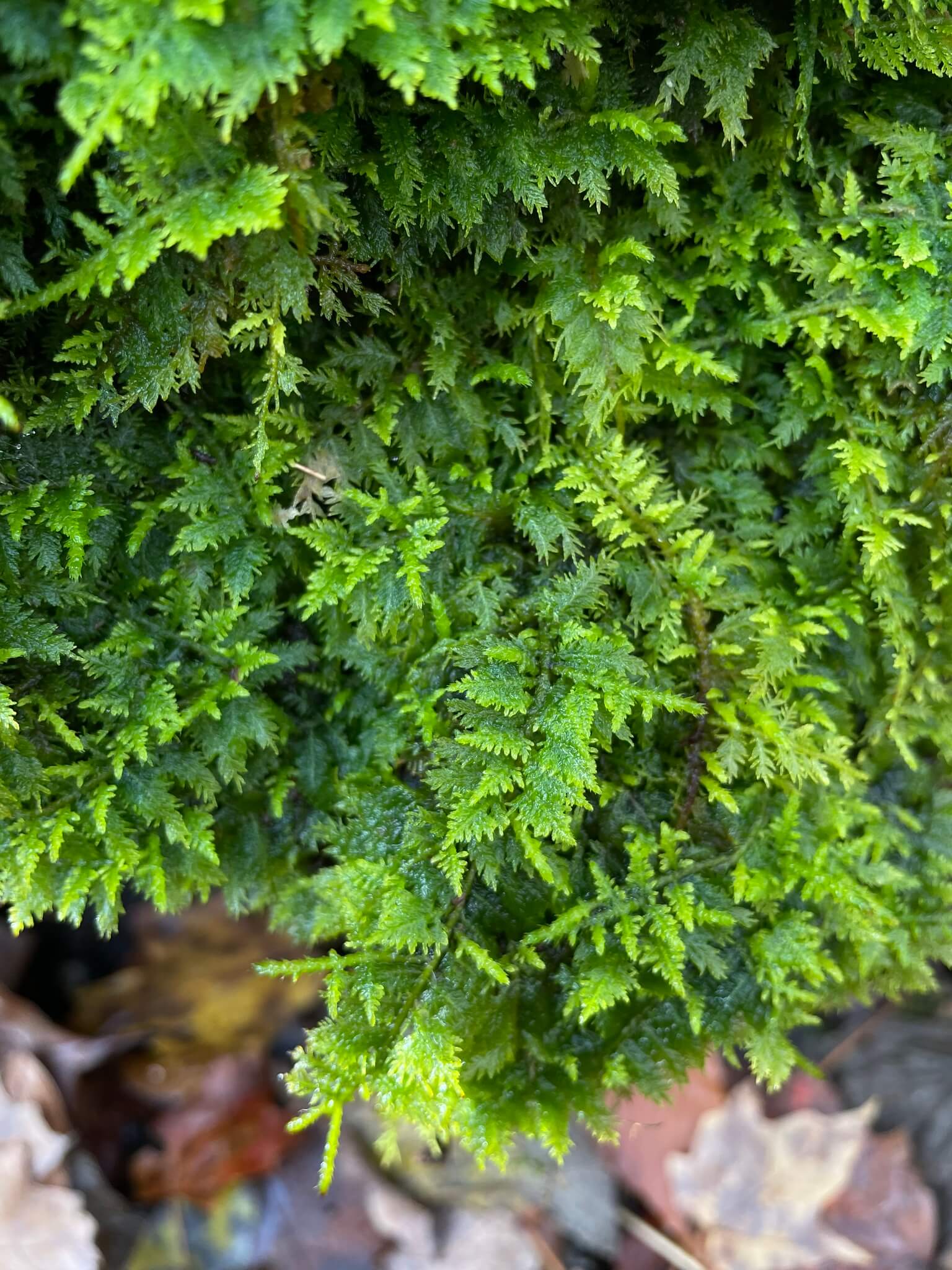
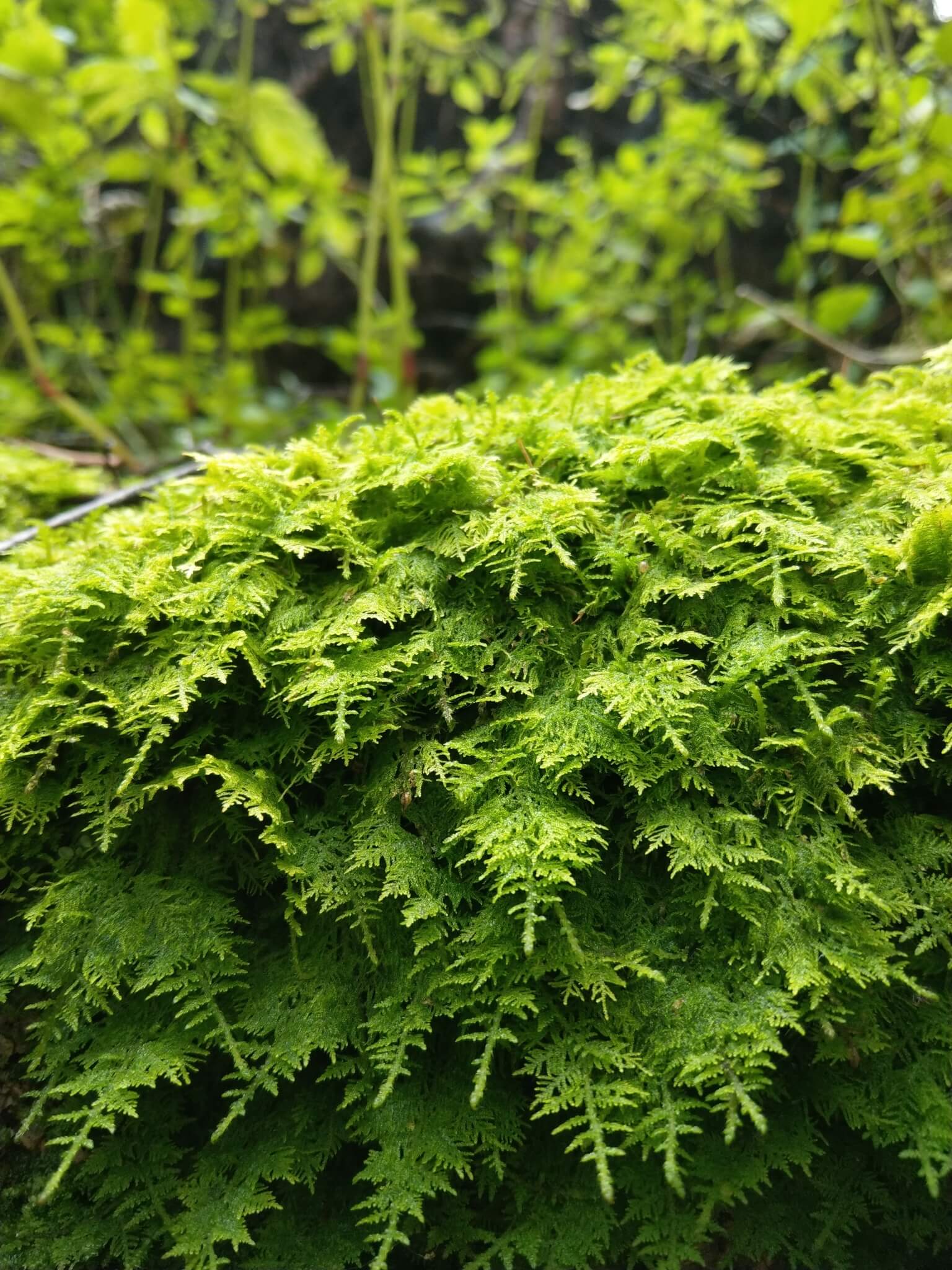
Mosses and lichens carpet the understory in both the coastal rainforest and the boreal interior. The Verdarium catalogue currently reflects this part of the flora: sixteen circumboreal bryophytes are tagged here, including Hylocomium splendens (stair-step moss), Dicranum scoparium (mood moss), and Pleurozium schreberi (red-stemmed feather moss). Many of these are excellent terrarium subjects, prized for their structure and tolerance of moist closed setups.
Indigenous Pacific Northwest cultures developed deep plant-use traditions around western redcedar and salal, and modern collections at the UBC Botanical Garden and the Royal British Columbia Museum continue to document the regional flora.
Native to Western Canada
Explore plants from this region
References
- Encyclopedia BritannicaPacific coast geography, climate, and temperate rainforest baseline.
- Encyclopedia BritannicaPrairie and Rocky Mountain context.
- Kew POWOUsed to confirm characteristic genera (Thuja, Pseudotsuga, Polystichum, Gaultheria, Bouteloua).
- WikipediaConfirms 4,663 m as BC's highest summit and regional maximum.
- WikipediaTDWG WGSRPD scheme — confirms member botanical countries of region 71 (ABT, BRC, MAN, SAS).