Northern America · TDWG Level 2
Southeastern U.S.A.
Southeastern U.S.A. covers fourteen states plus DC from Maryland and Kentucky south to Florida and west to Louisiana — roughly 1.5 million square kilometres of humid subtropical lowlands, the southern Appalachians, and the subtropical Florida peninsula. It holds one of the richest temperate floras on Earth, from longleaf pine savannas to Appalachian cove forests.
Southeastern U.S.A. is the TDWG region covering the American South and the central Appalachians. It joins fourteen states — Alabama, Arkansas, Delaware, Florida, Georgia, Kentucky, Louisiana, Maryland, Mississippi, North Carolina, South Carolina, Tennessee, Virginia, and West Virginia — plus the District of Columbia (Texas is also formally listed here but is covered in its own region, 77). Climate is dominantly humid subtropical, edging into true tropical at the southern tip of Florida. Summers are long, hot, and humid; winters are mild and rarely freeze in the south.
The land falls into three broad strips. The southern Appalachians run northeast-to-southwest through Tennessee, North Carolina, and Virginia, peaking at Mount Mitchell in North Carolina at 2,037 metres — the highest point east of the Mississippi. West and east of the mountains, the Piedmont and Cumberland Plateau roll down into the vast Atlantic and Gulf coastal plains. The Mississippi River drains the western flank; the Florida peninsula closes the region in the south with limestone karst, sawgrass marsh, and mangrove coast.
The Southeast is one of the most biodiverse temperate regions on the planet. The southern Appalachian cove forests carry an extraordinary mix of broadleaf trees — sugar maple, tuliptree (Liriodendron tulipifera), basswood, and yellow buckeye — and a dense spring ephemeral flora of Trillium, Erythronium, and orchids. Above 1,500 metres in the Smokies and surrounding peaks, a remnant boreal spruce-fir forest of red spruce (Picea rubens) and the endemic Fraser fir (Abies fraseri) takes over. The coastal plain holds the longleaf pine savanna (Pinus palustris) — a fire-maintained open forest of immense plant diversity, often with carnivorous plants in seepage bogs (Sarracenia, Drosera, and the Carolina endemic Venus flytrap Dionaea muscipula). Bald cypress (Taxodium distichum) defines the bottomland swamps, draped in Spanish moss (Tillandsia usneoides), with live oak (Quercus virginiana), southern magnolia (Magnolia grandiflora), and cabbage palmetto (Sabal palmetto) closer to the coast. South Florida shifts into subtropical hammocks, sawgrass everglades, and mangrove (Rhizophora mangle) shoreline.
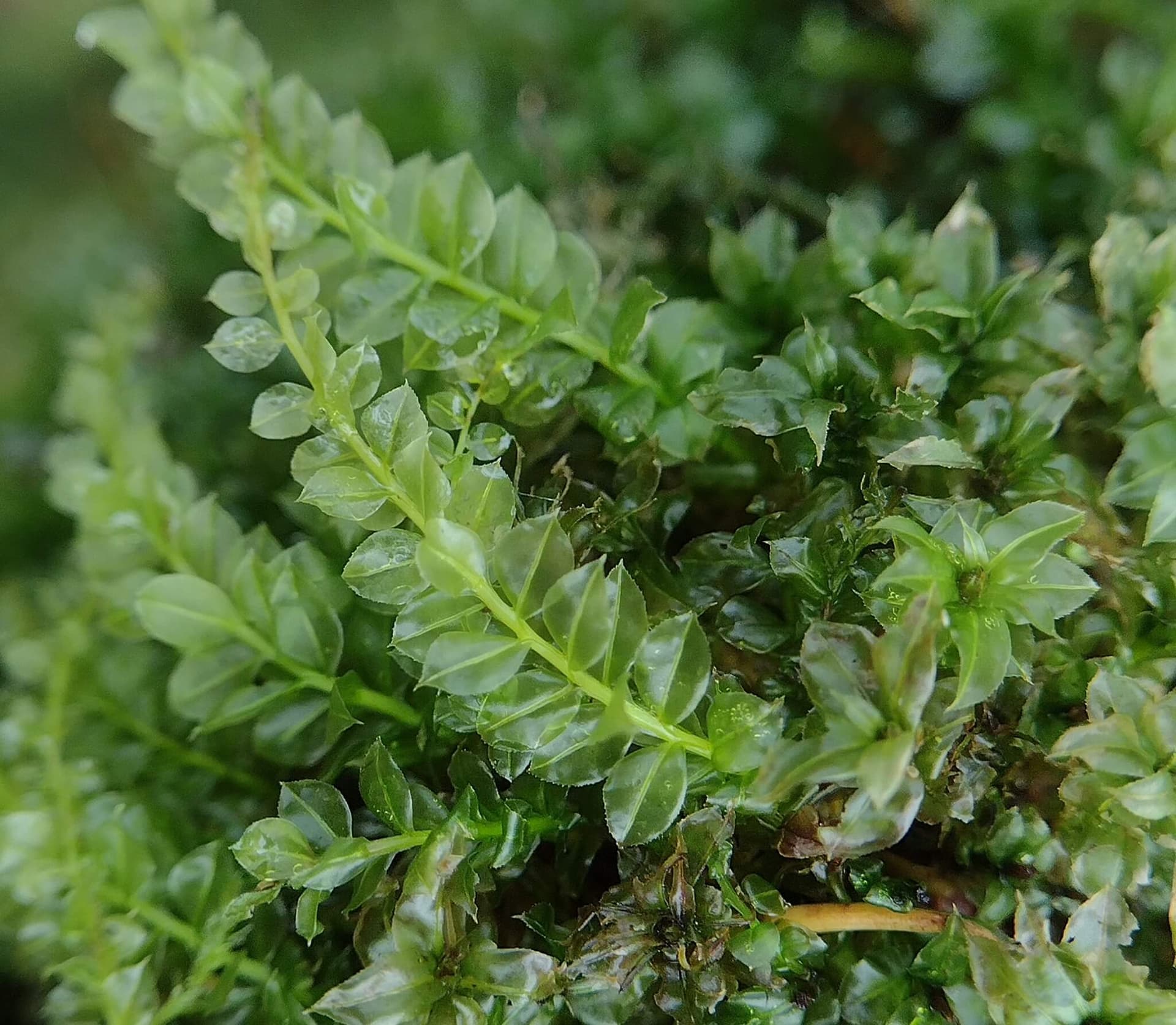
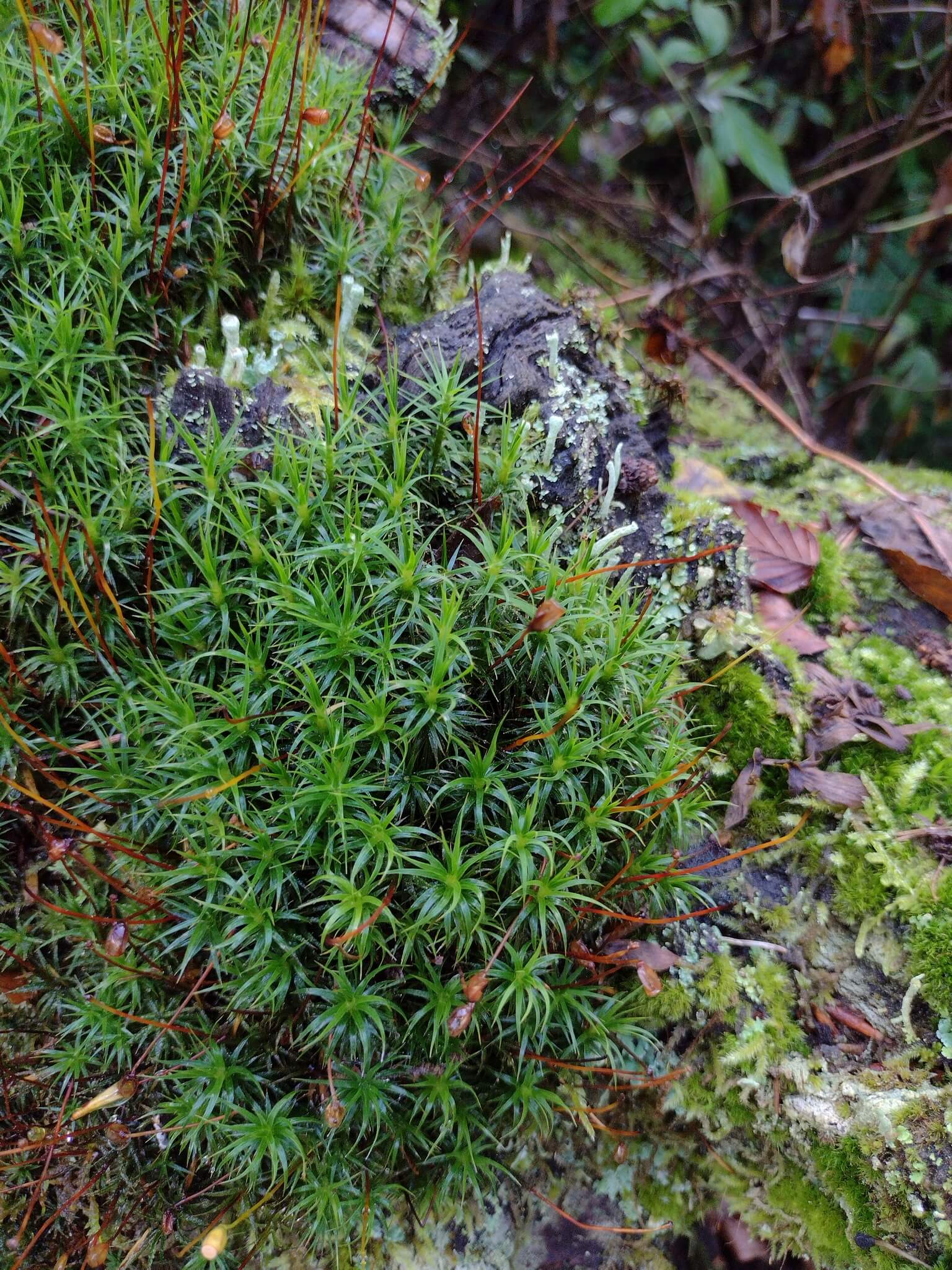
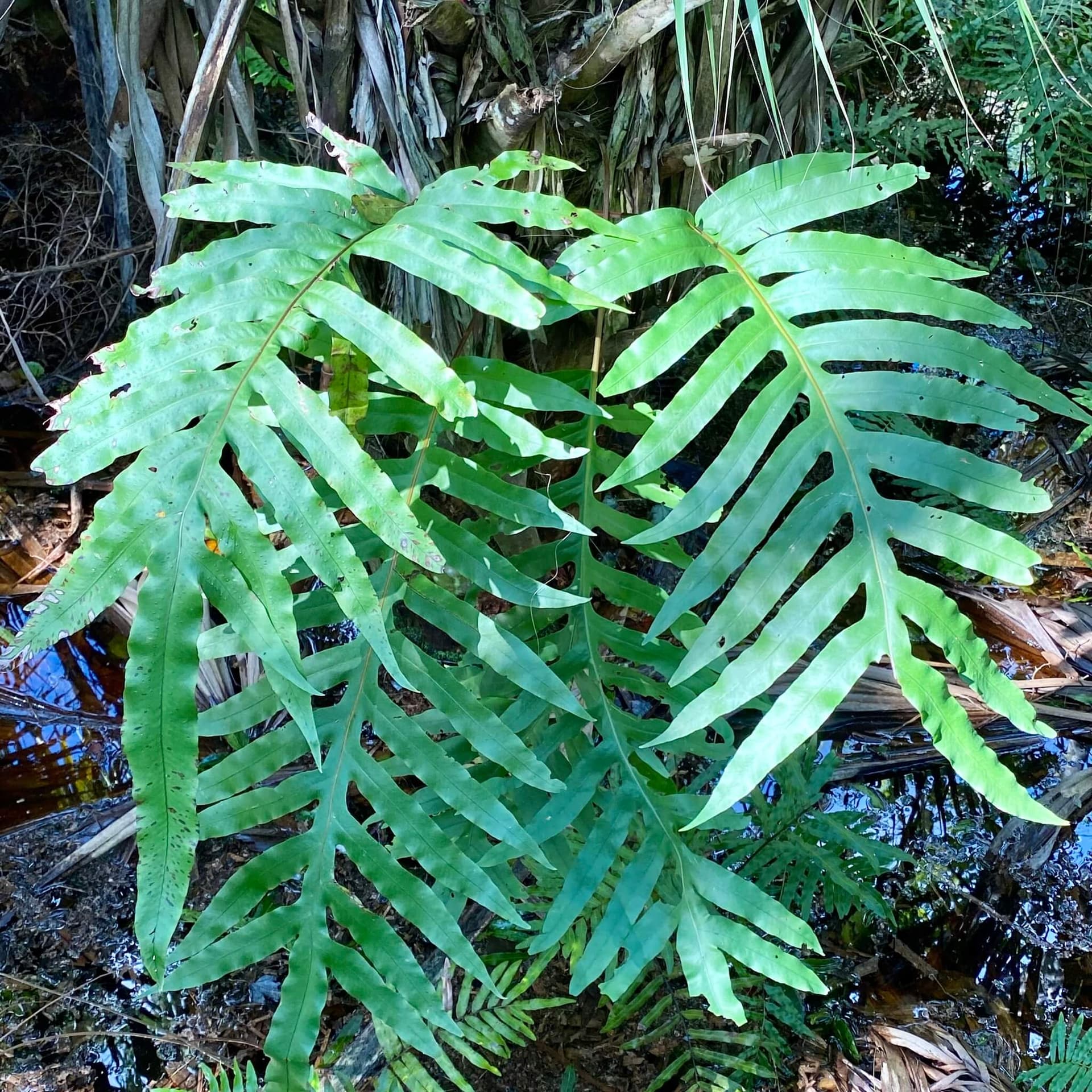
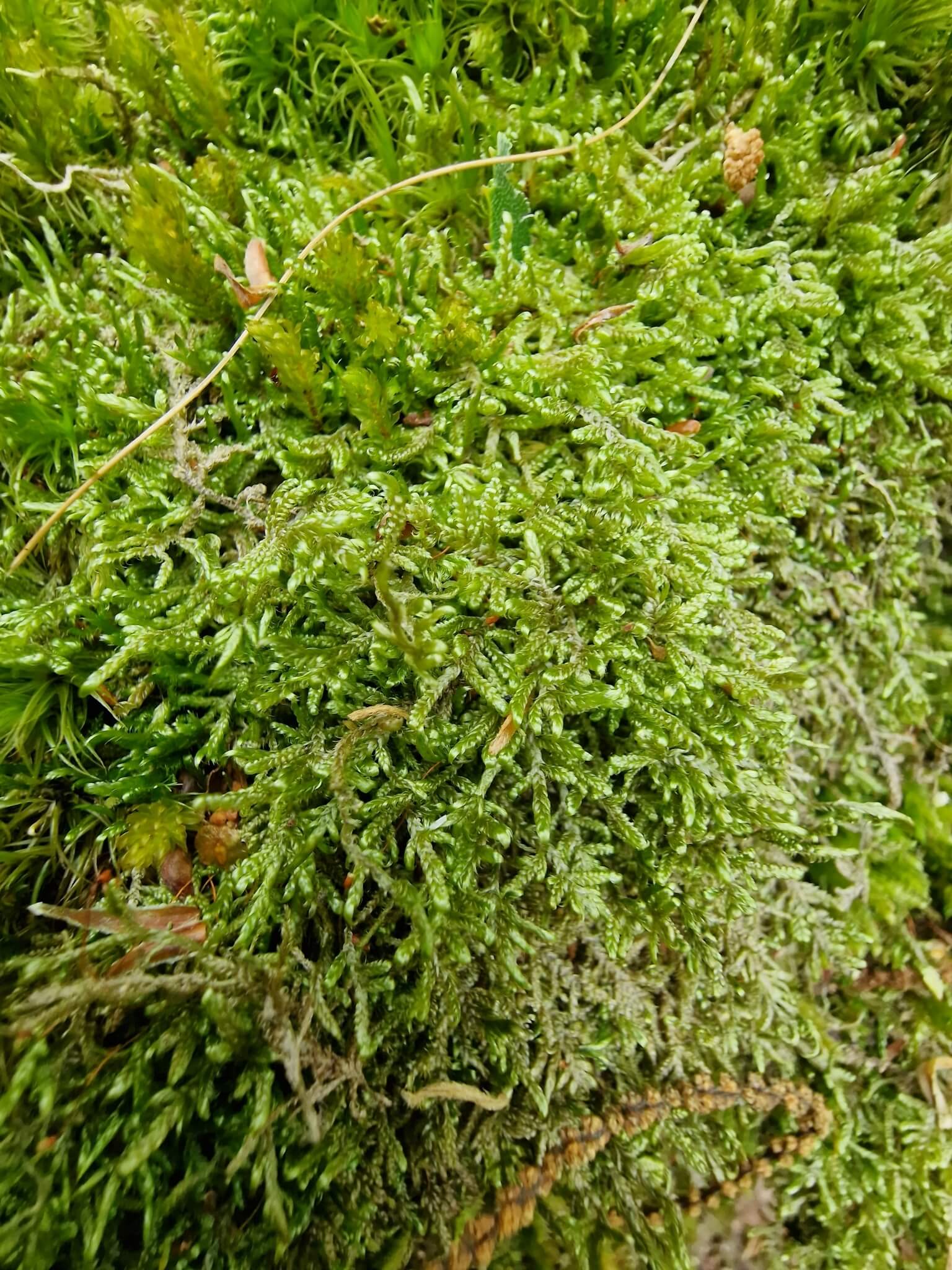
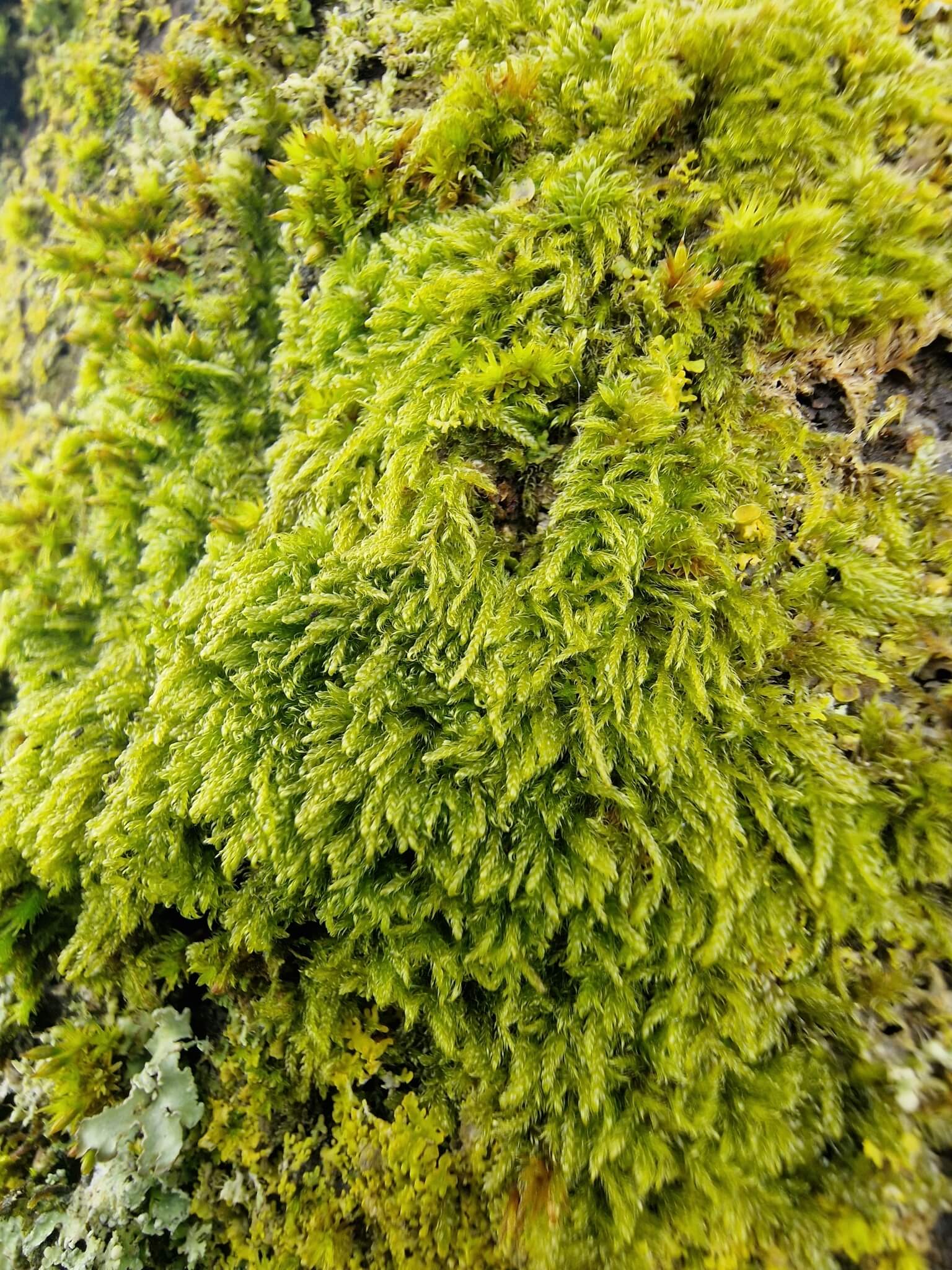
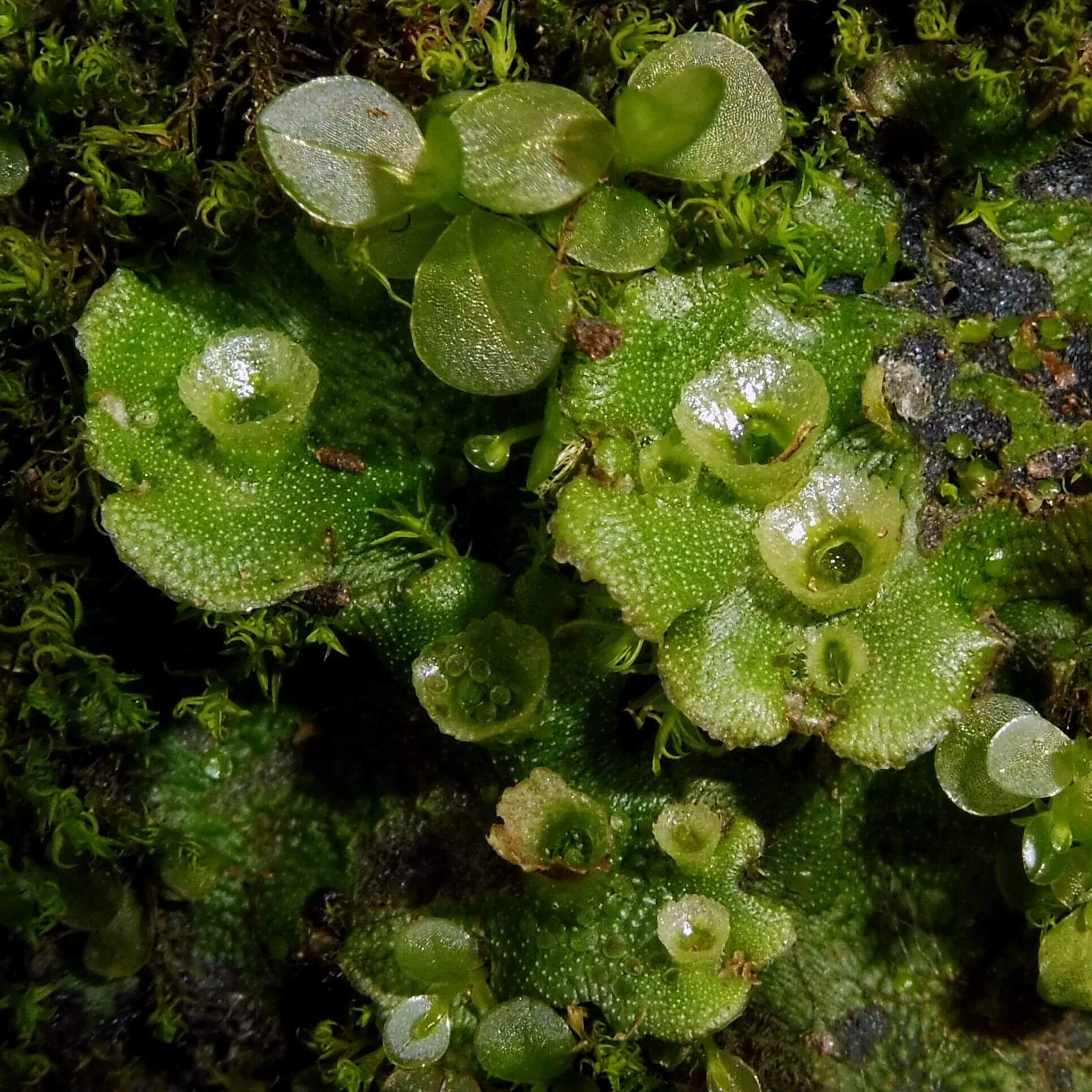
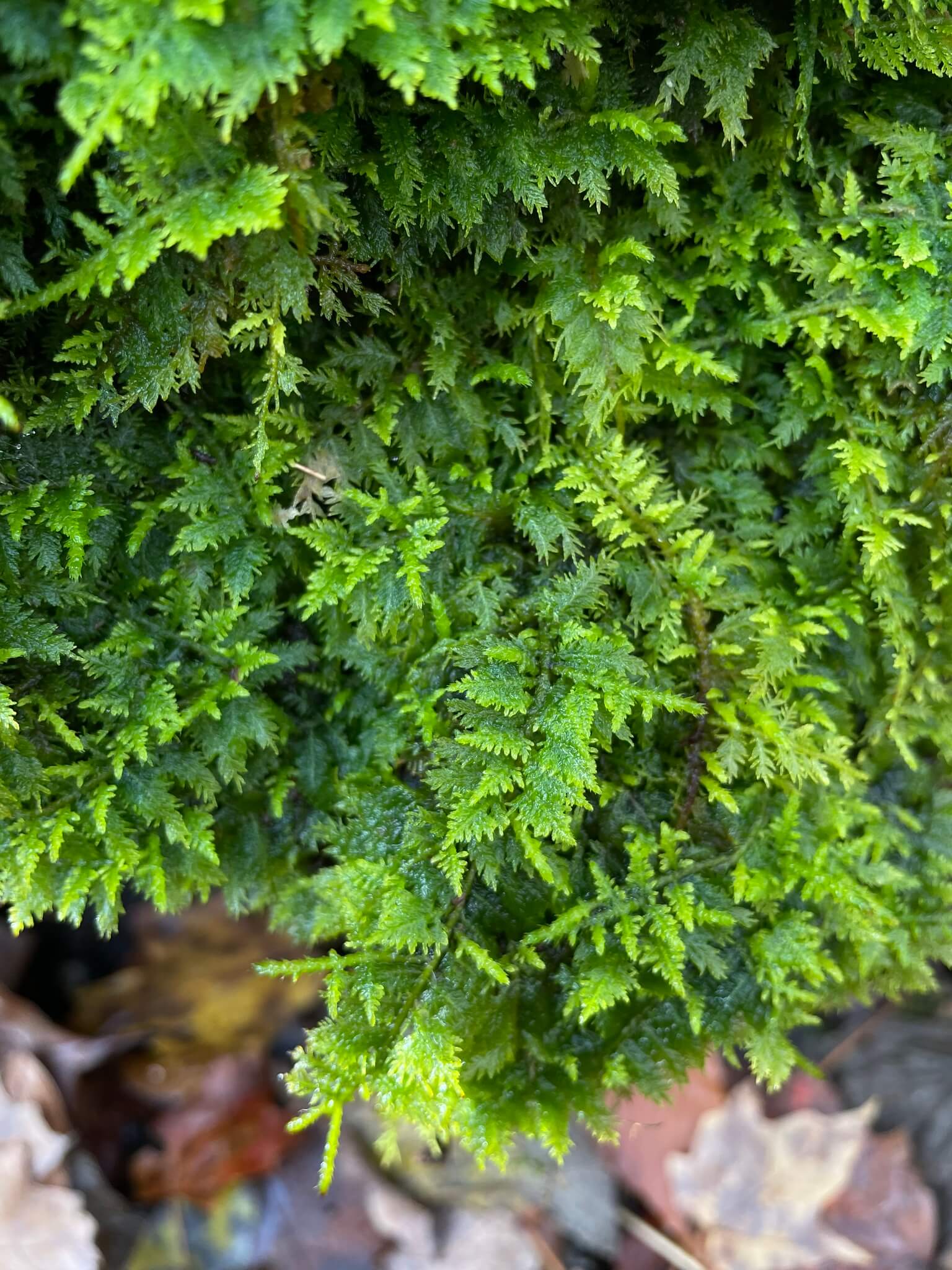
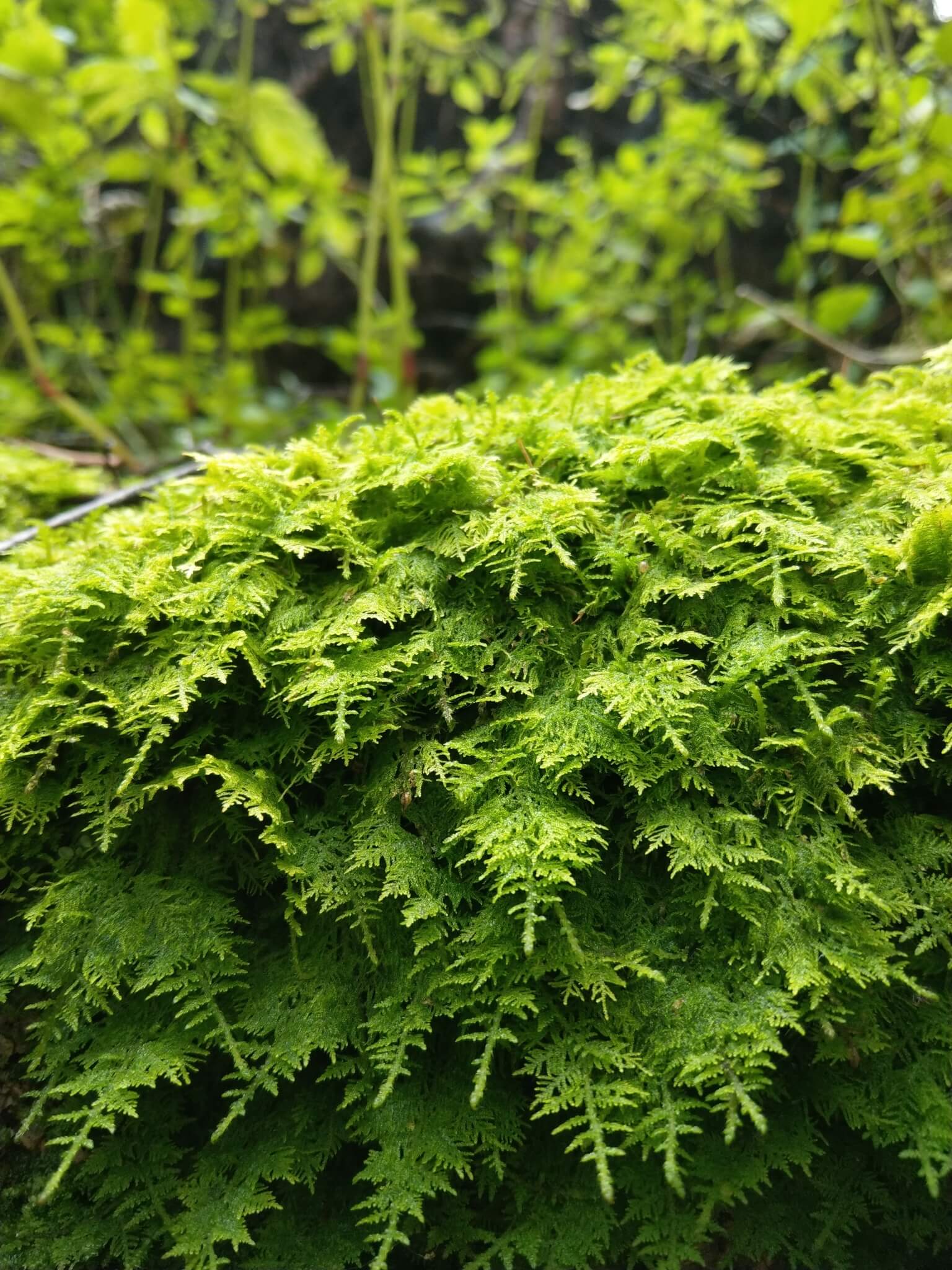
The Verdarium catalogue currently tags twenty species here. Most are circumboreal mosses, but the region is finally well represented for southeastern terrarium specialists: Dionaea muscipula, the Florida natives Nephrolepis exaltata and Phlebodium aureum, and the trailing Callisia repens.
The region also hosts important institutions for native flora — the Atlanta Botanical Garden, Fairchild Tropical Botanic Garden in Miami, and the long-running Highlands Biological Station in the Carolinas.
Native to Southeastern U.S.A.
Explore plants from this region
References
- Encyclopedia BritannicaGeography and climate baseline for the American South.
- Encyclopedia BritannicaSouthern Appalachian cove and spruce-fir forest context.
- Encyclopedia BritannicaSubtropical Florida wetland and mangrove context.
- Kew POWOUsed to confirm characteristic genera (Pinus palustris, Quercus virginiana, Magnolia grandiflora, Taxodium distichum, Sabal palmetto, Tillandsia usneoides, Abies fraseri, Dionaea muscipula).
- WikipediaClimate, area, and member states overview.
- WikipediaConfirms 2,037 m as the high point of the Southeast proper (highest peak east of the Mississippi).
- TDWG WGSRPDAuthoritative Level 3 table — confirms member botanical countries of region 78 (ALA, ARK, DEL, FLA, GEO, KTY, LOU, MRY, MSI, NCA, SCA, TEN, TEX, VRG, WDC, WVA). TEX and WVA are formally shared with regions 77 and 75 respectively.