Africa · TDWG Level 2
South Tropical Africa
South Tropical Africa runs from the Atlantic coast of Angola across the Zambezi basin to the Indian Ocean shore of Mozambique, taking in Angola, Zambia, Malawi, Mozambique, and Zimbabwe. The region is dominated by miombo — the vast *Brachystegia* woodland that defines south-central Africa — and broken by the Eastern Highlands and the Mulanje massif, both small but botanically rich montane refugia.
South Tropical Africa is made up of five countries — Angola, Zambia, Malawi, Mozambique, and Zimbabwe — covering roughly 3.31 million square kilometres between the Equator and the Tropic of Capricorn. The region sits across the Zambezi River, which carries the Victoria Falls and the Cahora Bassa gorge on its course from the Angolan highlands to its delta on the Indian Ocean. Lake Malawi (Nyasa), the third-largest African lake, fills the southernmost reach of the East African Rift. Elevation runs from sea level on both coasts to 3,002 metres at Sapitwa Peak on Mount Mulanje in southern Malawi.
Climate is dominantly tropical savanna (Köppen Aw), with a long single dry season and a summer rainy season. The southwestern corner of Angola tips into hot desert (BWh) where the Namib reaches the Atlantic, and the Eastern Highlands of Zimbabwe and Mozambique carry a humid subtropical climate (Cwa/Cwb) with mist forest above 1,500 metres. Annual rainfall ranges from under 100 mm on the Namib coast to over 2,000 mm in the Zambezi headwaters and the Mulanje massif.
The defining biome is miombo woodland — open, fire-shaped forest dominated by the legume genera Brachystegia, Julbernardia, and Isoberlinia, all from subfamily Detarioideae and rarely found outside the region. Miombo trees flush deep red and copper new leaves at the end of the dry season, before the rains, in one of the most distinctive seasonal displays in African vegetation. Alongside the woodland sit miombo's drier and wetter siblings: mopane (Colophospermum mopane) woodland in the hotter Zambezi valley, the Bangweulu and Lukanga seasonal wetlands of Zambia, and the dambo grasslands that line the headwater streams.
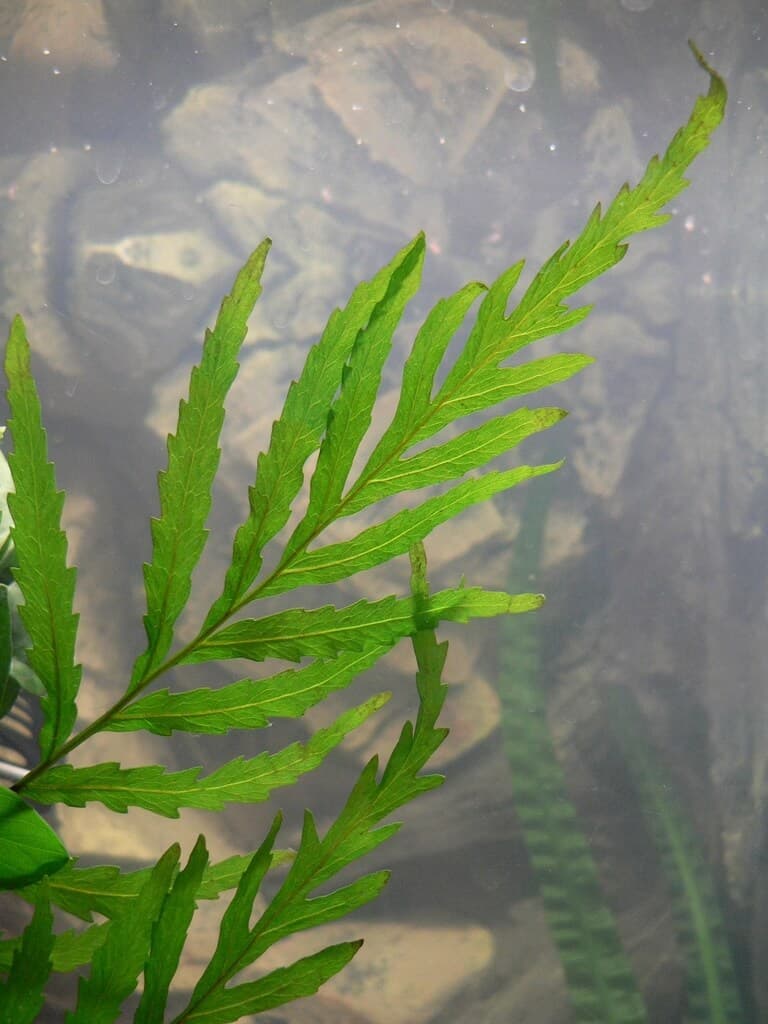
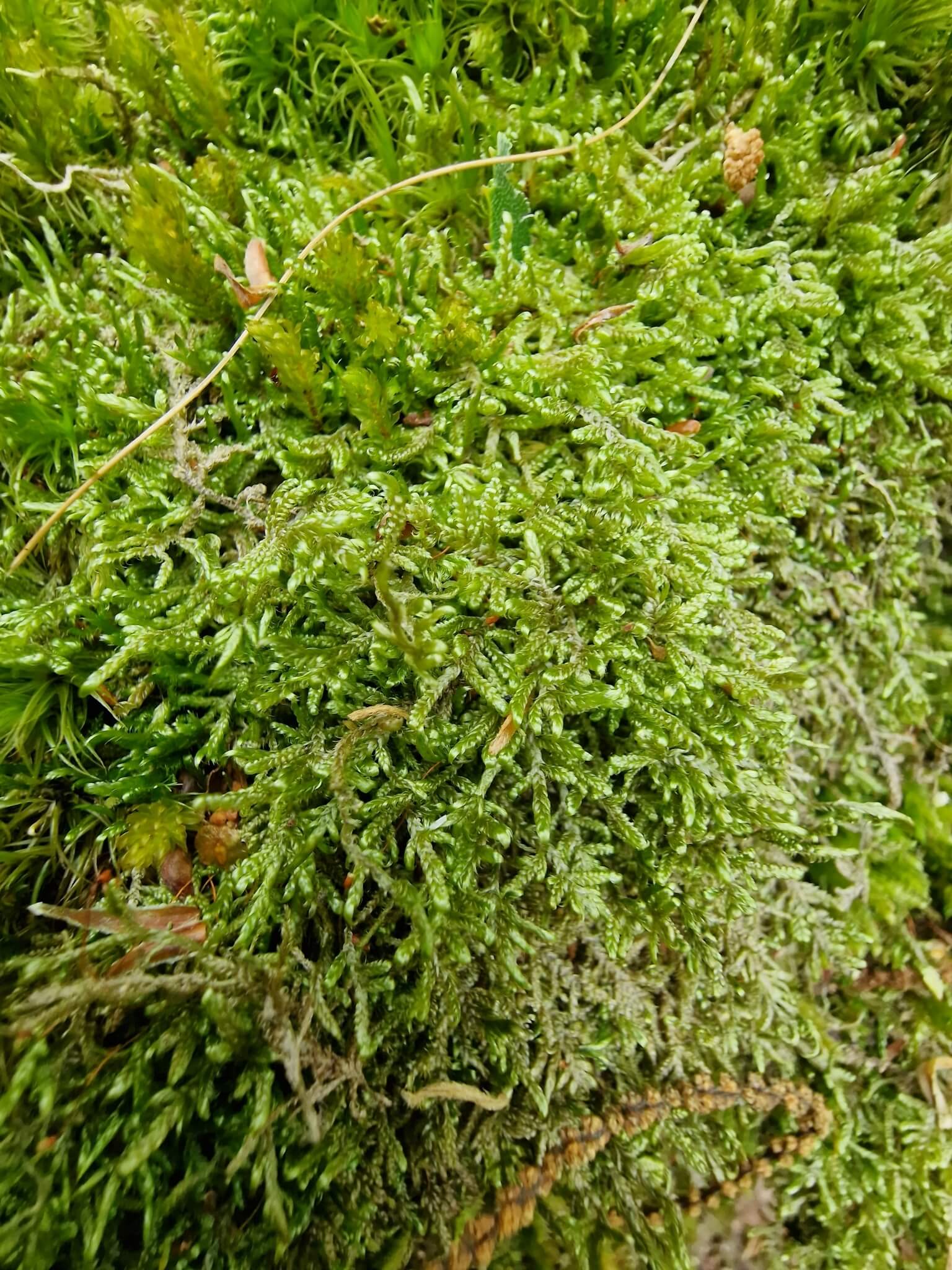
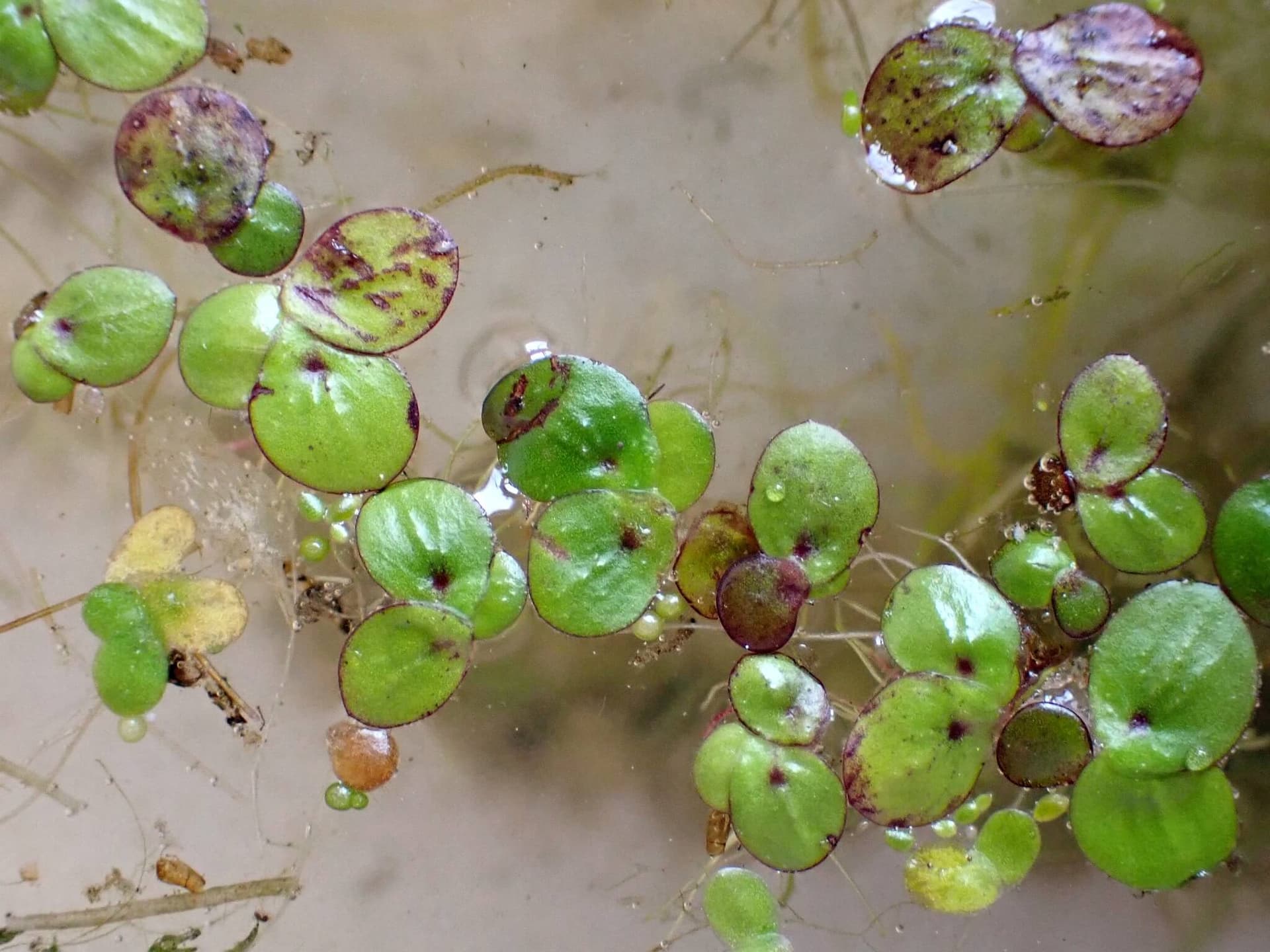
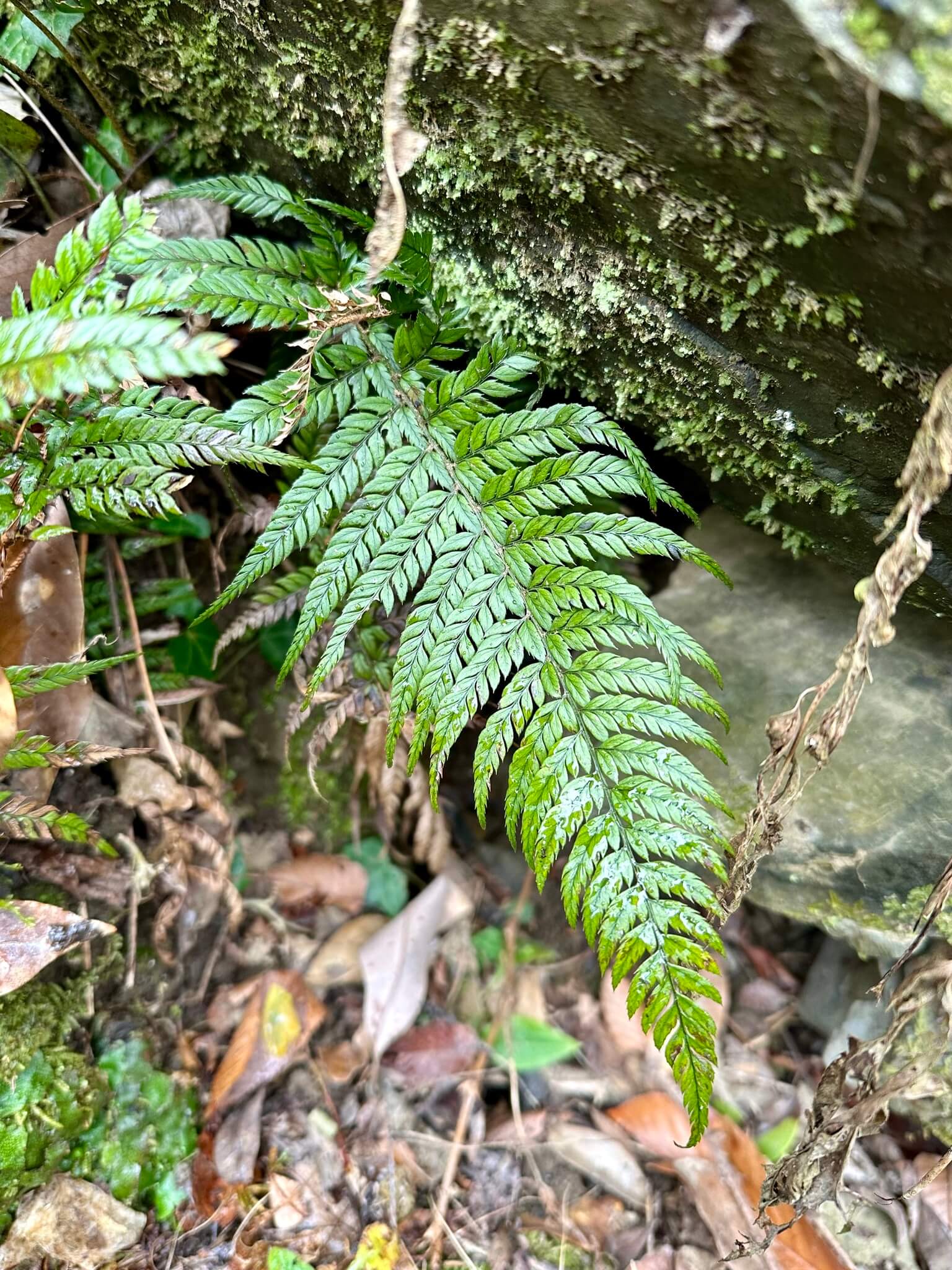
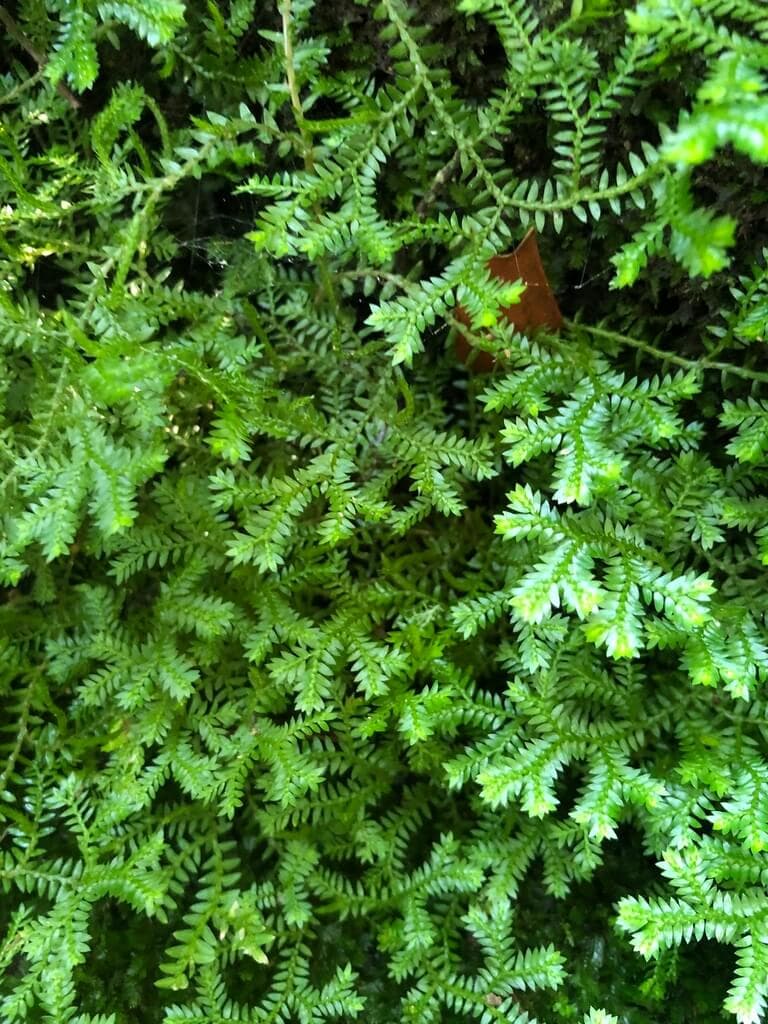
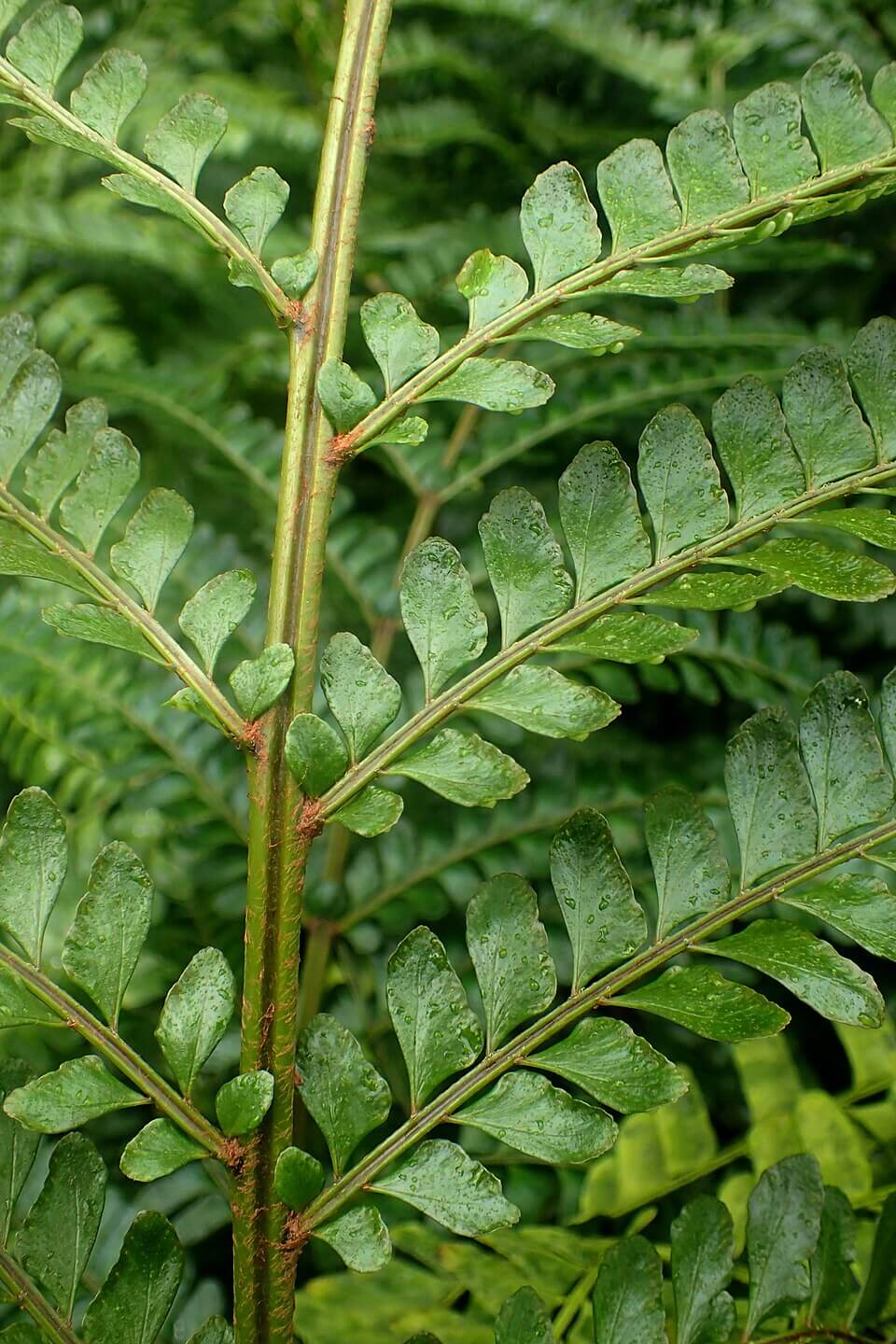
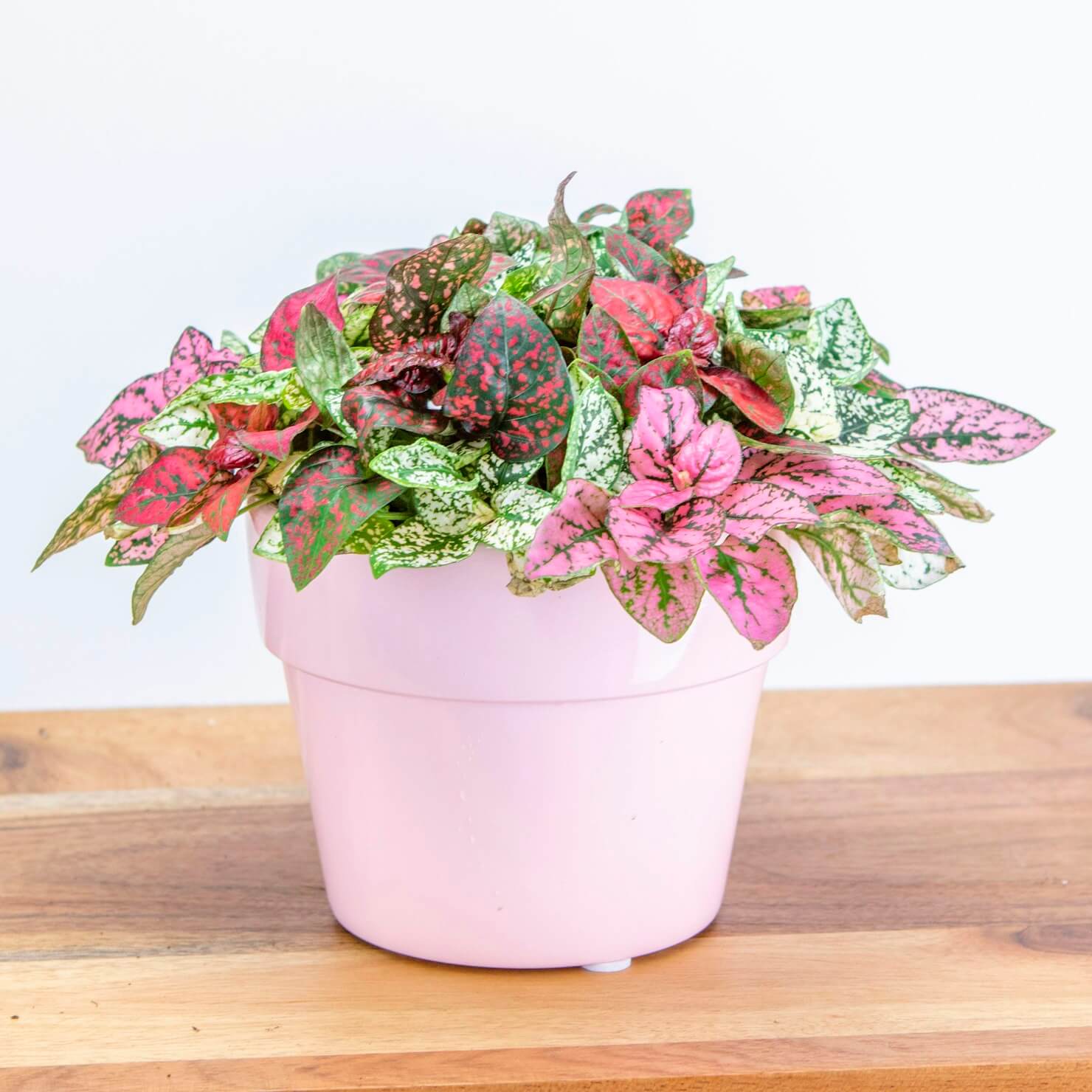
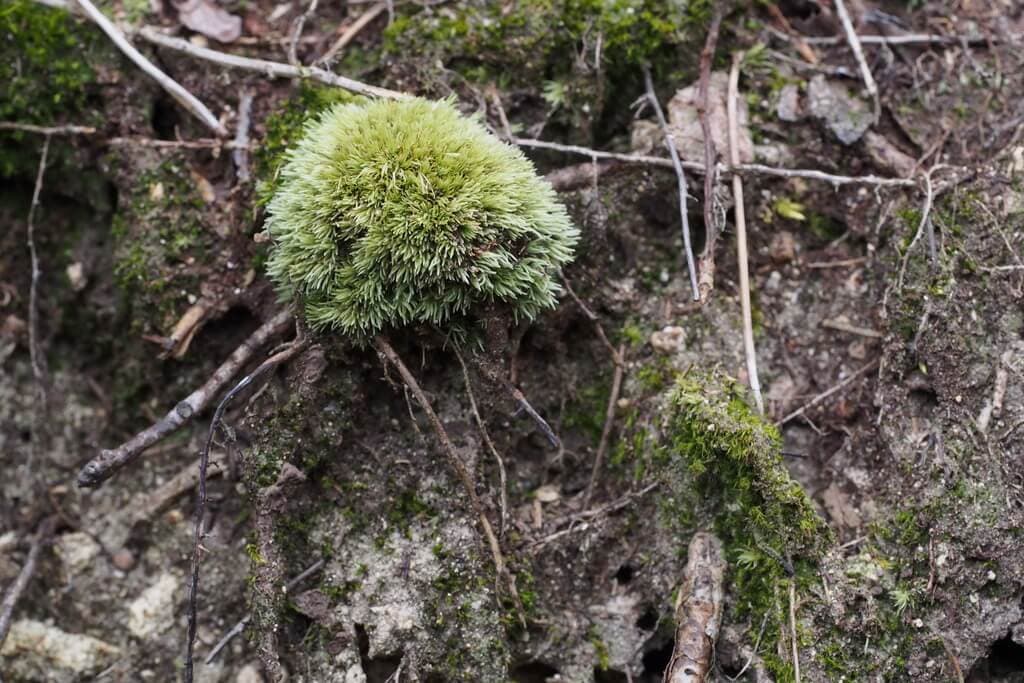
The Eastern Highlands and Mulanje are botanical islands above the miombo sea. Mulanje is the only home of the critically endangered Mulanje cedar (Widdringtonia whytei), Malawi's national tree, alongside endemic Aloe, Cyrtanthus, and Streptocarpus species. For terrarium growers, this region contributes the polka-dot plant (Hypoestes phyllostachya) — a small Madagascar–Mozambique shrub long established in indoor horticulture — along with Aerangis mystacidii, Bolbitis heudelotii, Selaginella kraussiana, Polystichum luctuosum, and several mosses already in the catalogue.
Native to South Tropical Africa
Explore plants from this region
References
- WikipediaTDWG WGSRPD constituent units for level-2 code 26 South Tropical Africa (Angola, Malawi, Mozambique, Zambia, Zimbabwe).
- WikipediaMiombo woodland geographic extent, dominant Detarioideae genera (Brachystegia, Julbernardia, Isoberlinia), seasonal leaf flush.
- WikipediaSapitwa Peak 3,002 m, Mulanje cedar (Widdringtonia whytei) endemism and conservation status.