Asia-Temperate · TDWG Level 2
Russian Far East
Russian Far East covers the eastern Pacific edge of Russia — Amur, Khabarovsk, Primorye, Sakhalin, the Kurils, Magadan with Chukotka, and the Kamchatka Peninsula. The region is uniquely placed where boreal taiga meets the temperate broadleaved forests of Manchuria, producing the Sikhote-Alin mixed forest, one of the few places on Earth where Korean pine grows alongside Amur tiger habitat and wild ginseng.
In TDWG terms, the Russian Far East is divided into seven subdivisions: Amur, Khabarovsk, Primorye, Sakhalin, the Kuril Islands, Magadan (including Chukotka), and Kamchatka. The region covers roughly three million square kilometres along the Pacific edge of Russia, from the Amur basin on the Chinese border north to the Bering Strait. Elevation runs from sea level on the Pacific, Sea of Okhotsk, and Arctic coasts to 4,750 metres at Klyuchevskaya Sopka in Kamchatka — the highest active volcano in Eurasia and the highest point in northern Asia.
Climate breaks into three zones. The southern Primorye and Amur basin sit in humid continental monsoon (Köppen Dwa/Dwb), with cold dry winters driven by the Siberian high and warm wet summers off the Sea of Japan. Sakhalin and the Kurils carry a cool oceanic climate moderated by the cold Oyashio Current. Kamchatka has its own oceanic subarctic climate (Dfc/ET on the peaks) with up to 2,700 mm of annual precipitation. The far north, in Magadan and Chukotka, is true subarctic and Arctic tundra.
Botanically, the south is the standout. The Sikhote-Alin range carries the Manchurian mixed forest — Korean pine (Pinus koraiensis) growing alongside broadleaved temperate genera Quercus mongolica, Tilia amurensis, Acer mono, Fraxinus mandshurica, and Juglans mandshurica, with an understory rich in Aralia, Eleutherococcus, Schisandra chinensis, Actinidia (the original kiwifruit relatives), and the wild ginseng Panax ginseng. This is one of the few biogeographically intact temperate forests left on Earth and the only place where Amur tiger, Amur leopard, and brown bear share a forest with subtropical understory plants. The endemic conifer Microbiota decussata — found nowhere else — grows in the Sikhote-Alin's alpine zone.
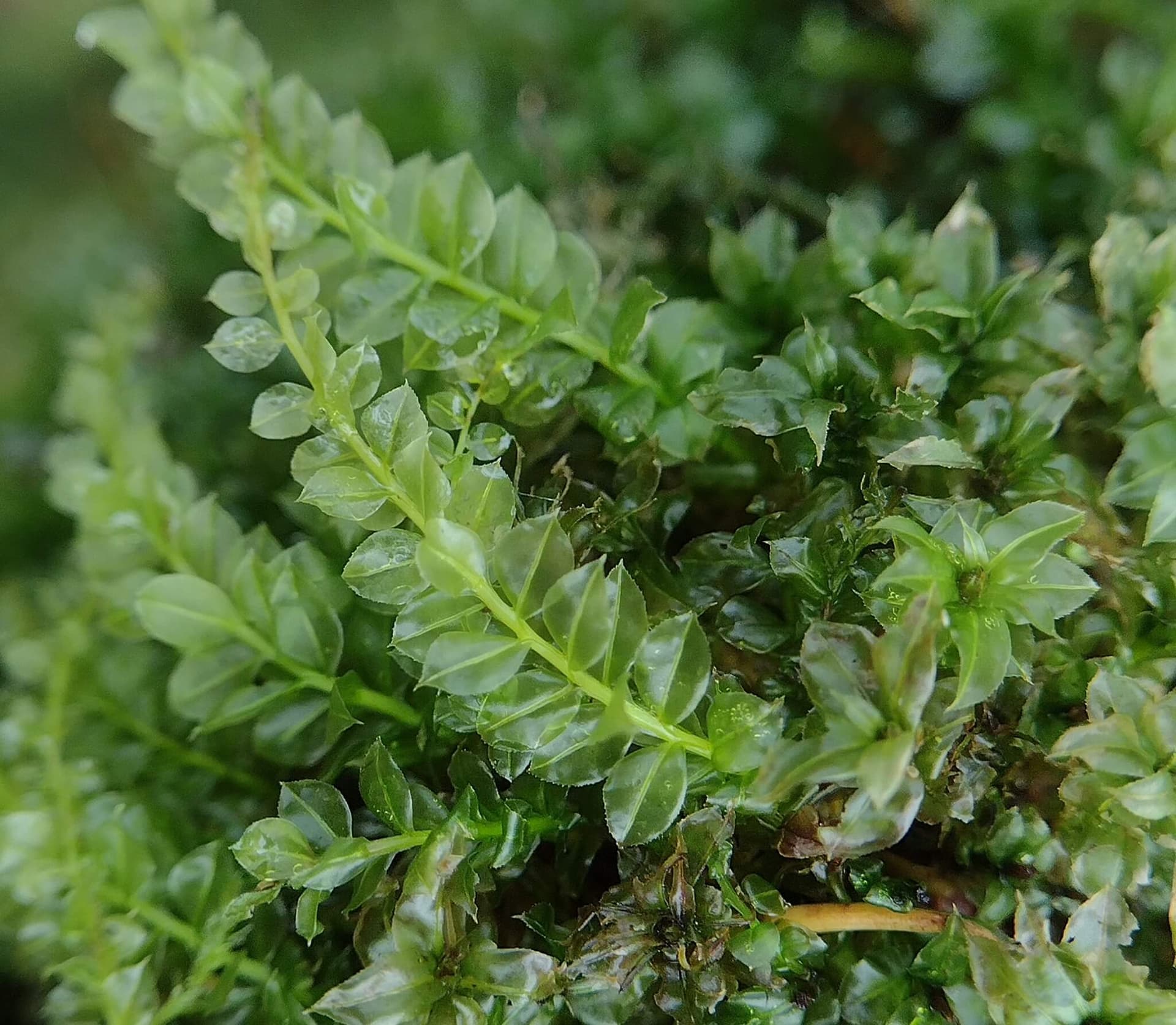
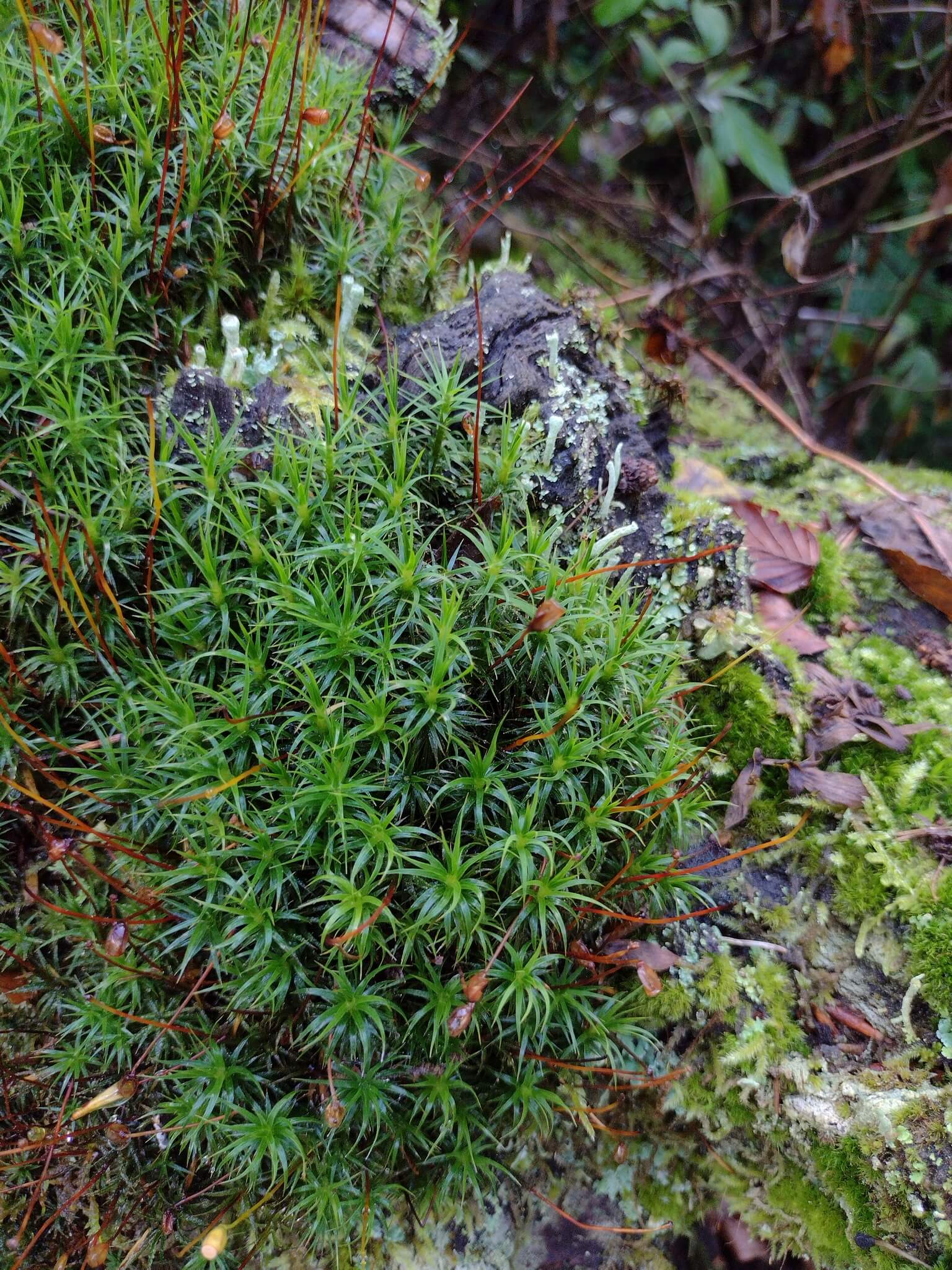
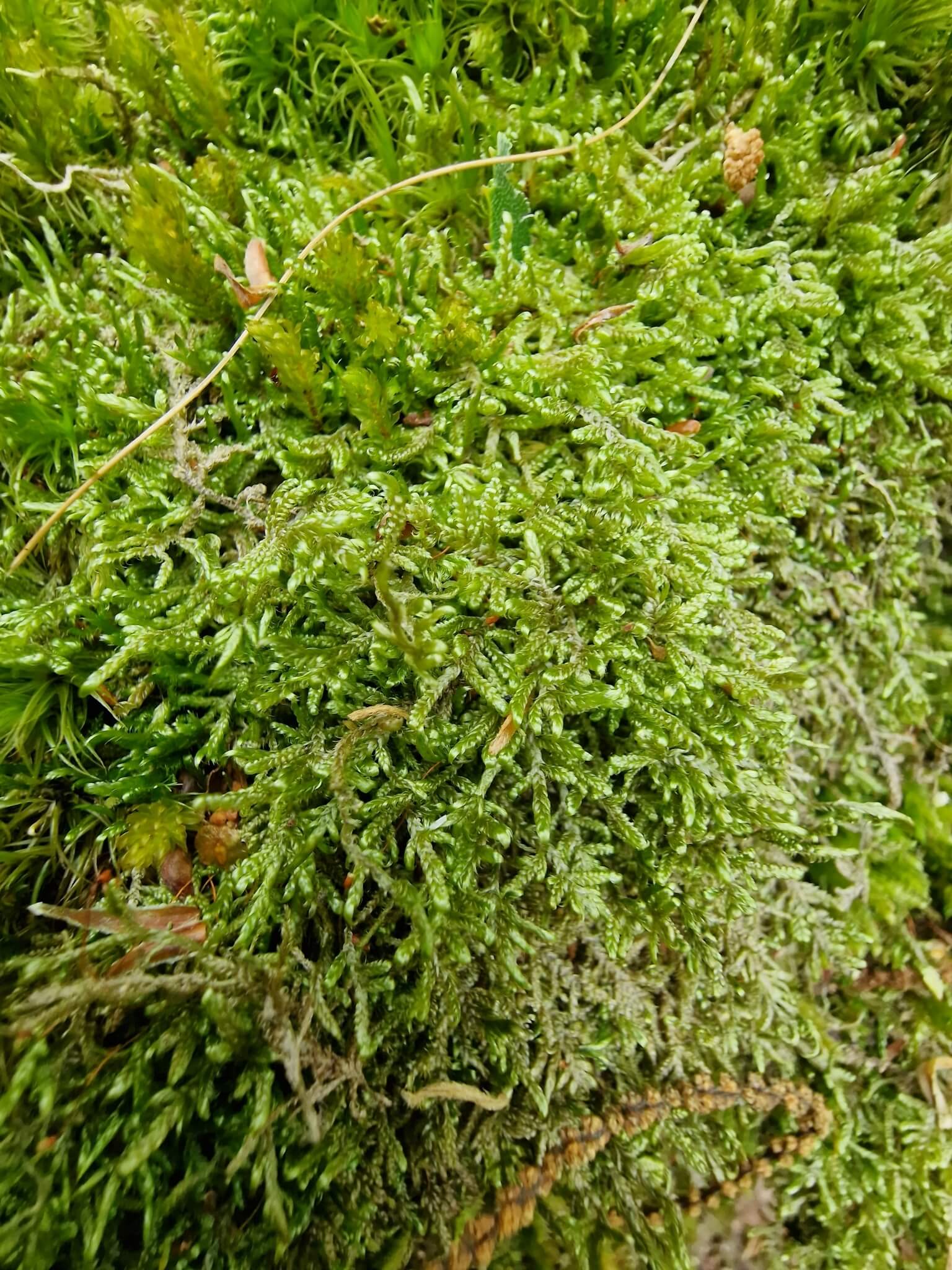
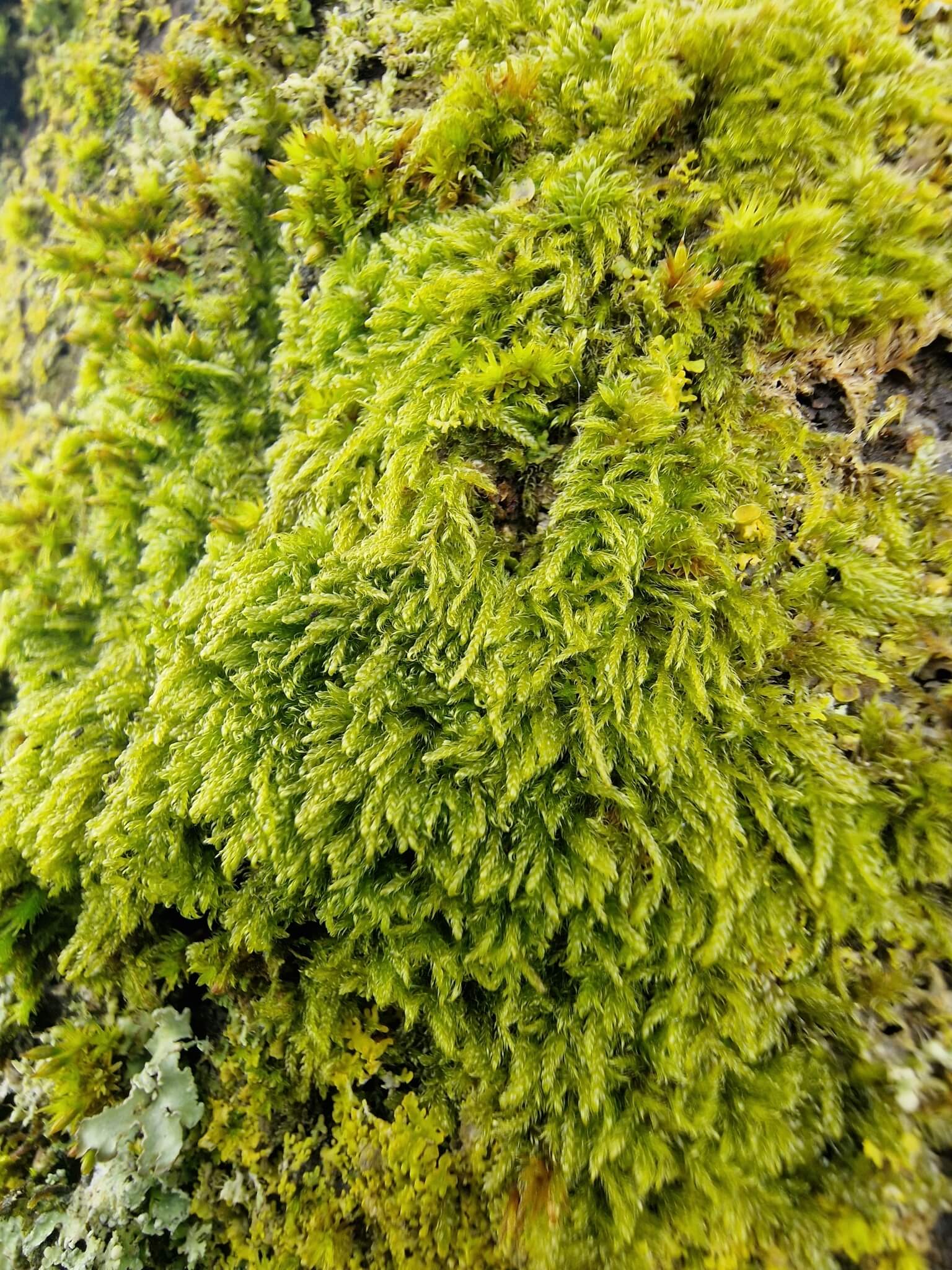
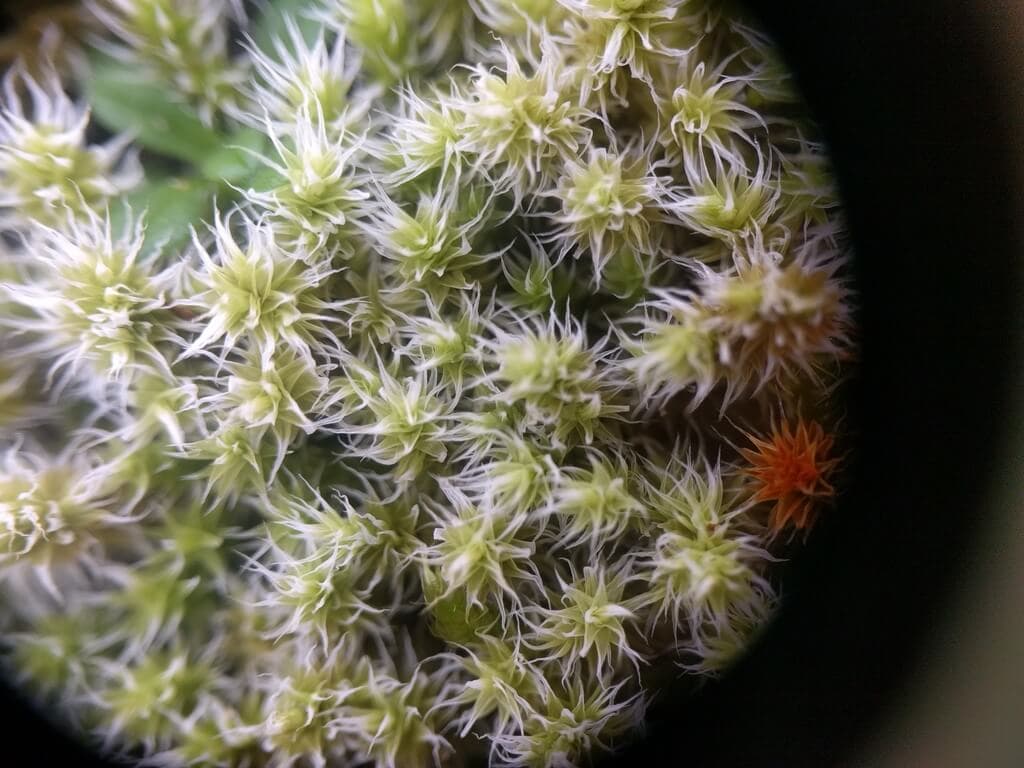
Further north, the forest grades into boreal taiga of Larix gmelinii, Picea ajanensis, and Betula ermanii. Kamchatka adds volcanic landscapes shaped by Betula ermanii parklands and stone birch (Betula middendorffii). For the catalogue, the Russian Far East is the home range of much of the cool-growing moss flora — Hylocomium splendens, Pleurozium schreberi, Plagiomnium maximoviczii, Thamnobryum subseriatum, and others — well suited to temperate mossariums.
Native to Russian Far East
Explore plants from this region
References
- WikipediaTDWG WGSRPD identification for level-2 code 31 Russian Far East under parent Asia-Temperate (3).
- WikipediaKlyuchevskaya Sopka 4,750 m, highest active volcano in Eurasia, highest peak in the Russian Far East.
- One EarthManchurian mixed forest ecology — Korean pine (Pinus koraiensis), Manchurian fir, Siberian spruce, Panax ginseng understory.