Northern America · TDWG Level 2
Northwestern U.S.A.
Northwestern U.S.A. covers Washington, Oregon, Idaho, Montana, Wyoming, and Colorado — over a million and a half square kilometres spanning the Pacific coast, the Cascades, the Rocky Mountains, and the western Great Plains. Its flora shifts from dripping coastal rainforest to alpine tundra to sagebrush steppe within a few hundred kilometres.
Northwestern U.S.A. is one of the most topographically diverse TDWG regions in North America. It joins Washington, Oregon, Idaho, Montana, Wyoming, and Colorado into a single botanical unit — roughly 1.56 million square kilometres of mountain ranges, basins, and plateaus. Climates are temperate overall, but the gradients are dramatic: oceanic and very wet on the Pacific coast, semi-arid in the interior basins, and alpine on the high peaks.
Two great mountain systems frame the region. The Cascades run north–south through Washington and Oregon, with Mt. Rainier rising to 4,392 metres. East of them lie the Columbia Basin and Snake River Plain — drier, lower, sagebrush country. The Rocky Mountains form the eastern half of the region, reaching 4,401 metres at Mt. Elbert in Colorado, the highest summit in the US Rockies. The western Great Plains stretch east of the mountains in Montana, Wyoming, and Colorado.
Vegetation tracks elevation and rainfall. The Pacific Northwest coast holds some of the wettest temperate forest in the world — Sitka spruce, Western hemlock (Tsuga heterophylla), Western redcedar (Thuja plicata), and Douglas-fir (Pseudotsuga menziesii), with an understory of sword fern (Polystichum munitum), salal, and the trifoliate herb Oxalis oregana. Climbing into the Cascades, this gives way to subalpine fir, mountain hemlock, and high-elevation meadows. East of the Cascade crest, ponderosa pine takes over, dropping to sagebrush steppe (Artemisia tridentata) across the interior basins. The Rockies repeat the pattern further east — lodgepole pine, Engelmann spruce, aspen — finishing in alpine cushion plant communities above the treeline, where bristlecone pines (Pinus aristata) hold their ground for thousands of years.
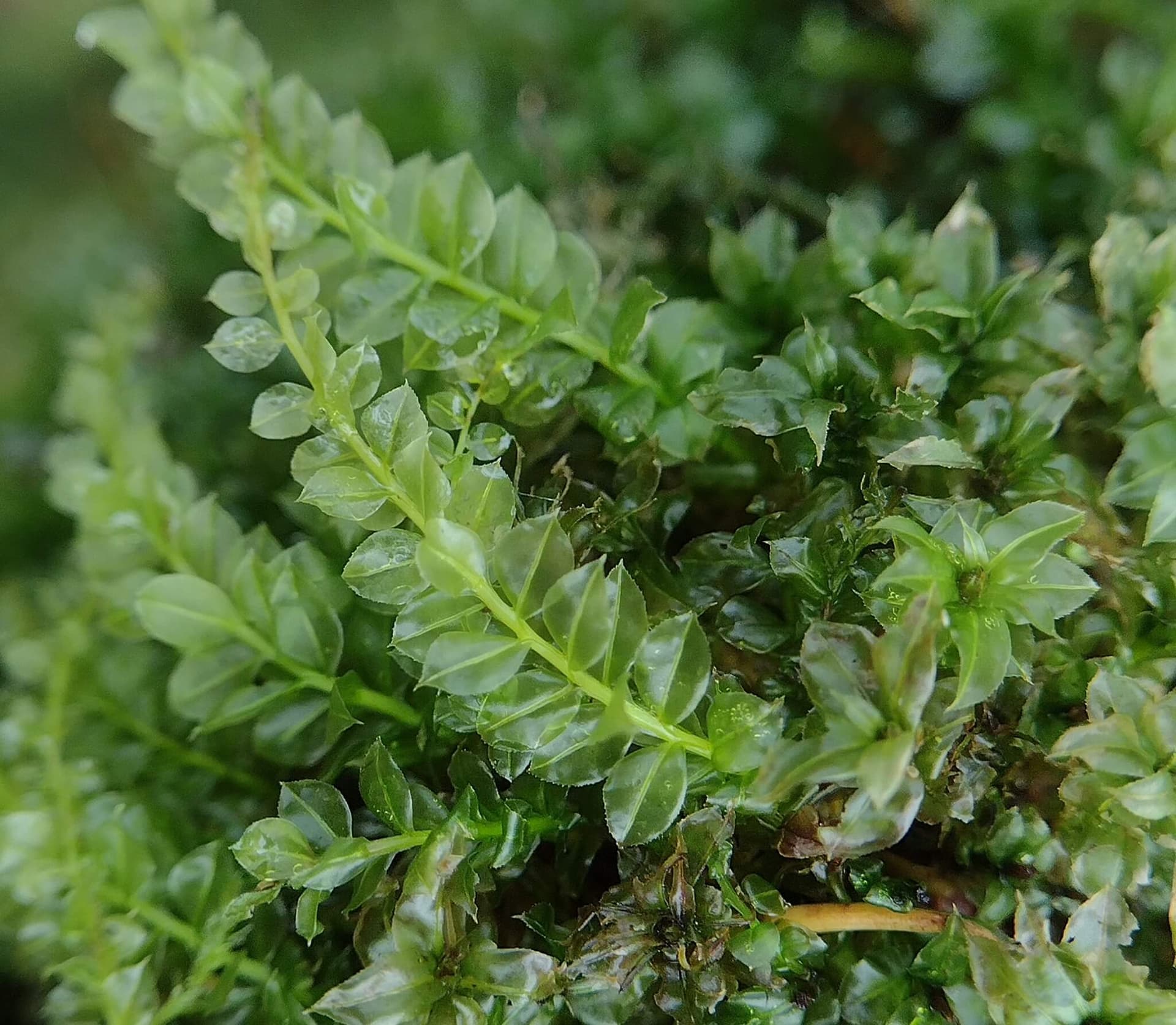
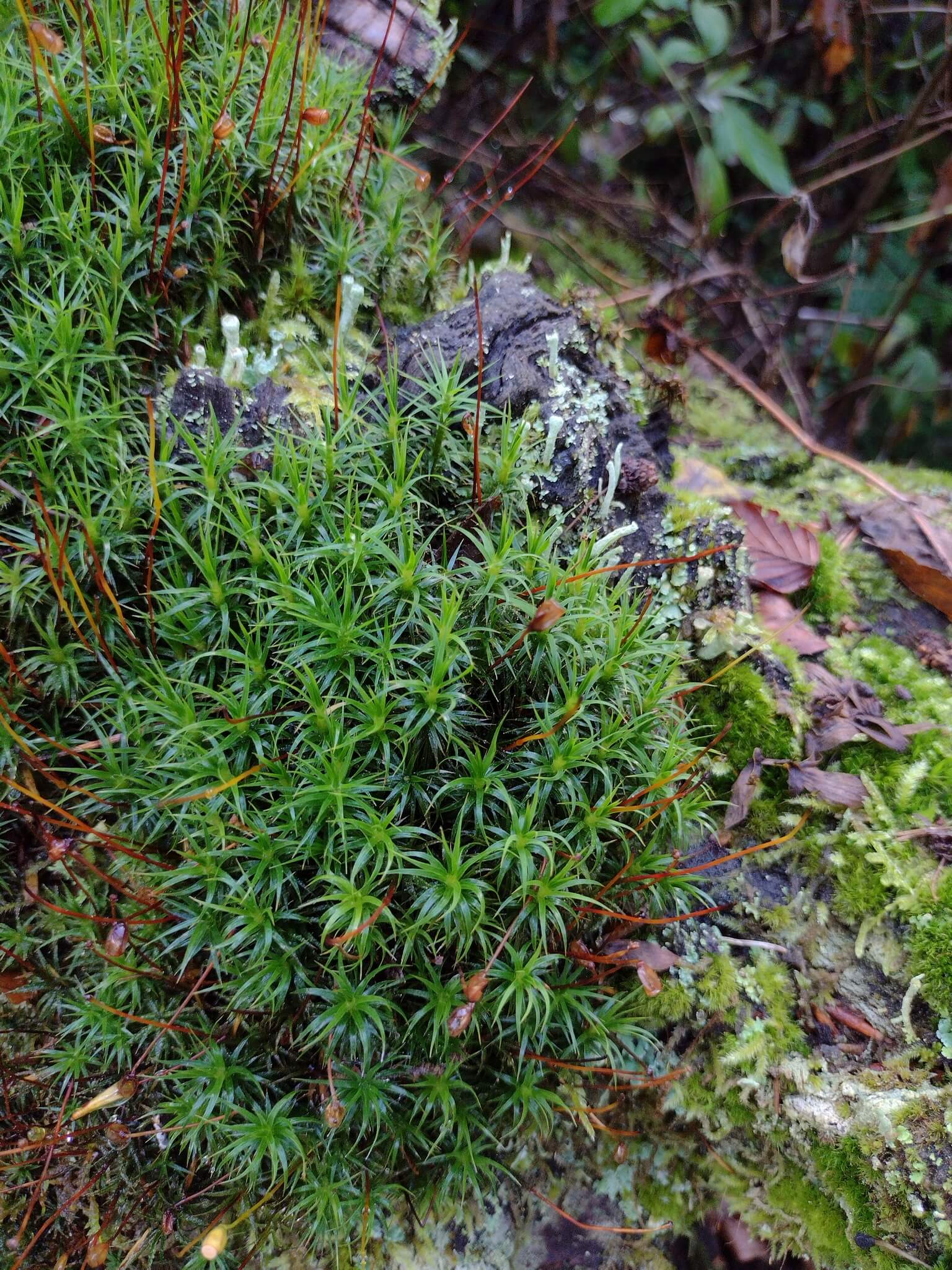
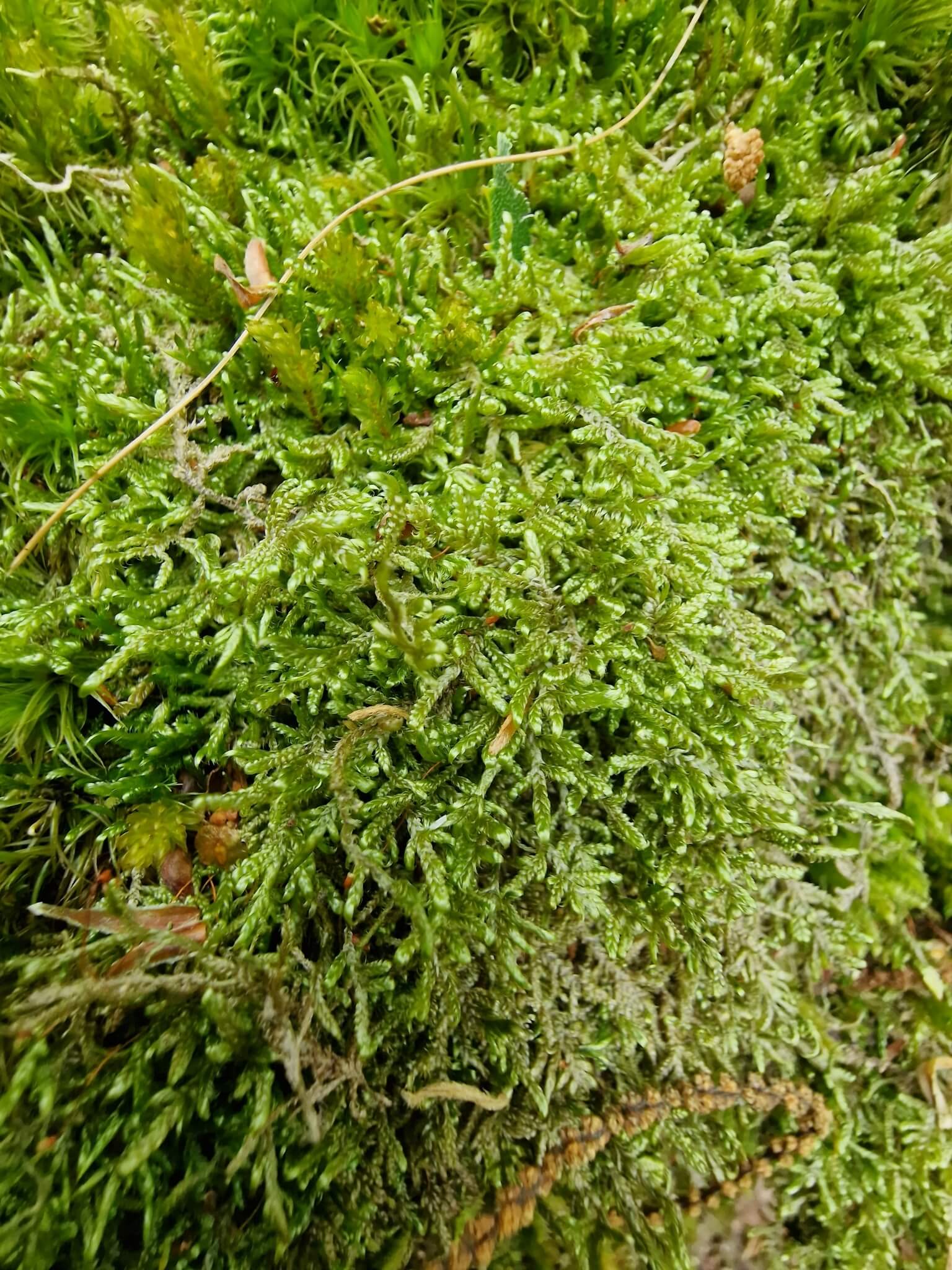
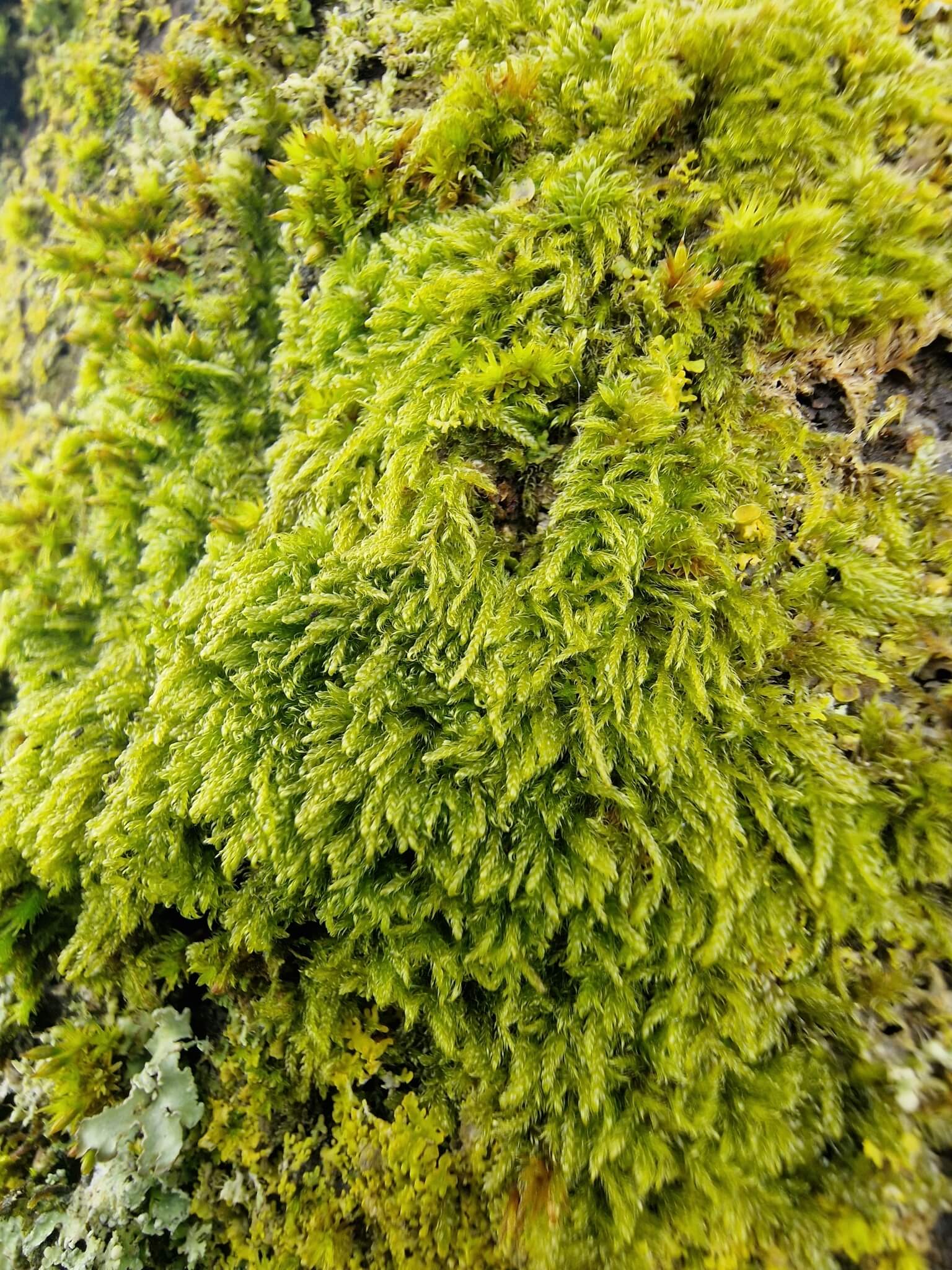
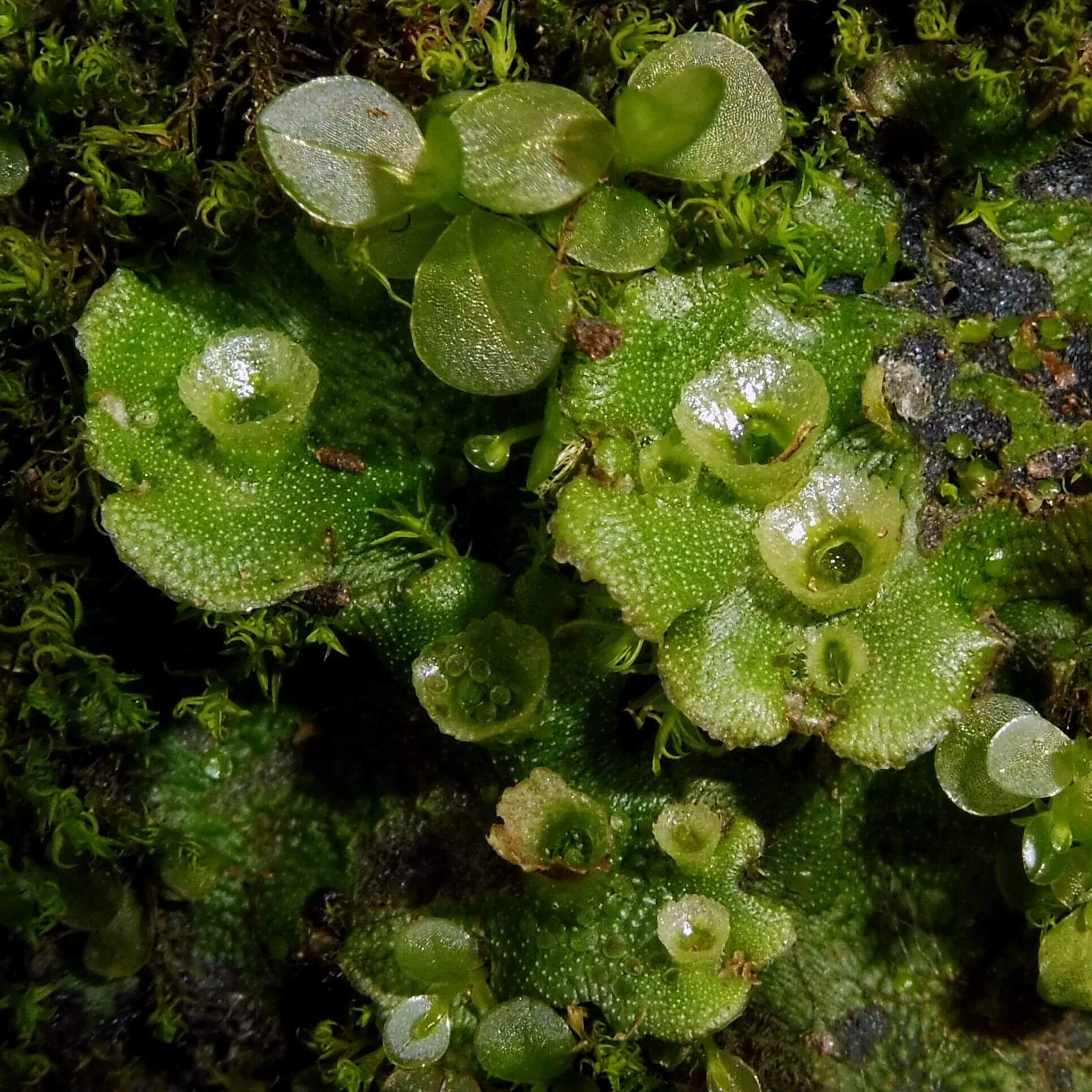
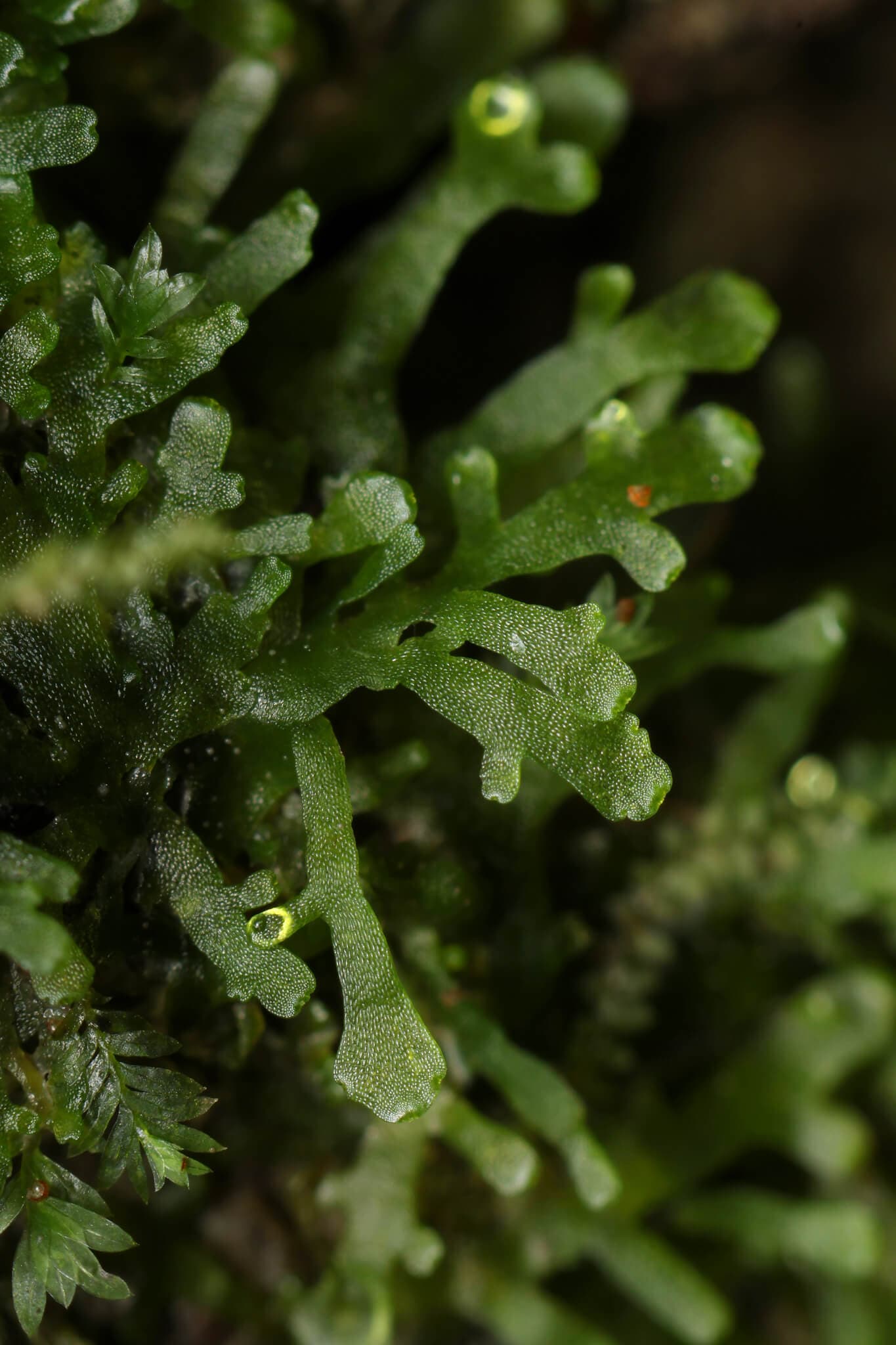
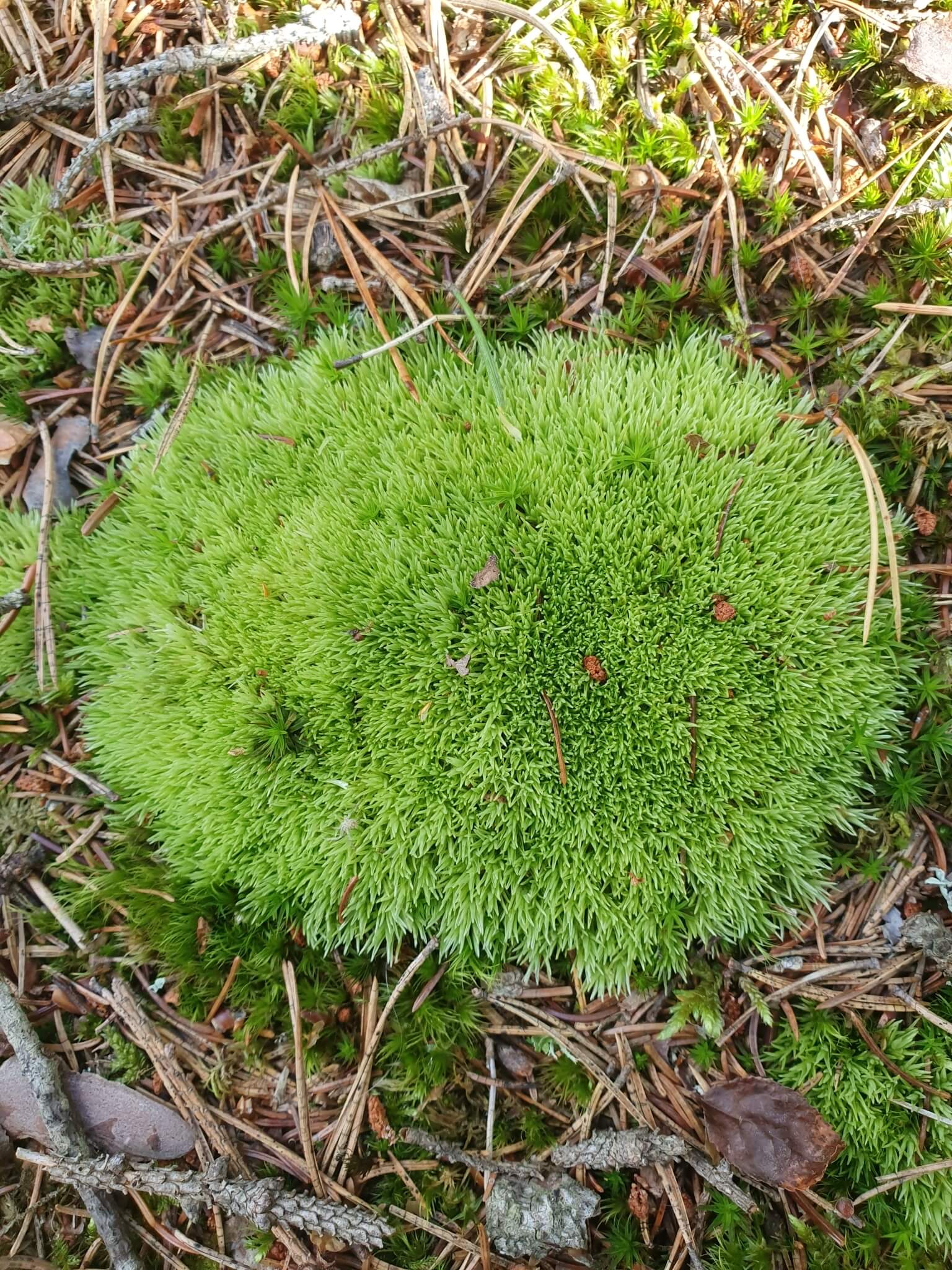
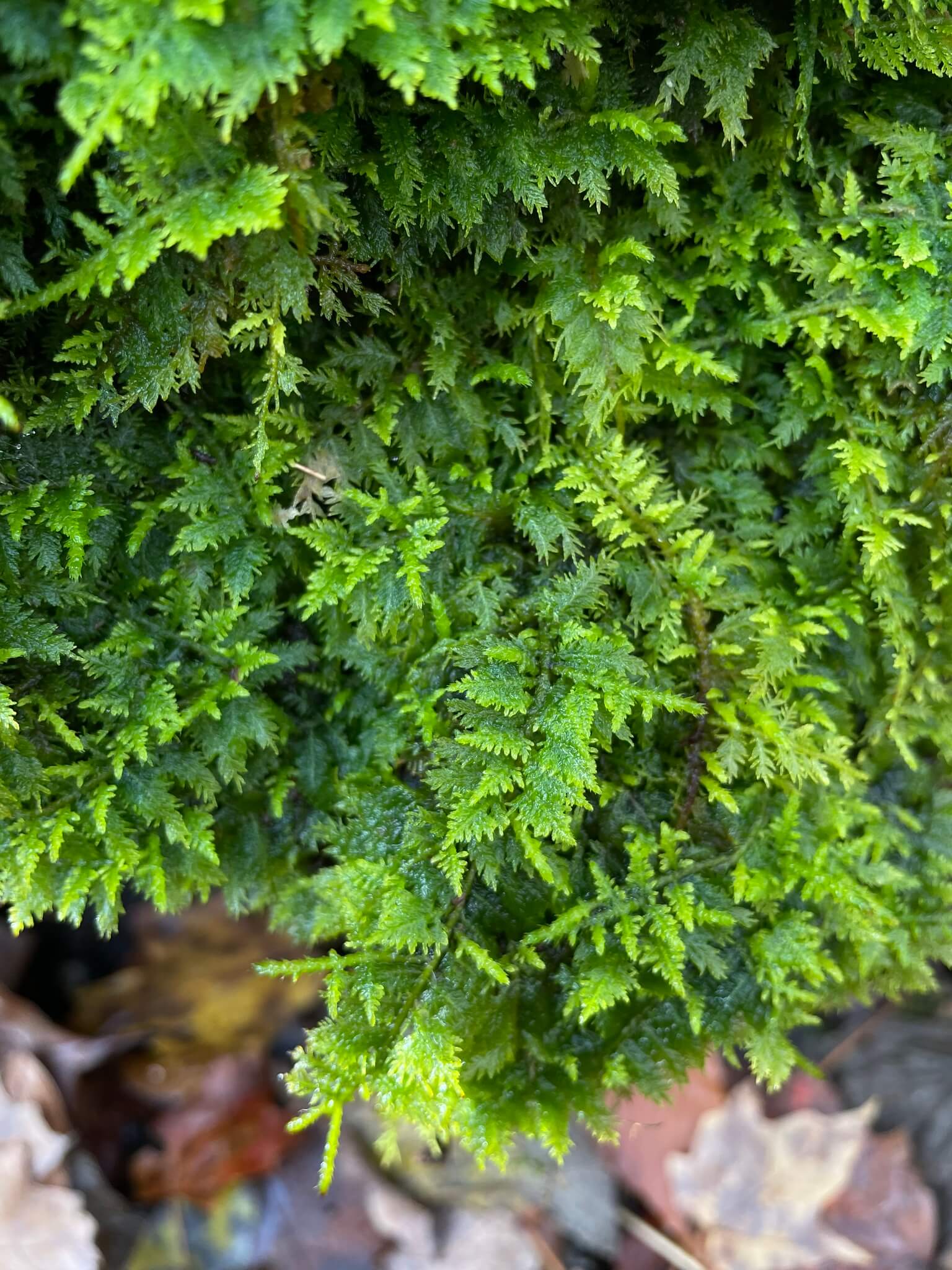
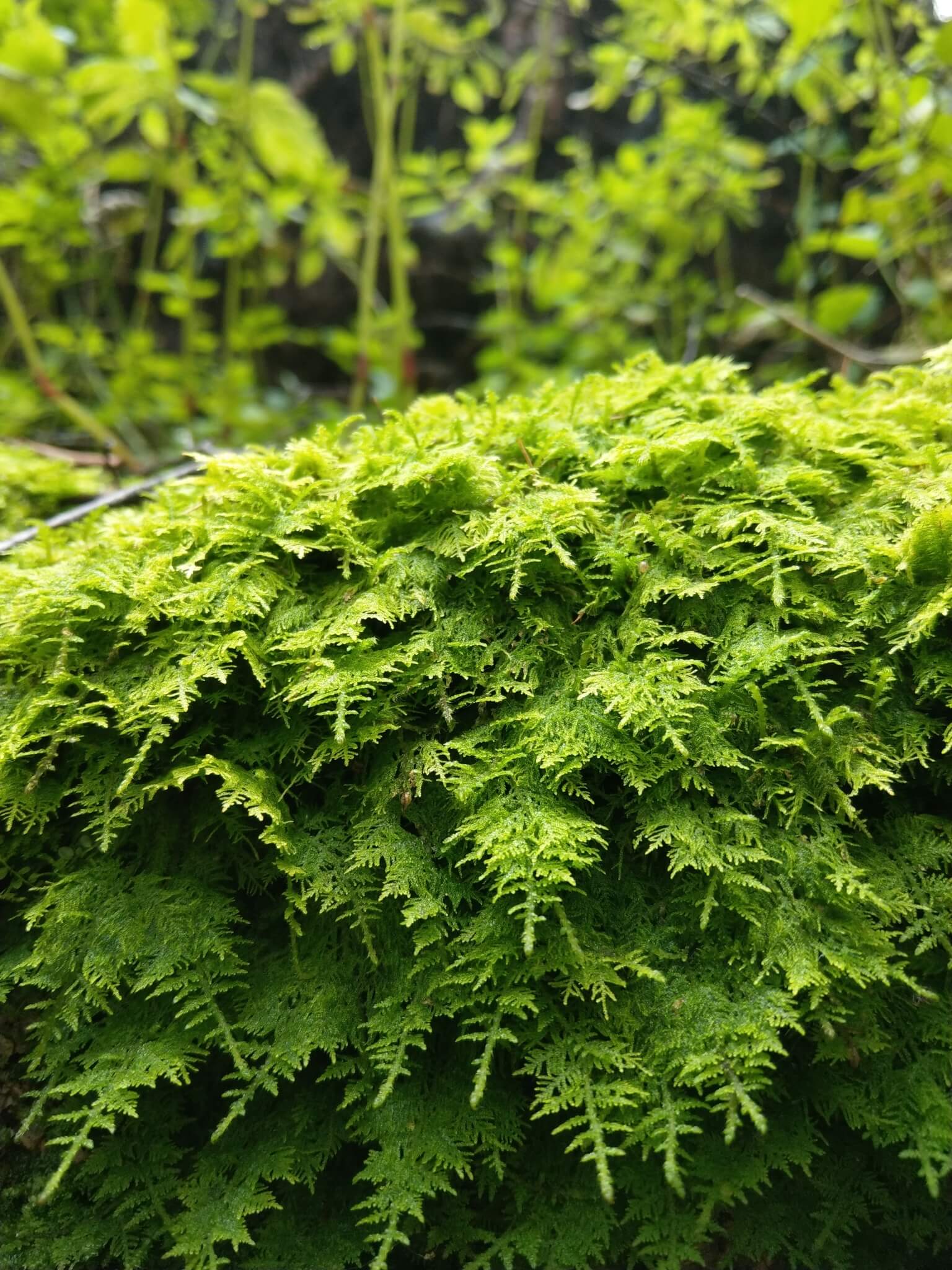
Mosses are abundant in the wetter parts. The Verdarium catalogue currently has seventeen circumboreal bryophytes tagged here — Hylocomium splendens, Dicranum scoparium, Pleurozium schreberi, and others — along with the aquatic Spirodela polyrhiza. No regional vascular plants are yet represented.
The Lewis and Clark expedition of 1804–1806 documented much of this flora for science for the first time, and the region remains a focus for botanical collection at Denver Botanic Gardens and several Pacific Northwest arboreta.
Native to Northwestern U.S.A.
Explore plants from this region
References
- Encyclopedia BritannicaGeography, climate, and temperate rainforest baseline for the Pacific coast.
- Encyclopedia BritannicaRocky Mountain geography and vegetation zones.
- Kew POWOUsed to confirm characteristic genera (Tsuga, Pseudotsuga, Pinus aristata, Artemisia tridentata).
- WikipediaConfirms 4,401 m as the regional maximum (highest in the US Rockies).
- WikipediaTDWG WGSRPD scheme — confirms member botanical countries of region 73 (WAS, ORE, IDA, MNT, WYO, COL).