Africa · TDWG Level 2
Northern Africa
Northern Africa covers Morocco, Algeria, Tunisia, Libya, Egypt, and Western Sahara — a vast strip dominated by the Sahara, the world's largest hot desert, with a narrow Mediterranean coastal fringe and the Atlas Mountains rising along the Maghreb. The Nile cuts north through Egypt as a single linear oasis.
Northern Africa is dominated by the Sahara, the largest hot desert on Earth. The region runs from the Atlantic coast of Morocco and Western Sahara east to the Red Sea, taking in Algeria, Tunisia, Libya, and Egypt. The vast majority of land is arid, but two systems break the desert pattern. The Atlas Mountains arc through Morocco, Algeria, and Tunisia, separating the Sahara from the Mediterranean and reaching their high point at Mount Toubkal (4,167 metres) in Morocco's High Atlas. The Nile cuts a thin green corridor north through Egypt, a single linear oasis carrying water sourced from highlands a continent away. The lowest land in Africa, the Qattara Depression in western Egypt, sits 133 metres below sea level.
Climate is overwhelmingly arid (Köppen BWh — hot desert). A narrow band of Mediterranean climate (Csa) hugs the northern coast and the Atlas slopes, with mild wet winters and hot dry summers. The Atlas highlands reach cool montane and even alpine conditions; the western Saharan coast carries a fog-cooled microclimate where the cold Canary Current produces persistent low cloud over an otherwise rainless desert.
The biome list reads short. Hot desert covers most of the surface — true erg dunefields like the Grand Erg Oriental and Grand Erg Occidental, stony hamada plateaus, and dry wadis. Mediterranean forest and scrub hold the coastal Maghreb, with cork oak (Quercus suber), holm oak, and dense communities of cistus, juniper, and Tetraclinis articulata — a thuja-like conifer endemic to northwest Africa. Higher on the Atlas, conifer forest takes over: the famous Atlas cedar (Cedrus atlantica), itself a Maghreb endemic, mixes with pines and junipers. The Atlantic coastal desert of southern Morocco supports fog-fed lichens, succulents, and shrubs along an otherwise lifeless strip.
The botanical record of the region runs deep. Egyptian agricultural texts and tomb illustrations document Nile flora from antiquity, and the Library of Alexandria was an early hub for systematic plant study. Modern North African flora was largely catalogued through nineteenth- and twentieth-century French and Spanish expeditions and summarised in the multi-volume Flore de l'Afrique du Nord.
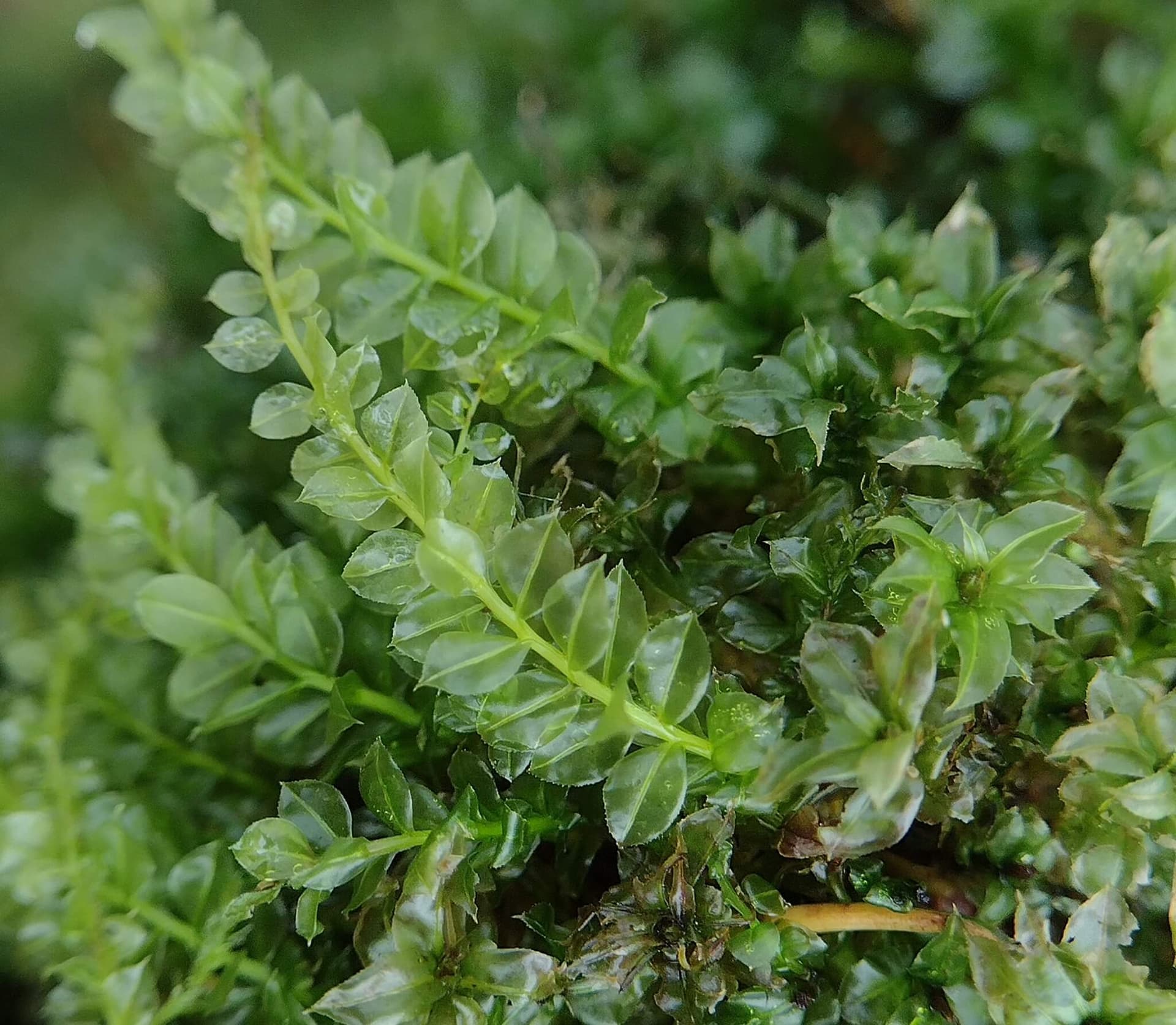
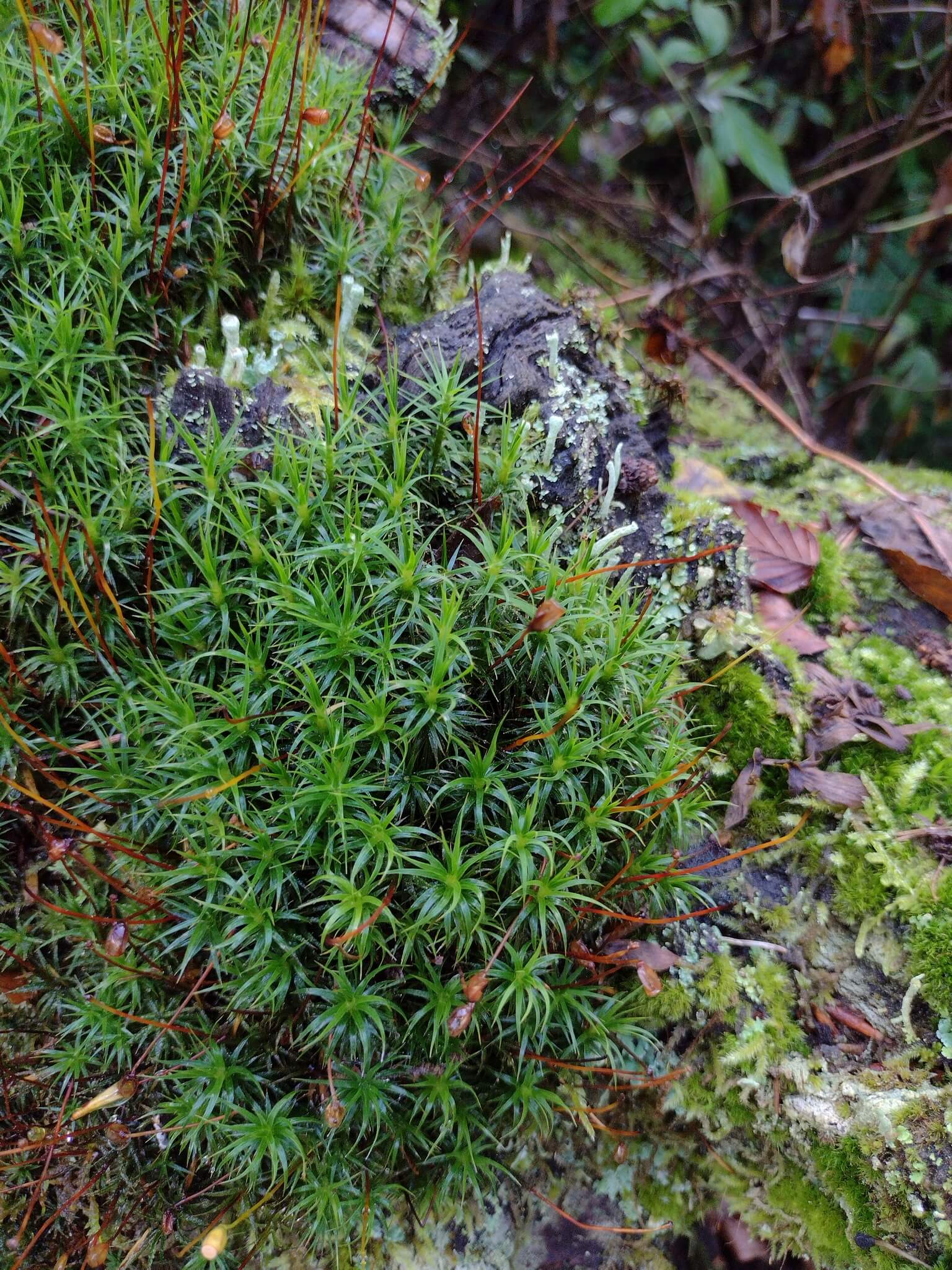
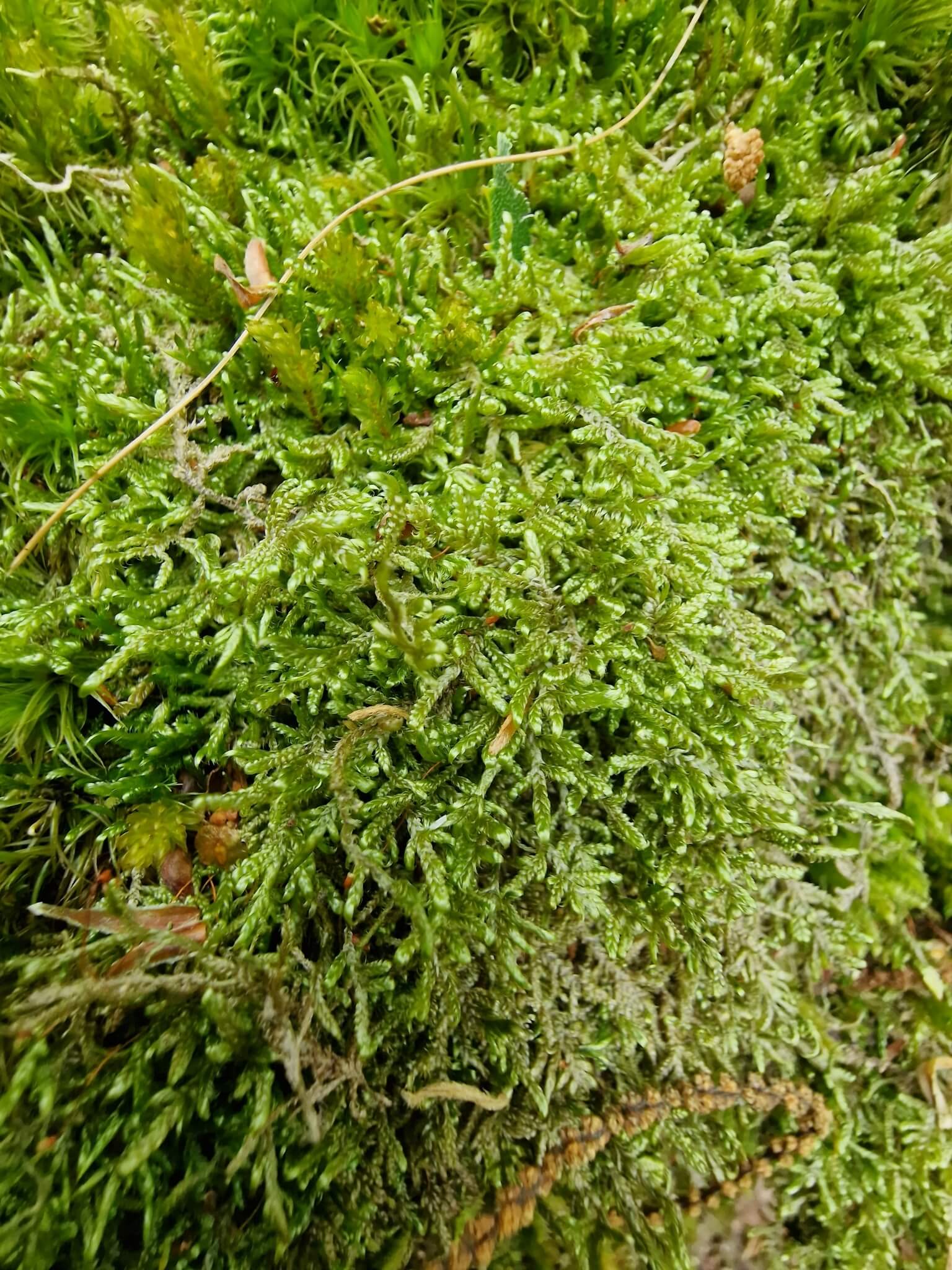
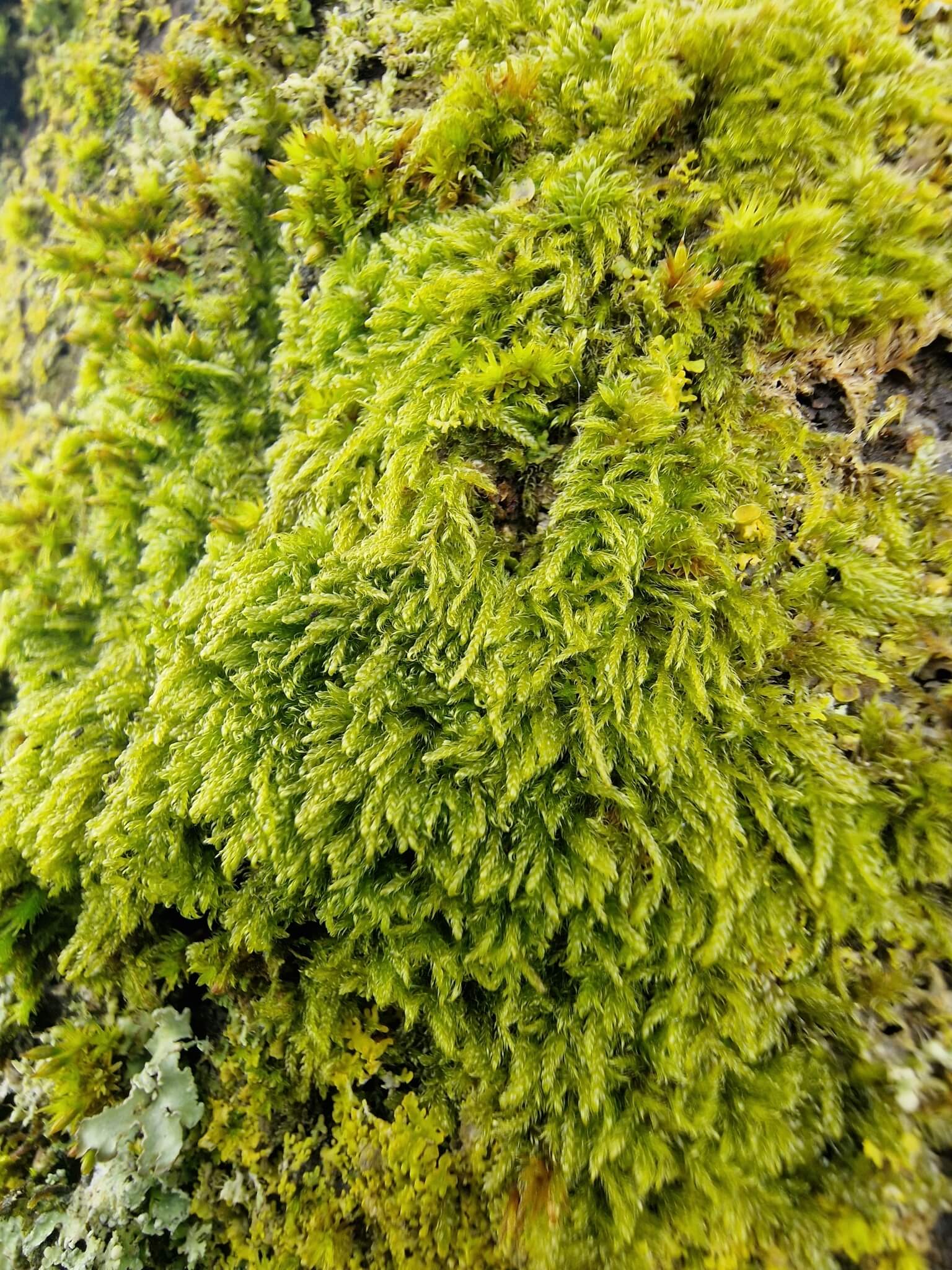
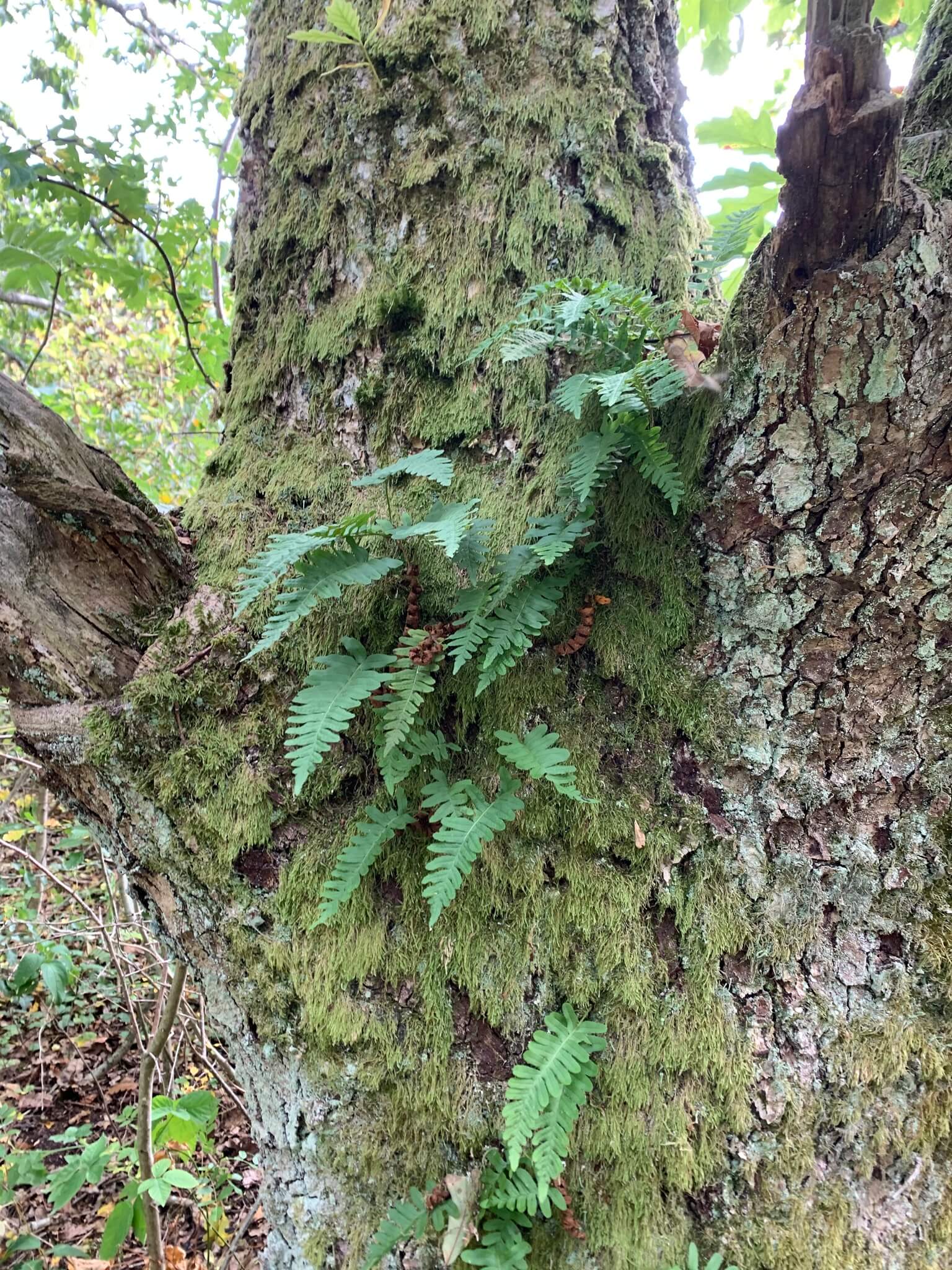
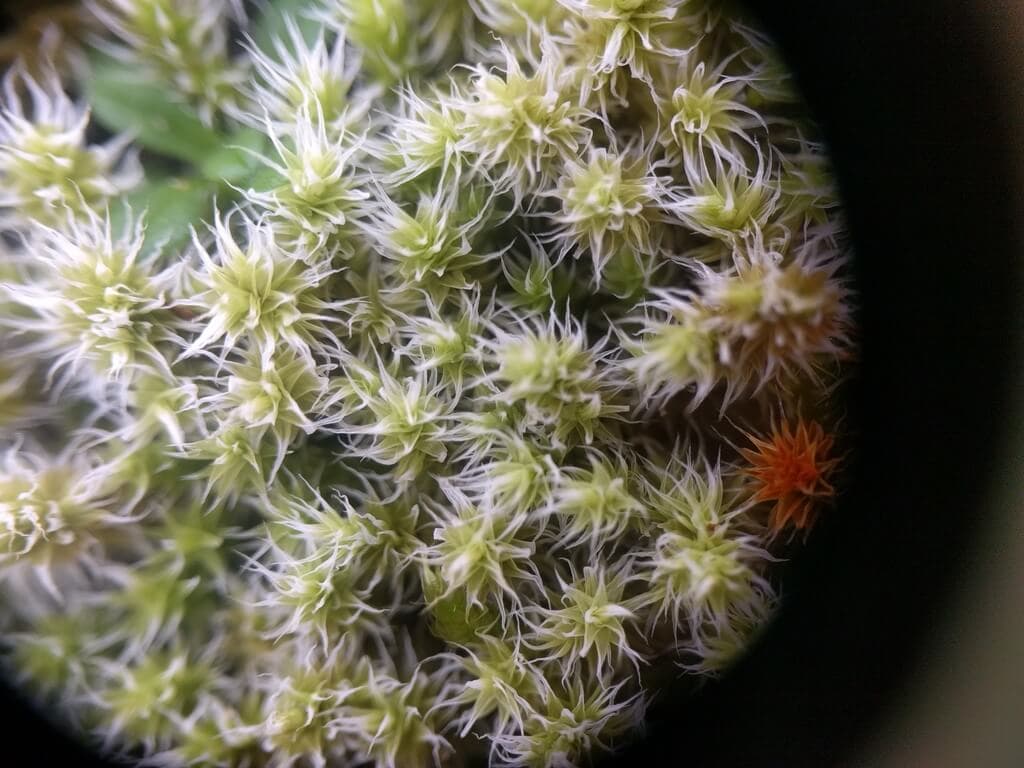
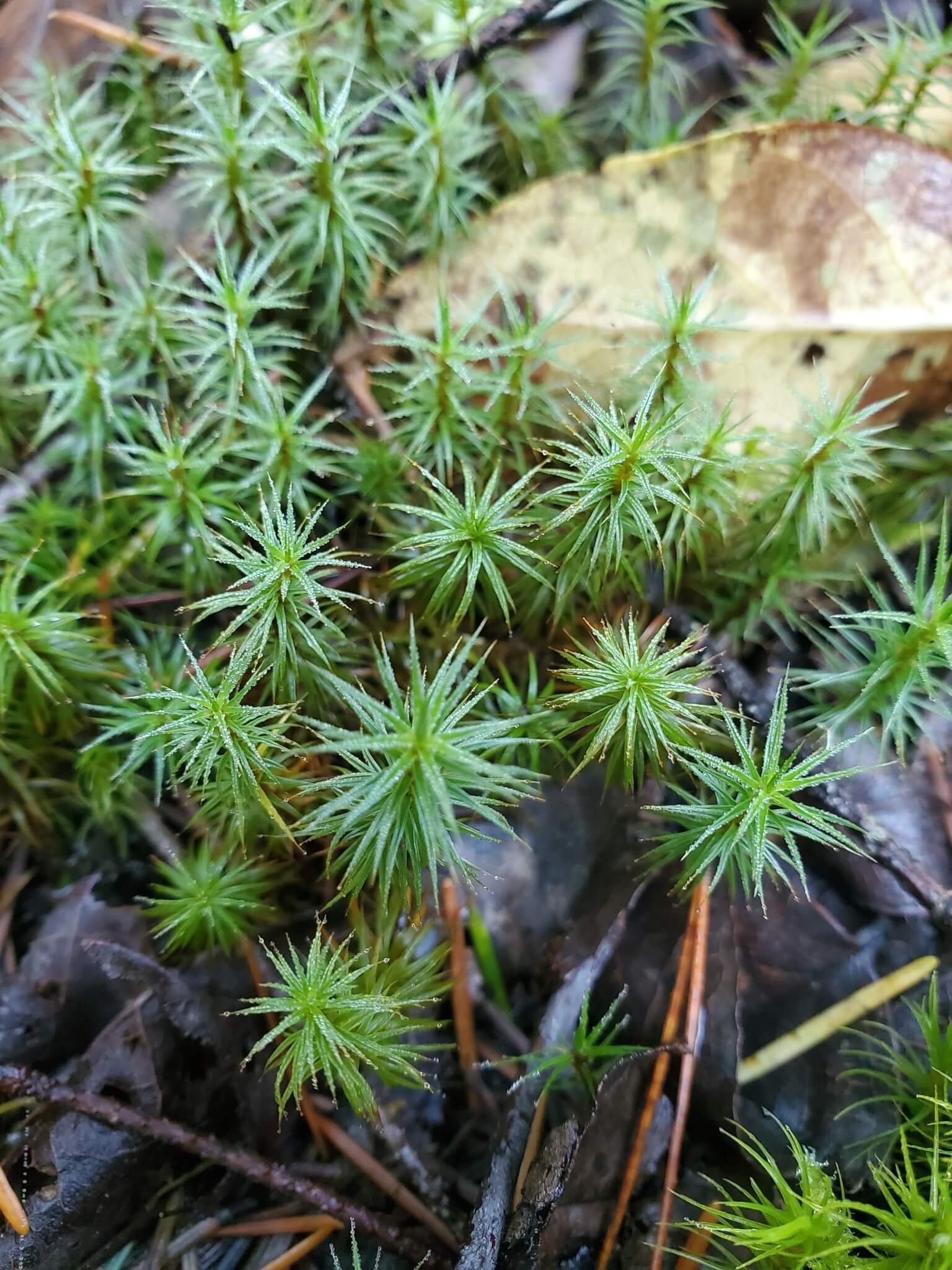
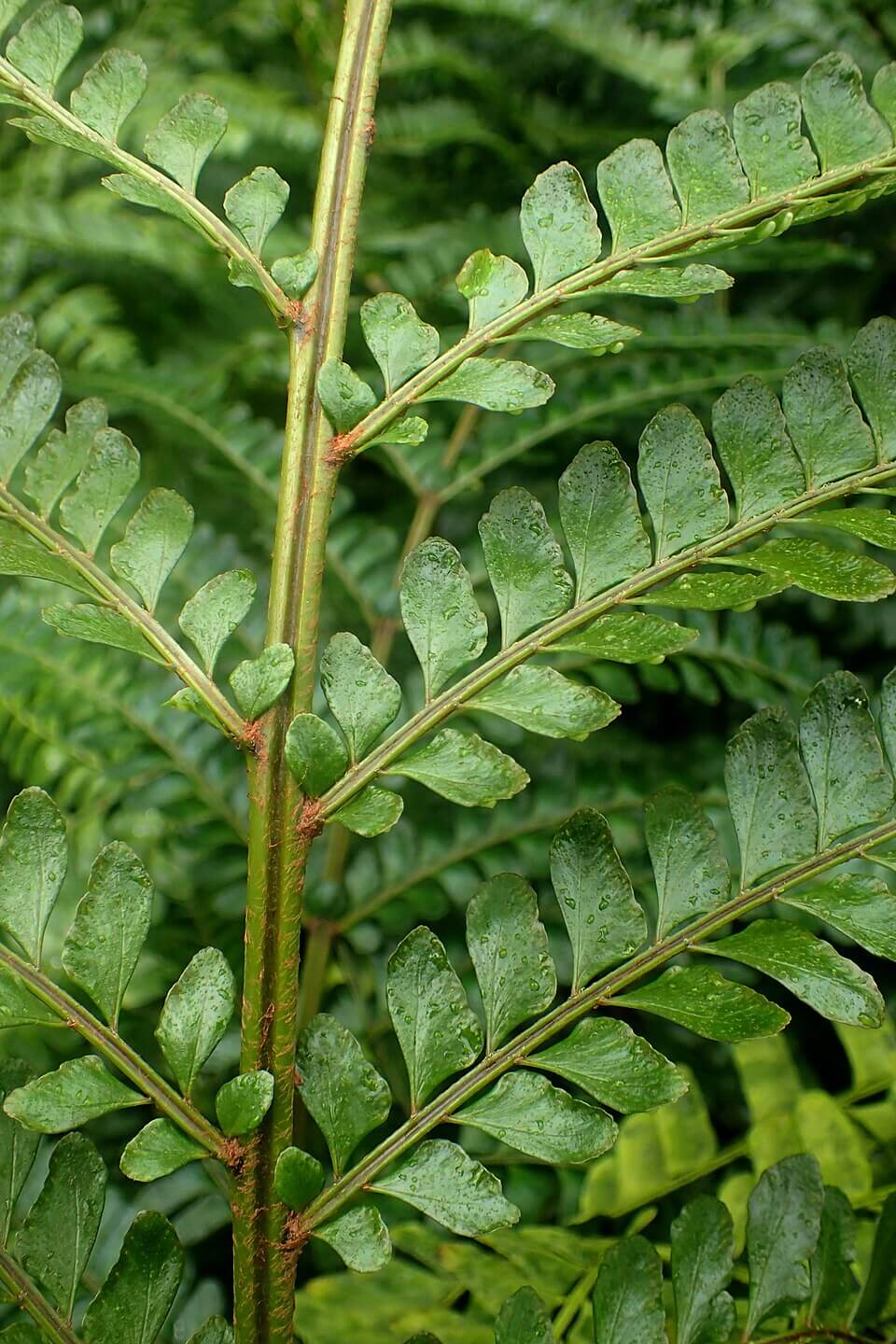
For terrarium builders, the region offers limited material for humid setups — the catalogue holds a handful of mosses and one pantropical fern (Didymochlaena truncatula) that extend into the wetter Atlas pockets. The signature Northern African flora — succulents, drought-deciduous shrubs, and desert geophytes — fits arid or open terrarium styles rather than enclosed humid ones.
Native to Northern Africa
Explore plants from this region
References
- WikipediaTDWG WGSRPD constituent units for level-2 code 20 Northern Africa (Morocco, Algeria, Tunisia, Libya, Egypt, Western Sahara).
- WikipediaSahara extent, dunefields, and Atlantic coastal fog desert.
- WikipediaAtlas Mountains geography and biome zonation.
- WikipediaRegional high point at 4,167 m in Morocco's High Atlas.
- BritannicaCross-check on Toubkal elevation and prominence.
- BritannicaAtlas range extent, climate zones, and montane flora.