Africa · TDWG Level 2
Northeast Tropical Africa
Northeast Tropical Africa runs from the Sahara of Chad and Sudan east across the Horn of Africa to the high Ethiopian plateau and the Indian Ocean island of Socotra. The region is mostly arid or semi-arid, but the Ethiopian Highlands hold the largest afro-alpine zone on the continent and the wild ancestor of *Coffea arabica*, and Socotra carries one of the most distinct island floras in the world.
Northeast Tropical Africa covers seven constituent territories: Chad, Sudan (in the TDWG scheme this still includes the area that became South Sudan in 2011), Eritrea, Djibouti, Ethiopia, Somalia, and Socotra. The region stretches almost five thousand kilometres east–west, from the Saharan dunes of northern Chad to Socotra in the Arabian Sea, and includes Africa's lowest point — Lake Assal in Djibouti, at 155 metres below sea level — and its third-highest summit, Ras Dashen, at 4,550 metres in the Ethiopian Semien Mountains. The Nile, with its Blue and White branches, drains the eastern half of the region and feeds the Sudd in South Sudan, one of the largest tropical wetlands on Earth.
Climate is dominantly arid to semi-arid: hot desert (Köppen BWh) across the Sahara fringe, Saharan Chad, and most of the Horn; hot semi-arid (BSh) through the Sahel and Somali plateau; and tropical savanna (Aw) in South Sudan. The Ethiopian Highlands break this pattern. Above 1,500 metres the plateau supports a humid subtropical to alpine climate with a monsoon rainy season from June to mid-September, and rainfall above 1,000 mm in places.
Three very different floras share the region. The lowlands are dominated by Acacia and Commiphora woodland and thornscrub, with Boswellia (the frankincense genus) and Adansonia (baobab) as signature trees. The Ethiopian Highlands carry the largest afromontane and afro-alpine vegetation in Africa, with the conifer Juniperus procera, Afrocarpus, the broadleaved Hagenia abyssinica, and the wild population of Coffea arabica in its native understory. Socotra — geologically a fragment of the Somali plate, which is why its flora groups with Africa rather than Arabia — has roughly 37% endemism in its vascular plants, including the umbrella-crowned dragon's blood tree Dracaena cinnabari, the bottle-trunked Adenium obesum subsp. socotranum, and the unique Dendrosicyos socotranus, the only tree-forming cucumber.
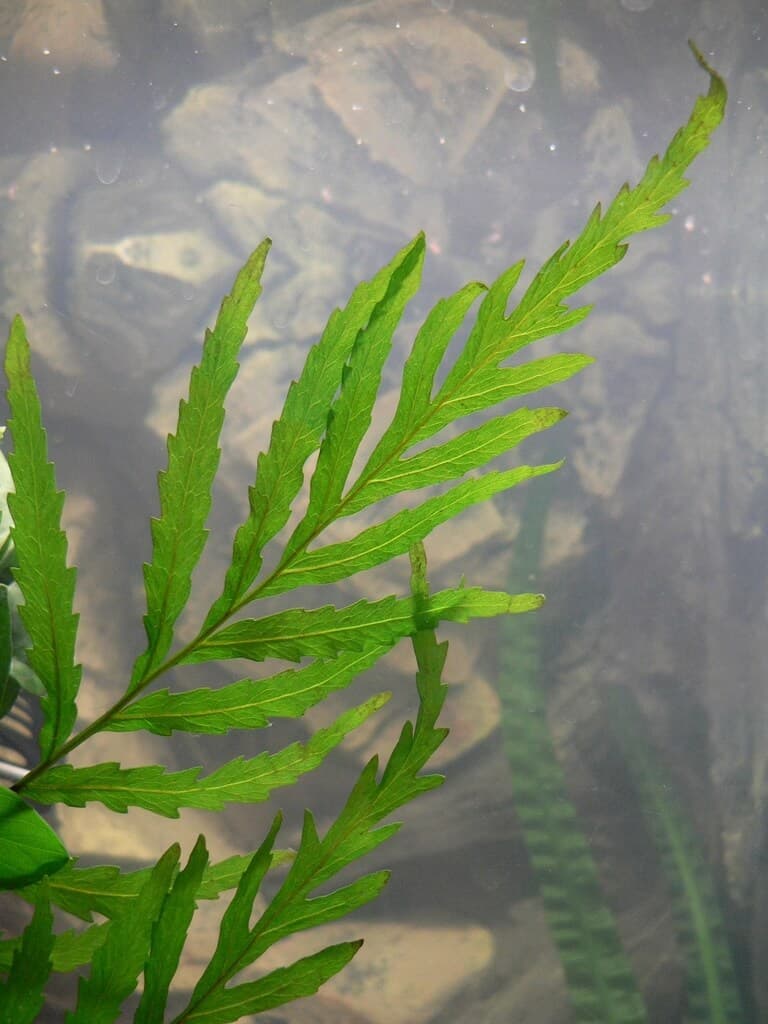
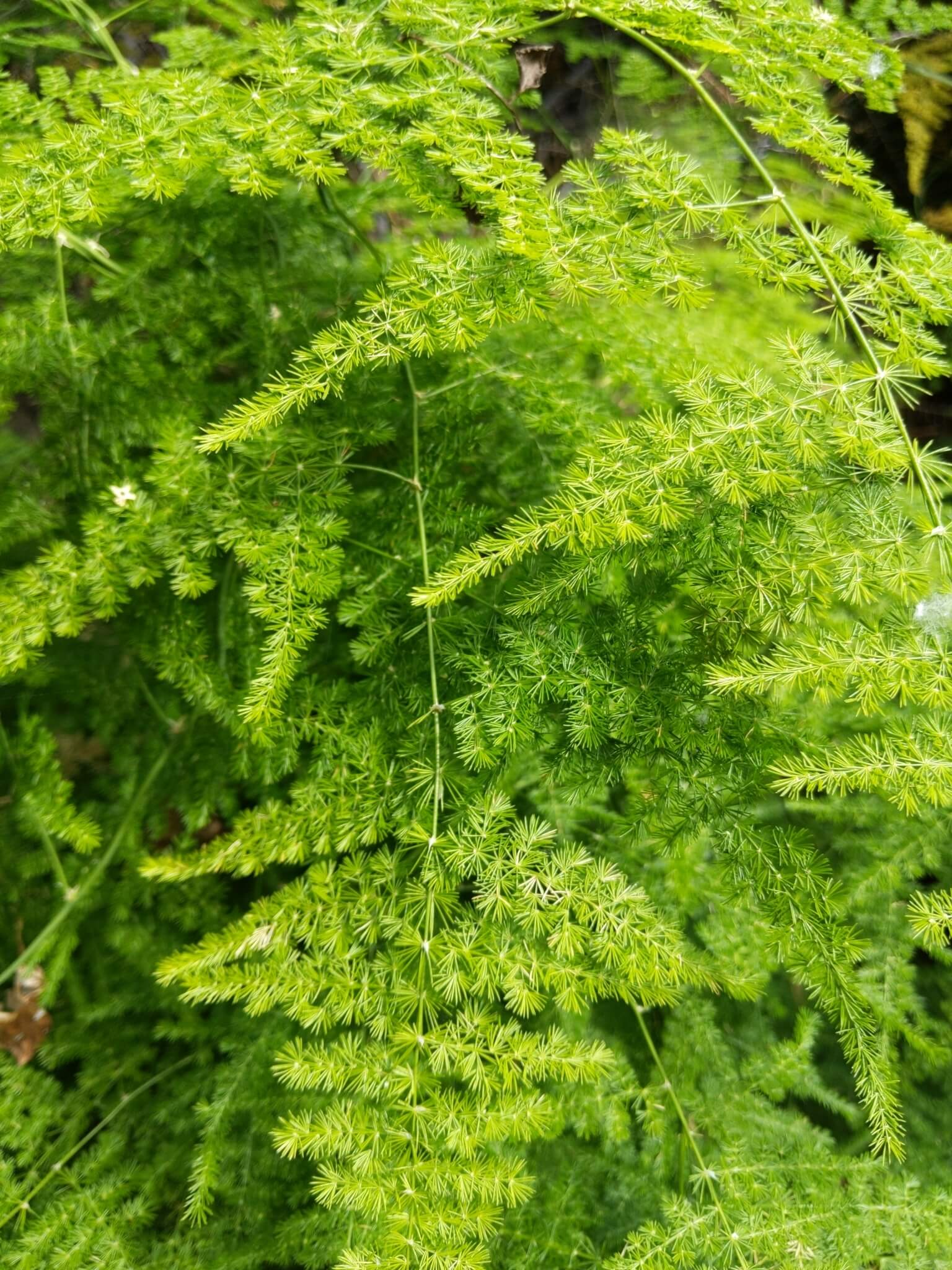
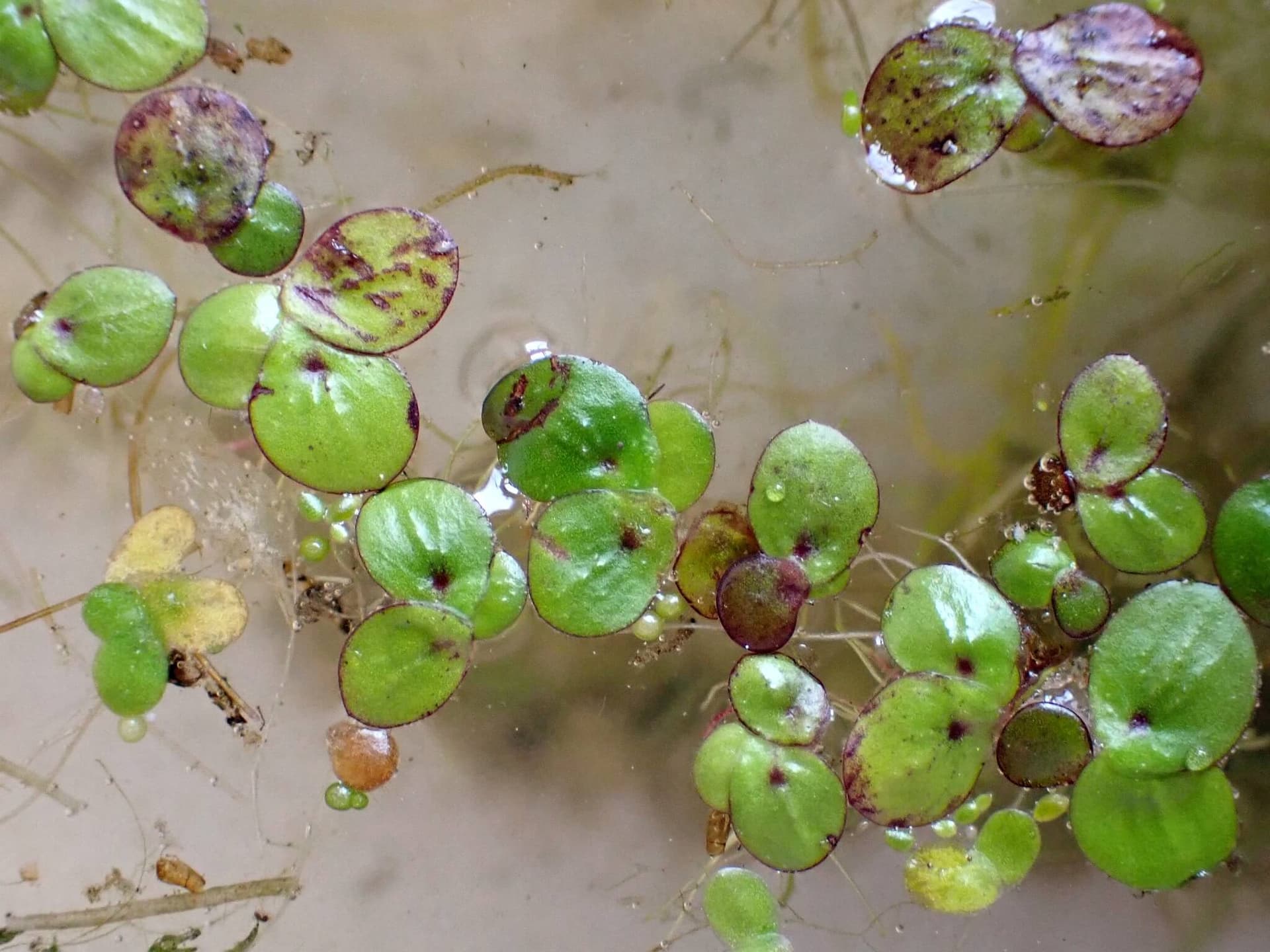
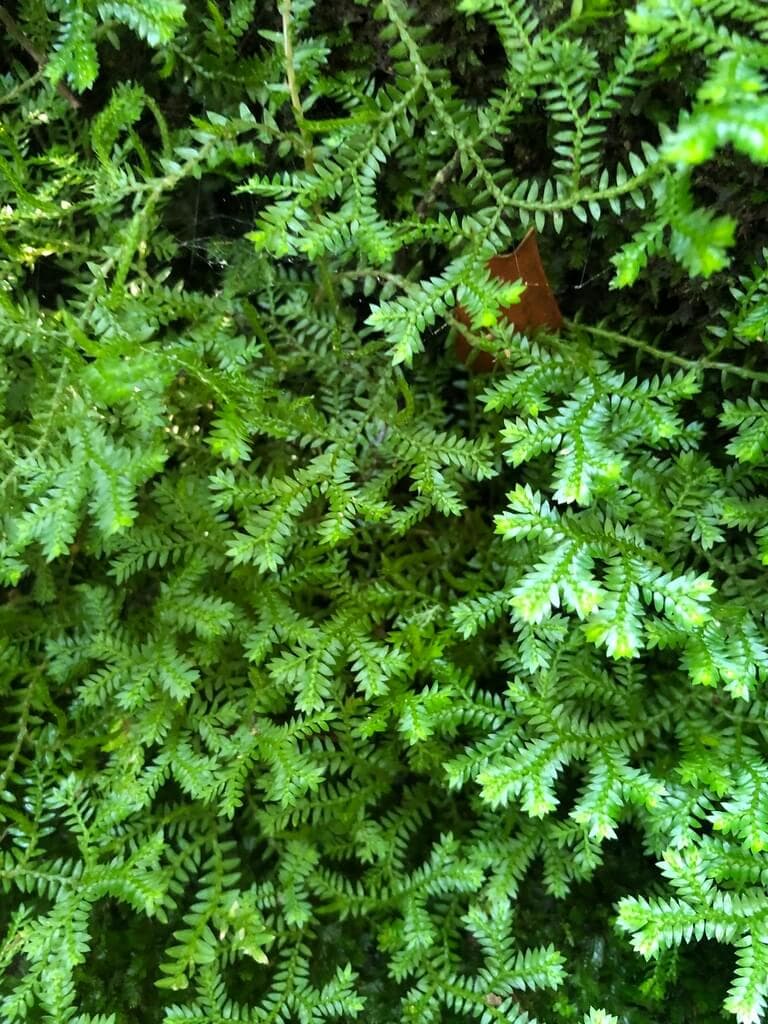
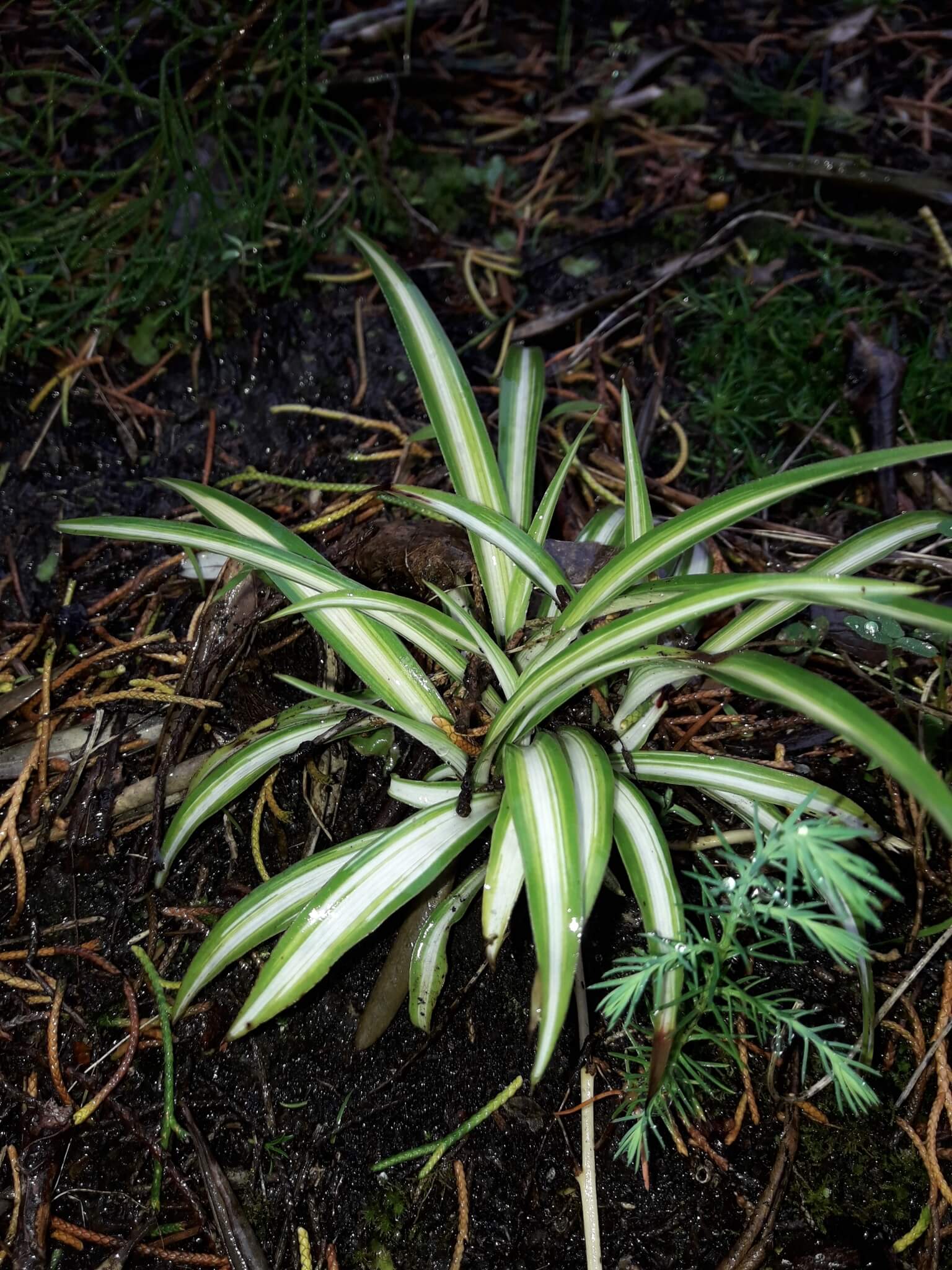
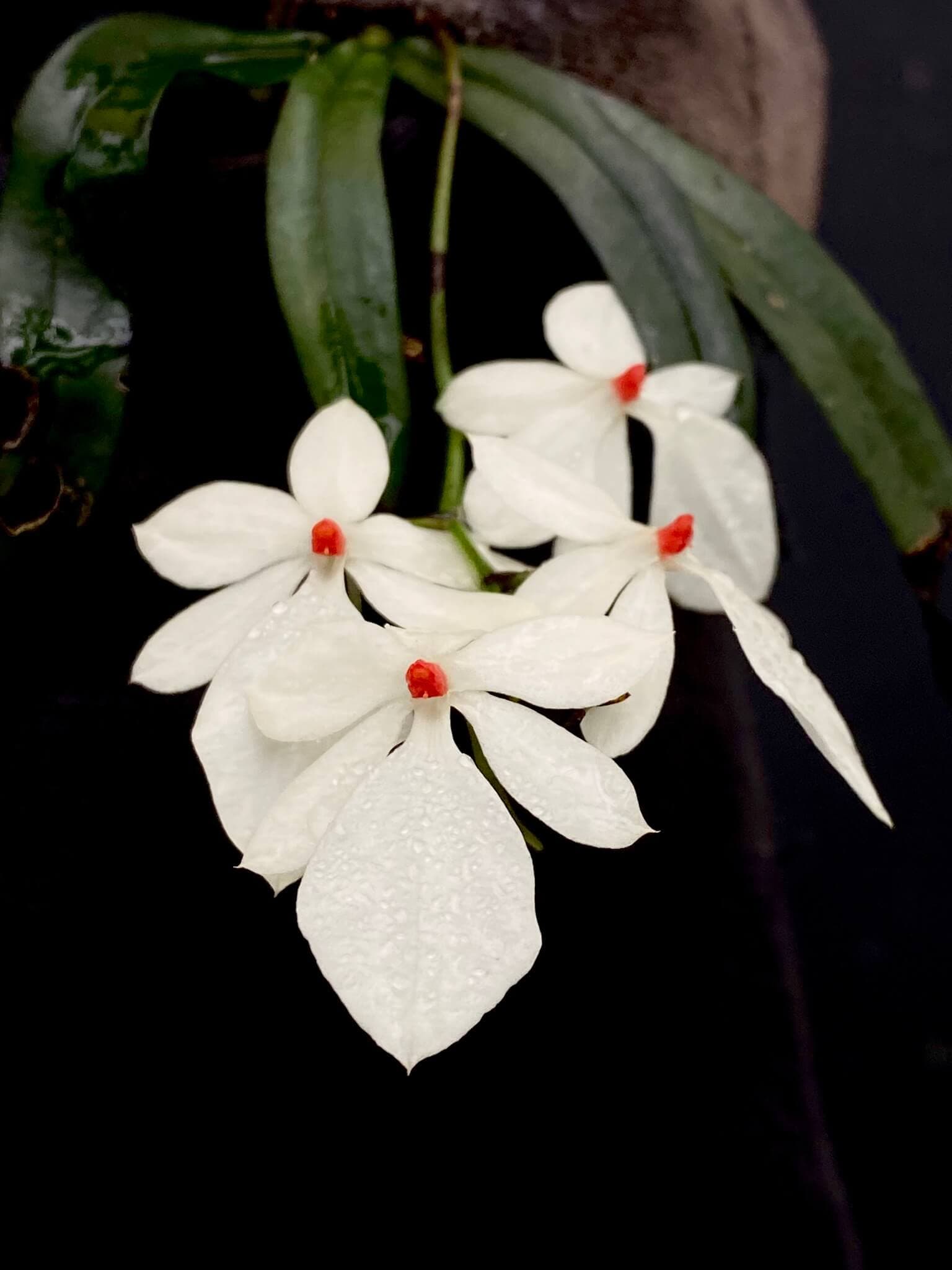
For terrarium use, this region is a smaller source than the Guineo-Congolian rainforest to the west — most of its flora is xeric. The Ethiopian montane forests are the closest match to humid-terrarium conditions, and bring familiar shade species like the African violet relative Streptocarpus. Bolbitis heudelotii, Spirodela polyrhiza, Aerangis luteoalba var. rhodosticta, Selaginella kraussiana, and Chlorophytum comosum are already in the catalogue from their range here.
Native to Northeast Tropical Africa
Explore plants from this region
References
- WikipediaTDWG WGSRPD constituent units for level-2 code 24 Northeast Tropical Africa (Chad, Djibouti, Eritrea, Ethiopia, Socotra, Somalia, Sudan).
- WikipediaElevation zones, Ras Dashen 4,550 m, afromontane and afro-alpine vegetation, characteristic genera.
- WikipediaIsland area, ~37% plant endemism, dragon's blood tree, geological affinity with the Somali plate.
- WikipediaLake Assal at -155 m, lowest point in Africa.