Northern America · TDWG Level 2
North-Central U.S.A.
North-Central U.S.A. covers the Midwest and northern Great Plains — twelve states from Ohio and Michigan west to the Dakotas and south through Kansas and Missouri. The region spans the country's tallgrass prairie heartland, the southern Great Lakes forests, and the rugged Ozark uplands.
North-Central U.S.A. is the American Midwest and northern Plains, grouped into one TDWG region covering roughly 2.13 million square kilometres. It includes Ohio, Indiana, Michigan, Illinois, Wisconsin, Minnesota, Iowa, Missouri, Kansas, Nebraska, North Dakota, and South Dakota. Climate is temperate throughout — humid continental in the north and east, drier and more continental on the Plains, and edging into humid subtropical along the Missouri–Kansas border.
Most of the region is flat to gently rolling, shaped by ice and rivers. Glaciers reworked the northern half during the last ice age, leaving moraines, drumlins, and the thousands of lakes that define Minnesota and Wisconsin. The Mississippi and Missouri river systems drain almost the entire region. Two upland exceptions break the pattern: the Ozark Plateau in Missouri, and the Black Hills of South Dakota, where Black Elk Peak rises to 2,207 metres.
Vegetation falls into three broad belts. The eastern third was historically deciduous forest — oak-hickory in the south, beech-maple in the Great Lakes states, mixed with sugar maple, basswood, and eastern hemlock further north. The central third is tallgrass prairie, dominated by big bluestem (Andropogon gerardii), Indian grass (Sorghastrum nutans), and switchgrass, with rich forb diversity — Echinacea, Liatris, Silphium, Asclepias. The Plains states grade westward into mixed-grass and finally shortgrass prairie. Wetlands punctuate everything: prairie pothole complexes in the Dakotas, Great Lakes marshes, and bottomland hardwood forests along the major rivers.
The Ozarks support an unusually rich woodland flora with a number of regional endemics. Spring ephemerals — Sanguinaria canadensis (bloodroot), Trillium grandiflorum, Dicentra cucullaria — carpet eastern deciduous forest floors for a few weeks each year before the tree canopy closes.
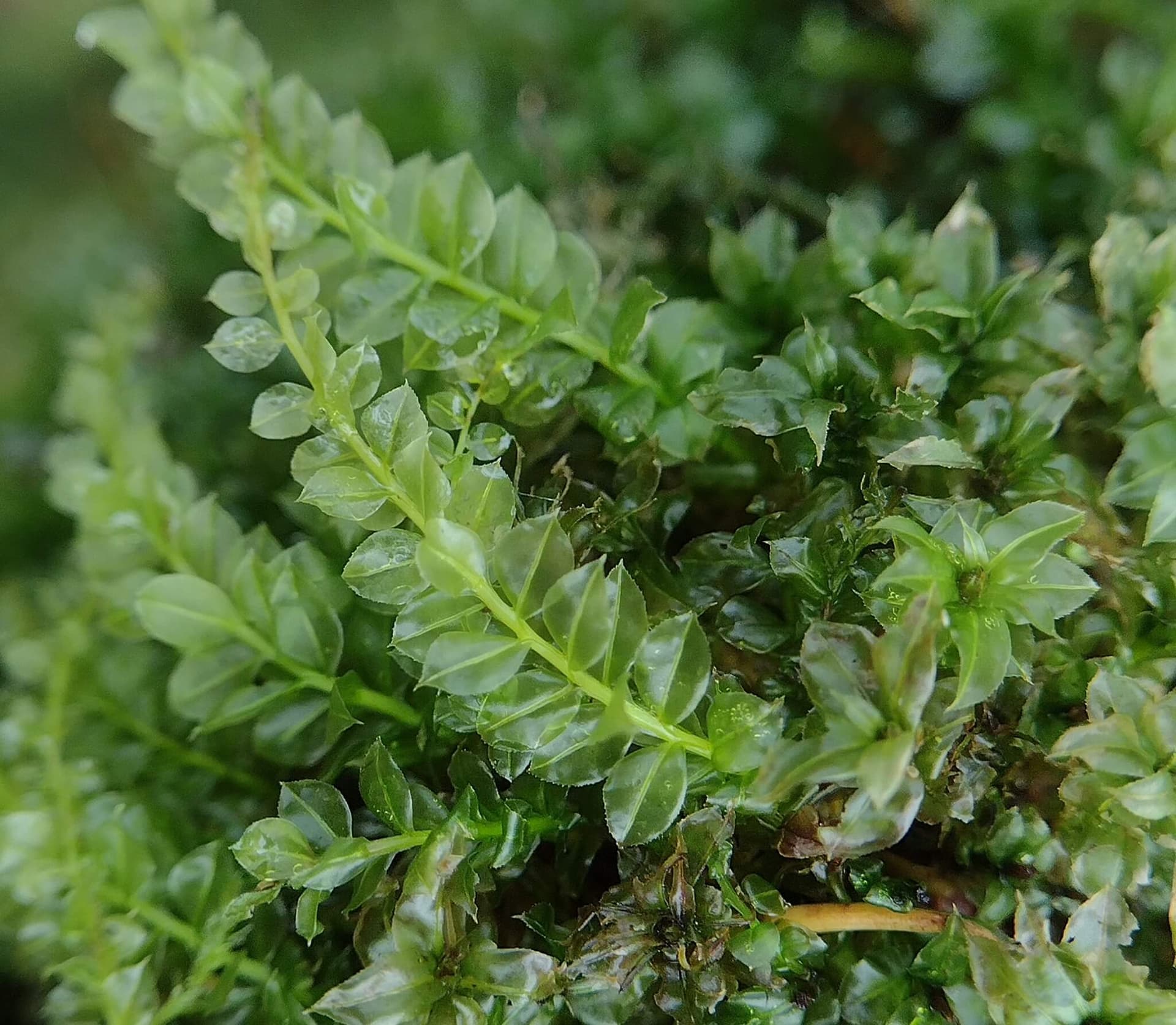
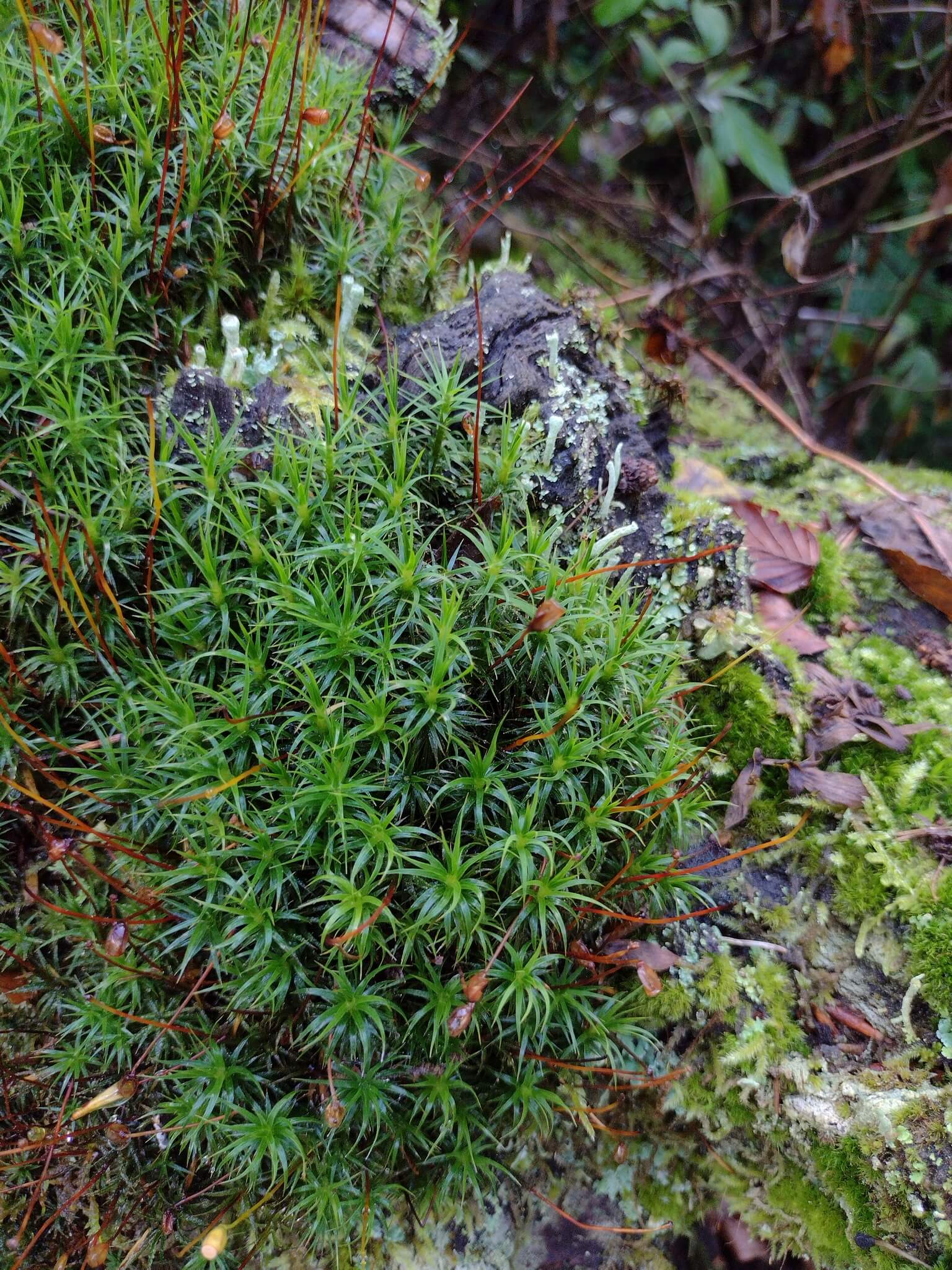
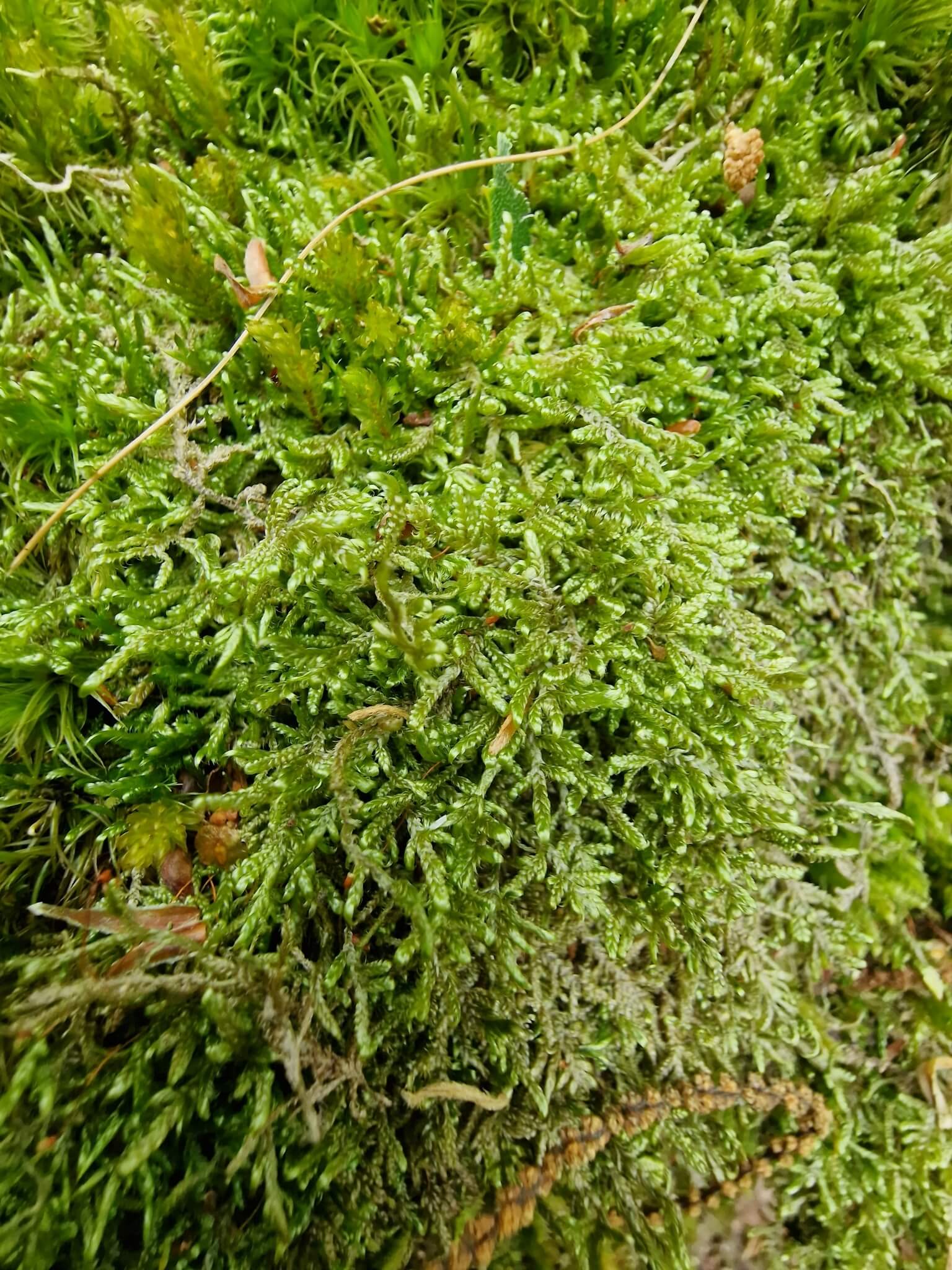
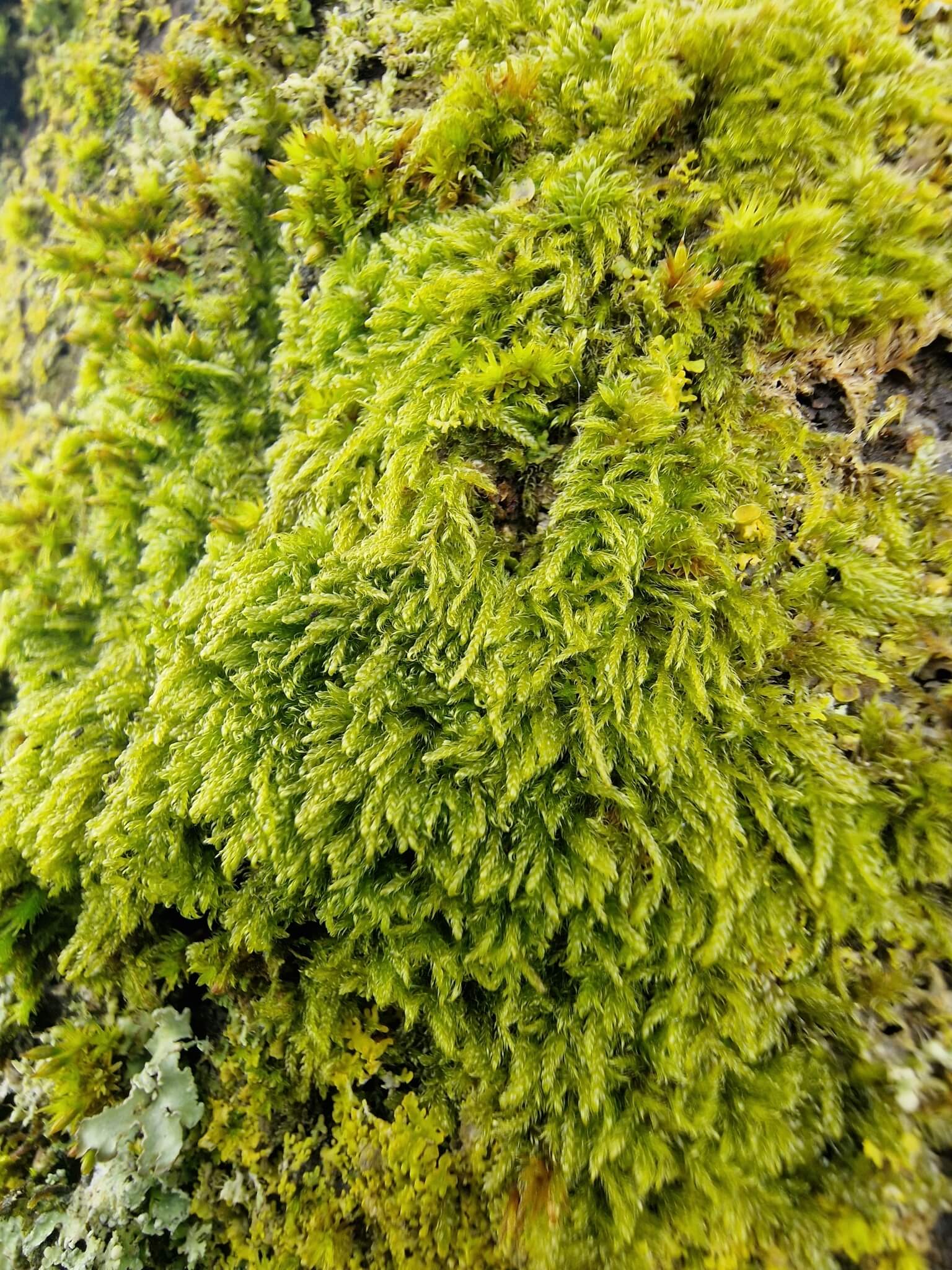
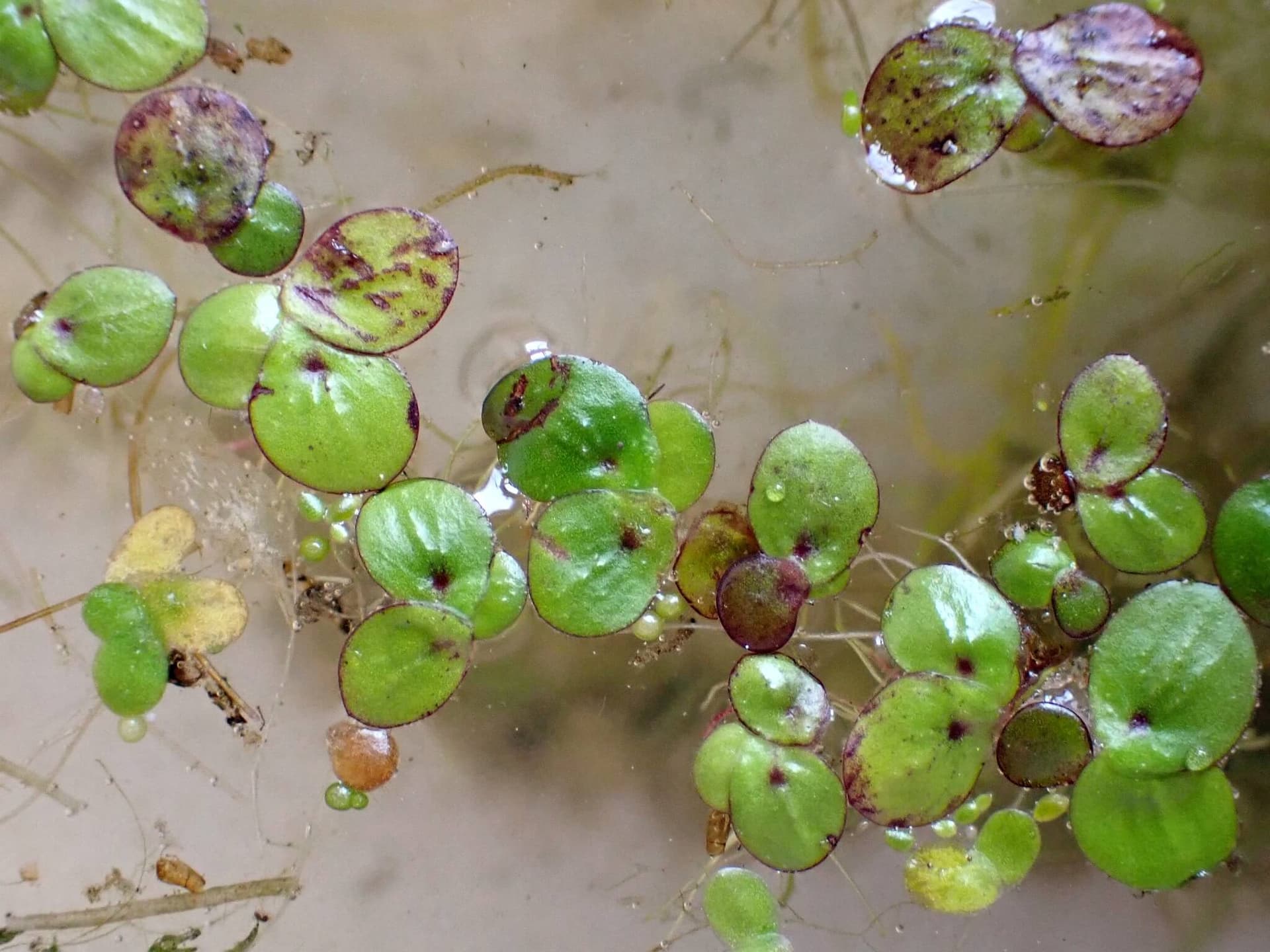
The Verdarium catalogue currently has fifteen species tagged here: thirteen circumboreal mosses (Hylocomium splendens, Dicranum scoparium, Polytrichum formosum, and others) plus two semi-aquatic plants, Hydrocotyle verticillata and Spirodela polyrhiza. None are signature prairie or eastern woodland species.
The region holds some of the country's most important botanical institutions — the Missouri Botanical Garden in St. Louis is one of the world's leading plant research centres, joined by the Chicago Botanic Garden and the Morton Arboretum further north.
Native to North-Central U.S.A.
Explore plants from this region
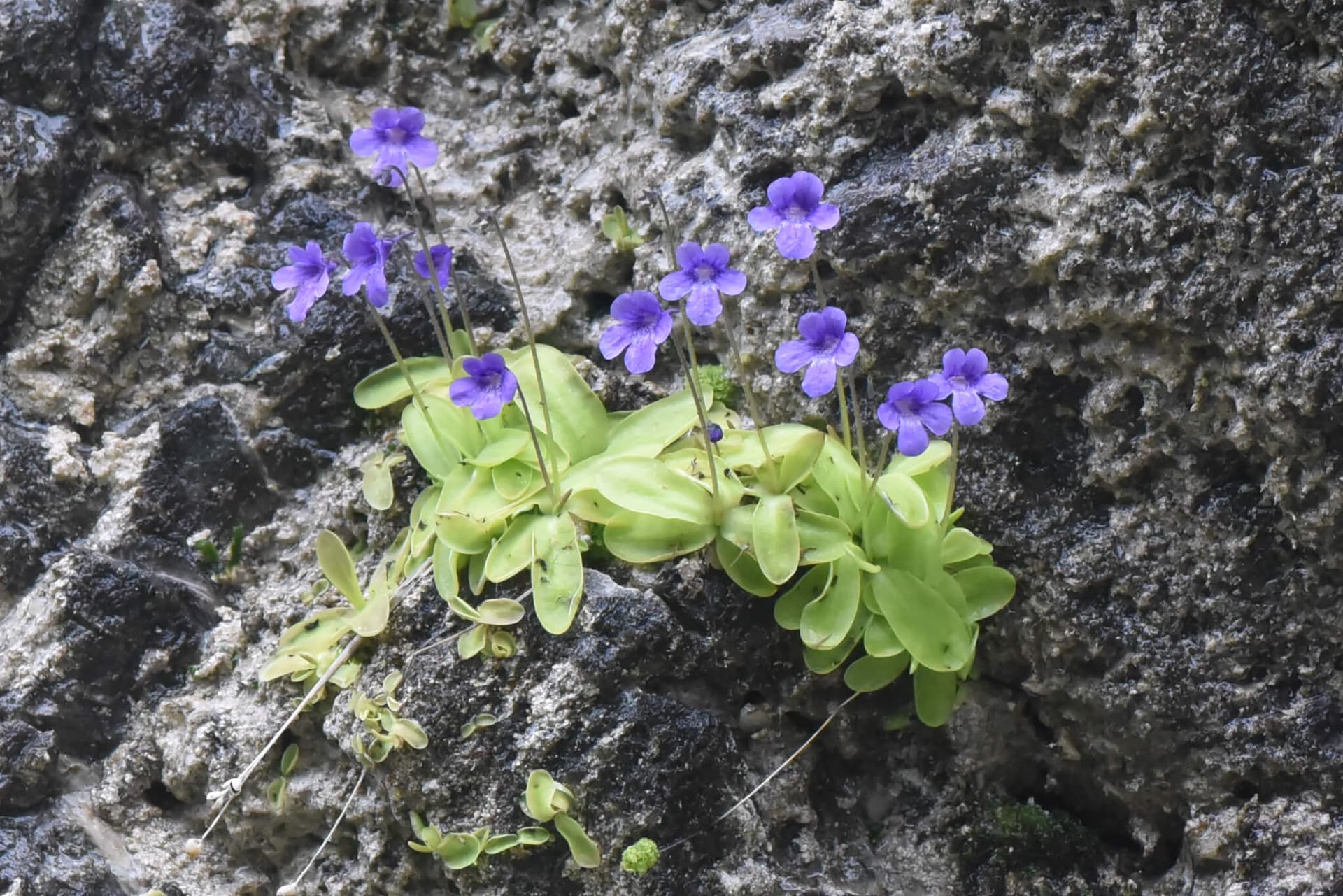
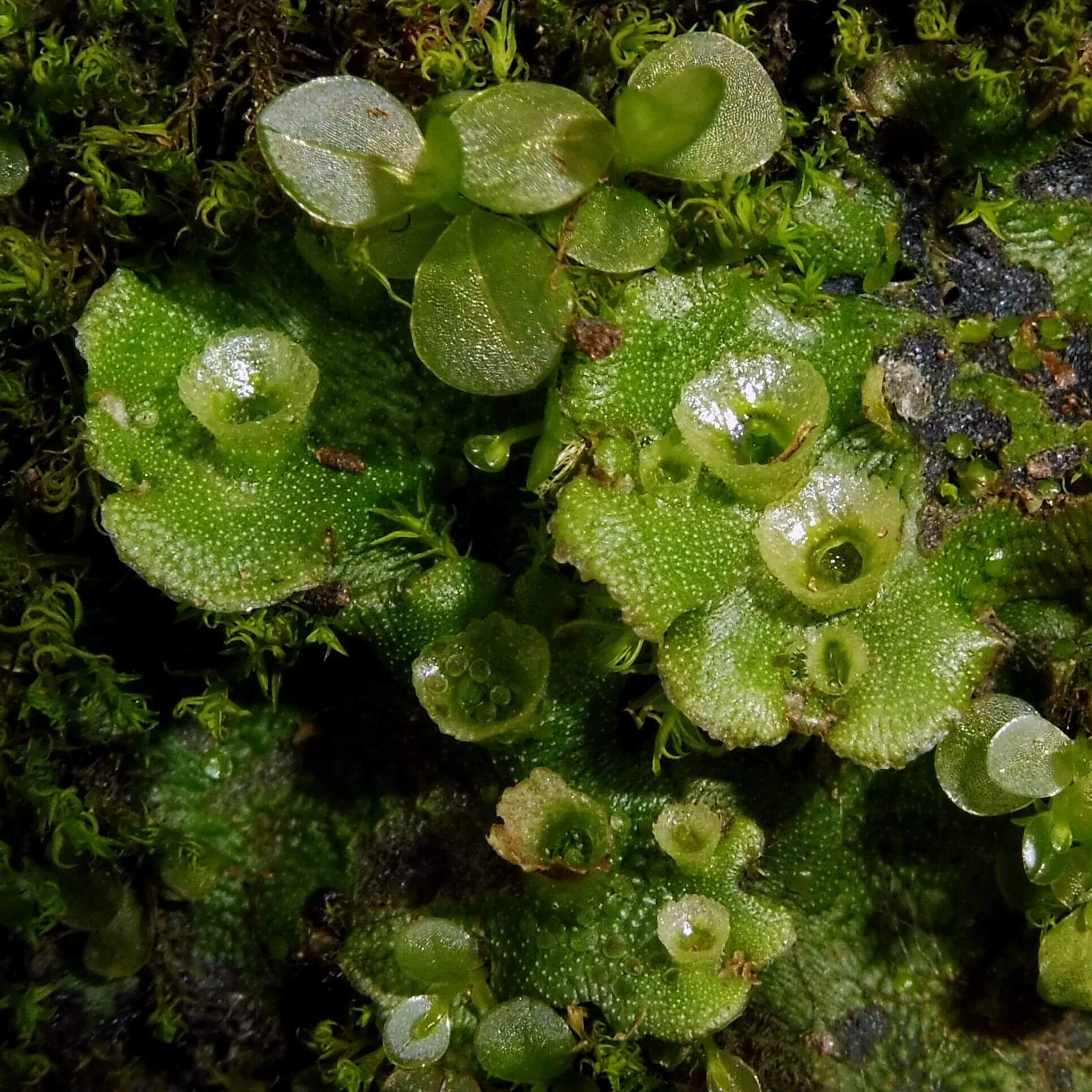
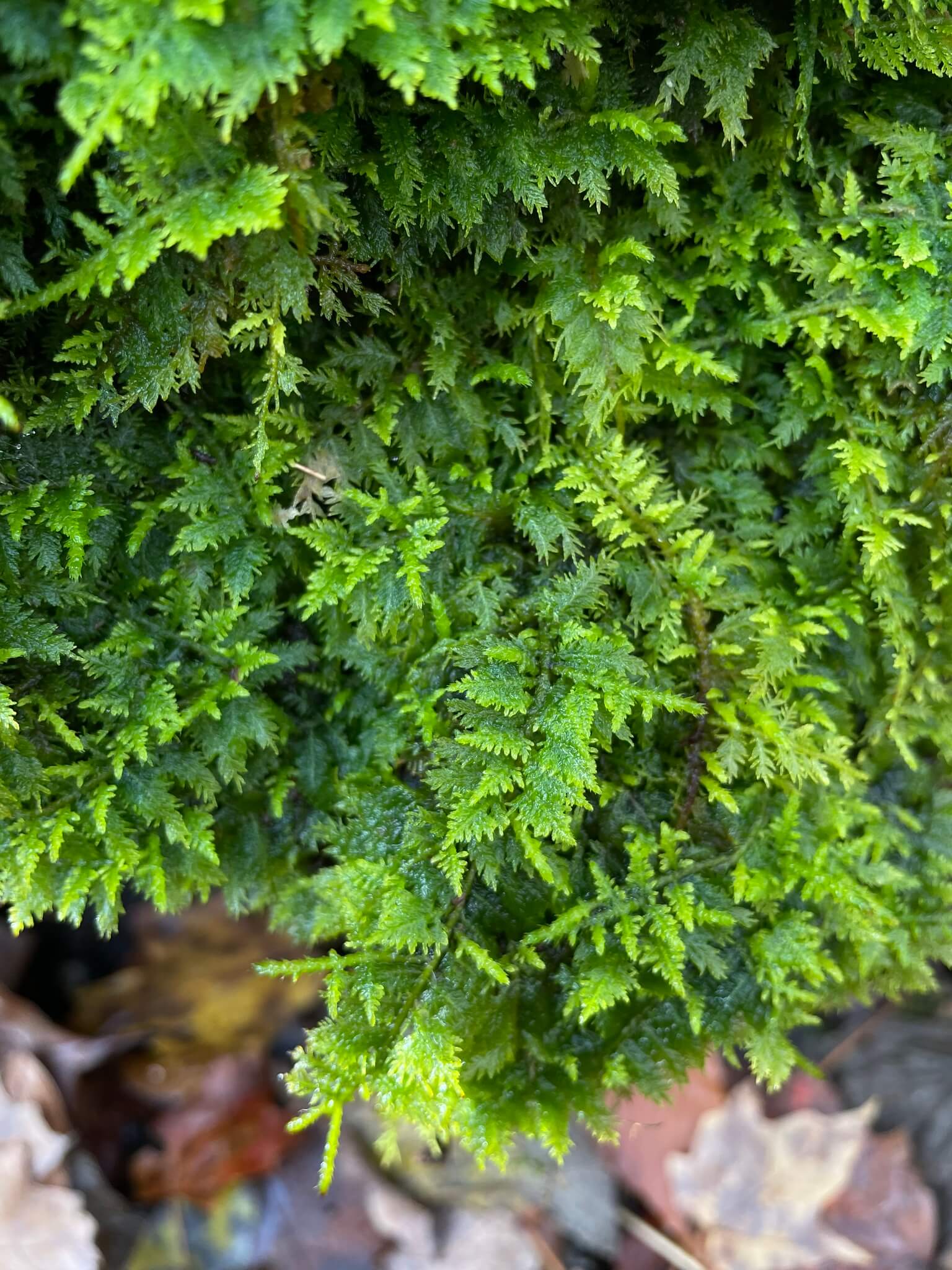
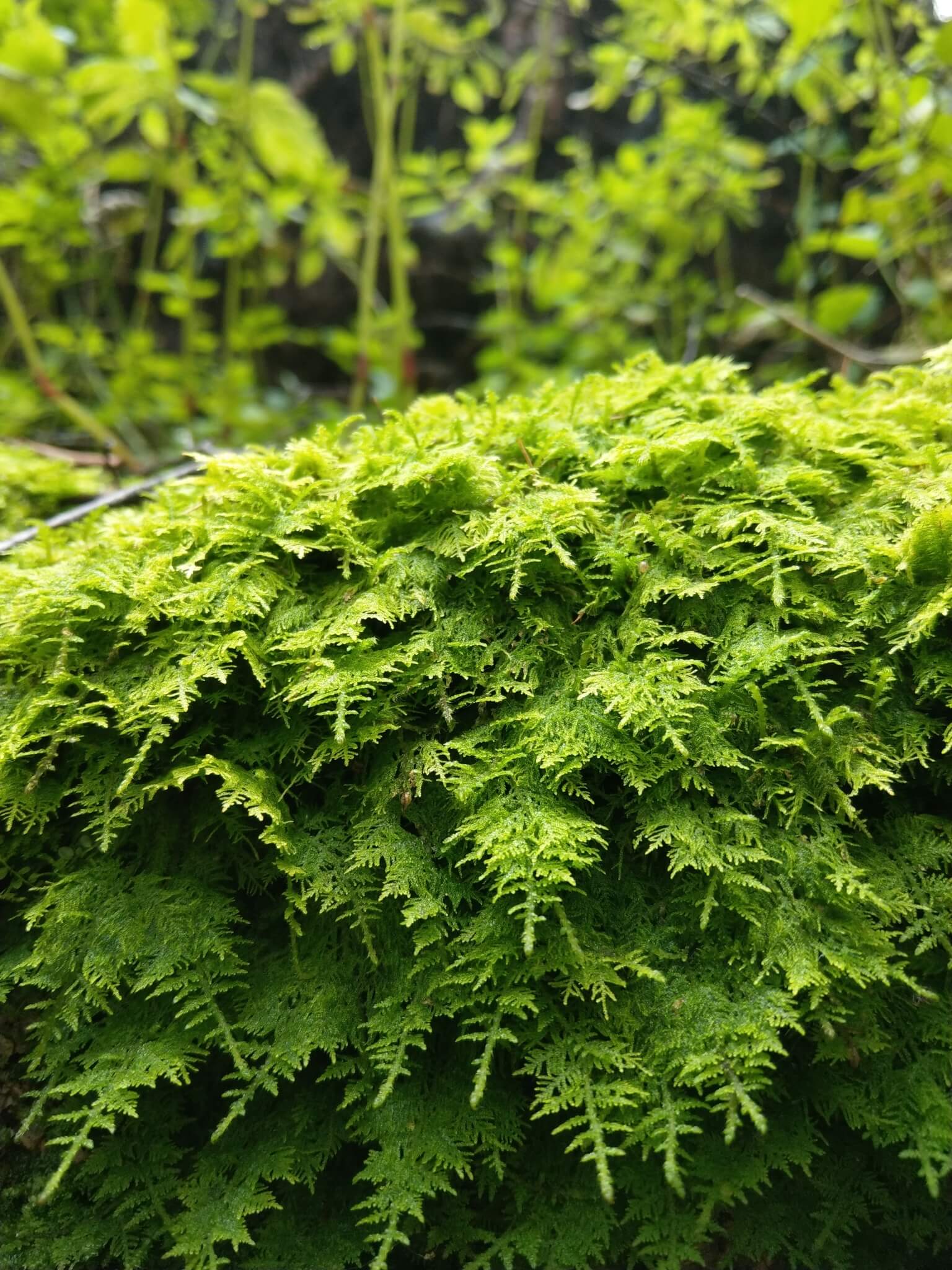
References
- Encyclopedia BritannicaGeography and climate baseline for the American Midwest.
- Encyclopedia BritannicaGreat Plains grassland context.
- Kew POWOUsed to confirm characteristic genera (Andropogon, Sorghastrum, Quercus, Carya, Trillium).
- WikipediaConfirms 2,207 m as the regional maximum (Black Hills, South Dakota).
- WikipediaTDWG WGSRPD scheme — confirms member botanical countries of region 74 (12 Midwest and Great Plains states).