Africa · TDWG Level 2
Macaronesia
Macaronesia is a group of four volcanic archipelagos in the eastern Atlantic — the Azores, Madeira, the Canary Islands, and Cape Verde. The islands hold one of the world's great plant endemism hotspots, including the laurel forest (laurisilva) of Madeira — a UNESCO-listed relict of an ancient Mediterranean wet forest that has otherwise vanished.
Macaronesia is a chain of volcanic islands in the eastern Atlantic, scattered between the Azores in the north (close to 40°N) and Cape Verde near the equator (around 15°N). The four archipelagos — the Azores, Madeira (with the Selvagens), the Canary Islands, and Cape Verde — rose as seamounts from the ocean floor and have never been connected to a continent. Mount Teide on Tenerife is both the regional and the Spanish high point at 3,718 metres; measured from its base on the sea floor it ranks among the tallest volcanoes in the world. Total land area is small — under 15,000 square kilometres — but biological richness vastly outweighs the footprint.
Climate spans a long latitudinal gradient. The Azores carry an oceanic temperate climate (Köppen Cfb) of mild, rainy weather year-round. Madeira and the Canaries sit in the subtropical zone, with mild winters, warm dry summers, and persistent trade-wind cloud — the mar de nubes — banking against north-facing slopes. Cape Verde, the southernmost group, falls into the Sahel dry-tropical zone (BWh/BSh), with sparse erratic rainfall. Across all four, altitude generates a second axis of climate, from coastal succulent scrub to montane forest to alpine desert above 2,000 metres on the highest islands.
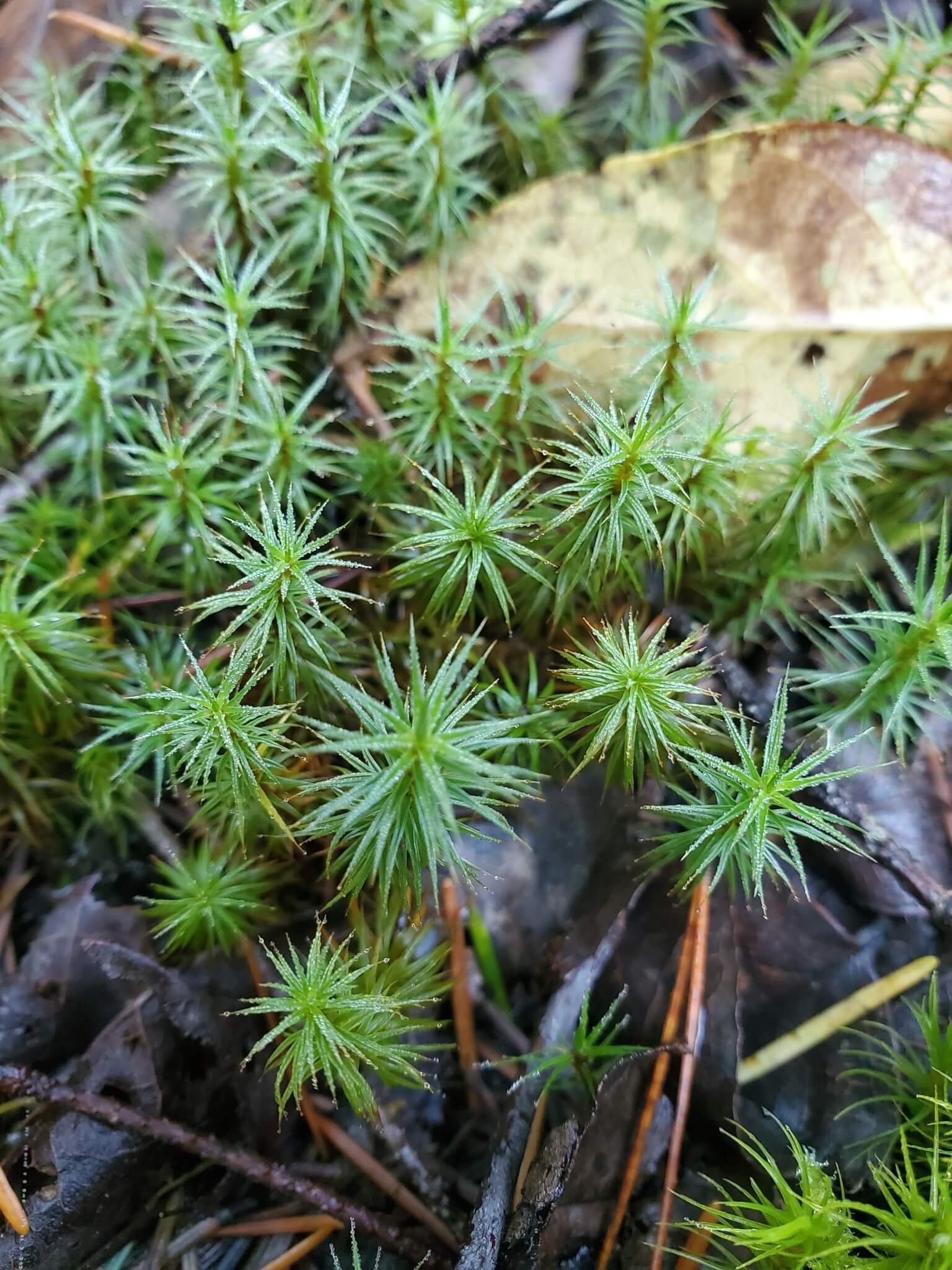
The signature biome is laurisilva — the laurel forest. This is a relict ecosystem: an evergreen broadleaf wet forest that once covered much of the Mediterranean Basin during a wetter geological era, now reduced to small pockets in the Macaronesian cloud zone. The Madeira laurisilva, the largest surviving fragment, is a UNESCO World Heritage Site. Dominant trees come from several genera in the laurel family — Laurus novocanariensis, Apollonias barbujana, Persea indica, Ocotea foetens — with an understory of ferns, mosses, and small rosette herbs. Other vegetation belts include the Canary pine forest of the endemic Pinus canariensis, high-altitude scrub on Teide, and coastal succulent communities rich in Aeonium and other Crassulaceae rosettes.
Endemism is extraordinary for the land area involved. The Canary Islands alone hold around 600 endemic vascular species; Madeira has roughly 150, Cape Verde 90, the Azores 70. The dragon tree (Dracaena draco), the candelabra Echium species, and many genera of fleshy crassulacean rosettes are signature Macaronesian groups.
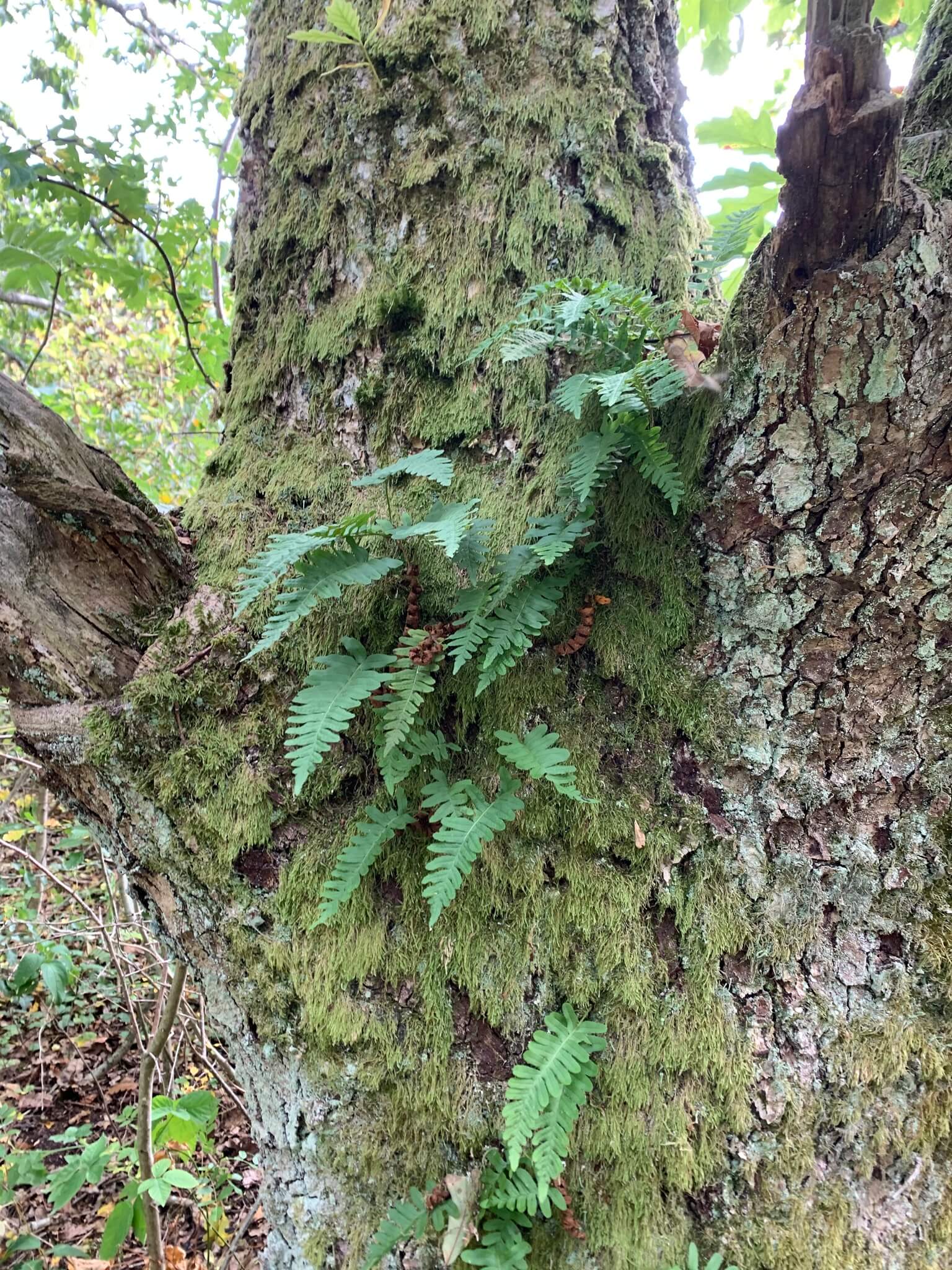
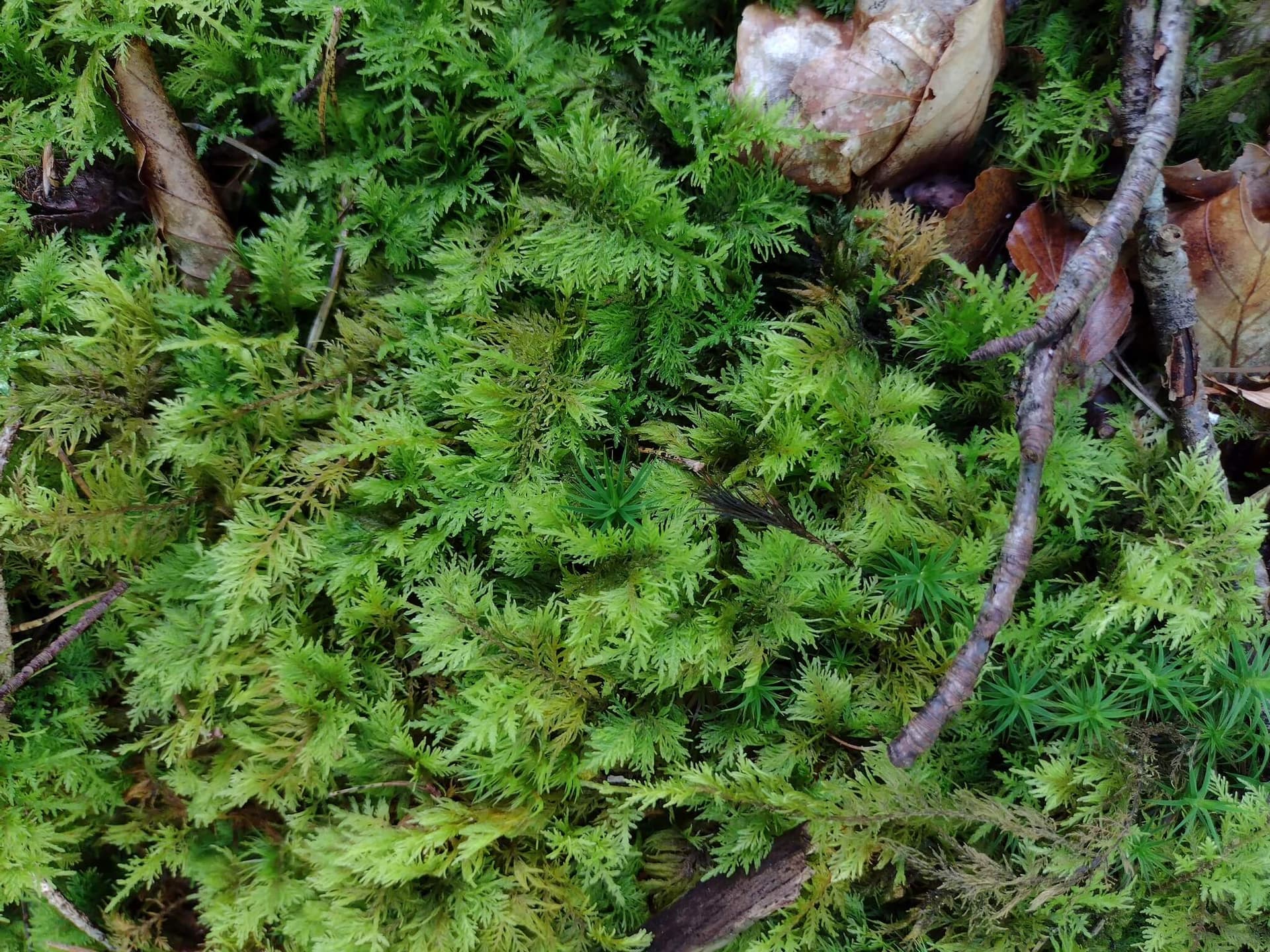
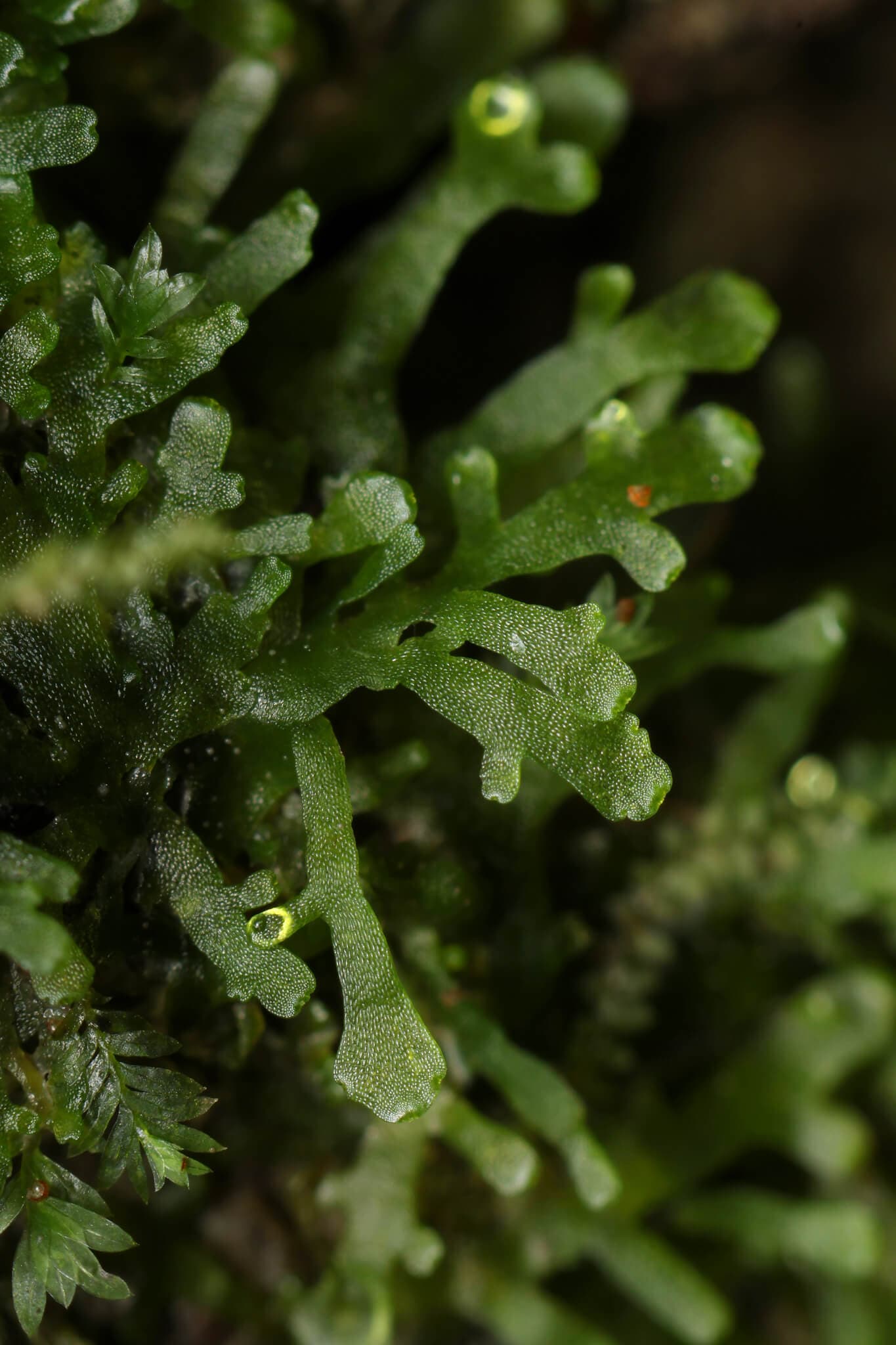
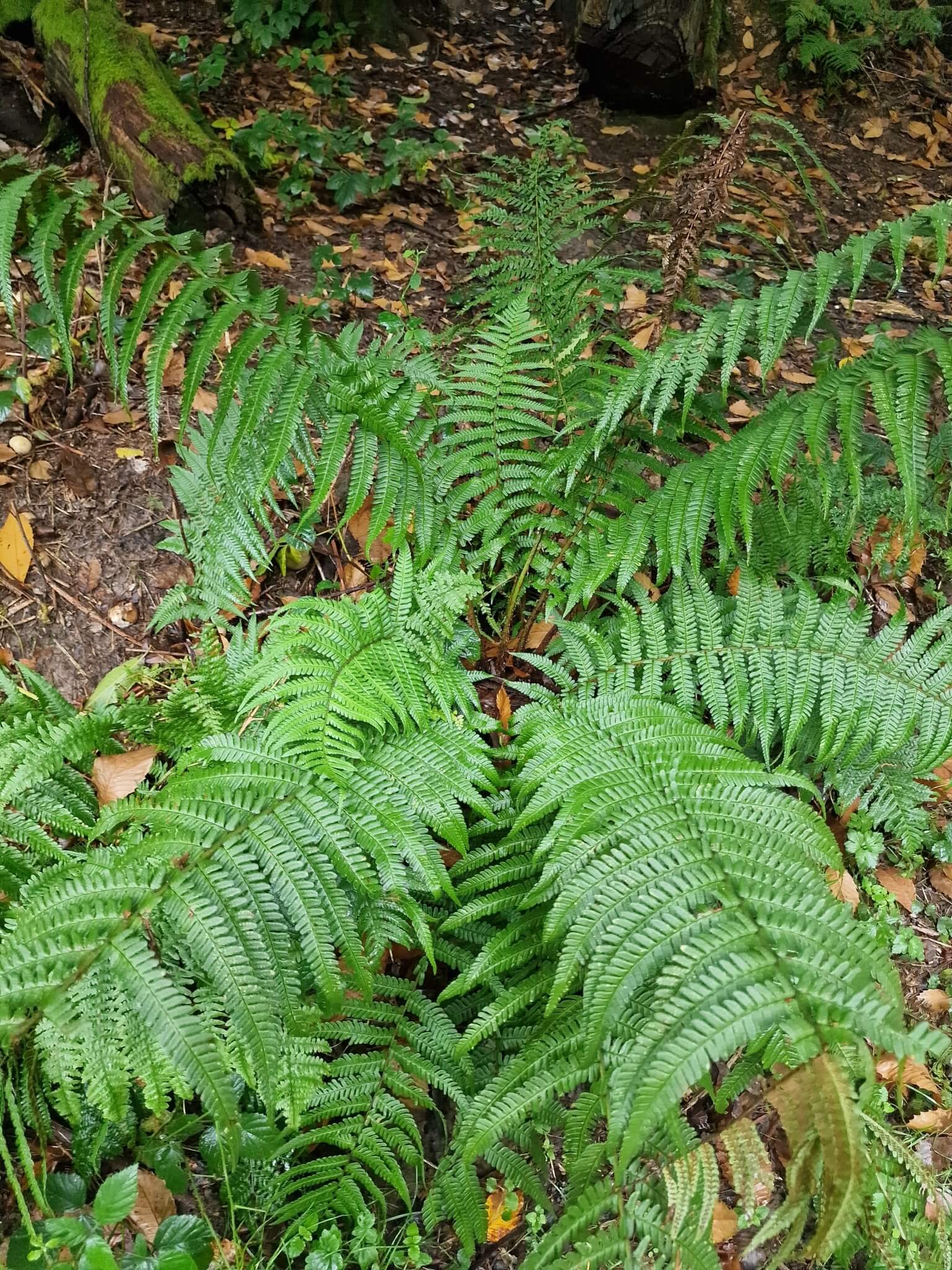
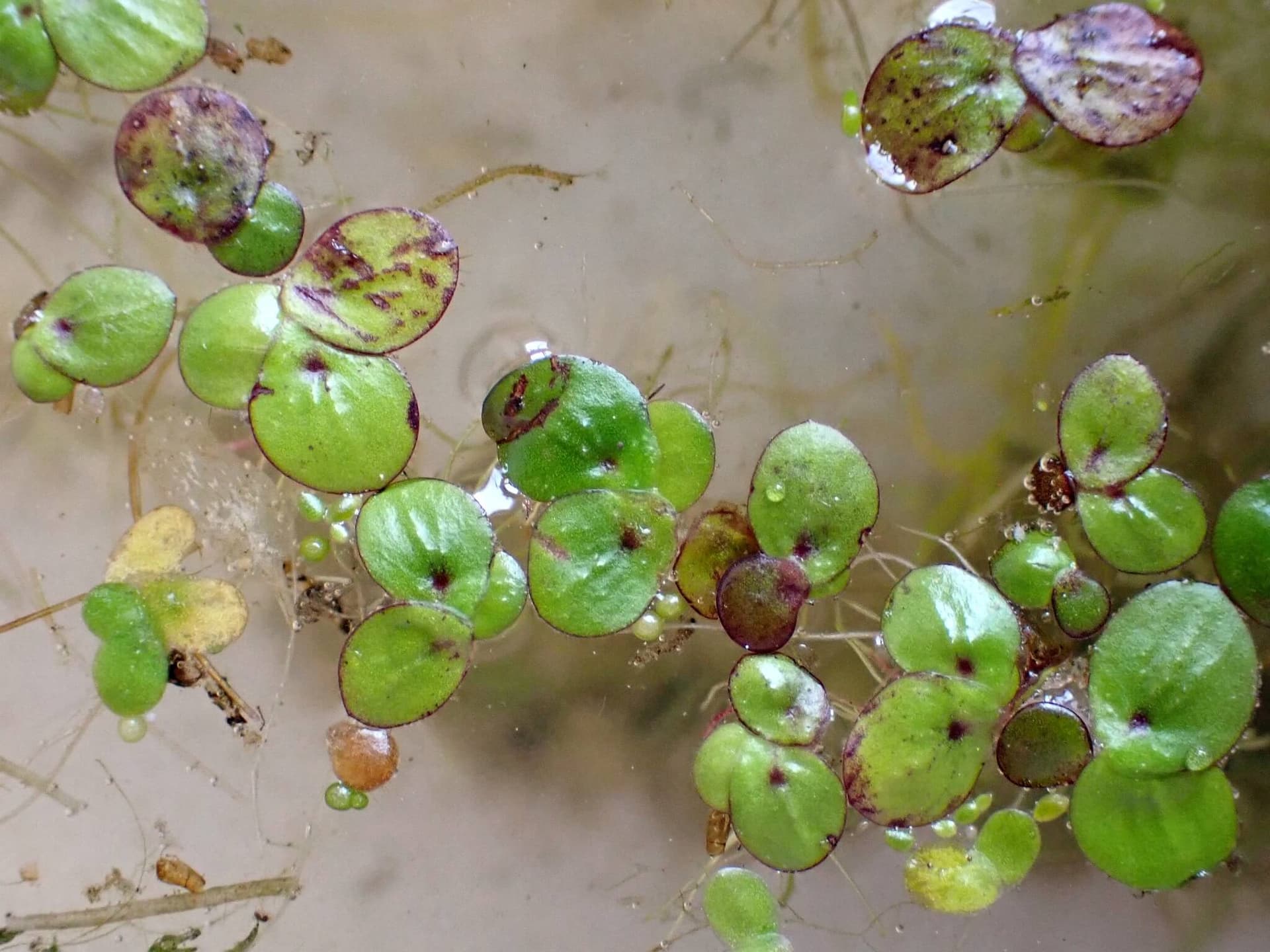
For terrarium builders, Macaronesia is exceptionally relevant. The laurisilva understory matches a humid temperate-to-subtropical terrarium almost exactly, and small ferns (Davallia canariensis, Polypodium macaronesicum), spikemosses (Selaginella kraussiana, already in the catalogue), and small Aeonium rosettes from this region all suit enclosed setups.
Native to Macaronesia
Explore plants from this region
References
- WikipediaConstituent archipelagos, volcanic origin, climate zonation, and laurisilva overview.
- WikipediaRegional high point — Mount Teide, 3,718 m on Tenerife.
- BritannicaCross-check on Teide elevation and UNESCO status.
- UNESCO World Heritage CentreTeide National Park designation.