Africa · TDWG Level 2
Western Indian Ocean
Western Indian Ocean is the TDWG region for Madagascar and the surrounding island groups — the Comoros, Mayotte, Mauritius, Réunion, Rodrigues, Seychelles, Aldabra, the Chagos, and the small Mozambique Channel islands. Madagascar alone carries more than 12,000 vascular plant species at around 83% endemism, including six endemic families and the spiny-forest succulents that grow nowhere else, while the granitic Seychelles hold the coco de mer palm and the volcanic Mascarenes carry remnant palm and ebony forests.
The Western Indian Ocean region is anchored by Madagascar — at roughly 592,000 square kilometres the world's fourth-largest island — and surrounded by a scatter of much smaller archipelagos: the volcanic Comoros (including Mayotte), the granitic Seychelles with the raised coral atoll of Aldabra, the volcanic Mascarenes (Mauritius, Réunion, Rodrigues), the Chagos Archipelago, and the tiny Mozambique Channel islands. Regional area sits at about 600,000 square kilometres. Elevation runs from sea level to 3,069 metres at Piton des Neiges on Réunion — the highest point in the Indian Ocean — with Maromokotro on Madagascar reaching 2,876 metres.
Climate is dominantly tropical but split by rainfall geography. Madagascar's eastern escarpment sits in tropical wet (Köppen Af) and carries lowland rainforest; the western lowlands are tropical savanna (Aw) with a long dry season; and the southwestern tip is semi-arid (BSh), the only home of the spiny thicket biome. The smaller islands carry tropical rainforest at altitude and humid tropical climates at the coast, except Réunion's summit, which is cool subalpine.
The region is one of the most botanically distinctive on Earth. Madagascar holds five endemic plant families — Asteropeiaceae, Barbeuiaceae, Physenaceae, Sarcolaenaceae, and Sphaerosepalaceae — and around 83% of its more than 12,000 vascular species are endemic. Signature groups include six endemic Adansonia baobabs, the Didierea and Alluaudia succulent trees of the spiny thicket, Pachypodium caudiciforms, more than 130 endemic Aloe and similar numbers of Kalanchoe, and over 900 orchid species (Madagascar is the type locality for Angraecum sesquipedale, the comet orchid whose nectary led Darwin to predict its hawkmoth pollinator). The Seychelles add the iconic coco de mer (Lodoicea maldivica) of the UNESCO-listed Vallée de Mai; Mauritius and Réunion add endemic Hyophorbe palms and the Diospyros ebonies.
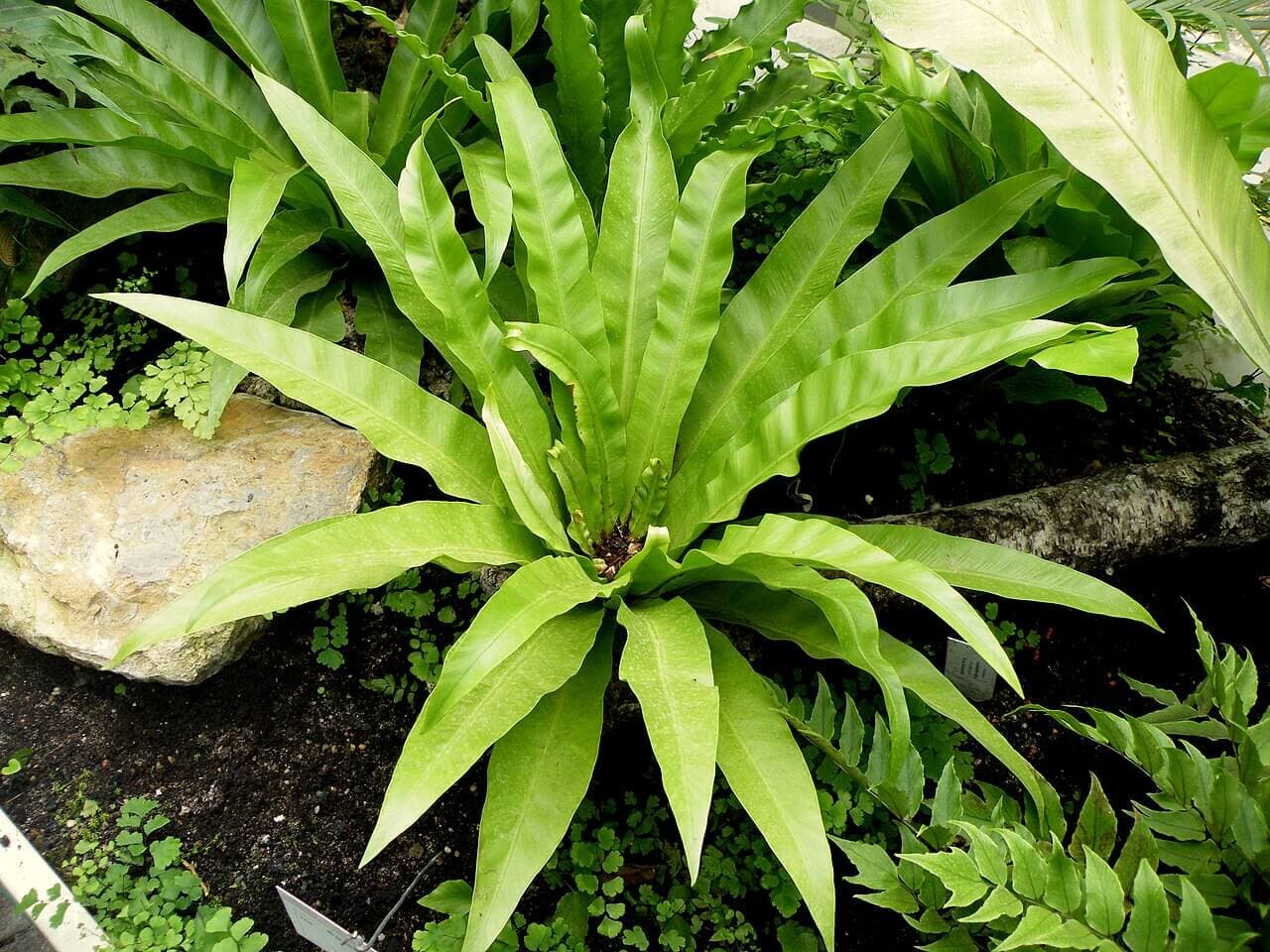
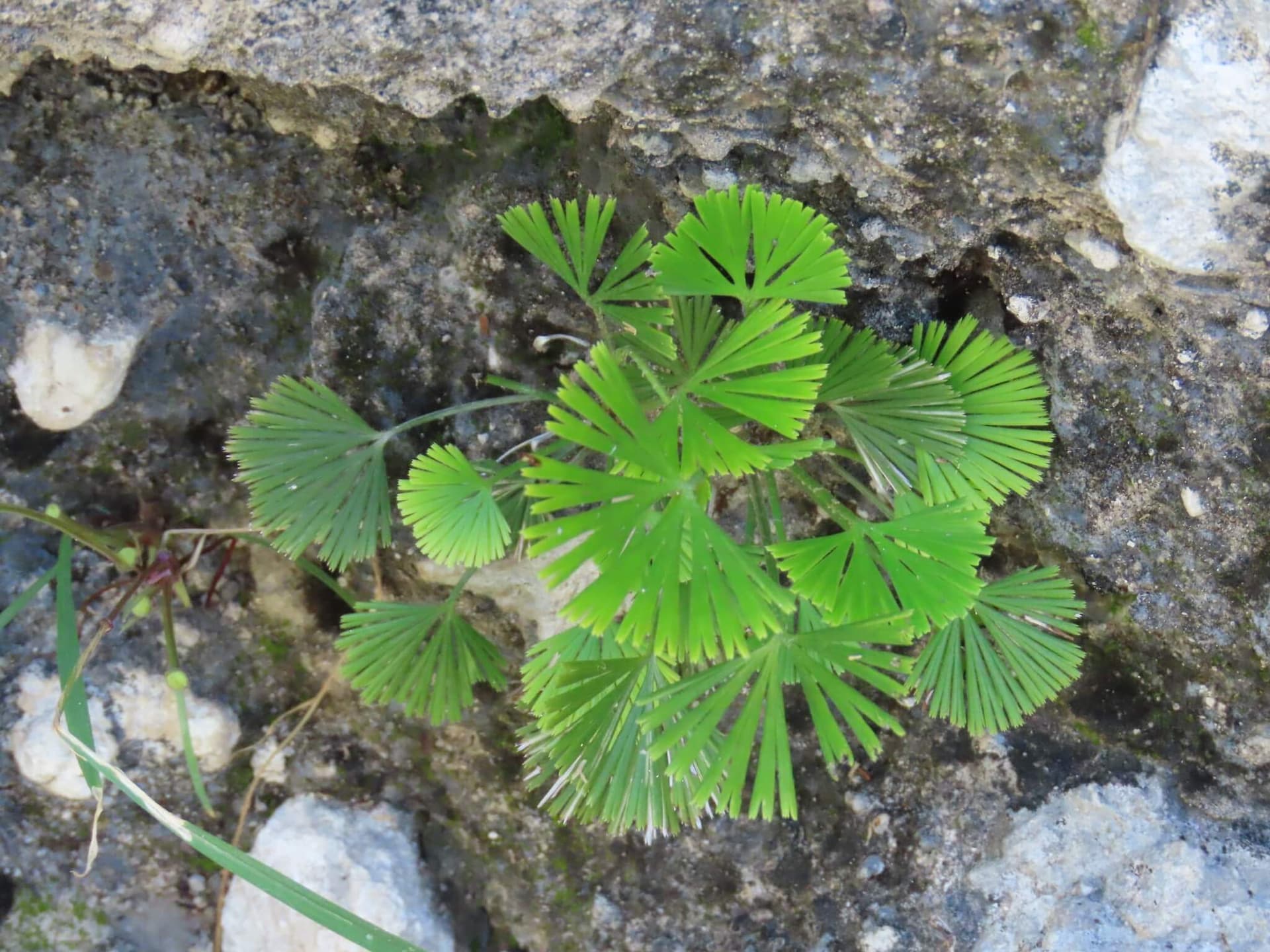
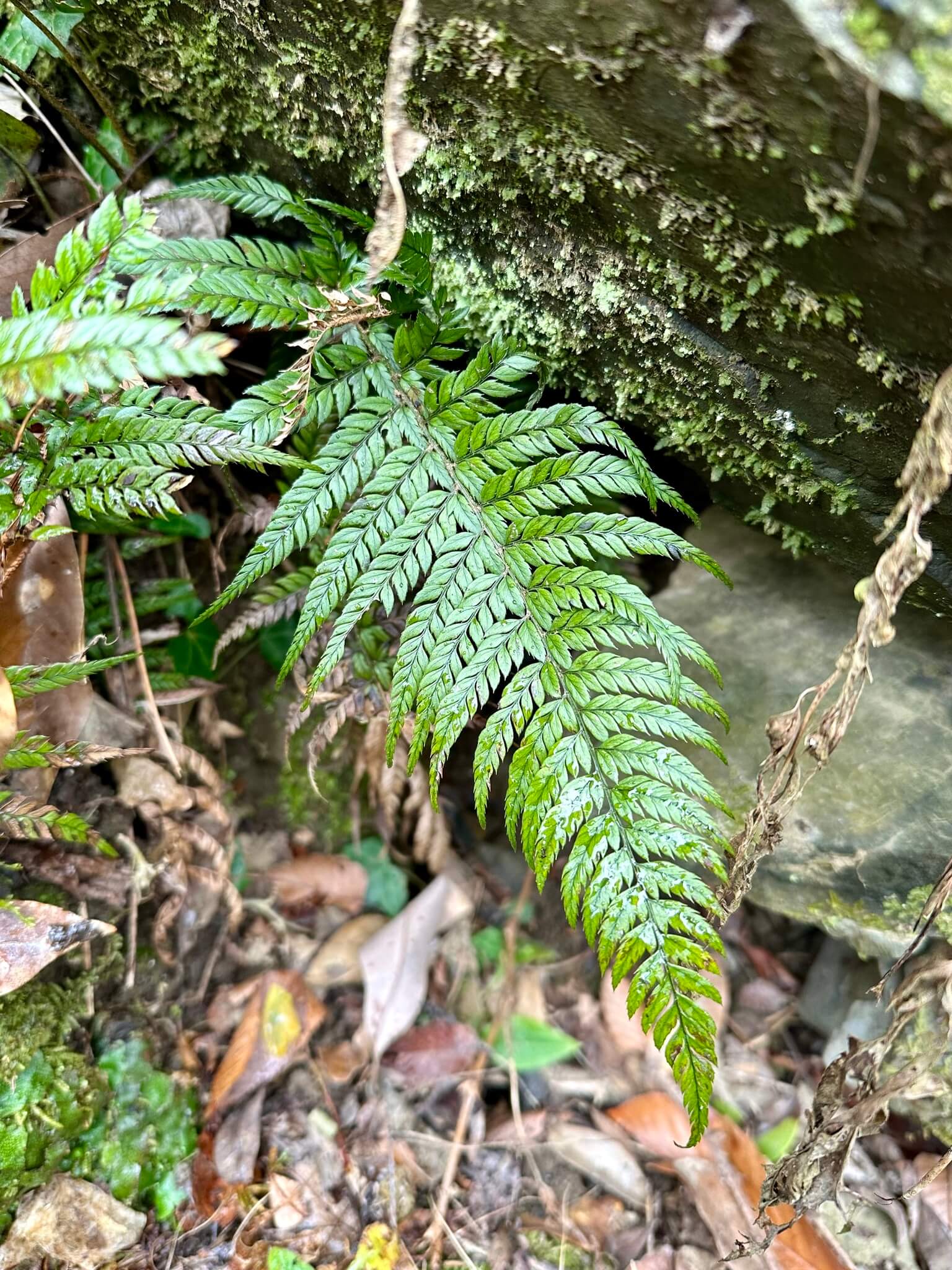
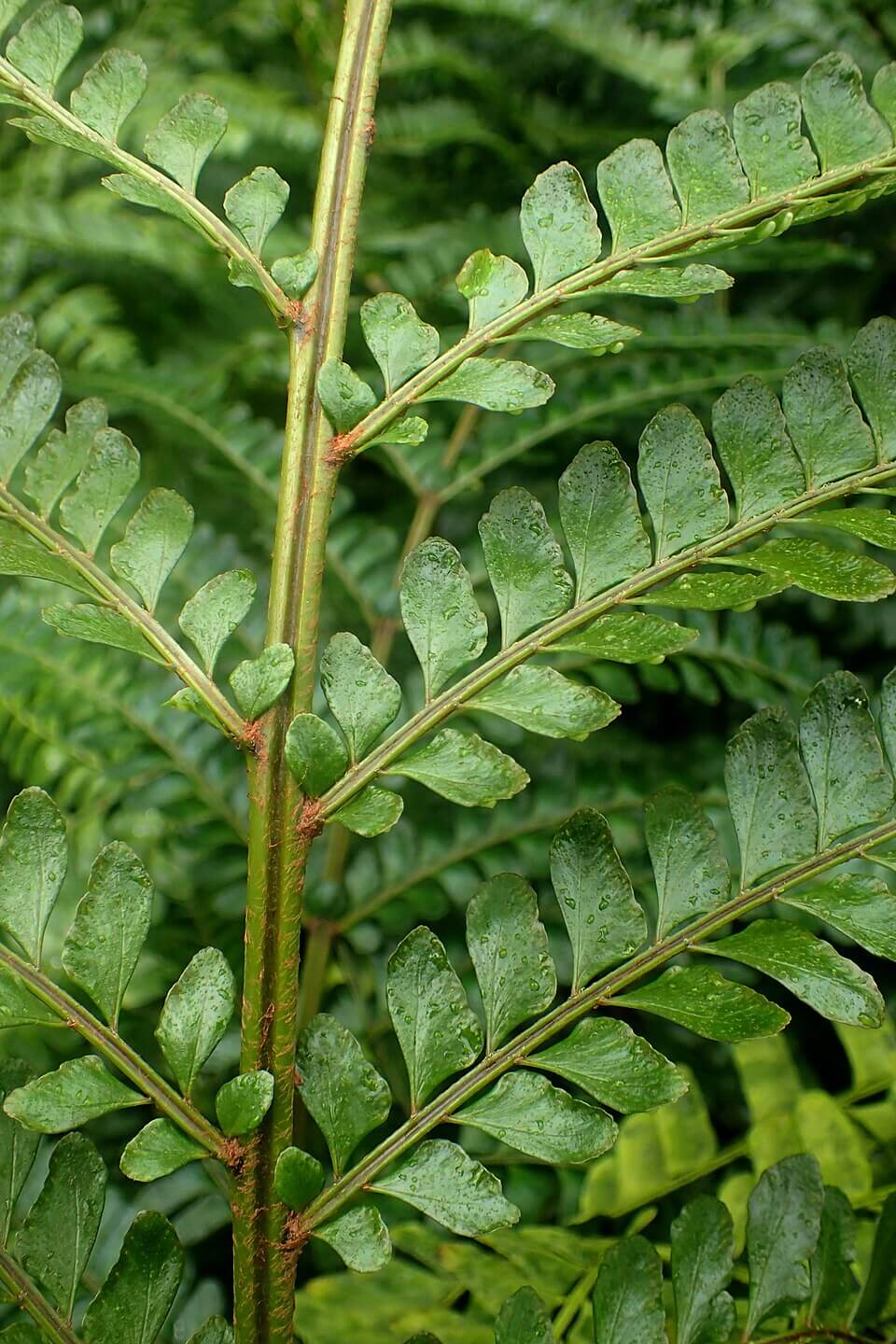
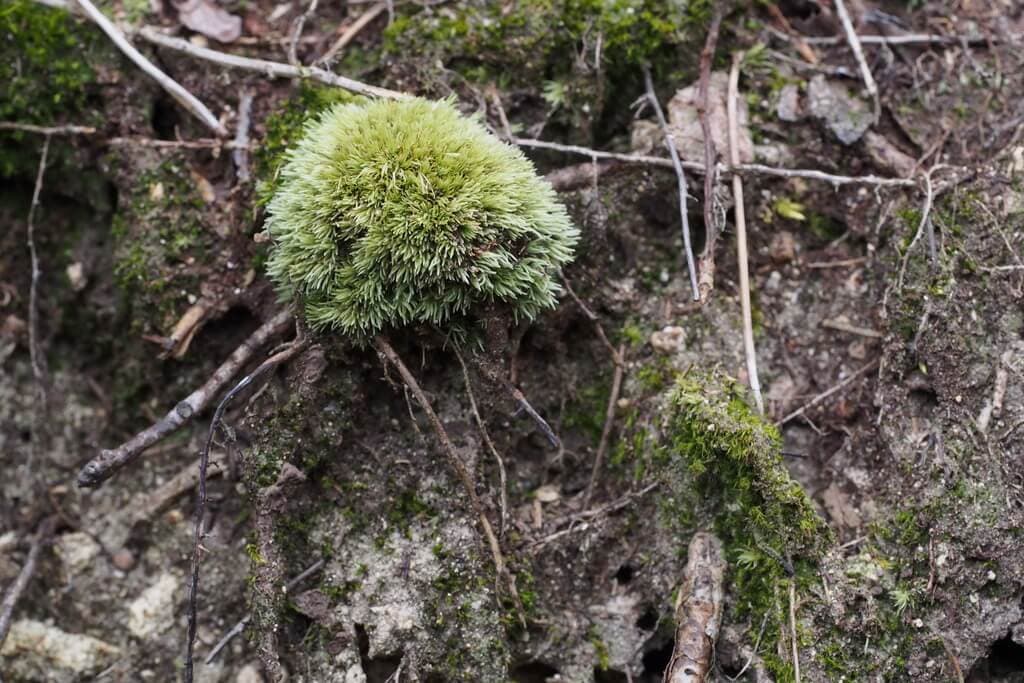
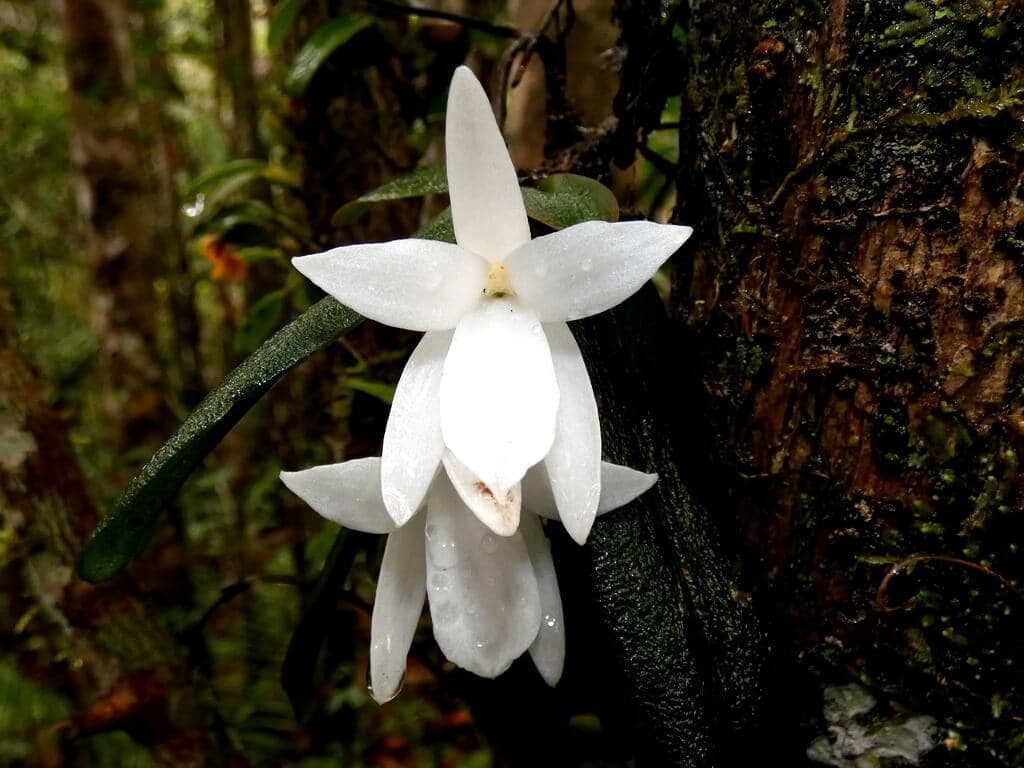
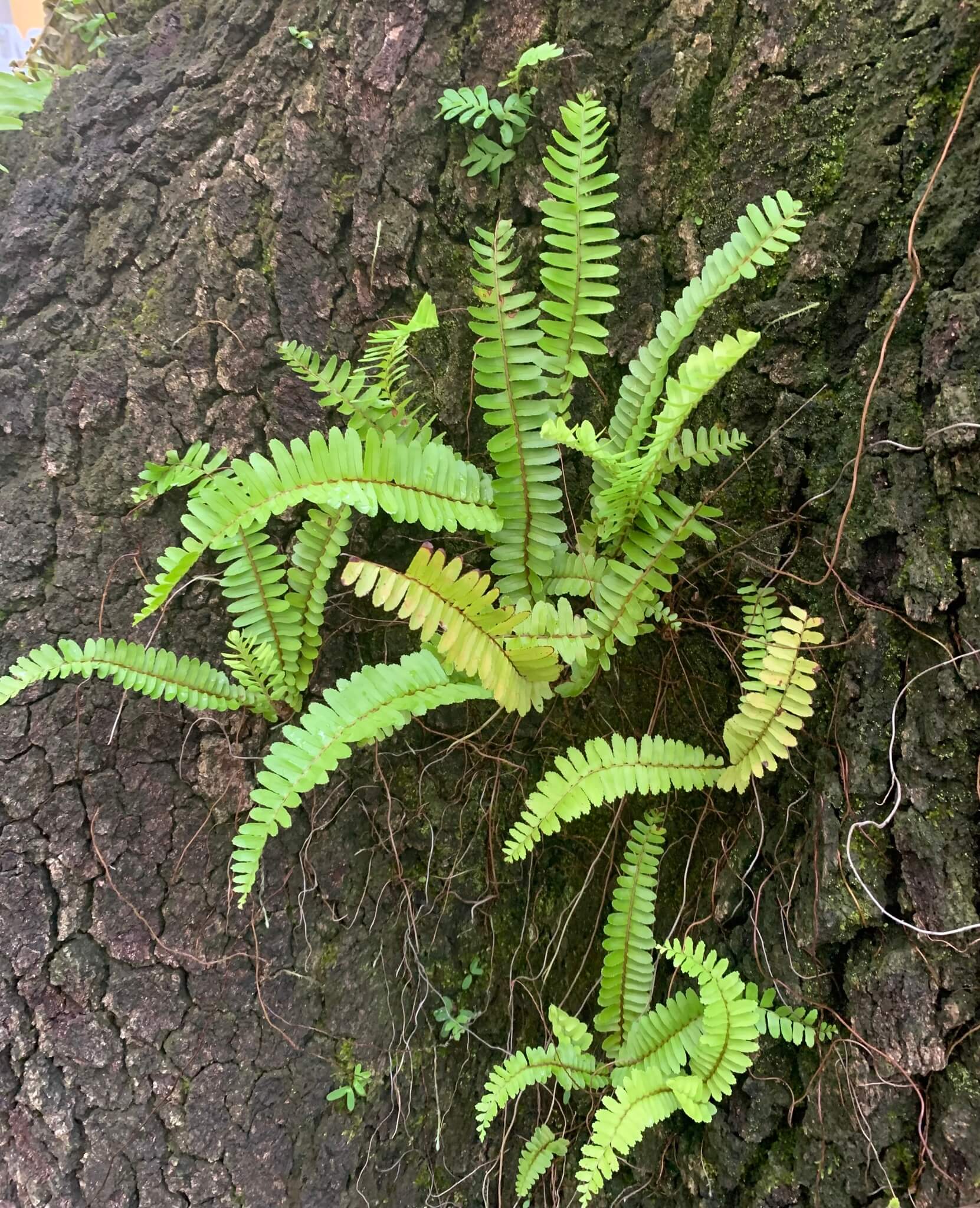
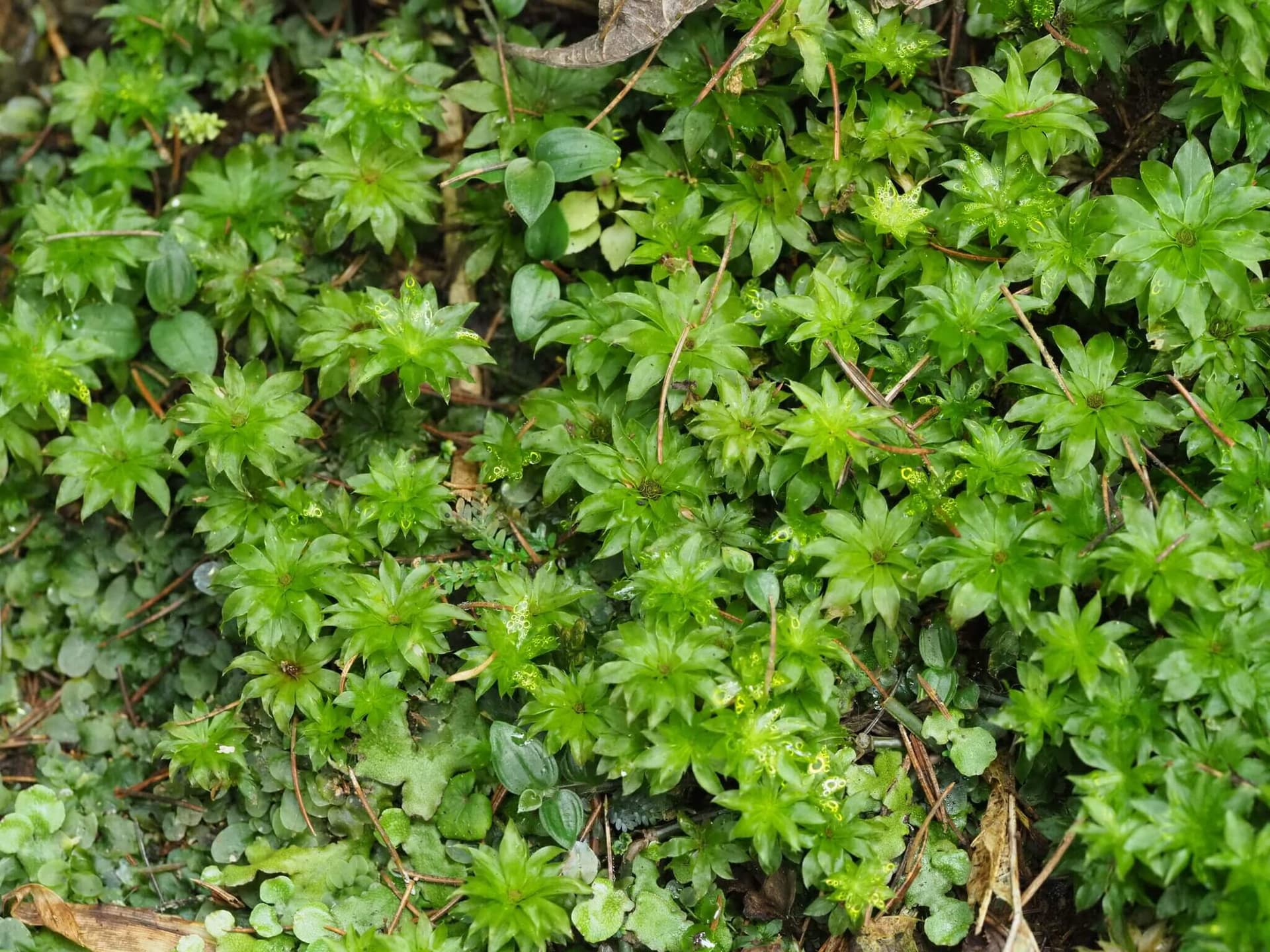
For terrarium and houseplant culture, this region is hugely influential. Most cultivated Kalanchoe species, the Pachypodium caudiciforms, the bird's-nest fern Asplenium nidus, and many small Aerangis and Angraecum orchids — including Aerangis fastuosa, already in the catalogue — originate here. Actiniopteris australis, Nephrolepis cordifolia, Didymochlaena truncatula, Polystichum luctuosum, and several mosses also draw on Western Indian Ocean populations.
Native to Western Indian Ocean
Explore plants from this region
References
- WikipediaTDWG WGSRPD constituent units for level-2 code 29 Western Indian Ocean (Madagascar, Comoros incl. Mayotte, Mauritius, Réunion, Rodrigues, Seychelles, Aldabra, Chagos, Mozambique Channel Islands).
- Wikipedia12,000+ vascular species at ~83% endemism, five endemic families, six endemic Adansonia, ~900 orchid species, four main vegetation zones.
- WikipediaPiton des Neiges 3,069 m on Réunion, highest point in the Indian Ocean.