Asia-Temperate · TDWG Level 2
Western Asia
Western Asia stretches from the Mediterranean coast of Turkey and the Levant east through Iran to the Hindu Kush of Afghanistan, taking in Cyprus, Iraq, and the Sinai. The region holds the Fertile Crescent — the origin range of wheat, barley, lentil, fig, olive, almond, and pistachio.
Western Asia covers the broad belt between the eastern Mediterranean and the western edge of the Himalaya. The TDWG region groups Turkey, Cyprus, the Levant, Iraq, Iran, Afghanistan, and the Sinai Peninsula — together about 3.9 million square kilometres. The land surface ranges from the Dead Sea shore at -430 metres, the lowest exposed point on Earth, to Noshaq in the Afghan Hindu Kush at 7,492 metres.
Climate is broadly arid, though the region is more textured than that single word suggests. A Mediterranean fringe of mild wet winters and dry summers runs along the Levantine and southern Turkish coasts and across Cyprus. Inland, the Anatolian Plateau, the Iranian Plateau, and the Mesopotamian lowlands are continental and dry — steppe grading into true desert across the Dasht-e Kavir and the Syrian Desert. Two important wet enclaves break this pattern: the Hyrcanian forests along the Caspian coast of northern Iran (a UNESCO World Heritage site, and a Tertiary relict broadleaf forest), and the high cedar-oak woodlands of the Lebanese and Zagros mountains.
For a plant-history reader, Western Asia is the Fertile Crescent. The wild progenitors of wheat (Triticum dicoccoides), barley (Hordeum vulgare subsp. spontaneum), lentil, chickpea, fig, olive, almond, and pistachio all originate here, and the region remains a global centre of diversity for Tulipa, Iris, Fritillaria, and Crocus. The Zagros and Taurus ranges carry extensive oak woodland (Quercus brantii, Quercus libani) and the iconic Cedar of Lebanon (Cedrus libani), historically harvested for shipbuilding from the Bronze Age onward. The Hyrcanian forest holds Persian ironwood (Parrotia persica) and Caspian honey locust, evergreen understory plants such as Ruscus hyrcanus, and ferns sheltering in moist ravines. On the arid edge, Astragalus — one of the largest plant genera in the world — diversifies into hundreds of cushion-forming species across the Iranian Plateau.
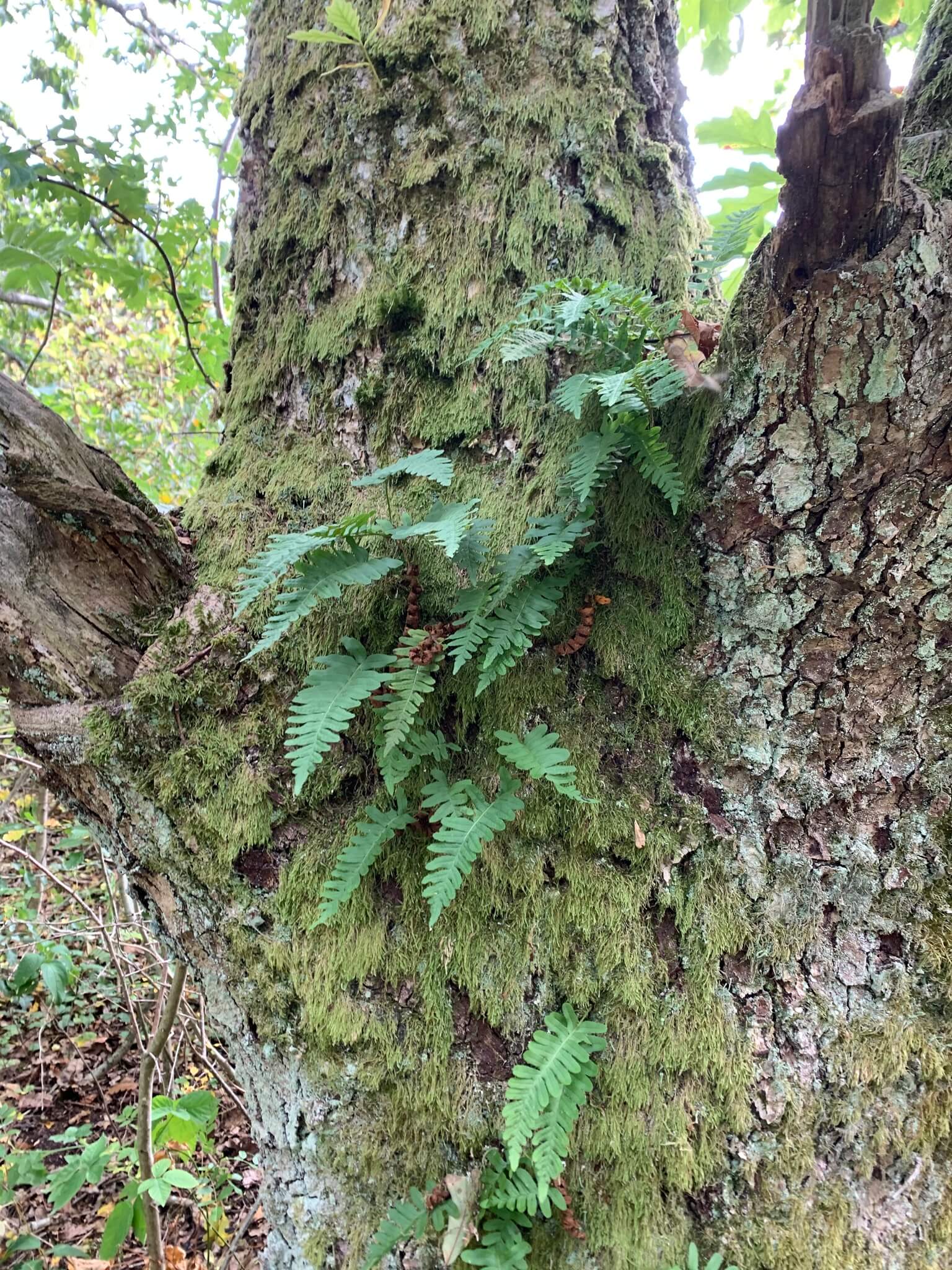
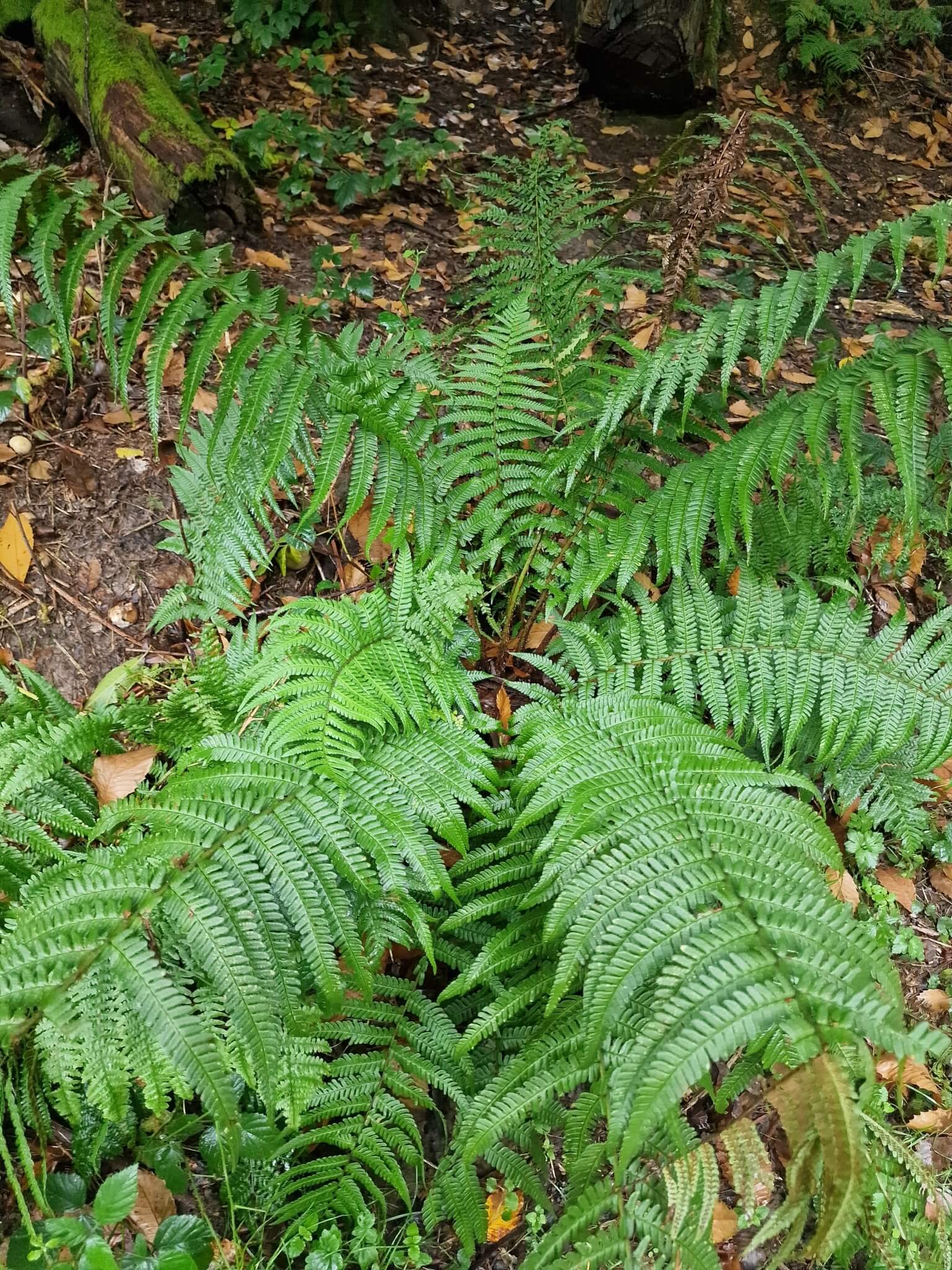
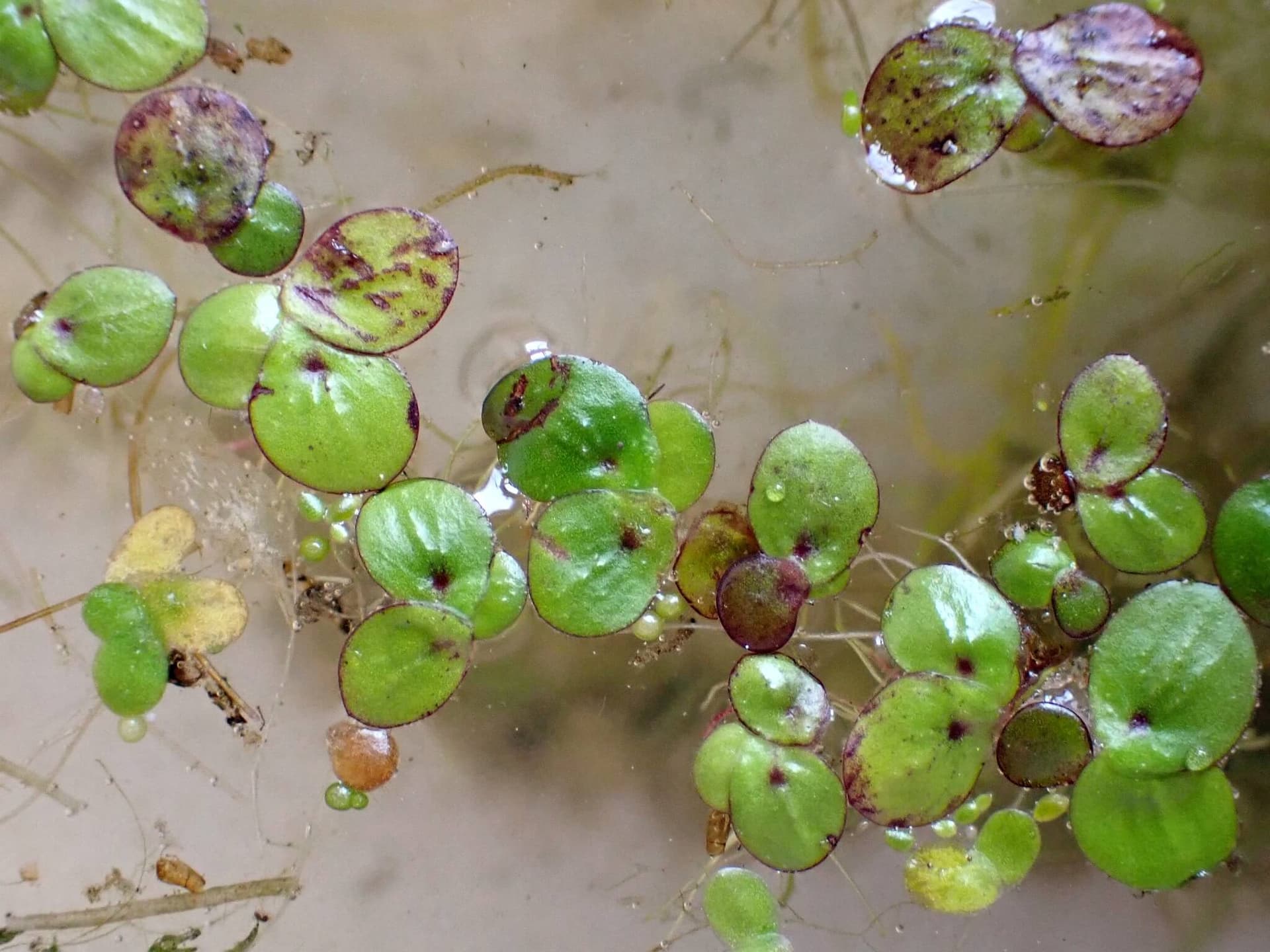
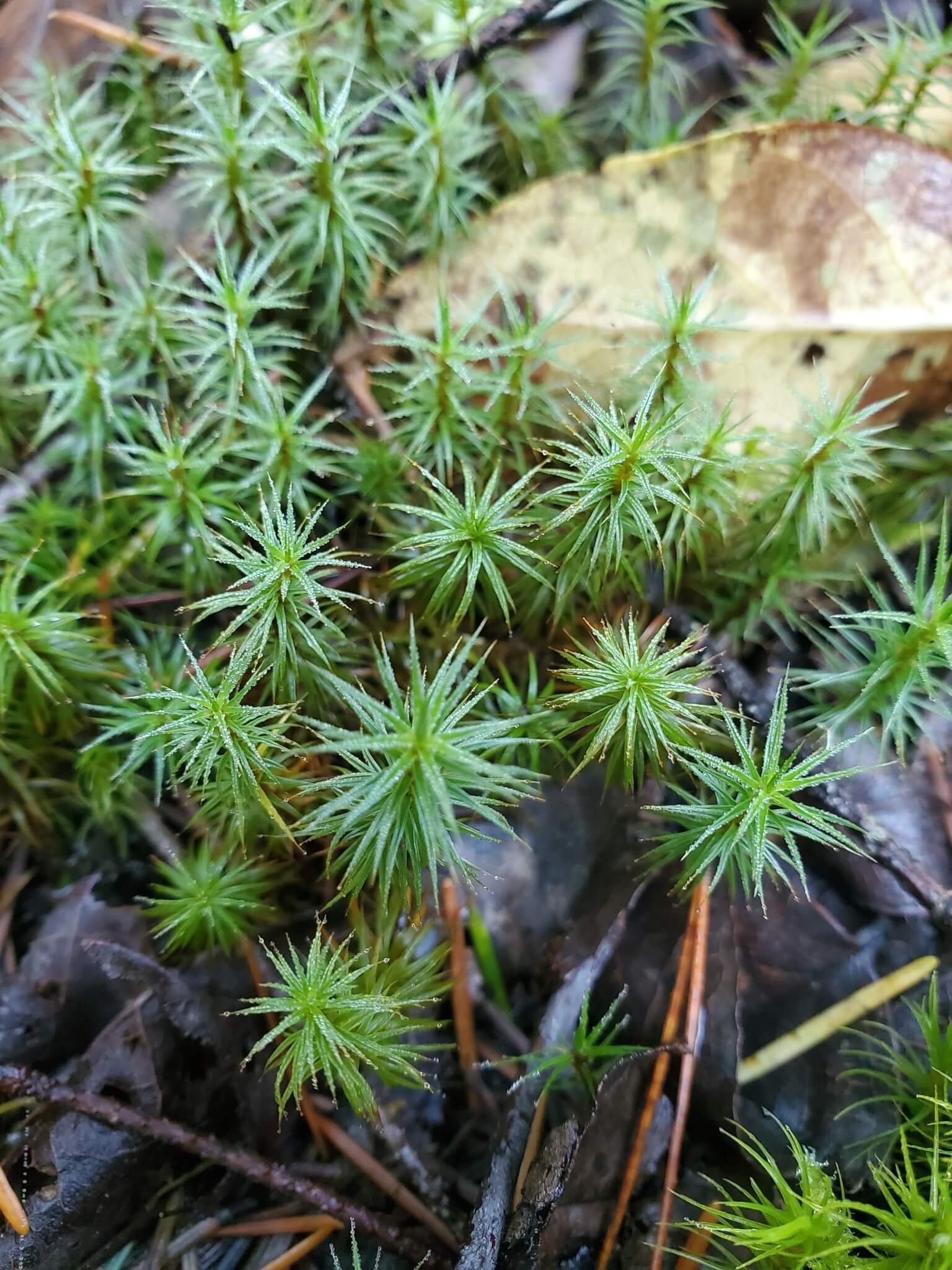
Native to Western Asia
Explore plants from this region
References
- WikipediaTDWG WGSRPD identification for level-2 code 34 Western Asia under parent Asia-Temperate (3); subdivisions Afghanistan, Cyprus, East Aegean Islands, Iran, Iraq, Lebanon-Syria, Palestine, Sinai, Turkey, Turkey-in-Europe.
- WikipediaNoshaq 7,492 m — highest mountain in Afghanistan and second-highest in the Hindu Kush after Tirich Mir.
- UNESCO World Heritage CentreHyrcanian Forests inscription — relict Tertiary temperate broadleaf forest along the Caspian coast of northern Iran.
- One EarthBioregional context — Mediterranean fringe, Anatolian and Iranian plateaux, Mesopotamian lowlands, Hindu Kush alpine.