Pacific · TDWG Level 2
Southwestern Pacific
The Southwestern Pacific covers Fiji, Vanuatu, New Caledonia, Samoa, Tonga, and the smaller western Polynesian and Melanesian islands — tropical archipelagos with active volcanoes, coral atolls, and a Gondwanan relict flora unusually rich in conifers and primitive flowering plants.
The Southwestern Pacific stretches across warm tropical seas east of Australia and north of New Zealand. The region groups together the islands of Vanuatu, Fiji, New Caledonia, Samoa, Tonga, Norfolk Island, Niue, Wallis and Futuna, Tuvalu, Rotuma, and the Santa Cruz Islands. Some are recent volcanic stratovolcanoes, others are limestone uplifts on old coral, and one — New Caledonia — is a Gondwanan continental fragment. Mt Tabwemasana on Espiritu Santo in Vanuatu (1,879 m) is the highest point in the region; New Caledonia's Mont Panié reaches 1,628 m.
The climate is consistently tropical maritime — warm, humid, with cyclone season from November to April. Most islands carry tropical lowland rainforest at low elevations, montane forest and cloud forest higher up, and littoral or atoll vegetation along the coasts. Active volcanic vents in Vanuatu and Tonga produce pioneer plant communities that re-establish after each eruption.
Botanically the region punches far above its size. New Caledonia alone holds roughly 3,400 native vascular plant species, about 75 per cent of them endemic. The island carries one of the highest concentrations of Araucariaceae anywhere — 13 endemic Araucaria species, more than half of the genus globally — and the only known parasitic conifer, Parasitaxus usta. Even more remarkable, Amborella trichopoda — a small understorey shrub found nowhere else — is the sister to every other flowering plant on Earth, the deepest branch of the angiosperm tree. New Caledonia's flora has evolved on nickel-rich ultramafic soils, producing the distinctive maquis shrubland — a low, sclerophyll-leaved scrub — and a long list of metal-tolerant endemics.
Beyond New Caledonia, the wider region is rich in tropical orchids, palms, Pandanus, Freycinetia, Calophyllum, Metrosideros, and tree ferns (Cyathea). Fiji acts as the botanical bridge between Melanesia and Polynesia. The sandalwoods Santalum yasi (Fiji) and S. austrocaledonicum (Vanuatu, New Caledonia) were the focus of an extractive trade in the early nineteenth century that helped shape modern Pacific history. Parc de la Rivière Bleue and Mont Panié in New Caledonia hold the most intact reference flora in the region.
Native to Southwestern Pacific
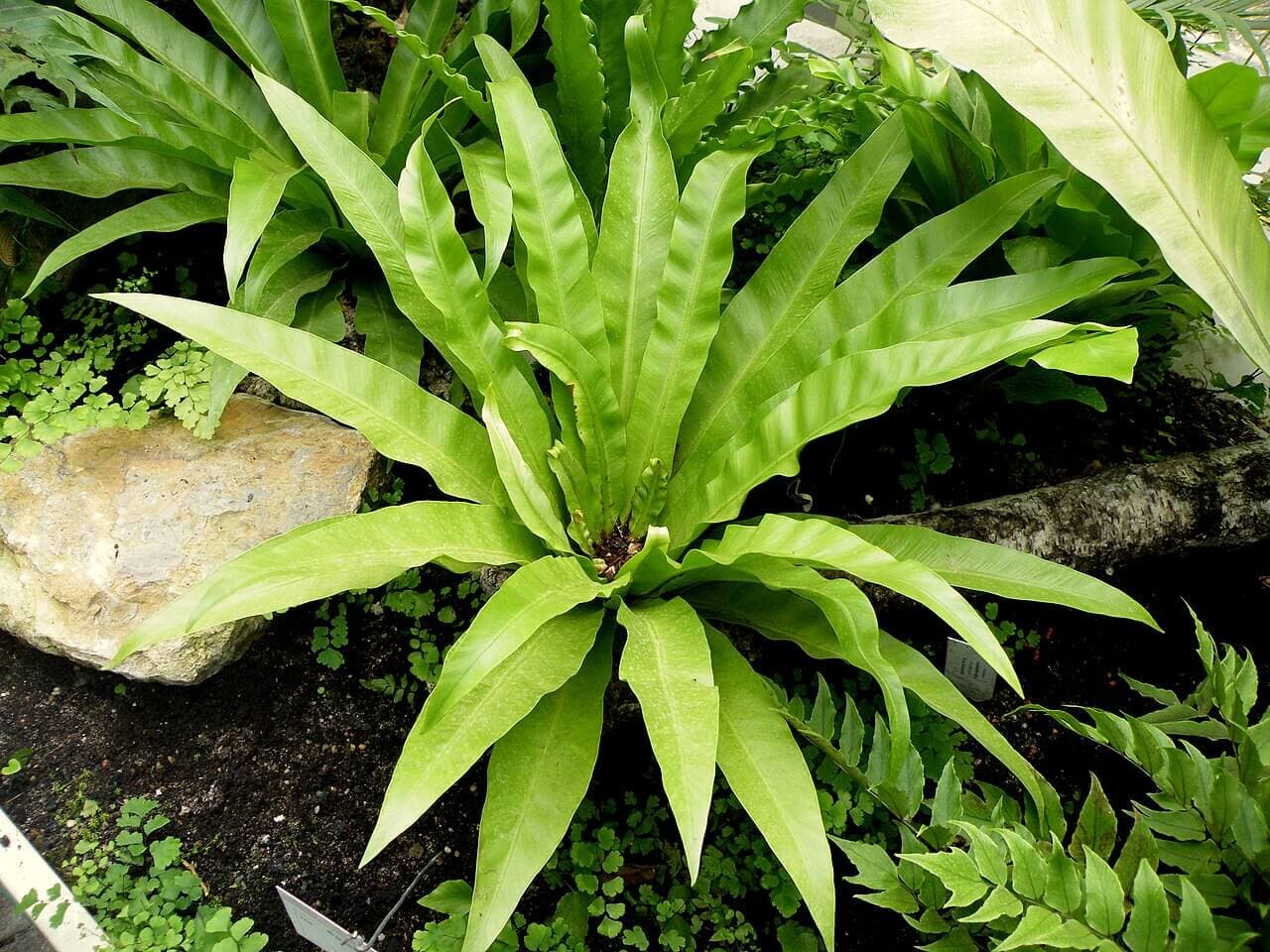
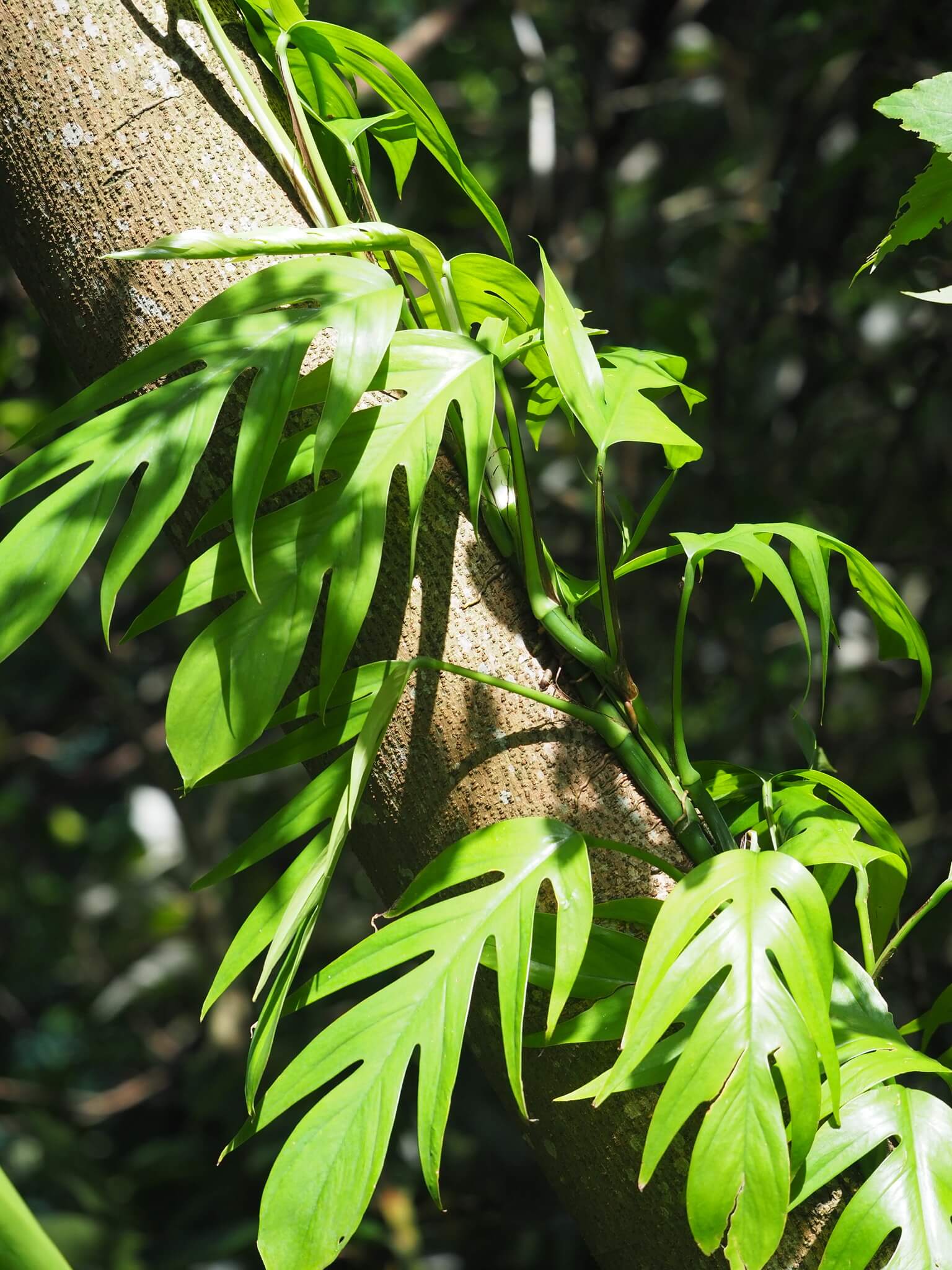
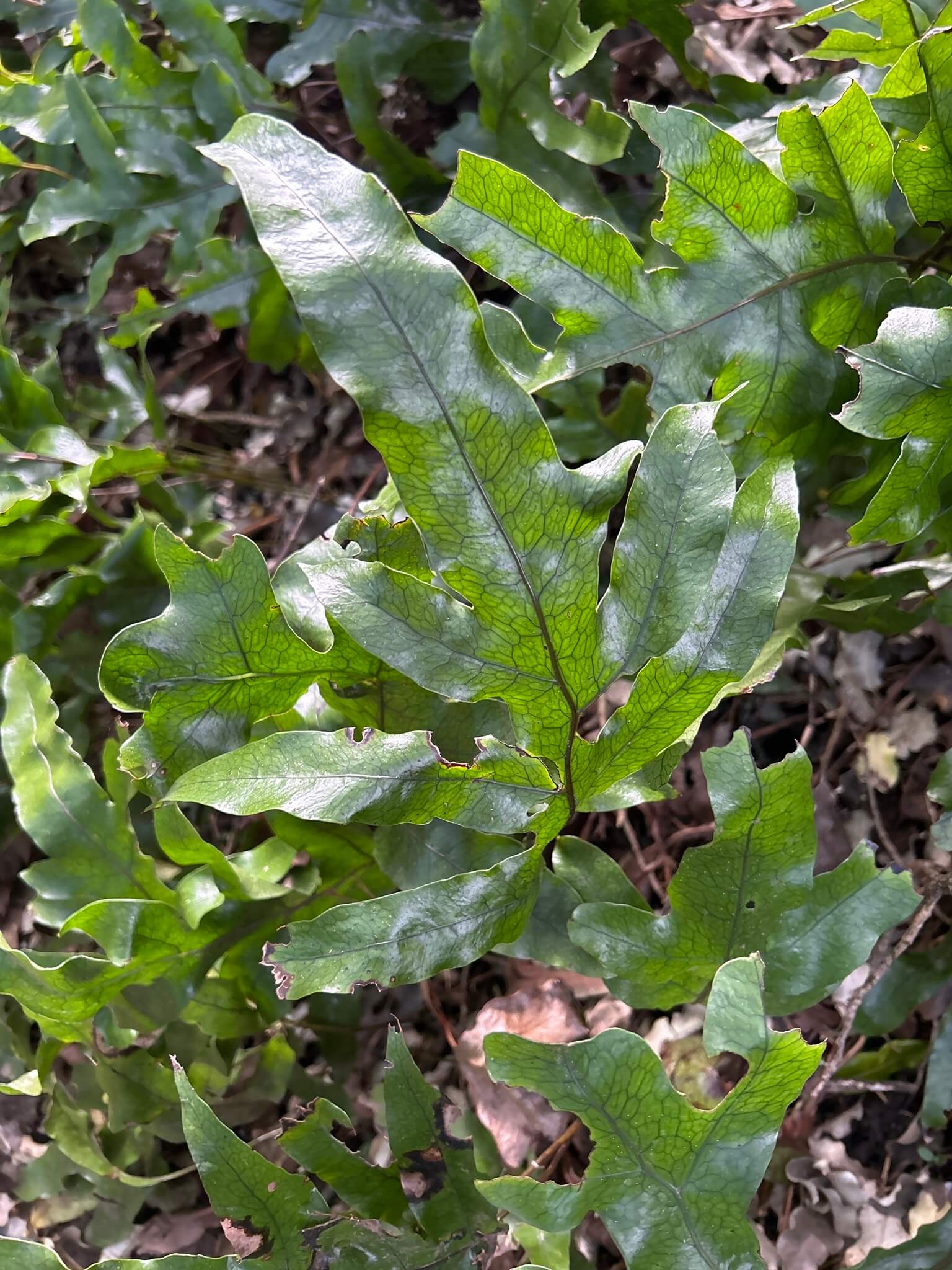
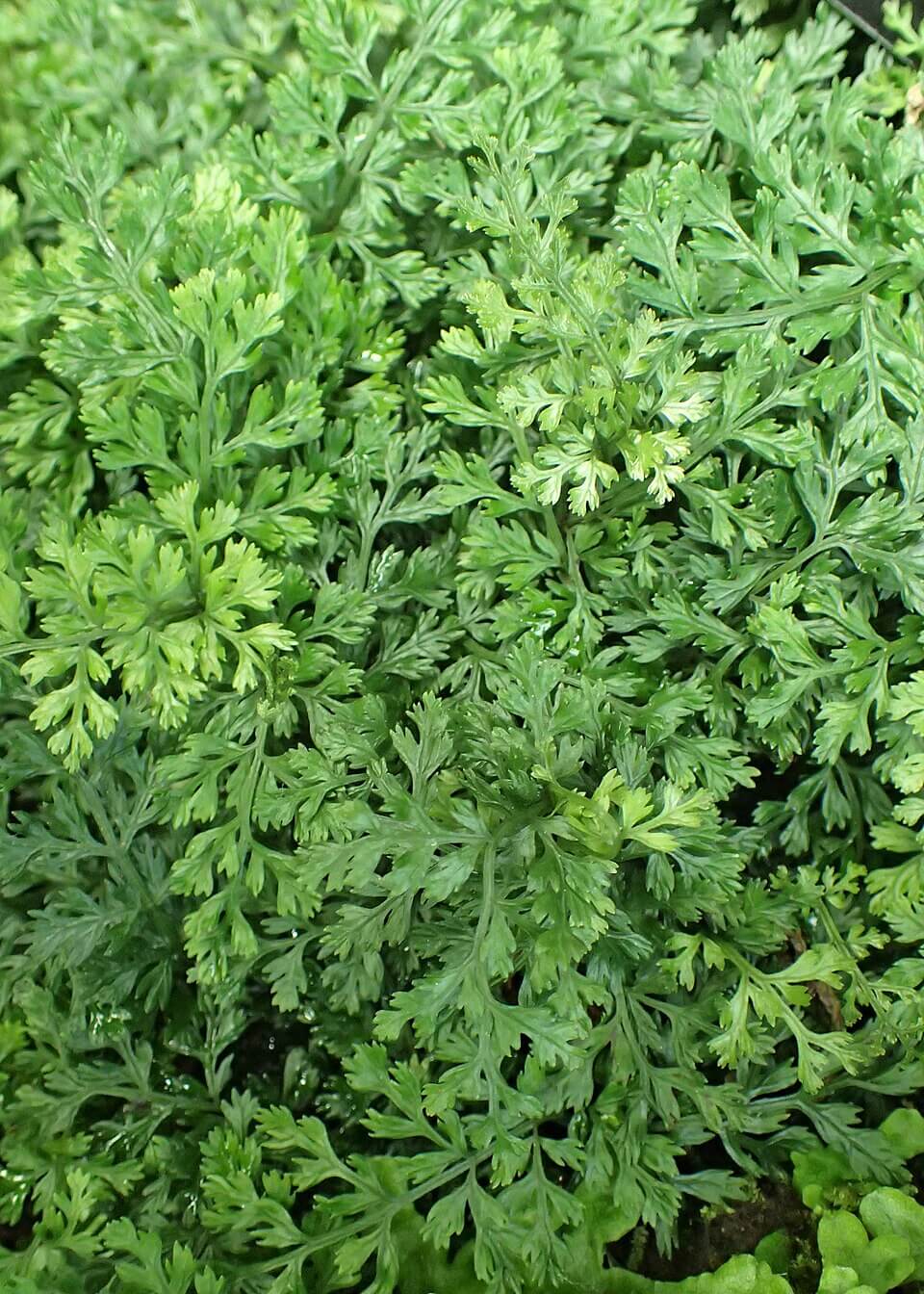
Explore plants from this region
References
- WikipediaTDWG WGSRPD identification for level-2 code 60 Southwestern Pacific under parent Pacific (6); sub-units Fiji, New Caledonia, Niue, Norfolk Island, Rotuma, Samoa, Santa Cruz Islands, Tonga, Tuvalu, Vanuatu, Wallis-Futuna.
- WikipediaMt Tabwemasana 1,879 m on Espiritu Santo, Vanuatu — highest point in TDWG region 60.
- WikipediaNew Caledonia — Gondwanan continental fragment, ~3,400 native vascular plants, ~75% endemism, Araucaria/Parasitaxus/Amborella radiations on ultramafic soils.
- WikipediaAmborella trichopoda — sister taxon to all other flowering plants, endemic to wet forest of Grande Terre, New Caledonia.
- Encyclopedia BritannicaMelanesia regional geography, climate, and island groups; sandalwood and copra trade history.
- Kew POWORegional checklist source for Southwestern Pacific (60) flora — Araucariaceae, Cunoniaceae, Proteaceae, palm and orchid radiations.
- One Earth BioregionsOceanian realm overview — Melanesian rainforest, New Caledonia, and Western Polynesia bioregions.