Southern America · TDWG Level 2
Southern South America
Southern South America stretches from the subtropical lowlands of Paraguay and northern Argentina down through the Pampas, the Atacama Desert, the Andes, and into the cold forests and steppes of Patagonia and Tierra del Fuego. It covers a wider range of climates than almost any other temperate region — from one of the driest deserts on Earth to one of the wettest temperate rainforests.
Southern South America runs from roughly the Tropic of Capricorn to the tip of the continent at Cape Horn, taking in Argentina, Chile, Paraguay, Uruguay, and the Falkland and Juan Fernández islands. The Andes form a long western spine, and Aconcagua, at 6,961 metres, is the highest peak in either the Western or Southern Hemisphere. East of the mountains, the land flattens into the Pampas grasslands and the Patagonian steppe. To the west, central Chile faces the Pacific with a Mediterranean climate — hot dry summers and cool wet winters — and the far north of Chile holds the Atacama, the driest non-polar desert on Earth.
The flora reflects that range. Central Chile is one of the world's five Mediterranean biodiversity hotspots, with strong endemism in families such as Bromeliaceae (Puya) and Asteraceae. The Valdivian temperate rainforest of southern Chile and Argentina is dominated by southern beech — the genus Nothofagus — and ferns thrive on the moss-covered forest floor in conditions surprisingly similar to a closed terrarium. Further south, the Magellanic subpolar forest reaches Tierra del Fuego, where Nothofagus trees grow stunted and wind-shaped. The Atacama, by contrast, supports cushion plants and halophytes — salt-tolerant species — and the rare desierto florido bloom when winter rains arrive. Subtropical Paraguay and northeastern Argentina hold patches of Chaco dry forest and the southern edge of the Cerrado, with Araucaria angustifolia, the Paraná pine, as a signature tree.
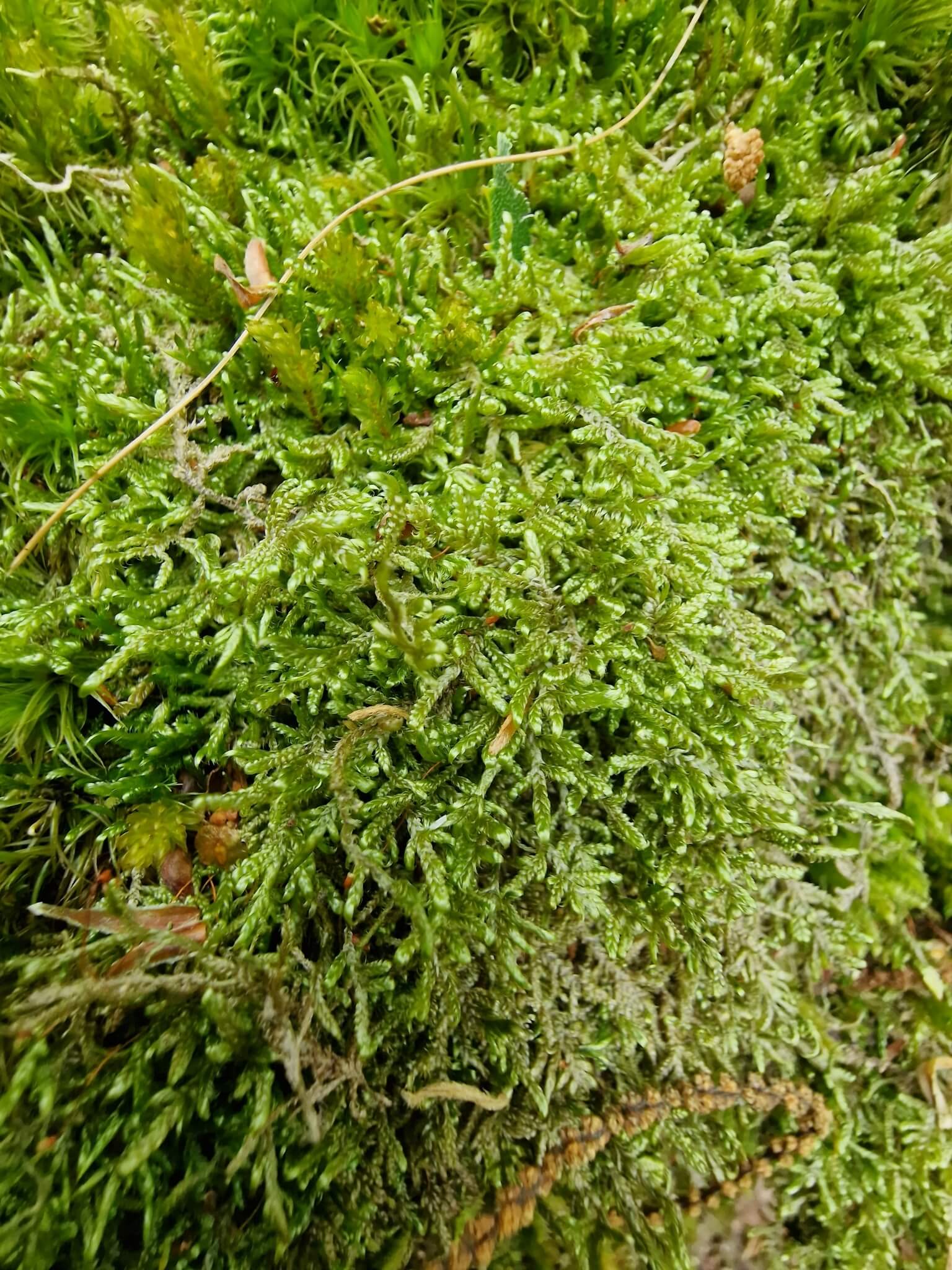
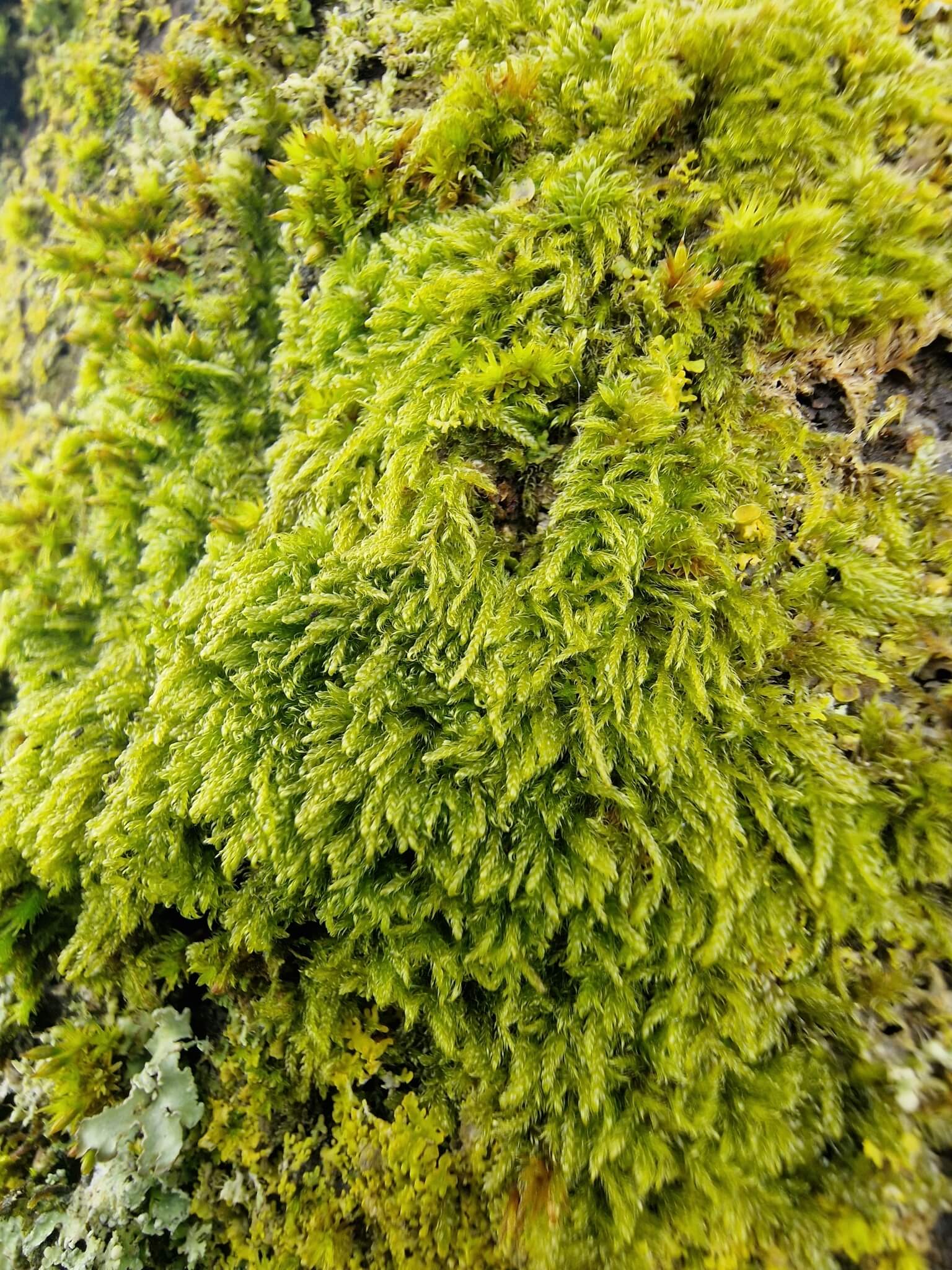
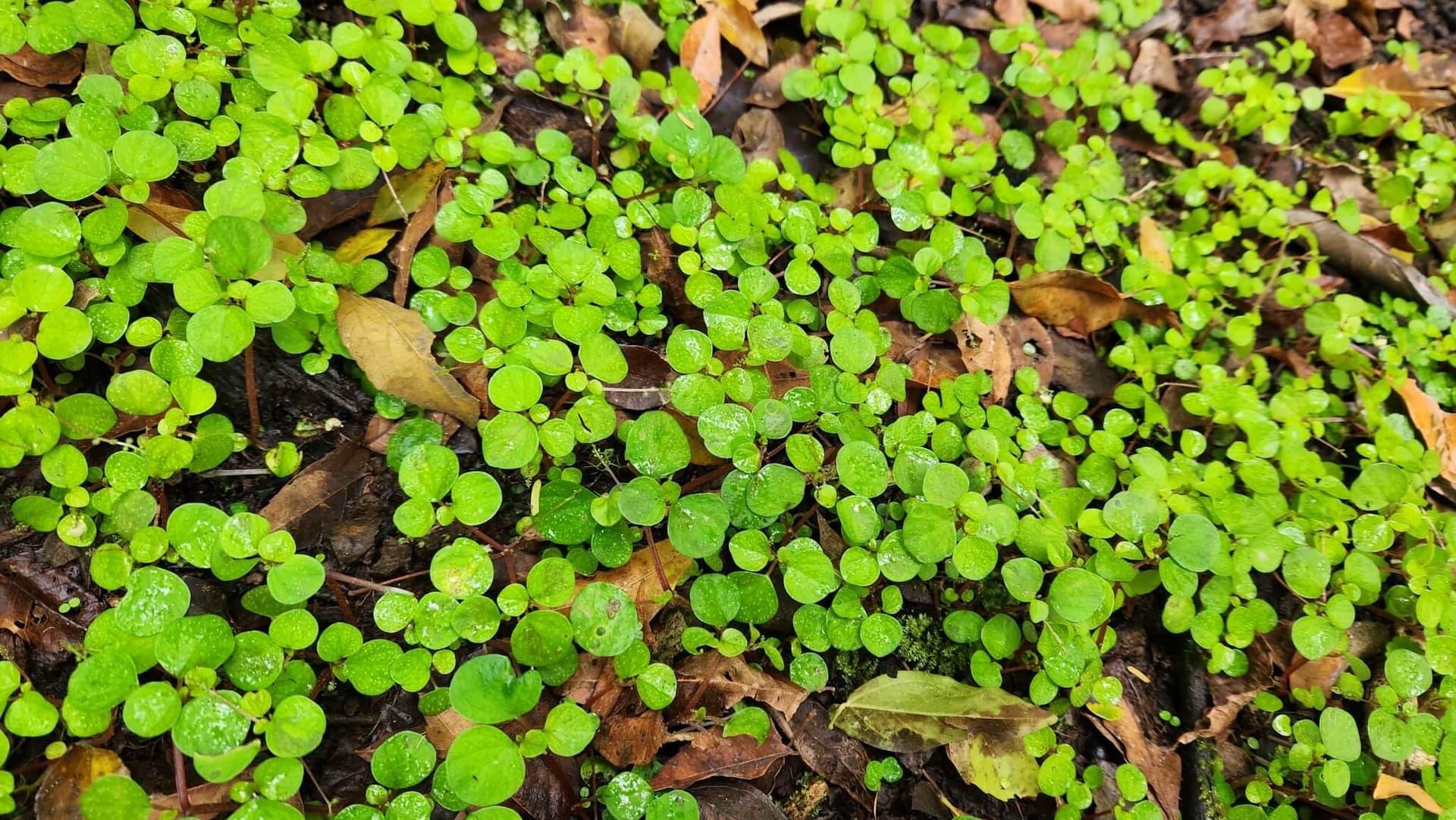
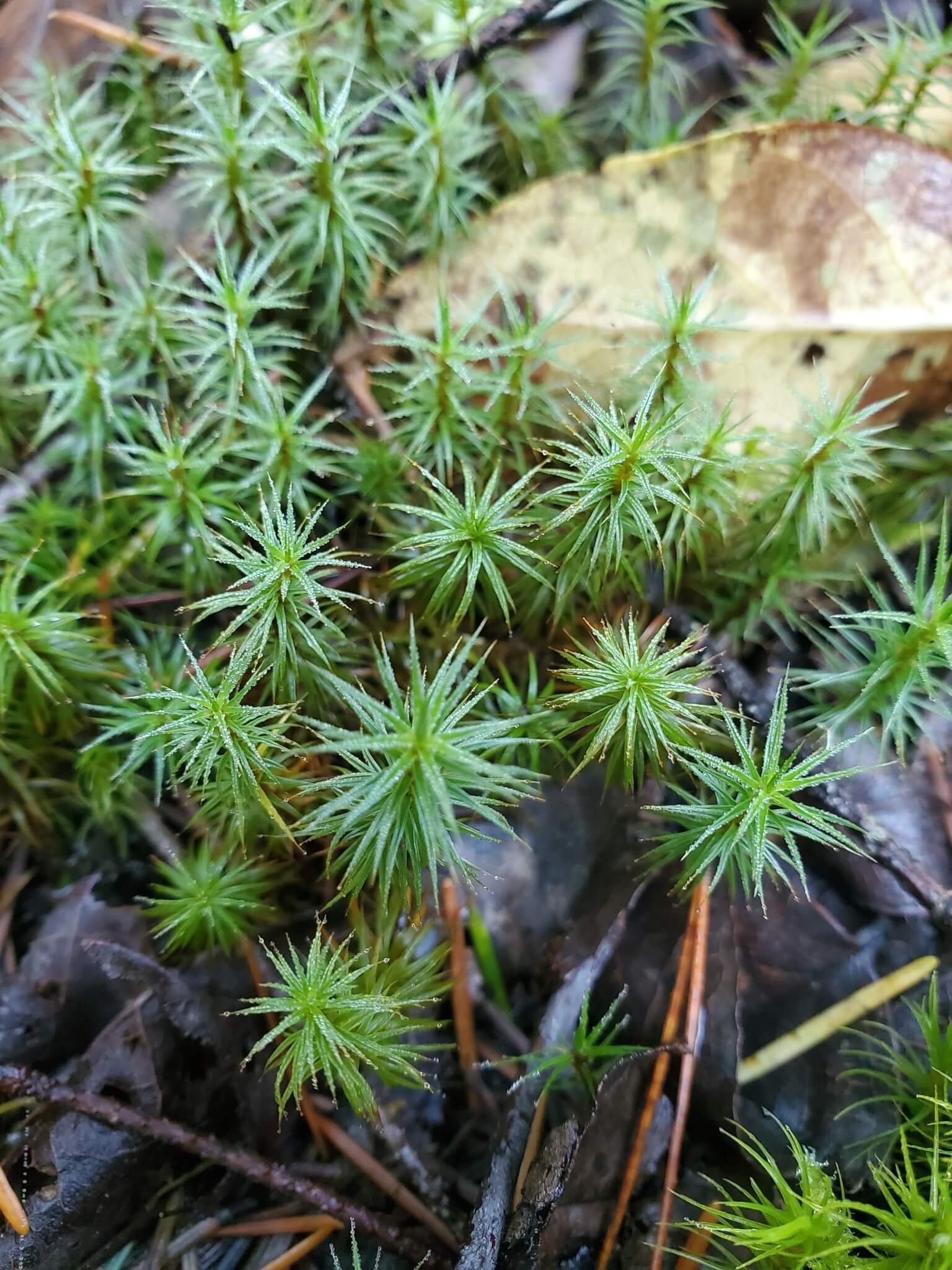
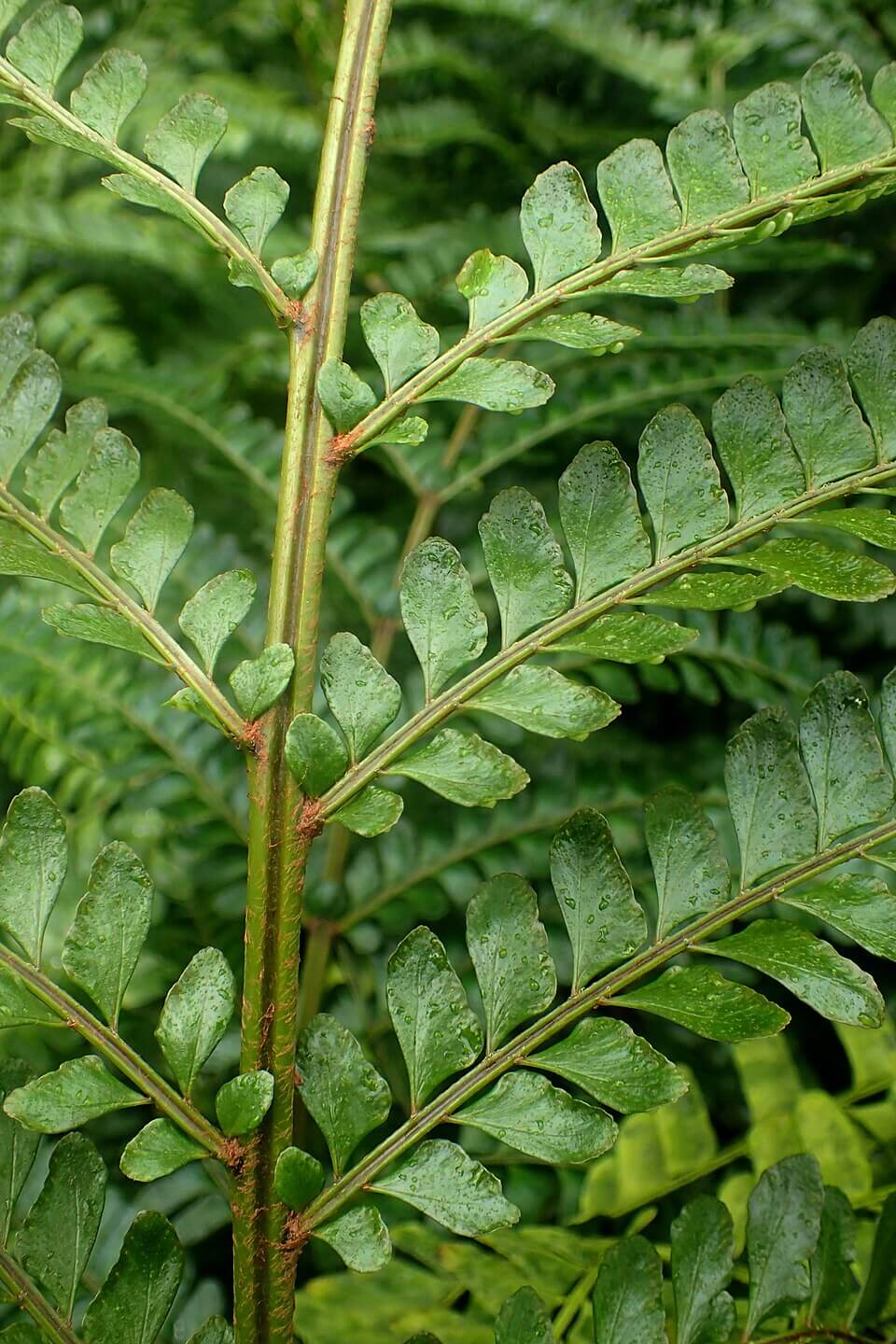
For terrariums, this region's contribution is narrower than tropical Brazil or the Andes — most of the native flora is adapted to seasonal cold or aridity rather than to closed humid conditions. But several Patagonian and Valdivian mosses and small ferns, along with a few humid-forest understory species from the northeast, do well in cooler, well-ventilated setups.
Botanical knowledge of the region was shaped early by Charles Darwin's Beagle voyage of 1832–1836, and continues today through institutions such as Argentina's Instituto de Botánica Darwinion and Chile's Universidad de Concepción herbarium.
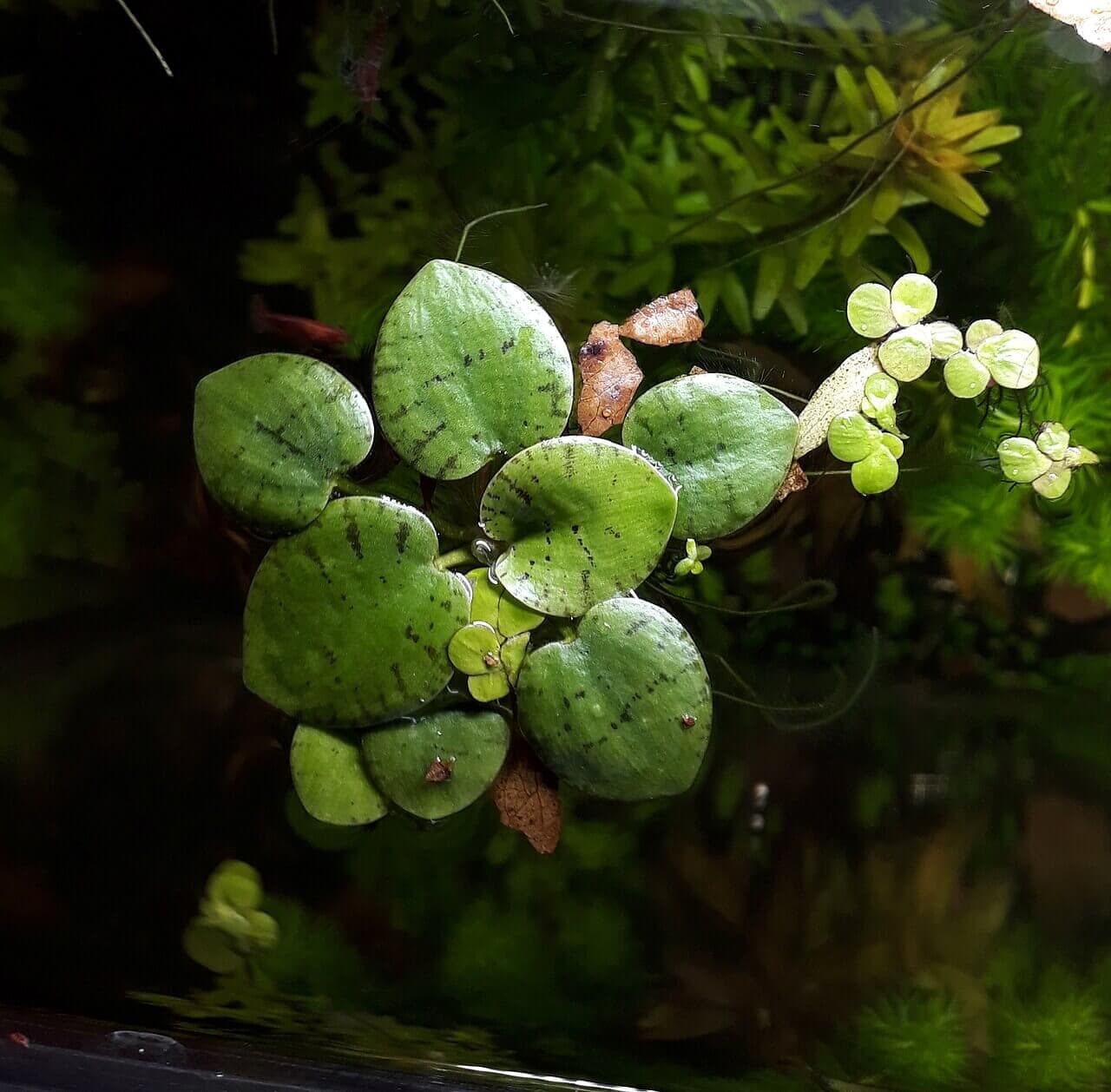
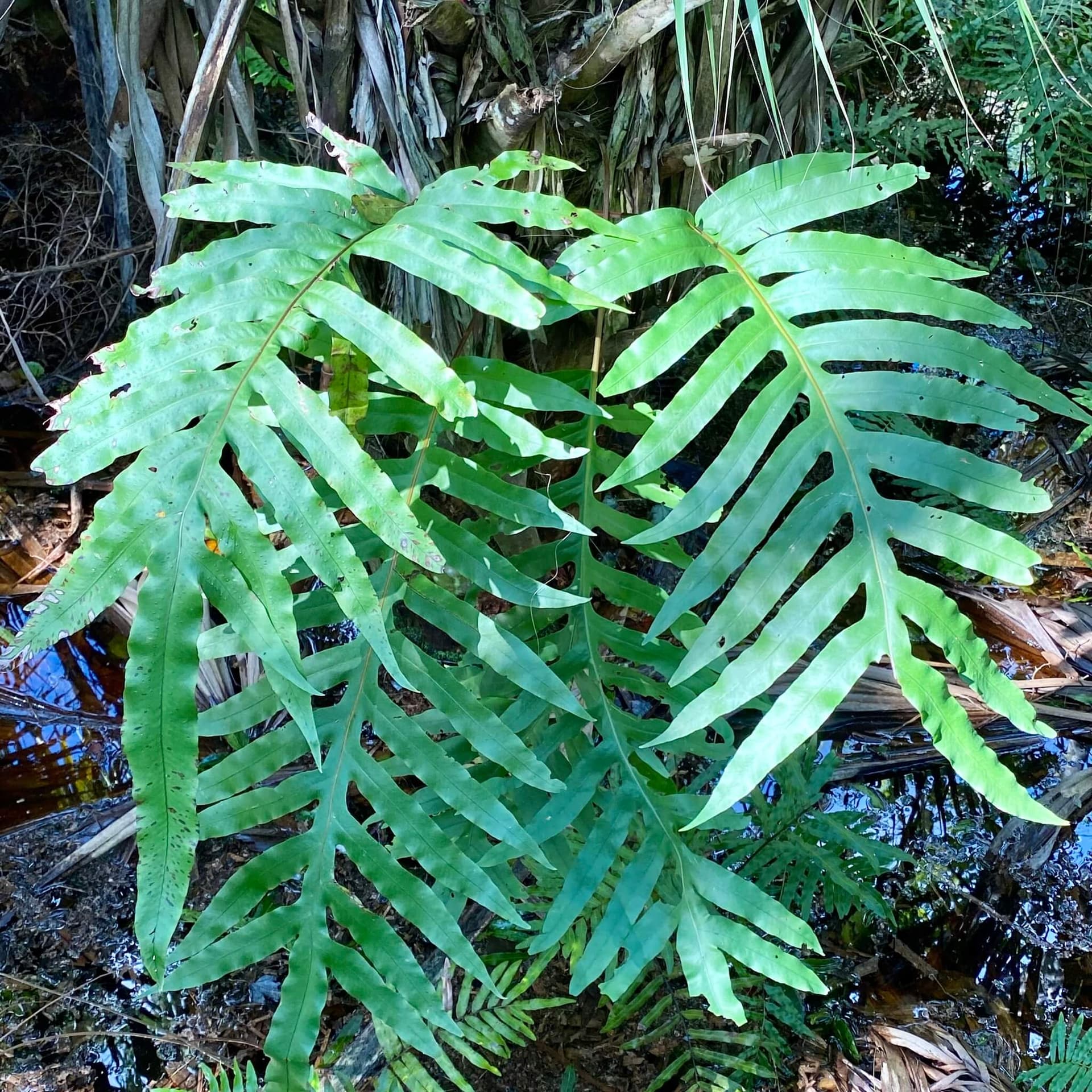
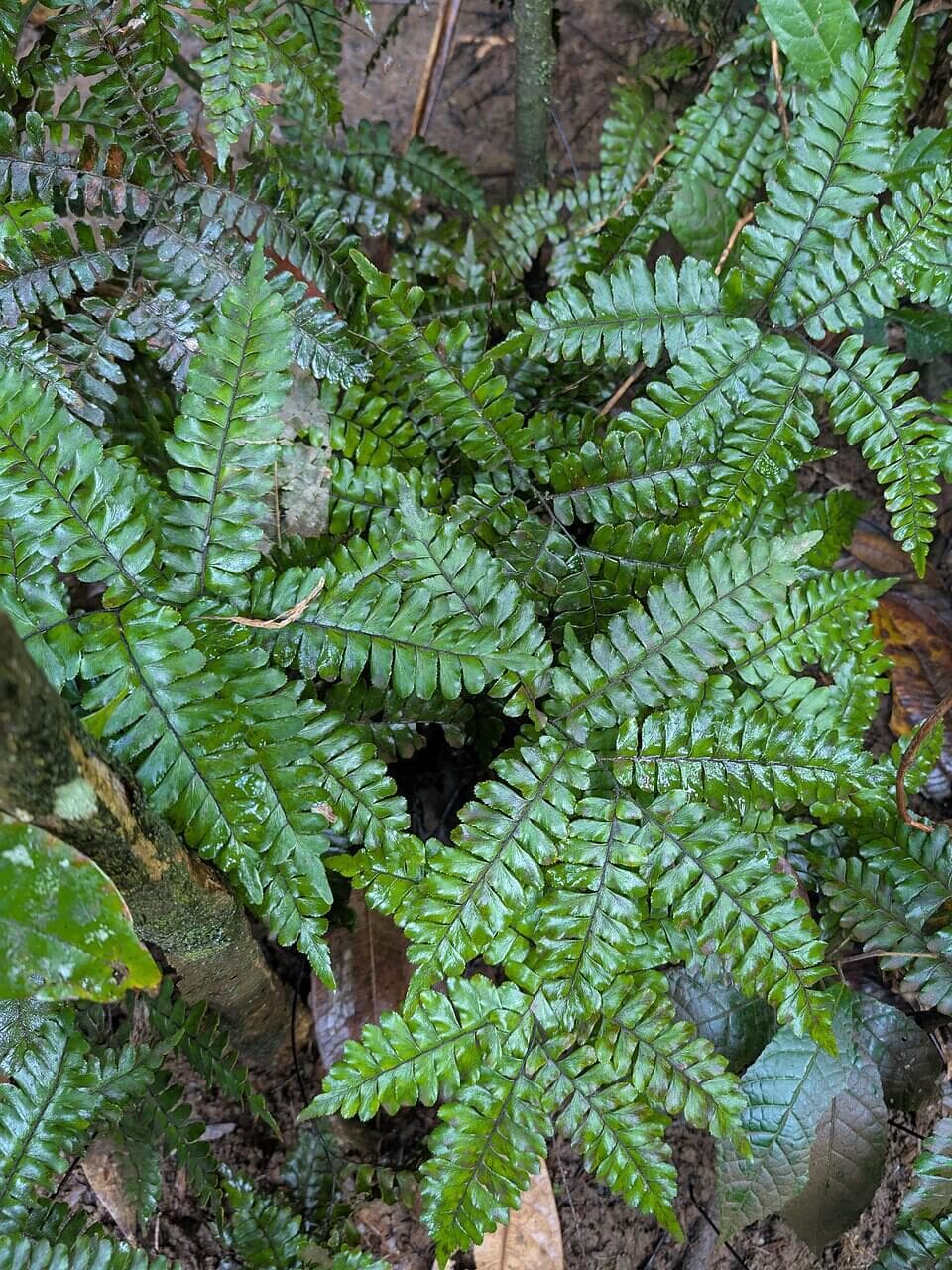
Native to Southern South America
Explore plants from this region
References
- Encyclopedia BritannicaPatagonia regional overview — geography, climate, biomes; used alongside Britannica country entries for Argentina and Chile
- WikipediaCross-check for Patagonia and Valdivian forest extent; Atacama and Pampas verified via linked articles
- Kew POWOPlants of the World Online — regional checklists used to cross-check family and genus distributions
- One Earth BioregionsBioregional framing for the Valdivian Forests, Patagonian Steppe, and Atacama