Asia-Tropical · TDWG Level 2
Papuasia
Papuasia covers New Guinea, the Bismarck Archipelago, and the Solomon Islands — an equatorial island world that holds the most plant-diverse single island on Earth and the only tropical mountains that carried glaciers into the modern era.
Papuasia covers New Guinea, the Bismarck Archipelago, and the Solomon Islands — the eastern half of the Indo-Australian archipelago. New Guinea is the world's second-largest island and the largest tropical island; running down its spine is a continuous mountain chain, the Central Range, which carries the highest non-Andean equatorial peaks. Puncak Jaya in Indonesian Papua reaches 4,884 metres, with Mount Wilhelm (4,509 m) and Mount Giluwe (4,367 m) close behind. Until recently these summits held the only equatorial glaciers on Earth — now almost gone, but still mapped on older atlases.
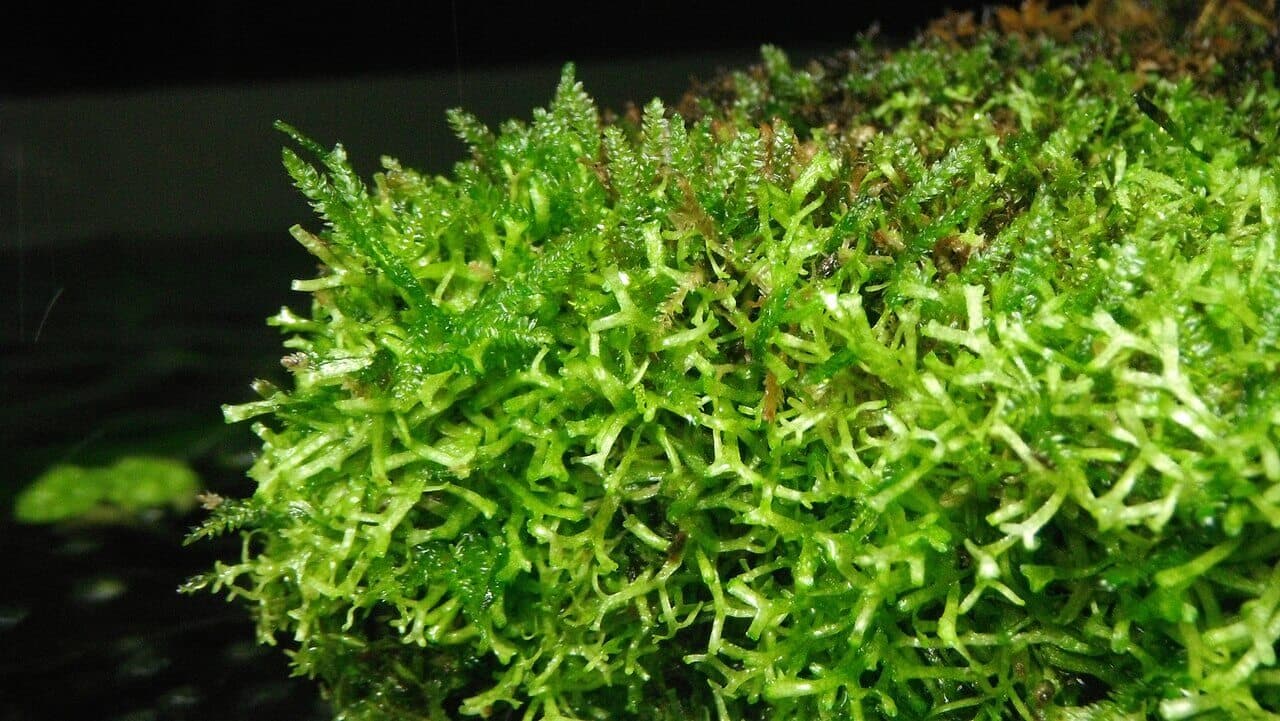
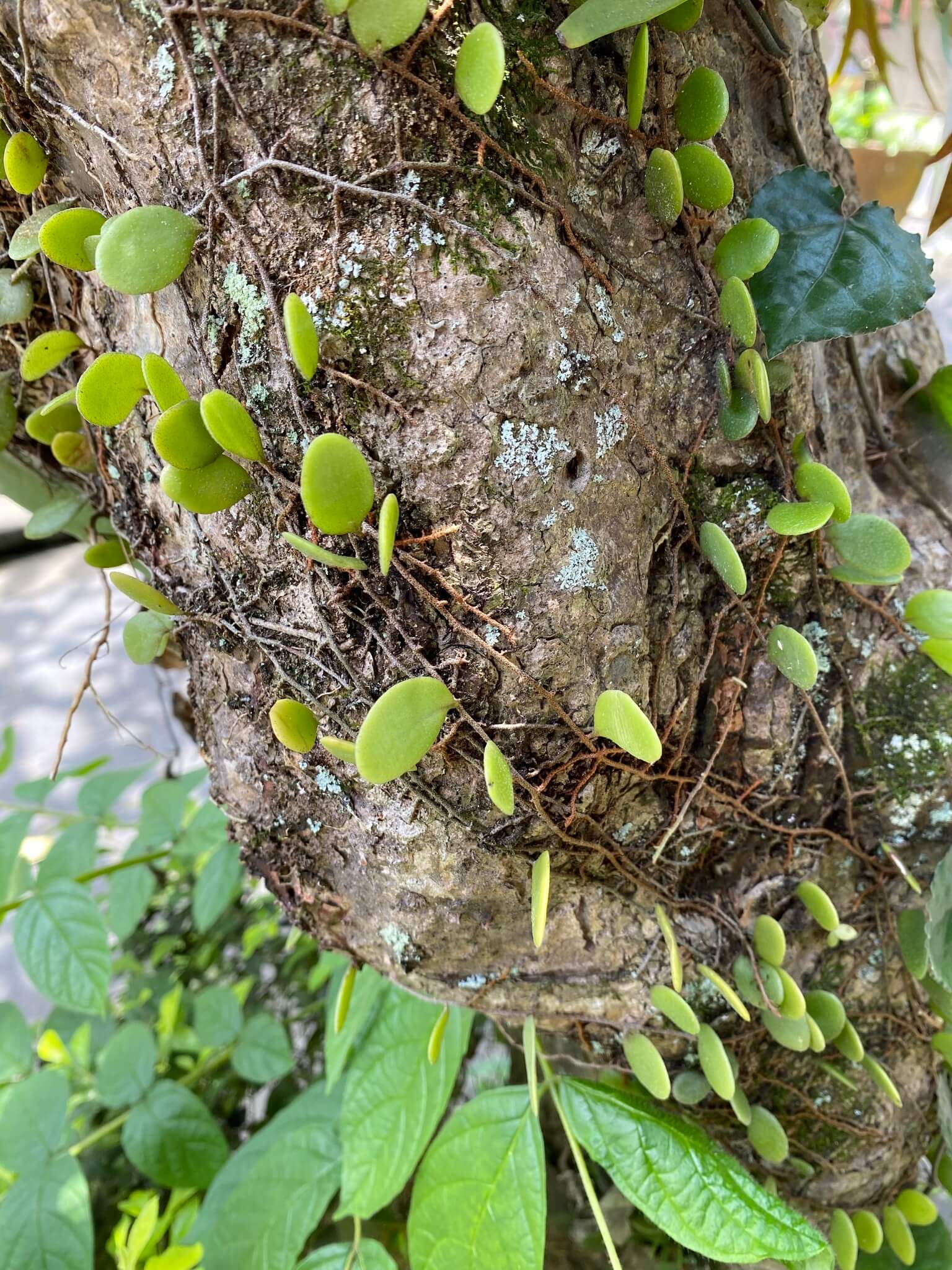
The climate is equatorial and wet, with monsoon variation south of the Central Range and a rain-shadow savanna in the Trans-Fly lowlands of southern New Guinea. Almost the whole region is rainforest in some form. Lowlands carry tropical evergreen rainforest with Lauraceae, Myrtaceae, Sapotaceae, and Anacardiaceae giants; vast mangrove forests fringe the Fly and Sepik deltas; and the Trans-Fly lowlands hold the only large lowland savannas of the region, with Eucalyptus and Melaleuca. Above about 1,500 metres the forest shifts into montane oak-conifer mosaic, then mossy cloud forest where every branch, trunk, and rock is layered in epiphytes — Vireya rhododendrons, miniature Dendrobium, Coelogyne, and Bulbophyllum orchids, Vaccinium, and tree-ferns.
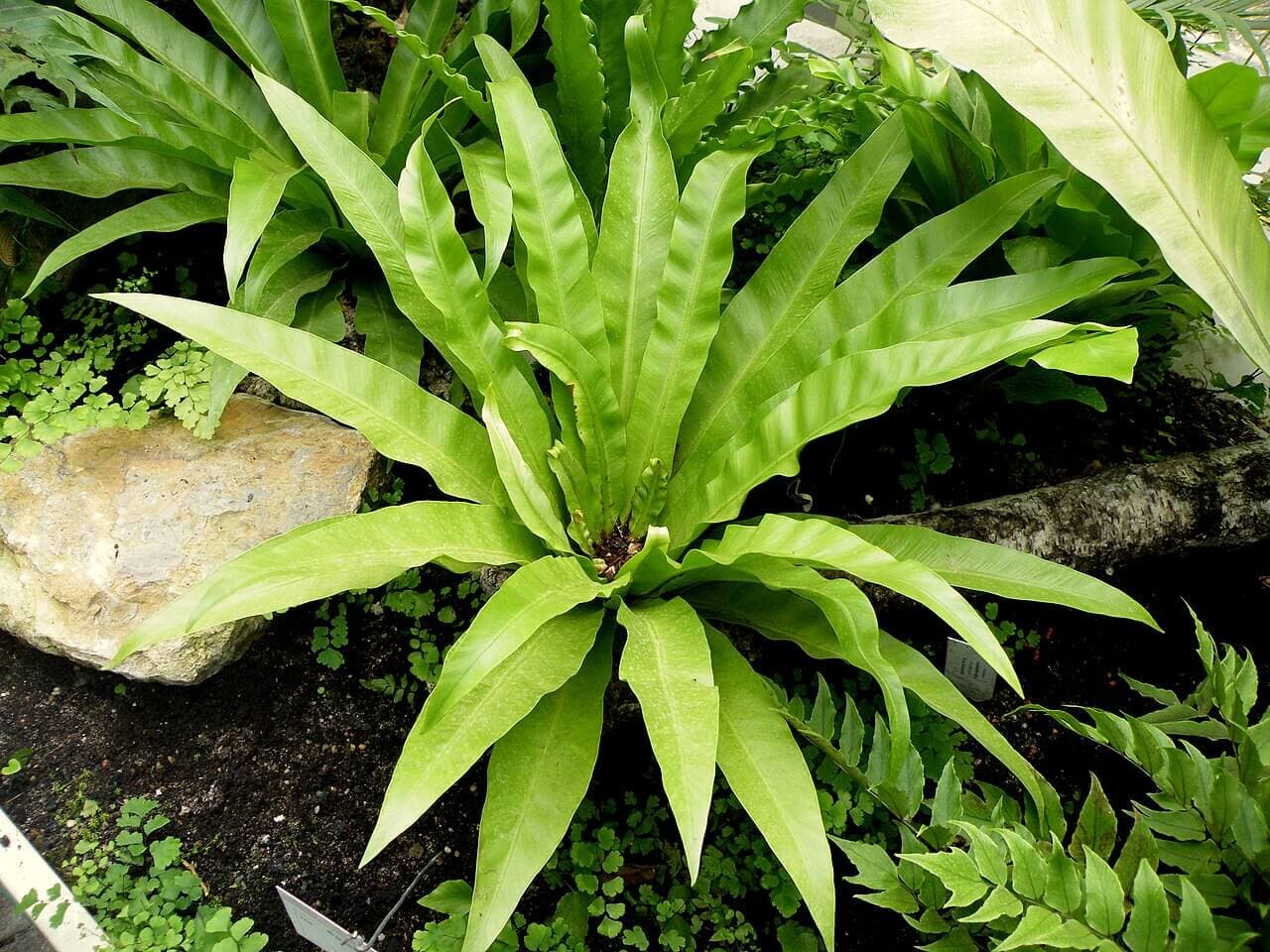
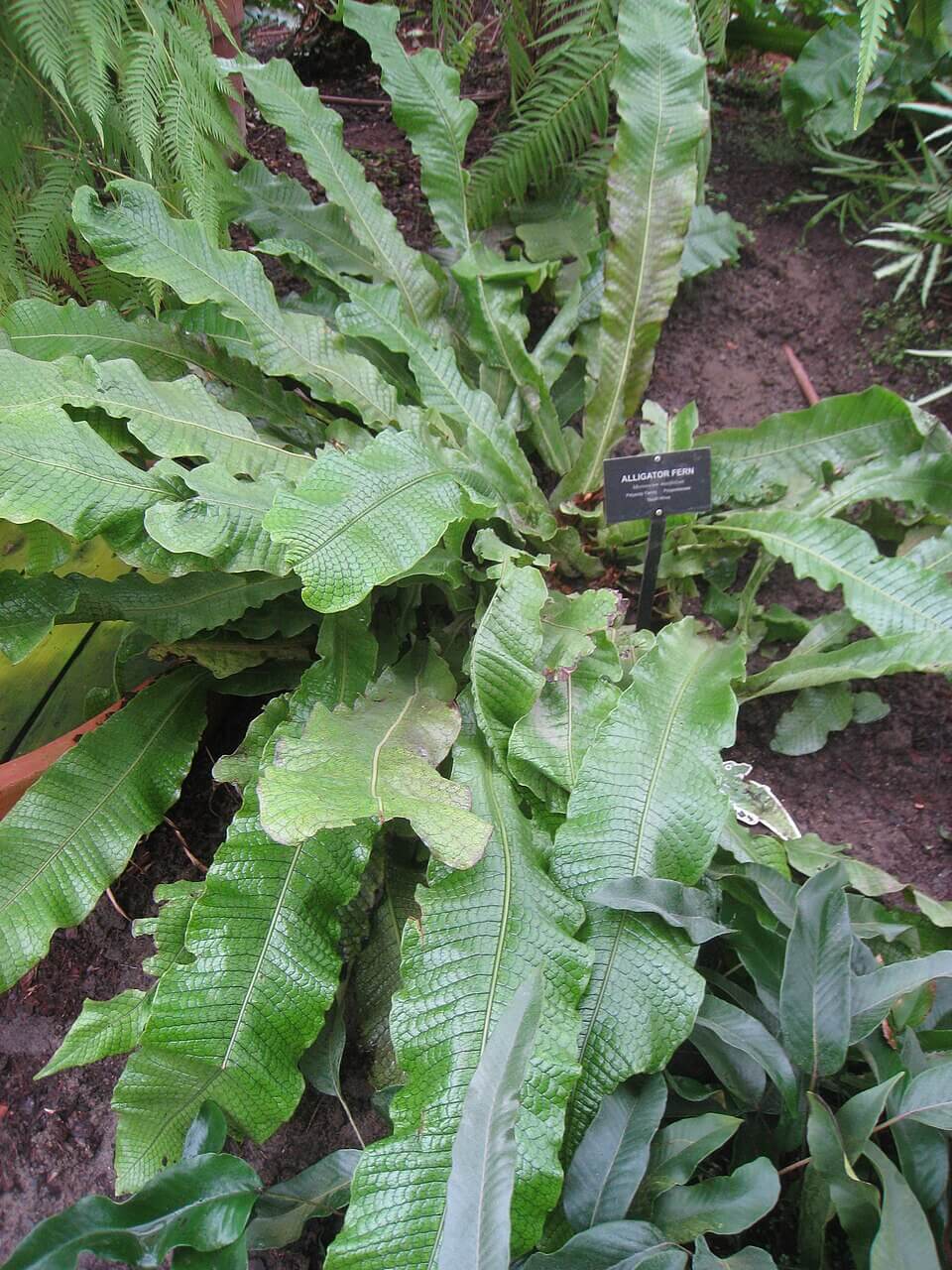
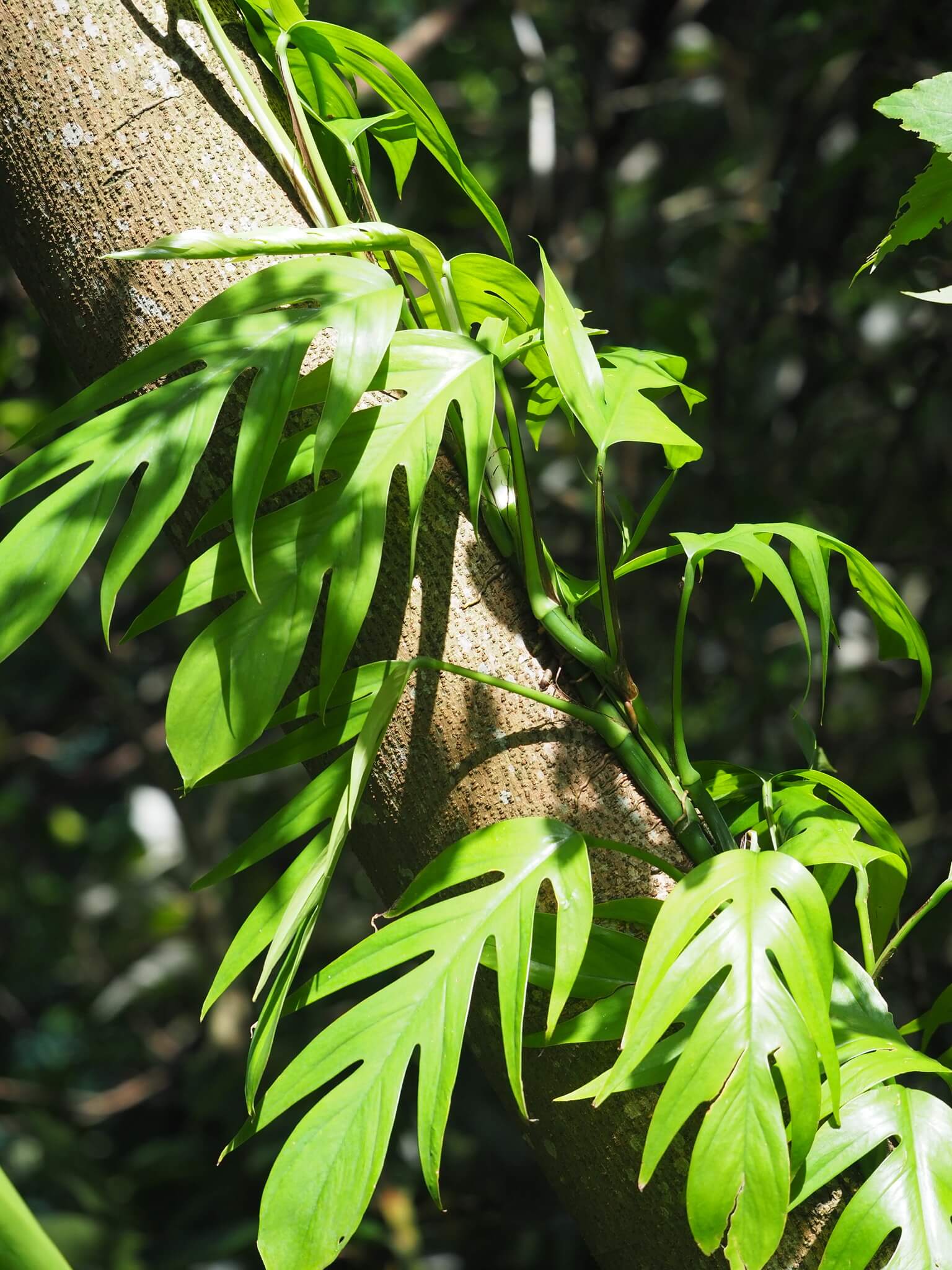
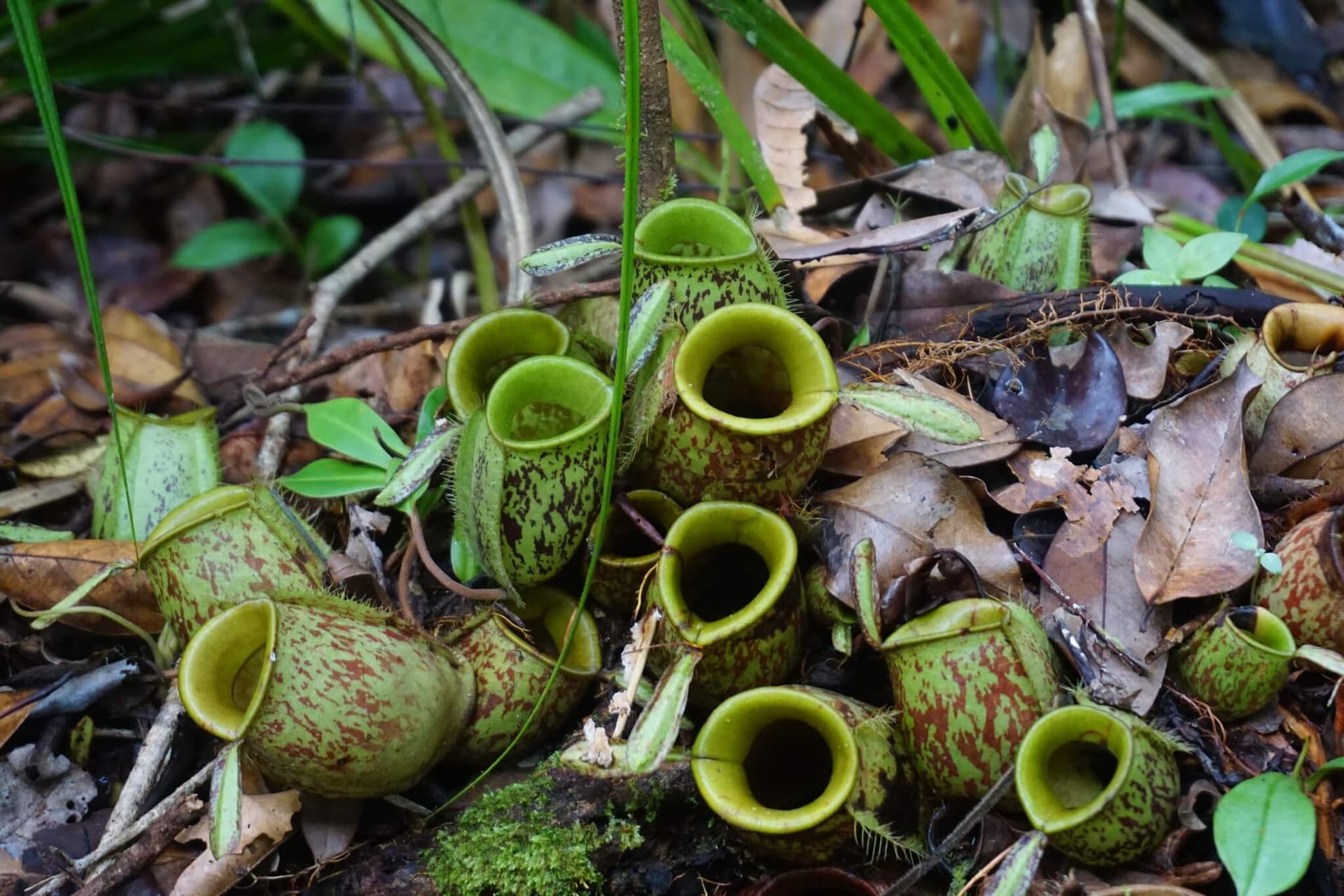
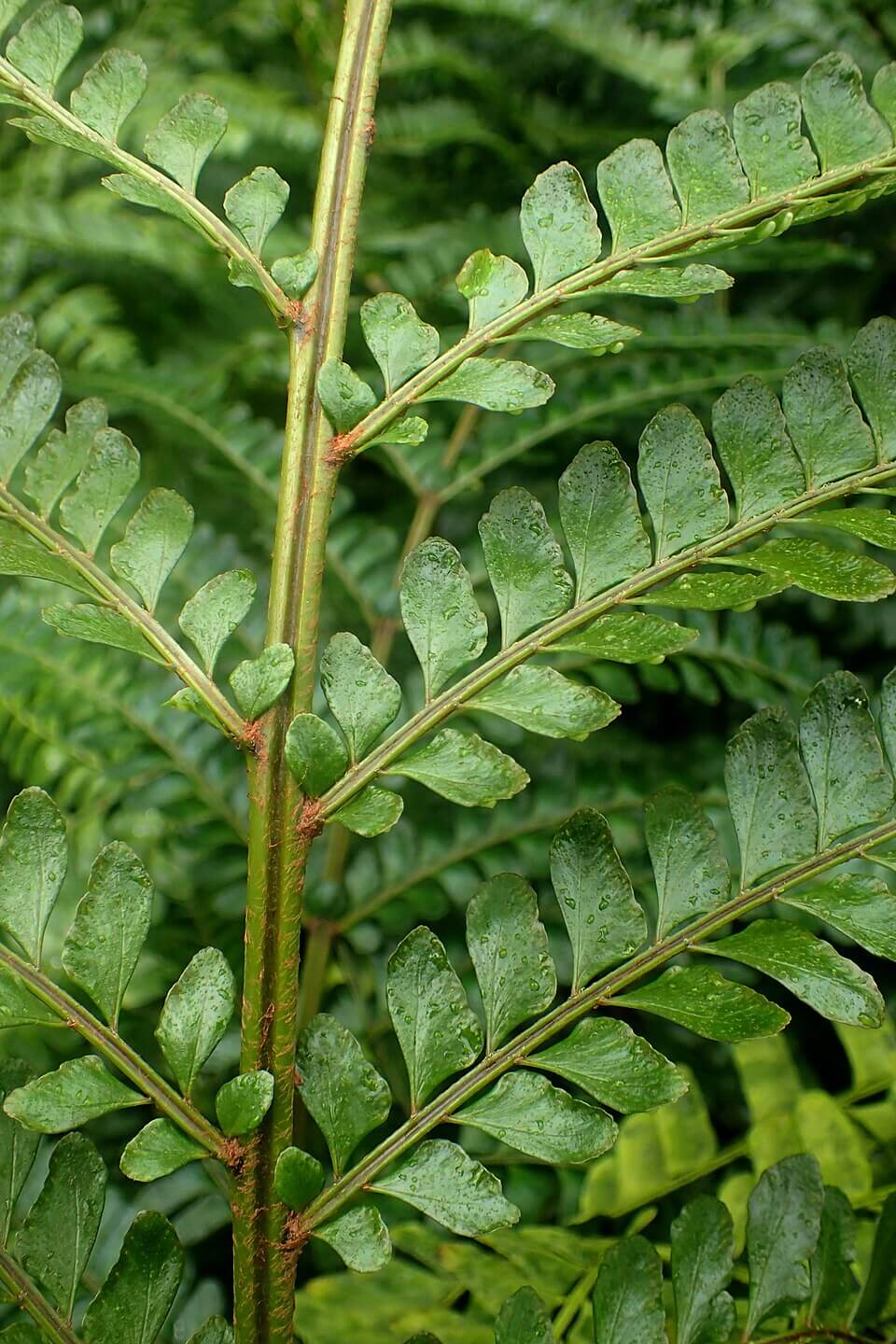
The flora is exceptional. A 2020 census led by Rodrigo Cámara-Leret confirmed New Guinea as the most plant-diverse island on Earth, with about 13,634 vascular plant species and roughly 68% endemism. Orchidaceae alone tops 3,000 species. Rhododendron section Vireya — the tropical rhododendrons — reaches its global diversity centre here with more than 300 species, most of them epiphytic on cloud-forest trees. Familiar terrarium genera (Alocasia, Schismatoglottis, Rhaphidophora, Hoya, Aeschynanthus, Begonia, Asplenium, Microsorum, Bolbitis, Cyrtandra) all have major radiations in Papuasia.
The region is also a centre of agricultural origin. Banana (Musa) and sugarcane (Saccharum officinarum) were independently domesticated in the New Guinea highlands, and the UNESCO-listed Kuk Swamp site holds some of the earliest known evidence of agriculture anywhere on Earth.
Native to Papuasia
Explore plants from this region
References
- WikipediaTDWG WGSRPD identification for level-2 code 43 Papuasia under parent Asia-Tropical (4); sub-units Bismarck Archipelago, New Guinea, Solomon Islands.
- WikipediaNew Guinea — second-largest island on Earth, area ~785,753 km², Central Range geology and montane biogeography.
- WikipediaPuncak Jaya / Carstensz Pyramid elevation 4,884 m — highest point in TDWG region 43 and highest island peak on Earth.
- WikipediaFlora of New Guinea — ~13,634 vascular plant species, ~68% endemism (Cámara-Leret et al. 2020); orchid, Rhododendron Vireya, and Hoya radiations.
- Encyclopedia BritannicaNew Guinea geography, climate, and ecological zones; Trans-Fly savanna and mangrove deltas.
- Kew POWORegional checklist source for Papuasia (43) flora — Rhododendron Vireya, Dendrobium, Bulbophyllum, Hoya, Cyrtandra distributions.
- One Earth BioregionsAustralasian realm overview — New Guinea, Bismarck, and Solomon bioregions and their forest types.