Southern America · TDWG Level 2
Northern South America
Northern South America groups Venezuela, Guyana, Suriname, and French Guiana — roughly 1.38 million square kilometres covering the Guiana Shield, the northern Andes, the Orinoco basin, and the eastern Amazon. Its flora is shaped by the ancient tepuis, vast lowland rainforest, and one of the most distinctive endemic-plant systems on Earth.
Northern South America is the TDWG region that joins Venezuela and the three Guianas (Guyana, Suriname, French Guiana) into a single botanical unit of roughly 1.38 million square kilometres. Climate is tropical throughout, ranging from constantly wet rainforest on the eastern slopes to seasonally dry savanna across the Llanos, and to cold páramo on the Andean summits of Venezuela.
Three large geographies dominate. The Guiana Shield is a Precambrian rock platform 1.7 billion years old, eroded into table mountains — the tepuis — that rise abruptly from the surrounding rainforest. Auyán-tepui in Venezuela holds Angel Falls, the world's tallest waterfall; Pico da Neblina on the Venezuela-Brazil border reaches 2,995 metres. The northern Andes enter Venezuela in the Sierra Nevada de Mérida, peaking at Pico Bolívar (4,978 metres) — the regional high point. Between the two highland systems lie the Orinoco basin and the seasonally flooded Llanos grasslands. The Atlantic coast carries mangrove and lowland rainforest from Venezuela's delta across to French Guiana.
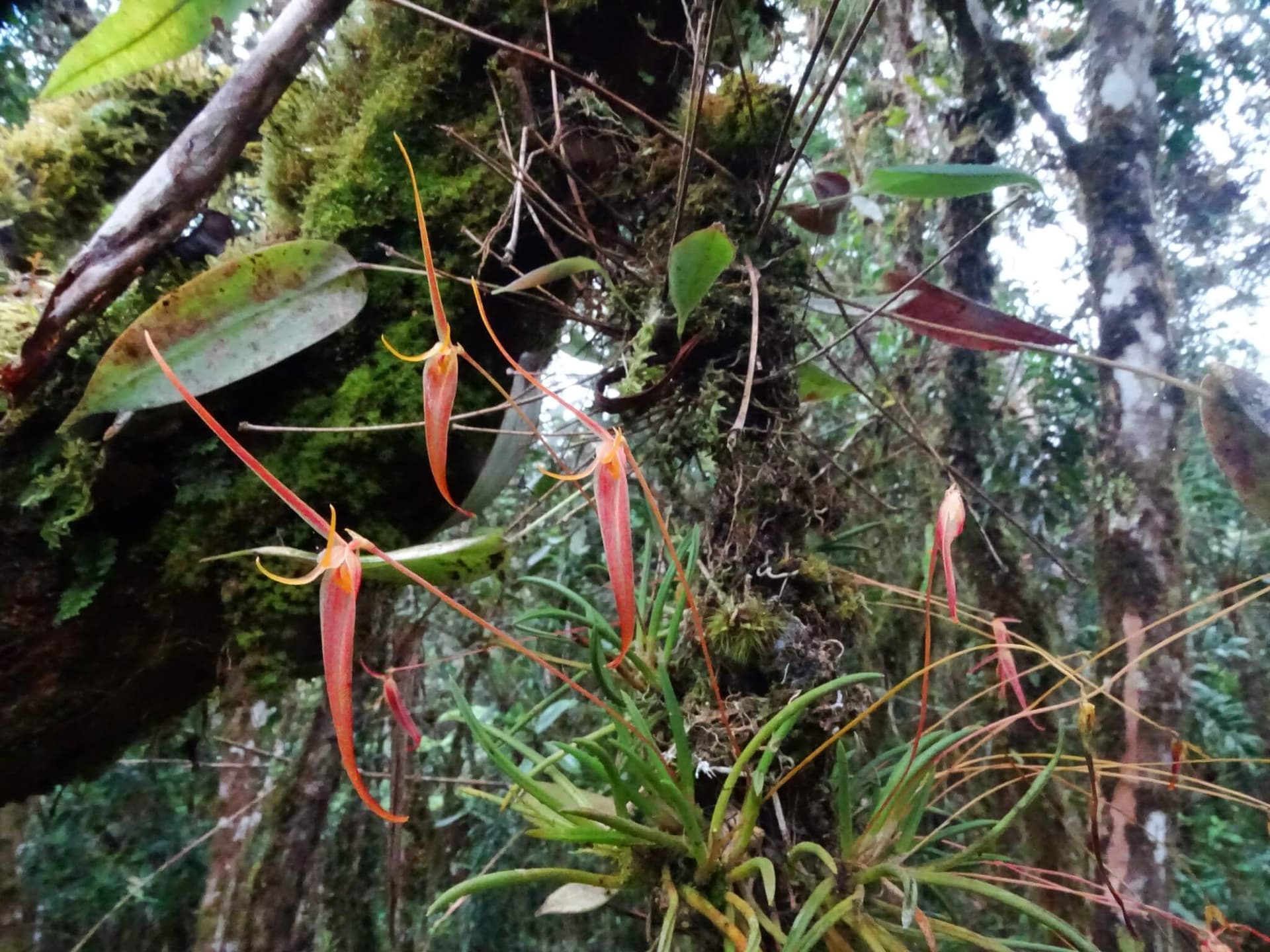
The flora is exceptionally rich. The Guiana Shield alone holds roughly 13,000 vascular plant species, around 40 percent endemic — among the highest endemism rates of any large tropical region. The tepuis are an evolutionary island system known as Pantepui: a unique flora with sun-pitcher carnivores (Heliamphora), the giant bromeliad Brocchinia, the Rapateaceae Stegolepis, and the woody Bonnetiaceae found almost nowhere else. Lowland rainforest below the tepuis carries classic Amazonian Lecythidaceae (Brazil nut family), Euterpe and Mauritia palms, and abundant epiphytic Anthurium, Philodendron, and Monstera. The Venezuelan Andes contribute cloud forest with epiphytic orchids — Masdevallia, Restrepia, Lepanthes, Pleurothallis — and high-altitude páramo communities of Espeletia frailejones above the treeline.
For terrarium builders this is one of the richest regions on the planet. The Verdarium catalogue tags forty-two species here — more than any other region in the Americas — including the cloud-forest miniatures Restrepia lansbergii, R. falkenbergii, Masdevallia bicolor and M. nidifica, the leaf-flowering Lepanthes telipogoniflora, the orchid Barbosella cucullata, the nerve plant Fittonia albivenis, the painted Calathea Goeppertia ornata, and the Pilea hitchcockii.
The Jardín Botánico de Caracas and the Universidad de los Andes herbarium in Mérida anchor regional botany; French Guiana hosts long-running CIRAD and IRD research stations focused on Amazonian biodiversity.
Native to Northern South America
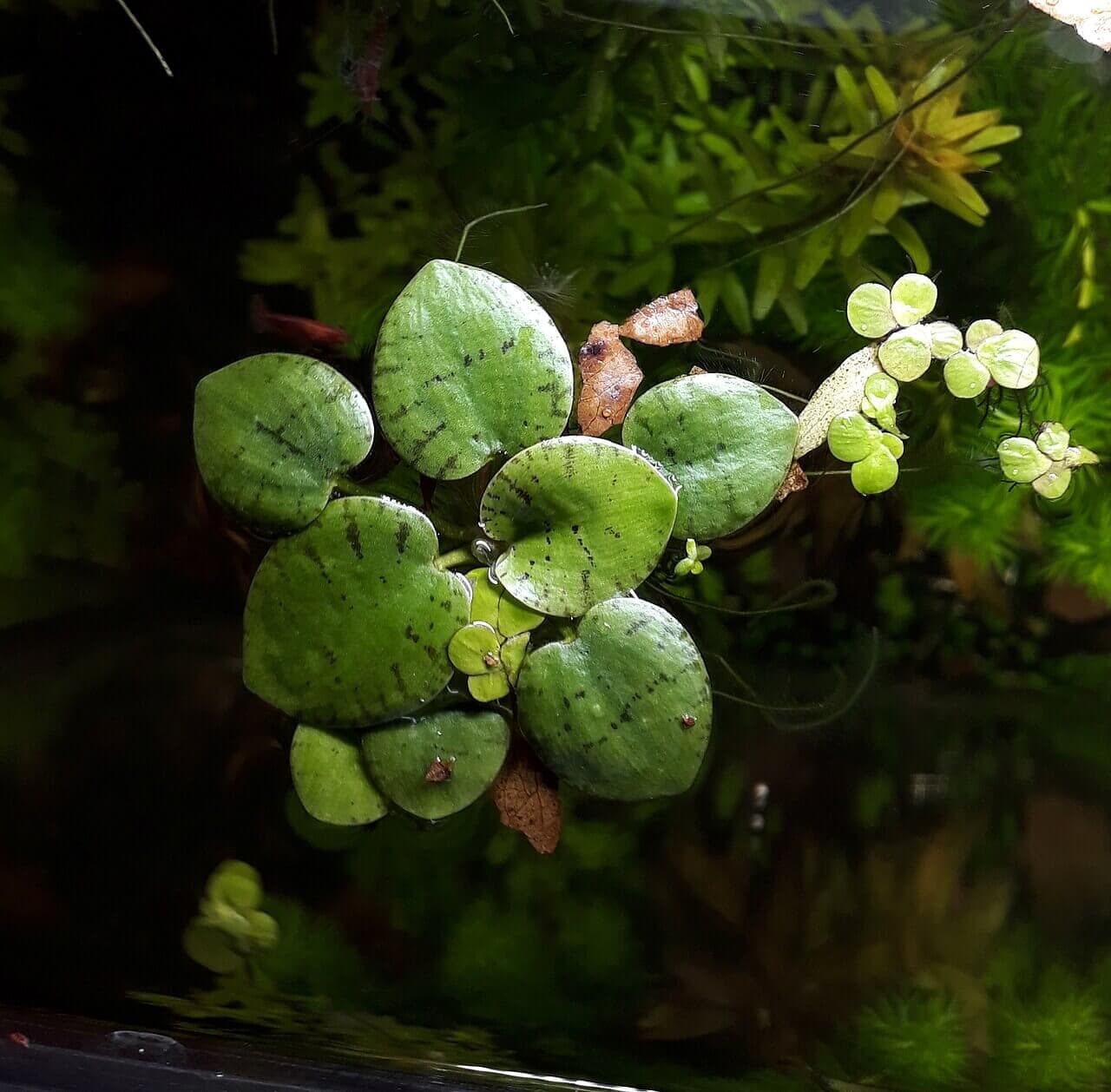
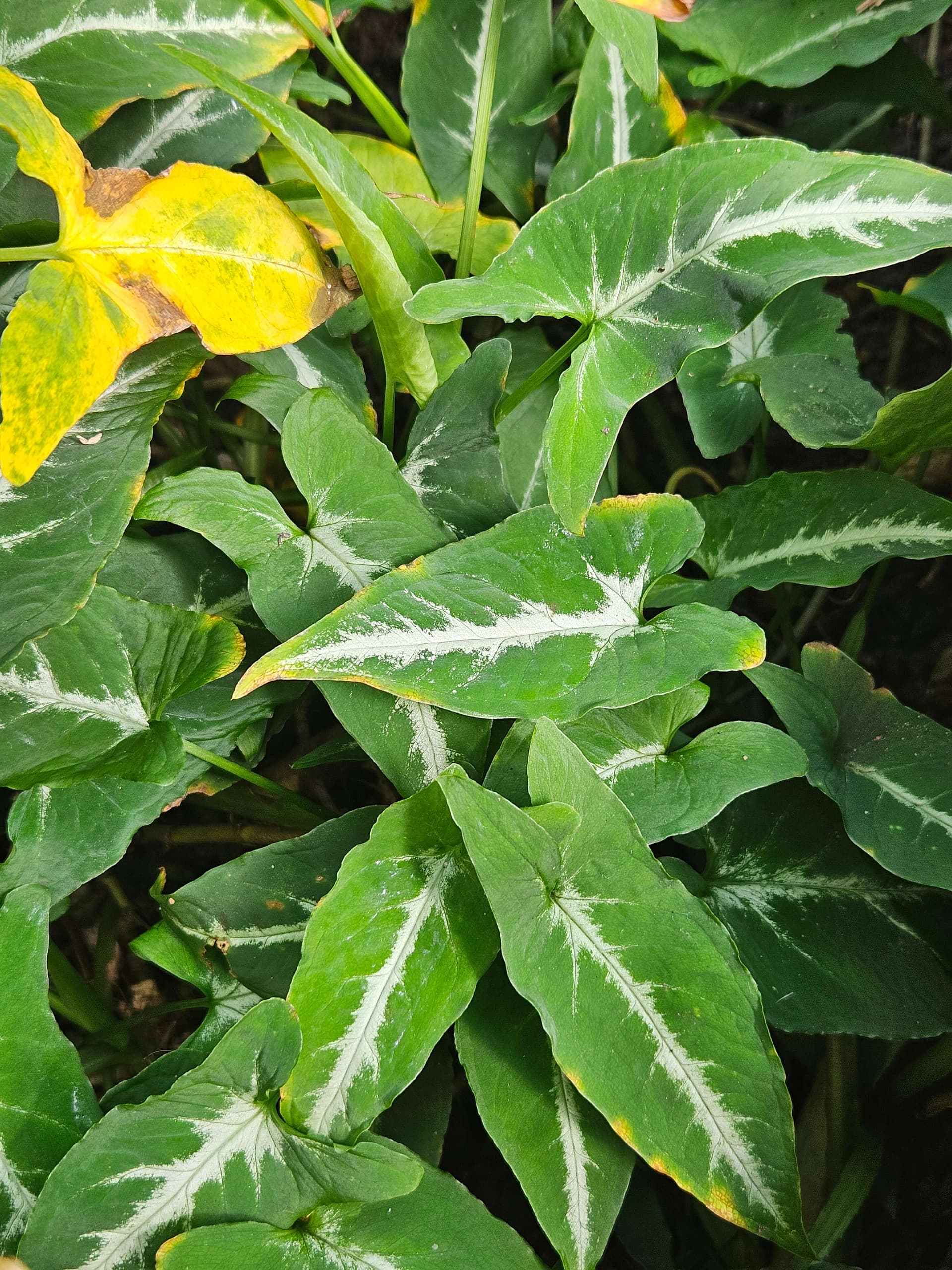
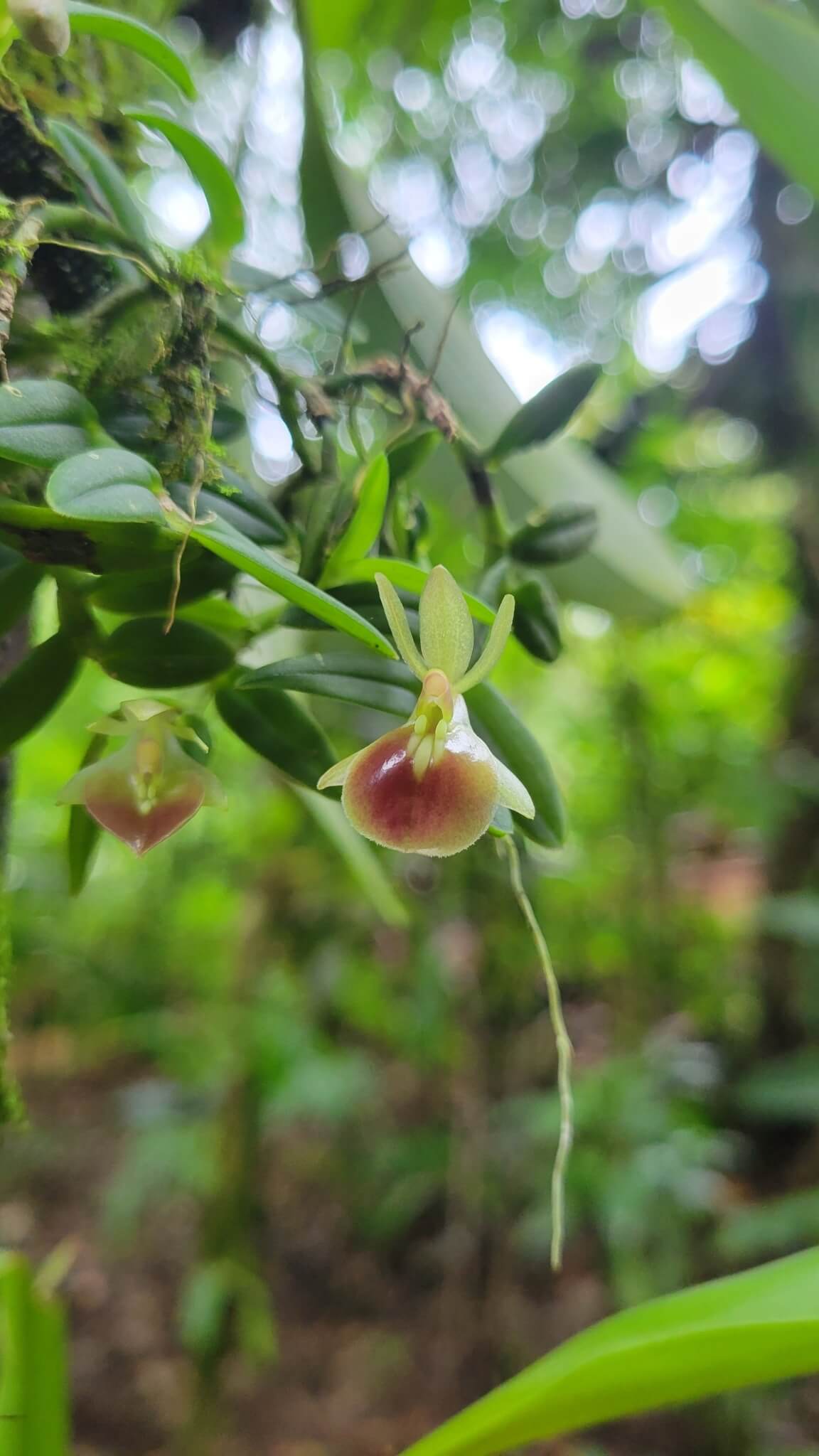
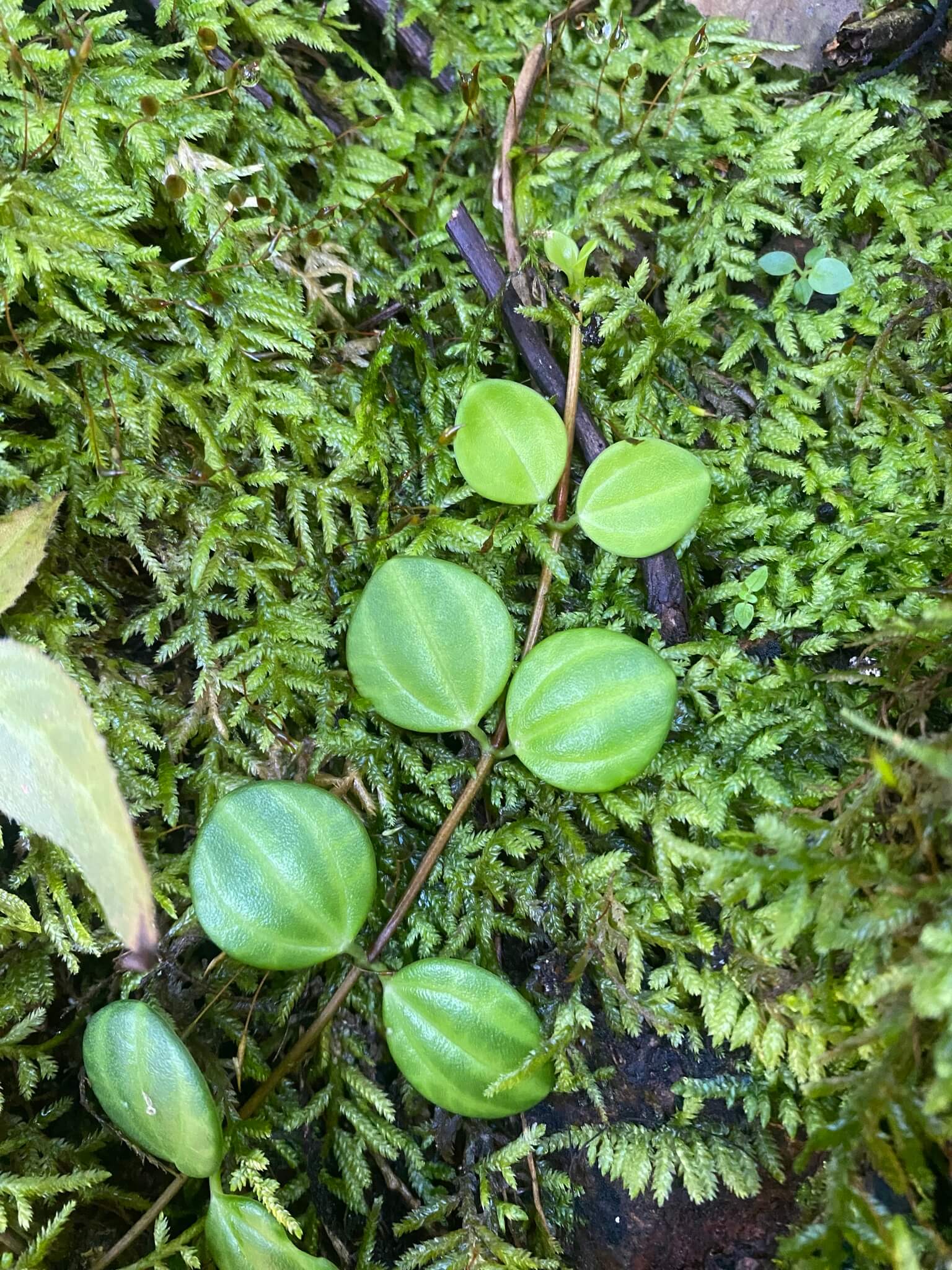
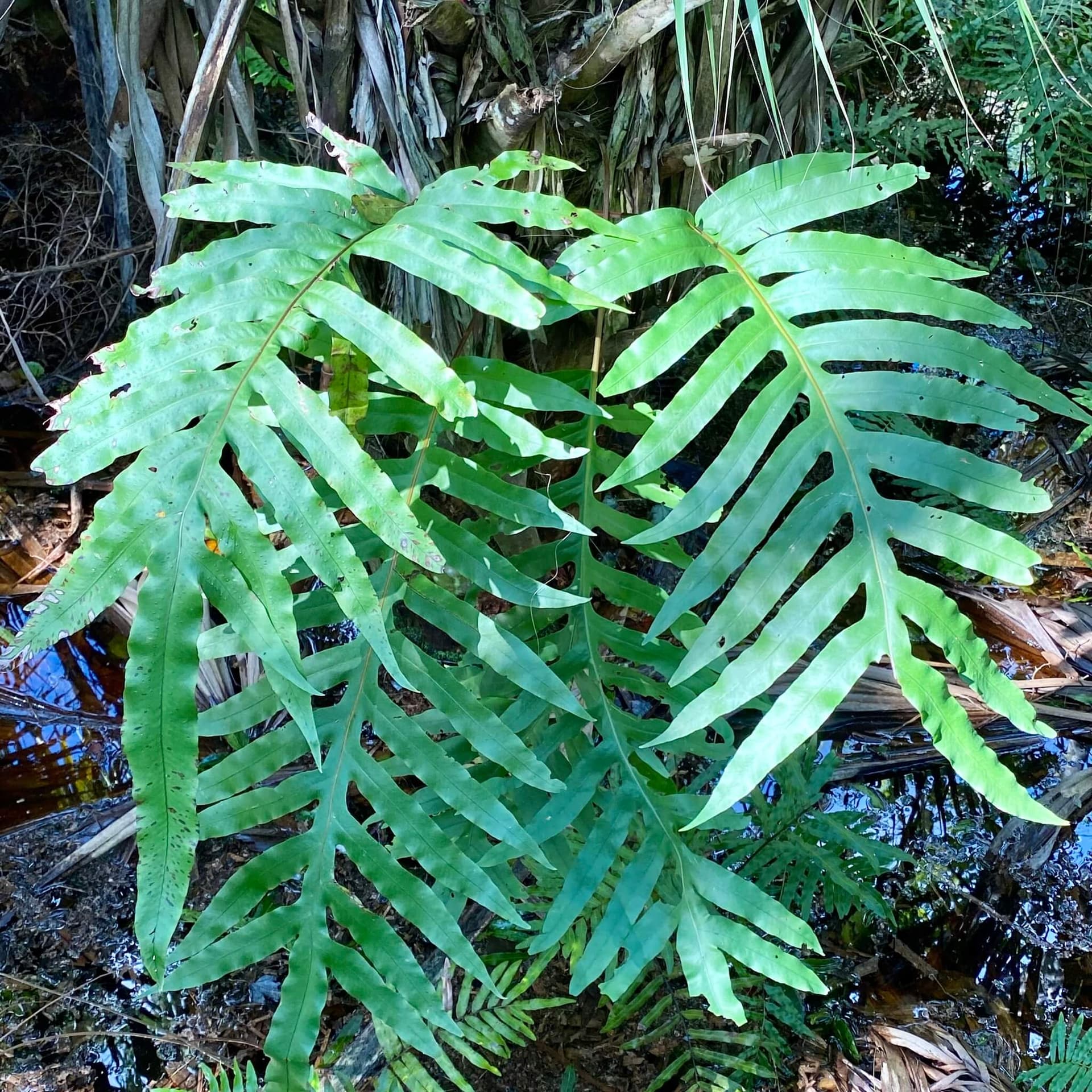
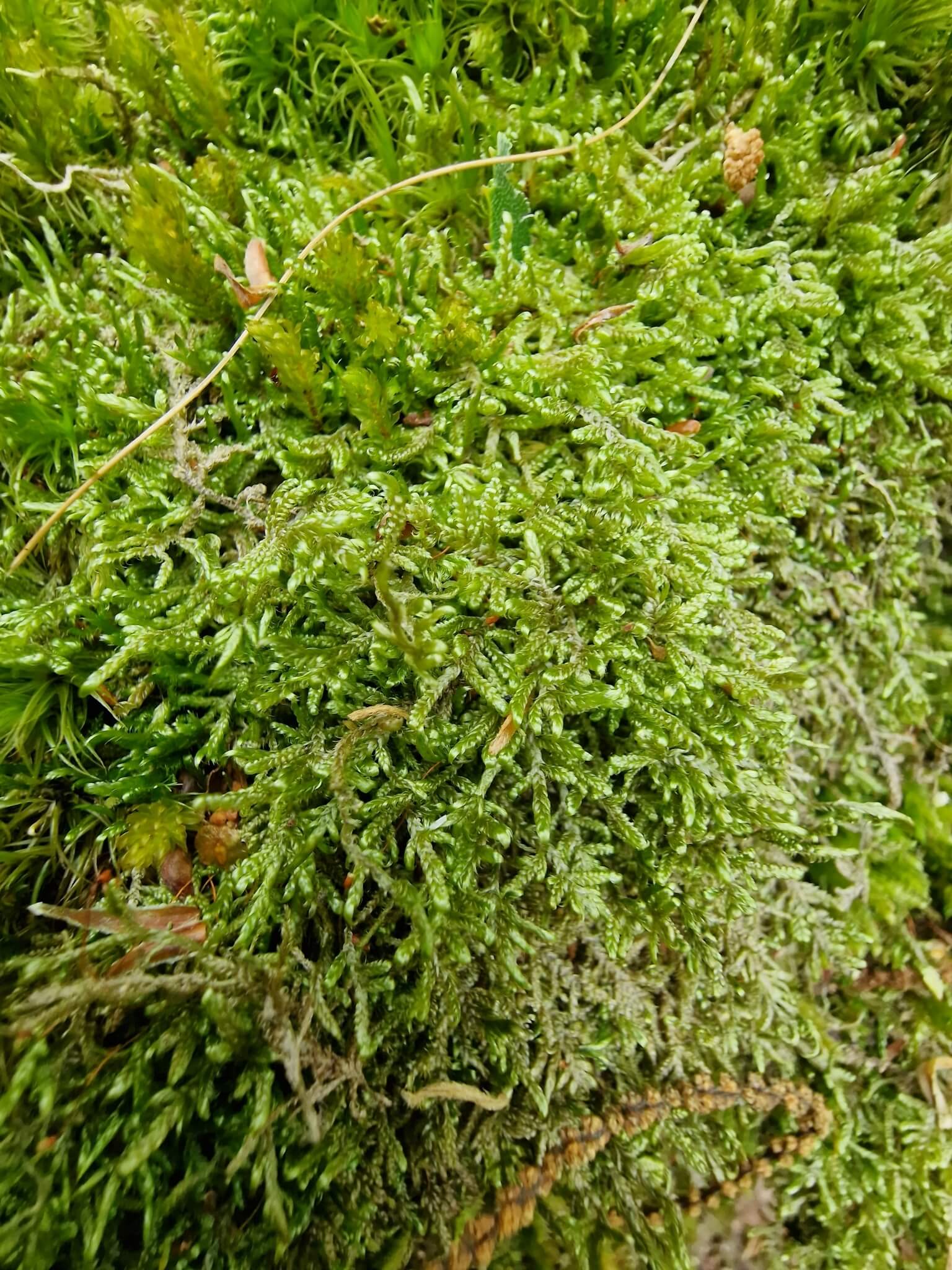
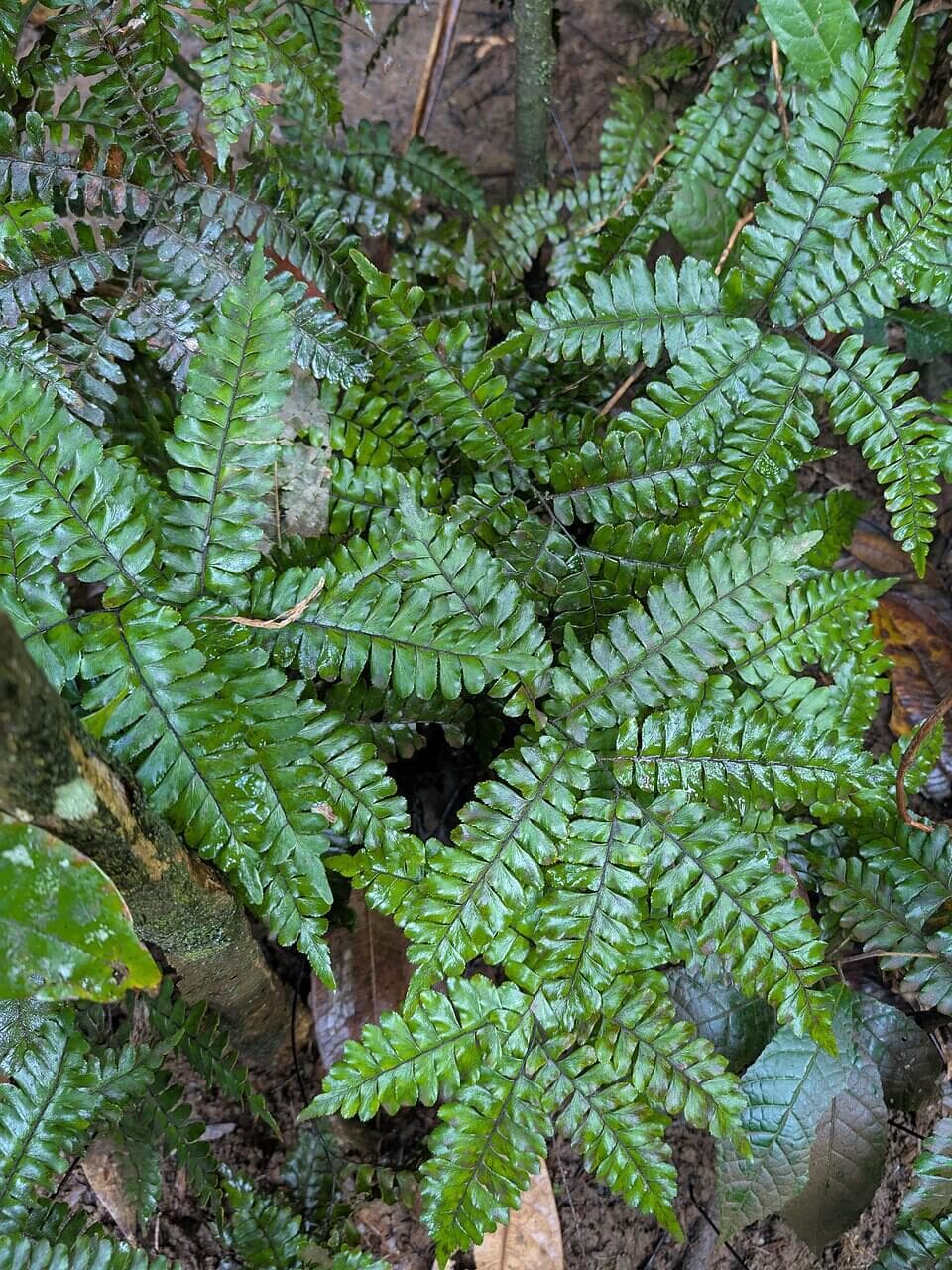
Explore plants from this region
References
- Encyclopedia BritannicaVenezuela geography and climate baseline; Sierra Nevada de Mérida context.
- Encyclopedia BritannicaGuiana Shield and tepui geography.
- Kew POWOUsed to confirm characteristic genera (Heliamphora, Brocchinia, Bonnetia, Espeletia, Mauritia, Euterpe, Restrepia, Lepanthes, Masdevallia).
- WikipediaGuiana Shield plant species count (~13,000) and ~40% endemism.
- WikipediaConfirms 4,978 m as the regional maximum (Sierra Nevada de Mérida, Venezuela).
- TDWG WGSRPDAuthoritative Level 3 table — confirms member countries of region 82 (FRG, GUY, SUR, VEN).