Northern America · TDWG Level 2
Northeastern U.S.A.
Northeastern U.S.A. covers thirteen states from Maine and Michigan south to West Virginia — roughly 993,000 square kilometres of glaciated uplands, Atlantic coastline, and the northern Appalachians. Its forests grade from sugar-maple-and-beech hardwoods at lower elevations to spruce-fir at the summits, with bogs, salt marshes, and Great Lakes wetlands scattered through.
Northeastern U.S.A. is the TDWG region that joins the American Northeast, the Great Lakes states, and the central Appalachians into one botanical unit. It spans thirteen states — Connecticut, Indiana, Maine, Massachusetts, Michigan, New Hampshire, New Jersey, New York, Ohio, Pennsylvania, Rhode Island, Vermont, and West Virginia — for a total of roughly 993,000 square kilometres. Climate is temperate throughout, mostly humid continental, edging into humid subtropical along the southern fringe and oceanic on the outer islands of Massachusetts and Rhode Island.
The last ice age shaped much of the landscape. Glaciers scoured the northern half of the region, leaving moraines, kettle ponds, and the thousands of bogs and fens that define northern New England, the Adirondacks, and the upper Great Lakes states. South of the glacial limit, the Appalachians run as a continuous spine from the Catskills and Allegheny Plateau through the Green Mountains and White Mountains of New England. Mount Washington in New Hampshire rises to 1,917 metres, the regional high point. The Atlantic coast forms the eastern boundary; the Great Lakes shoreline traces the north.
Forests dominate. The signature community is the northern hardwood forest — sugar maple (Acer saccharum), American beech (Fagus grandifolia), and yellow birch (Betula alleghaniensis), often with eastern hemlock (Tsuga canadensis) on cool slopes. Higher elevations and northern Maine shift to red spruce (Picea rubens) and balsam fir (Abies balsamea), giving a boreal feel to the summits. The southern third leans oak-hickory. Specialised habitats break the pattern: the New Jersey Pine Barrens with Pinus rigida and sandy acidic soils, Atlantic salt marshes, vernal pools, and extensive Sphagnum peatlands.
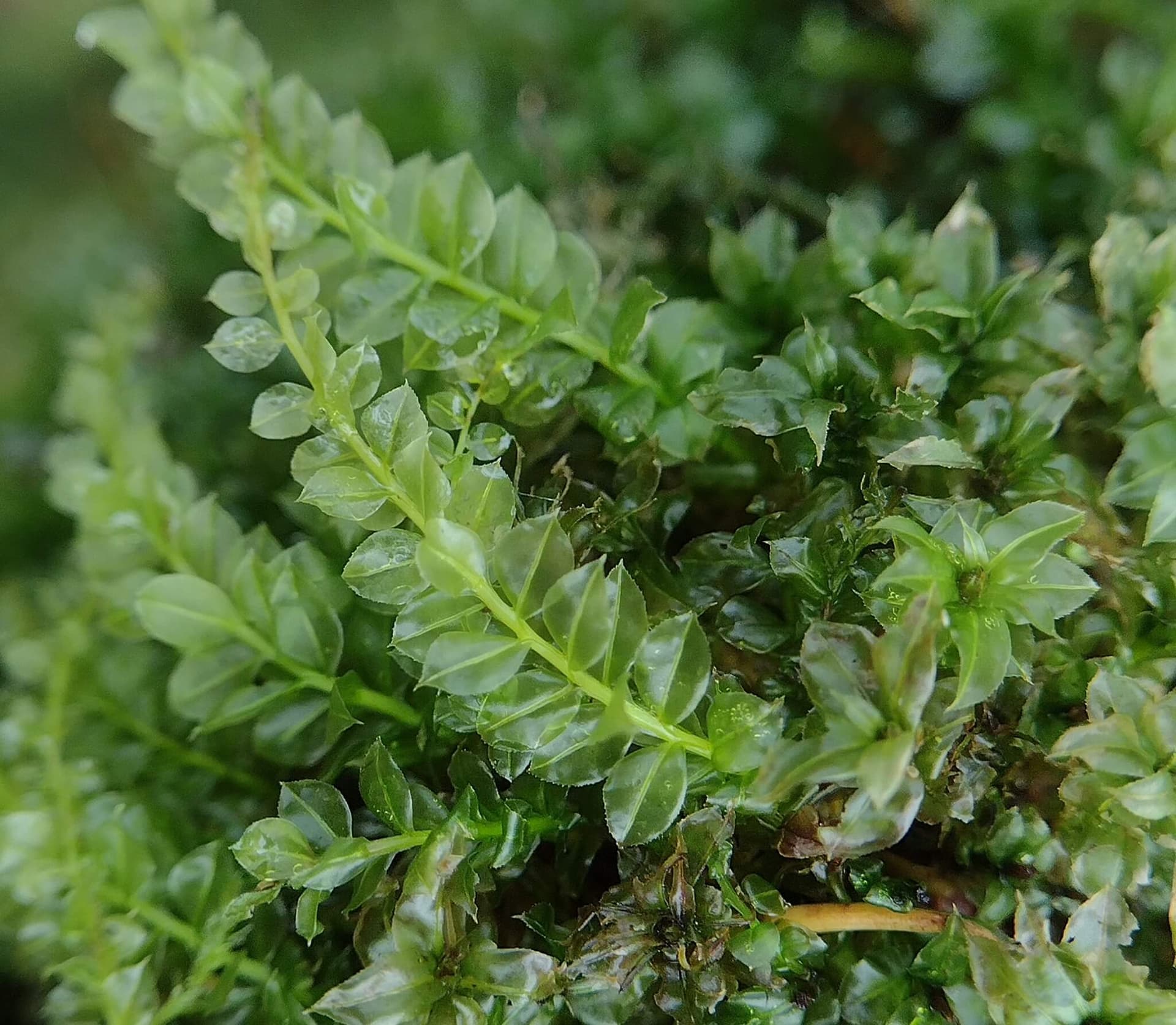
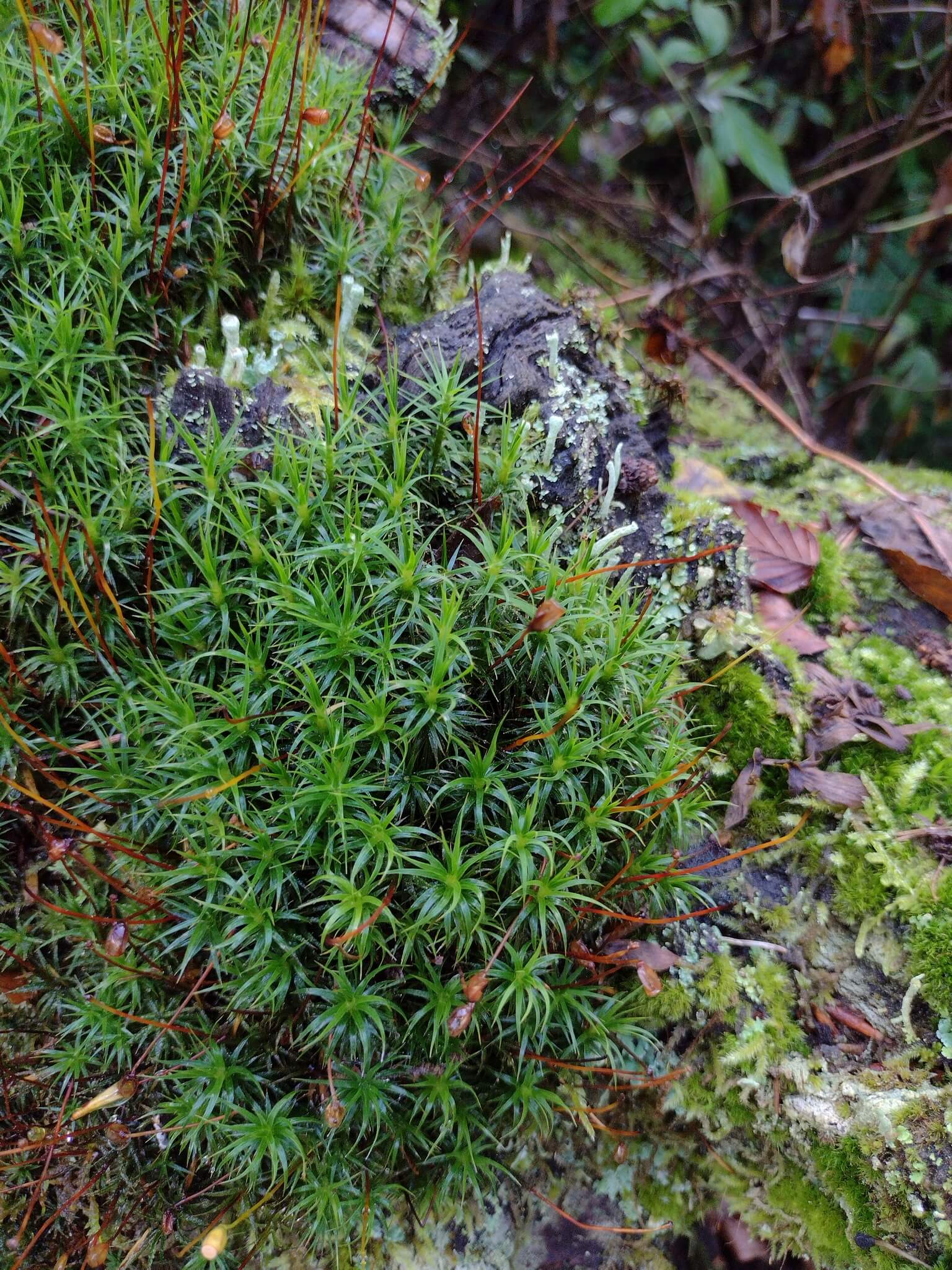
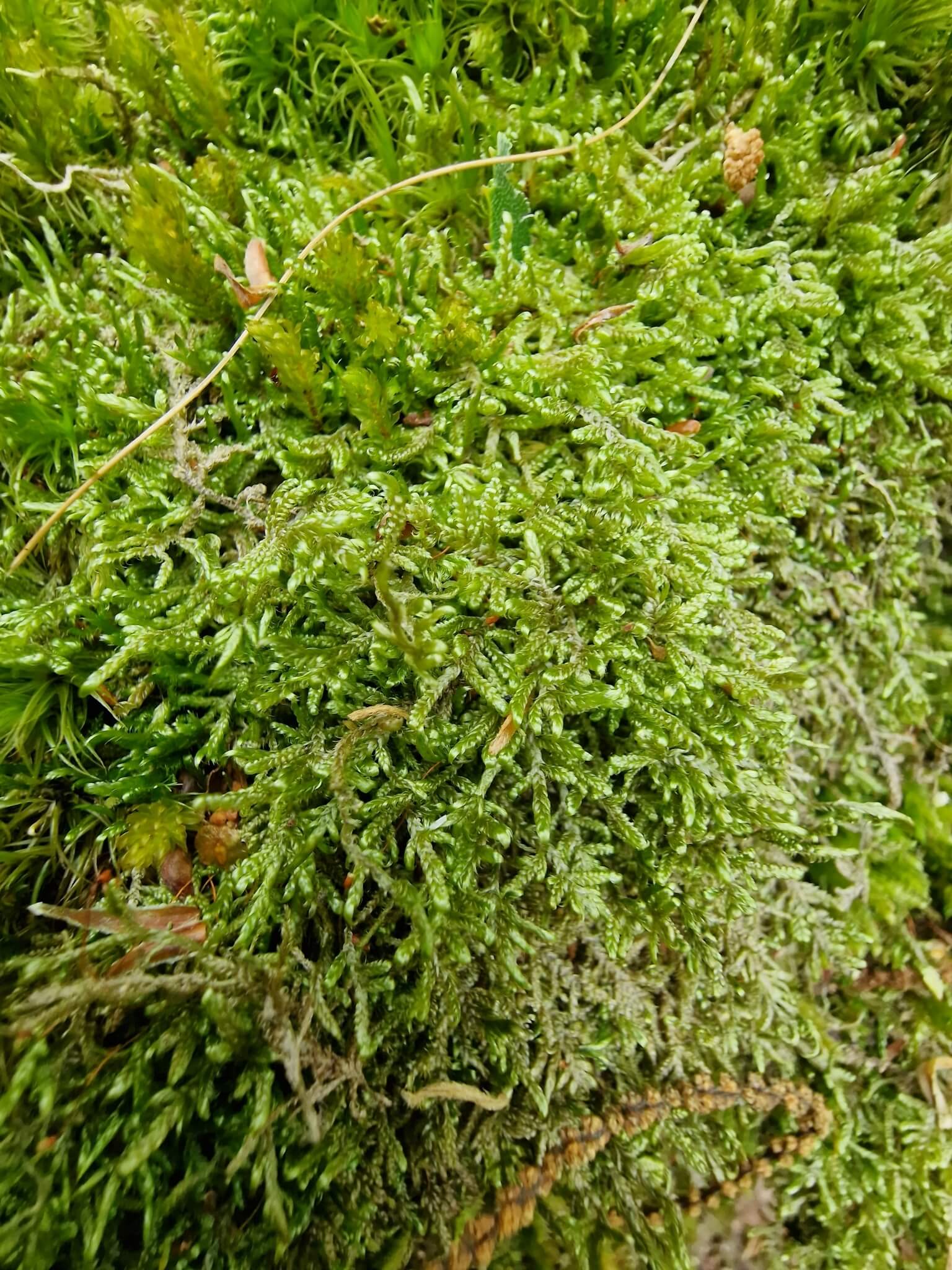
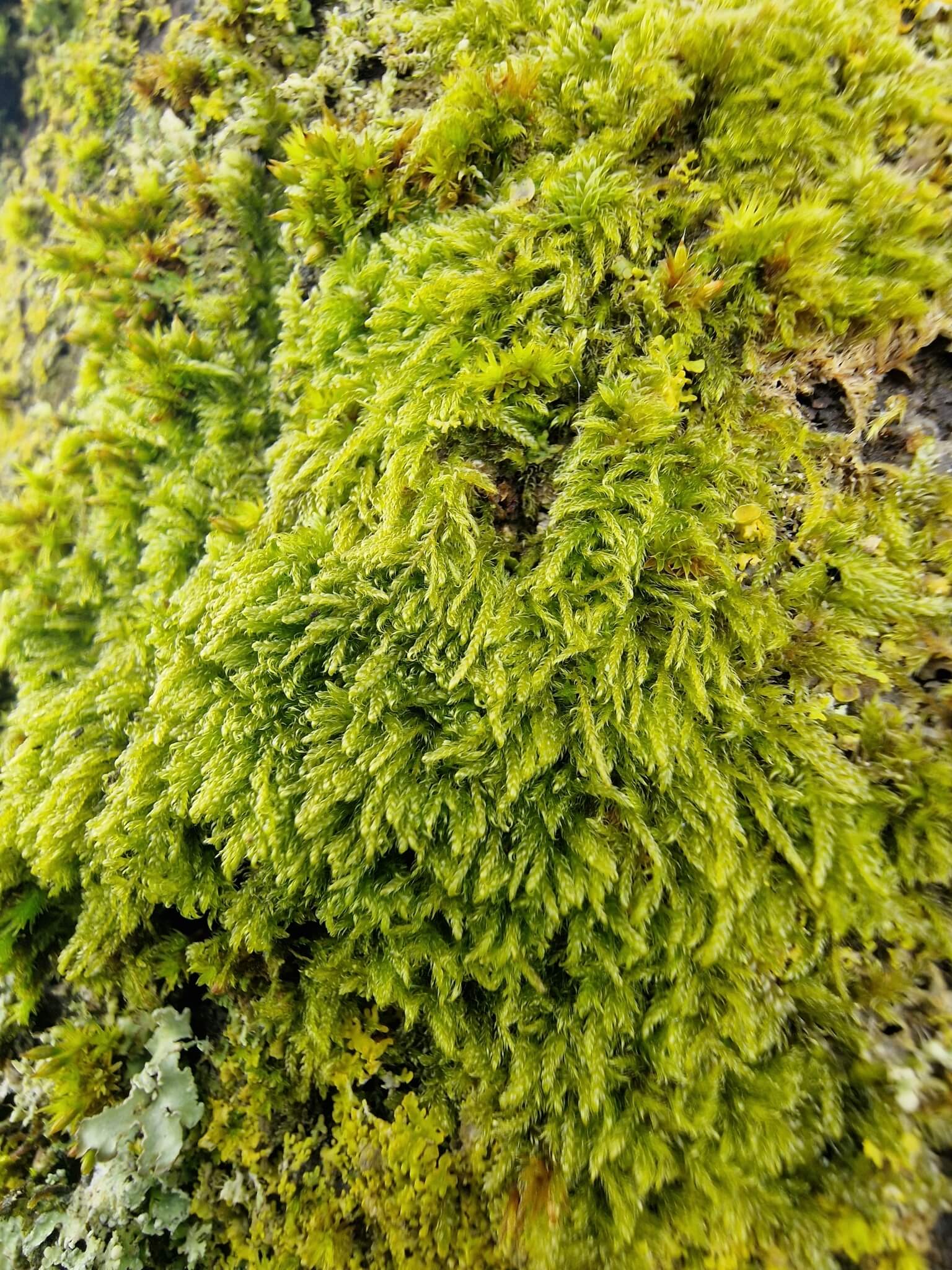
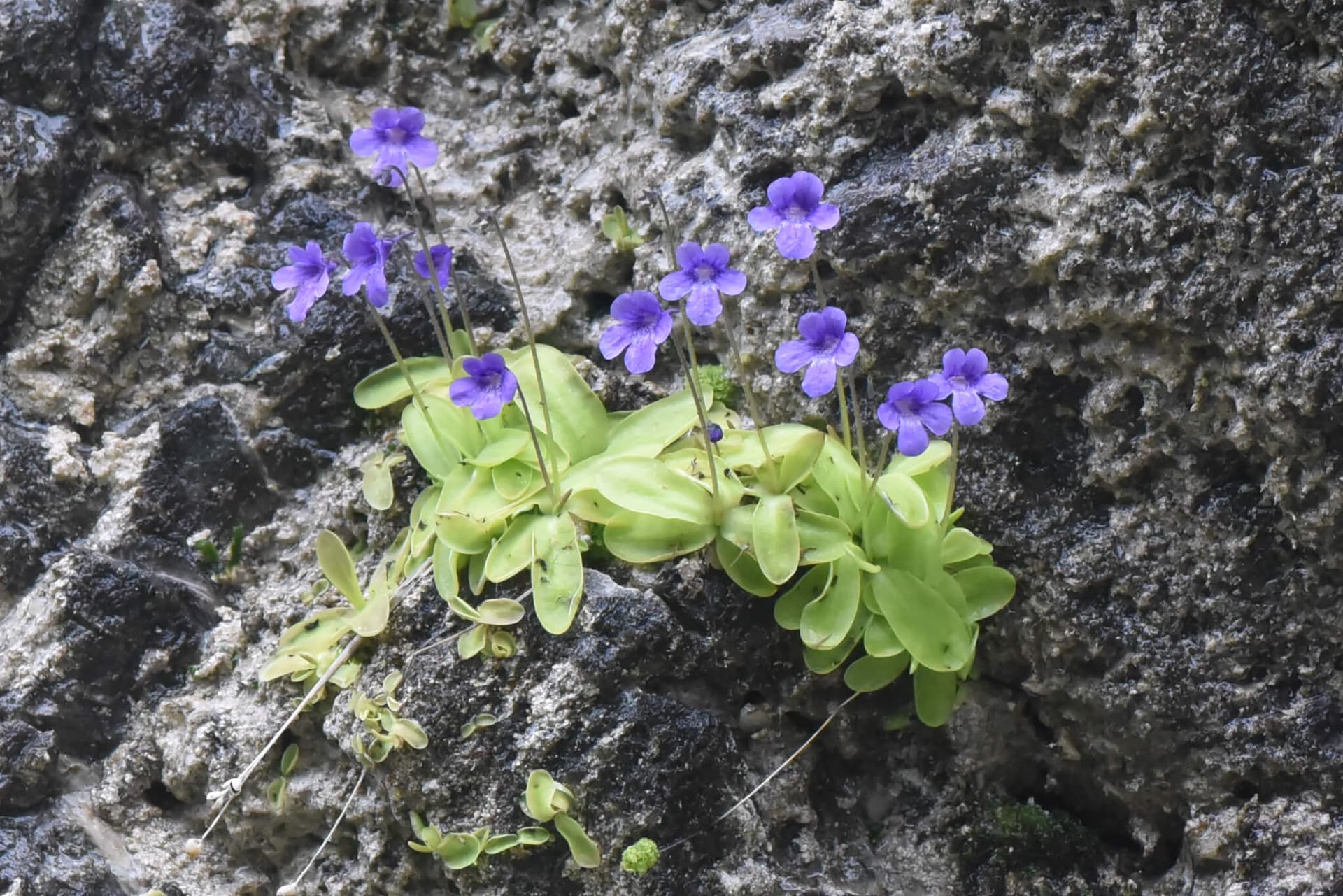
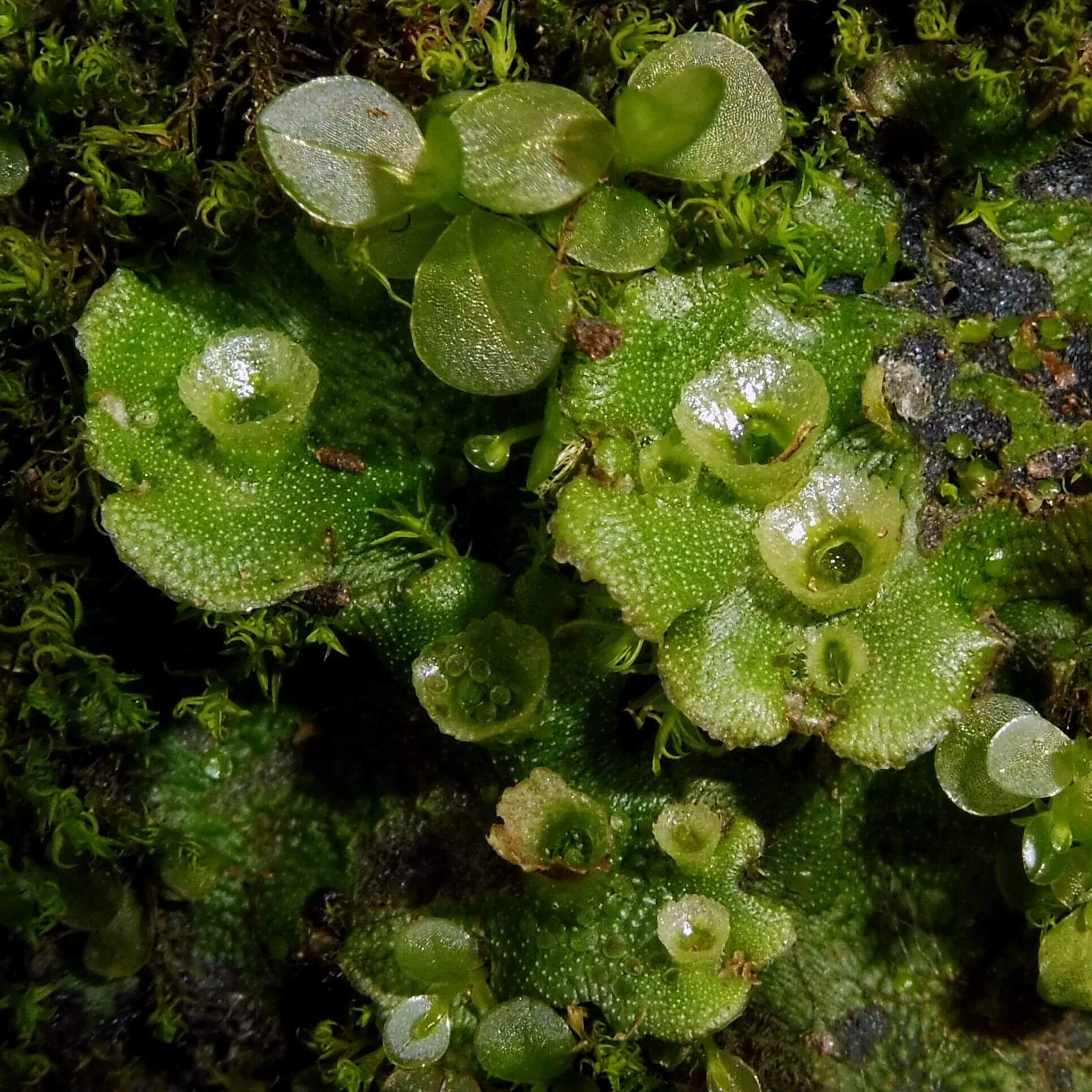
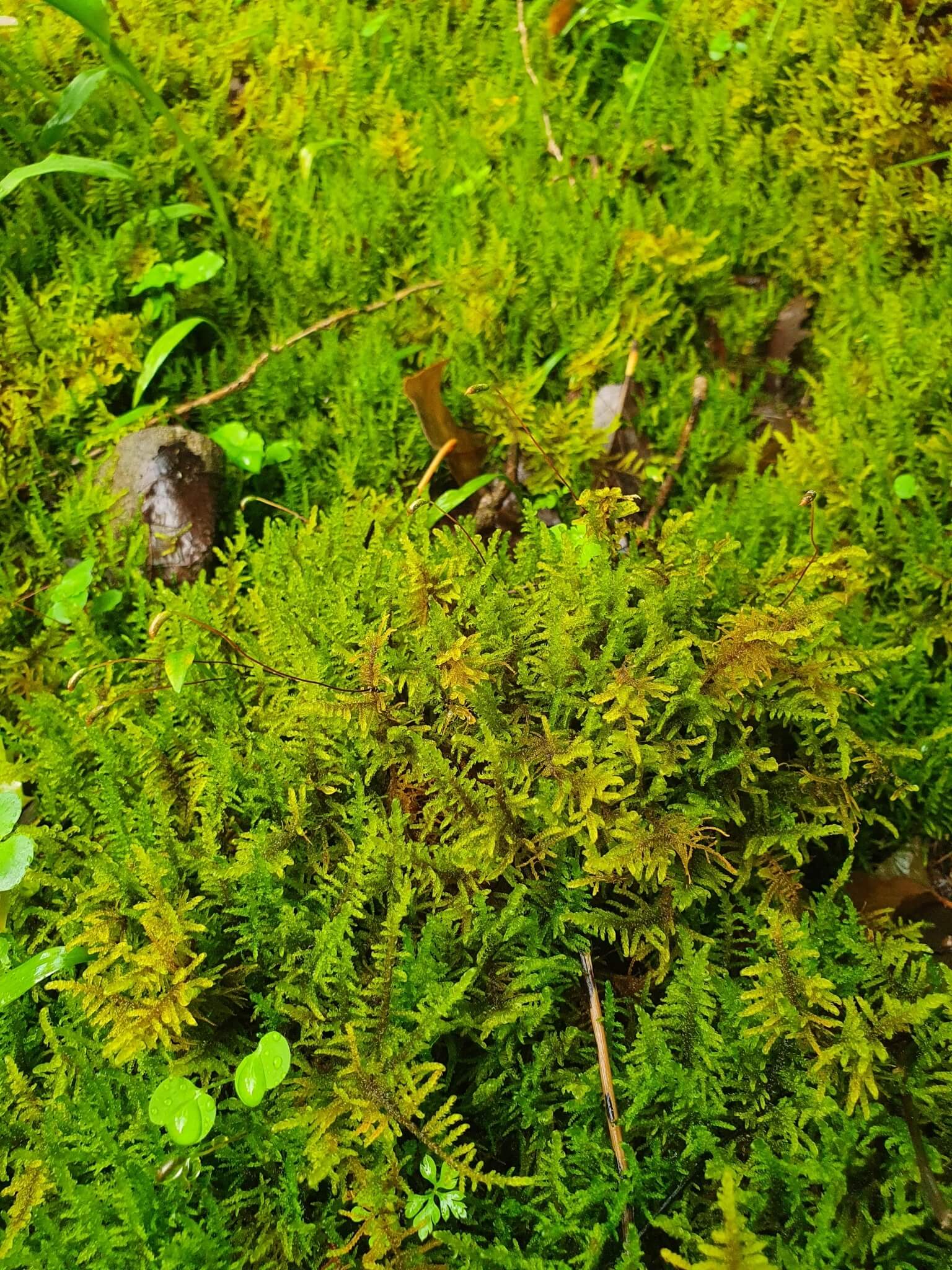
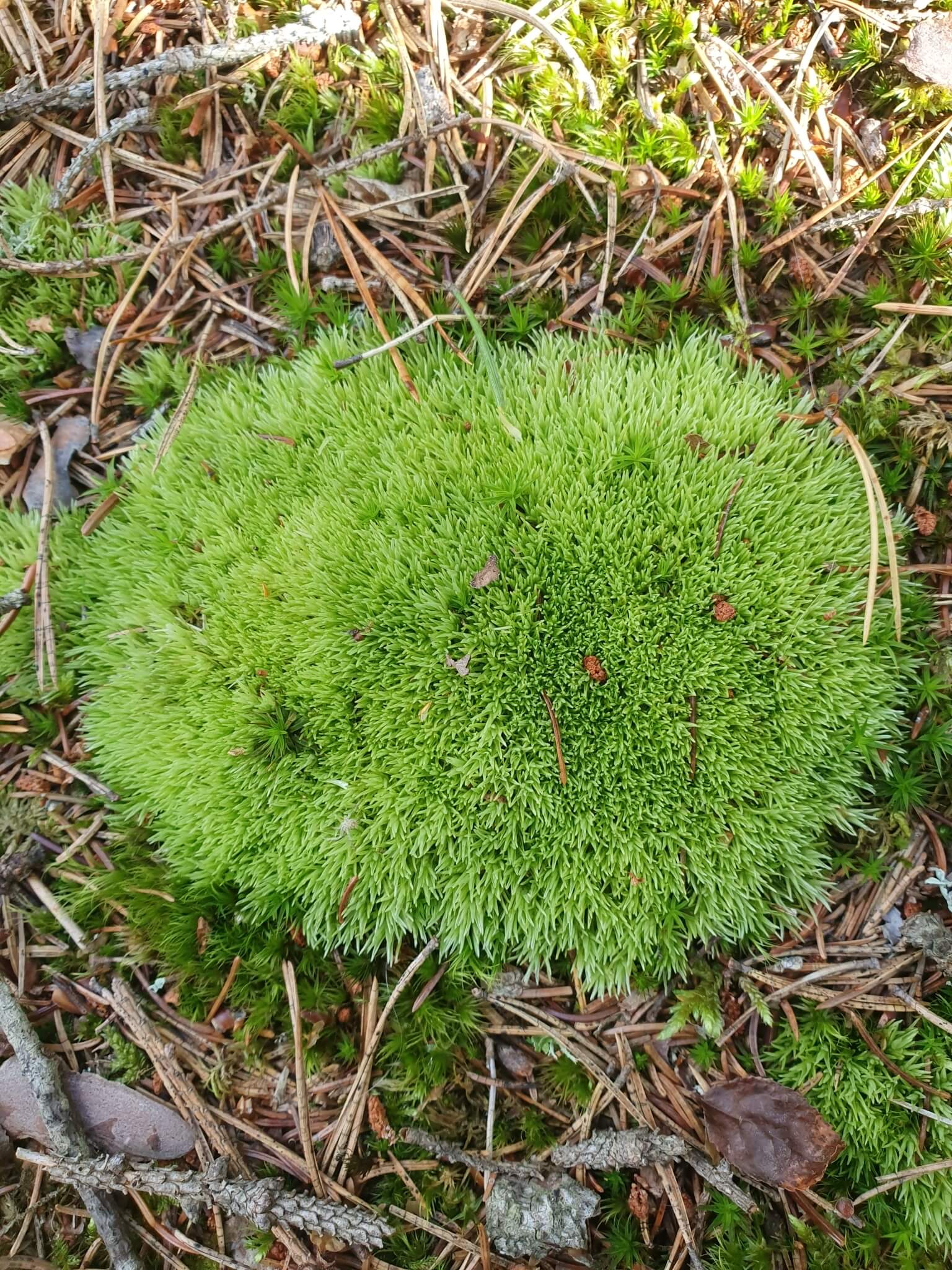
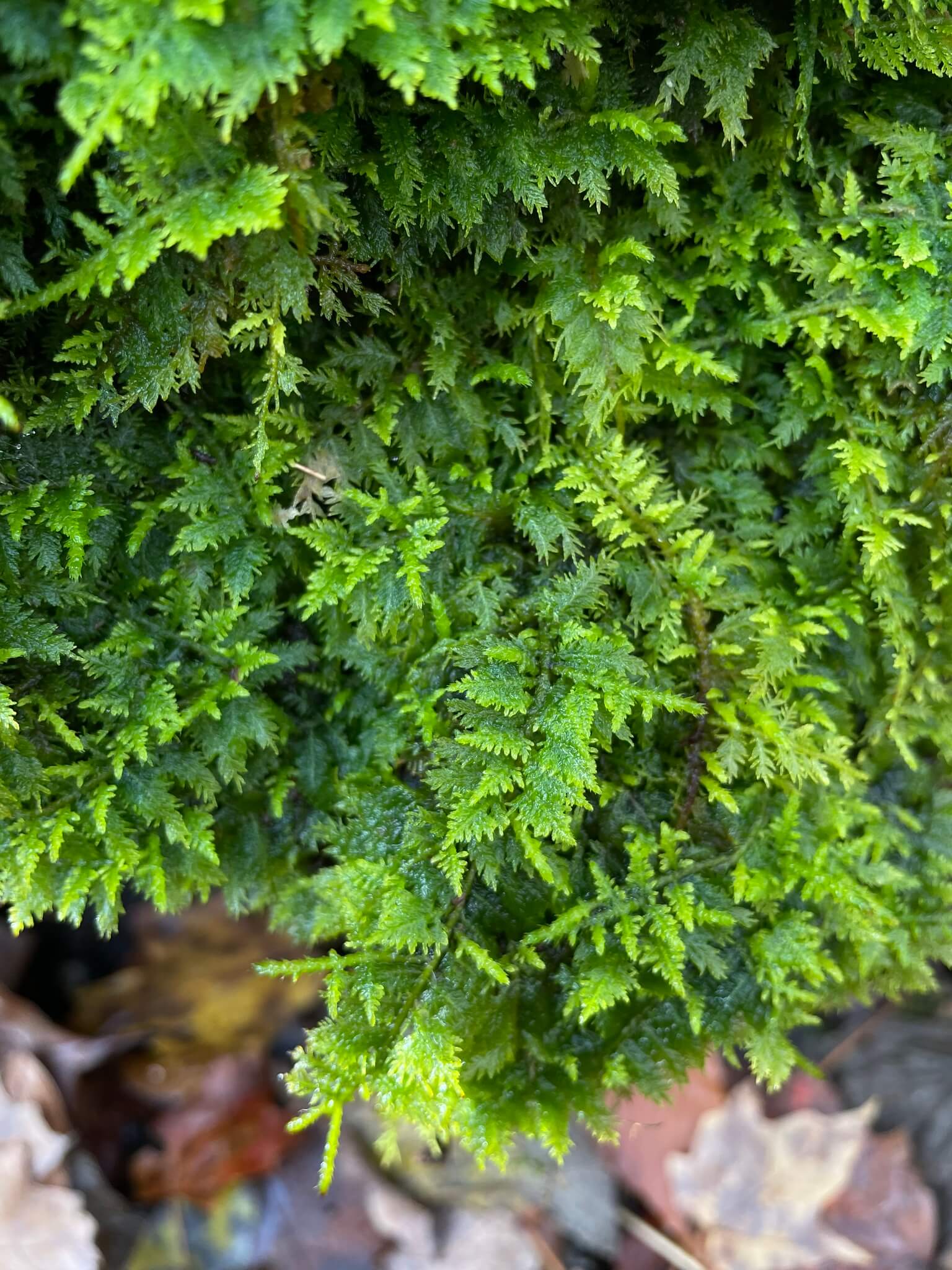
For terrarium builders this is mostly a bryophyte region. The Verdarium catalogue currently tags twenty-one species here — almost all circumboreal forest and bog mosses such as Hylocomium splendens, Dicranum scoparium, Polytrichum formosum, Hypnum cupressiforme, and Leucobryum glaucum, alongside the semi-aquatics Hydrocotyle verticillata and Spirodela polyrhiza. None of the region's signature vascular plants are yet represented.
The Northeast also holds some of the country's oldest botanical institutions: the New York Botanical Garden in the Bronx, the Arnold Arboretum of Harvard University, and Harvard Forest in central Massachusetts.
Native to Northeastern U.S.A.
Explore plants from this region
References
- Encyclopedia BritannicaGeography and climate baseline for the American Northeast.
- Encyclopedia BritannicaAppalachian uplands and northern hardwood / spruce-fir context.
- Kew POWOUsed to confirm characteristic genera (Acer saccharum, Fagus grandifolia, Tsuga canadensis, Picea rubens, Hylocomium splendens).
- WikipediaConfirms 1,917 m as the regional maximum (Mount Washington, New Hampshire).
- WikipediaDominant tree species and understory composition of the northern hardwood / boreal transition.
- TDWG WGSRPDAuthoritative Level 3 table — confirms member botanical countries of region 75 (CNT, INI, MAI, MAS, MIC, NWH, NWJ, NWY, OHI, PEN, RHO, VER, WVA).