Northern America · TDWG Level 2
Mexico
Mexico is one of the world's most botanically rich countries — roughly 1.96 million square kilometres straddling the Tropic of Cancer, with deserts in the north, cloud forests and pine-oak woodlands in the highlands, and lowland rainforest in the south. Around 23,000 native vascular plant species grow here, more than half of them found nowhere else.
Mexico is the largest country in the Northern America TDWG region and one of seventeen megadiverse countries on the planet. It spans roughly 1.96 million square kilometres from the Sonoran Desert on the U.S. border to the lowland rainforests of Chiapas. Climate is highly varied: arid and semi-arid across the northern interior, subtropical and seasonally dry along the Pacific slope, temperate in the central highlands, and fully tropical across the southern lowlands and the Yucatán peninsula. The Tropic of Cancer cuts through the middle of the country.
Mexico's shape is set by mountains. The Sierra Madre Occidental runs down the west, the Sierra Madre Oriental down the east, and between them sits the Mexican Plateau — a high, mostly arid tableland averaging 2,000 to 2,500 metres. The east-west Trans-Mexican Volcanic Belt cuts across the centre, throwing up the country's tallest summits including Pico de Orizaba (Citlaltépetl) at 5,610 metres. The Sierra Madre del Sur frames the Pacific coast, and the limestone Yucatán Peninsula extends the country's northeast into the Caribbean. Mangroves line both coasts.
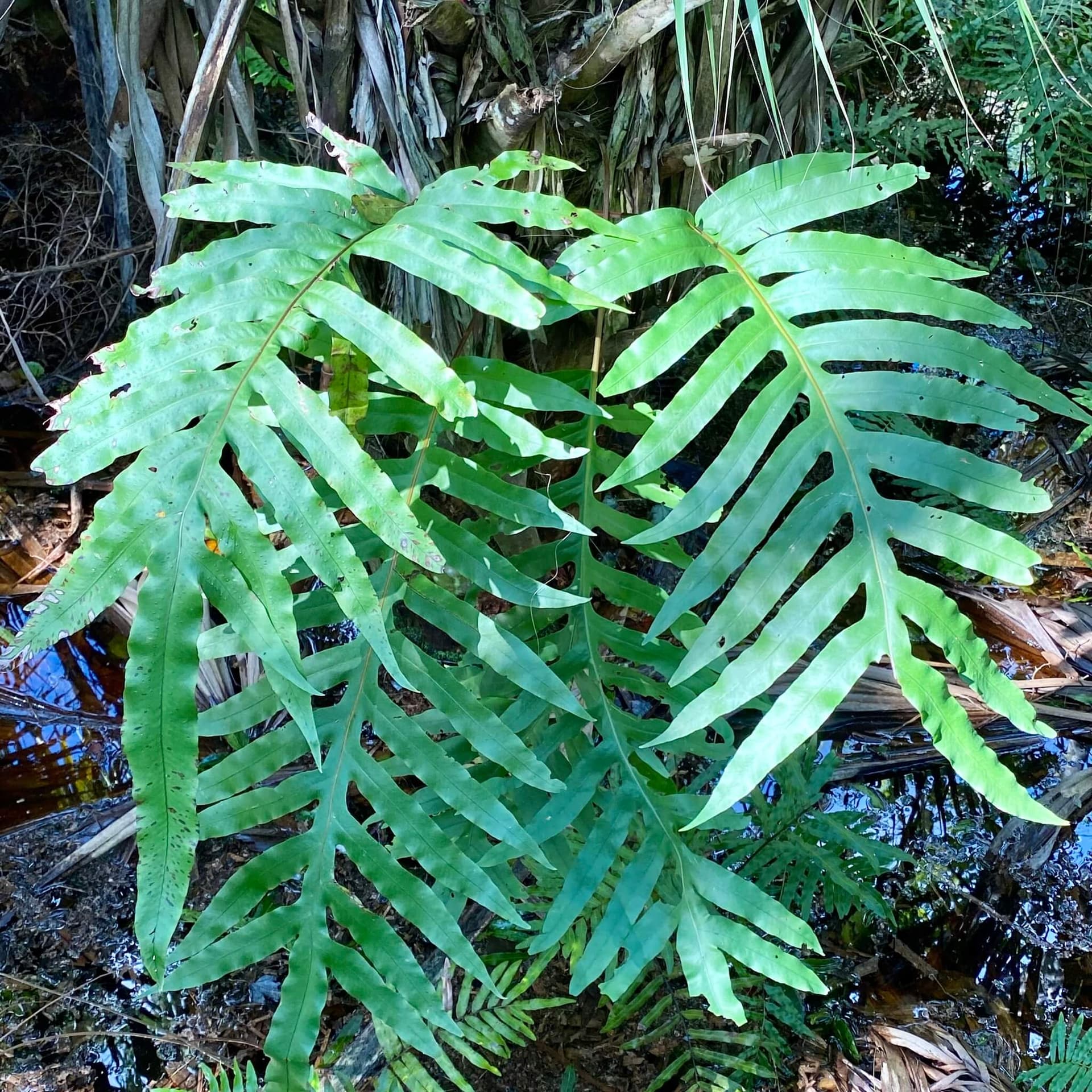
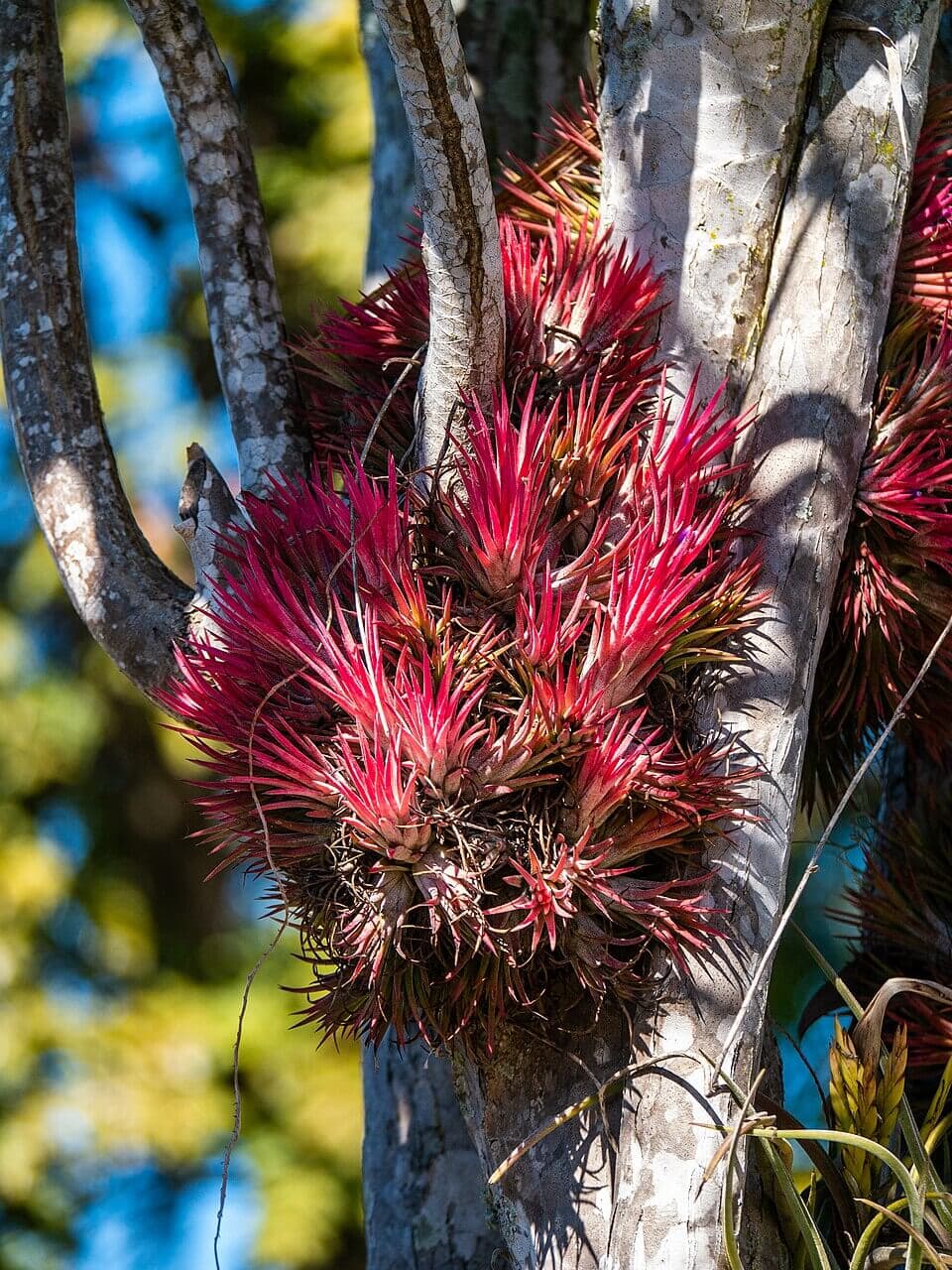
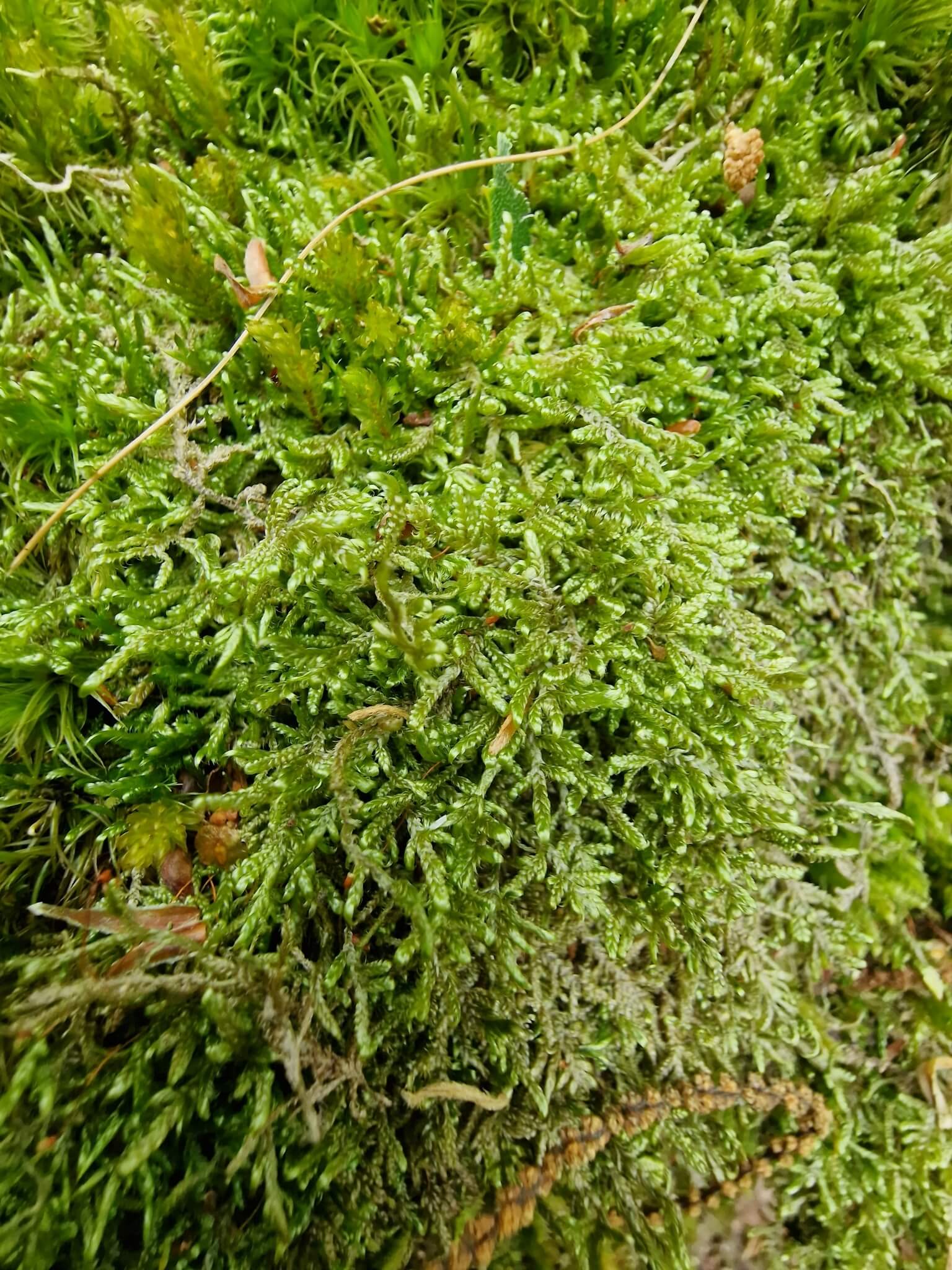
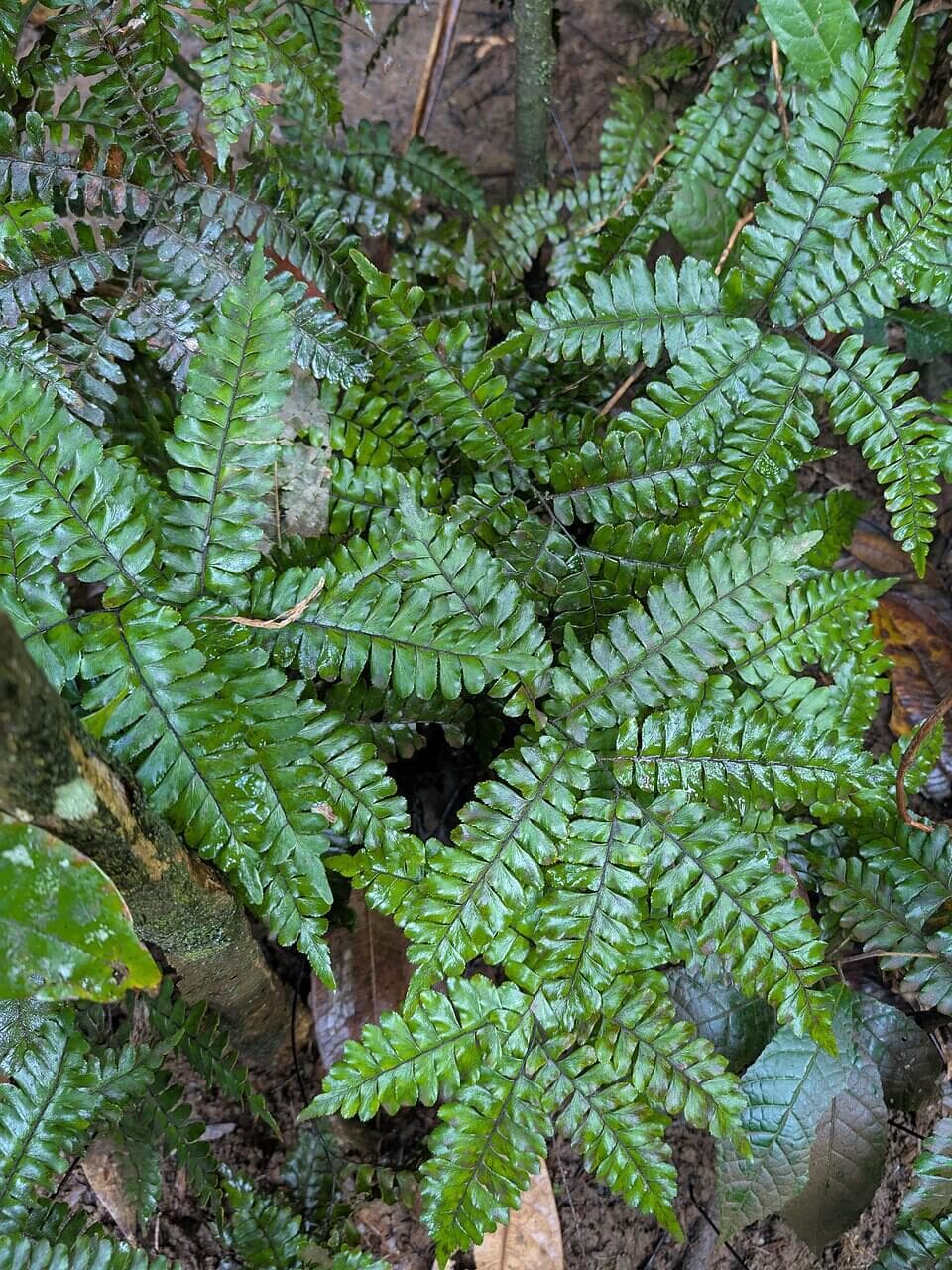
The flora is correspondingly varied. Around 23,314 native vascular plant species are documented, with roughly 11,000 endemic — close to 50 percent endemism. The Cactaceae reach their global diversity peak here, with iconic genera such as Mammillaria, Echinocactus, and Ferocactus, and the columnar saguaro (Carnegiea gigantea) extending into Sonora. The agaves (Agave) and dasylirions reach their highest diversity in Mexico too. The temperate highlands carry one of the richest pine-oak forests on Earth, with more than 160 Quercus species and over 50 Pinus species. The Sierra Madre Oriental and Sur hold the country's bosque mesófilo de montaña — montane cloud forest, dense in epiphytic orchids, bromeliads, ferns, and Peperomia. The Pacific slope is tropical dry forest, dominated by Bursera and other drought-deciduous trees. Southern Chiapas and Tabasco hold remnants of the Lacandon rainforest.
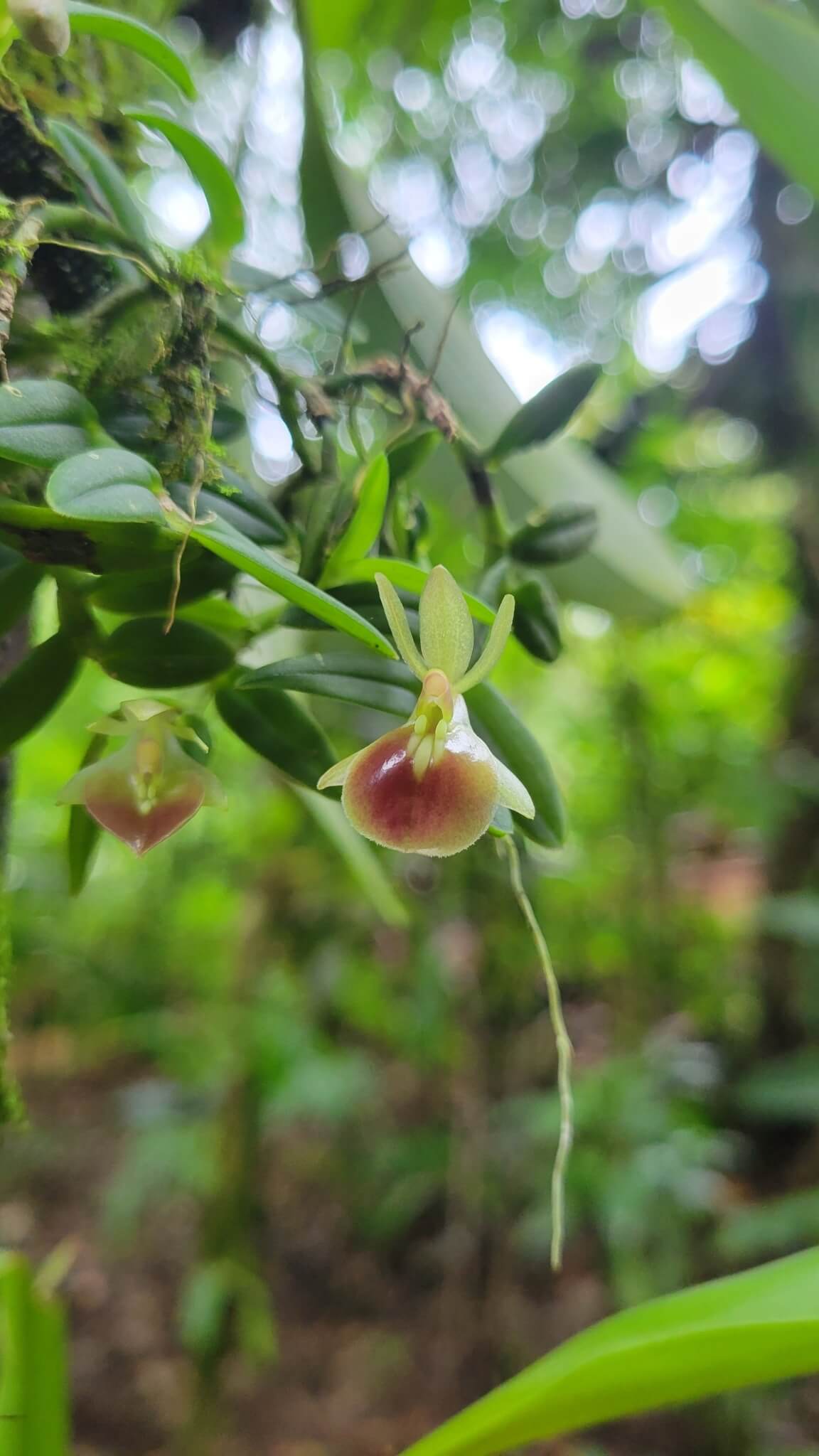
The Verdarium catalogue currently tags thirty-seven species here, the most of any TDWG region in the Americas. The list includes Mexican signatures such as the parlour palm Chamaedorea elegans, the eyelash begonia Begonia bowerae, the orchid cactus Epiphyllum oxypetalum, and the orchids Masdevallia floribunda and Epidendrum porpax, alongside many cloud-forest Peperomia, Pilea, and ferns.
Mexico City's Jardín Botánico (UNAM) and the Instituto de Biología are the leading institutions for native plant research, and the country's network of biosphere reserves protects much of this diversity in situ.
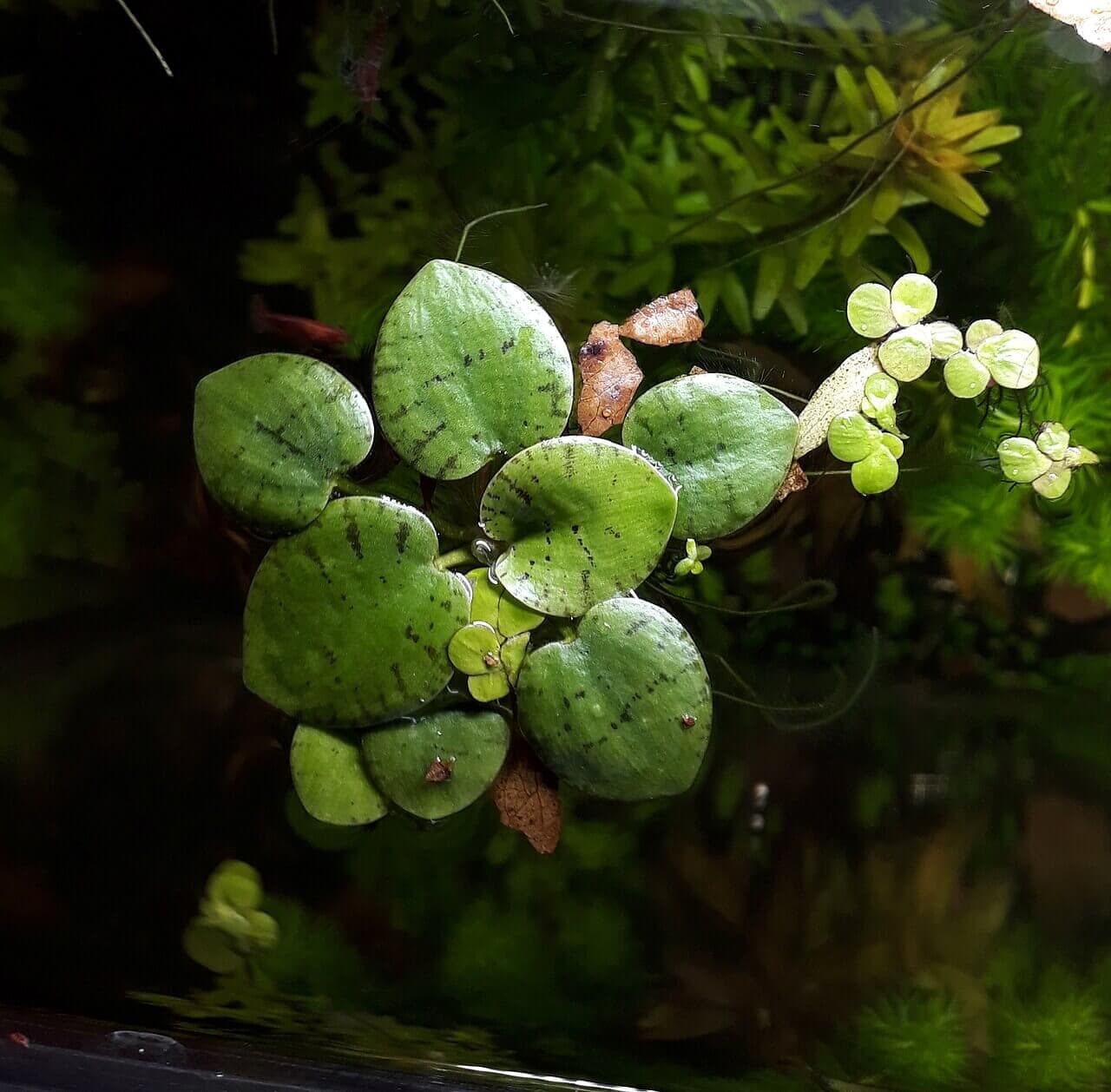
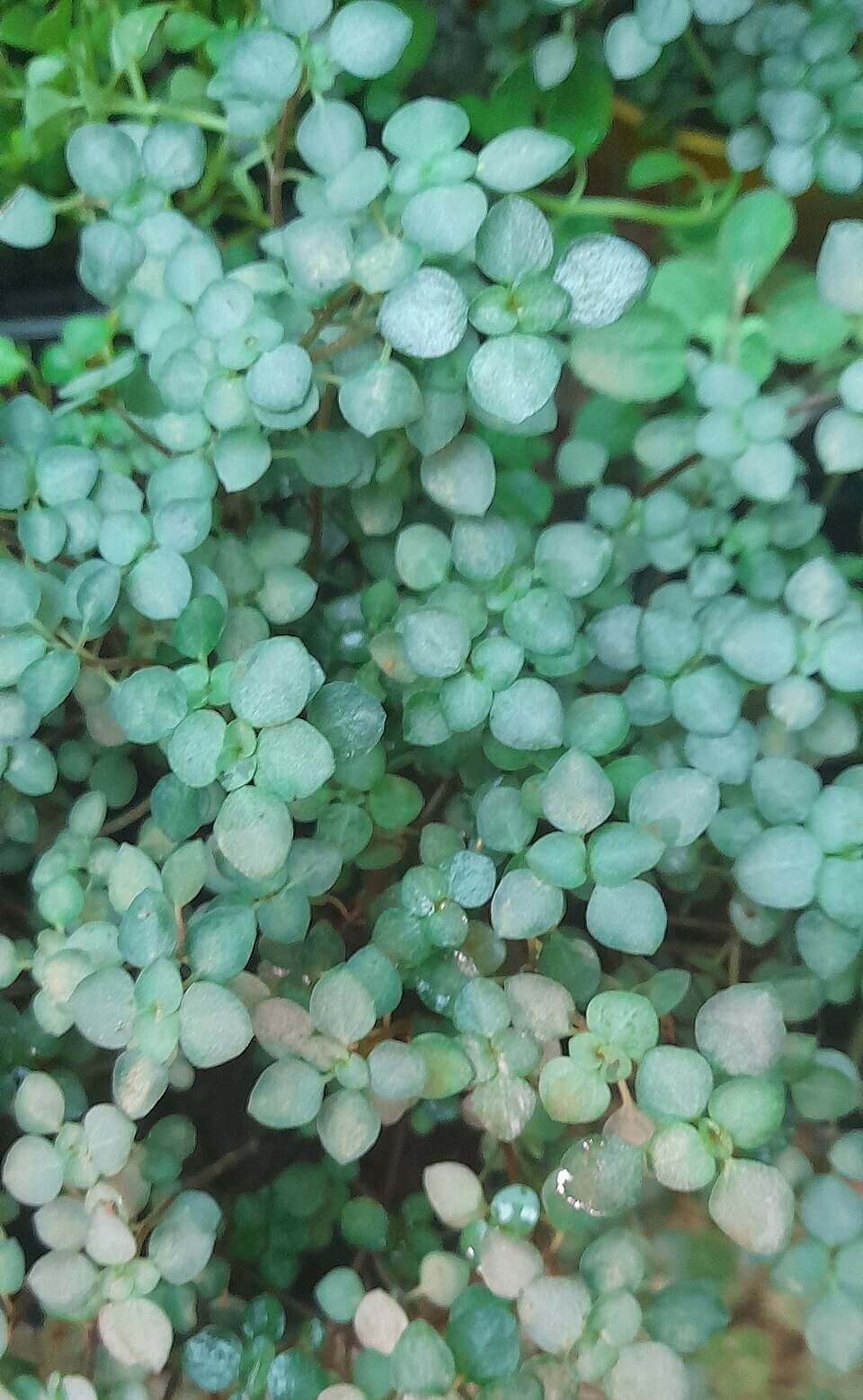
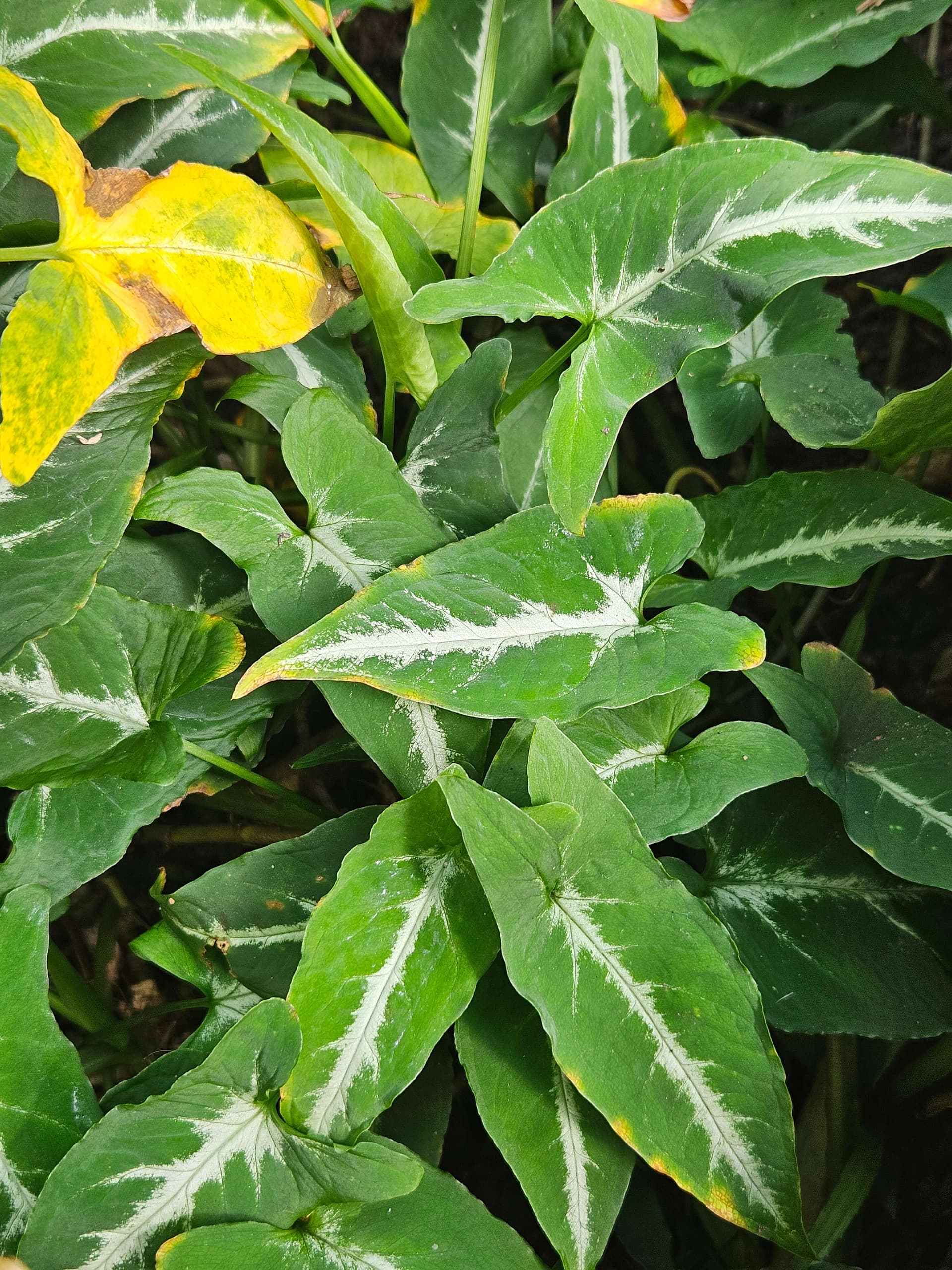
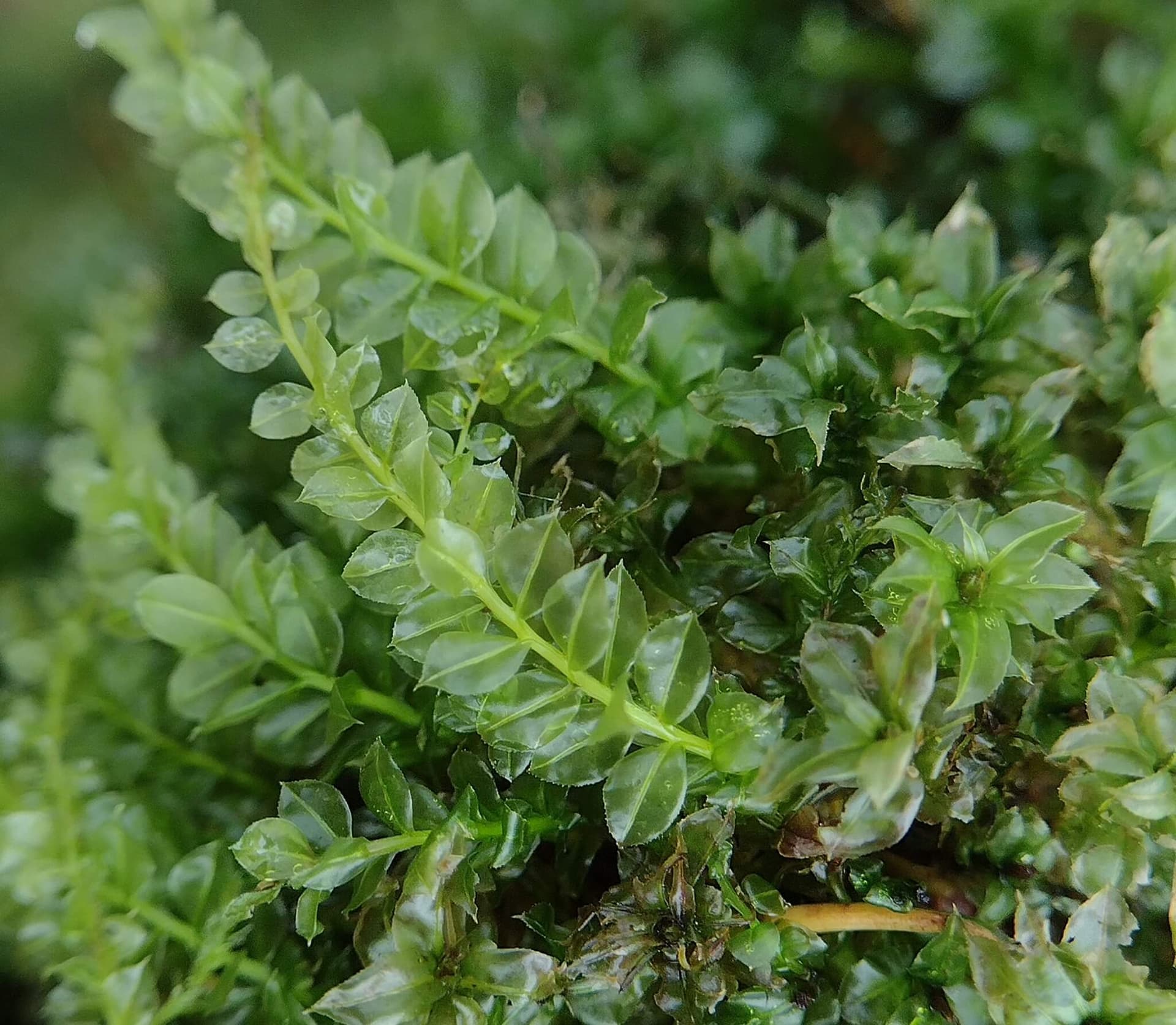
Native to Mexico
Explore plants from this region
References
- Encyclopedia BritannicaGeography, climate, mountain systems, area, and Pico de Orizaba elevation.
- Kew POWOUsed to confirm characteristic genera (Agave, Mammillaria, Echinocactus, Bursera, Chamaedorea, Begonia bowerae, Quercus, Pinus).
- ScienceDirectVillaseñor (2016), Checklist of the native vascular plants of Mexico — 23,314 species, 11,001 endemic (~50%).
- WikipediaMegadiverse-country status and biome overview.
- WikipediaConfirms 5,610 m as the national high point (Citlaltépetl).
- TDWG WGSRPDTDWG Level 3 table — region 79 contains the Level 3 units for the Mexican states.