Asia-Tropical · TDWG Level 2
Malesia
Malesia covers the equatorial island world from Peninsular Malaysia and Sumatra through Borneo, Java, Sulawesi, and the Philippines — one of the richest plant regions on Earth, with dipterocarp rainforest, montane cloud forest, and tens of thousands of endemic species.
Malesia spans the equatorial island archipelago between mainland Asia and Australia — Peninsular Malaysia and Singapore, Sumatra, Java, Borneo, the Lesser Sundas, Sulawesi, the Moluccas, and the Philippines. Most of the region sits below 1,000 metres, but volcanoes lift parts of it well above the canopy. Mount Kinabalu in Borneo at 4,095 metres is the regional high point, with Sumatran Kerinci (3,805 m), Lombok's Rinjani (3,726 m), Javanese Semeru (3,676 m), and Philippine Apo (2,954 m) shaping their respective islands.
The climate is equatorial and consistently wet, though the eastern Lesser Sundas carry a marked monsoon dry season. Lowland forest is dominated by Dipterocarpaceae — Dipterocarpus, Shorea, Hopea, Dryobalanops — producing the buttressed giants that define Bornean and Sumatran rainforest. White-sand soils carry stunted kerangas heath forest, while coastal lowlands sit under peat swamp and mangrove. Above about 1,500 metres the forest shifts into montane and then mossy cloud forest, with epiphytes on every branch.
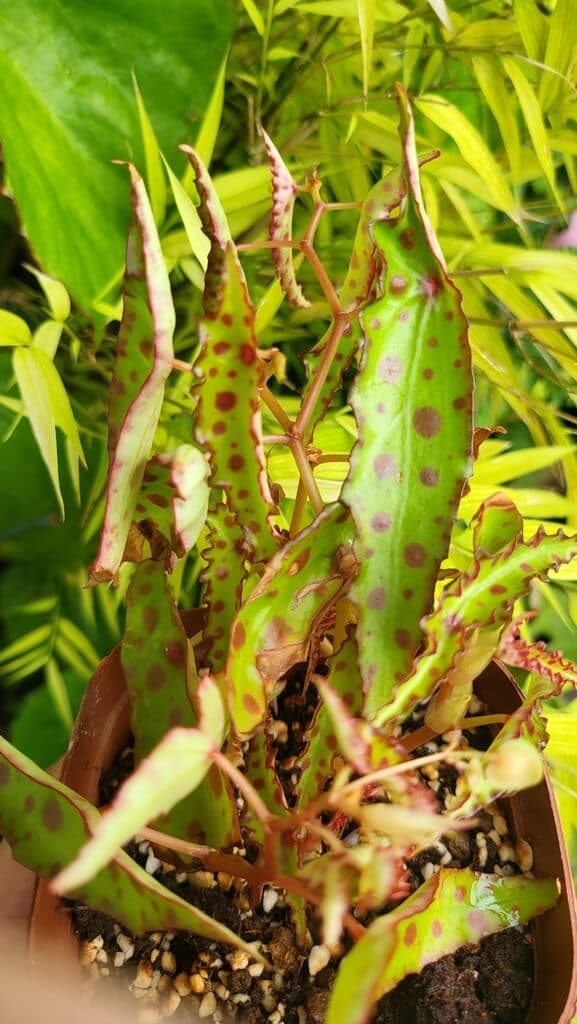
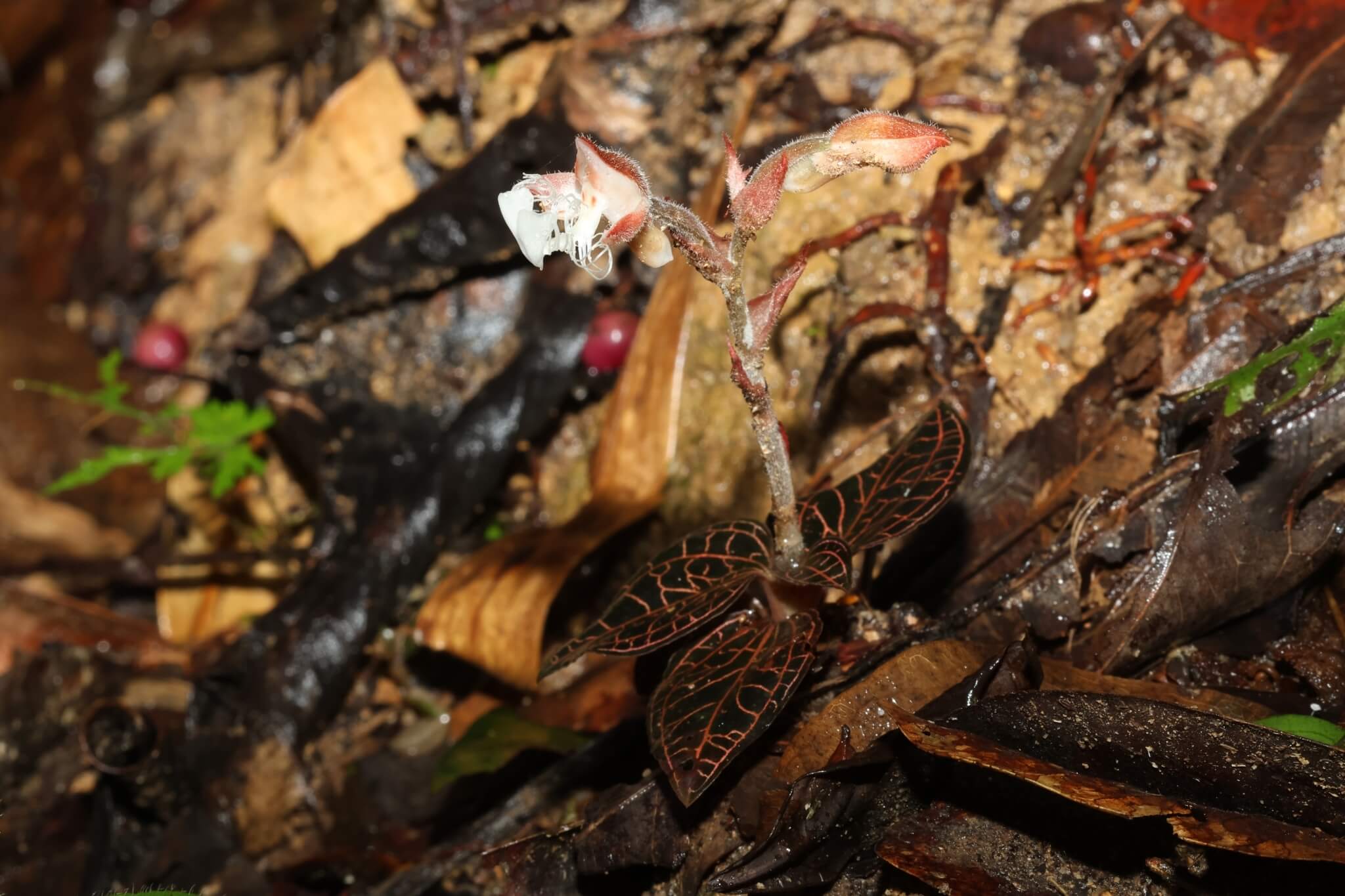
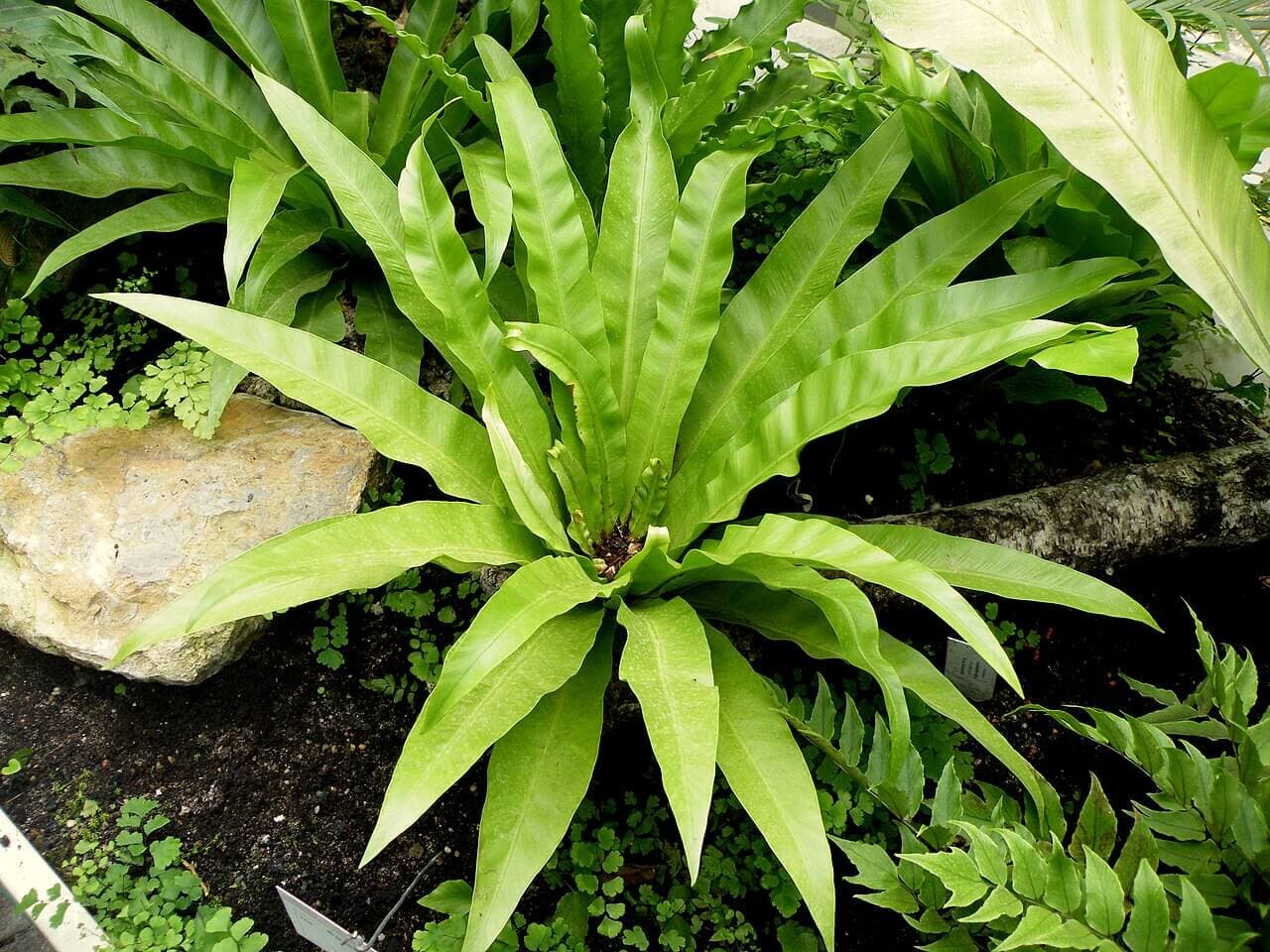
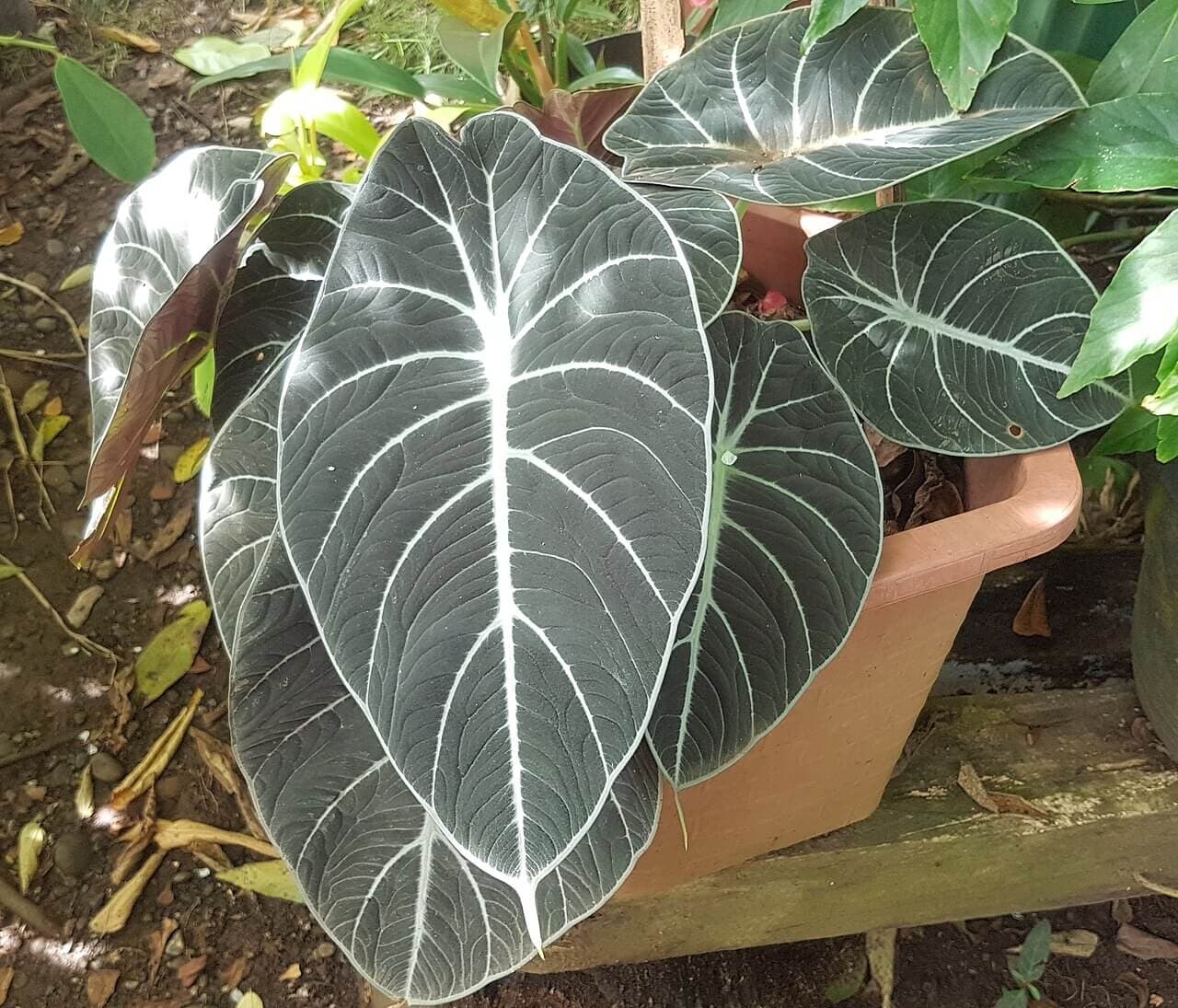
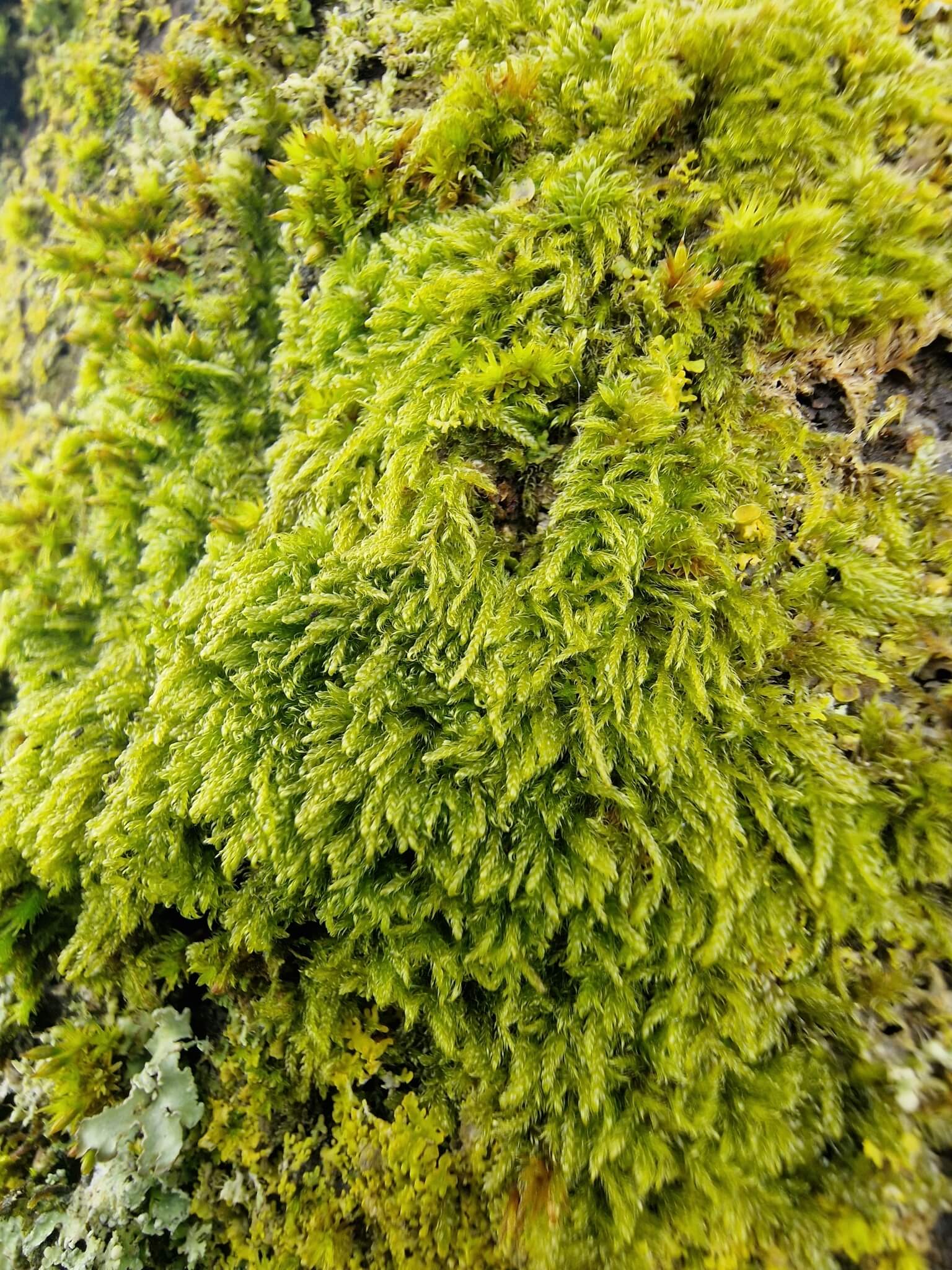
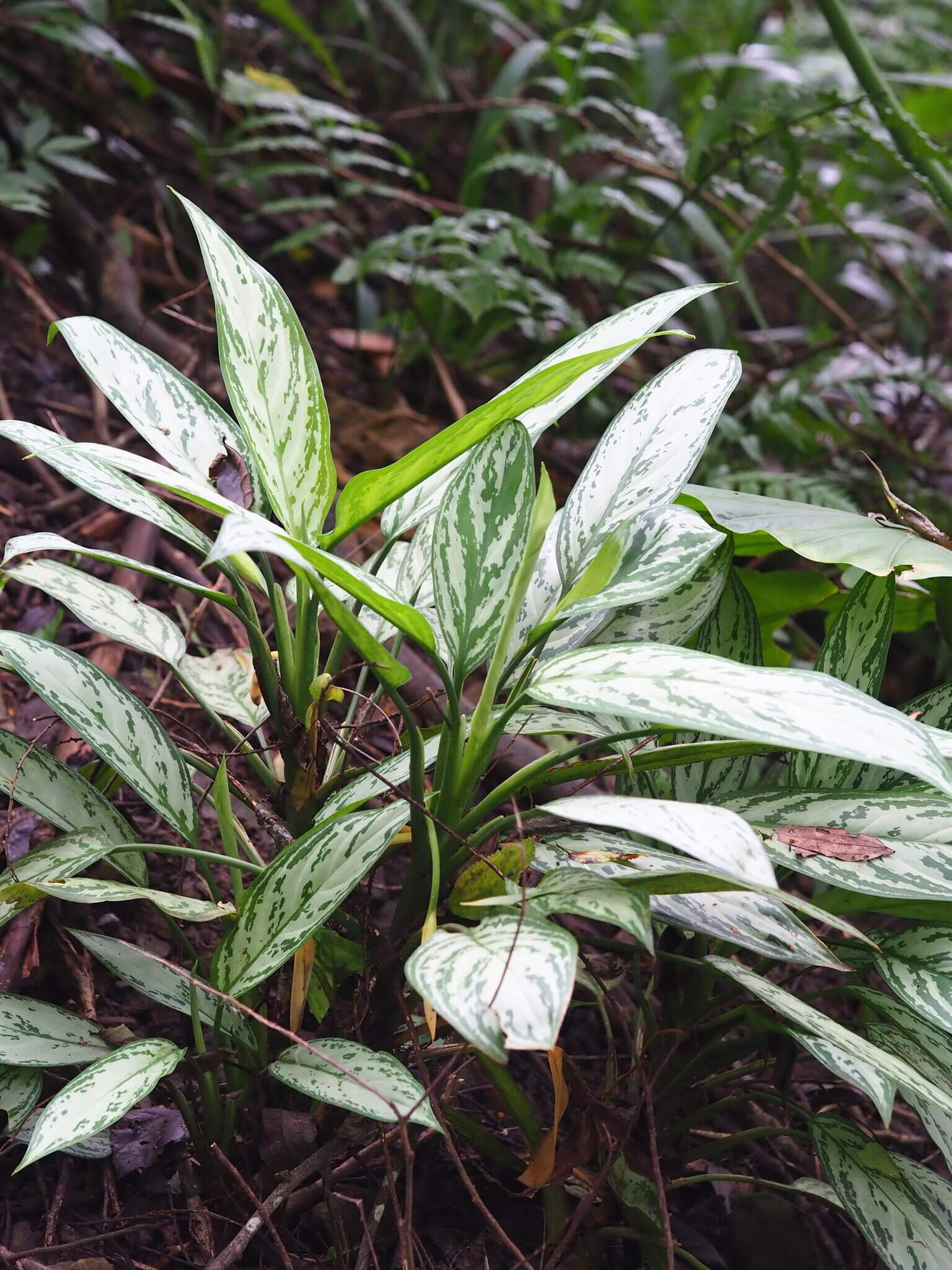
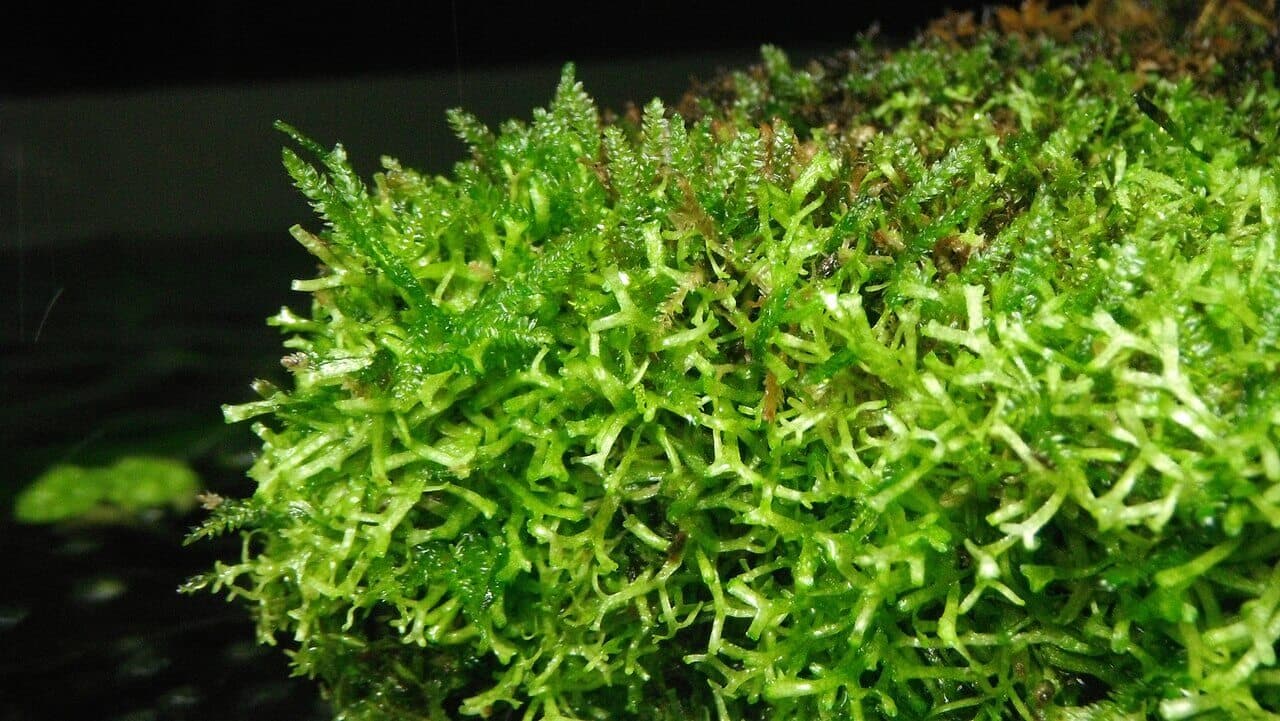
Malesia is one of the planet's top plant-diversity centres. Borneo alone holds an estimated 15,000 vascular plant species, several thousand endemic. Orchidaceae reaches another diversity peak here, with Bulbophyllum, Dendrobium, Coelogyne, Phalaenopsis, Paphiopedilum, and the jewel orchids Macodes and Anoectochilus. Nepenthaceae — the pitcher plants — radiate across Borneo, Sumatra, and the Philippines into more than 100 species, including the giants of Kinabalu. Araceae provides a long list of familiar terrarium genera (Alocasia, Aglaonema, Schismatoglottis, Homalomena, Bucephalandra), while Gesneriaceae (Aeschynanthus, Cyrtandra) and Begoniaceae radiate across limestone karst and forest understories. Many widely-grown terrarium plants come straight from these islands — Begonia amphioxus, Alocasia reginula, Macodes petola, Medinilla magnifica, the Javanese Vesicularia 'Java moss', Aglaonema commutatum, and Hoya heuschkeliana.
The Moluccas were the original Spice Islands — the only source of cloves (Syzygium aromaticum) and nutmeg (Myristica fragrans) until colonial trade dispersed them. Alfred Russel Wallace's 1850s biogeographic work, which produced the Wallace Line between Bali and Lombok, came from this region. The botanical gardens at Bogor (Java, 1817) and Singapore (1859, UNESCO) remain central reference points for the regional flora.
Native to Malesia
Explore plants from this region
References
- WikipediaTDWG WGSRPD identification for level-2 code 42 Malesia under parent Asia-Tropical (4); sub-units Borneo, Jawa, Lesser Sunda Islands, Malaya, Maluku, Philippines, Sulawesi, Sumatera.
- WikipediaMalesia phytogeographical region — boundaries, climate, dipterocarp-dominated lowland forest, and orchid/Nepenthes diversity.
- WikipediaKinabalu peak elevation 4,095 m — highest point within TDWG region 42 Malesia.
- WikipediaWallace Line biogeographic boundary running between Bali and Lombok, and between Borneo and Sulawesi — separates Sundaic flora from Wallacean / Australasian flora.
- Encyclopedia BritannicaMaritime Southeast Asia geography, monsoon climate, and Sundaland geology.
- Kew POWORegional checklist source for Malesia (42) flora — Dipterocarpaceae, Nepenthaceae, Araceae (Alocasia, Bucephalandra, Schismatoglottis), and Bornean Begoniaceae radiation.
- One Earth BioregionsIndomalayan realm overview covering Sundaland, Philippines, and Wallacea bioregions within Malesia.