Northern America · TDWG Level 2
Eastern Canada
Eastern Canada covers Ontario, Quebec, the Atlantic provinces, and the French islands of Saint-Pierre and Miquelon — over three million square kilometres reaching from the Great Lakes to the Atlantic and north to the Arctic treeline. Boreal forest dominates, giving way to temperate deciduous forest in the south and tundra in northernmost Labrador.
Eastern Canada is the largest TDWG region in Northern America east of the Rockies, covering roughly 3.16 million square kilometres. It groups Ontario, Quebec, New Brunswick, Nova Scotia, Prince Edward Island, Newfoundland and Labrador, and the small French islands of Saint-Pierre and Miquelon. Climate is temperate overall — humid continental across most of the inland south, oceanic on the Atlantic fringe, and subarctic across the north.
The Canadian Shield sits under most of this region: ancient hard rock, thin soils, and tens of thousands of lakes. Southward, the Shield gives way to the lowland clay plains of the St. Lawrence Valley and the Great Lakes basin, where deeper soils support agriculture and dense deciduous forest. Northward, the Shield rises into the Torngat Mountains on the Labrador–Quebec border, reaching 1,652 metres at Mont D'Iberville (also called Mt. Caubvick).
Vegetation follows that gradient. Boreal forest blankets most of the region — black spruce, white spruce, jack pine, tamarack (Larix laricina), and trembling aspen — with extensive sphagnum bogs and rocky lake-edge muskeg. In the Maritimes the Acadian forest takes over, mixing red spruce (Picea rubens), eastern hemlock (Tsuga canadensis), yellow birch, sugar maple, and American beech. The St. Lawrence and lower Great Lakes lowlands hold a true temperate deciduous forest — sugar maple, beech, basswood, oak, and ash — with the southernmost tip of Ontario reaching the Carolinian zone, where southern species like cucumber magnolia (Magnolia acuminata) and shagbark hickory just creep across the border. North of the treeline, in Ungava and northern Labrador, tundra communities take over.
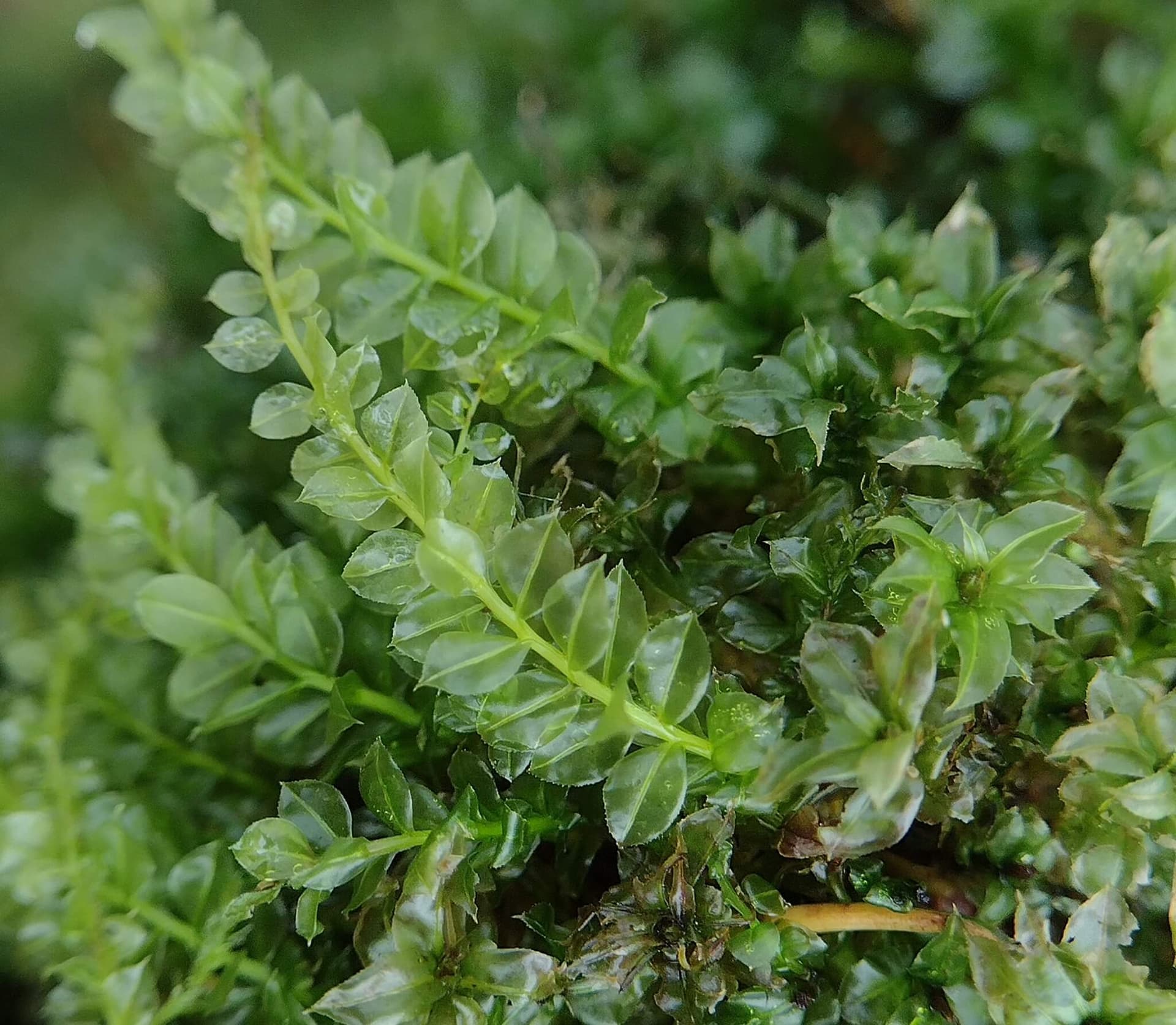
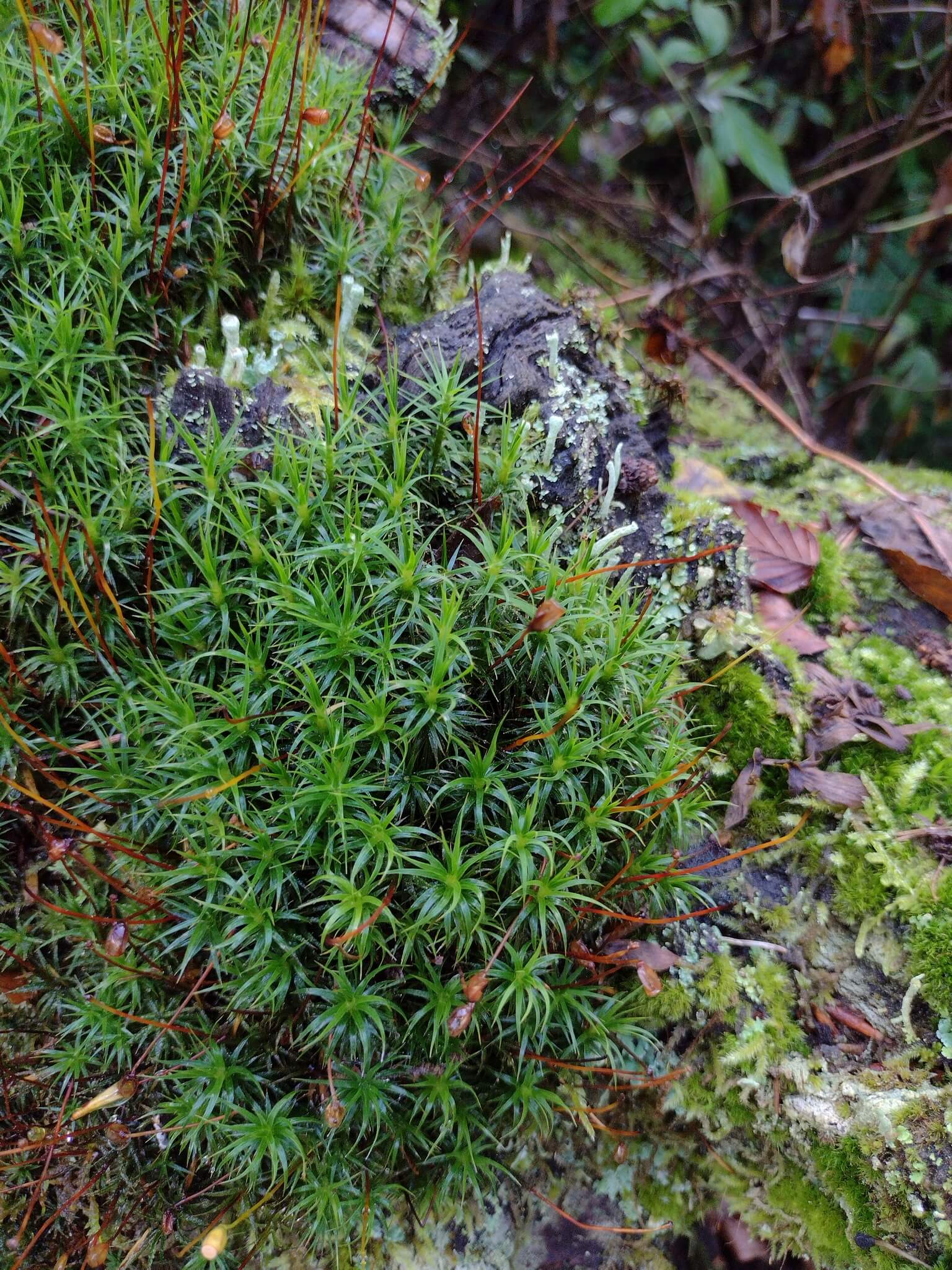
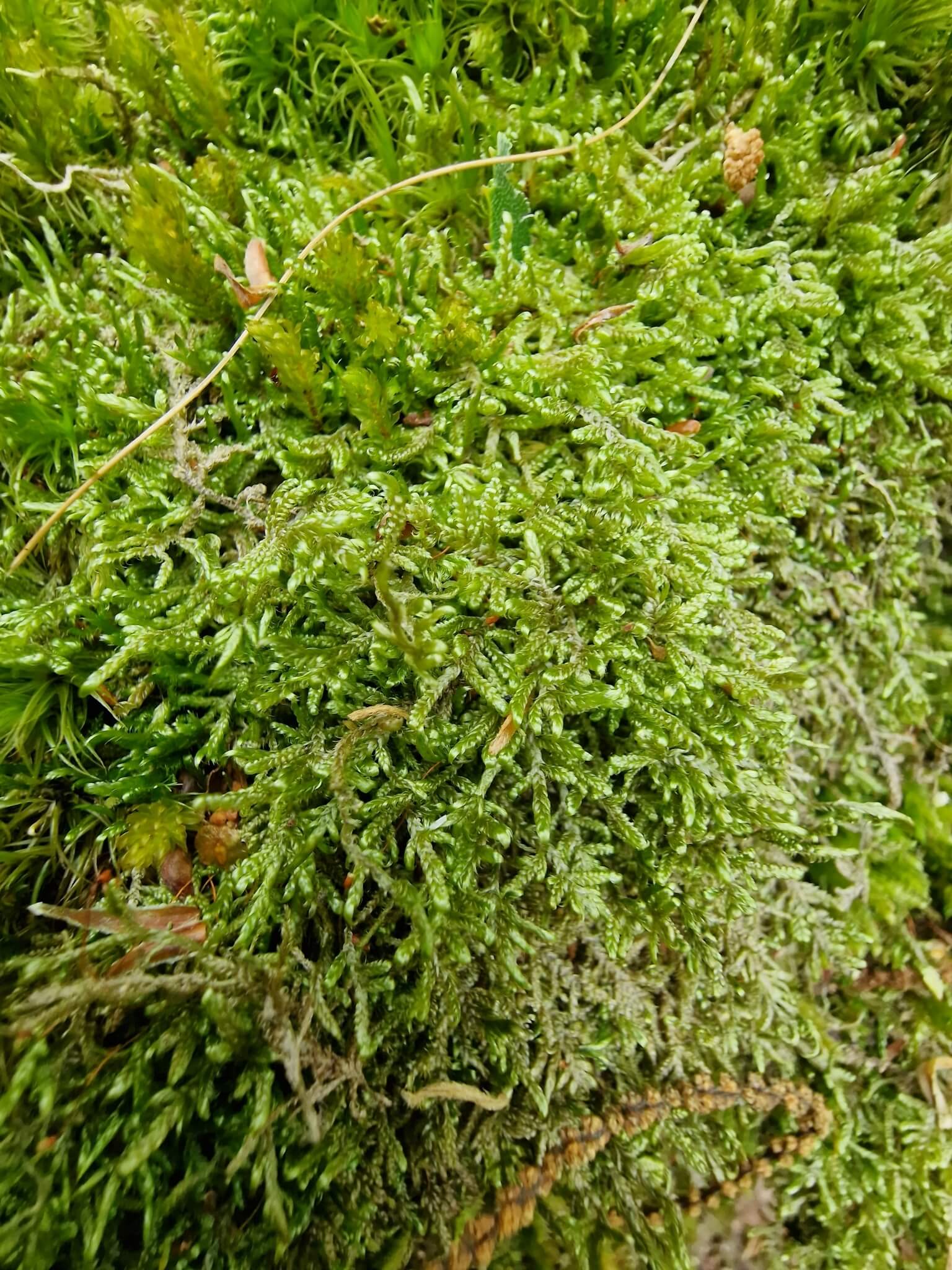
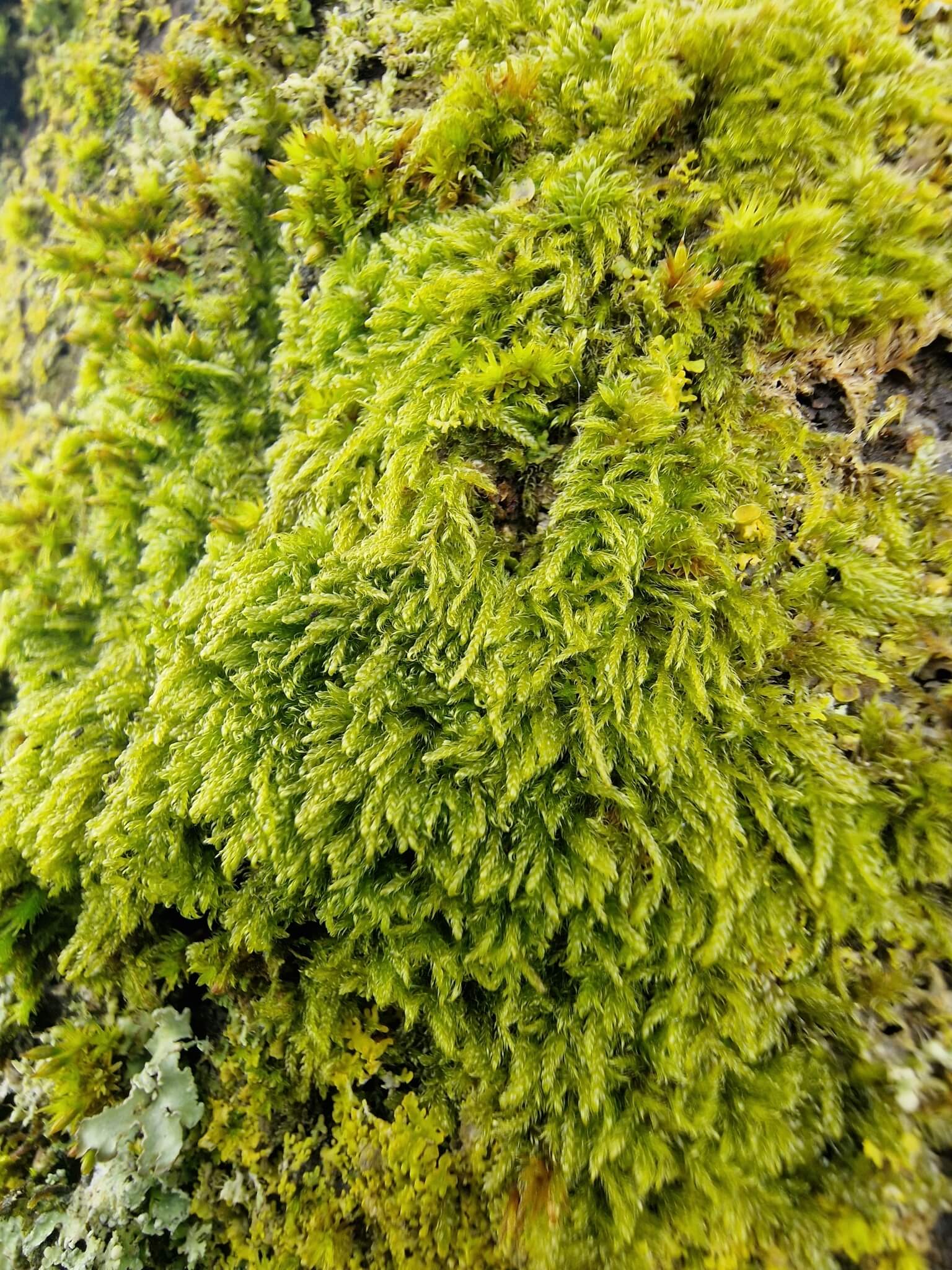
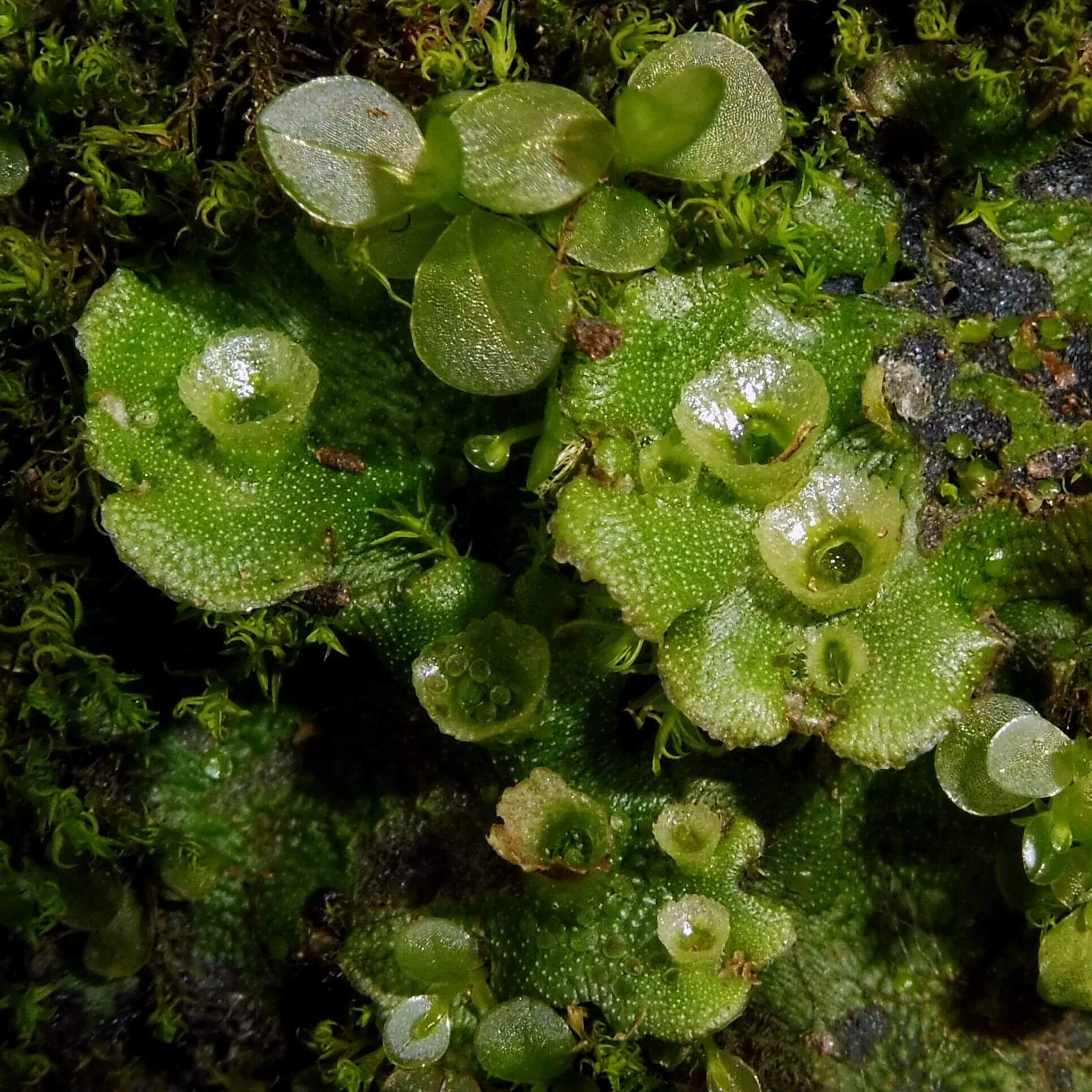
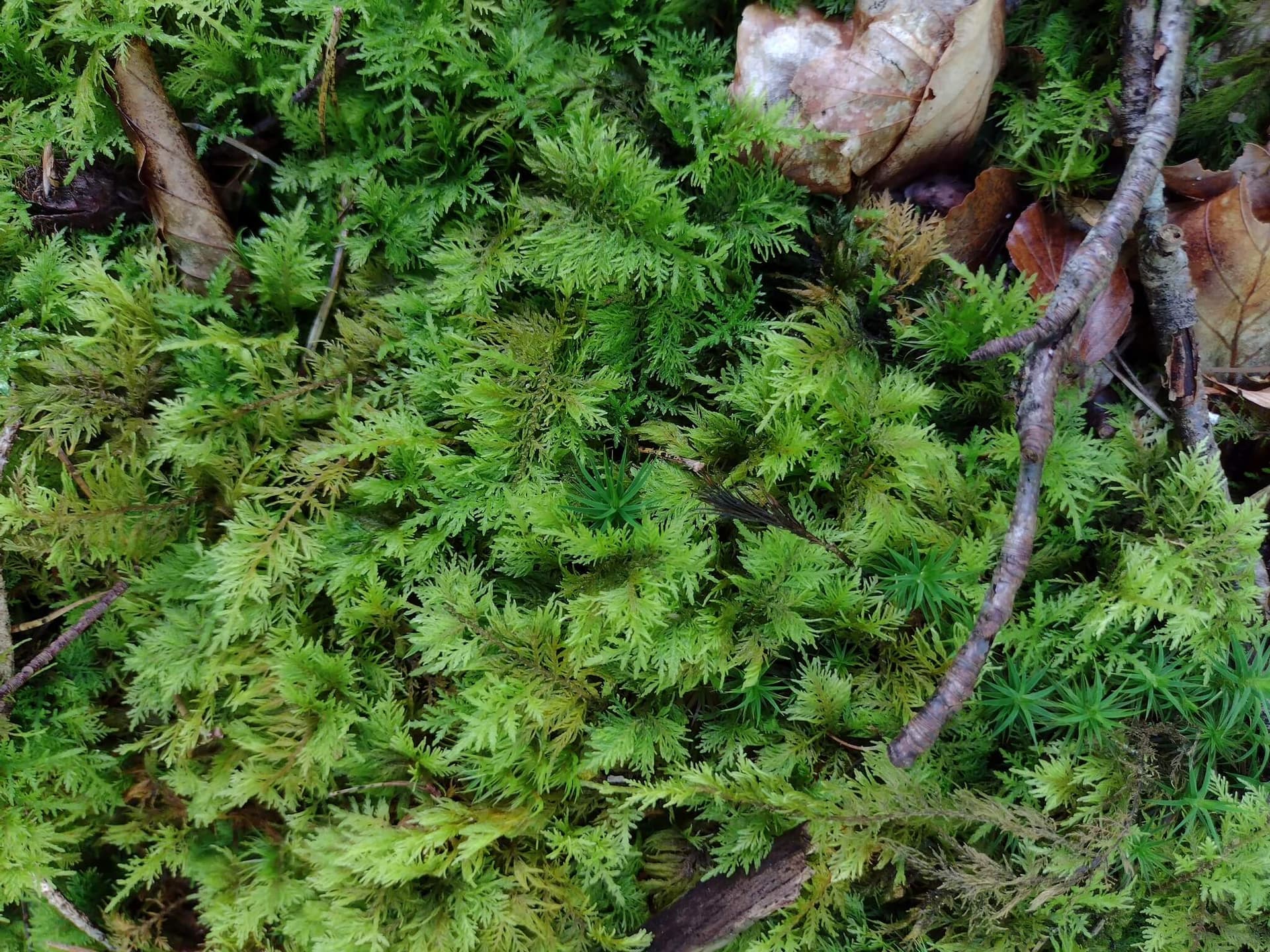
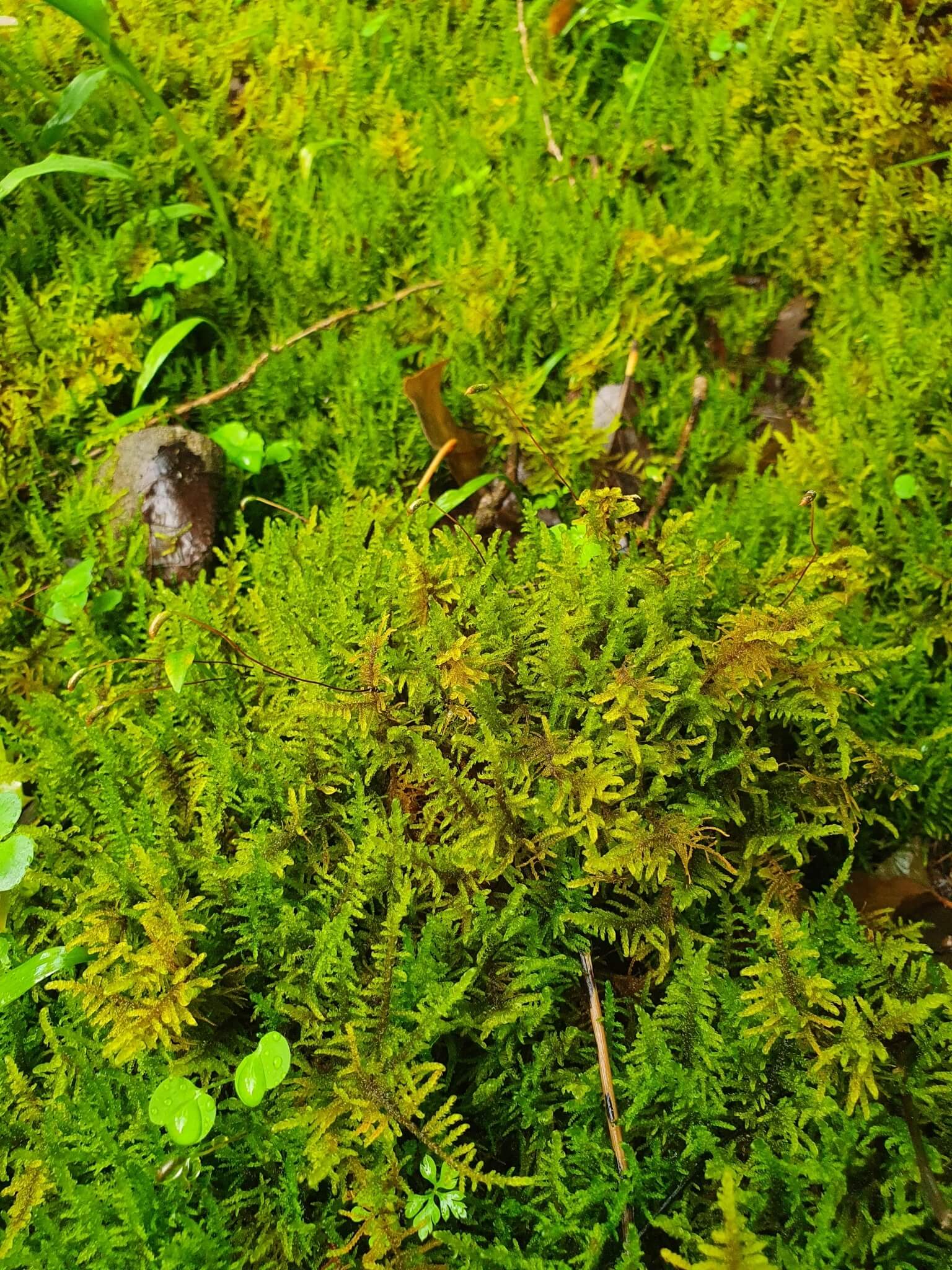
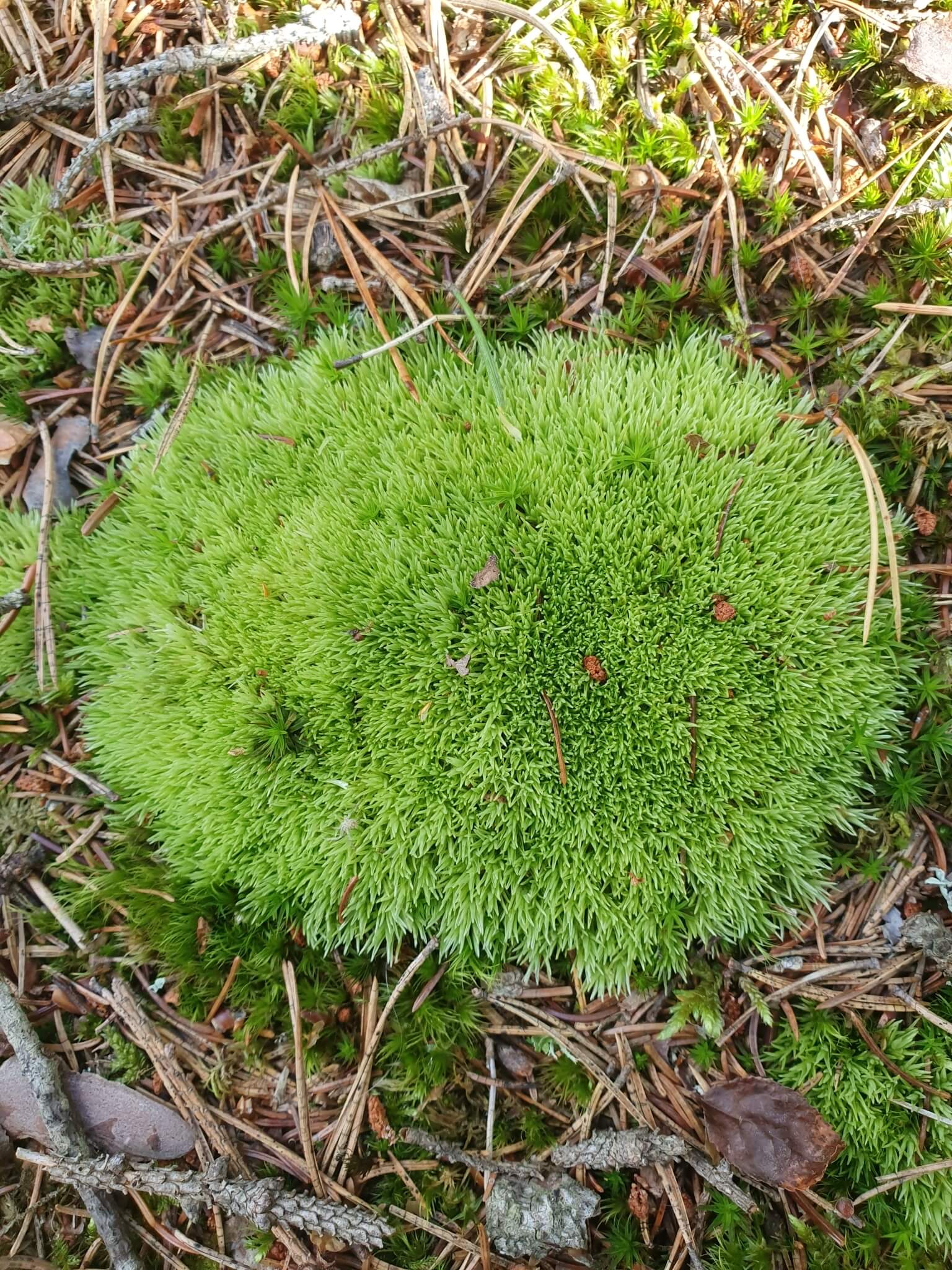
Mosses are abundant throughout. The Verdarium catalogue currently has twenty-one species tagged here, all of them circumboreal bryophytes — Hylocomium splendens, Pleurozium schreberi, Dicranum scoparium, and many others — along with the aquatic Spirodela polyrhiza. None are regional endemics; all range across the cold Northern Hemisphere.
Quebec produces roughly seventy percent of the world's maple syrup, and the sugar bushes that feed that industry are themselves a botanical signature of the region. Major institutions include the Montreal Botanical Garden and the Royal Botanical Gardens at Hamilton, Ontario.
Native to Eastern Canada
Explore plants from this region
References
- Encyclopedia BritannicaGeography and climate baseline for Ontario and the Great Lakes lowlands.
- Encyclopedia BritannicaQuebec geography, climate, and the Canadian Shield context.
- Kew POWOUsed to confirm characteristic genera (Acer, Picea rubens, Tsuga canadensis, Magnolia acuminata).
- WikipediaConfirms 1,652 m as the regional maximum (Torngat Mountains, Labrador–Quebec border).
- WikipediaTDWG WGSRPD scheme — confirms member botanical countries of region 72 (LAB, NBR, NFL, NSC, ONT, PEI, QUE, SPM).