Humidity: High → Very High
Epiphyte Wall
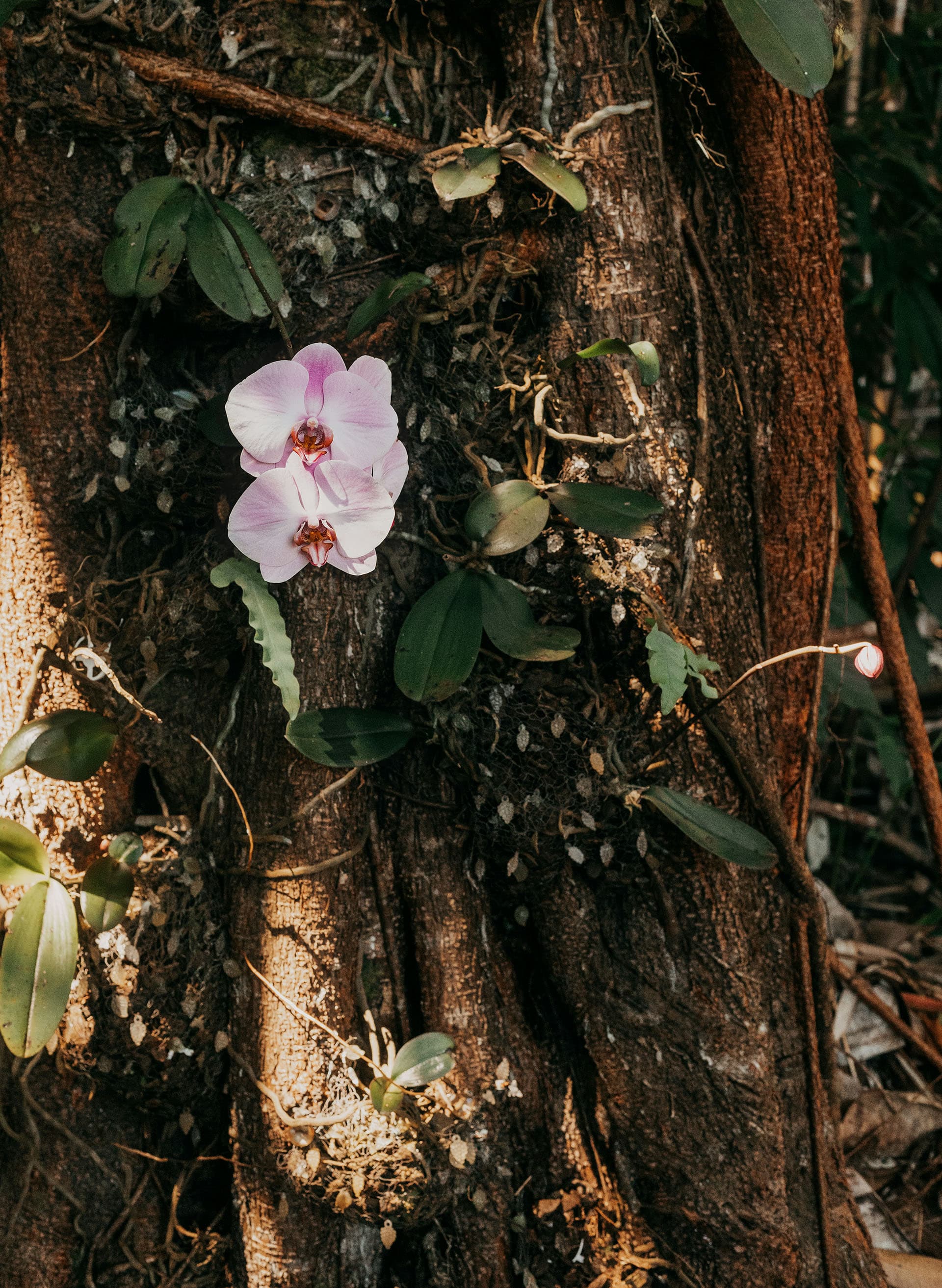
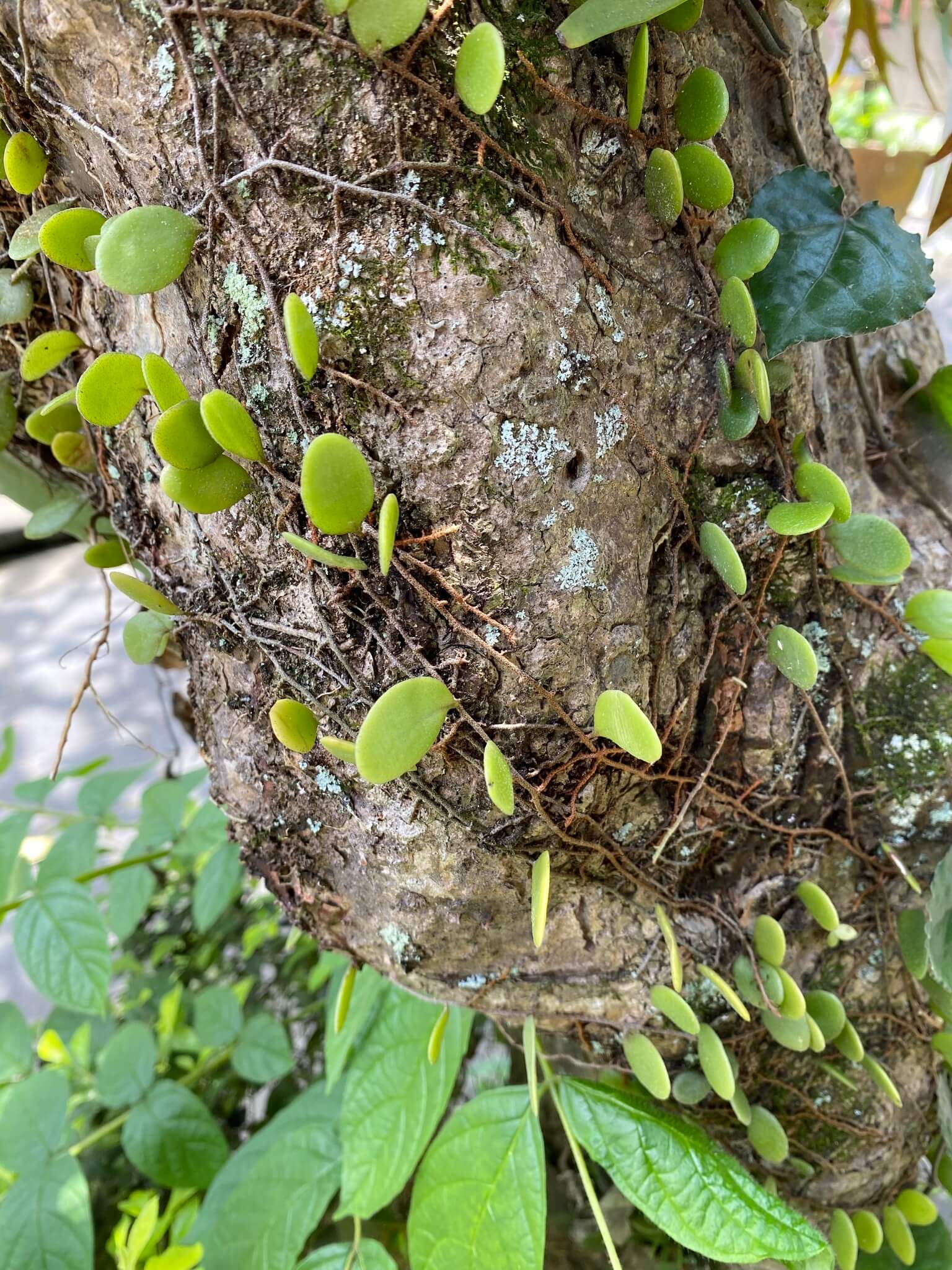
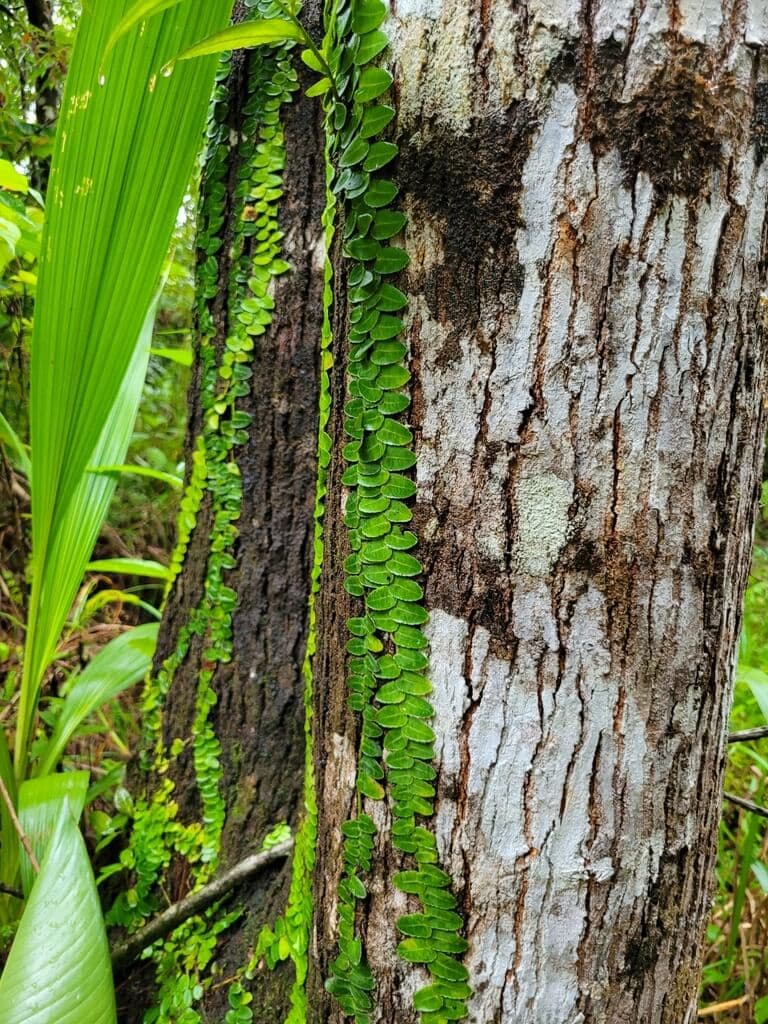
Epiphyte Wall draws on the way plants grow on tree trunks, cliff faces, and bark surfaces in tropical forests — anchored to wood and stone rather than rooted in soil. The terrarium look is vertical and structural, built around cork-bark mounting with miniature orchids, climbing ferns, and small leafy vines.
Epiphyte Wall takes its cue from the way plants grow on tree trunks, cliff faces, and bark surfaces throughout the tropical forest canopy — anchored to wood or stone rather than rooted in soil. The build is vertical and structural: a back wall of cork bark, lichen-covered branches, and weathered driftwood, with most of the planting mounted onto those surfaces rather than into substrate. The floor stays relatively bare, and the visual centre of gravity sits at viewing height rather than at the base.
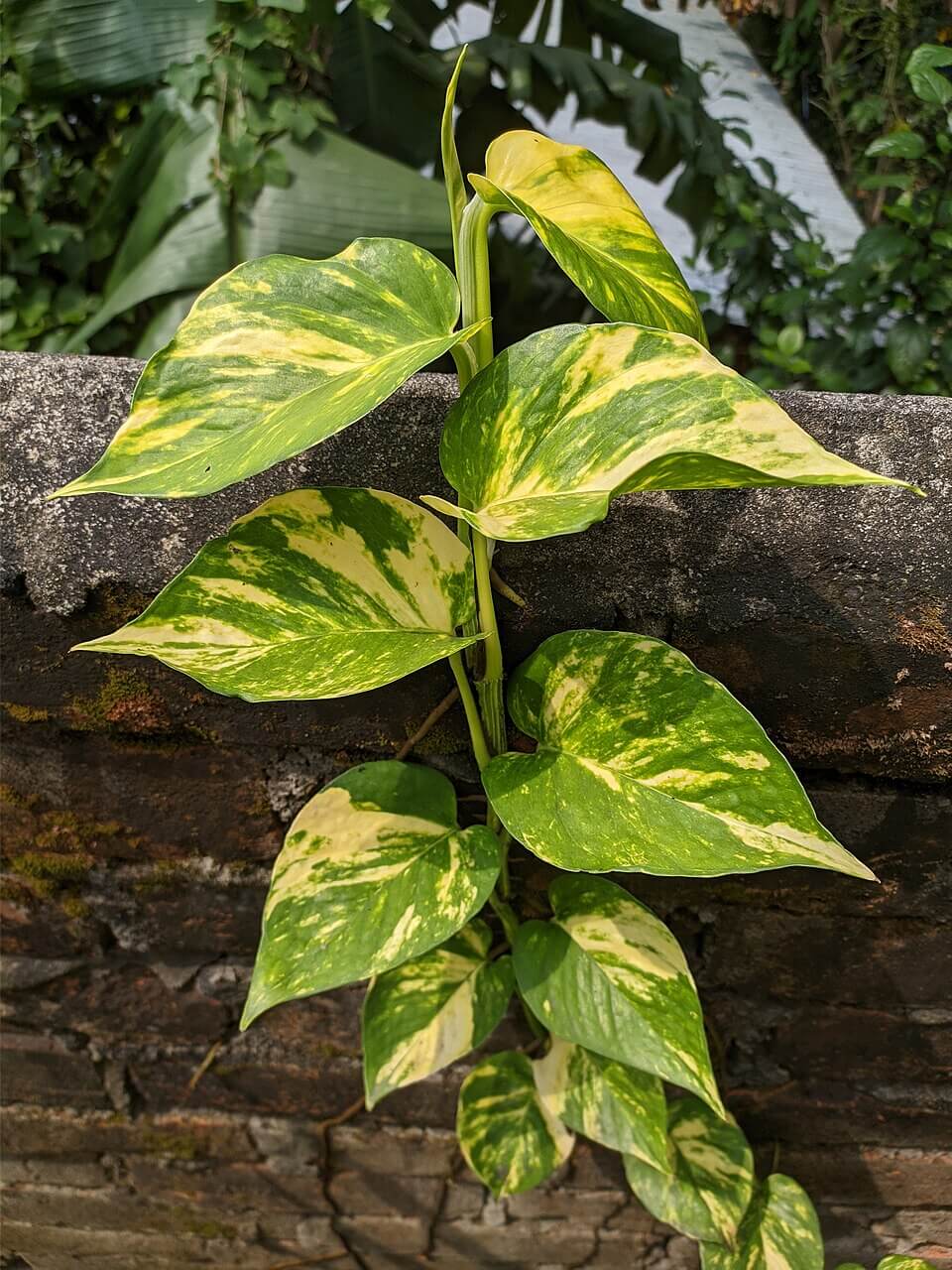
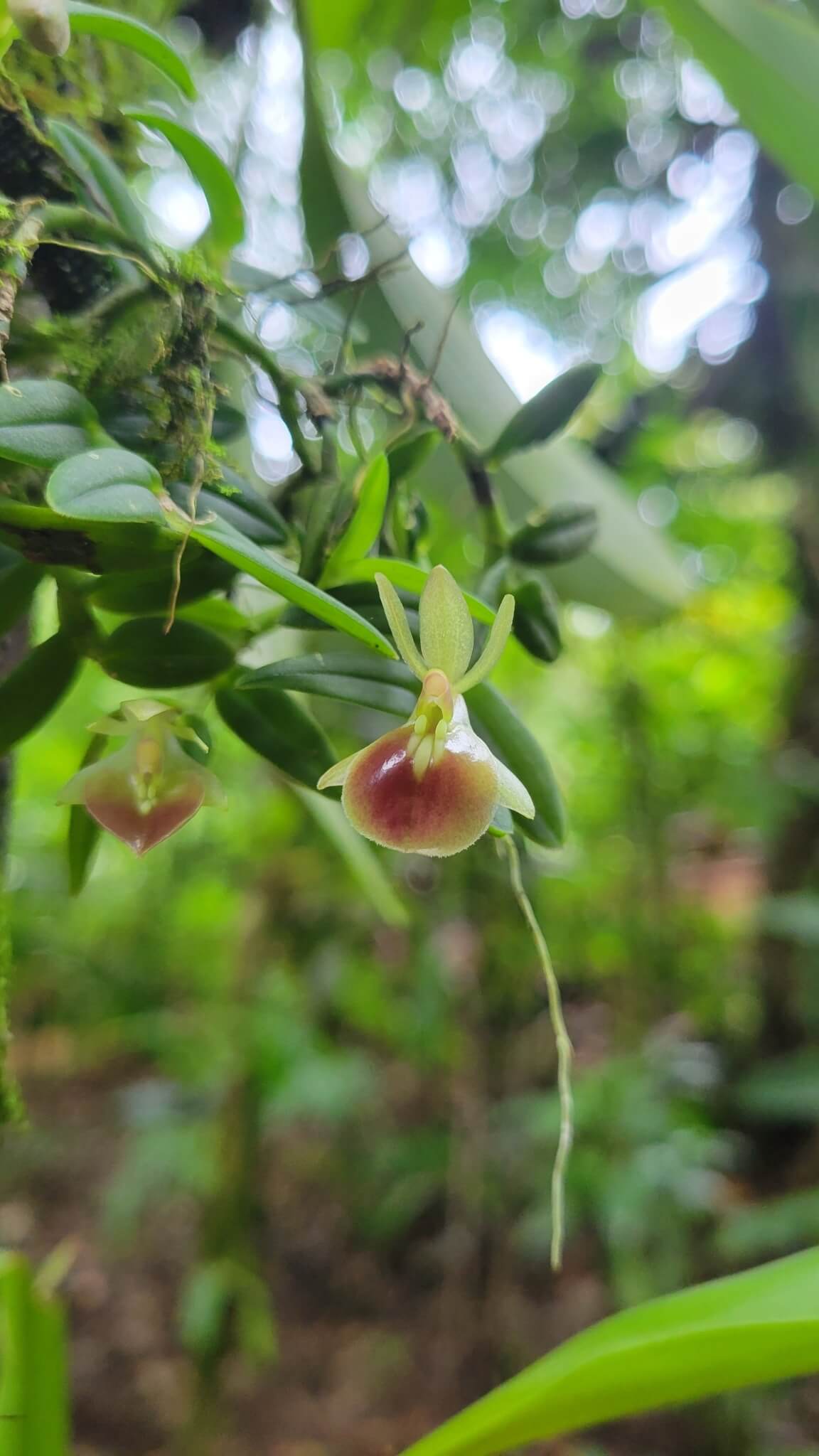
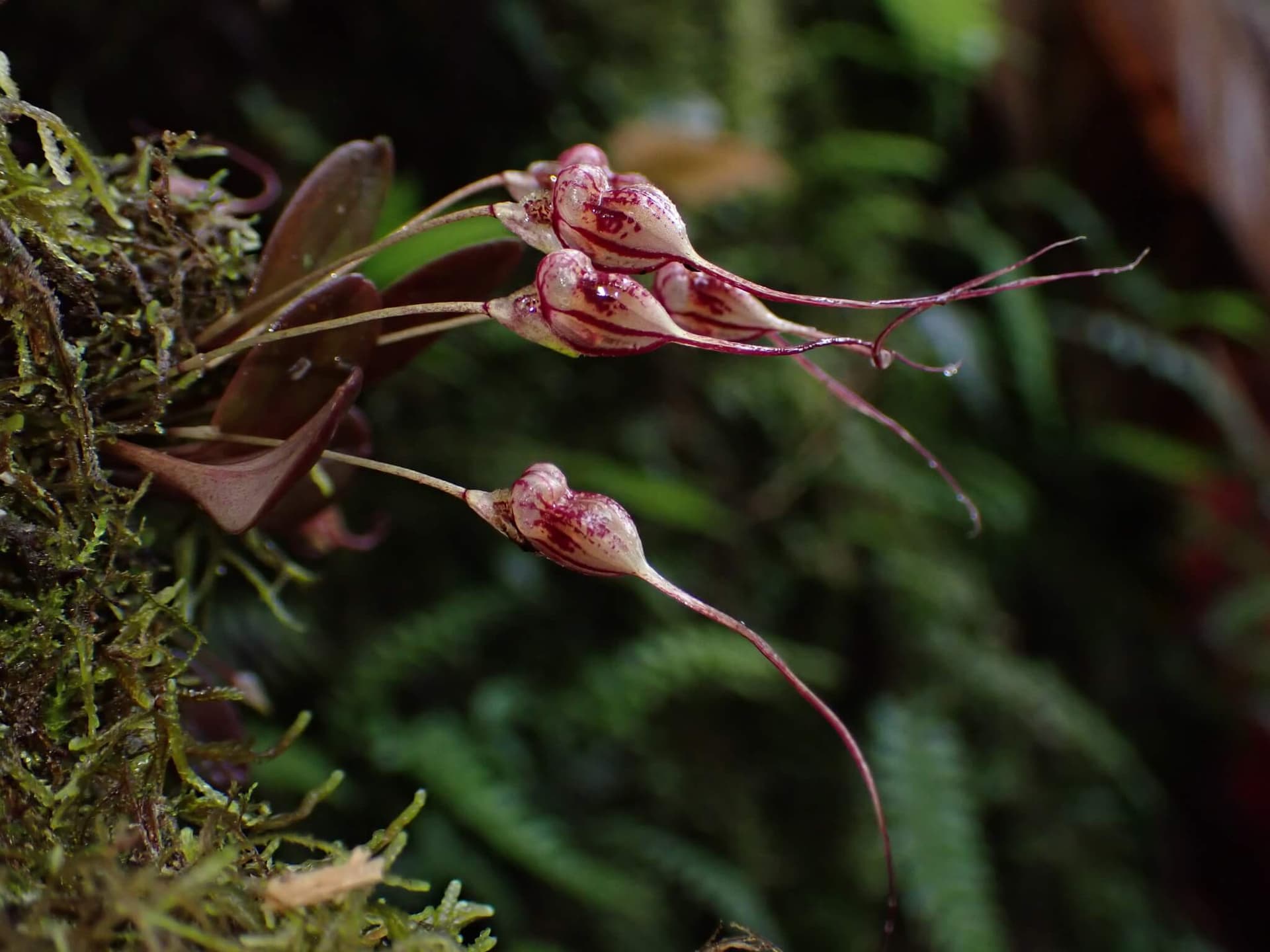
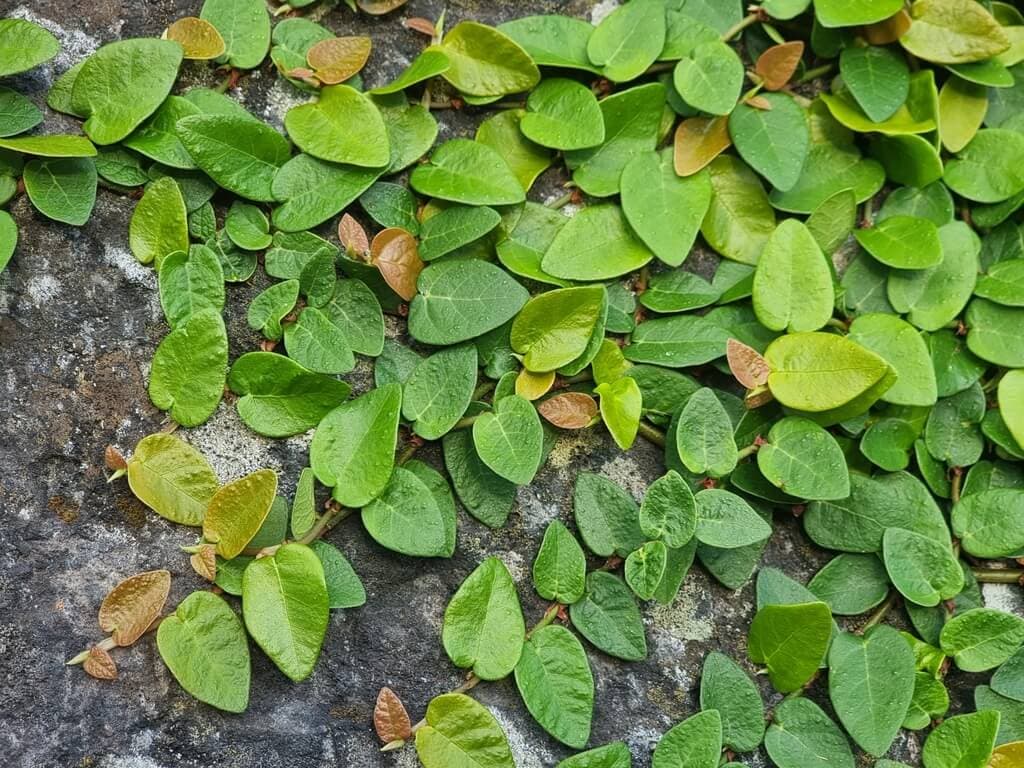
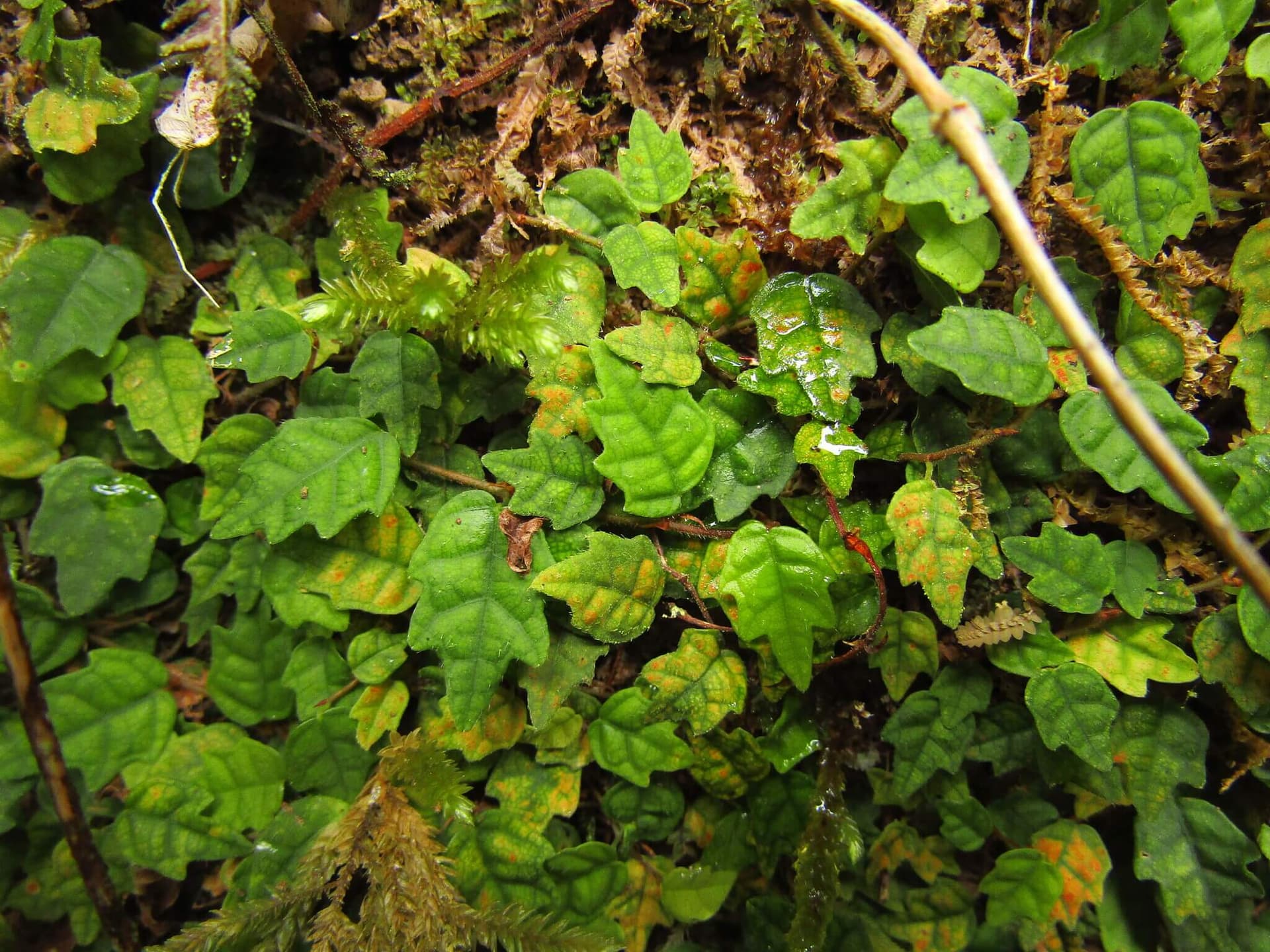
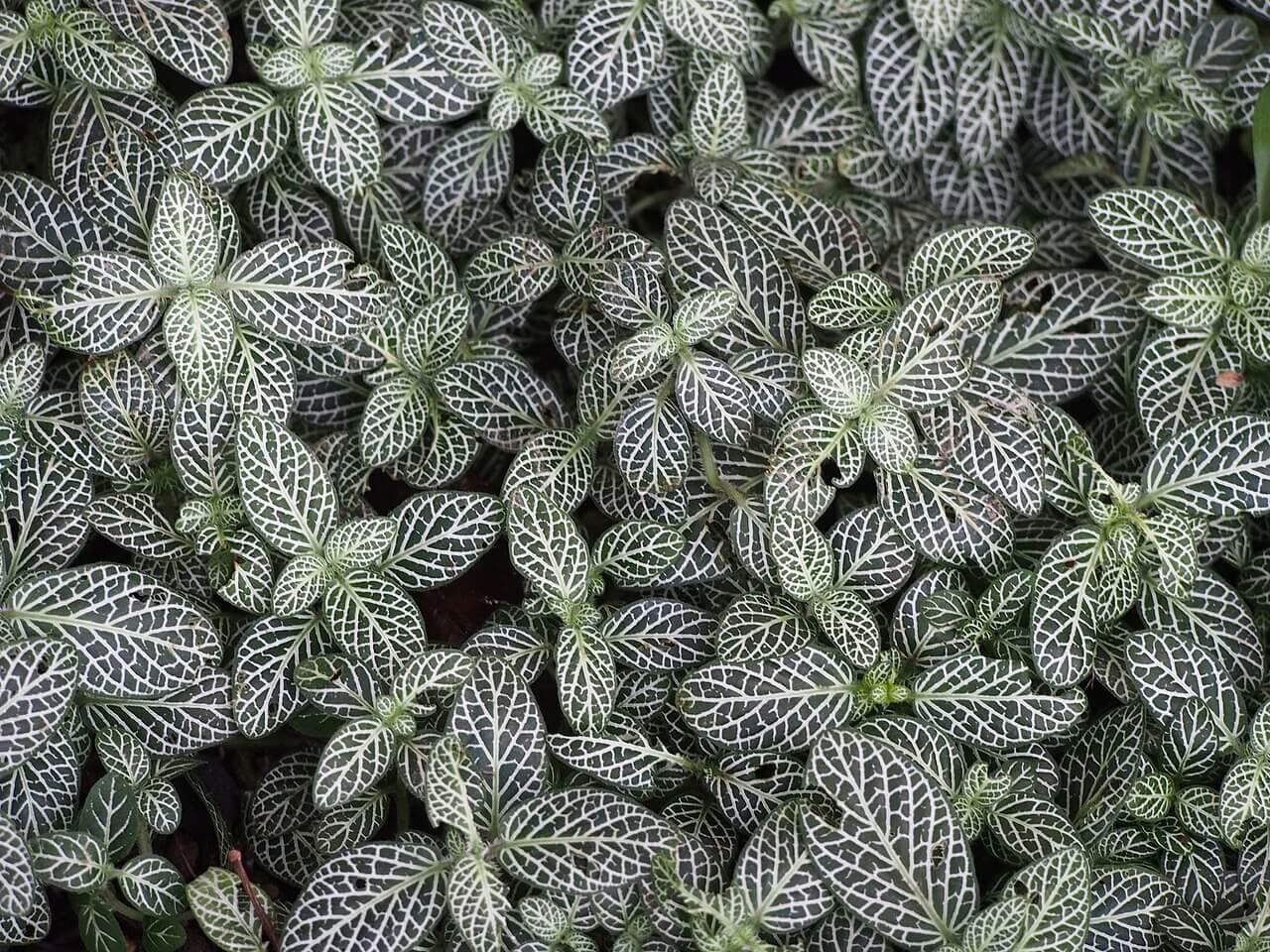
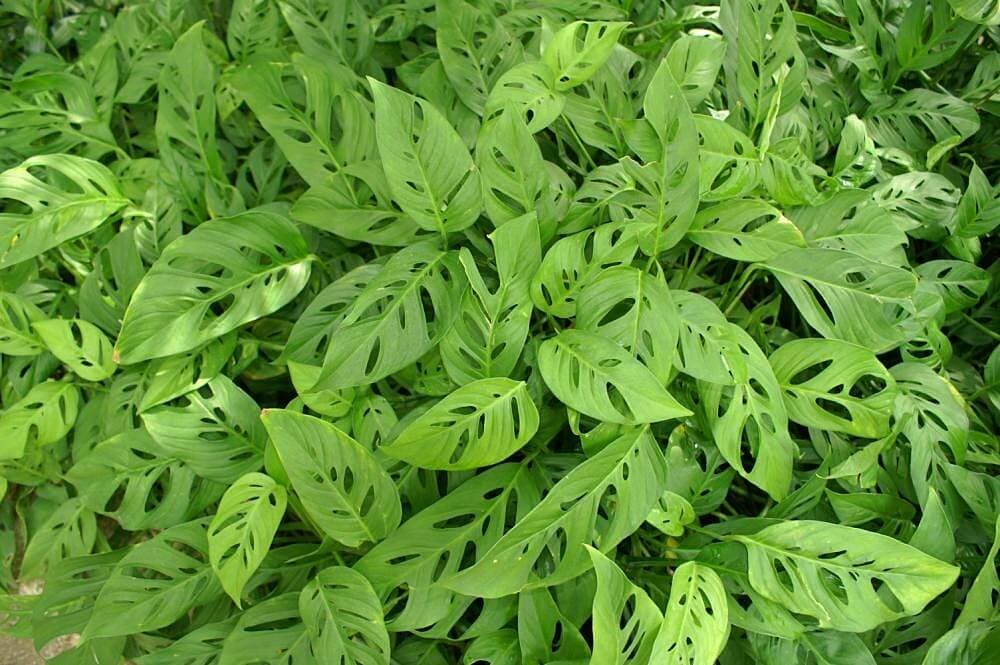
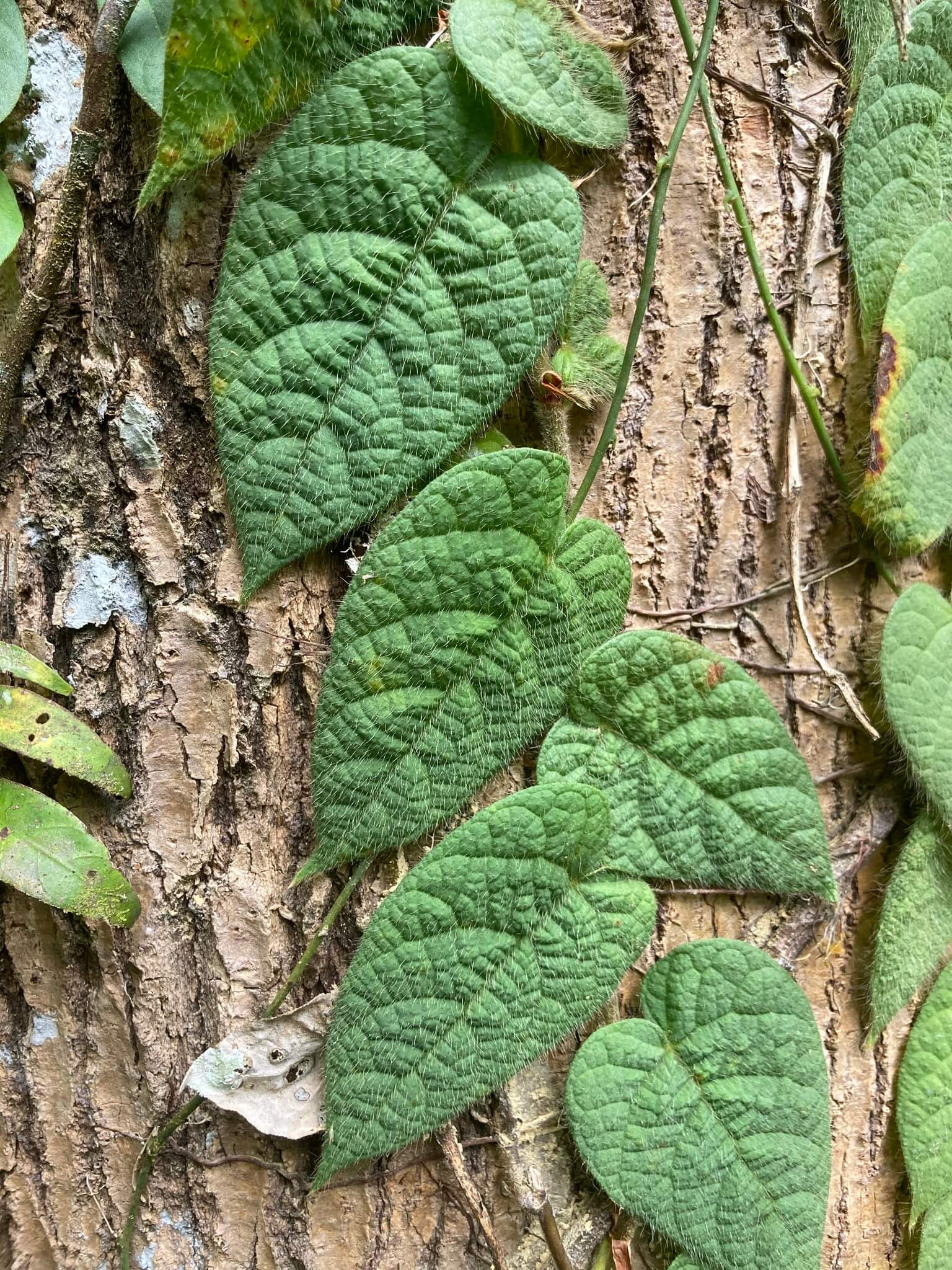
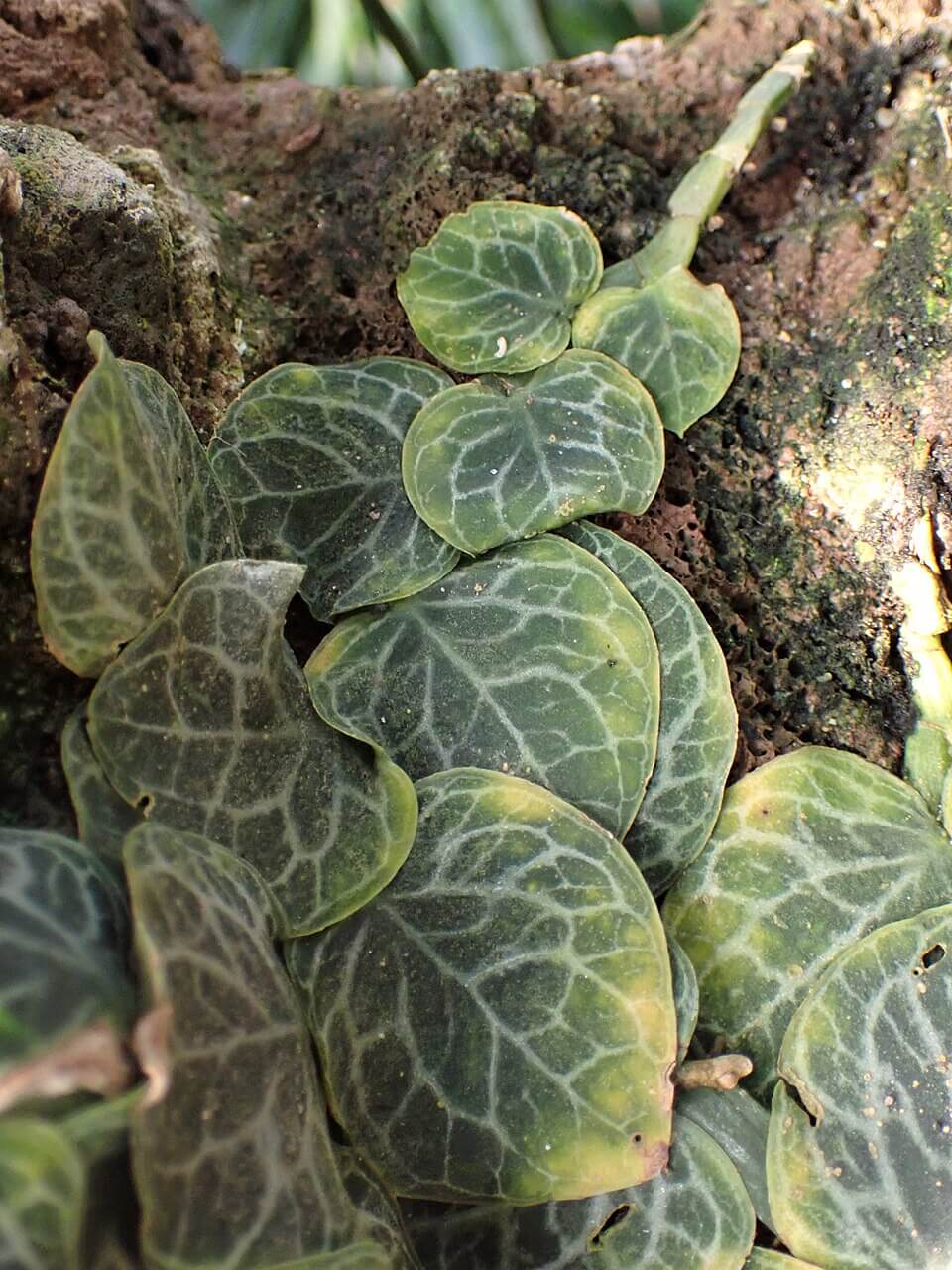
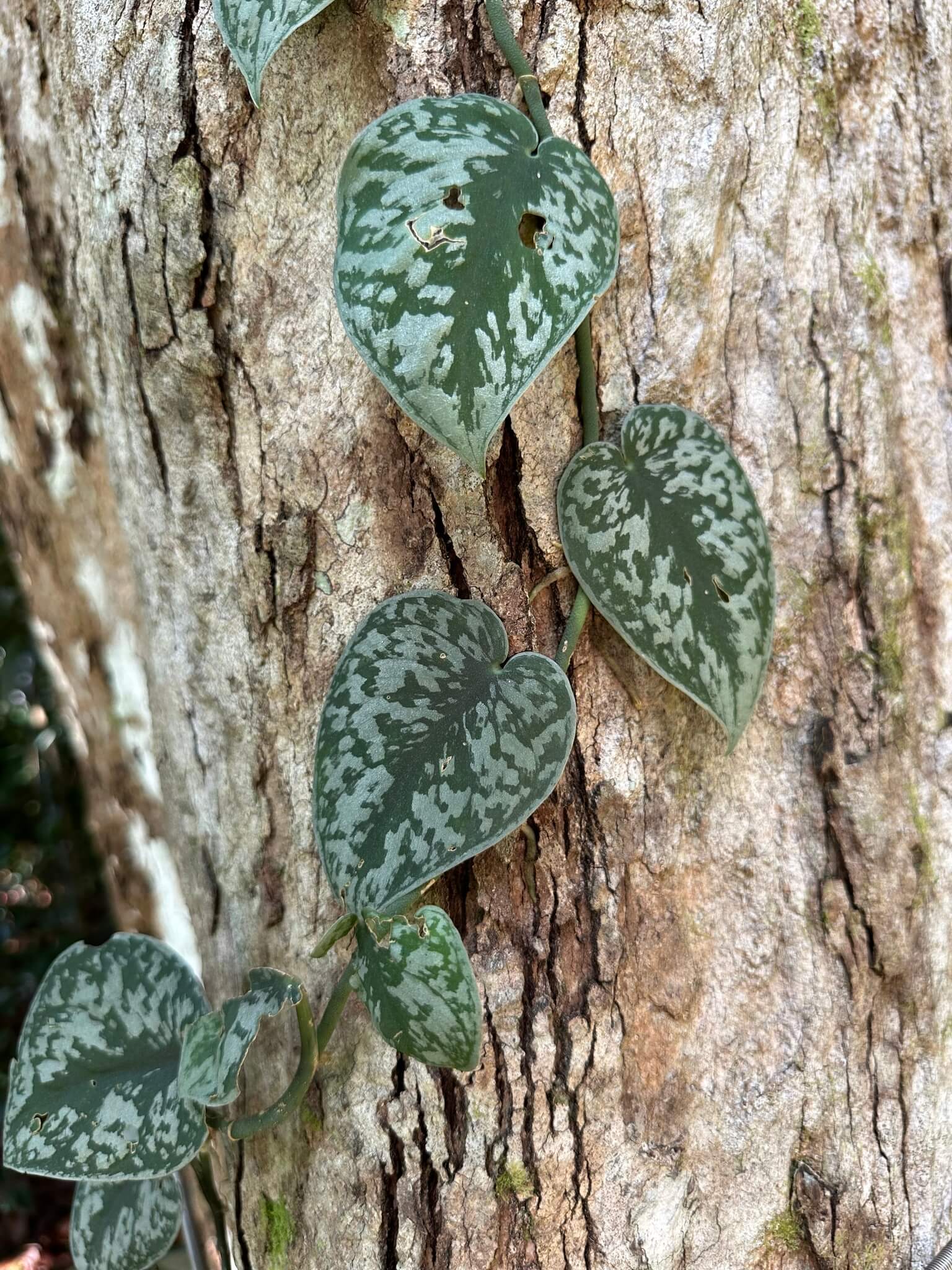
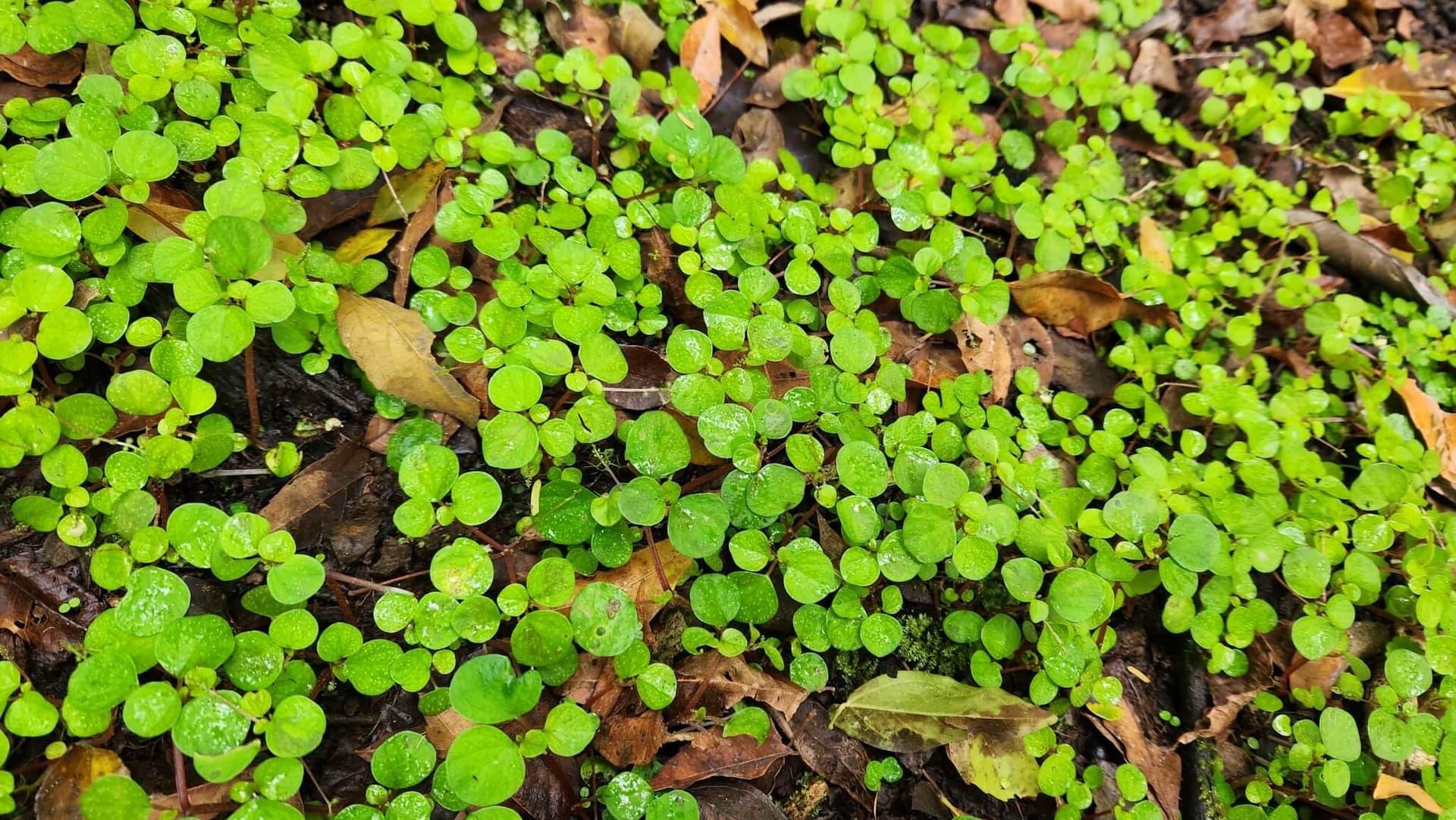
The palette stays narrow on purpose — green and dark green for the foliage, with white as a flower accent rather than a leaf colour (the white of miniature orchid blooms, the silvered patterns on Pilea cadierei and Strobilanthes alternata). Signature plants split into three groups. Miniature epiphytic orchids — Lepanthes telipogoniflora, Masdevallia nidifica, Epidendrum porpax, Haraella retrocalla — sit in the foreground at viewing height. Climbing aroids and figs (Ficus pumila, Marcgravia rectiflora, small Rhaphidophora) shingle across the back wall as connective tissue. Small ferns (Microsorum, Pyrrosia, Davallia) and patterned-leaf begonias fill the midground.
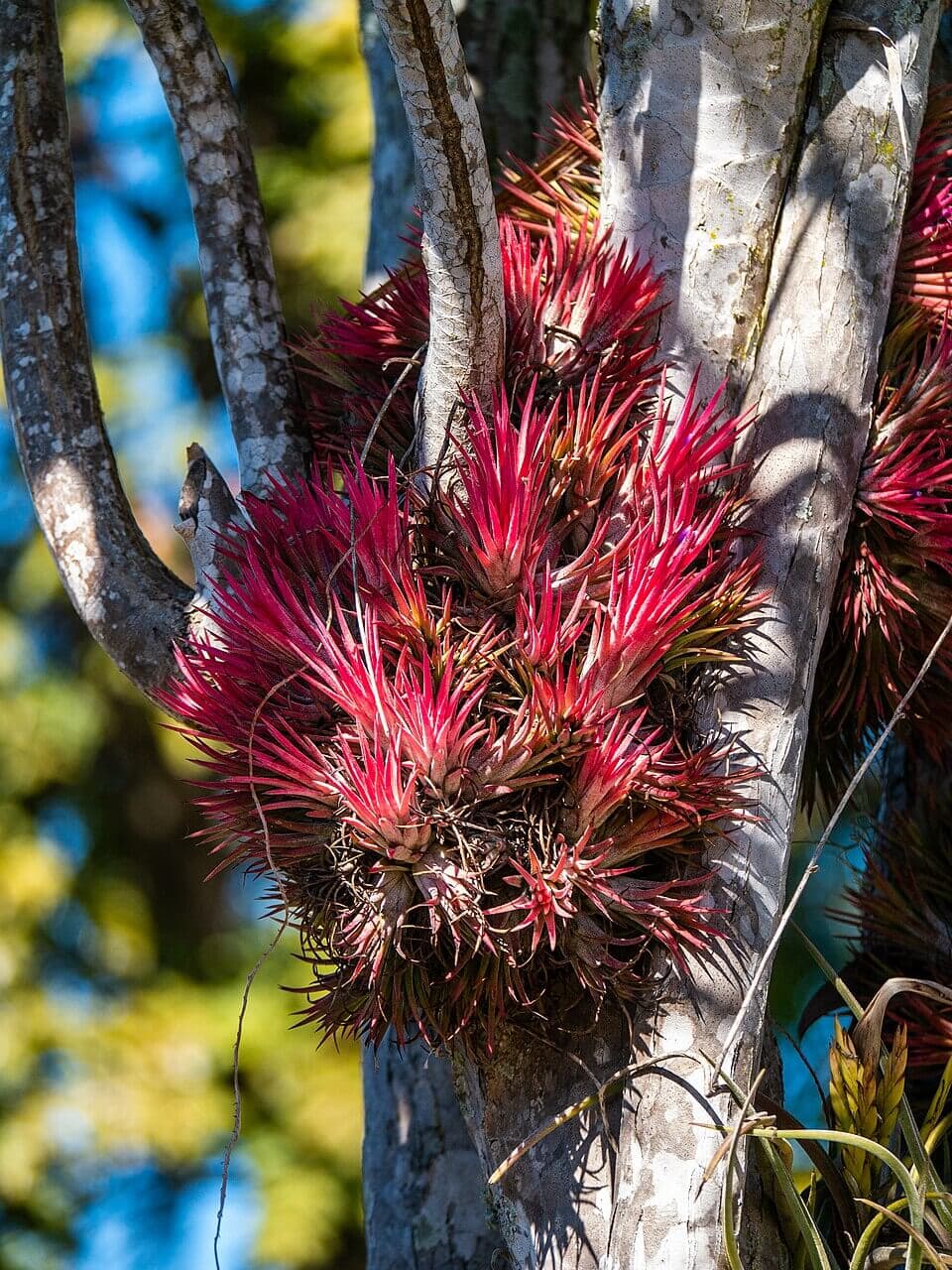
In the wild, epiphytes anchor with wiry, ventilated roots that need air to function — which is why "potting" them in soil tends to rot them out. The mounting method matters more than the species choice. Bind the root mass in a thin pad of sphagnum moss and tie it to cork with fishing line or florist wire; after a few weeks to a few months the plant attaches itself and the wire can come off. Tillandsia and very small orchids can be set with a dot of aquarium silicone or superglue gel directly on the bark.
Closed terrariums suit the look in spirit but require some management. Most epiphytes evolved with constant airflow at canopy level — a fully sealed vessel can hold so much condensation that mounted roots stay sodden and rot, especially for orchids. A partial lid or small computer fan keeps air moving without dropping the humidity below the high range epiphytes still need. Light should be bright but indirect; canopy epiphytes tolerate more light than forest-floor plants but burn under direct sun. Avoid heavy planting on the floor — the wall does the visual work, and a busy foreground breaks the canopy reference.
Featured plants
Hand-picked combinations from the catalogue
References
- Terrarium TribeSphagnum as the standard mounting pad for epiphytic roots — moisture retention without rot when used in thin layers.
- Terrarium TribeLayered vertical builds — epiphyte mounting on hardwood branches, kokedama, and living-wall pockets.
- DendroboardHobbyist guidance on attaching epiphytic orchids and bromeliads to cork bark — fishing line, florist wire, silicone, and timing for self-attachment.
- Amphibian CareVivarium epiphyte care — species selection (Neoregelia, Dendrobium, Oncidium, Tillandsia), rot risk in saturated air, and mounting-media drainage.
- WikipediaEpiphyte biology — aerial root ventilation, host-plant relationship, and the canopy-strata ecology referenced in the description.