Asia-Tropical · TDWG Level 2
Indian Subcontinent
The Indian Subcontinent runs from the Himalaya in the north to the tropical coasts of Sri Lanka and the Maldives, holding two of Asia's recognised biodiversity hotspots — the Western Ghats–Sri Lanka and the Eastern Himalaya — within a single landmass.
The Indian Subcontinent sits between the Himalaya and the Indian Ocean — a self-contained tectonic block that includes India, Pakistan, Nepal, Bhutan, Bangladesh, Sri Lanka, and the Maldives. Land tilts from sea level on the Maldives' coral atolls and the Bangladesh delta up to 8,848 metres at the summit of Mount Everest on the Nepalese flank of the Himalaya. Between those extremes sits almost every climate band Asia offers: cold high-altitude desert in Ladakh, monsoon-soaked tropical rainforest in the Western Ghats, arid scrub in the Thar Desert, mangrove-laced delta in the Sundarbans, and dry deciduous forest across the central Deccan plateau.
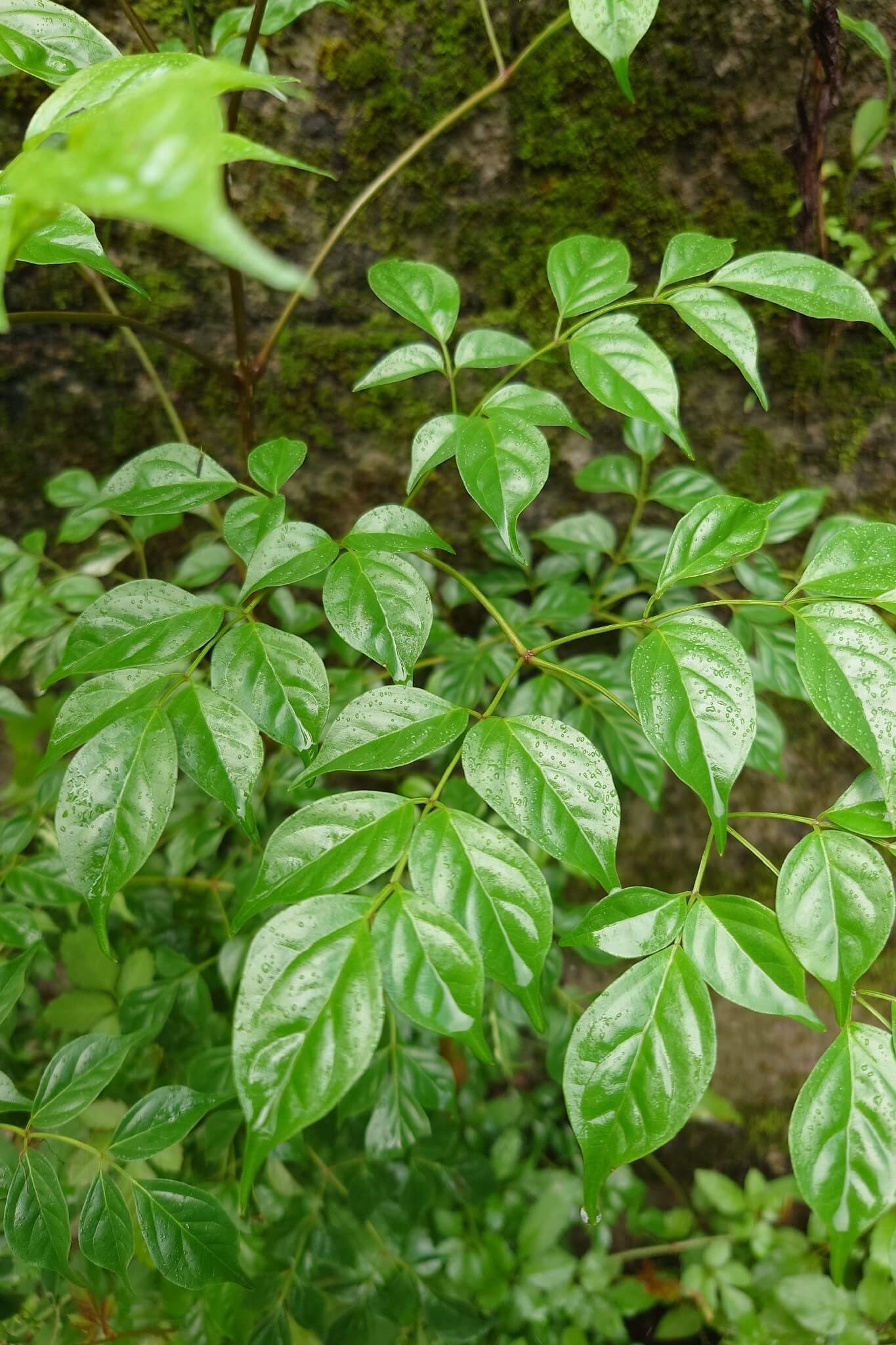
Two globally recognised biodiversity hotspots fall within the region. The Western Ghats and Sri Lanka share a wet-tropical lineage of Begonia, Impatiens, Strobilanthes, dipterocarps, and shola cloud forest dense with endemic ferns and mosses. The Eastern Himalaya, running from northeast India through Bhutan into the Tibetan foothills, is the global centre of diversity for Rhododendron and a major centre for Magnolia, terrestrial and epiphytic orchids (Dendrobium, Coelogyne, Cymbidium), and the wild ancestors of cultivated Musa (banana). Central and peninsular India is dominated by sal forest of Shorea robusta — a Dipterocarpaceae — and dry deciduous teak woodland, while the Indo-Gangetic plain carries riverine grasslands and tropical floodplain forest.
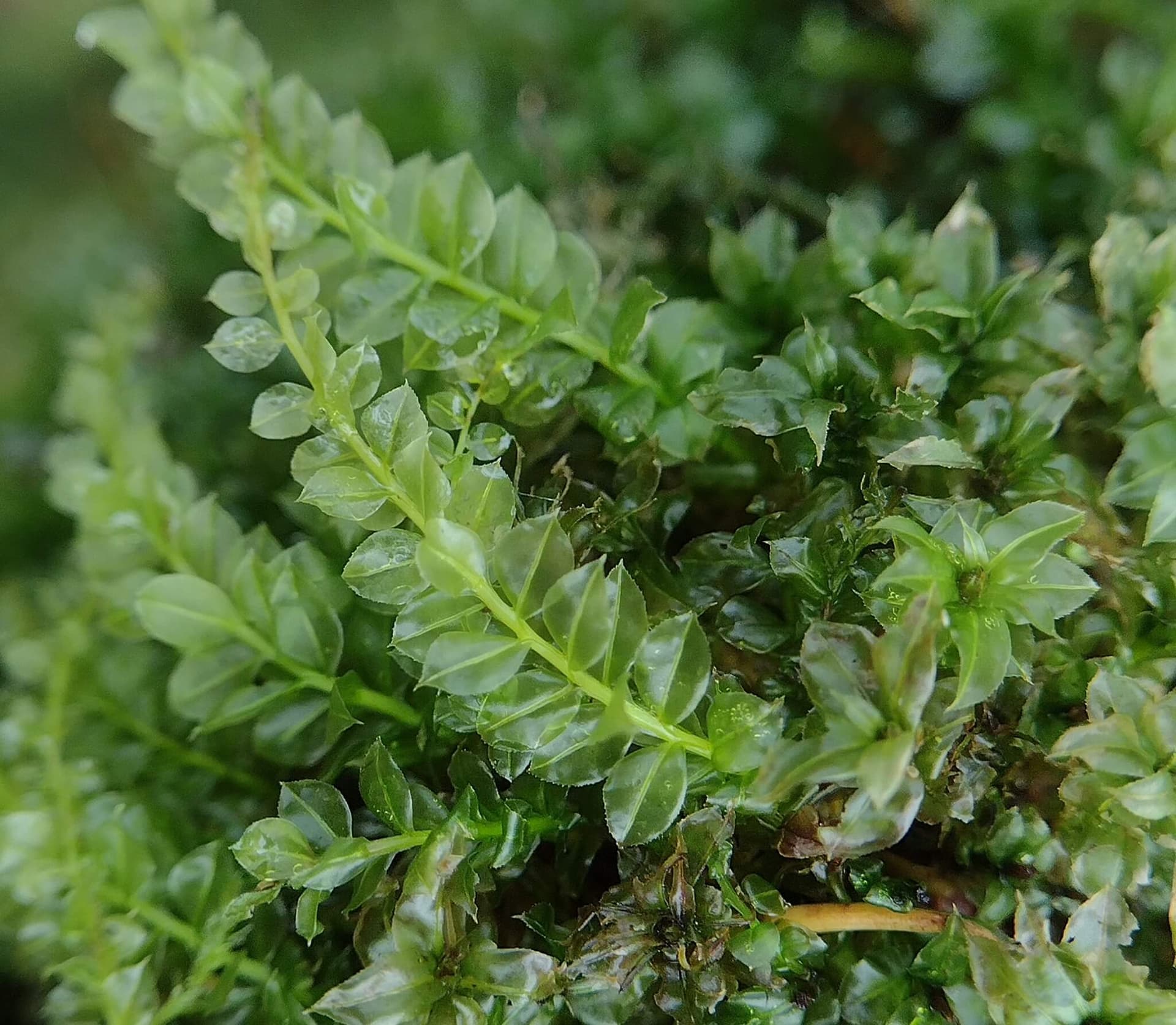
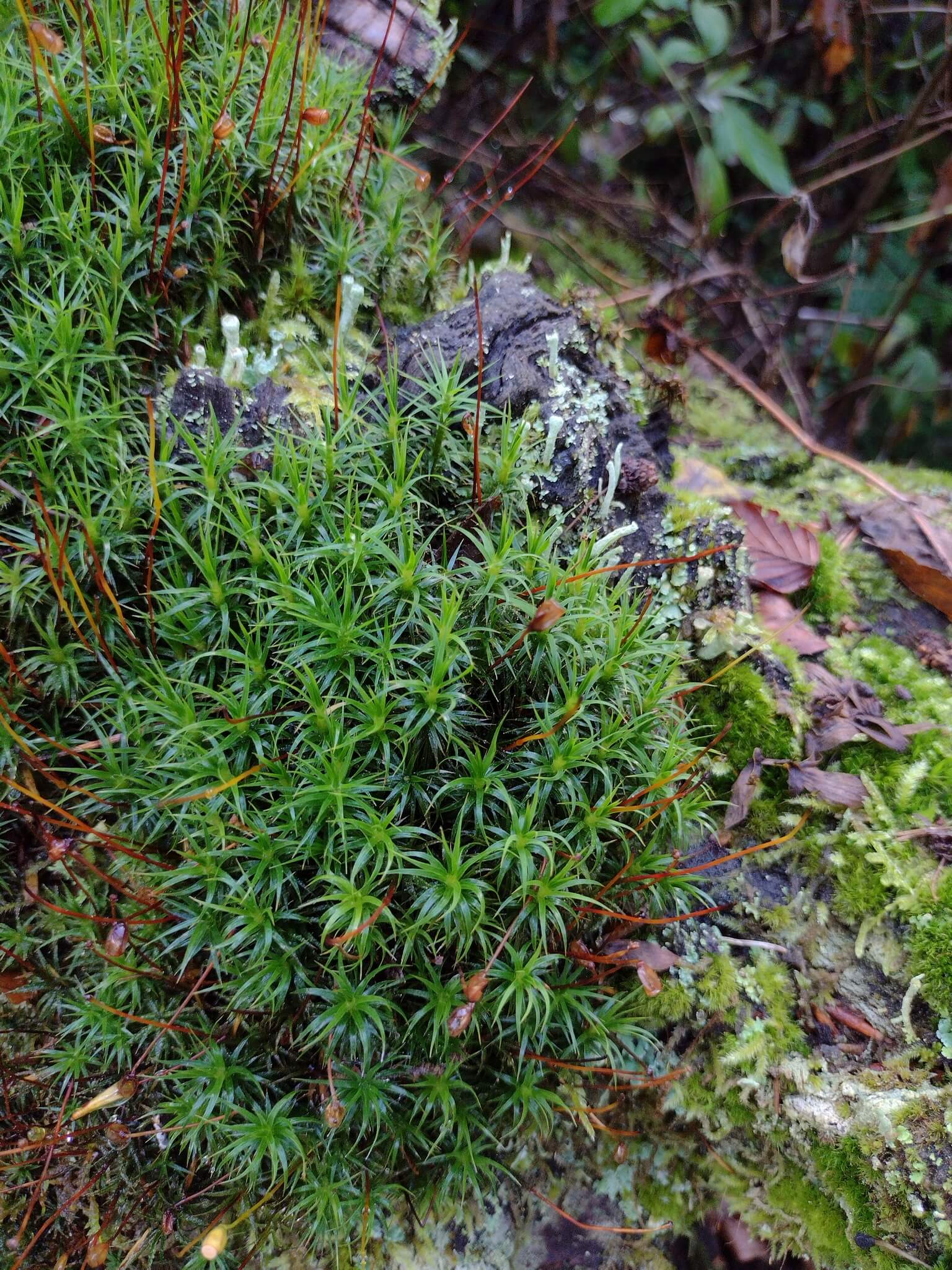
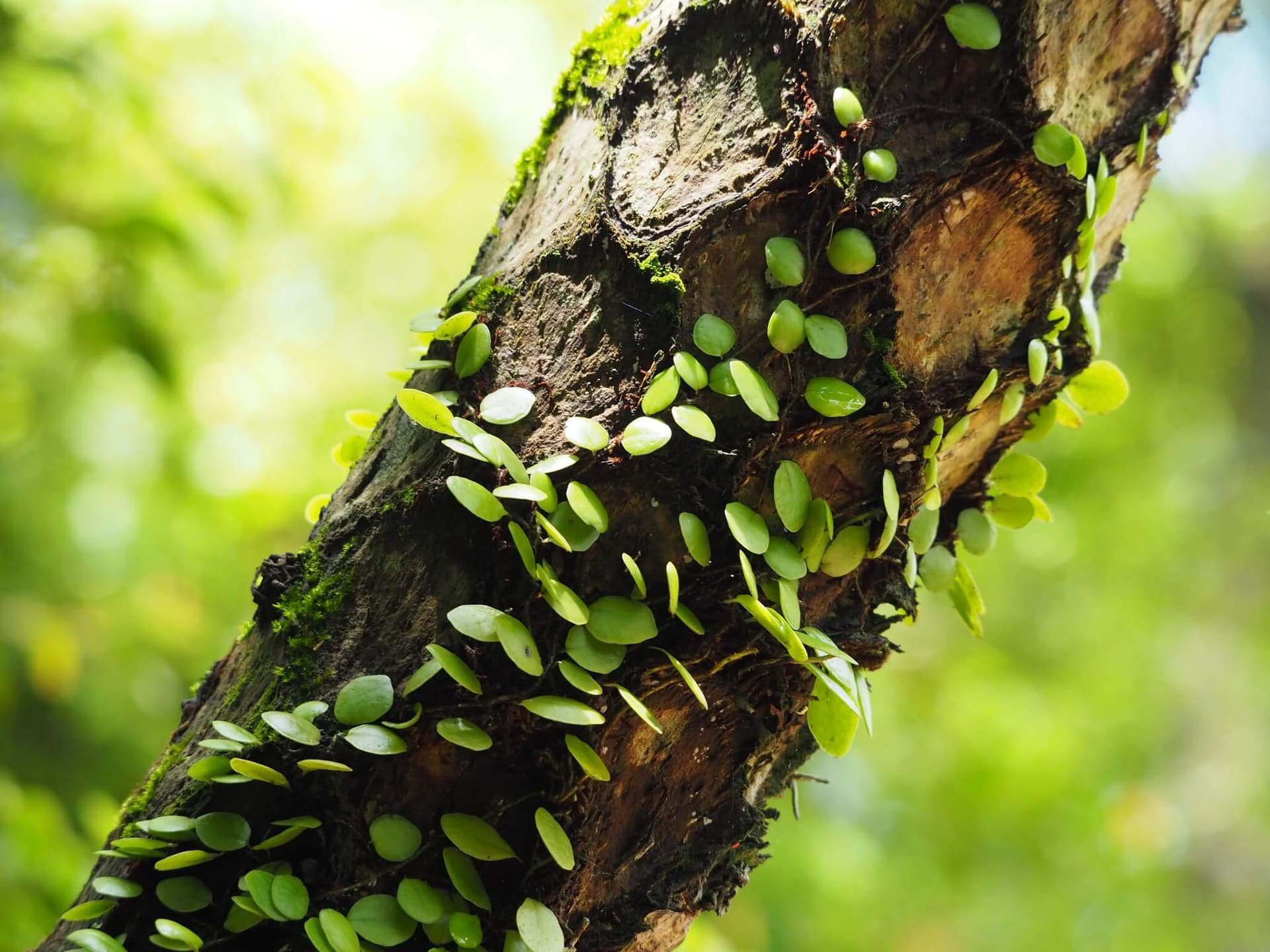
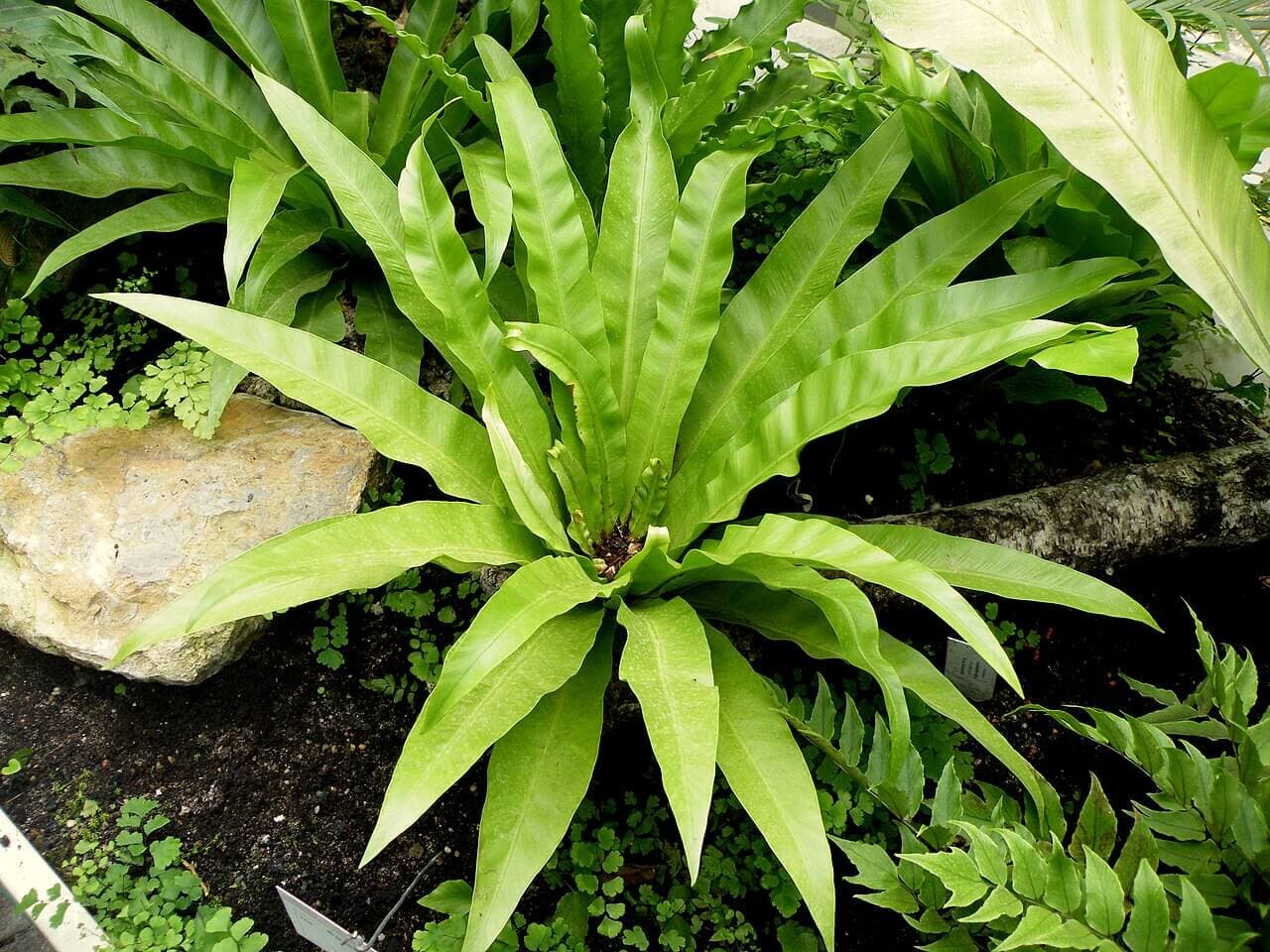
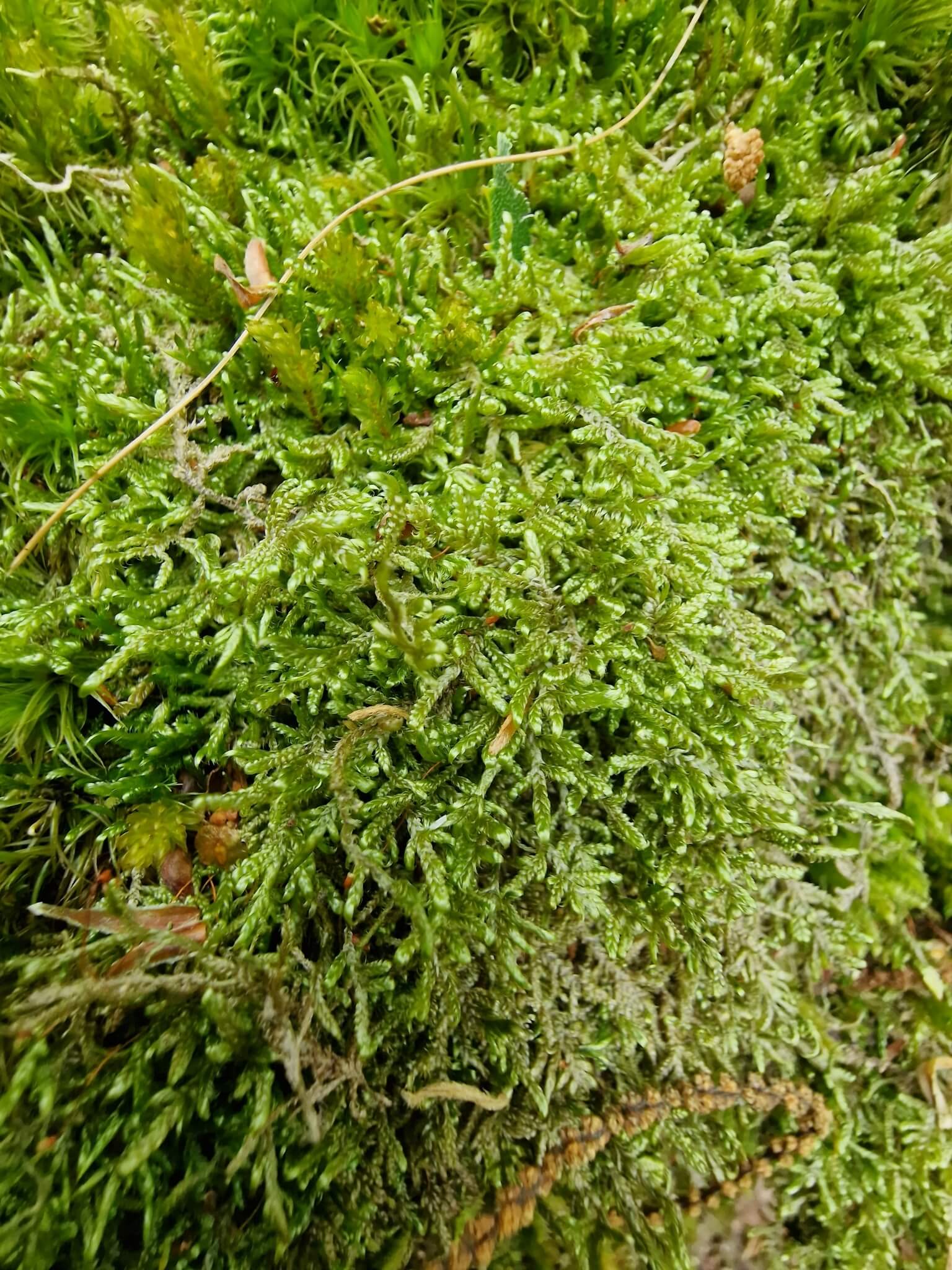
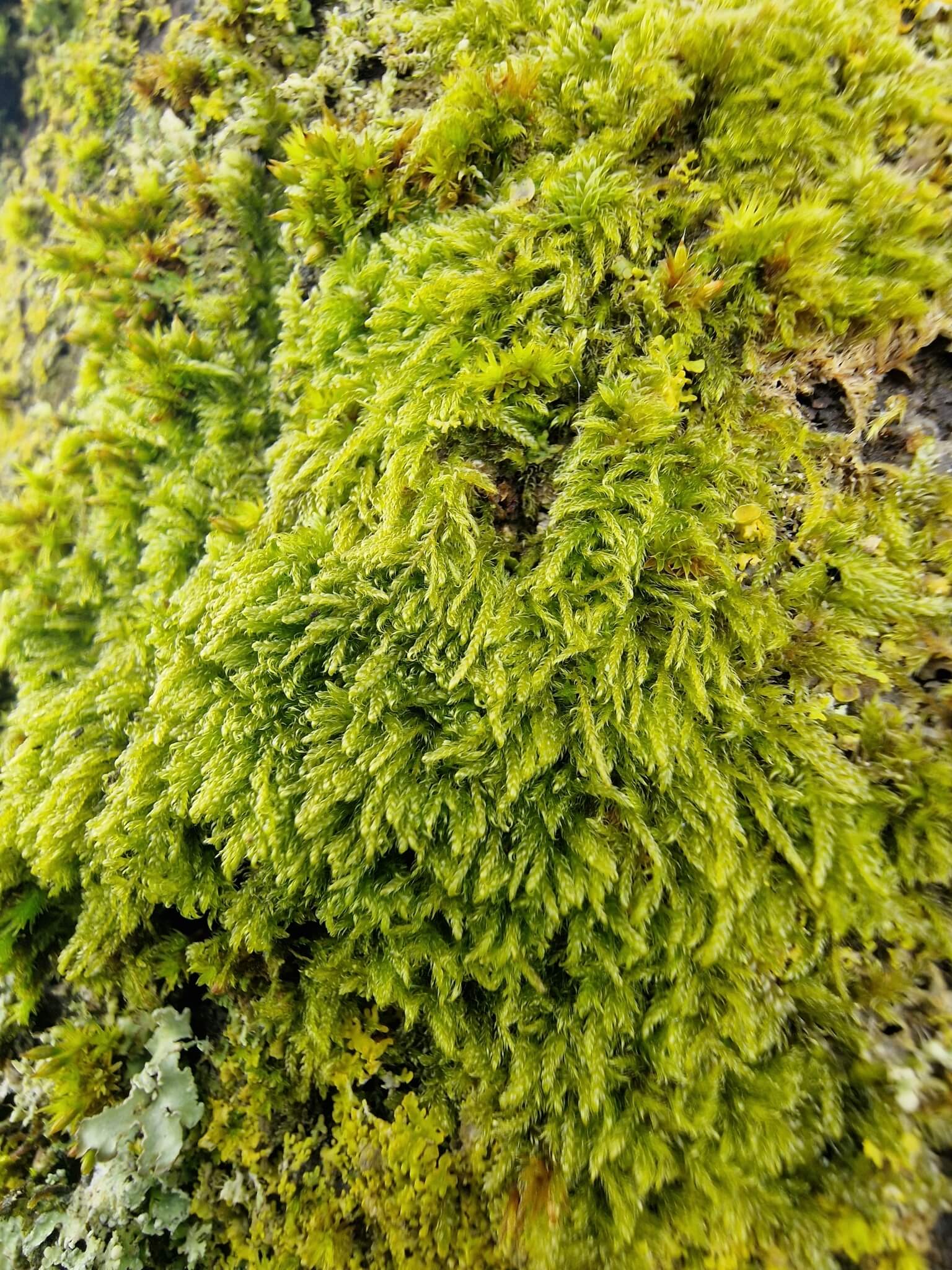
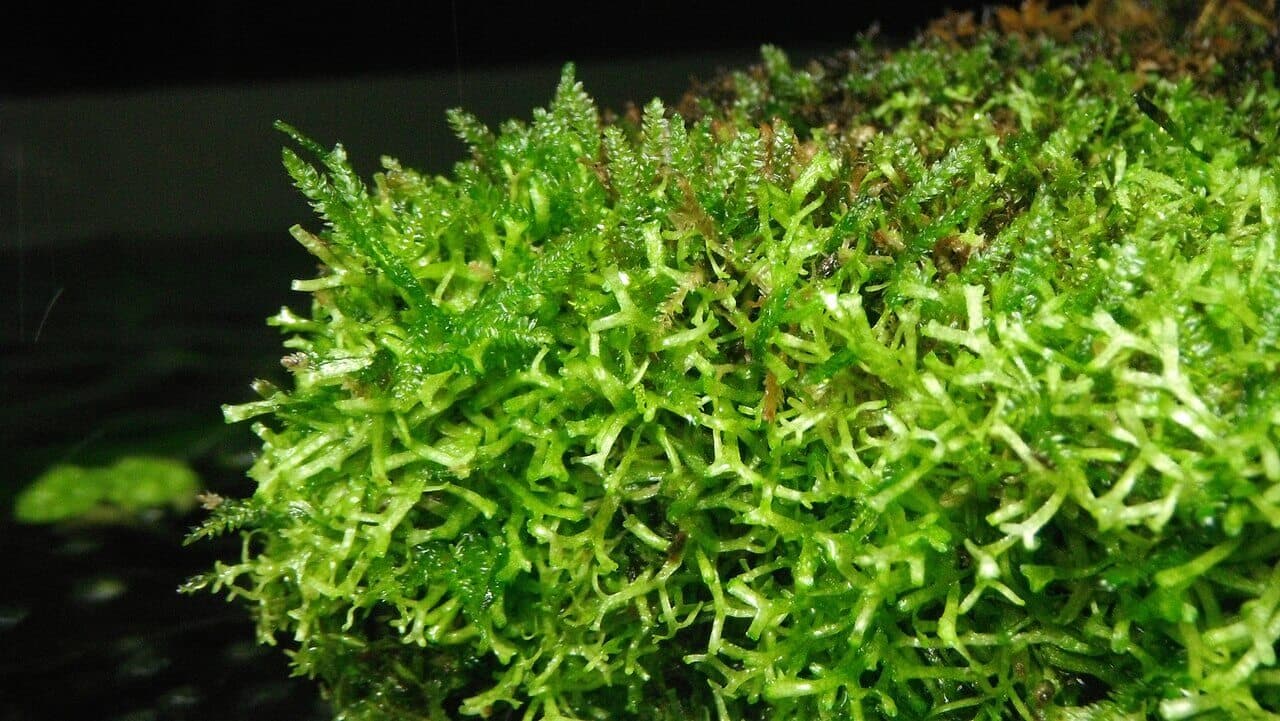
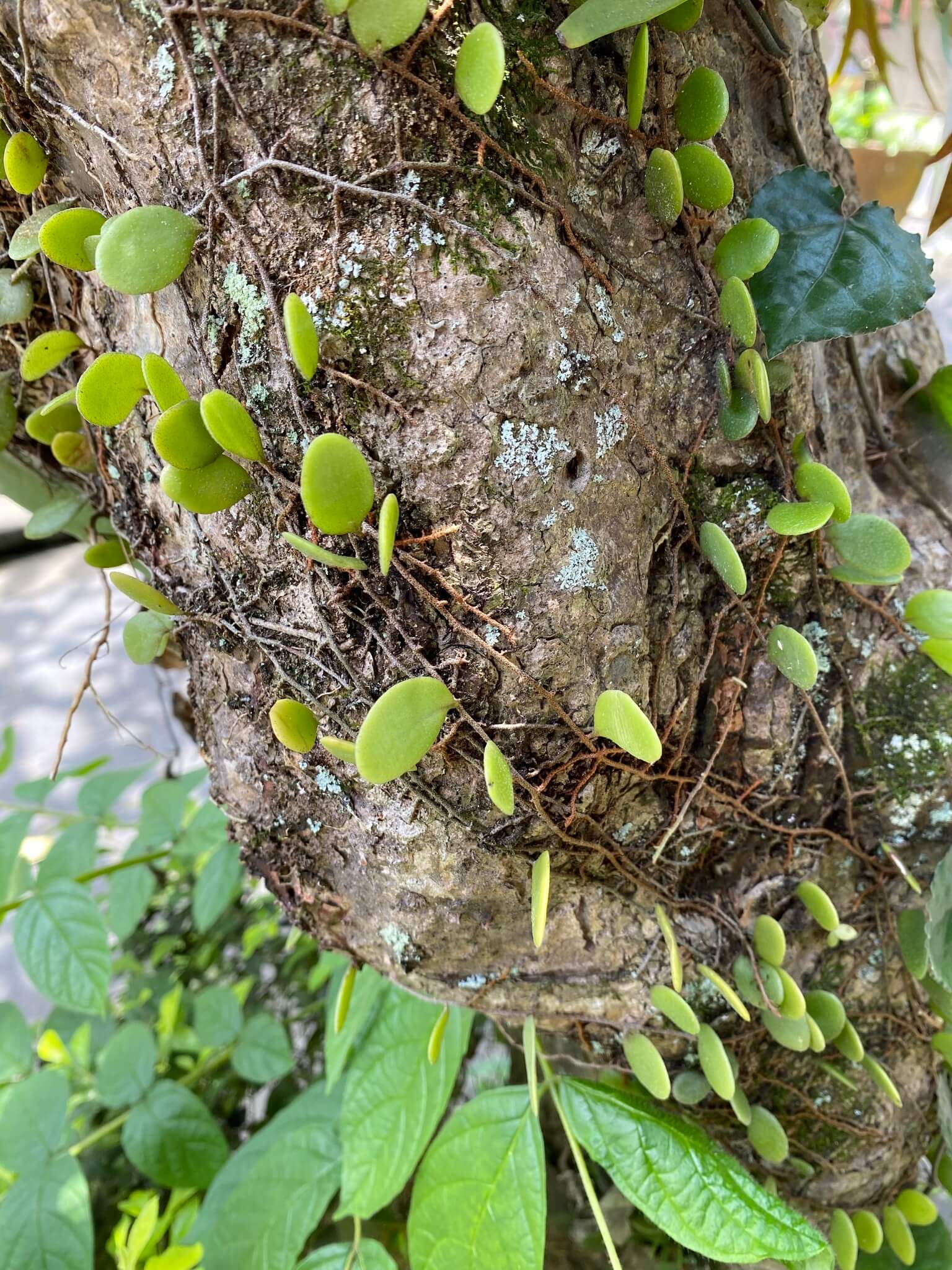
Mountain belts add cooler floras on top of the tropical base. The mid-Himalaya holds temperate oak (Quercus) and laurel-leaved (Cinnamomum, Litsea) forests; higher up, Abies and Picea take over, then rhododendron-juniper krummholz — wind-stunted woody scrub — then alpine meadow. Mosses and ferns are well represented at every altitude, including Racomitrium, Plagiomnium, Polytrichum, Leucobryum, Asplenium, Pyrrosia, Bolbitis, and Didymochlaena species already in the catalogue.
The region's botanical history is unusually deep. Assam is the wild source of Camellia sinensis var. assamica, the tea of the modern global trade. The Indian Botanic Garden in Howrah — founded outside Calcutta in 1787 — is one of the oldest scientific gardens in Asia and was central to the colonial-era spread of plants worldwide.
Native to Indian Subcontinent
Explore plants from this region
References
- WikipediaTDWG WGSRPD identification for level-2 code 40 Indian Subcontinent under parent Asia-Tropical (4); sub-units include Assam, Bangladesh, East Himalaya, India, Maldives, Nepal, Pakistan, Sri Lanka, West Himalaya.
- WikipediaApproximate area 4.4 million km²; constituent countries; Himalayan and oceanic boundaries.
- WikipediaEverest summit elevation 8,848.86 m on Nepal–China border — maximum elevation within TDWG region 40.
- Encyclopedia BritannicaGeography, climate zones, monsoon system, and major vegetation belts of India.
- Encyclopedia BritannicaWestern Ghats as biodiversity hotspot; shola–grassland mosaic and endemic flora of the Malabar coast.
- Kew POWORegional checklist source for Indian Subcontinent (40) flora — characteristic genera and family-level distribution.
- One Earth BioregionsIndomalayan realm overview covering subcontinental forest, mangrove, and Himalayan biomes.