Africa · TDWG Level 2
East Tropical Africa
East Tropical Africa covers Kenya, Tanzania, and Uganda — a region that runs from the Indian Ocean coast across the Serengeti and the Great Rift Valley to the snows of Kilimanjaro, Mount Kenya, and the Rwenzori. The Eastern Arc Mountains here are one of the world's twenty biodiversity hotspots and the original native home of the African violet (*Saintpaulia*), now a staple of the indoor-plant world.
East Tropical Africa is made up of three contiguous countries straddling the equator: Kenya, Tanzania, and Uganda. Across roughly 1.77 million square kilometres, elevation runs from sea level on the Swahili coast to 5,895 metres at Kibo summit on Kilimanjaro — the highest point in Africa — with Mount Kenya (5,199 m) and the Uganda side of the Rwenzori (5,109 m) close behind. The region holds Africa's two largest lakes, Victoria and Tanganyika, and is split lengthwise by the Eastern (Gregory) and Western (Albertine) branches of the East African Rift.
Climate is equatorial but strongly modified by altitude. The Indian Ocean coast and Lake Victoria basin are tropical wet (Köppen Af/Am). Inland plateaus sit in tropical savanna (Aw), with a long dry season that drives the Serengeti–Mara grazing system. The Kenyan north is semi-arid (BSh), and the great peaks carry a full altitudinal sequence from montane forest through bamboo, Hagenia woodland, and giant-lobelia and giant-groundsel afro-alpine moorland.
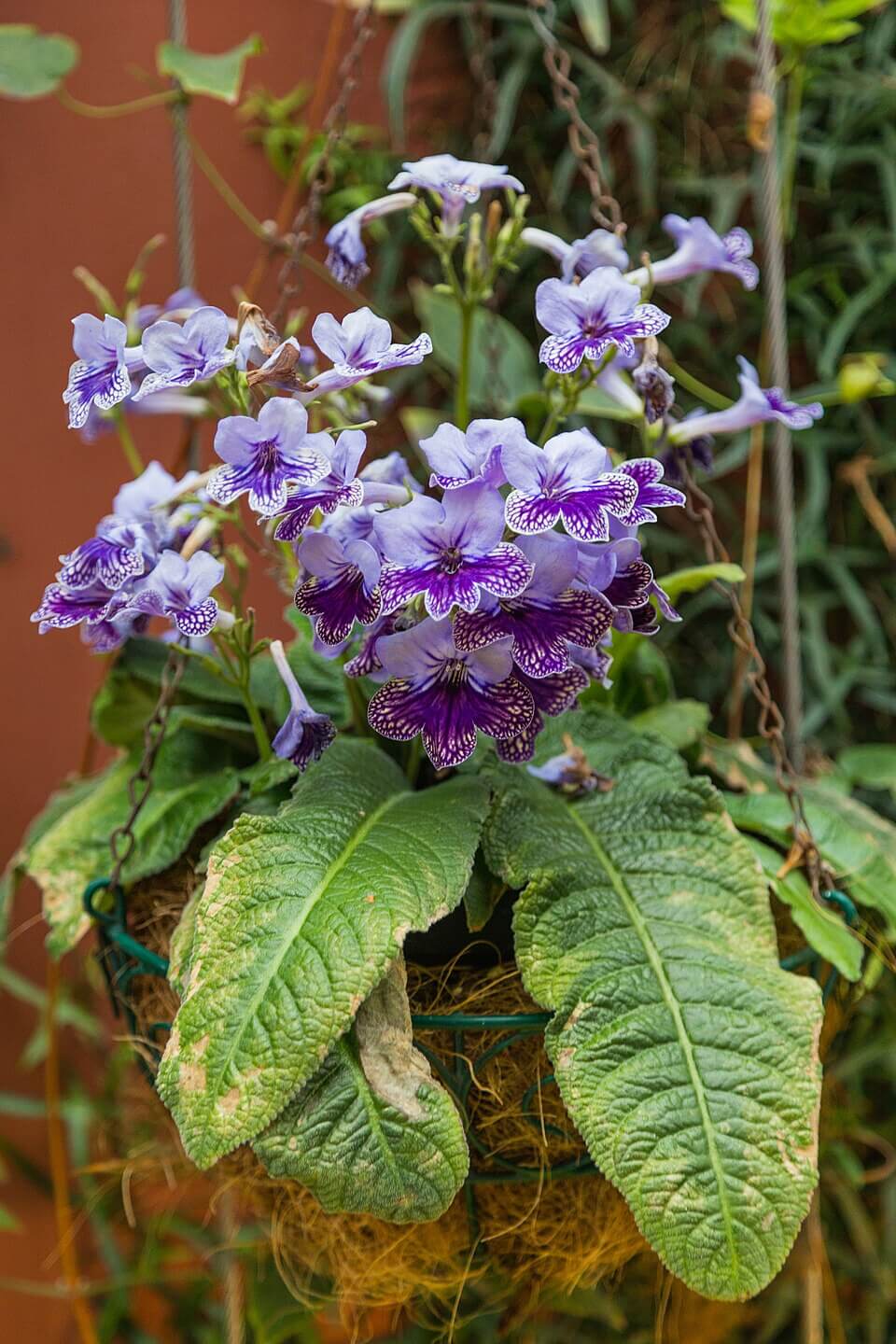
The defining botanical feature is the Eastern Arc Mountains — eleven ancient forest-capped ranges curving from the Taita Hills in southern Kenya south through the Pare, Usambara, Nguru, Ukaguru, Uluguru, Udzungwa, and Mahenge mountains of Tanzania. Isolated as forest islands for around ten million years, they hold roughly fifteen endemic plant genera and are listed among the world's top twenty biodiversity hotspots. The Usambara and Nguru cloud forests are the native home of Saintpaulia — now placed within Streptocarpus — the African violet that grows on shaded, mossy rock faces along forest streams. Streptocarpus itself, Impatiens, and Begonia are all richly represented through these mountains, alongside the conifer Ocotea usambarensis and afromontane Podocarpus.
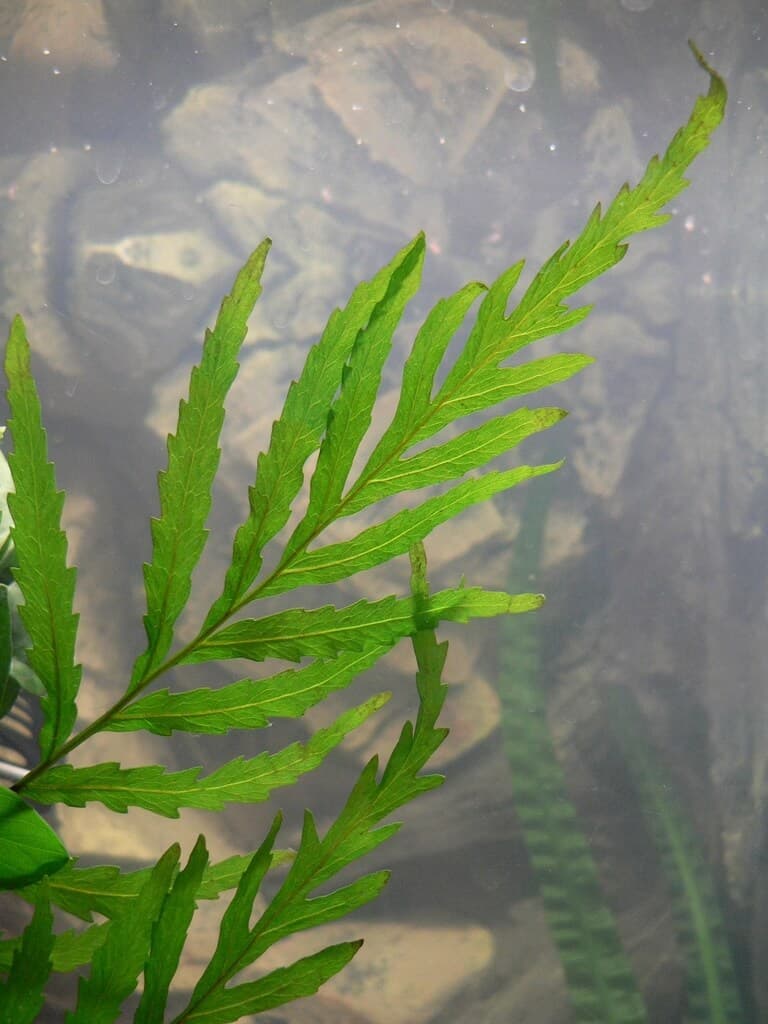
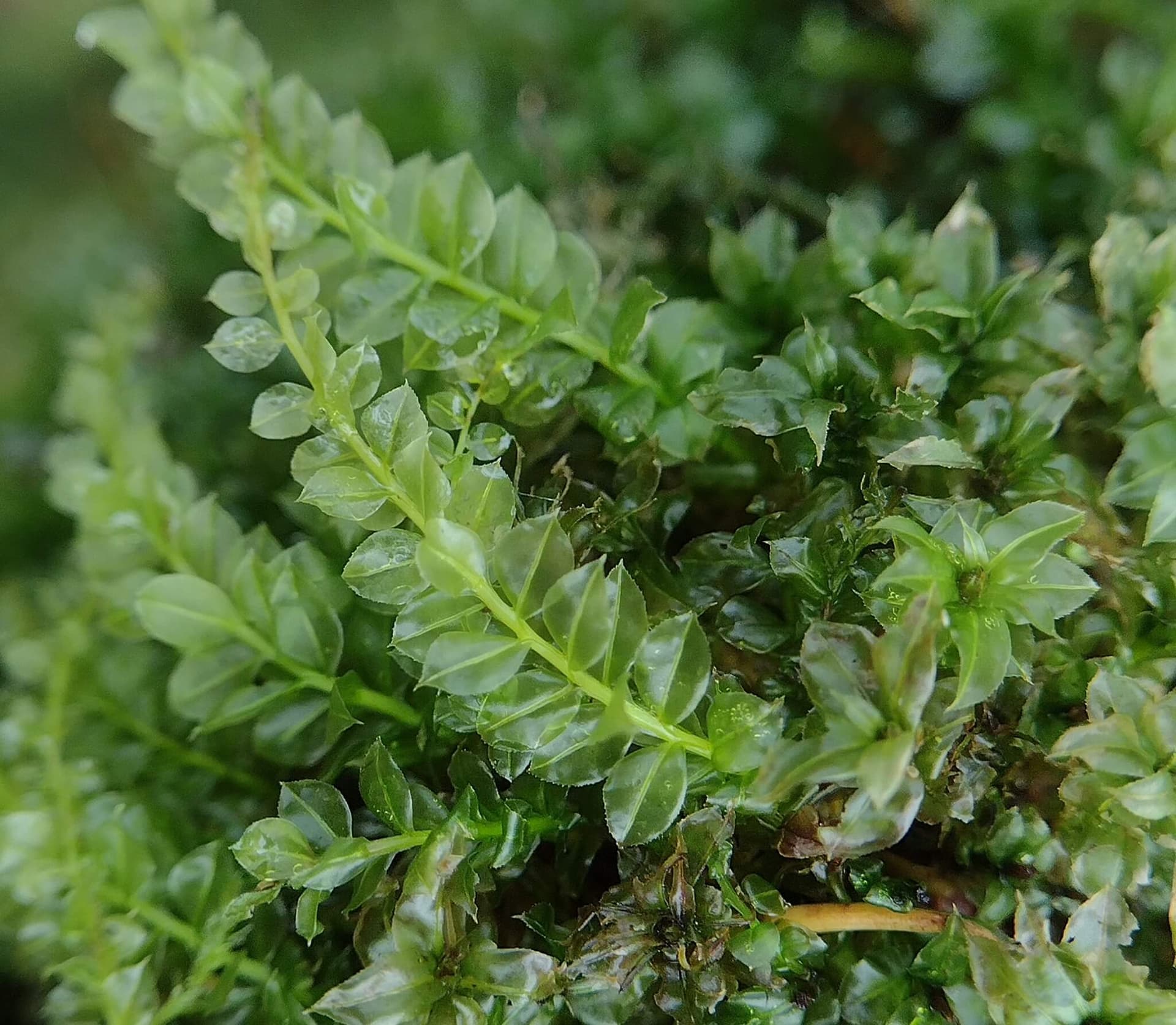
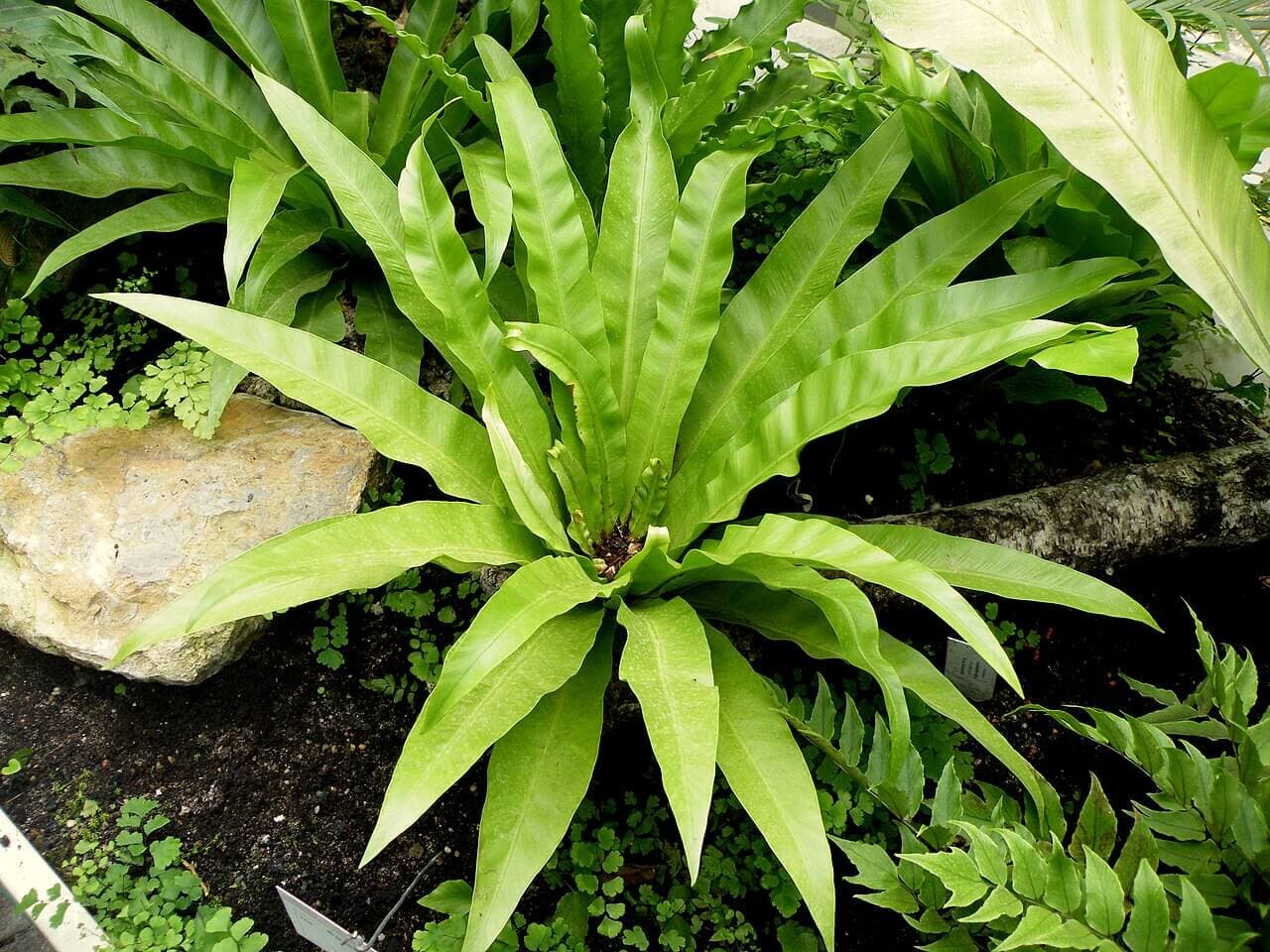
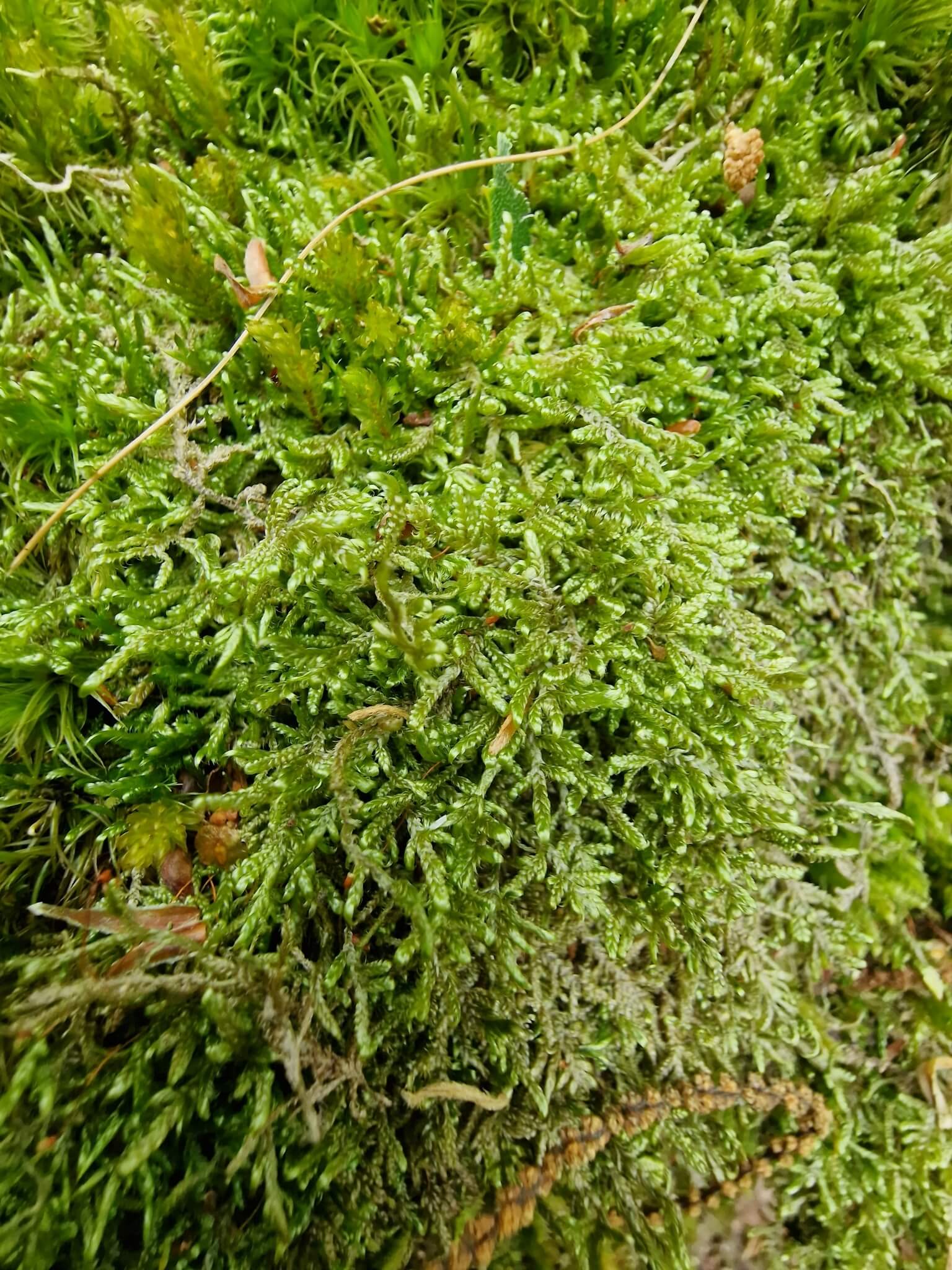
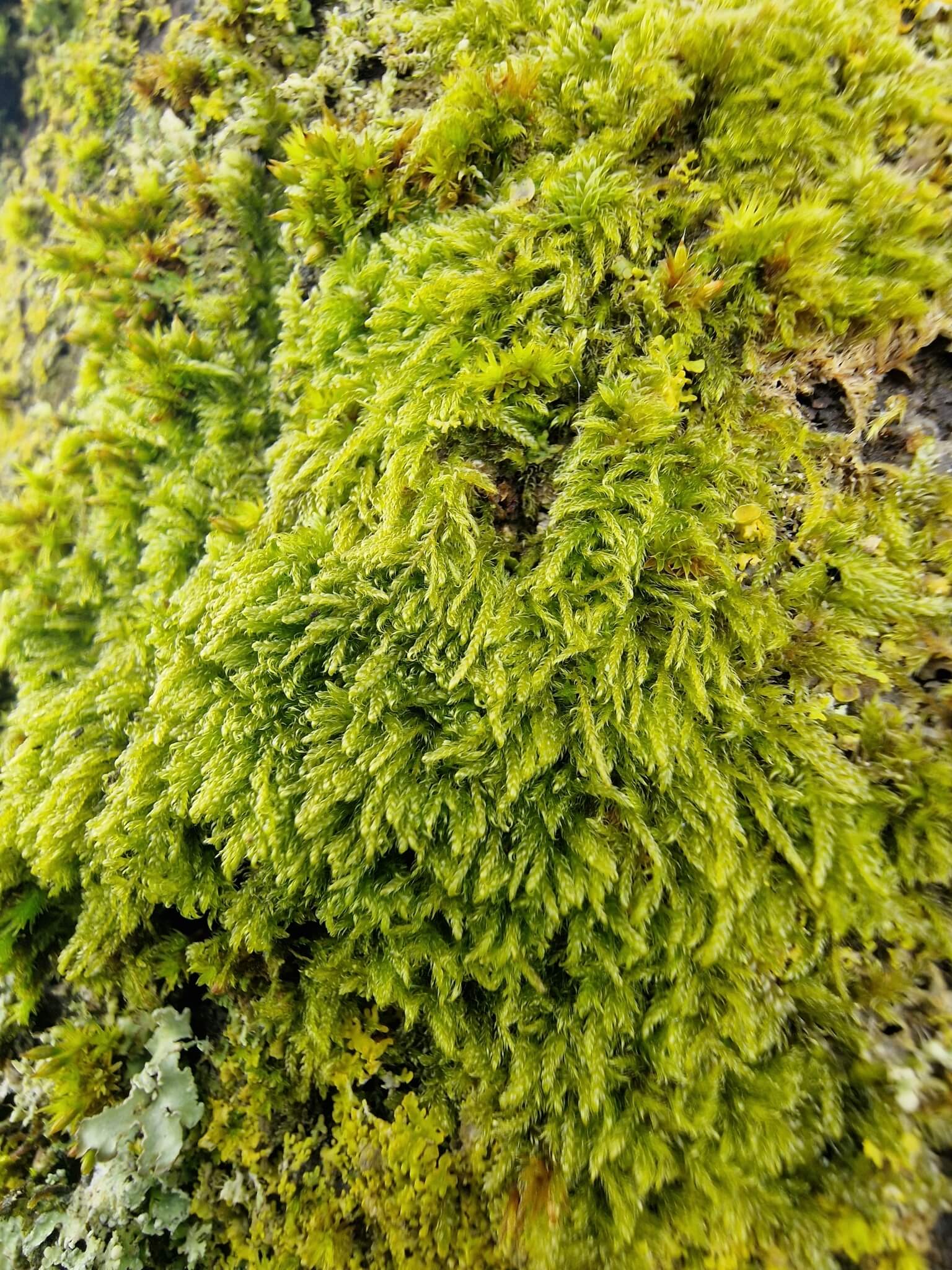
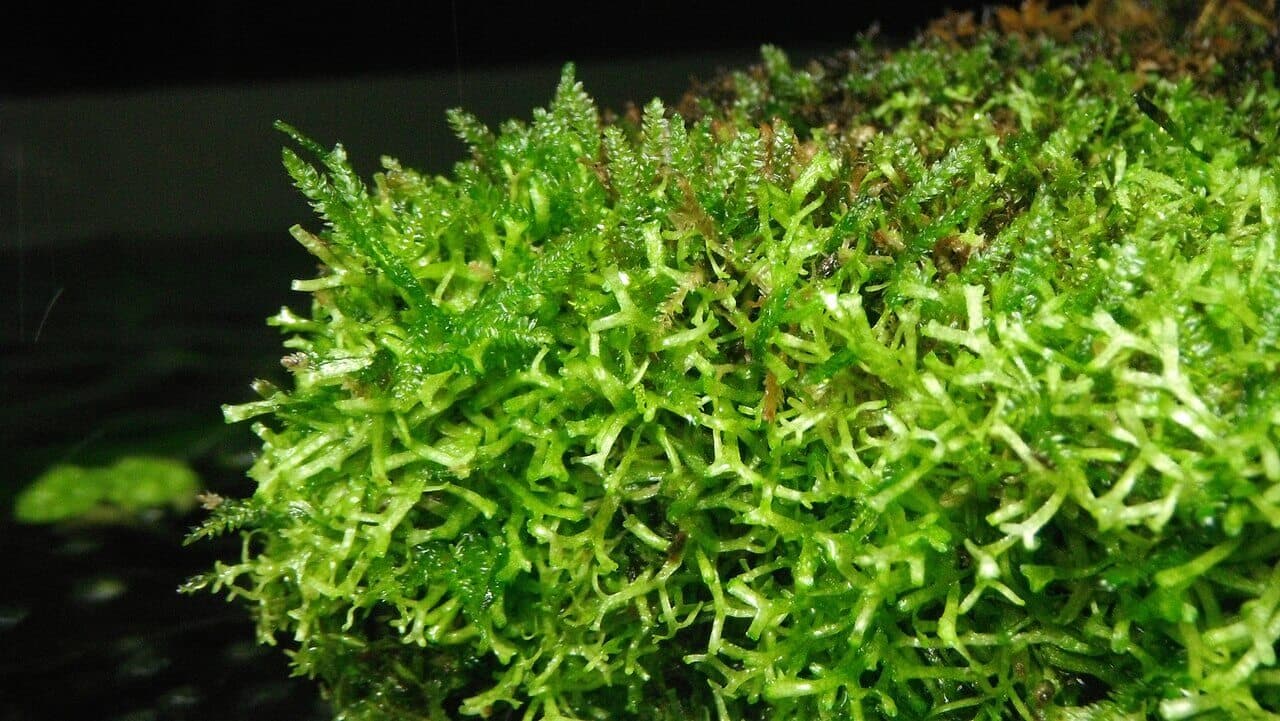
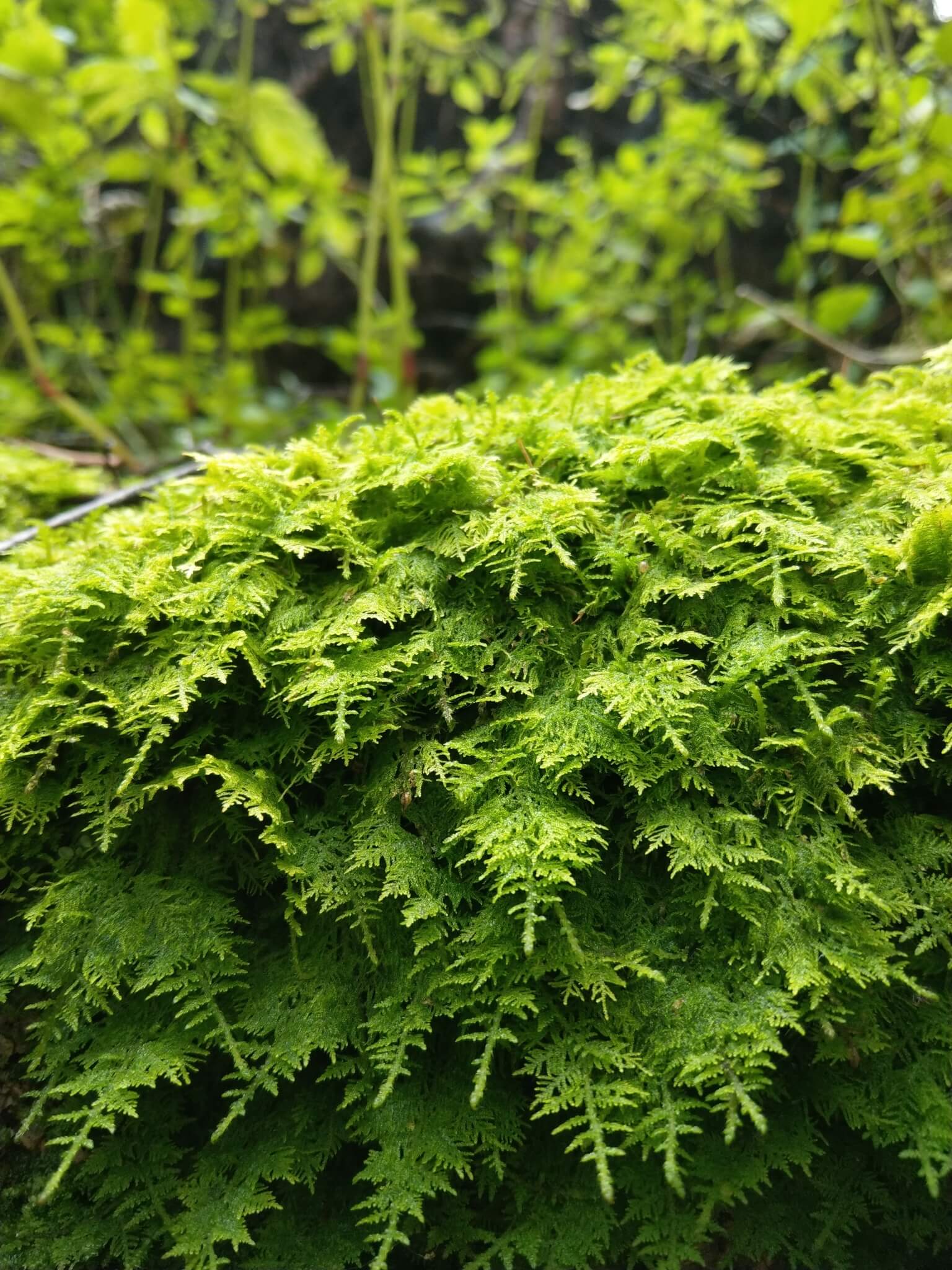
For terrarium and houseplant culture, this is one of the most influential regions in the world. The African violet collected in the Usambaras in 1892 by Baron Walter von Saint Paul-Illaire founded an entire branch of horticulture. Saintpaulia spp., the bird's-nest fern Asplenium nidus, the orchids Aerangis luteoalba var. rhodosticta and A. mystacidii, Bolbitis heudelotii, Selaginella kraussiana, and the catalogue's broader fern and moss range all draw on East Tropical African populations.
Native to East Tropical Africa
Explore plants from this region
References
- WikipediaTDWG WGSRPD constituent units for level-2 code 25 East Tropical Africa (Kenya, Tanzania, Uganda).
- WikipediaEleven constituent ranges, top-20 biodiversity hotspot status, ~15 endemic plant genera, Saintpaulia origin.
- WikipediaSaintpaulia native to Usambara and Nguru cloud forests in Tanzania and adjacent southeastern Kenya; now placed in Streptocarpus.