Southern America · TDWG Level 2
Central America
Central America stretches from Belize and Guatemala south to Panama — seven countries on a narrow tropical isthmus of roughly 522,000 square kilometres. Volcanic mountains run its length, splitting the region into a wet Caribbean slope of lowland rainforest and a drier Pacific slope of tropical dry forest, with cloud forest crowning the highest ridges.
Central America is the narrow isthmus that joins North and South America. It covers about 522,000 square kilometres across seven countries — Belize, Guatemala, El Salvador, Honduras, Nicaragua, Costa Rica, and Panama — and at its slimmest point the Pacific and Caribbean coasts are only fifty kilometres apart. Climate is fully tropical, but the geography divides it sharply: the Caribbean side is wet year-round, while the Pacific side has a strong dry season between December and April.
Volcanoes dominate the spine. Around forty active and dormant cones run down the Pacific side, several rising above 3,700 metres. Volcán Tajumulco in Guatemala is the highest at 4,220 metres. South of Nicaragua the volcanic chain hands off to the Cordillera de Talamanca, a non-volcanic range shared between Costa Rica and Panama, where Cerro Chirripó reaches 3,820 metres and supports a true alpine páramo above the treeline. Both coasts hold mangrove and seasonally flooded lowlands; the Caribbean side carries the most extensive lowland rainforest.
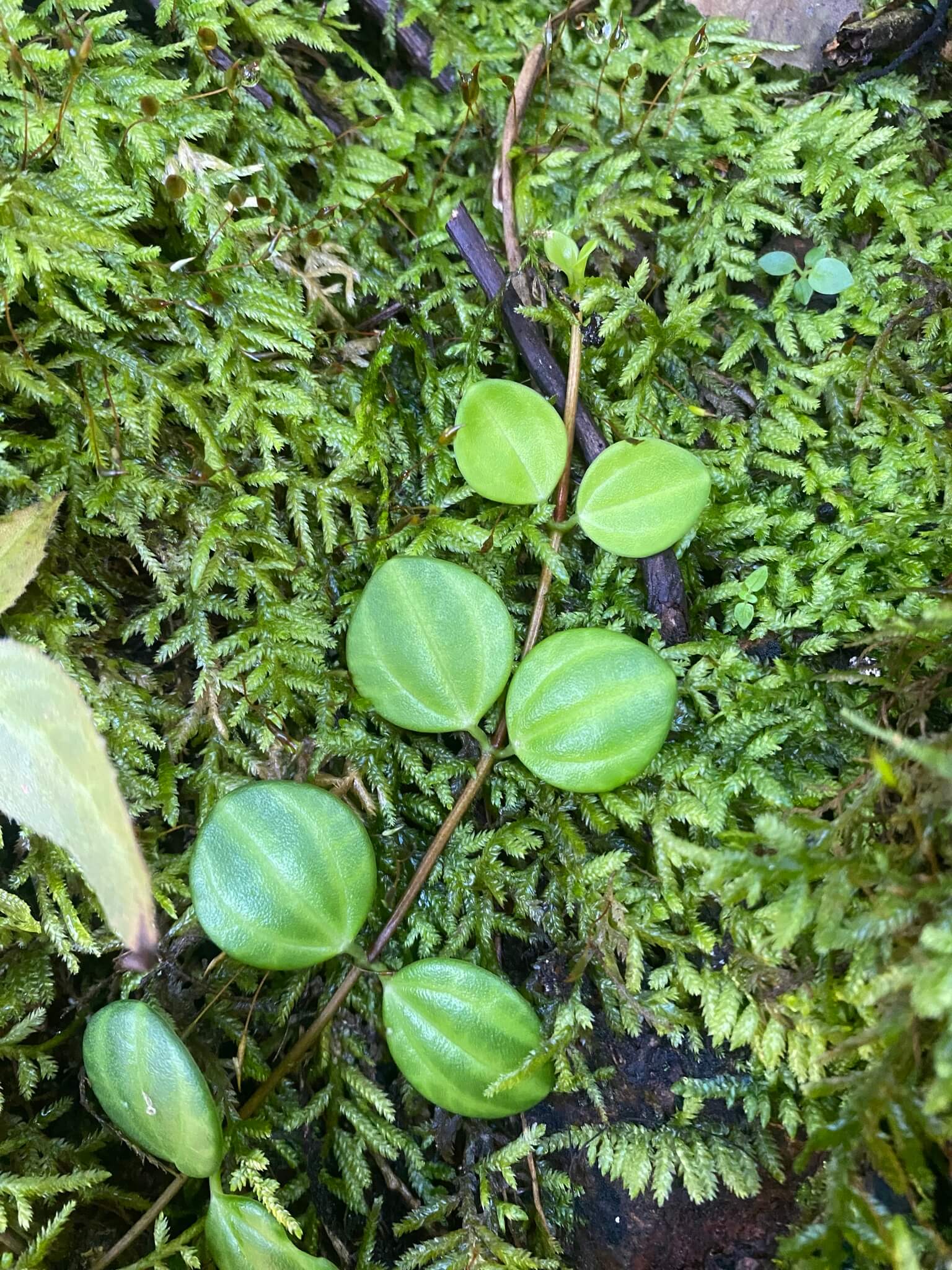
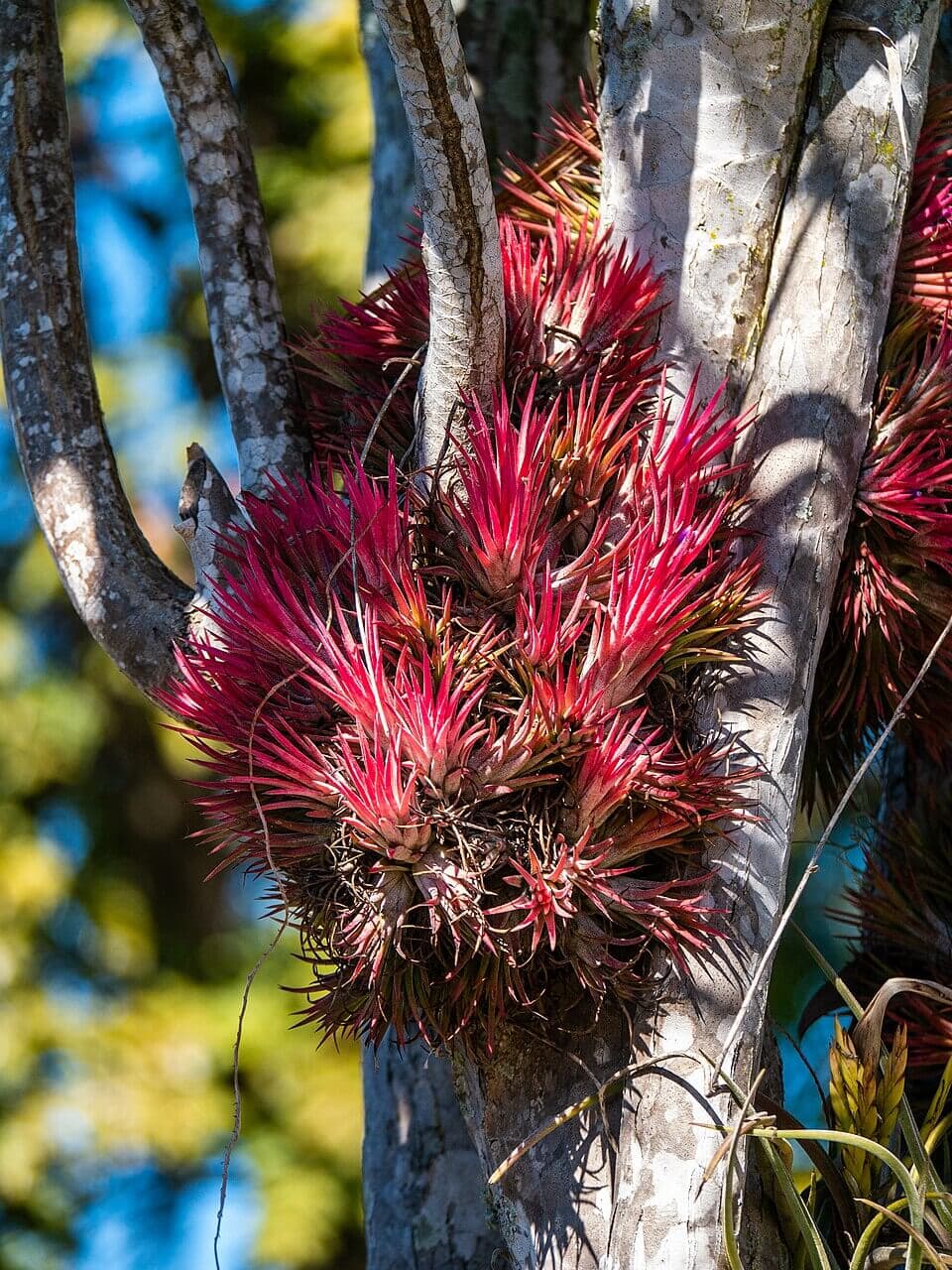
The flora is exceptionally rich for the area. The region sits squarely inside the Mesoamerican biodiversity hotspot — a relatively small landmass with roughly 17,000 vascular plant species, of which about 17 percent are endemic. Costa Rica and Panama alone share over 1,400 native orchid species. The classic vegetation belts run vertically: lowland tropical rainforest of Ceiba, Brosimum, and Virola at the base; premontane and lower montane forest with tree ferns (Cyatheaceae) and abundant epiphytic Anthurium, Philodendron, and bromeliads; cloud forest of oaks (Quercus), Magnoliaceae, and Lauraceae draped in moss, with Pleurothallidinae orchids and miniature Peperomia in their thousands; and on the Pacific side, seasonally dry forest dominated by Bursera, Cochlospermum, and Tabebuia. The Talamanca highlands carry a Holarctic-affinity flora that descended during glacial periods, including Quercus, Vaccinium, and the cold-hardy bamboo Chusquea.
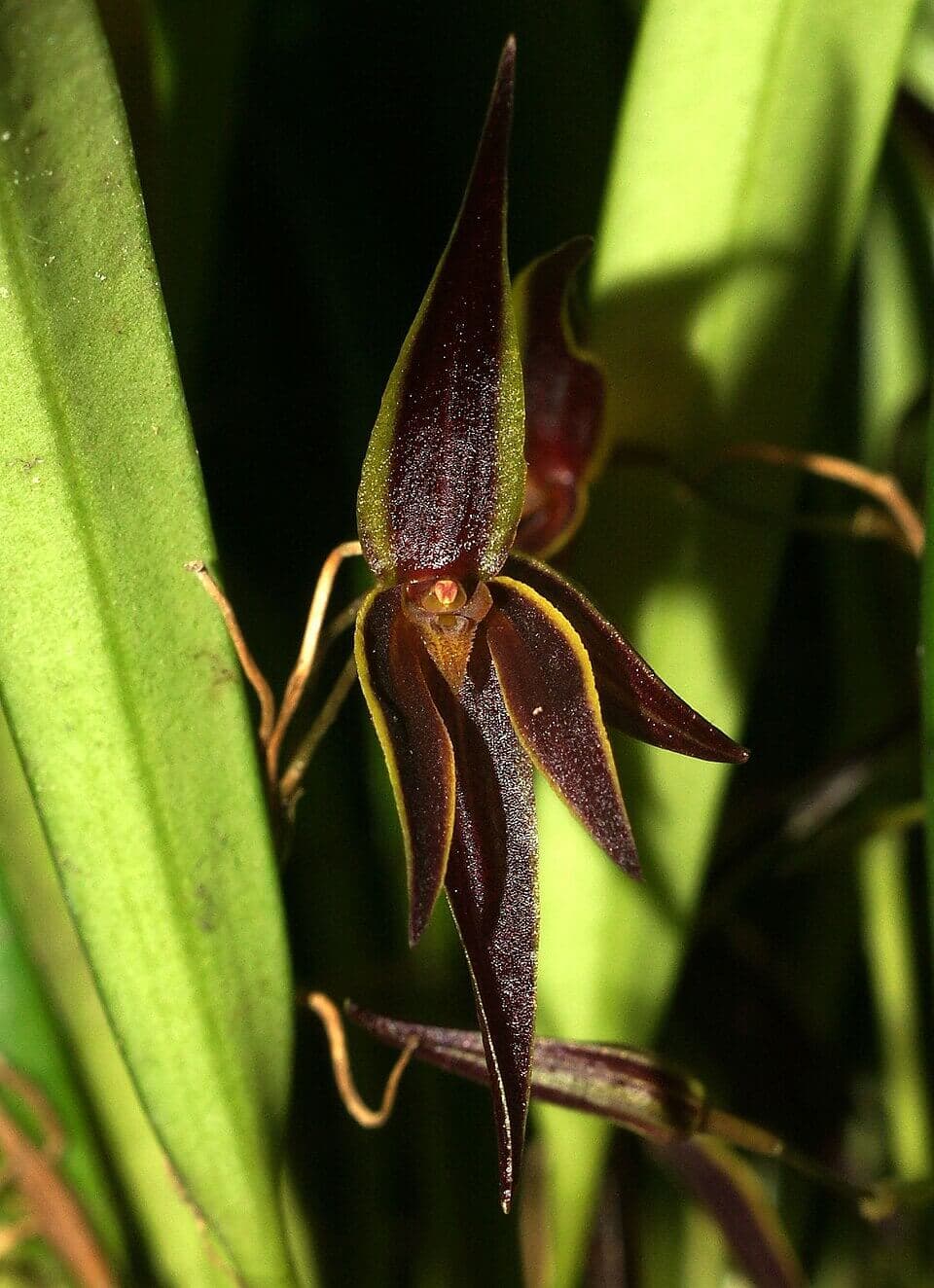
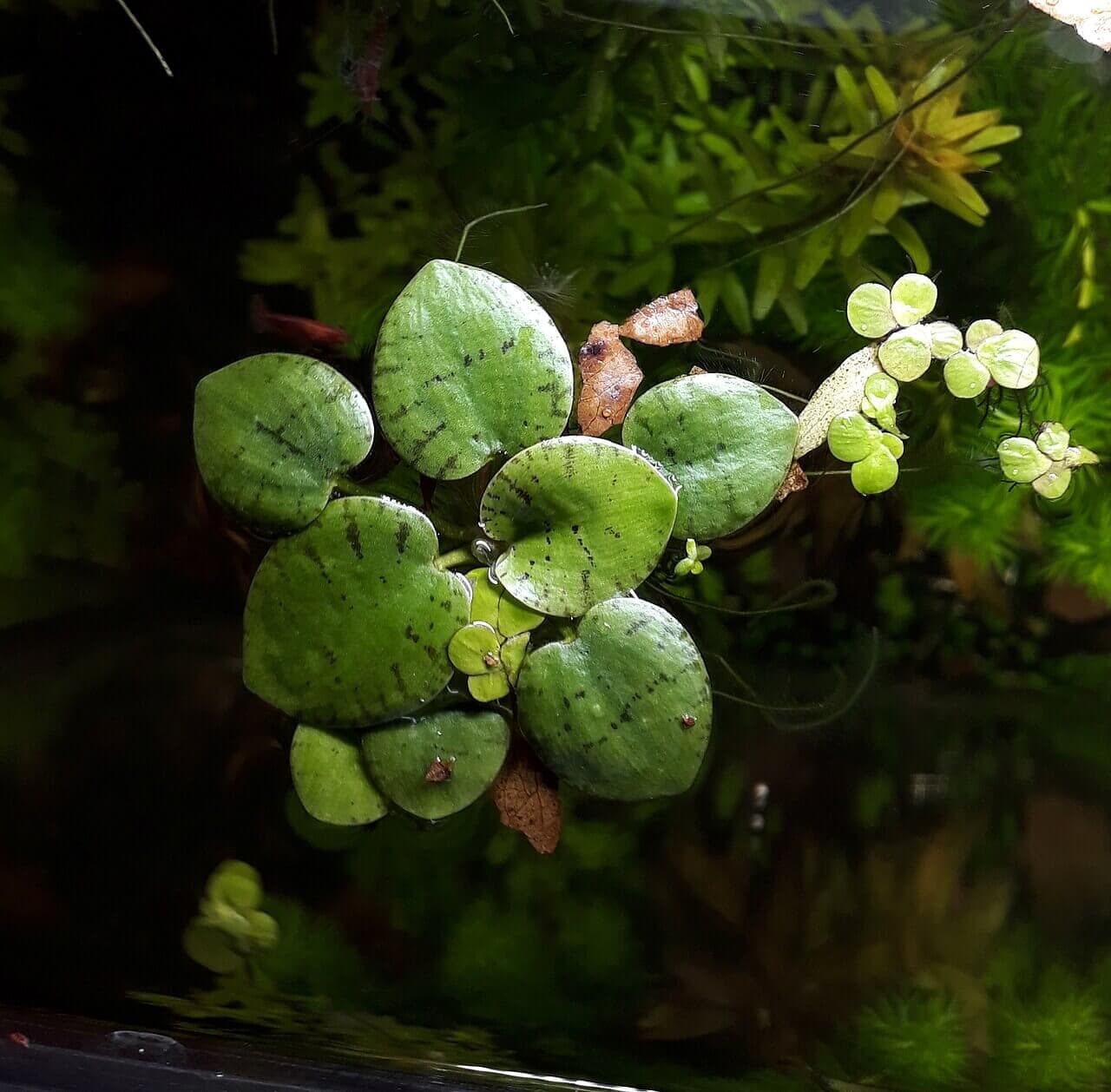
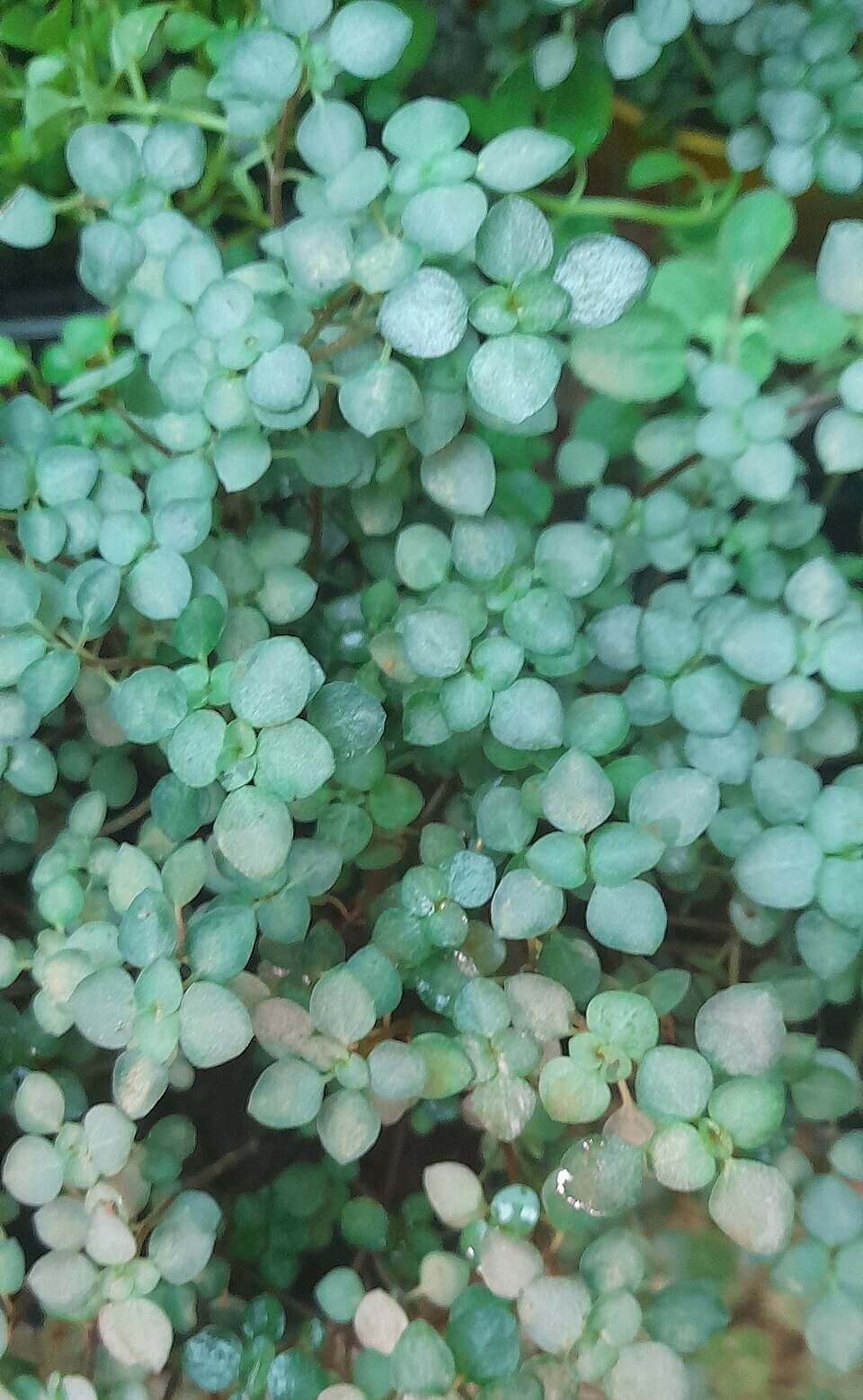
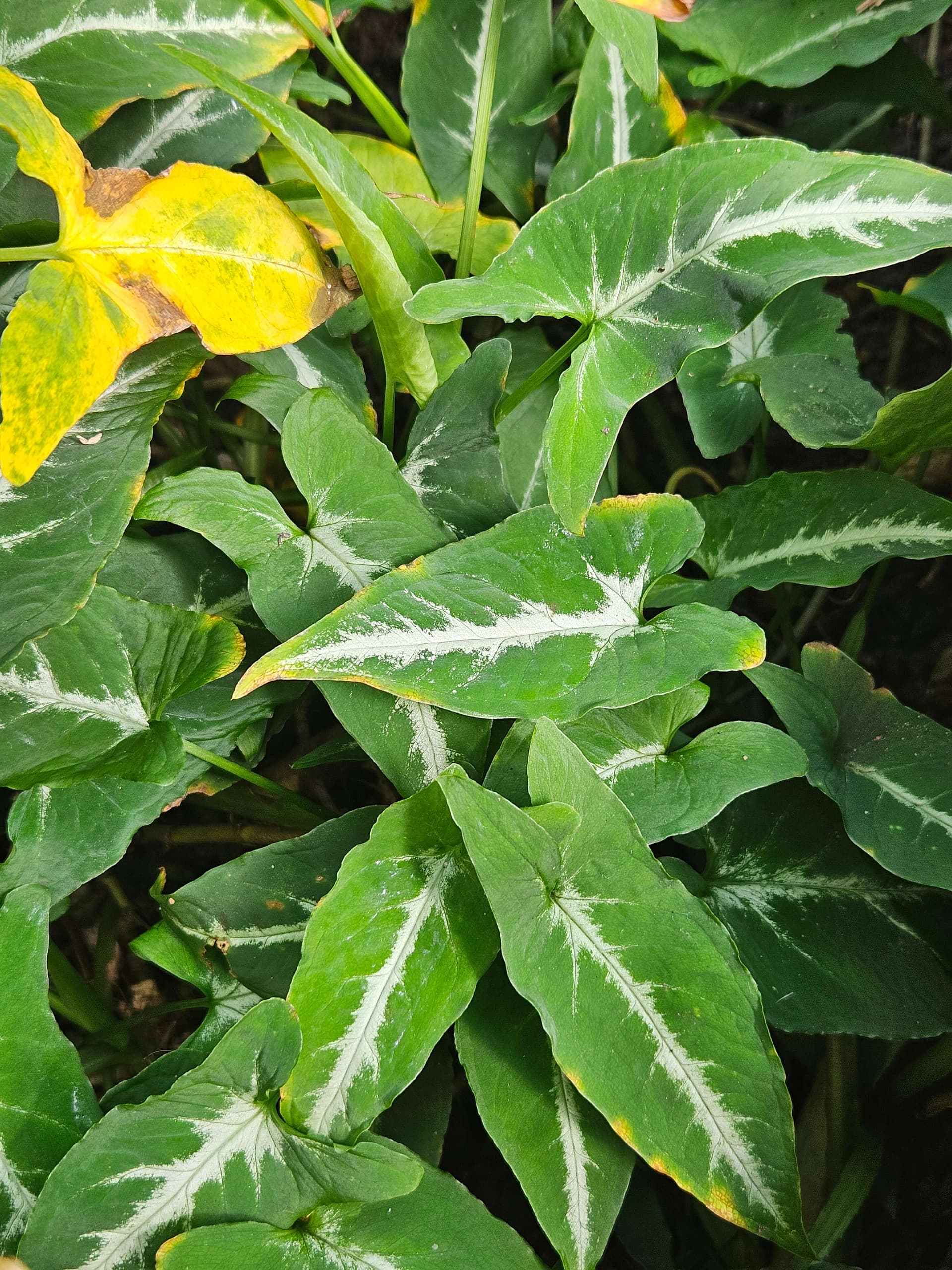
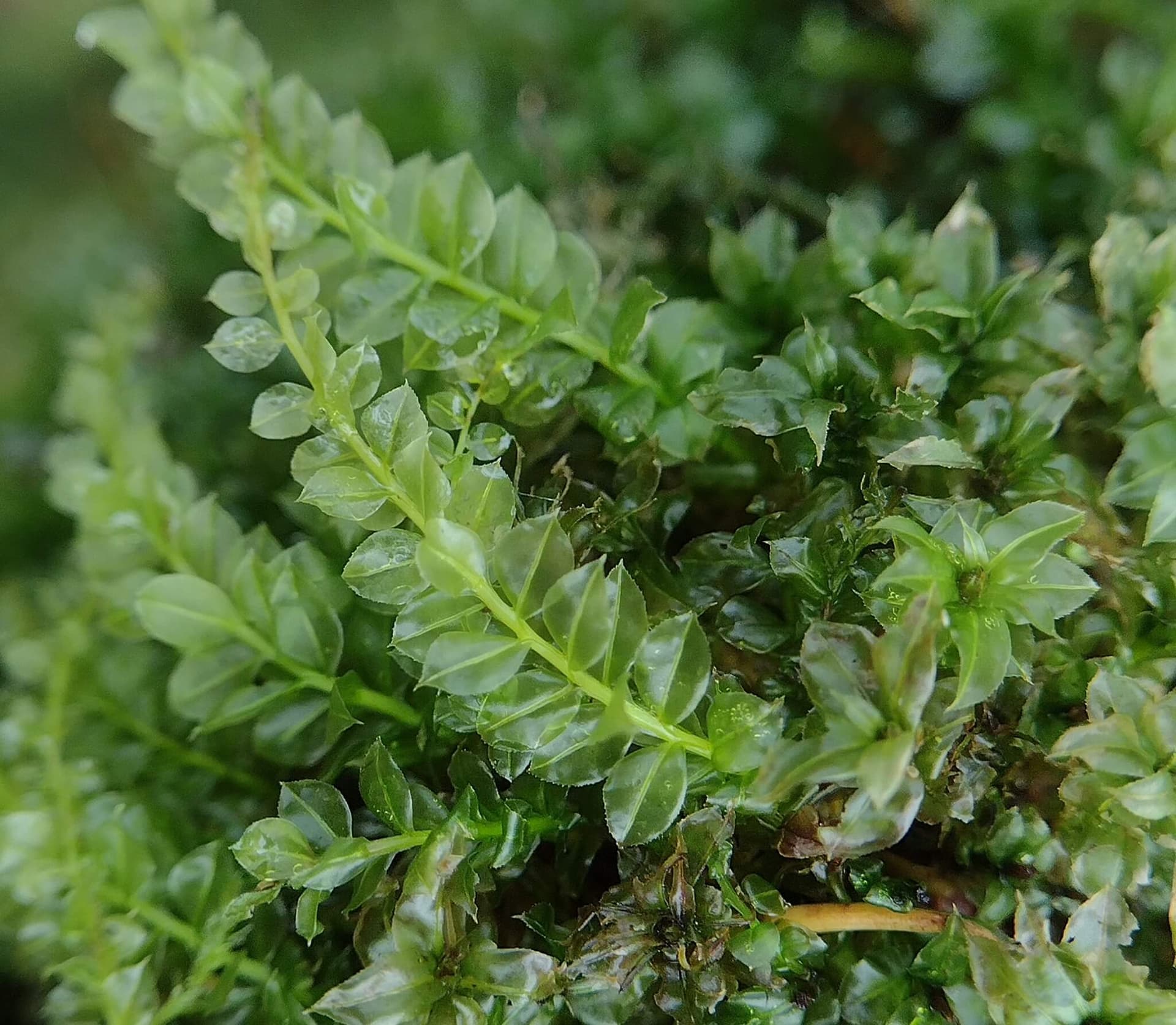
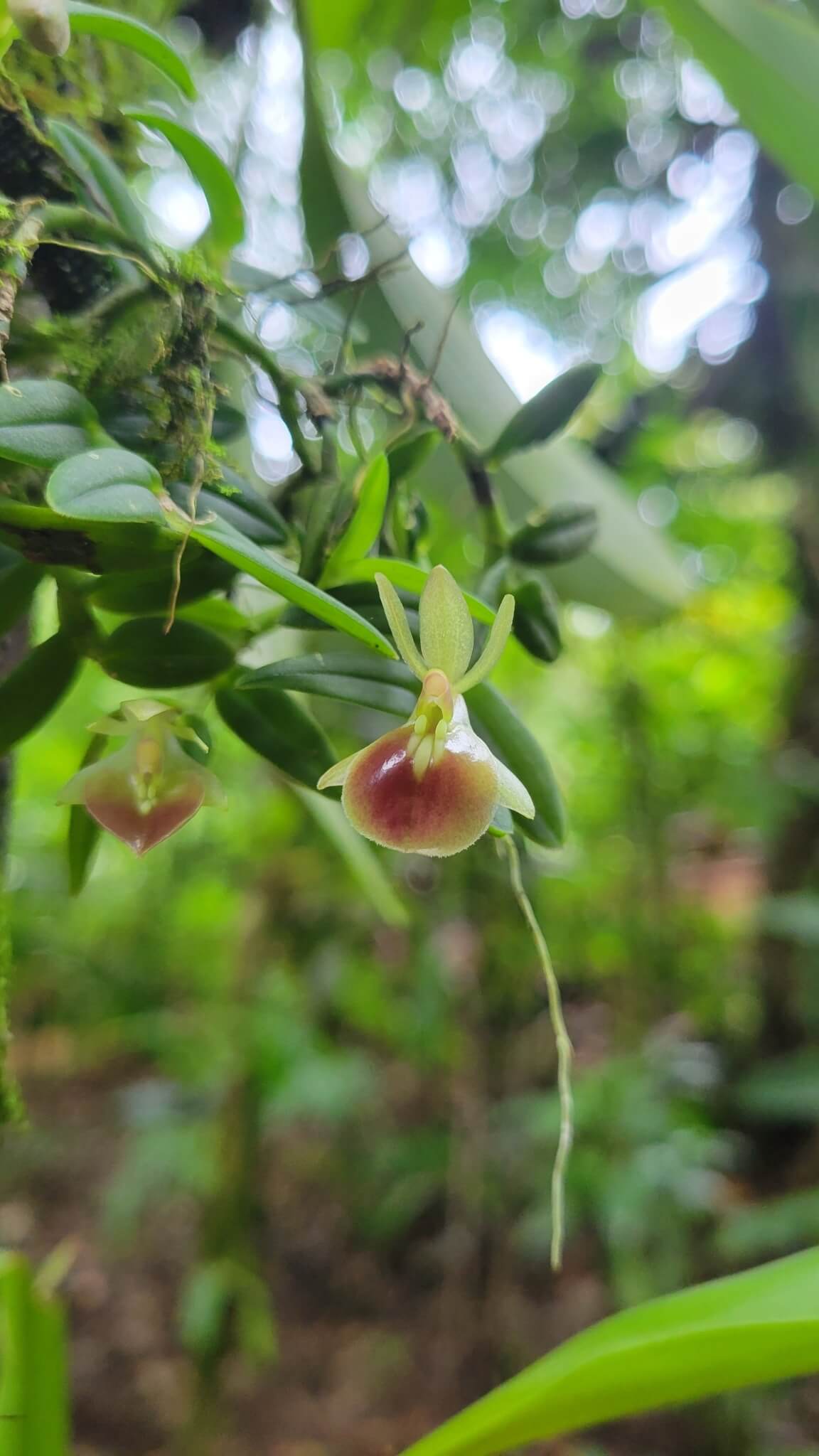
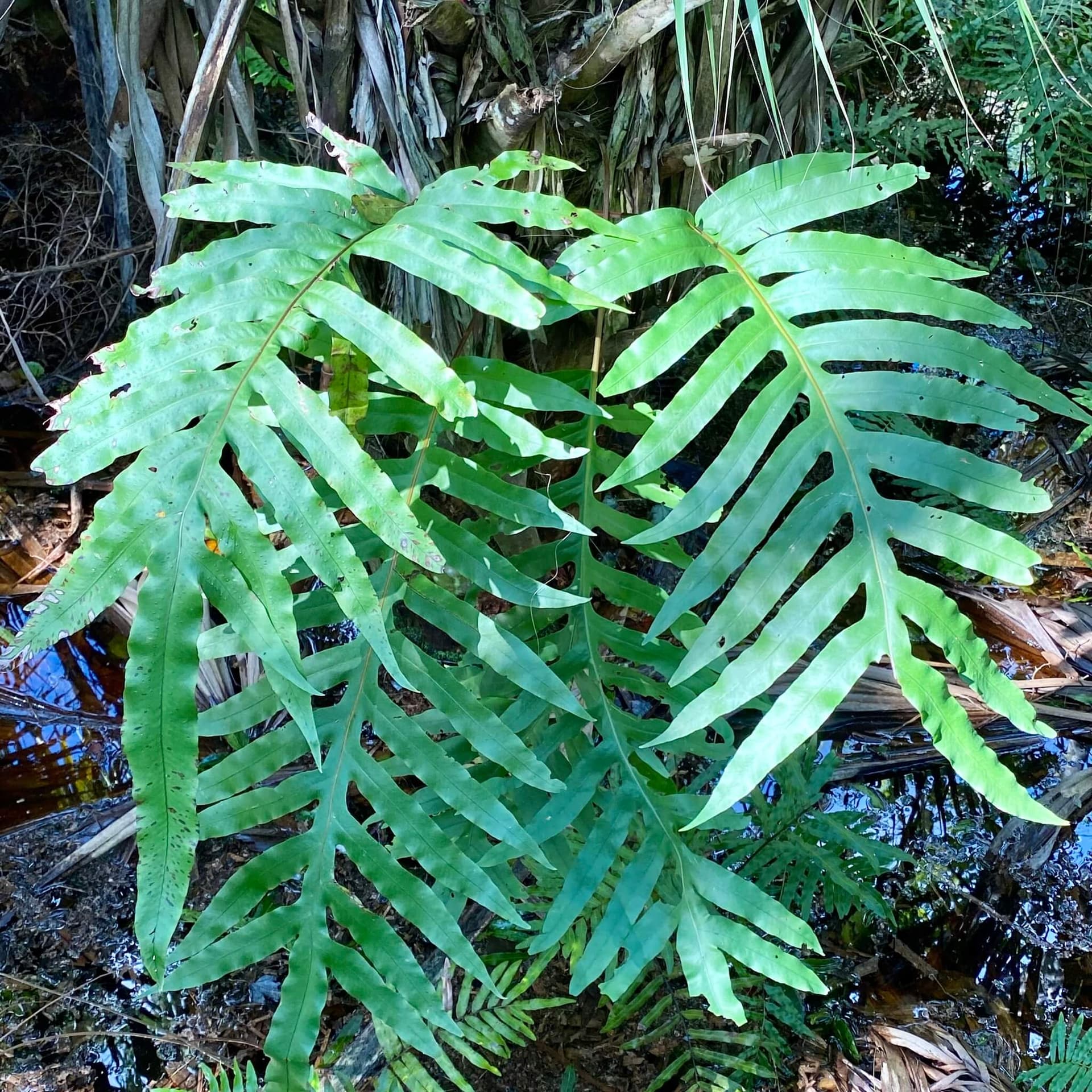
For terrarium builders this is one of the richest source regions in the world. The Verdarium catalogue currently tags thirty-nine species here, including Mesoamerican signatures like the parlour palm Chamaedorea elegans, mahogany fern Didymochlaena truncatula, Costa Rican orchids Pleurothallis allenii and P. costaricensis, the cloud-forest Masdevallia floribunda and M. nidifica, Platystele aurea, and the Panamanian Syngonium rayi.
The Lankester Botanical Garden in Costa Rica is the leading centre for Central American orchid research, and the Smithsonian Tropical Research Institute in Panama anchors broader tropical botany.
Native to Central America
Explore plants from this region
References
- Encyclopedia BritannicaGeography, area, volcanic spine, and climate baseline for the seven Central American countries.
- Kew POWOUsed to confirm characteristic genera (Chamaedorea, Anthurium, Philodendron, Pleurothallis, Masdevallia, Quercus, Bursera, Cyathea).
- WikipediaCross-check on countries, area, and climate.
- WikipediaConfirms 4,220 m as the regional maximum (Tajumulco, Guatemala).
- WikipediaPlant species richness (~17,000 species) and endemism context.
- TDWG WGSRPDAuthoritative Level 3 table — confirms member botanical countries of region 80 (BLZ, COS, ELS, GUA, HON, NIC, PAN).