Southern America · TDWG Level 2
Brazil
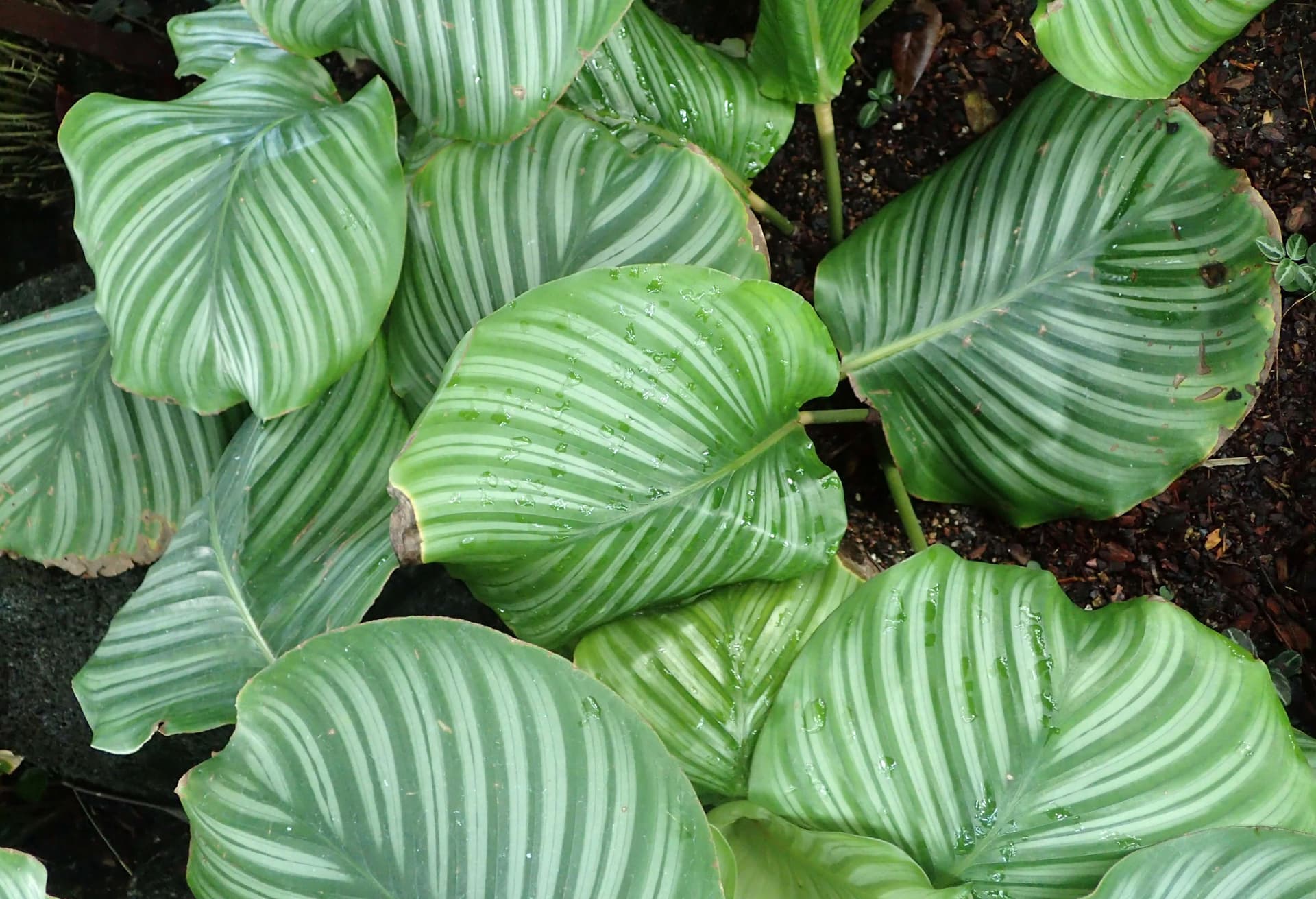
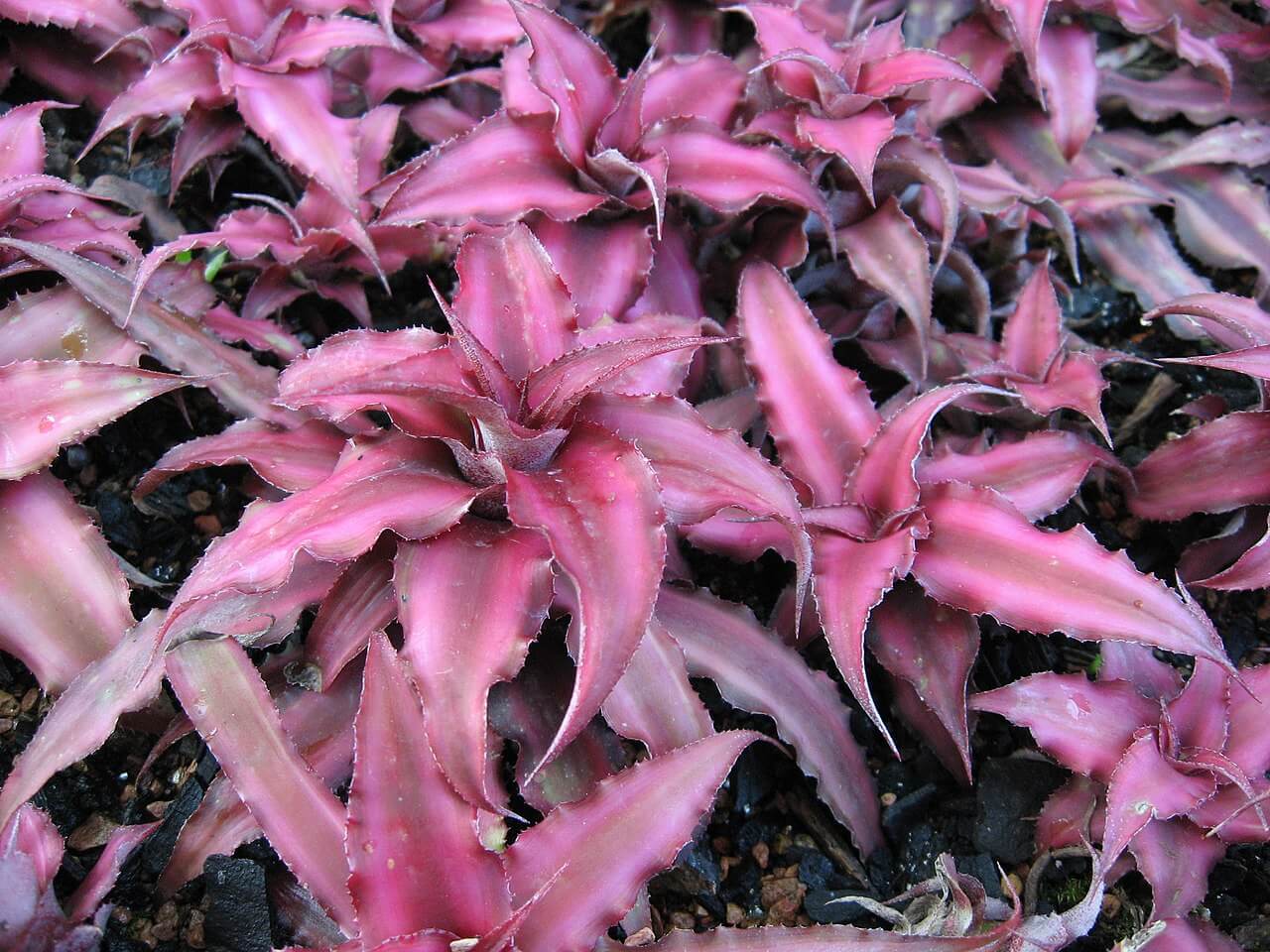
Brazil occupies nearly half of South America, spanning the Amazon Basin, the Atlantic Forest, the Cerrado savannas, and the Pantanal wetlands. It is the most plant-rich country on Earth, and the native home of many of the most-grown terrarium genera, including Goeppertia, Maranta, Cryptanthus, and Sinningia.
Brazil covers nearly half of South America, from the Atlantic coast to the Andean foothills and from the equator to the subtropical south. That scale gives it more recorded plant species than any other country — currently over 46,000, with new ones described every year.
The country's plant life is shaped by six major biomes. The Amazon rainforest dominates the north and west, with year-round warmth, high humidity, and a dense understory of aroids, ferns, and Marantaceae beneath a tall canopy. The Atlantic Forest (Mata Atlântica) runs along the eastern coast — once continuous, now reduced to fragments, and now one of the most-threatened biodiversity hotspots on the planet. It is unusually rich in epiphytes — plants that grow on other plants rather than in soil — particularly bromeliads, orchids, and members of the Gesneriaceae.
Further inland, the Cerrado spreads across the central plateau as a fire-adapted tropical savanna of grasses, twisted trees, and resprouting tubers. The Caatinga in the dry northeast is a semi-arid thorn scrub of cacti and drought-shedding trees. The Pantanal, in the southwest, is the world's largest tropical wetland — seasonally flooded, with aquatic and emergent vegetation dominating. Far in the south, the Pampas brings temperate grassland and a more humid-subtropical climate.
Elevations are modest by South American standards. The country lies almost entirely below 1,000 metres, rising to its highest point at Pico da Neblina (2,995 m) on the Venezuelan border.
Brazil is the native home of an unusually large share of common terrarium plants. Goeppertia (formerly Calathea), Maranta, Cryptanthus, Vriesea, Sinningia, Begonia maculata, Peperomia caperata, and the forest cacti of the genus Hatiora all originate here — mostly in the humid Atlantic Forest understory. Botanical study is anchored by the Jardim Botânico do Rio de Janeiro, founded in 1808, and the Flora do Brasil online checklist maintained by JBRJ.
Native to Brazil
Explore plants from this region
References
- Encyclopedia BritannicaCountry overview — geography, climate, biomes, area, highest peak
- WikipediaFlora overview — total species count and biome-flora links; cross-checked with Flora do Brasil (JBRJ)
- Kew POWOPlants of the World Online — regional checklists used to cross-check family and genus distributions
- One Earth BioregionsBioregional framing for the Amazon, Atlantic Forest, Cerrado, and Pantanal