Asia-Tropical · TDWG Level 2
Indo-China
Indo-China covers mainland Southeast Asia — Myanmar, Thailand, Laos, Cambodia, and Vietnam — where the Mekong and its sister rivers cut between limestone karst, monsoon forests, and one of the world's densest concentrations of orchids and aroids.
Indo-China stretches across mainland Southeast Asia, taking in Myanmar, Thailand, Laos, Cambodia, and Vietnam. The Mekong River anchors the region, flowing through five countries on its way to a vast delta on the South China Sea, while the Irrawaddy, Salween, Chao Phraya, and Red rivers drain the parallel mountain chains that frame the peninsula. The climate is tropical and monsoon-driven — a long wet season followed by a marked dry season — but altitude shifts the picture quickly. Lowland rainforest, dry deciduous forest, limestone karst, mangrove delta, and cool montane cloud forest can all occur within a few hours' drive of each other.
Elevation runs from sea level to 5,881 metres at Hkakabo Razi in northern Myanmar, the highest peak in Southeast Asia. South of there, the Annamite Range (Truong Son) and Cardamom Mountains form long, isolated montane refugia where Vietnamese, Lao, and Cambodian endemics have evolved in pockets — and where saola, Annamite striped rabbit, and an unusually high count of locally restricted plant species still survive. The central Myanmar dry zone and Thailand's central plain support mixed deciduous forest dominated by teak (Tectona grandis) and Dipterocarpaceae, while the Mekong floodplain and Tonlé Sap basin add seasonally flooded forest and freshwater swamp.
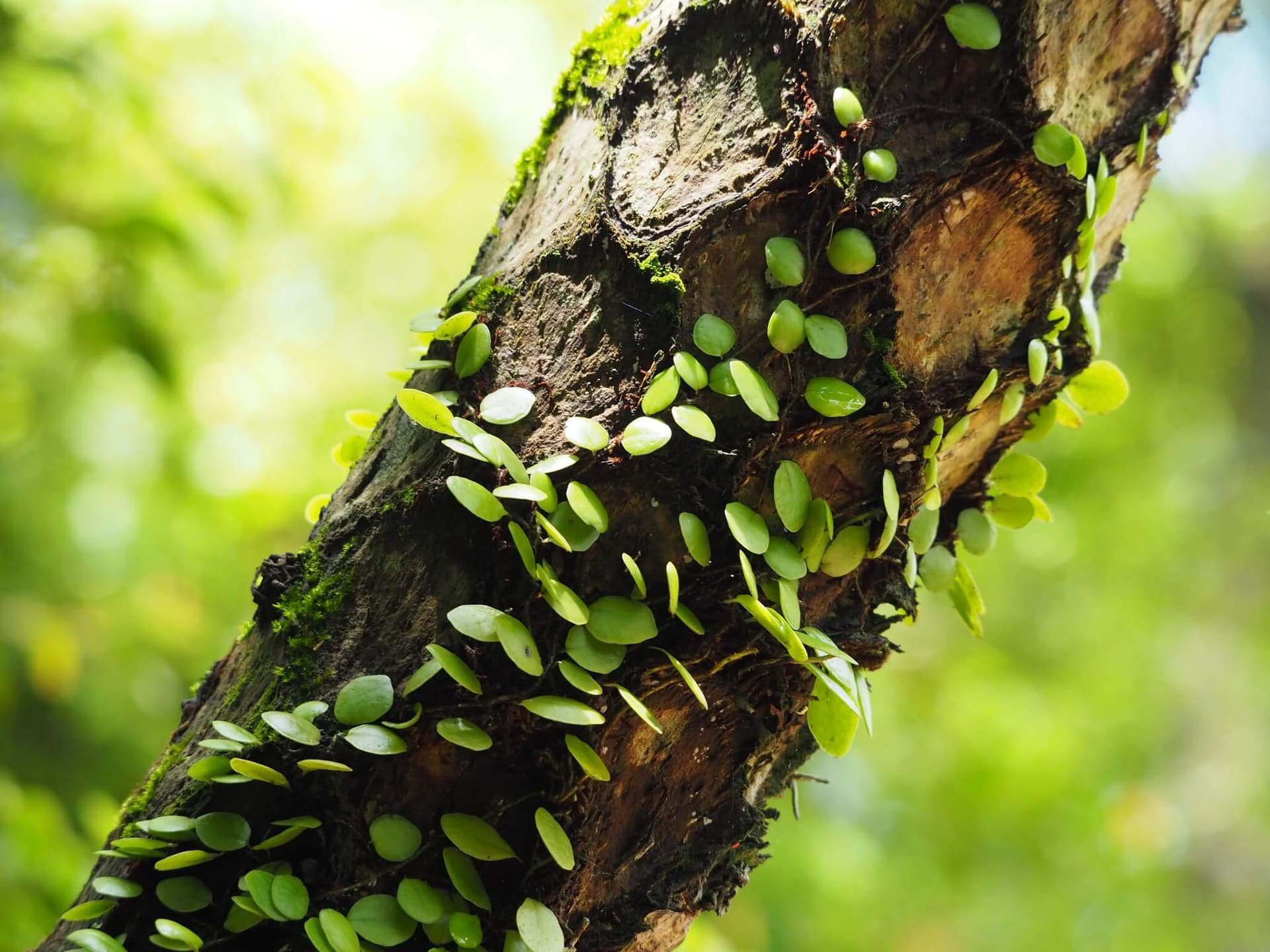
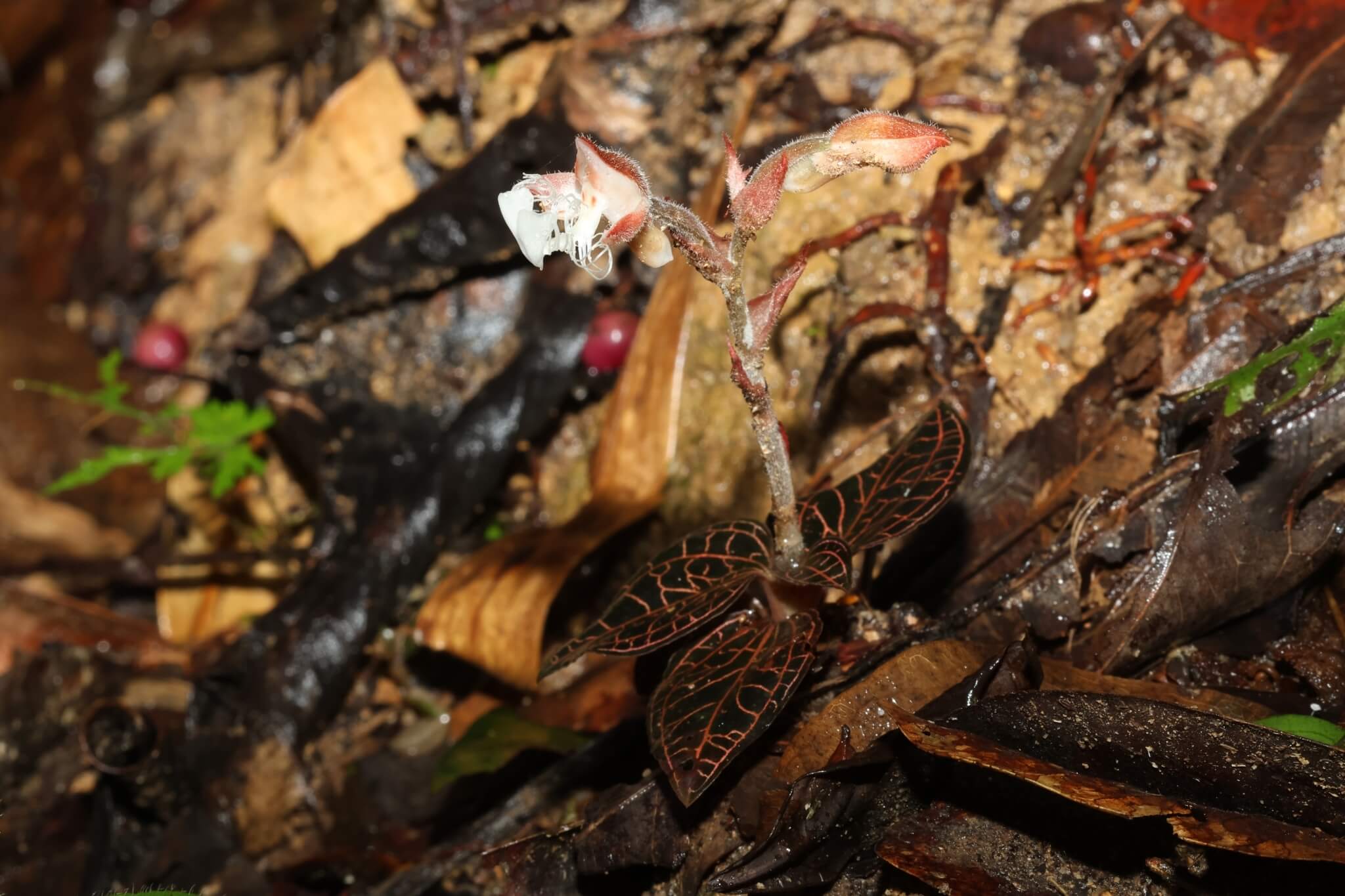
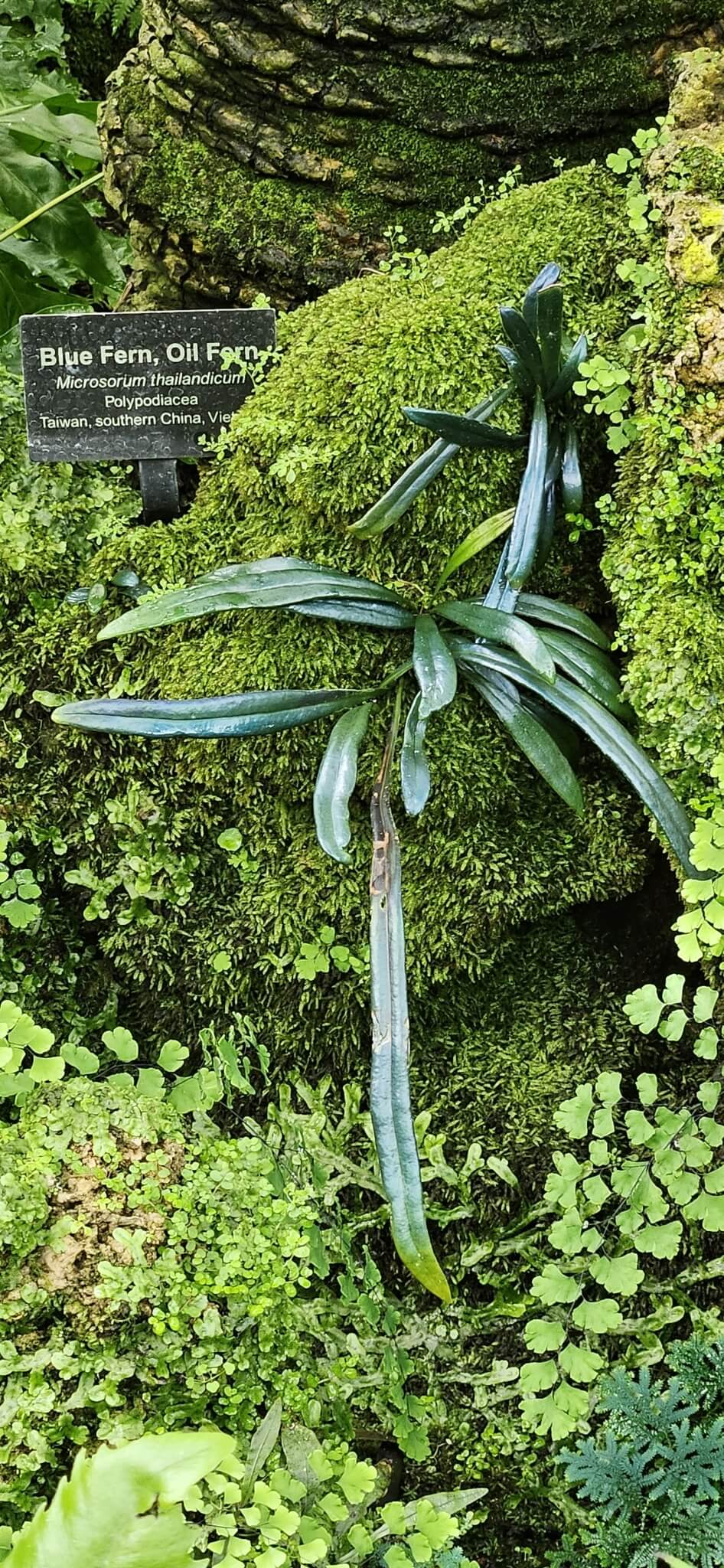
The flora is exceptional even by tropical standards. Dipterocarp giants — Dipterocarpus, Shorea, Hopea — dominate the canopy. Below them, Orchidaceae reaches some of its global diversity peaks: slipper orchids (Paphiopedilum), Dendrobium, Coelogyne, Aerides, and Bulbophyllum species, many of them endemic to single limestone outcrops. Gesneriaceae (Aeschynanthus, Henckelia, Petrocosmea) and Begoniaceae micro-radiate across the same karst, while Araceae (Alocasia, Homalomena, Aglaonema, Schismatoglottis) and Zingiberaceae gingers carpet the forest floor. Many familiar terrarium plants come straight from this region — Pilea cadierei (the Vietnamese aluminium plant), Ludisia discolor (jewel orchid), Aeschynanthus radicans (lipstick plant), Microsorum musifolium, Bolbitis heteroclita, and several Pyrrosia ferns are all native here.
Indo-China sits at the centre of the Indo-Burma biodiversity hotspot. The orchid and aroid catalogues of the late twentieth century lean heavily on collections from northern Vietnam, the Cardamoms, and the Shan plateau of Myanmar.
Native to Indo-China
Explore plants from this region
References
- WikipediaTDWG WGSRPD identification for level-2 code 41 Indo-China under parent Asia-Tropical (4); sub-units Cambodia, Laos, Myanmar, Thailand, Vietnam.
- WikipediaMainland Southeast Asia geography, area, and component countries; monsoon climate and the Mekong–Irrawaddy–Chao Phraya–Red river system.
- WikipediaHkakabo Razi peak elevation 5,881 m — maximum elevation within TDWG region 41 and highest in Southeast Asia.
- WikipediaIndo-Burma biodiversity hotspot — boundaries, endemism, and major plant-family radiations on limestone karst and in the Annamites.
- Encyclopedia BritannicaIndochinese peninsula geography, climate, and historical context.
- Kew POWORegional checklist source for Indo-China (41) flora — characteristic genera (Paphiopedilum, Aeschynanthus, Henckelia, Aglaonema, Homalomena) and family-level distribution.
- One Earth BioregionsIndochina tropical forests bioregion overview — monsoon forest, karst, and Annamite endemism.