Asia-Temperate · TDWG Level 2
Eastern Asia
Eastern Asia covers the temperate island arc from Japan and the Korean peninsula south to Taiwan and the Ryukyus, where humid forests, moss-rich mountain slopes, and warm subtropical lowlands meet the Pacific.
Eastern Asia stretches across Japan, Korea, Taiwan, and the small island groups in between — the Ryukyus (Nansei-shoto), the Ogasawara islands, and the volcanic chains that thread along the western Pacific. The region sits between two ocean currents and two climate belts. The northern half is firmly temperate, with cold winters and heavy snowfall on Hokkaido and the Korean uplands. The southern half drifts into subtropical territory: Taiwan's lowlands and the Ryukyu Islands carry warm-temperate to subtropical evergreen forest, while the Pacific keeps most coasts mild year-round.
Elevation runs from sea level to 3,952 metres at Yushan in central Taiwan, with Mount Fuji rising to 3,776 metres in Japan. The mountains do the heavy botanical work. They lift moisture-laden Pacific air into cool montane and cloud forests, and they isolate plant populations long enough for high local endemism — particularly across Taiwan's central range and the volcanic Ogasawara islands, which UNESCO recognises for their unique island flora.
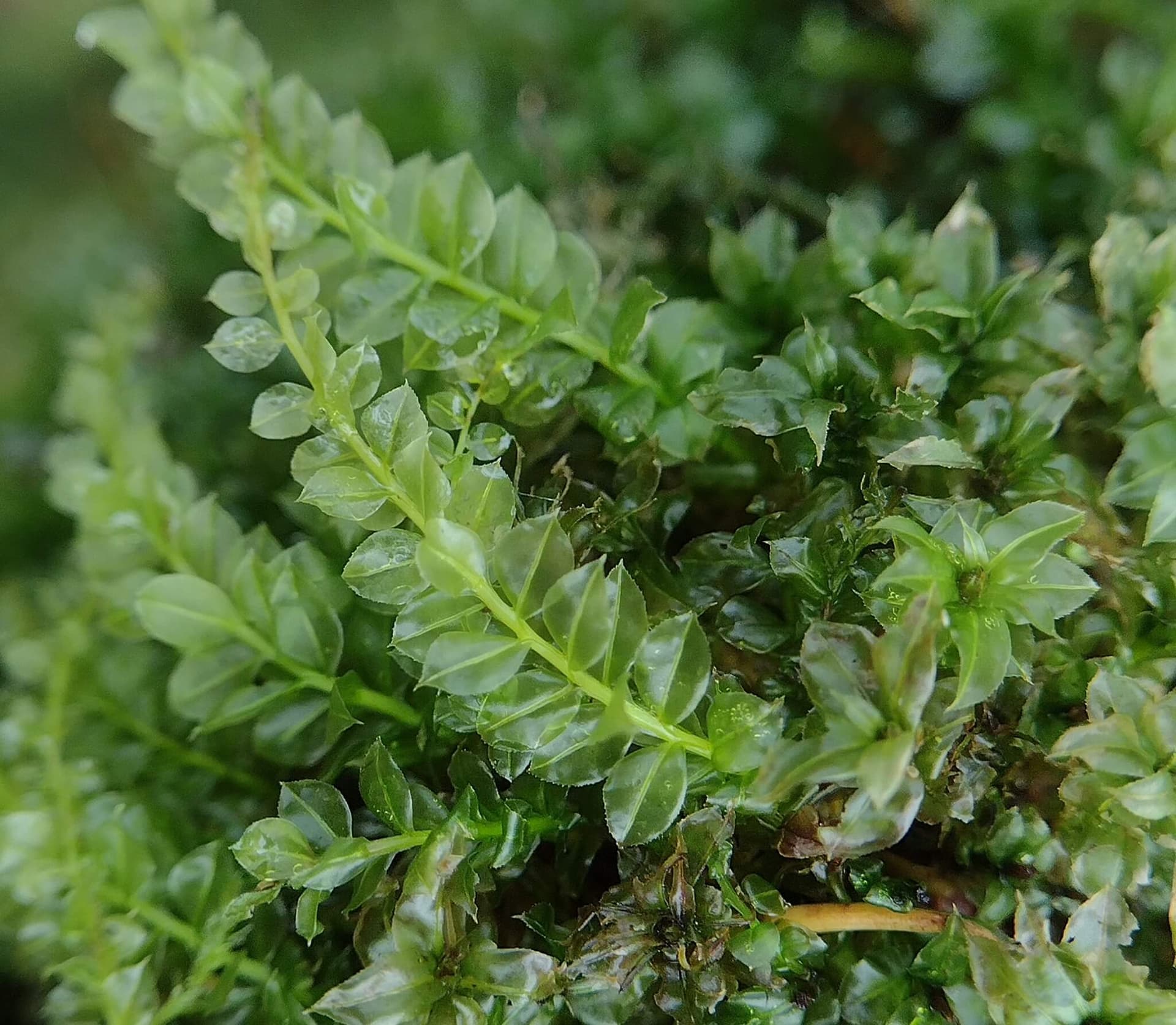
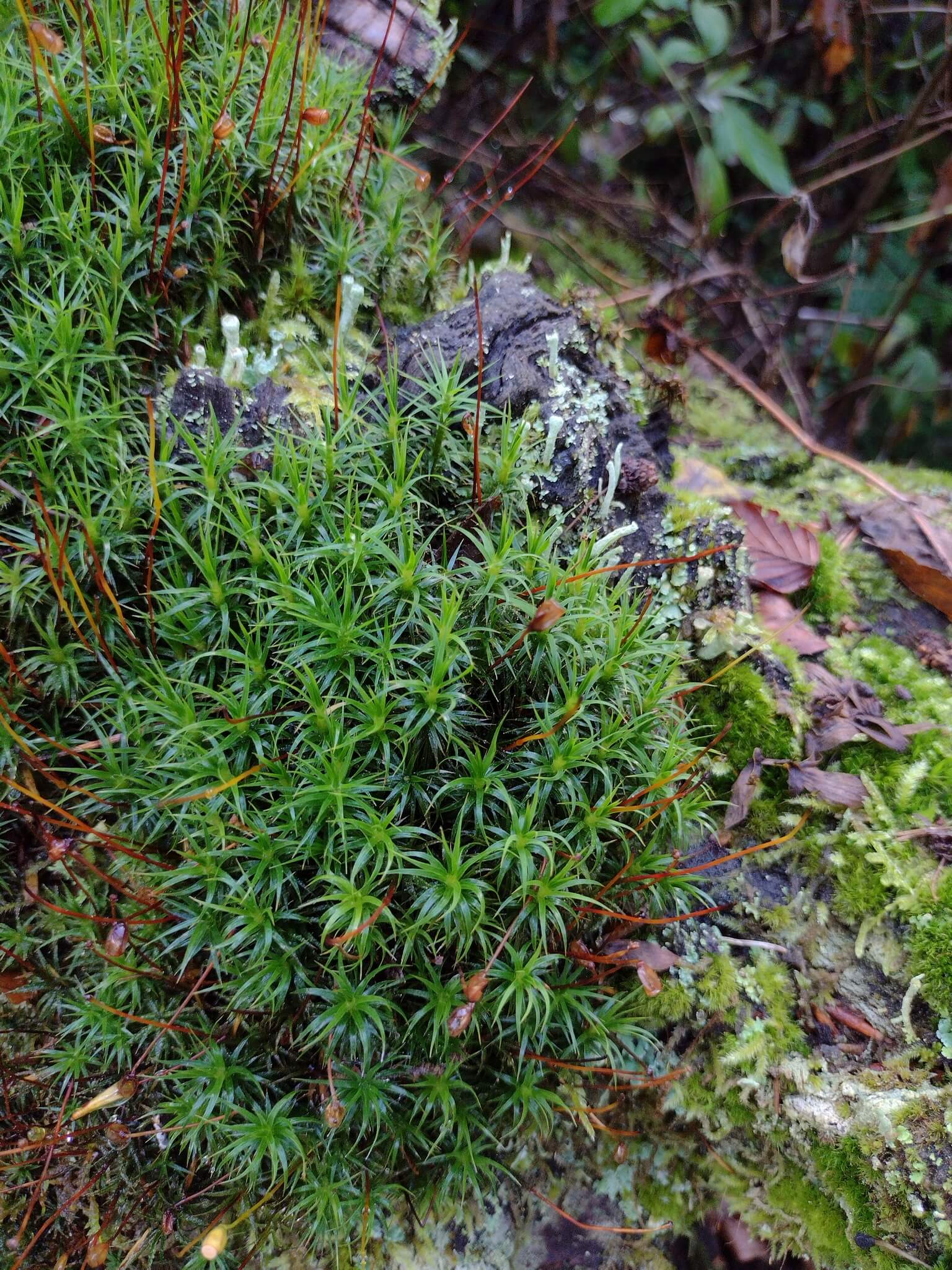
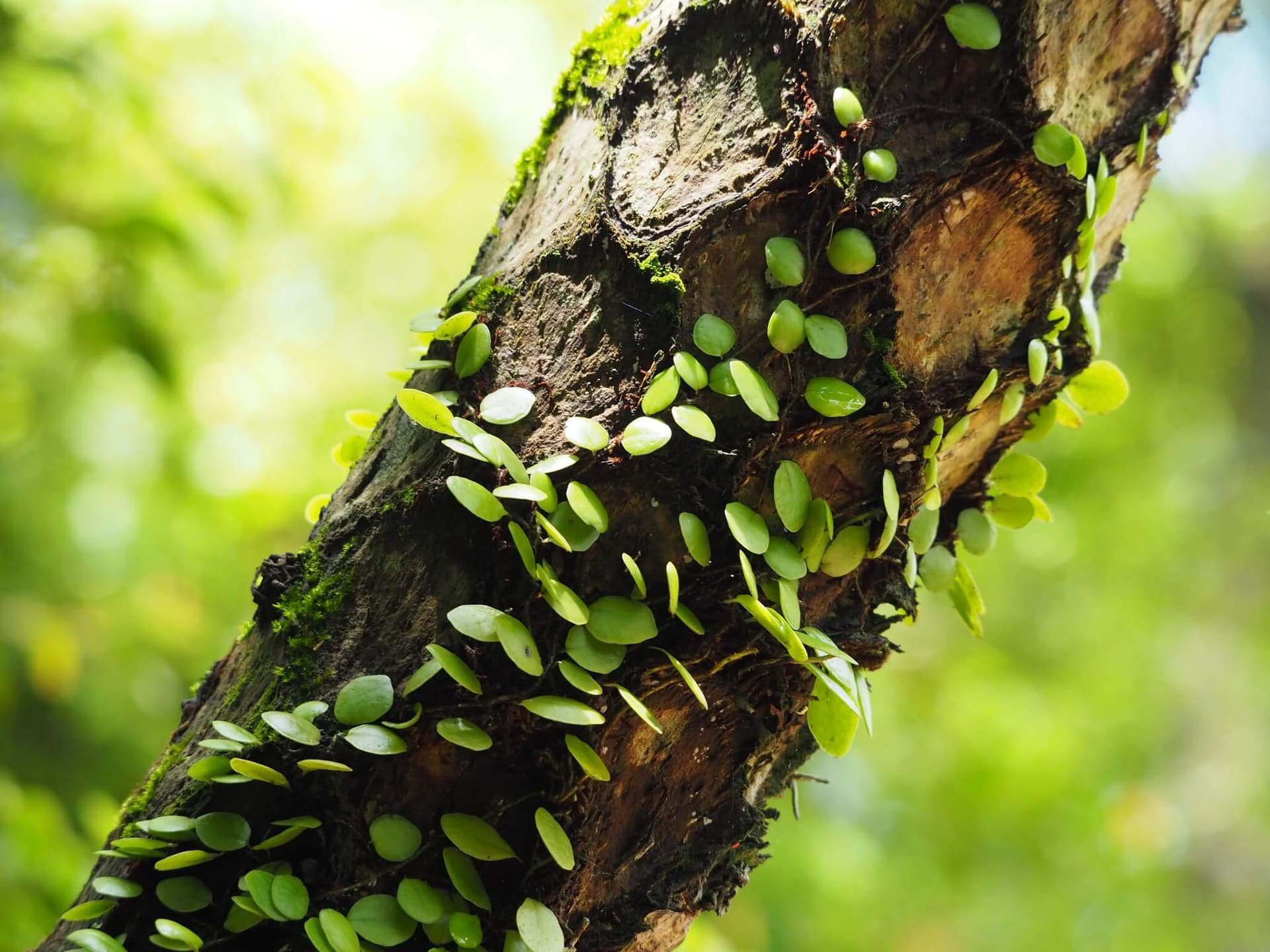
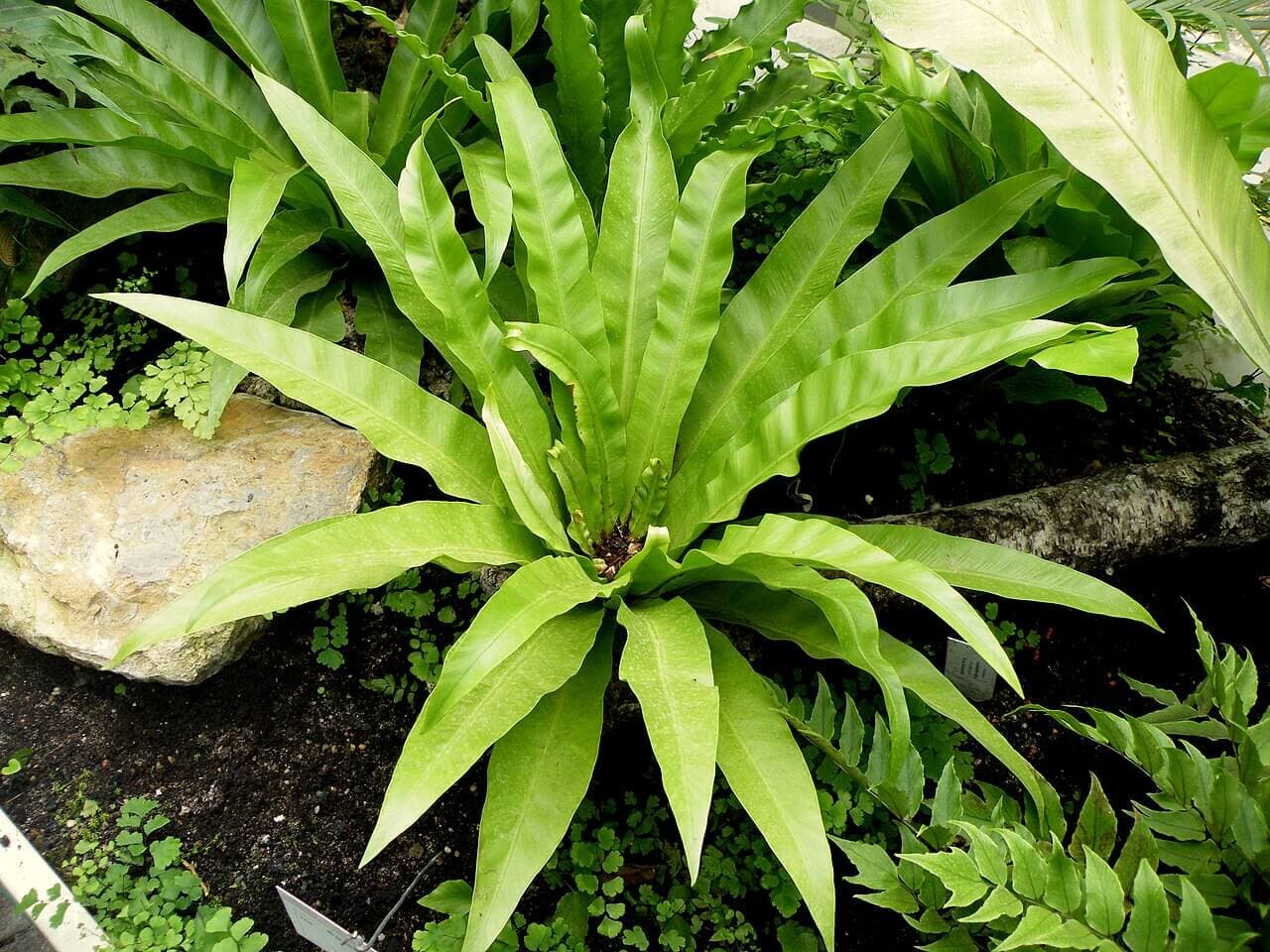
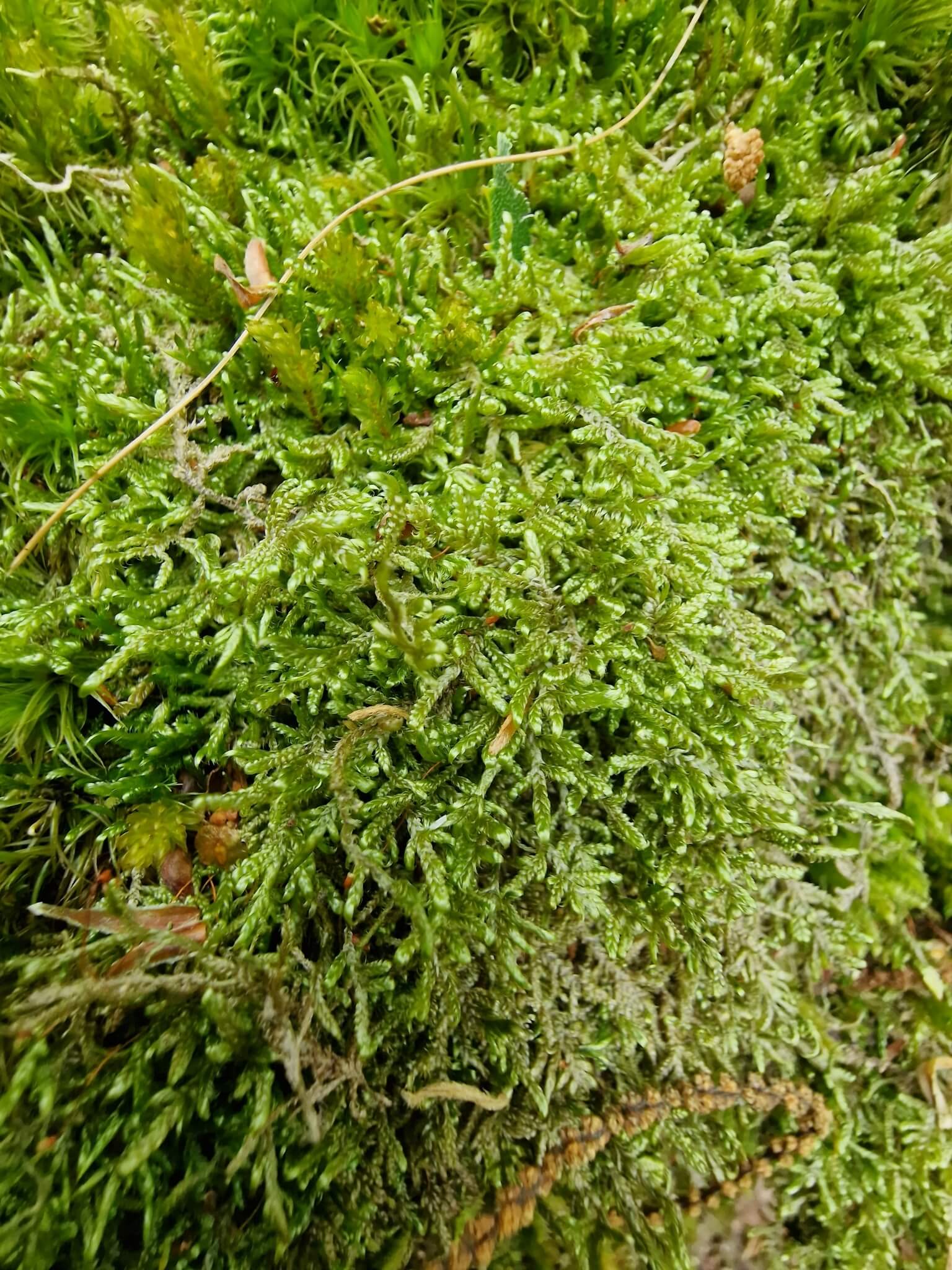
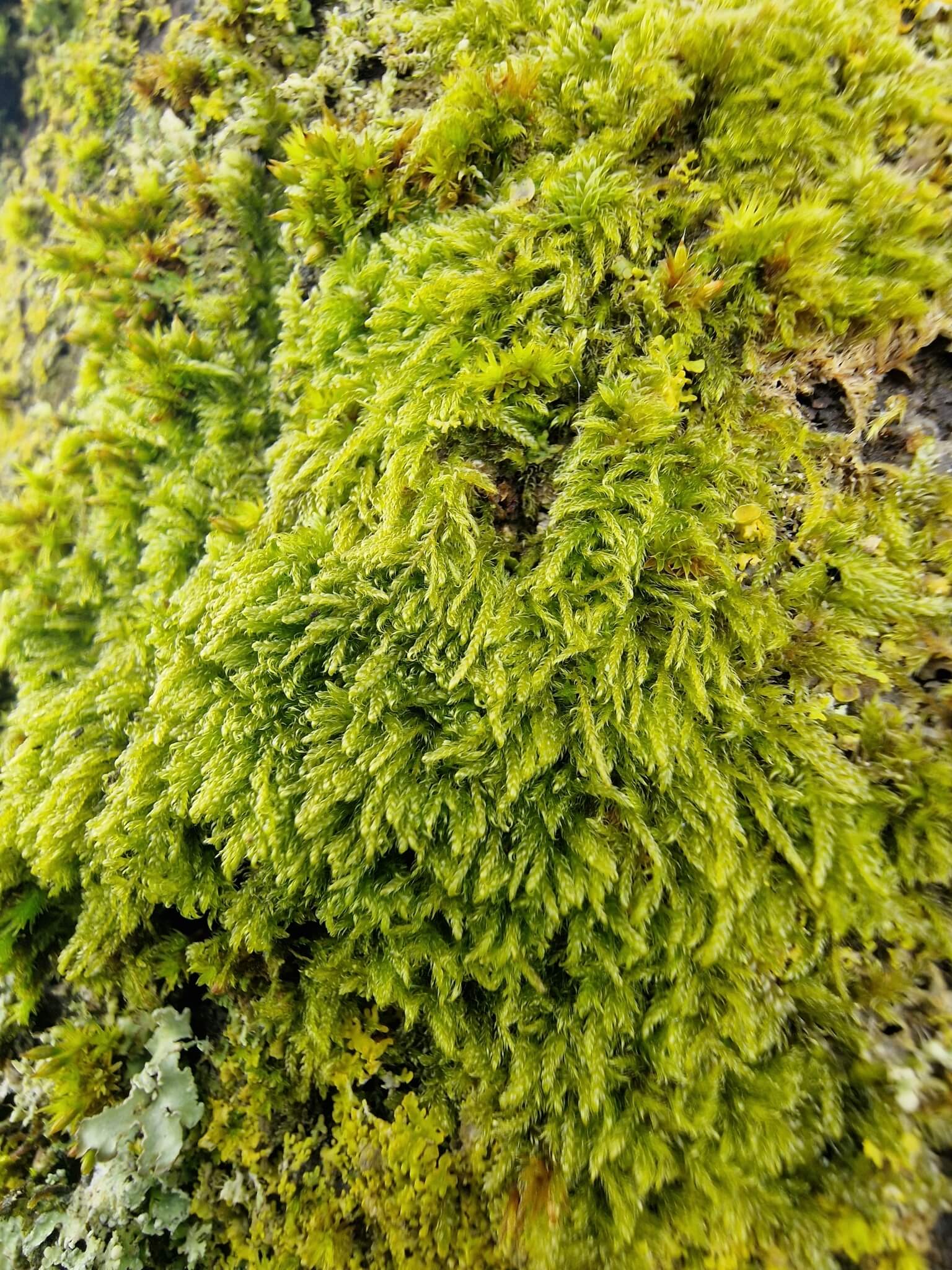
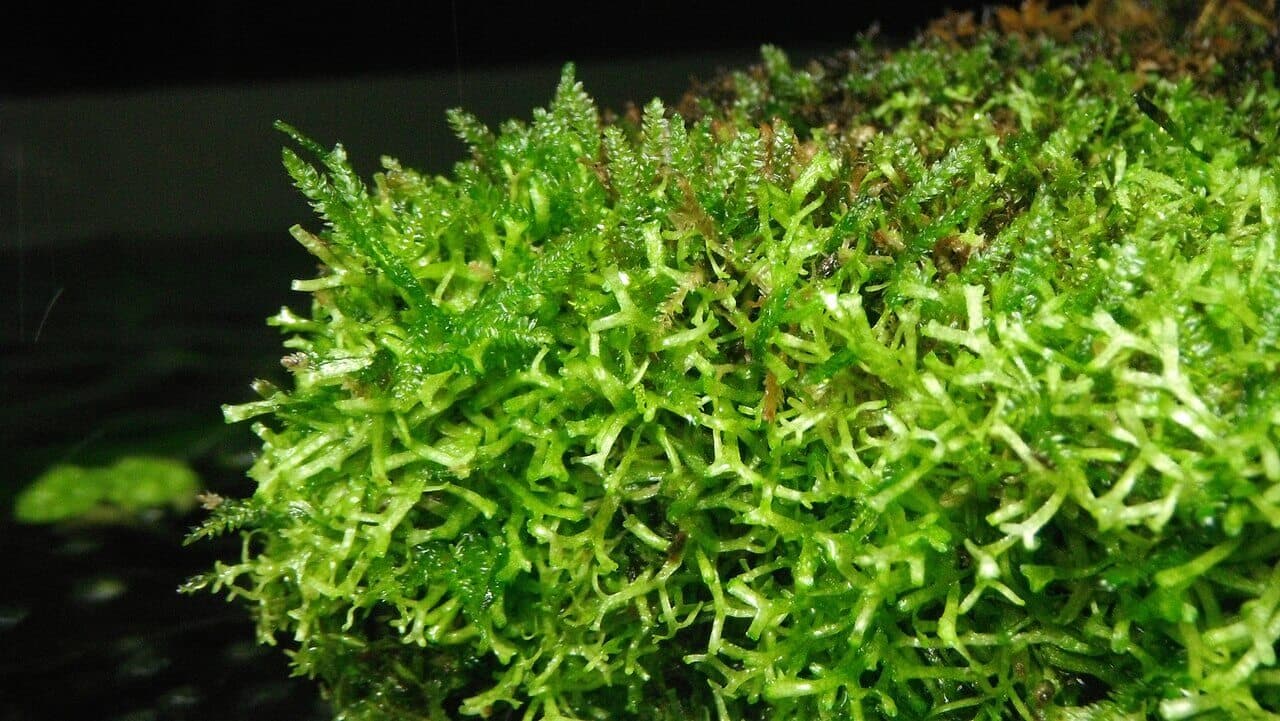
Plant communities here are layered and consistently humid. Temperate broadleaf and mixed forest — oaks (Quercus), maples (Acer), zelkovas, magnolias, and cherries (Prunus) — covers most of Japan and Korea. The understory is dense with Hosta, Hydrangea, Saxifraga, ferns, and shade-tolerant orchids of the genera Calanthe and Cymbidium. Mosses are a defining feature: Racomitrium, Plagiomnium, Hypnum, Leucobryum, Polytrichum, and Thuidium species carpet shaded forest floors and stone walls across the region. Southward, in Taiwan and the Ryukyus, evergreen Lauraceae and Fagaceae forests take over, with epiphytic ferns (Pyrrosia, Davallia) climbing wetter slopes and mangroves fringing the warmest islands.
The region has shaped how the wider world thinks about plants. Japan's bonsai, niwaki, and moss-garden traditions — Kyoto's Saihō-ji is the best-known example — turned native species into a global aesthetic. Many terrarium-friendly plants used today, including Saxifraga stolonifera, Ophiopogon japonicus, Hoya carnosa, and the climbing Ficus pumila, come from these temperate forests and shaded streamsides.
Native to Eastern Asia
Explore plants from this region
References
- WikipediaTDWG WGSRPD identification for level-2 code 38 Eastern Asia under parent Asia-Temperate (3); sub-units Japan (38.1), Korea (38.2), Nansei-shoto (38.3), Ogasawara-shoto (38.4), Taiwan (38.5).
- WikipediaYushan / Jade Mountain peak elevation 3,952 m — highest point in TDWG region 38.
- Encyclopedia BritannicaGeneral geography, climate, and vegetation zones of Japan; temperate broadleaf, mixed conifer, and warm-temperate evergreen forest.
- Encyclopedia BritannicaTaiwan geography and montane cloud-forest vegetation; central range and Yushan as biogeographic refuge.
- Kew POWORegional checklist source for Eastern Asia (38) flora — characteristic genera and family-level distribution.
- One Earth BioregionsEast Asian mixed-forest bioregion overview covering Japan, Korea, and adjacent island arcs.